20 Anime Nobody Talks About (but Should)


There’s a whole world of outstanding series and films that fly under the radar, overshadowed by the same handful of hits everyone brings up. This list rounds up twenty anime that deserve more conversation because of their craft, ideas, and distinctive voices across genres—from sci-fi and mystery to historical drama and character-driven storytelling.
Each entry below includes what it is, who made it, and what makes it notable in concrete terms: source material, studios, creators, settings, and the kinds of stories they tell. If a title pops up in multiple mediums or connects to other works, you’ll see those ties called out so you can decide what to explore next.
‘Kaiba’ (2008)

Directed by Masaaki Yuasa and produced at Madhouse, ‘Kaiba’ is an original science-fiction series set in a universe where memories can be digitized, traded, and transplanted between bodies. The show uses a deceptively simple visual style to depict body-swapping economies, class partitions between planetary zones, and the mechanics of memory storage and loss.
Its worldbuilding lays out black-market clinics, memory chips, and a stratified orbit of habitats that control identity itself. The series tracks a central amnesiac figure moving through these systems, with recurring terms, devices, and locations that explain how identity fraud, memory editing, and social mobility function in this setting.
‘Den-noh Coil’ (2007)
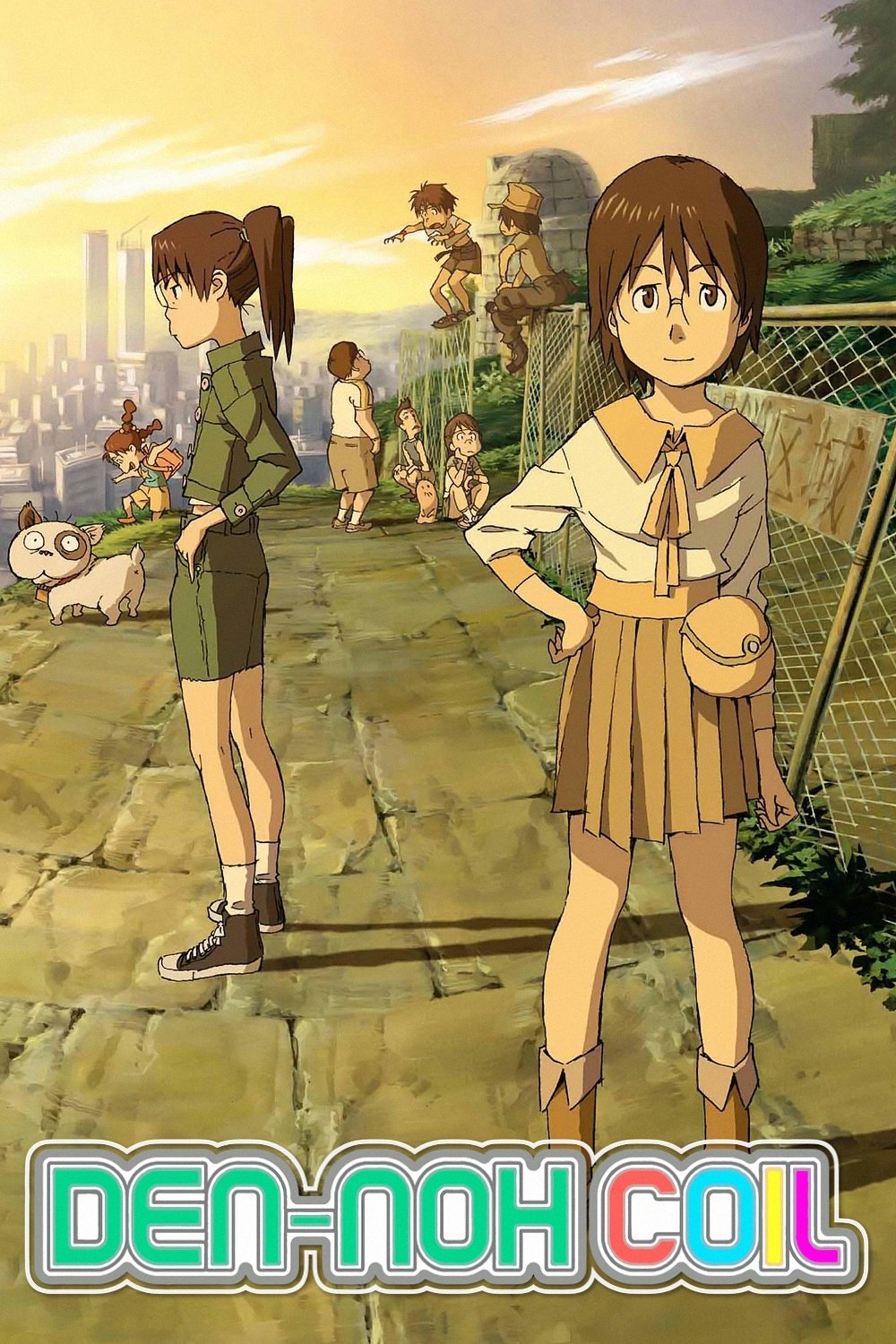
Created by Mitsuo Iso, ‘Dennou Coil’ blends near-future augmented reality with everyday childhood life in a mid-sized Japanese city. Its setting establishes AR glasses as common tech, overlaid “Illegals” as glitch-like entities, and a municipal network where rules and patches alter what citizens can perceive.
The show details a full AR infrastructure: user accounts, pet programs, virtual-physical interactions, and enforcement protocols that treat software exploits as civic issues. Episodic mysteries build on consistent rules—packet sniffers, firewalls, and code traps—so the tech makes sense as more than window dressing.
‘House of Five Leaves’ (2010)

Animated by Manglobe and adapted from Natsume Ono’s manga, ‘House of Five Leaves’ follows a timid rōnin who becomes entangled with a small kidnapping ring in Edo. The adaptation preserves the source’s loose linework and focuses on interpersonal negotiations, with criminal jobs explained as carefully planned, financially motivated operations.
It outlines the social economy of the time—stipends, debts, and patronage—and how a samurai surviving on odd employment navigates laws, yakuza codes, and neighborhood surveillance. The group’s internal rules, revenue splitting, and cover identities are laid out plainly, grounding each job’s logistics.
‘Shiki’ (2010)
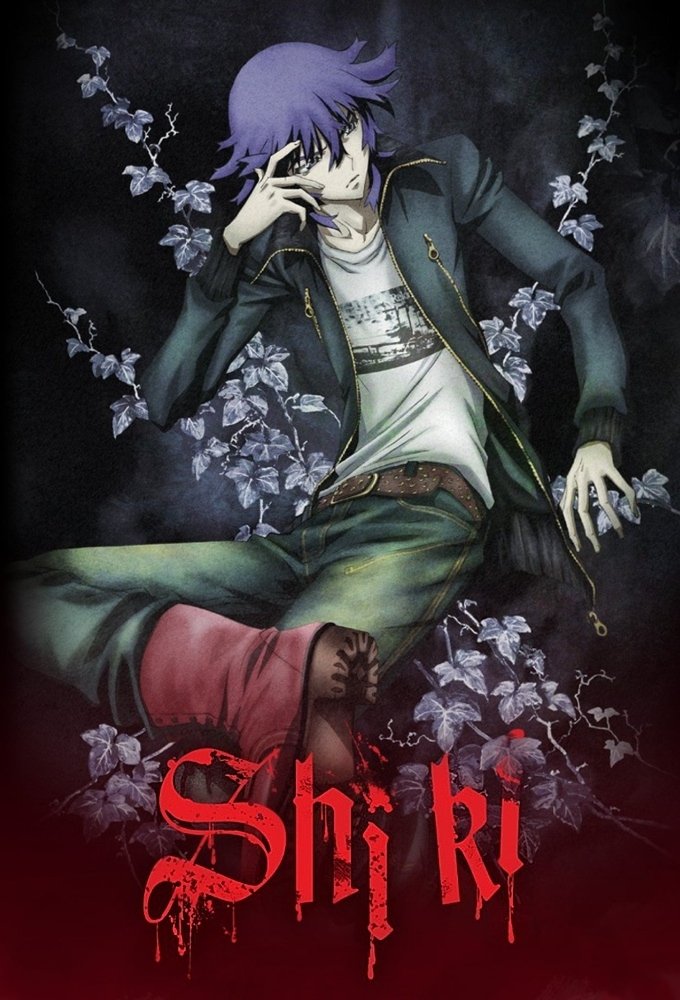
Based on Fuyumi Ono’s novel with character designs referencing Ryu Fujisaki’s manga version, ‘Shiki’ charts an outbreak in a rural village where unexplained deaths follow a new family’s arrival. Medical records, burial customs, and epidemiological steps are documented as the local clinic tracks symptoms and patterns.
The narrative treats folklore as a public-health investigation, itemizing methods of prevention, signs of infection, and community responses. Its later episodes detail how townspeople coordinate surveillance, form committees, and manage conflicting ethical obligations under crisis conditions.
‘Sarazanmai’ (2019)
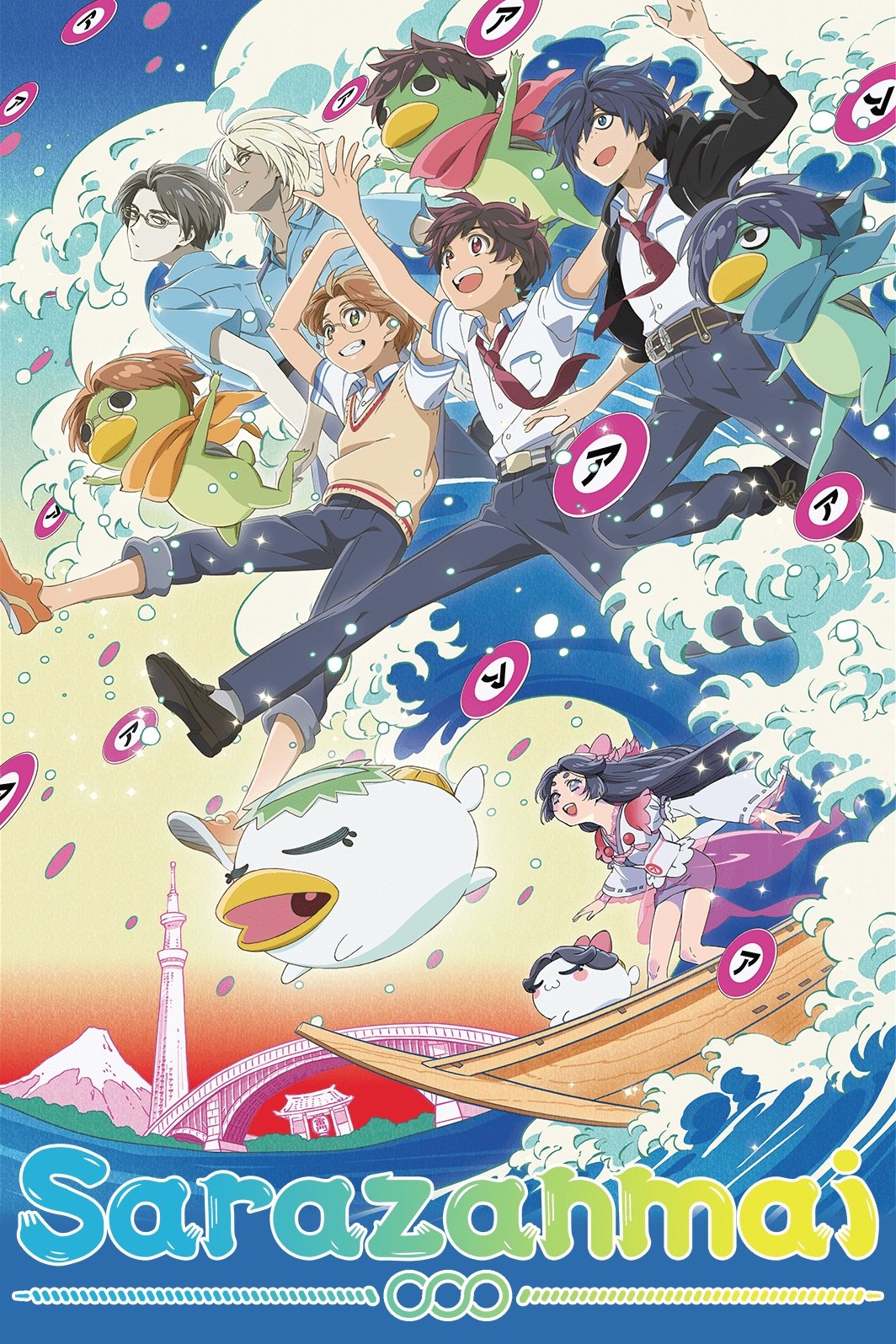
An original project by Kunihiko Ikuhara produced by MAPPA and Lapin Track, ‘Sarazanmai’ connects kappa folklore with modern social media and urban policing. The series sets precise rules for how desires become physical entities, how “leaking” occurs, and how characters must retrieve items through ritualized actions.
It maps out Asakusa landmarks, police procedures inside a specialized unit, and the way smartphones, hashtags, and viral clips intersect with mythic mechanics. Repeated motifs—dishes, boxes, signal towers—are tied to specific cause-and-effect systems the show explains and uses consistently.
‘Kino’s Journey’ (2003)
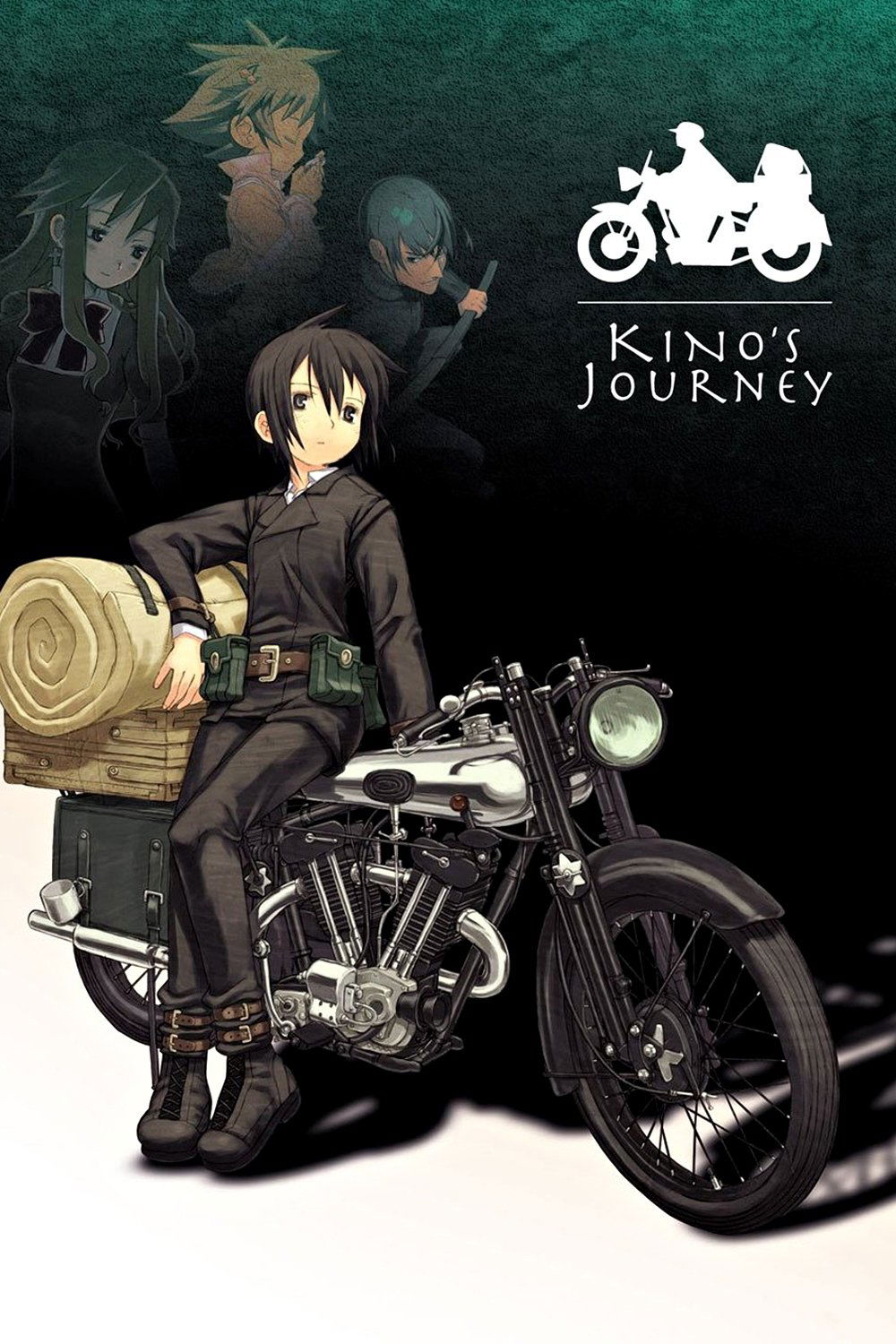
Adapted from Keiichi Sigsawa’s light novels and animated by A.C.G.T., ‘Kino’s Journey’ is a travelogue following a rider and their talking motorcycle across self-contained countries. Each stop operates on a clearly defined civic rule—voting practices, labor laws, or cultural rites—that the episode studies through incidents and conversations.
Because locations change each week, the series acts like a catalog of political and social experiments. It presents legal codes, local technologies, and historical records for each country, letting viewers compare how policy frameworks influence daily life.
‘Baccano!’ (2007)
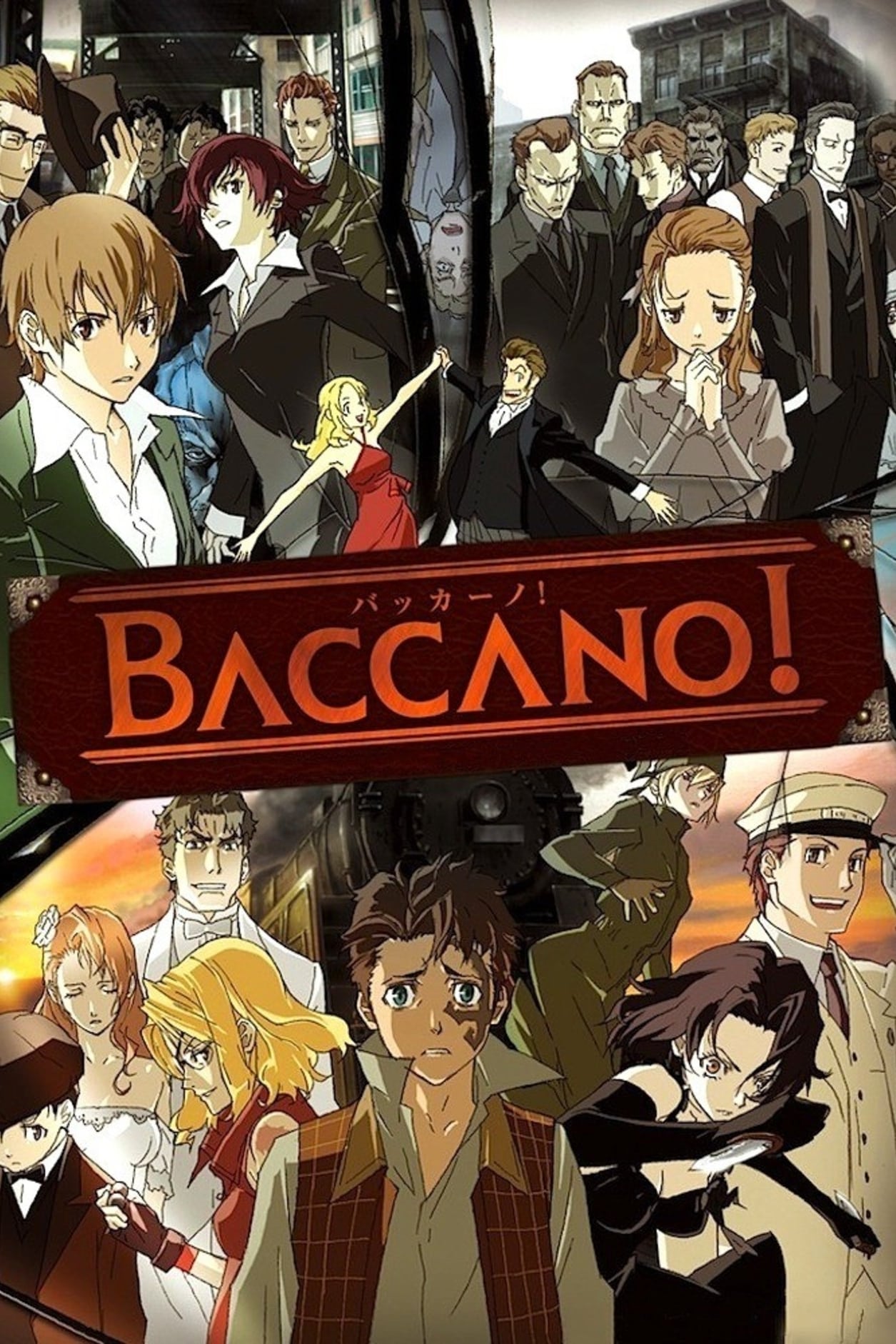
Produced by Brain’s Base and adapted from Ryohgo Narita’s novels, ‘Baccano!’ tells intersecting stories across Prohibition-era America, including crime syndicates, bootlegging routes, and a supernatural formula. The series clearly identifies train schedules, gang territories, and chain-of-command structures within its organizations.
Its non-linear editing is grounded by consistent identifiers—character aliases, train car numbers, and named events—so timelines can be reconstructed from the presented evidence. Supplemental episodes expand specific incidents, filling in procedural gaps like cargo transfers and communication methods.
‘Ergo Proxy’ (2006)

A Manglobe production with direction by Shukou Murase and series composition by Dai Satō, ‘Ergo Proxy’ depicts domed cities, AutoReiv androids, and a virus that alters AI behavior. The show lays out urban governance, immigration passes, energy quotas, and a theology-tinged bureaucracy that controls population movement.
Its investigative arc covers forensic details—data logs, contaminated components, and identity certificates—while excursions outside the domes document resource extraction, wasteland settlements, and the economics of nomadic trade routes that survive away from centralized power.
‘Haibane Renmei’ (2002)
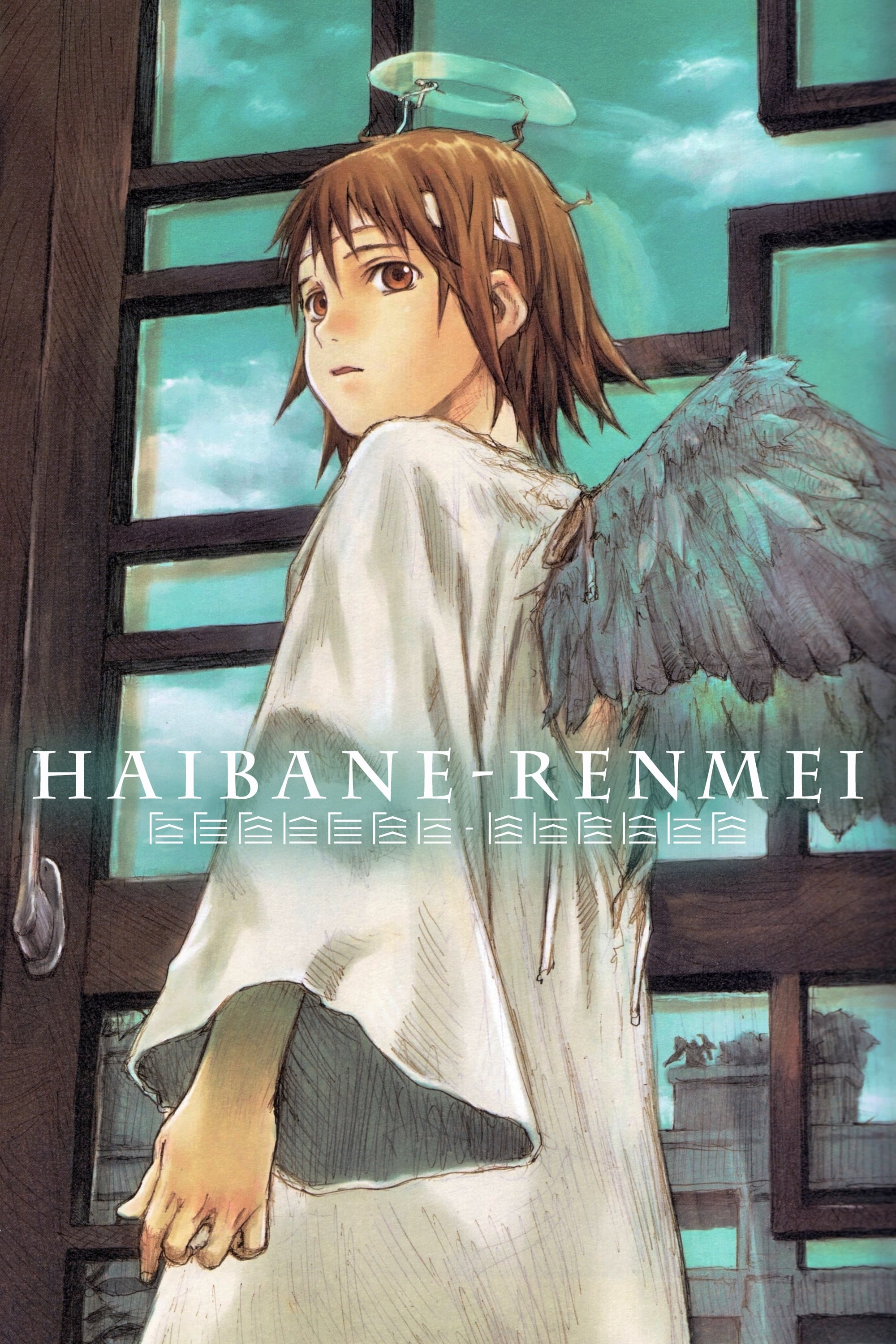
Created by Yoshitoshi ABe and animated by Radix, ‘Haibane Renmei’ takes place in a walled town with a monastic order overseeing citizens called Haibane. The series documents the town’s rules: work assignments, currency vouchers, second-hand markets, and a council that handles disputes and rites of passage.
Daily operations—repair shops, charcoal deliveries, and seasonal preparations—are treated as the backbone of the setting. The show catalogs rituals, written decrees, and prohibitions, turning its locations into a coherent civic system with traceable decisions.
‘Aoi Bungaku Series’ (2009)
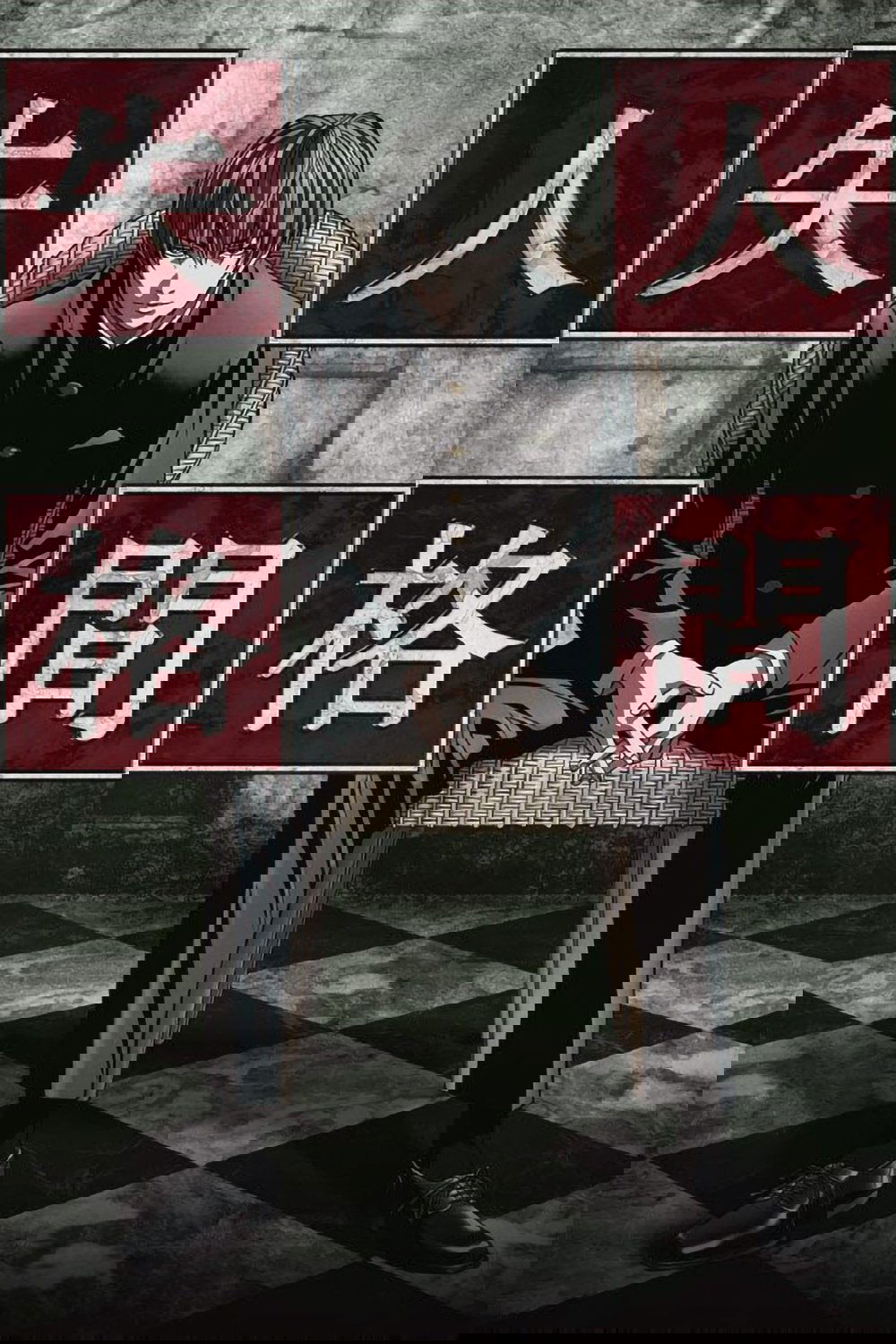
Produced by Madhouse, ‘Aoi Bungaku Series’ adapts six Japanese literary classics into animated arcs, including works by Osamu Dazai, Ryūnosuke Akutagawa, and Ango Sakaguchi. Each segment specifies its source text, credits a dedicated creative team, and preserves period details, dialects, and narrative structures.
The anthology format clarifies how adaptation choices map onto themes—narrator reliability, framing devices, and visual metaphors—while keeping character lists, settings, and plot mechanisms faithful to the originals. Viewers can trace direct correspondences between scenes and their literary counterparts.
‘Monster’ (2004–2005)

From Madhouse and director Masayuki Kojima, ‘Monster’ adapts Naoki Urasawa’s manga about a neurosurgeon and a long pursuit through Central Europe. It inventories hospital hierarchies, police jurisdictions, and university archives, using official records and testimonies to progress the case.
Geography matters: the show names cities, roads, and institutions, and it uses multilingual signage, passports, and procedural interviews to maintain continuity. Subplots involving media, orphanages, and political groups are tied back to documented events and files the characters uncover.
‘Paranoia Agent’ (2004)
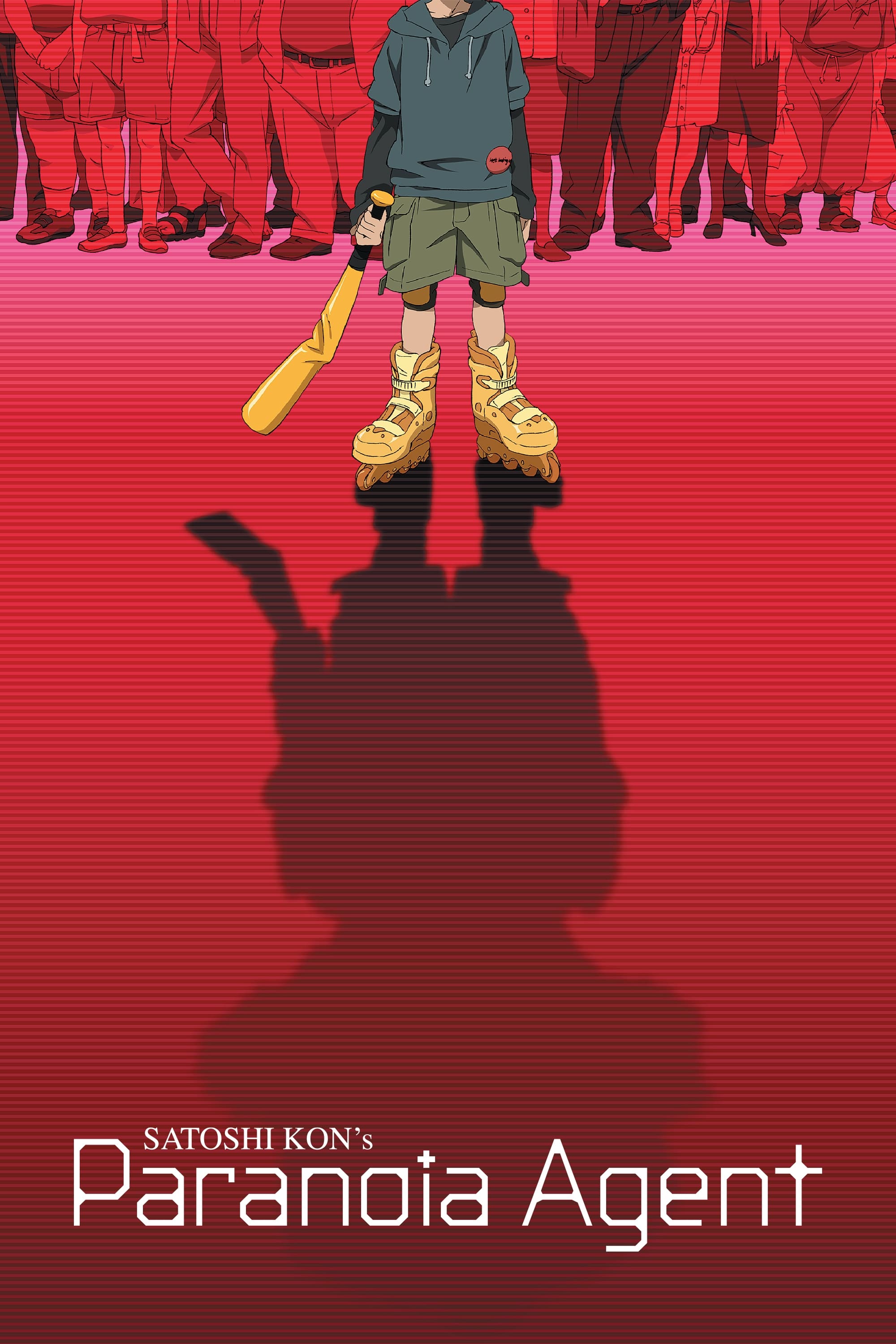
A Satoshi Kon original at Madhouse, ‘Paranoia Agent’ connects a citywide rumor with specific incidents across work, school, and entertainment sectors. Case files, witness statements, and media coverage form a corpus that the show revisits to check for inconsistencies and shared motifs.
Its anthology-like structure lists products, agencies, and production committees within the story world, building a map of how urban myths spread through corporate pipelines, advertising slots, and public anxiety. Each episode annotates the phenomenon’s parameters before updating them with new data.
‘Kaiji’ (2007–2008)

Adapted from Nobuyuki Fukumoto’s gambling manga and animated by Madhouse, ‘Kaiji: Ultimate Survivor’ documents high-stakes games run by corporate sponsors. Every contest comes with fully explained rules, payout structures, and penalty systems, often supported by on-screen diagrams and contracts.
Logistics—ship manifests, housing blocks, and debt ledgers—show how participants are recruited, monitored, and coerced. The series itemizes strategies using probability, psychology, and physical constraints, ensuring outcomes follow from stated mechanics rather than arbitrary twists.
‘Texhnolyze’ (2003)
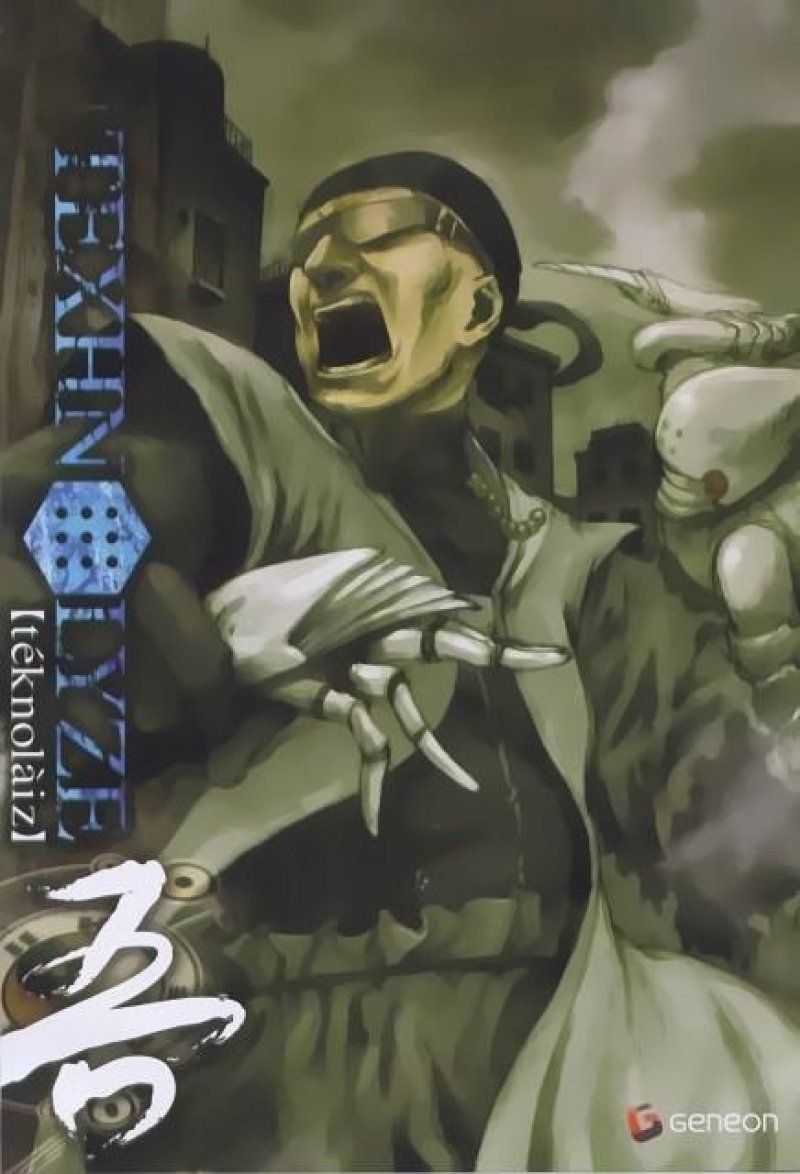
Animated by Madhouse with direction by Hiroshi Hamasaki and story by Chiaki J. Konaka, ‘Texhnolyze’ is set in an underground city dominated by rival factions and a prosthetics technology called Texhnolyzation. It catalogs power structures, smuggling routes, and the economics of limb augmentation.
Technical scenes break down implant procedures, hardware parts, and maintenance cycles, while political exchanges outline truce terms, territory lines, and enforcement methods. The setting’s decline is tracked through resource shortages, failed negotiations, and system failures visible in the city’s infrastructure.
‘The Tatami Galaxy’ (2010)
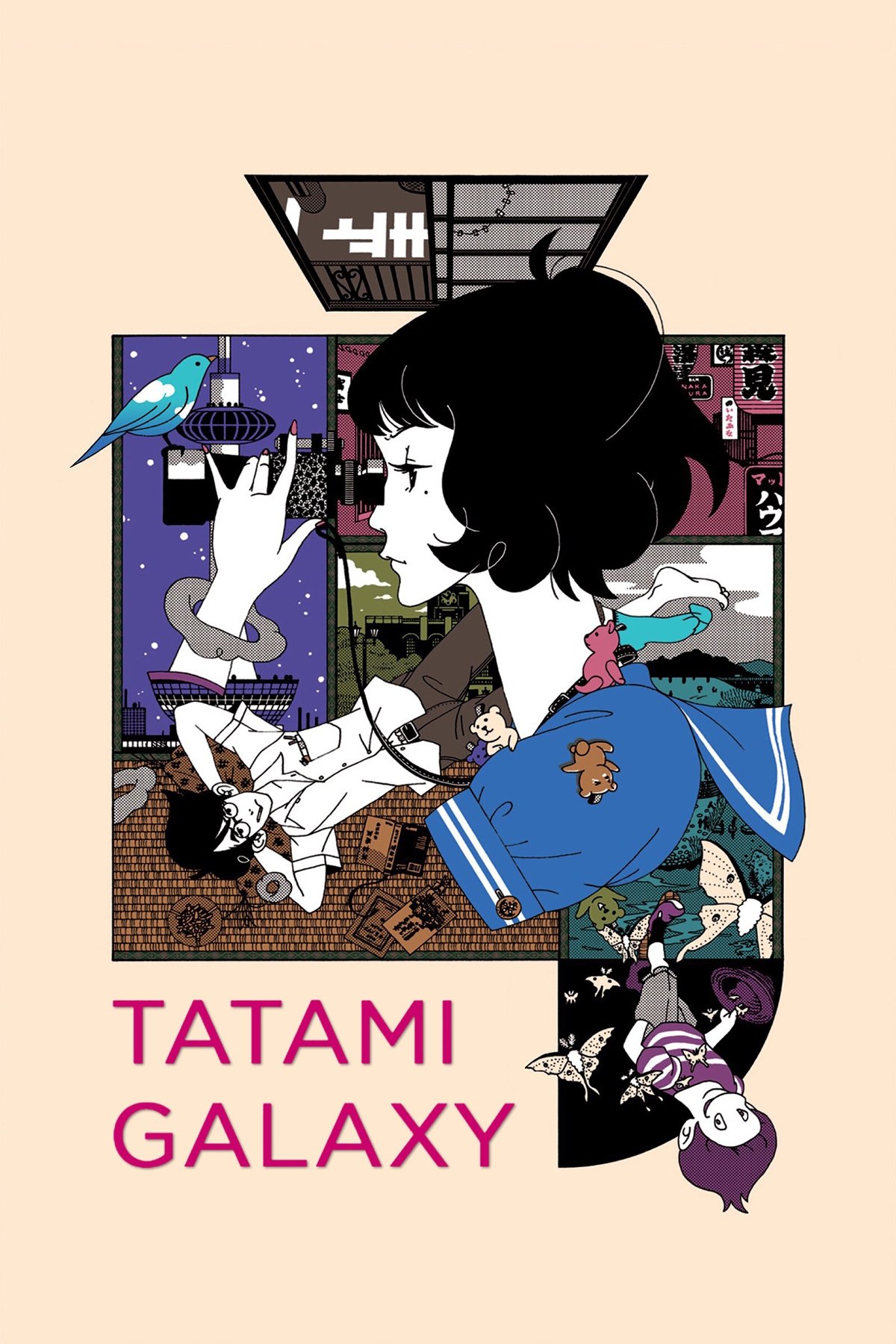
Directed by Masaaki Yuasa and adapted from Tomihiko Morimi’s novel, ‘The Tatami Galaxy’ explores branching university club choices that alter the same student’s life in parallel loops. Each episode restates baseline conditions—dorm layout, friend groups, and campus organizations—before changing one variable.
The show uses recurring props, locations, and scripted phrases as markers, letting viewers verify what’s constant and what has shifted. A companion work, ‘The Night Is Short, Walk On Girl’, shares characters and setting elements, offering additional material for comparison.
‘Shōwa Genroku Rakugo Shinjū’ (2016–2017)
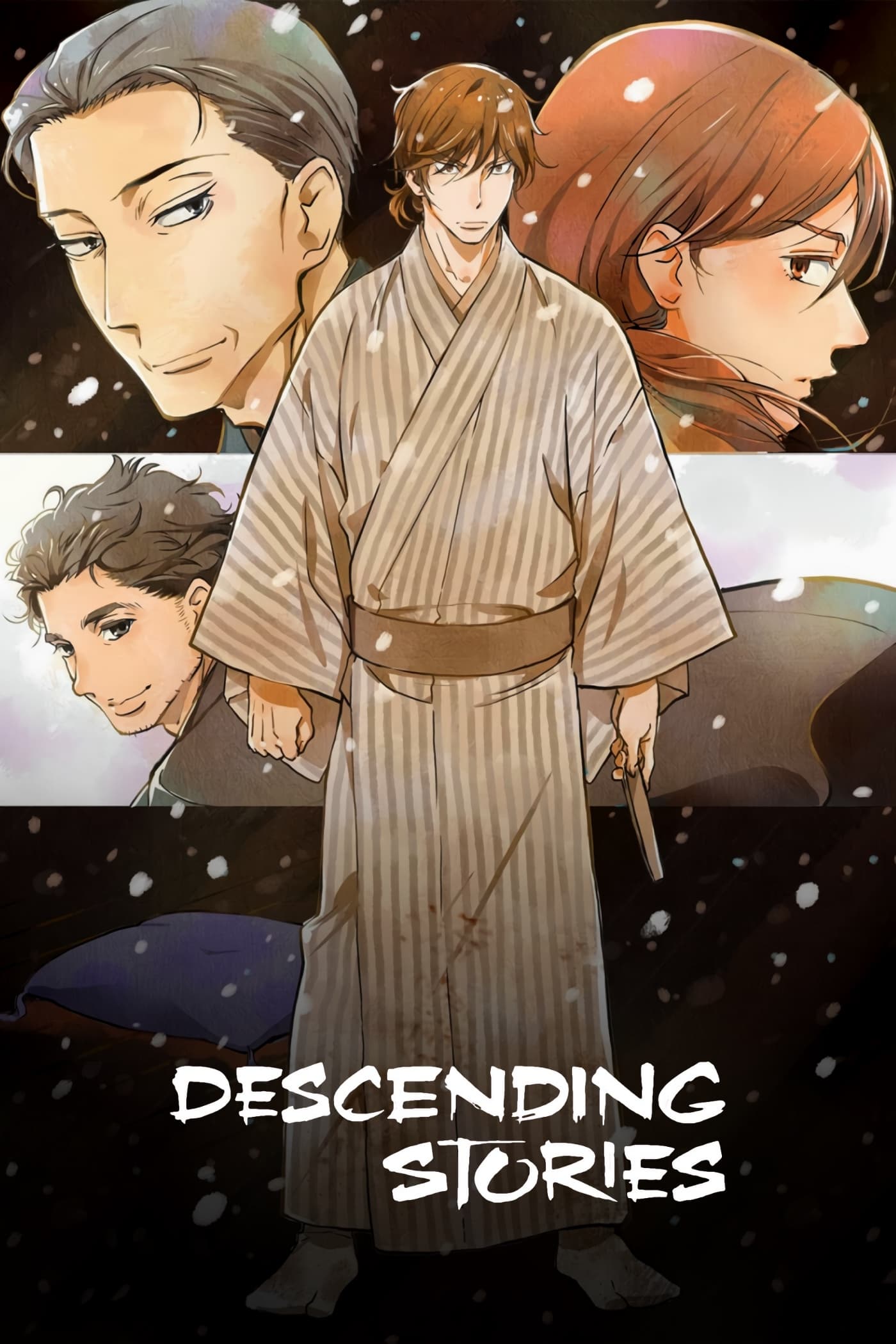
Produced by Studio Deen and adapted from Haruko Kumota’s manga, ‘Shōwa Genroku Rakugo Shinjū’ focuses on the traditional performing art of rakugo. It documents apprenticeship structures, stage etiquette, repertoire names, and theater operations, including dressing rooms and seasonal programming.
Historical coverage includes postwar entertainment markets, broadcast transitions, and the roles of managers and patrons in sustaining performers’ careers. Performances are presented with full story titles, set-up conventions, and audience interactions that reflect the art’s codified practices.
‘Ping Pong the Animation’ (2014)

A Tatsunoko Production series directed by Masaaki Yuasa and based on Taiyō Matsumoto’s manga, ‘Ping Pong the Animation’ treats competitive table tennis with technical specificity. It names equipment, training routines, and match formats, and it shows how coaching styles affect tactical decisions.
Matches highlight footwork, spin types, and serve-receive patterns, often aligning dialogue with on-screen trajectories to make techniques legible. School structures, tournament ladders, and qualification paths are spelled out so character progress aligns with real competitive frameworks.
‘Girls’ Last Tour’ (2017)
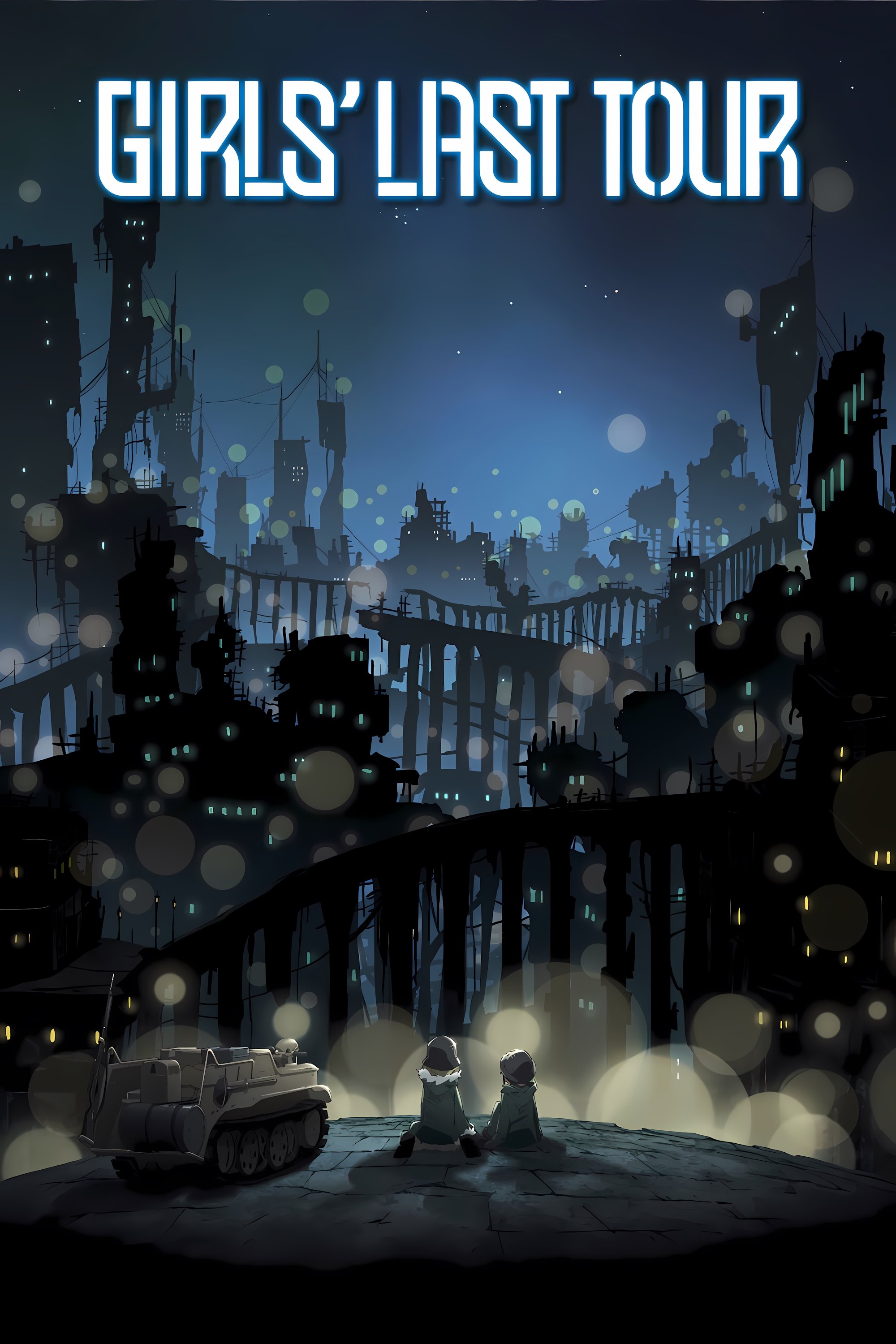
Animated by White Fox and adapted from Tsukumizu’s manga, ‘Girls’ Last Tour’ follows two survivors traveling through layered industrial ruins. The series inventories tools, vehicles, and food sources, and it treats fuel management, mapping, and maintenance as ongoing tasks.
Architecture is presented like a technical manual—elevators, aqueducts, and weapons systems are described by function and failure state. Encounters with other travelers introduce trade, signage, and fragmentary archives that piece together how the world’s systems were organized.
‘ODDTAXI’ (2021)
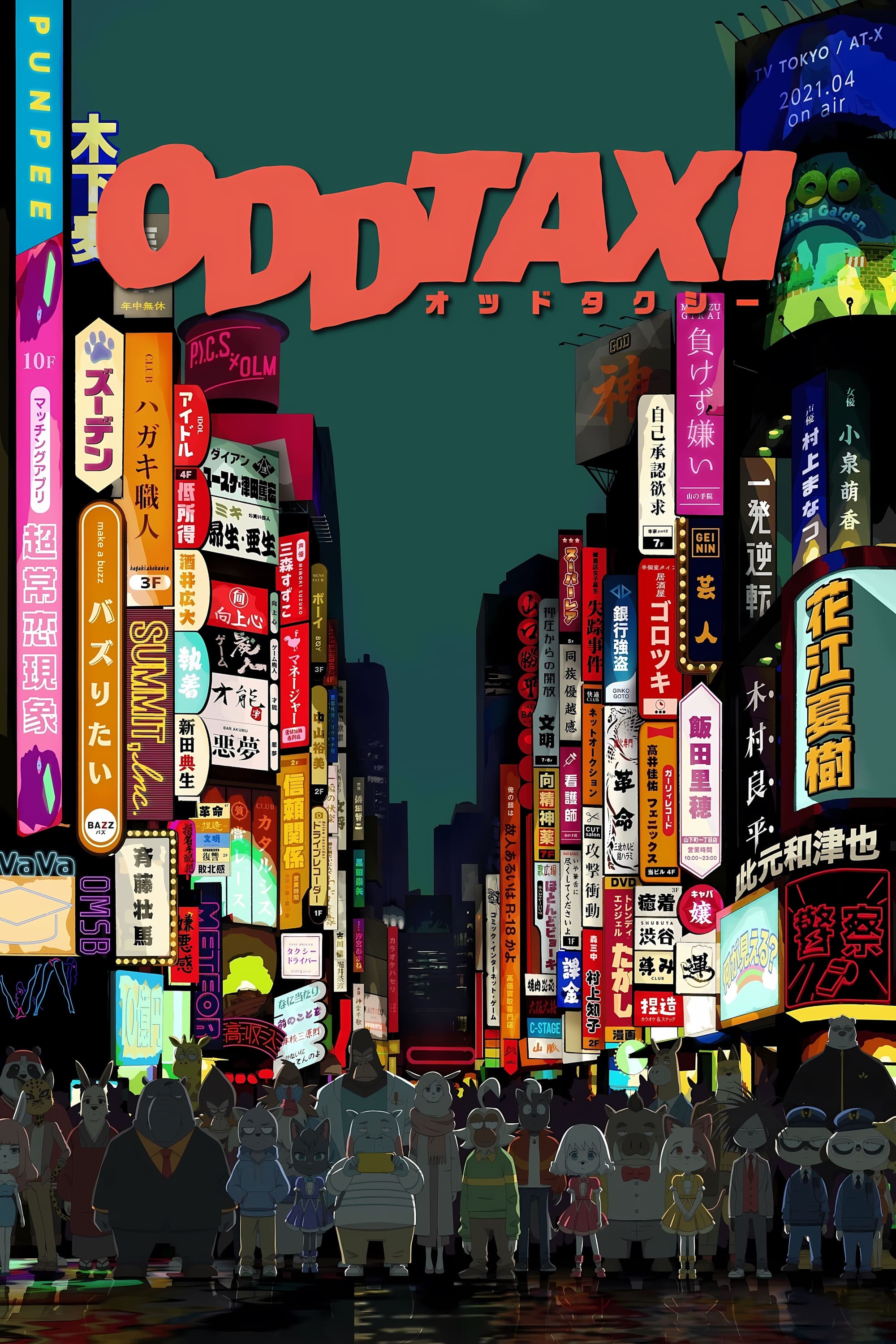
Co-produced by OLM and P.I.C.S. with direction by Baku Kinoshita and writing by Kazuya Konomoto, ‘Odd Taxi’ is a tightly plotted mystery built around a taxi driver whose dashcam and conversations intersect with a missing-person case. The show logs ride histories, payment apps, and social media accounts as evidence.
Police procedures, idol industry workflows, and organized-crime operations are diagrammed through meetings, call records, and location pings. A companion feature expands events from alternate angles, reusing the same paper trail to clarify unresolved details.
‘Planetes’ (2003–2004)

A Sunrise adaptation of Makoto Yukimura’s manga, ‘Planetes’ is hard science fiction centered on commercial space debris collection. It explains orbital mechanics, company hierarchies, safety protocols, and the economics of satellite maintenance and lunar development.
Episodes cover training, EVA procedures, medical risks, and international regulation, with mission briefs outlining objectives, hazards, and contingency plans. The series connects personal assignments to broader industry shifts like privatization, planetary research, and policy debates about space access.
Share your favorite under-the-radar picks in the comments so everyone can discover even more titles worth adding to their watchlists.