30 Best Anime Movies of All Time, Ranked


Anime films cover a huge range of stories and styles, from hand-drawn fantasies to intense sci-fi thrillers and intimate slice-of-life dramas. This list guides you through essential features from landmark studios and directors, with entries spanning genre milestones, award winners, box-office hits, and cult classics that shaped how animation is seen around the world.
We’re counting down a curated set of must-watch titles, spotlighting what each film is about, who made it, how it was produced, and why it’s notable in anime history. You’ll find details on directors, studios, source material, and release context—everything you need to pick your next watch and understand where each film fits in the broader anime landscape.
‘Redline’ (2009)
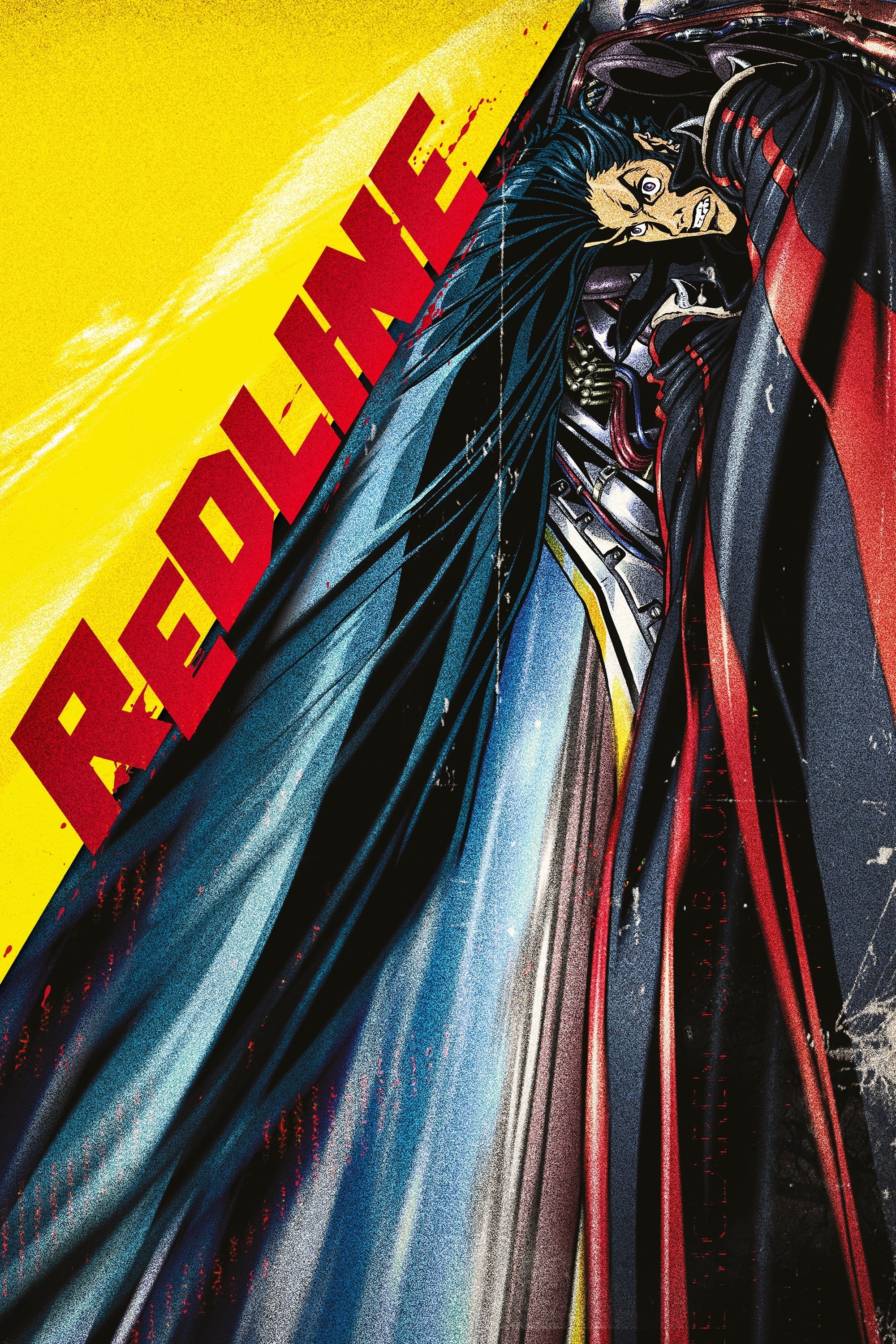
Directed by Takeshi Koike and produced by Madhouse, this science-fiction racing spectacle follows daredevil driver JP as he competes in a notorious outlaw race across hostile worlds. The production spent an unusually long time in hand-drawn development, emphasizing dense linework, extreme perspective, and frame-by-frame action that forgoes digital shortcuts.
Its kinetic set-pieces showcase elaborate vehicle designs and alien environments, supported by a high-energy soundtrack that amplifies speed and momentum. The movie’s commitment to handcrafted motion turned it into a reference point for animators and a cult favorite for fans of high-octane visual storytelling.
‘5 Centimeters per Second’ (2007)
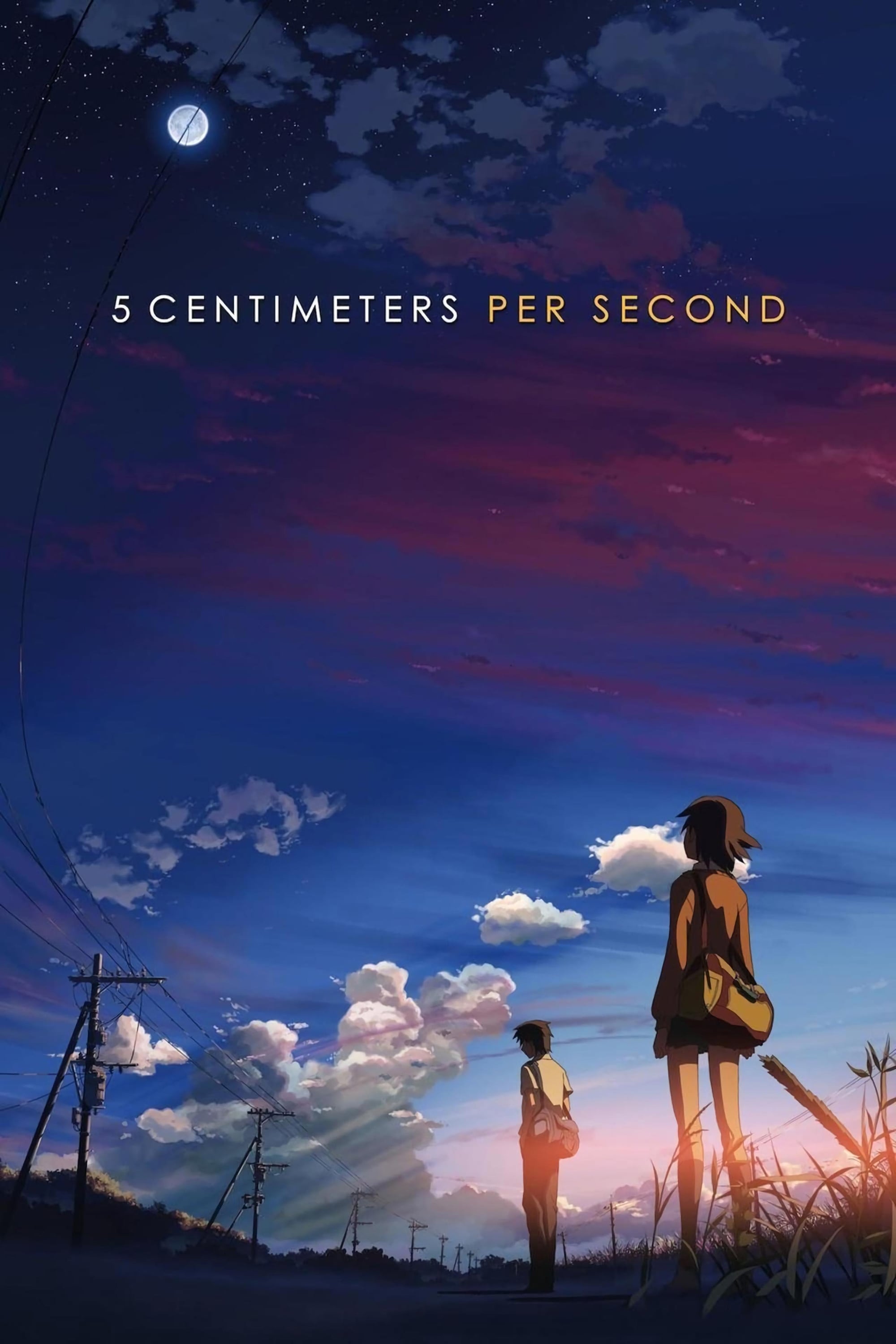
Makoto Shinkai’s triptych follows two childhood friends who drift apart, using trains, letters, and everyday routines to trace emotional distance over time. A small production team leveraged digital compositing to build painterly skies, polished urban textures, and natural lighting that became a Shinkai hallmark.
Its three-episode structure explores communication and circumstance with quiet scenes that prioritize pauses, environment, and seasonal change. Background art and sound design focus on ordinary places—platforms, classrooms, streets—so small gestures carry narrative weight.
‘Weathering with You’ (2019)
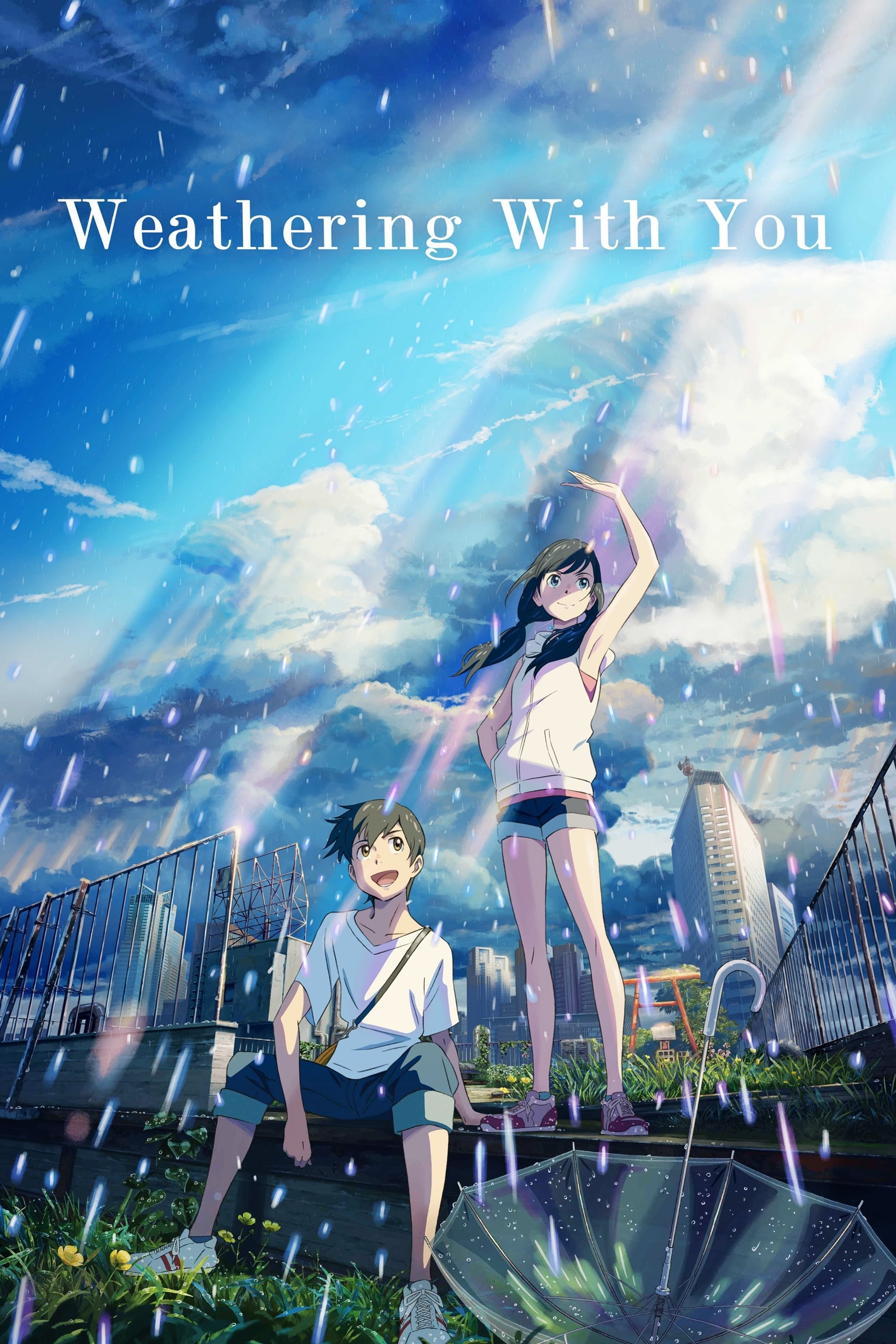
From CoMix Wave Films and director Makoto Shinkai, this urban fantasy centers on a runaway boy who meets a girl with the power to affect the weather. The film pairs contemporary Tokyo locations with elaborate atmospheric effects, integrating CG-assisted rain, cloud, and light simulations into hand-drawn layouts.
RADWIMPS composed songs and score cues in parallel with story development, letting musical motifs align closely with character beats. Location research mapped real intersections and rooftops into stylized backgrounds, grounding its magical premise in recognizable city geography.
‘Only Yesterday’ (1991)
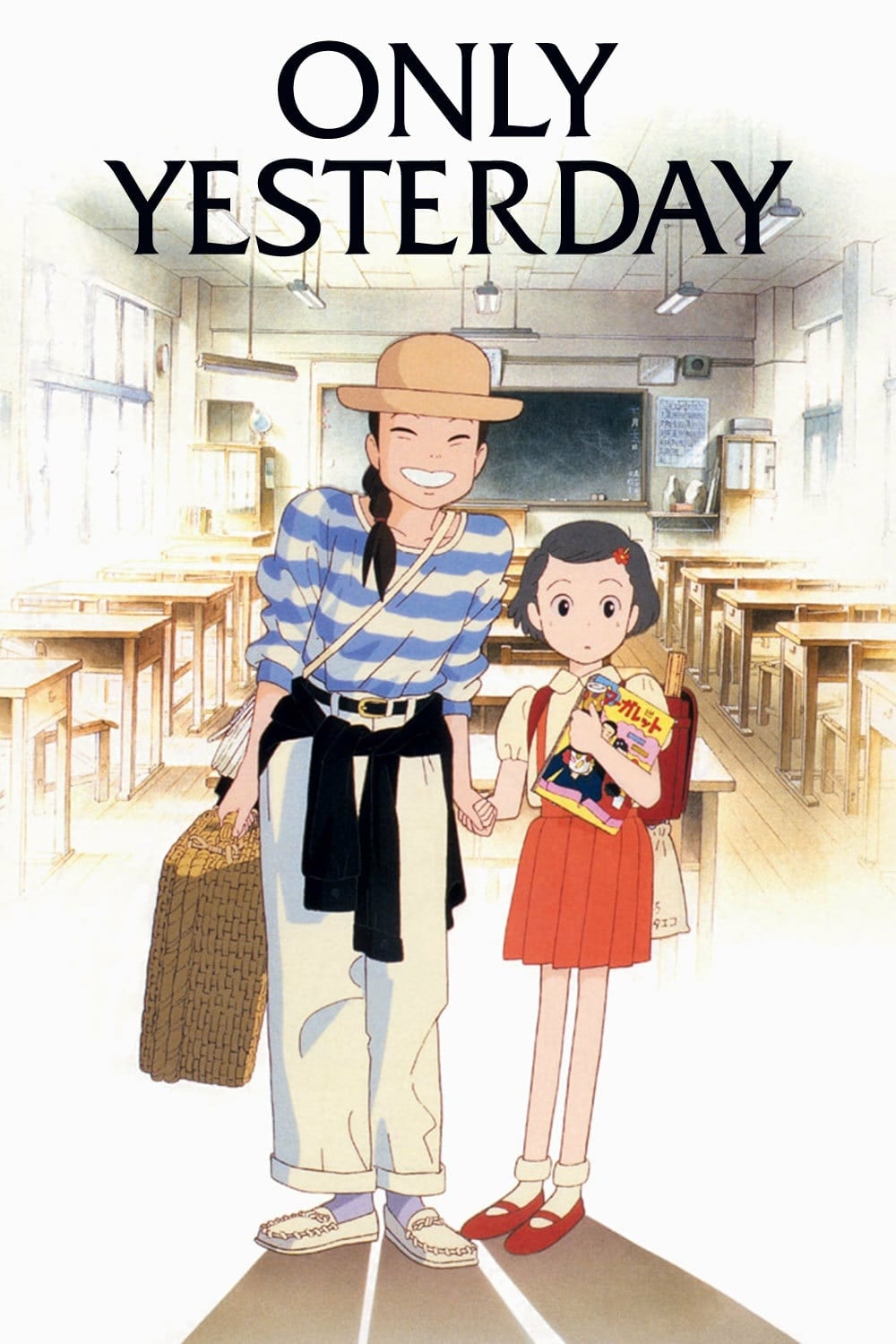
Isao Takahata and Studio Ghibli adapt Hotaru Okamoto and Yuko Tone’s manga about Taeko, an office worker who revisits childhood memories while traveling to the countryside. The production blends realistic adult storytelling with sequences that drift into recollection, using naturalistic acting and quiet moments to anchor the narrative.
It is known for conversational recording techniques that animators matched with nuanced facial performance and body language. Cultural specificity—work routines, family expectations, and rural agriculture—gives the film a documentary-like texture within a gentle, reflective frame.
‘Porco Rosso’ (1992)

Hayao Miyazaki and Studio Ghibli tell the story of an ex-fighter pilot with a pig’s face who works as a bounty hunter over the Adriatic. Extensive research into interwar aviation informs lovingly animated seaplanes and aerial dogfights choreographed with attention to wind, weight, and mechanical detail.
Beyond adventure, the film explores personal codes, disillusionment, and found family. European settings, period music influences, and a romantic tone reflect Miyazaki’s lifelong interest in flight and humanist storytelling.
‘The Wind Rises’ (2013)
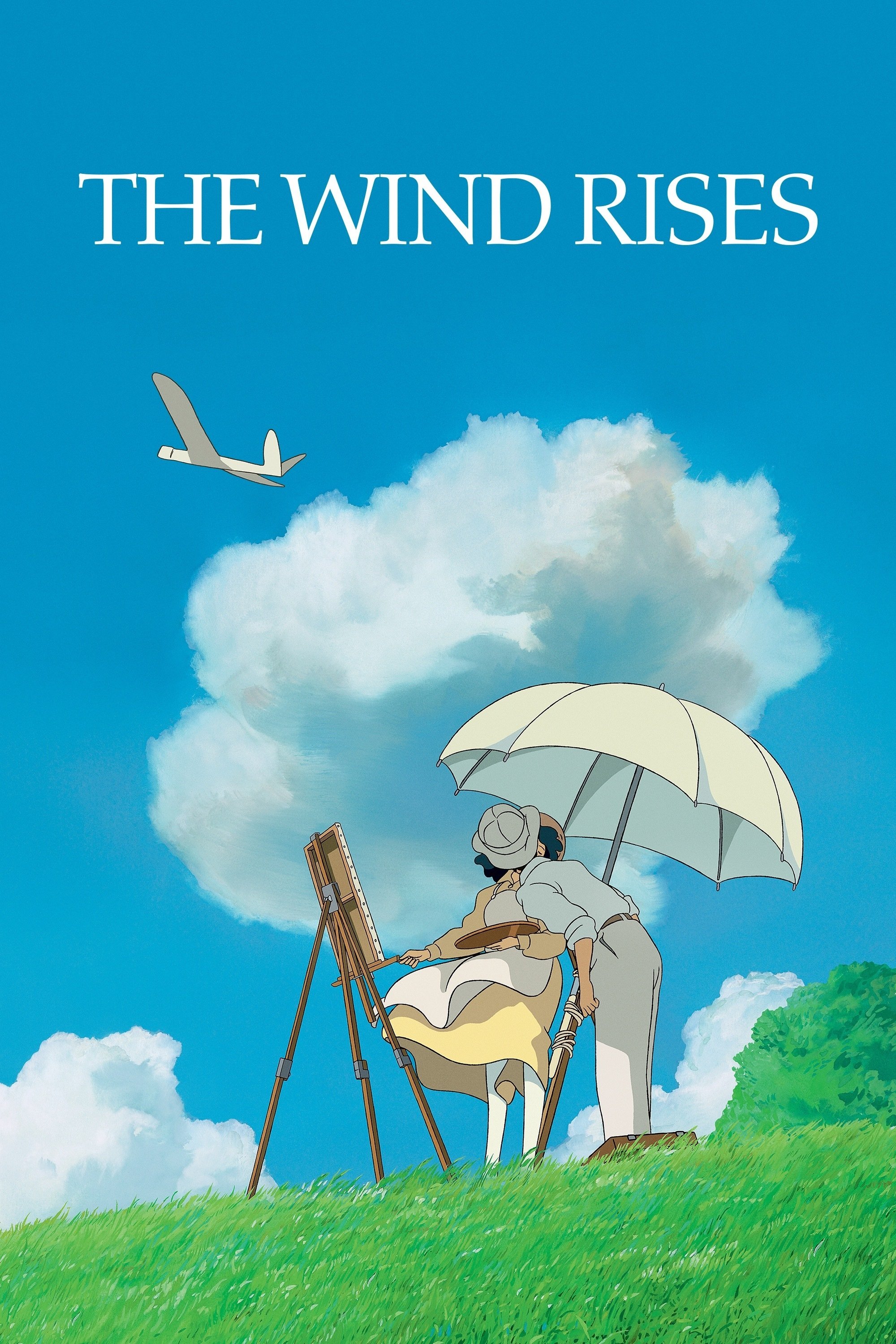
Directed by Hayao Miyazaki and produced by Studio Ghibli, this biographical drama portrays aircraft designer Jirō Horikoshi through a blend of historical sources and literary inspiration. The production emphasizes analog drafting, workshop processes, and model testing, framing invention as both aspiration and responsibility.
Sound design famously employs human vocalizations for engines and mechanical effects, underscoring the feature’s handcrafted ethos. Scenes incorporate aviation milestones and social context, situating personal creativity within broader events.
‘Patlabor 2: The Movie’ (1993)

Mamoru Oshii directs this Headgear sequel for Production I.G, following a police mecha unit investigating engineered incidents that threaten civil order. The film pivots from action toward political techno-thriller territory, building tension through widescreen compositions, restrained pacing, and careful city mapping.
Hardware, uniforms, and command procedures are depicted with documentary-like detail, supported by Kazunori Itō’s script that threads geopolitical context with methodical investigation. Its blend of realism and philosophy influenced later grounded sci-fi anime.
‘The Girl Who Leapt Through Time’ (2006)
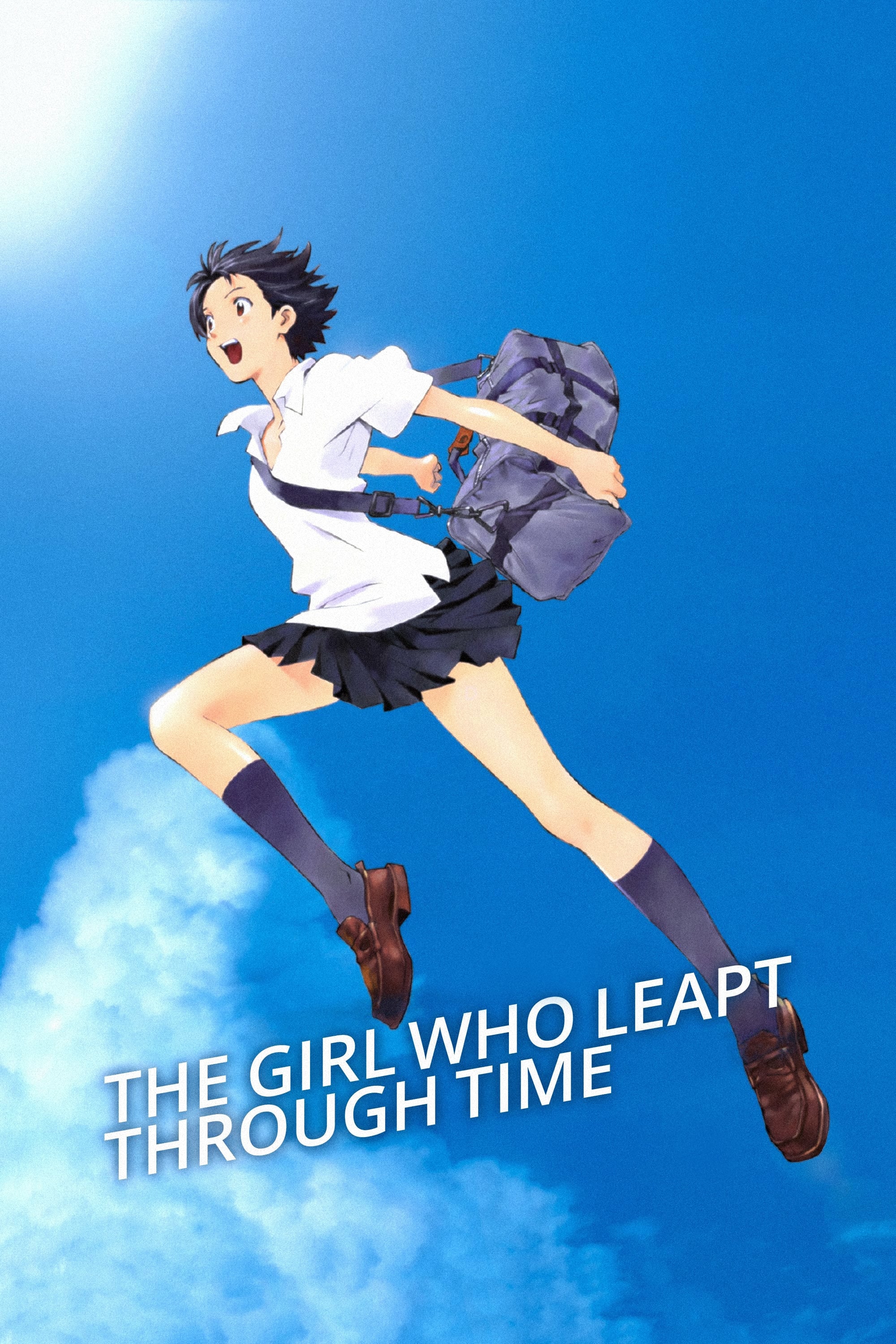
Mamoru Hosoda updates Yasutaka Tsutsui’s novel, following a high-schooler who gains the ability to repeat moments and gradually confronts consequences. Animated by Madhouse, the film mixes broad comedy timing with precise layout work for jump sequences that track cause and effect.
A restrained palette supports everyday scenes while stylized effects mark key reveals. The project also solidified Hosoda’s core collaborators—character designer Yoshiyuki Sadamoto and composer Kiyoshi Yoshida—who would shape subsequent features.
‘Paprika’ (2006)
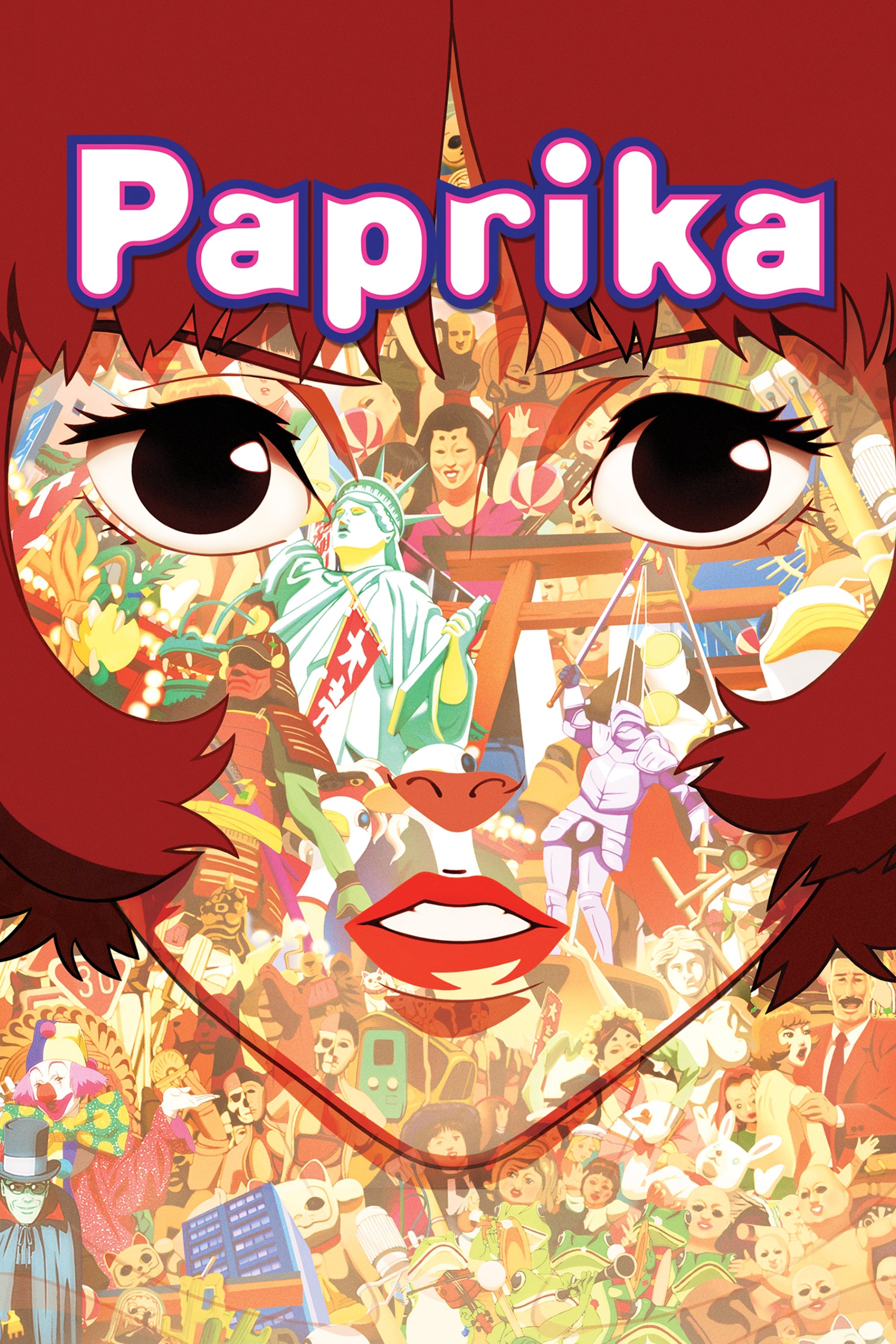
Satoshi Kon and Madhouse adapt Yasutaka Tsutsui’s novel about a device that lets users enter dreams, focusing on a researcher whose alter ego navigates a shared dreamscape. Match-cuts, perspective tricks, and fluid transitions blend reality with subconscious imagery to create a seamless mental landscape.
Susumu Hirasawa’s electronic score loops motifs and rhythms that echo the film’s recurring symbols. Editing-driven set-pieces and visual metaphors explore identity, technology, and collective imagination with inventive craft.
‘In This Corner of the World’ (2016)
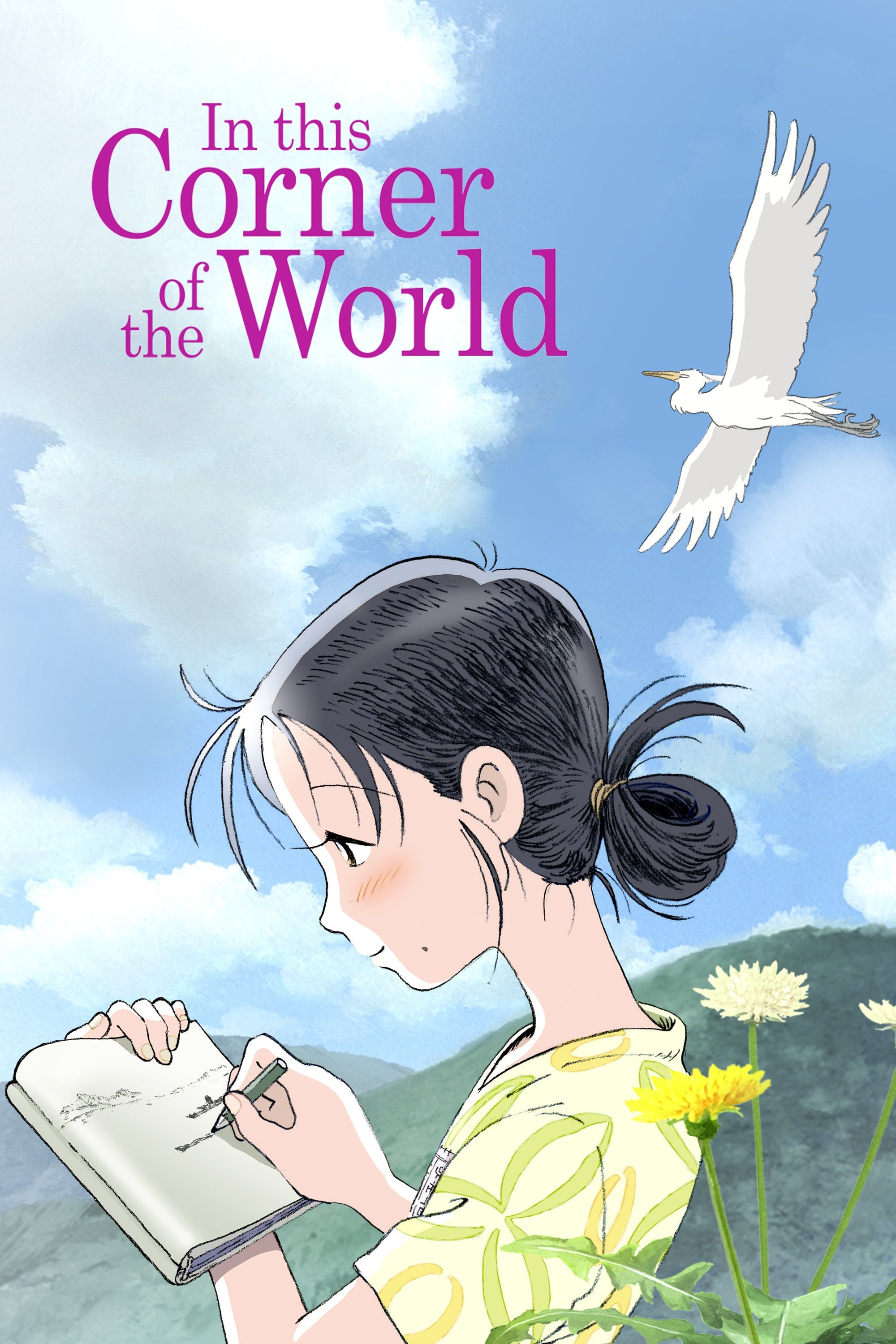
Sunao Katabuchi and studio MAPPA adapt Fumiyo Kouno’s manga about Suzu, a young woman navigating daily life in Hiroshima and Kure during wartime. The team reconstructed neighborhoods using archival maps, photographs, and testimony, with background art reflecting the protagonist’s sketchbook perspective.
Slice-of-life structure juxtaposes domestic routines with shifting conditions, paying close attention to food preparation, textiles, and local crafts. Research into dialects and logistics adds historical texture to quiet, observational scenes.
‘Kiki’s Delivery Service’ (1989)
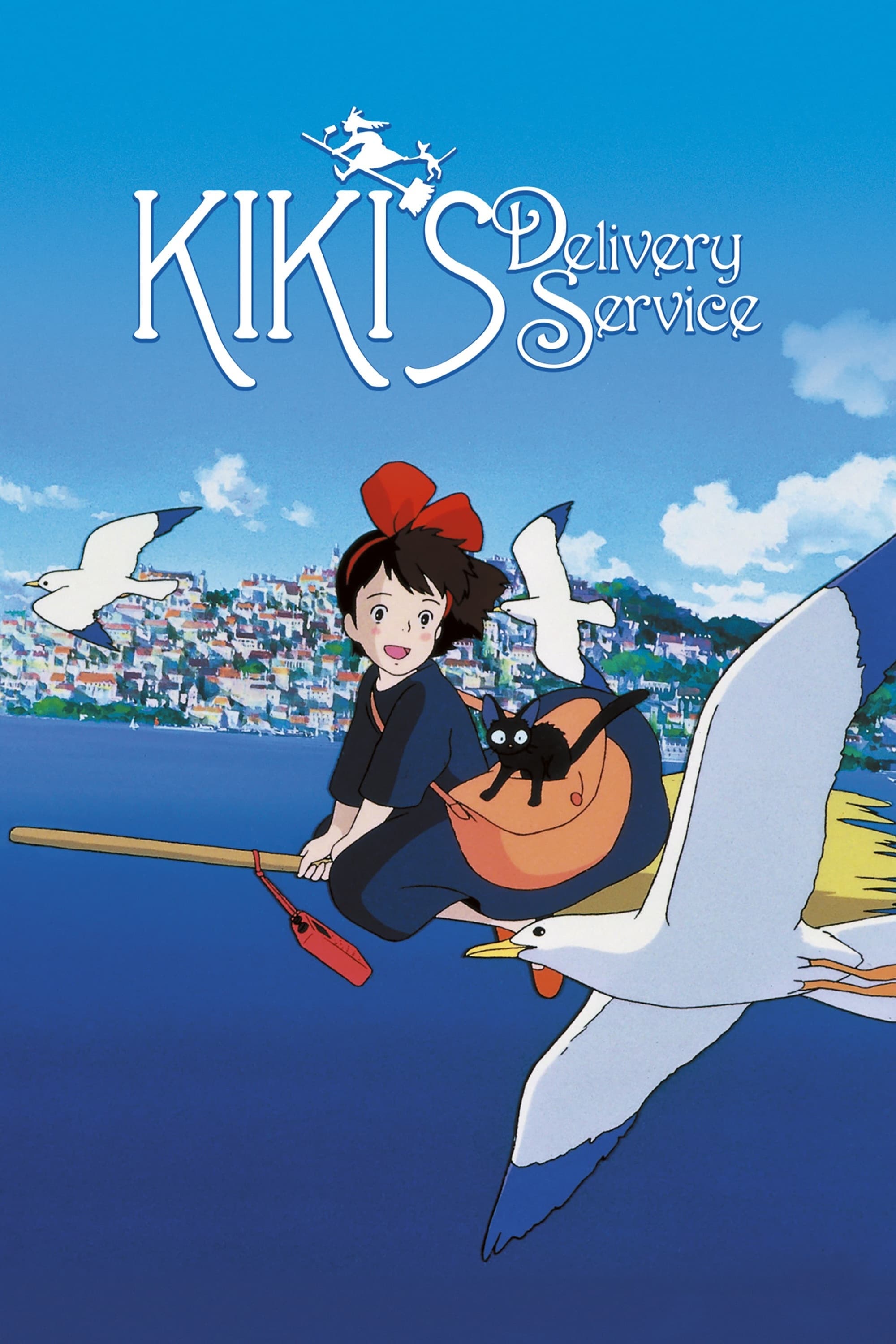
A Studio Ghibli feature by Hayao Miyazaki, this coming-of-age story follows a young witch who starts a small courier business in a seaside city. The setting blends European influences through architectural studies and location research, supporting believable daily routines and neighborhood rhythms.
Mechanical animation of brooms, ovens, and shop tools emphasizes practical problem-solving in a light fantasy frame. Joe Hisaishi’s music underscores scenes of work, mentorship, and community, highlighting craft and independence.
‘Tokyo Godfathers’ (2003)
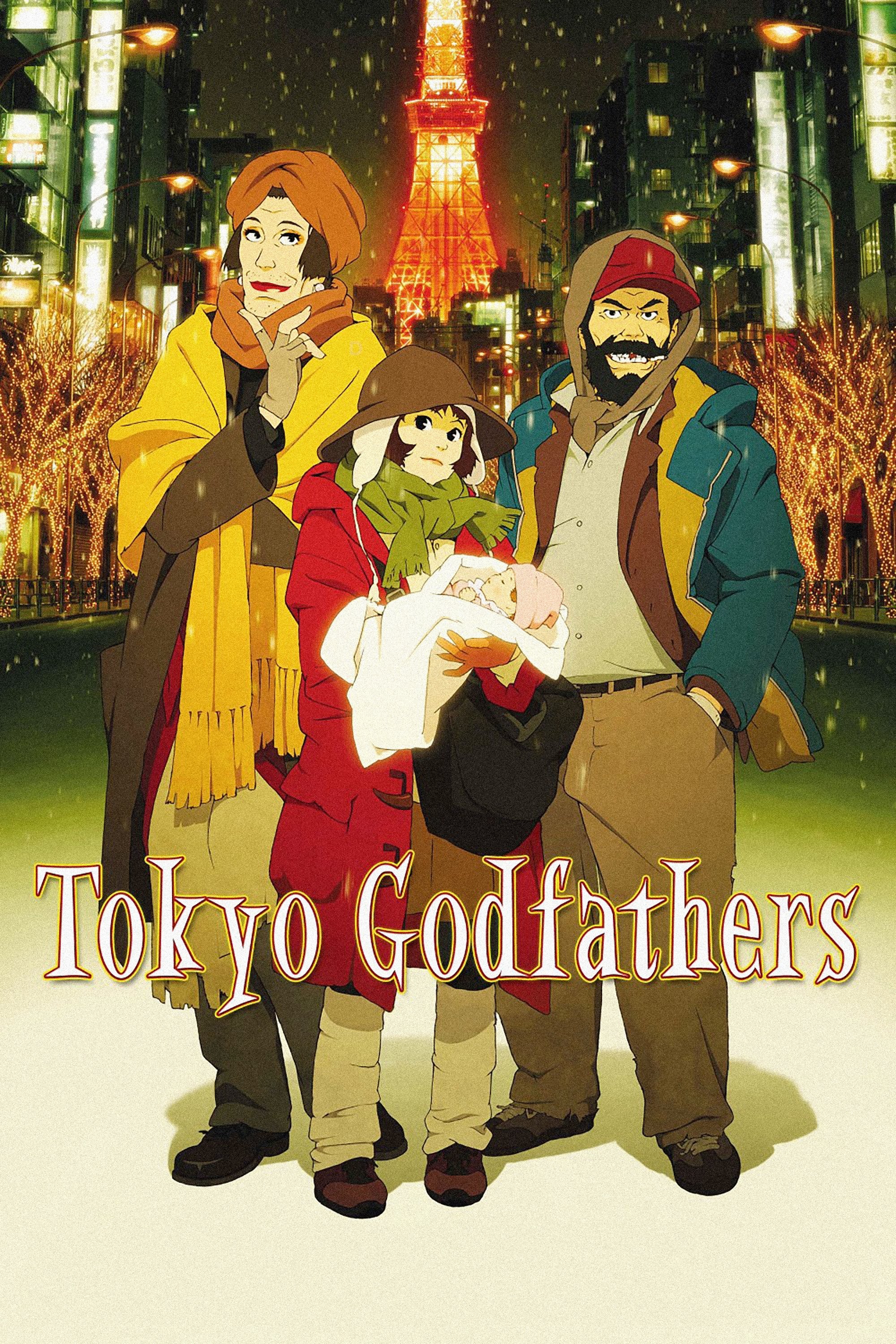
Satoshi Kon and Madhouse present a holiday-season tale about three unhoused companions who find an abandoned baby and set out to locate the parents. The movie maps Tokyo streets, transit lines, and back alleys with a precise sense of place and movement.
Expressive acting and staging convey backstories without heavy exposition, balancing farce with grounded characterization. Nighttime lighting studies and snow effects support brisk sequences that cross multiple neighborhoods.
‘Millennium Actress’ (2001)
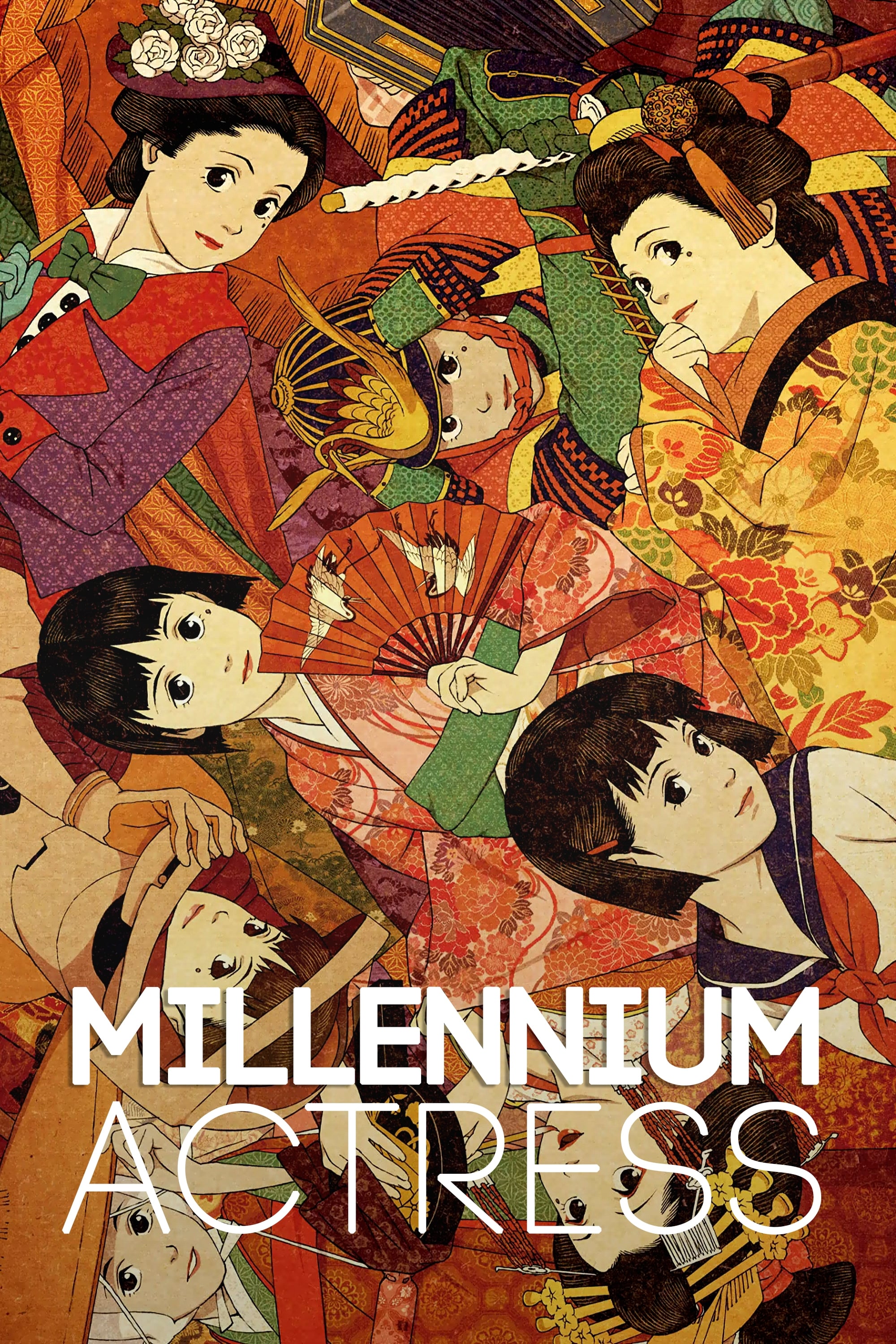
Satoshi Kon intercuts a documentary interview with scenes from a retired star’s filmography, weaving a life story into cinema history. The structure lets characters step between eras and genre homages, using costumes, sets, and camera moves that mirror classic Japanese film.
Madhouse’s animation blends documentary framing with imaginative cuts that pass through doors, props, and match-action transitions. Susumu Hirasawa’s score threads recurring motifs that unify shifting timelines.
‘Ghost in the Shell’ (1995)
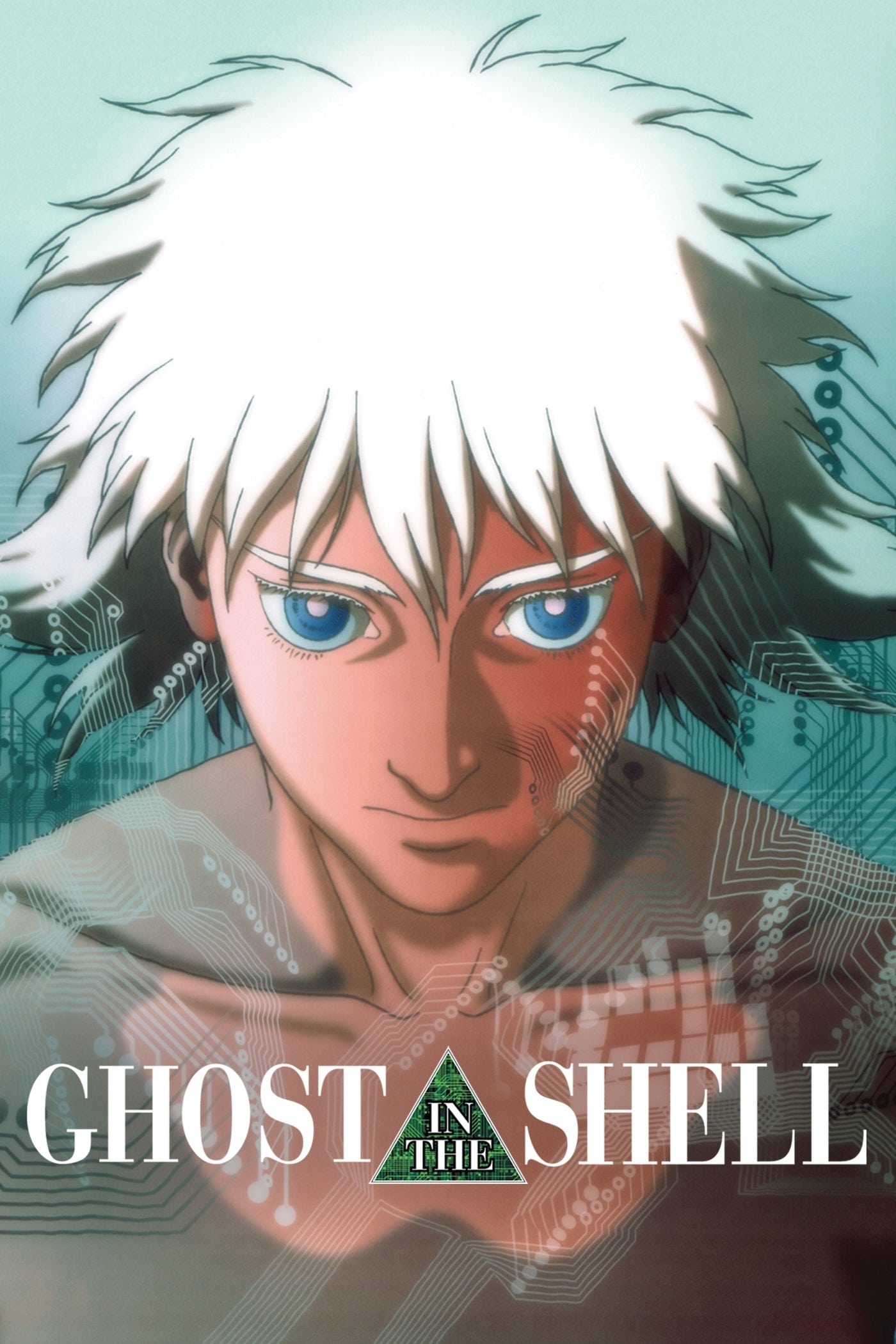
Mamoru Oshii’s cyberpunk film, produced by Production I.G, adapts Masamune Shirow’s manga about a counter-cyberterrorist unit and the nature of identity in a networked world. Hybrid production mixes hand-drawn animation with early digital compositing for holograms, thermoptic camouflage, and layered city panoramas.
Kenji Kawai’s choral music and meticulously animated mechanical assemblies shape its atmosphere. Depictions of cyberspace, prosthetics, and security work influenced later science-fiction across media.
‘Castle in the Sky’ (1986)
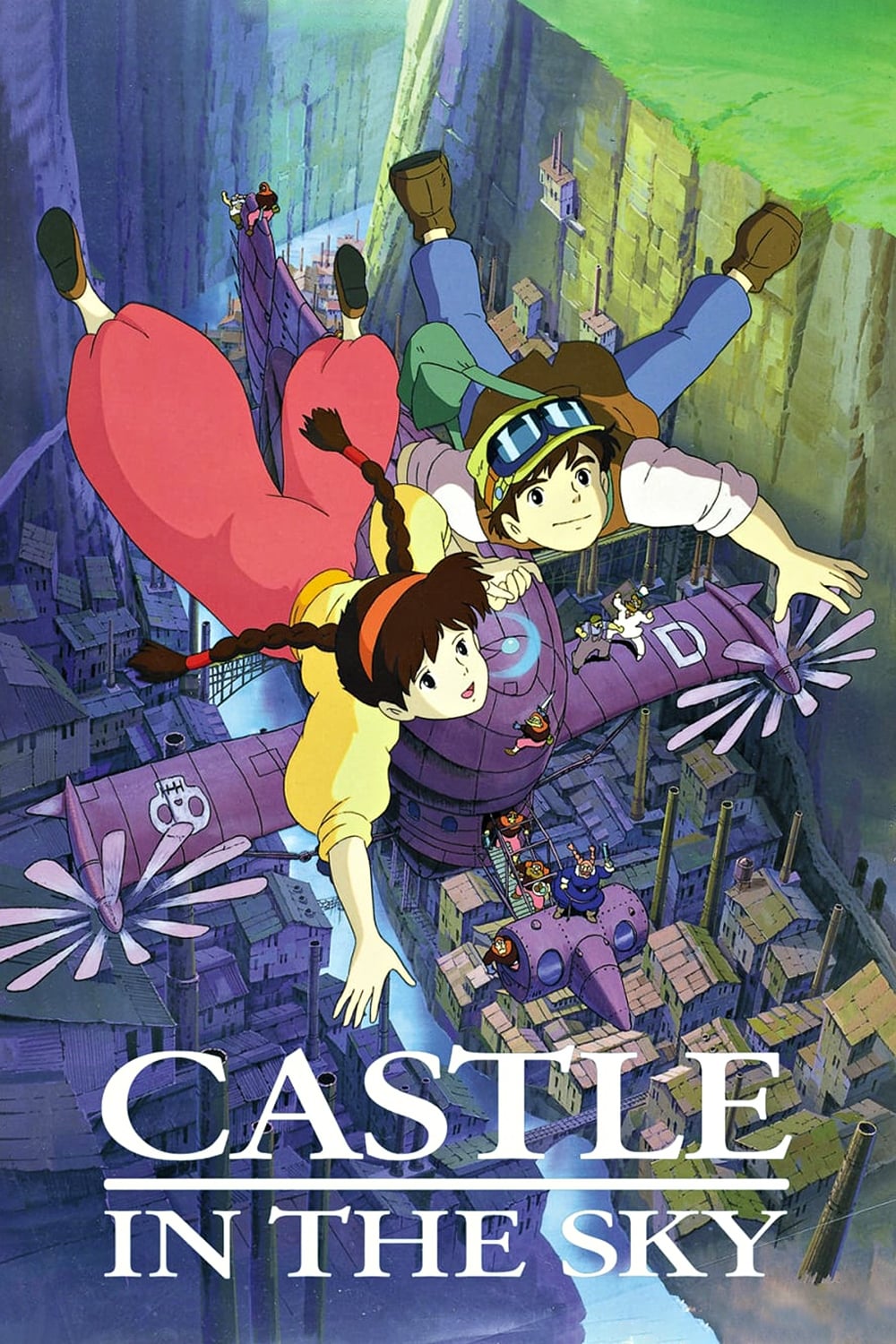
This Studio Ghibli adventure by Hayao Miyazaki follows two youngsters searching for a legendary floating island while evading sky pirates and soldiers. Robot designs, mining towns, and airships are animated with attention to engineering detail and environmental scale.
Pacing alternates quiet exploration with large-scale set-pieces, while the score supports both pastoral and industrial textures. The blend of mystery, technology, and folklore helped define the studio’s early identity.
‘Nausicaä of the Valley of the Wind’ (1984)
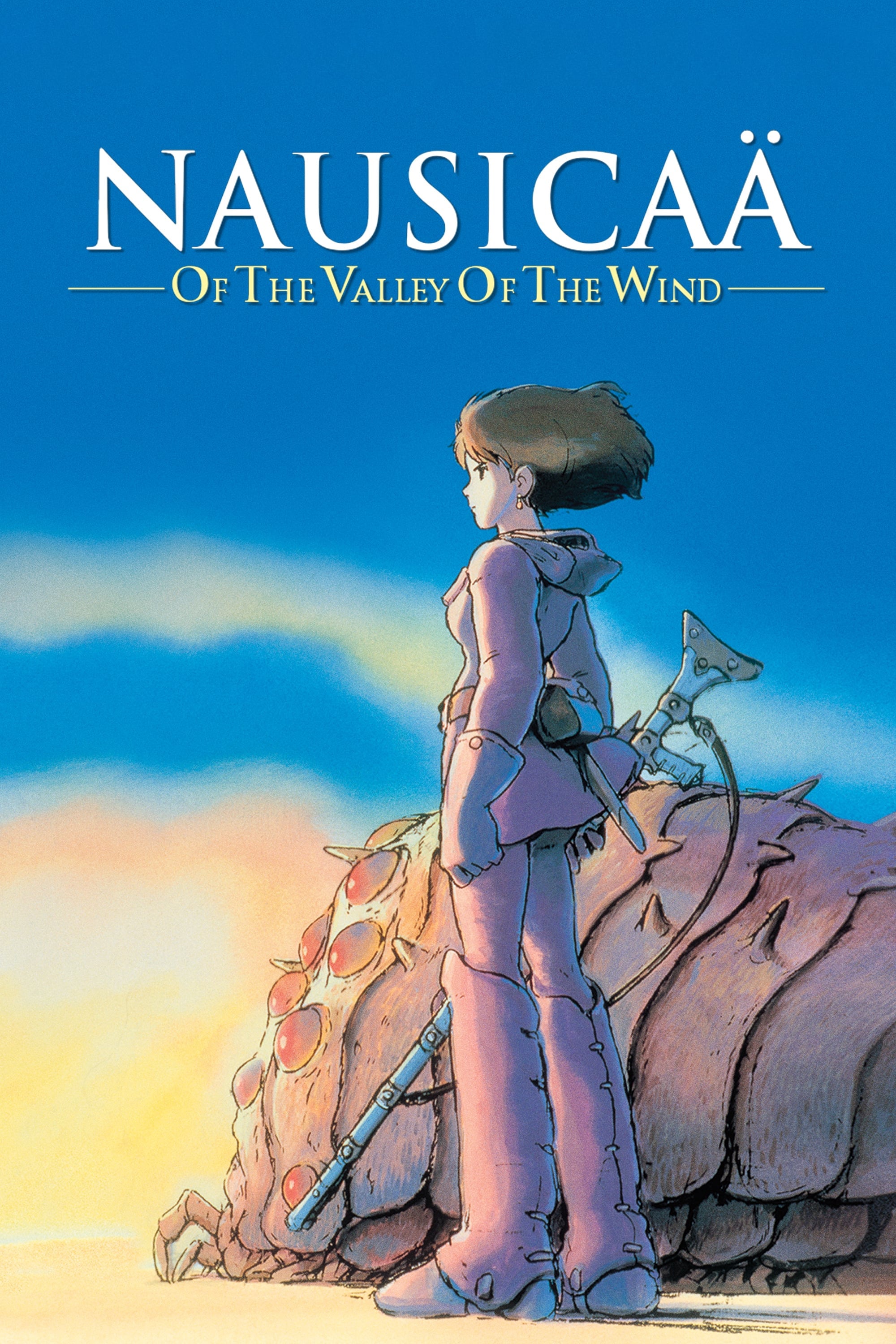
Hayao Miyazaki adapts early arcs of his manga, establishing environmental themes and aerial choreography that recur throughout his work. Worldbuilding covers toxic forests, giant insects, and feuding kingdoms, with glider flight sequences animated for believable aerodynamics.
Though produced before Studio Ghibli’s formal founding, core staff who would form the studio worked on this feature. Mechanical design and ecological concepts influenced later anime and games focused on coexistence and stewardship.
‘The Tale of the Princess Kaguya’ (2013)
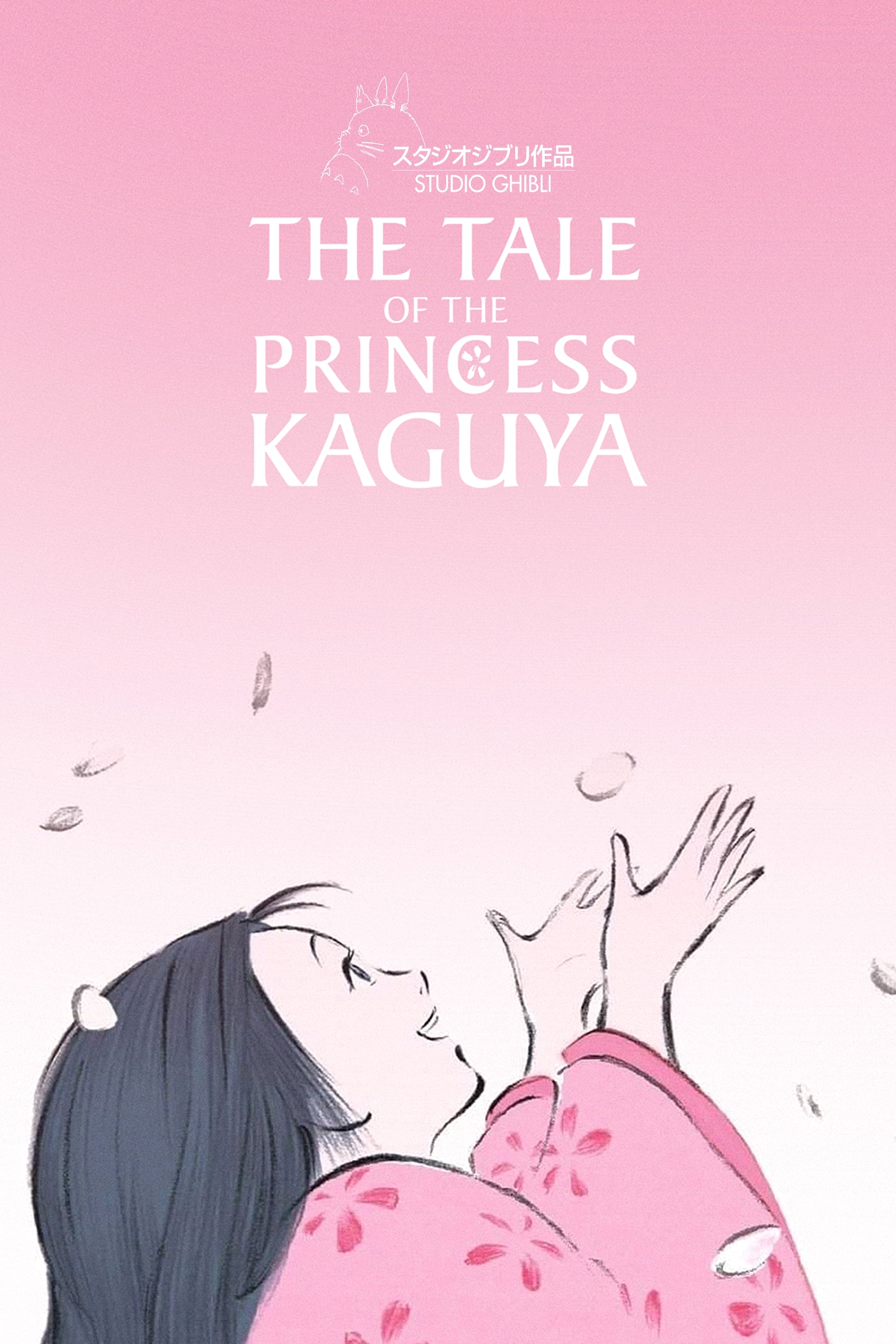
Isao Takahata and Studio Ghibli reinterpret a classic folktale with a watercolor-and-ink aesthetic that evokes hand-brushed picture scrolls. Animation emphasizes line quality and gestural motion, using negative space and textured paper to convey emotion and environment.
Joe Hisaishi’s score supports understated scenes of rural life and courtly ritual. The film demonstrates how traditional art styles can drive narrative tone and form in feature animation.
‘Akira’ (1988)
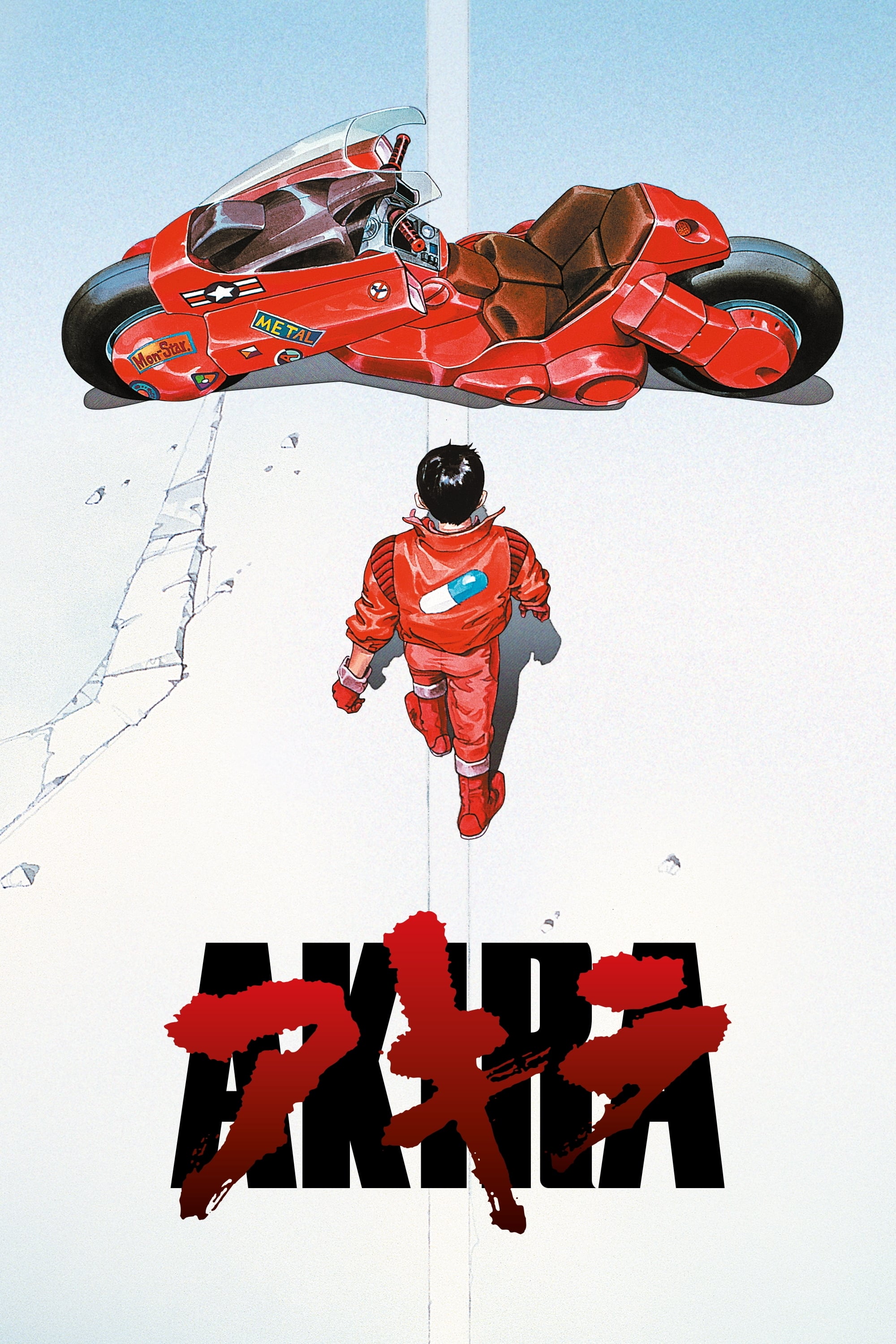
Katsuhiro Otomo directs this adaptation of his manga, realized by Tokyo Movie Shinsha with a high cel count and a detailed vision of Neo-Tokyo. The production pioneered pre-recorded dialogue for lip-sync accuracy and showcased complex mechanical animation for bikes, architecture, and destruction.
Color design—distinctive reds and neon nightscapes—pairs with experimental sound to create a dense urban atmosphere. The project’s scale and technical ambition set new standards for animated features internationally.
‘Perfect Blue’ (1997)
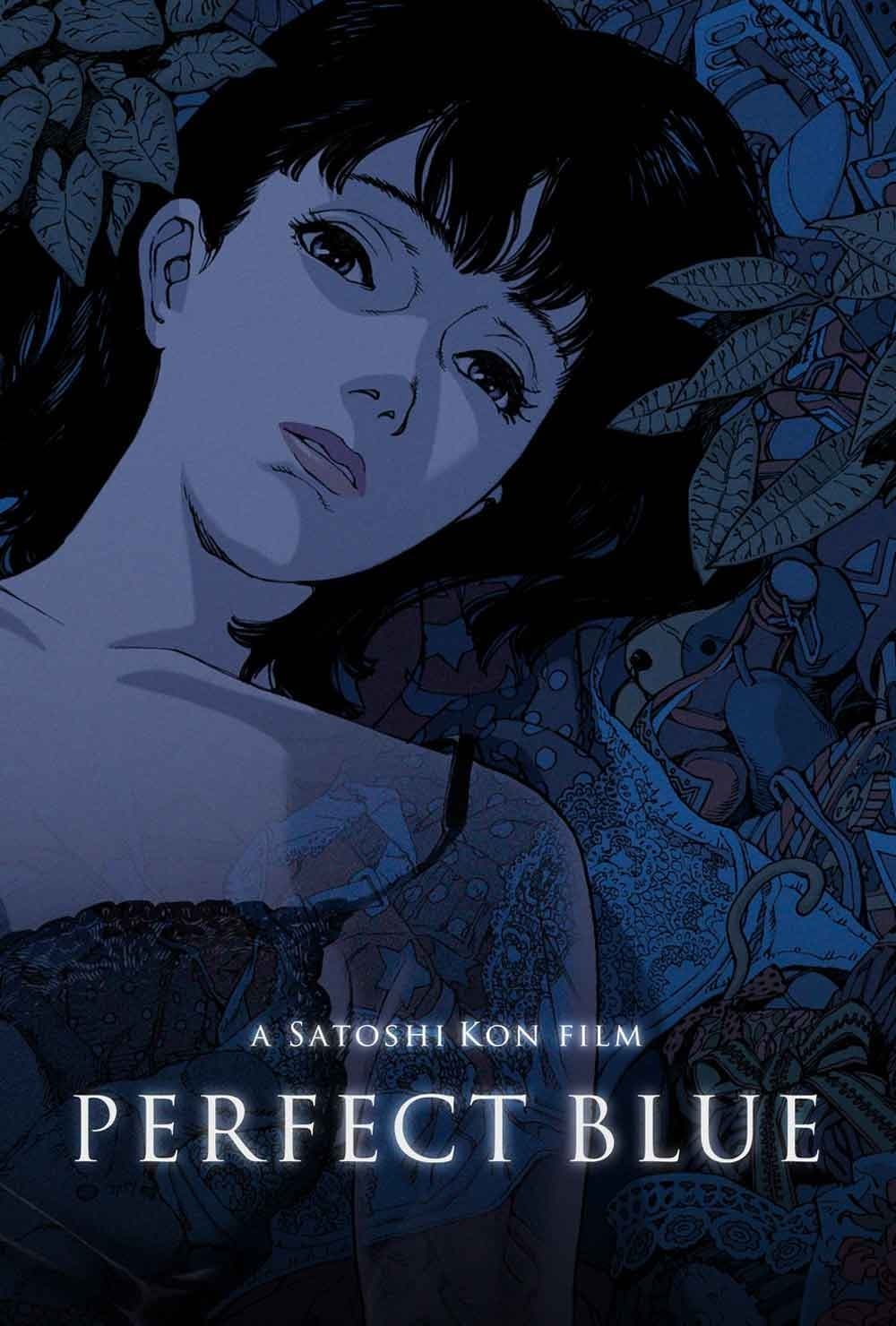
Satoshi Kon’s psychological thriller follows a pop idol who transitions to acting while confronting a stalker and blurred perception. Repeated shots, reflected surfaces, and abrupt edits align viewers with shifting subjectivity without relying on explanatory dialogue.
Grounded locations and minimalistic staging contrast with staged performances, emphasizing media construction and identity management. The film is frequently discussed in studies of genre, editing, and celebrity culture.
‘My Neighbor Totoro’ (1988)
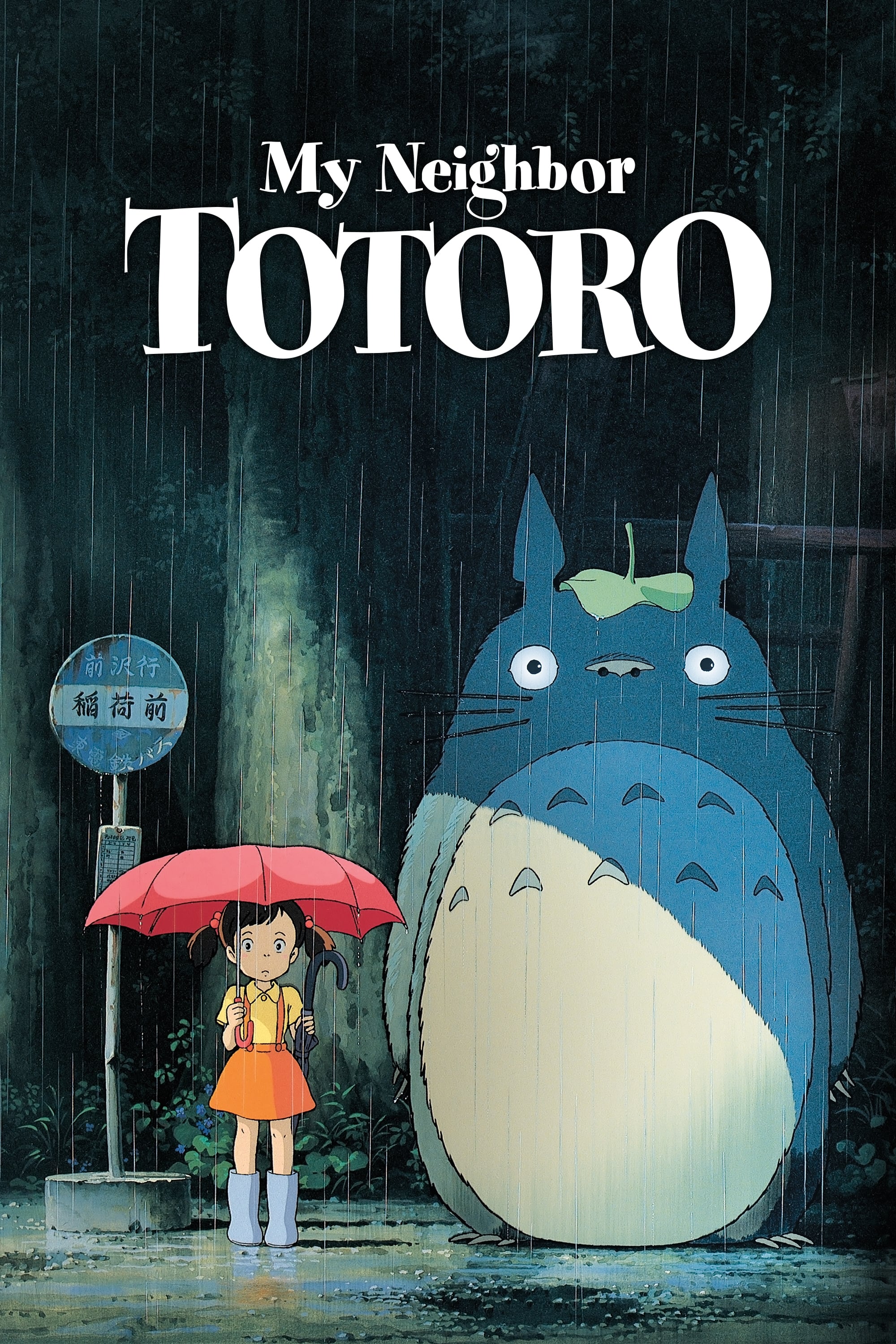
Hayao Miyazaki and Studio Ghibli focus on two sisters who move to a country house and meet forest spirits. Observational animation—wind in grass, drifting soot, and everyday chores—anchors fantasy elements in ordinary life.
Iconic character designs like Totoro and the Catbus use rounded shapes and simple silhouettes for universal readability. Gentle pacing and a soundscape rich with natural ambience emphasize nature, friendship, and family routines.
‘Neon Genesis Evangelion: The End of Evangelion’ (1997)

Hideaki Anno and Kazuya Tsurumaki at Gainax reconstruct the franchise’s final movement with new sequences and a reedited conclusion. The production builds on television assets while introducing experimental imagery, live-action inserts, and revised mecha battles.
Music direction juxtaposes classical pieces with original cues to contrast catastrophic events and intimate character moments. Montage techniques and symbol-rich staging have been widely analyzed in discussions of anime’s narrative form.
‘A Silent Voice: The Movie’ (2016)
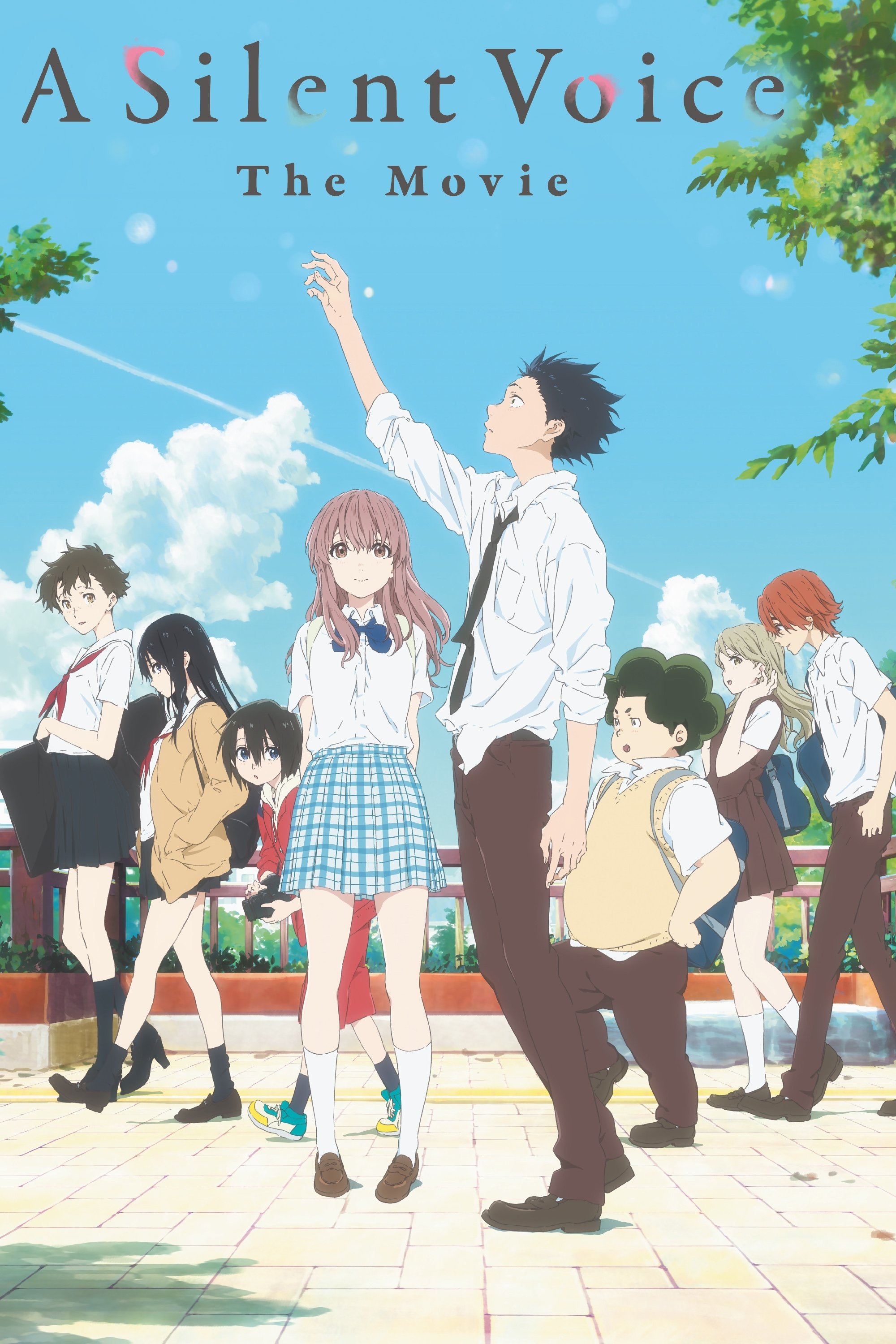
Naoko Yamada directs this Kyoto Animation feature based on Yoshitoki Ōima’s manga about bullying, disability, and reconciliation. Framing, ambient sound, and body language convey social anxiety and shifts in trust between classmates.
Character acting and color design emphasize interior states without melodrama. The adaptation condenses a multi-volume story into a cohesive arc while preserving key settings, relationships, and visual metaphors.
‘Howl’s Moving Castle’ (2004)
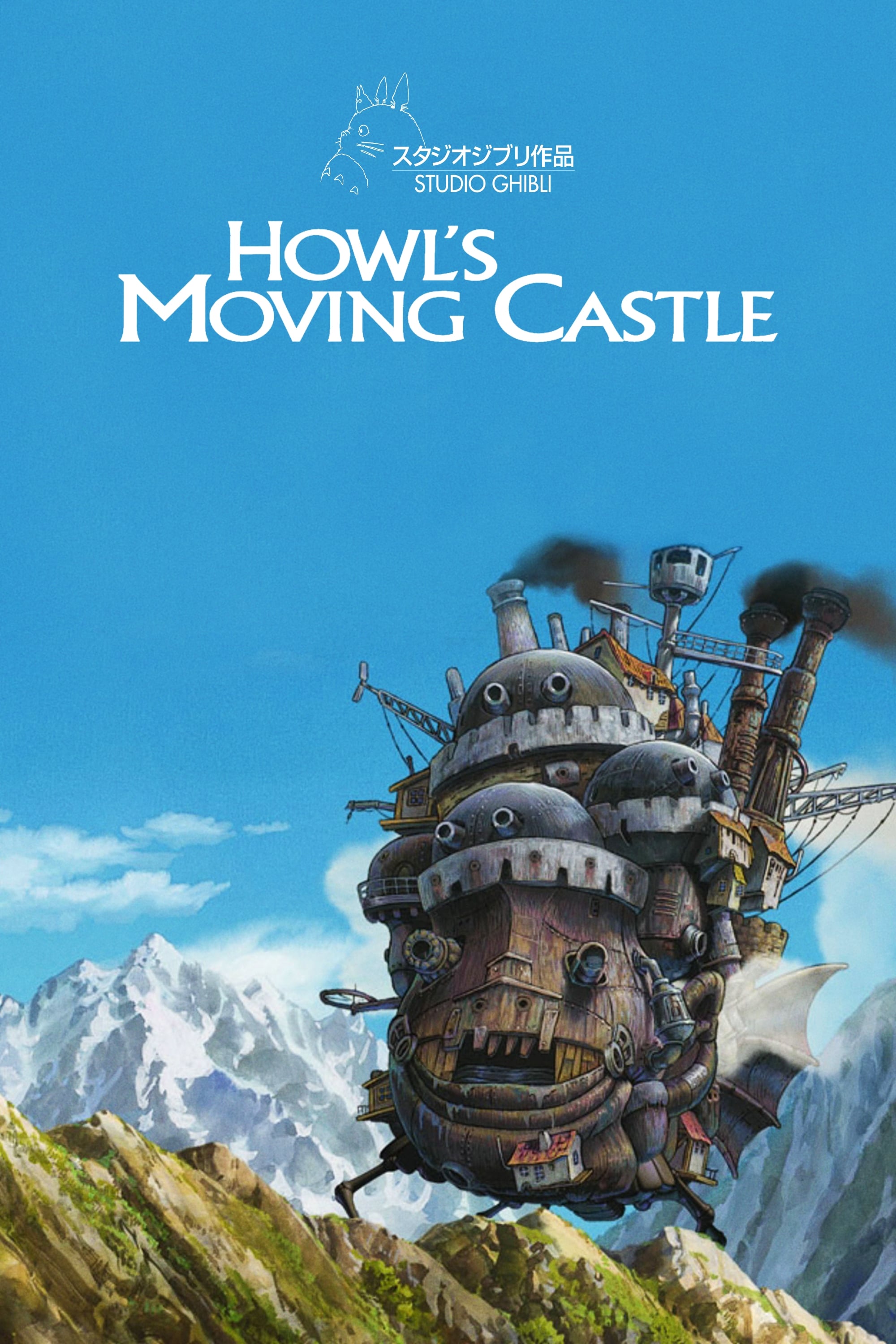
Studio Ghibli adapts Diana Wynne Jones’s novel under Hayao Miyazaki’s direction, following a young woman who encounters a mysterious wizard and a sentient walking castle. Complex mechanical animation captures the castle’s shifting architecture, while backgrounds move from smoky towns to luminous skies.
Joe Hisaishi’s waltz-driven score ties locations and moods together. Cooking, cleaning, and craft scenes highlight domestic detail, and European-inspired cities and valleys appear with layered perspective and dense texture.
‘Demon Slayer -Kimetsu no Yaiba- The Movie: Mugen Train’ (2020)
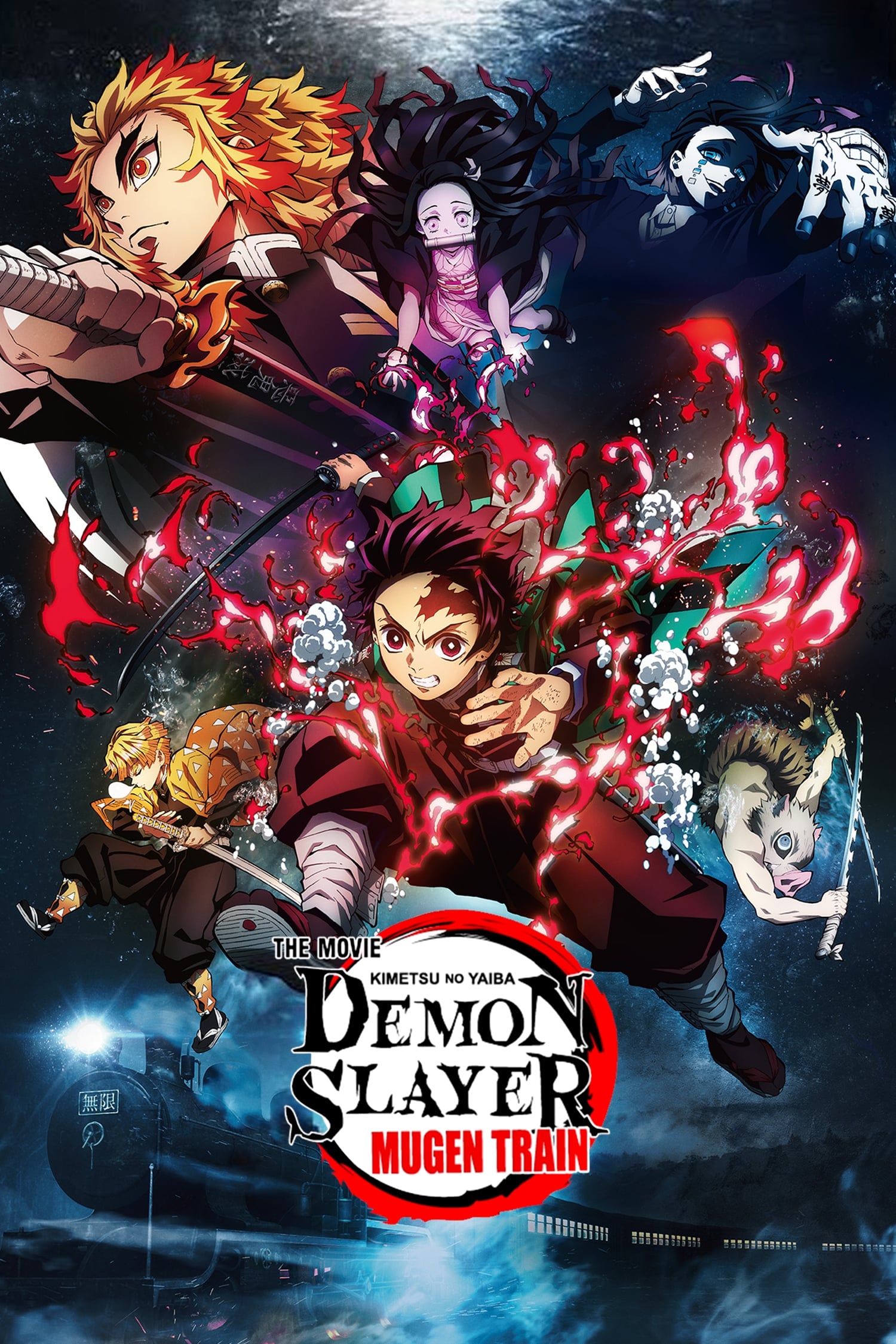
Ufotable expands the television series with a feature adapting the Mugen Train arc, reuniting core characters against a powerful demon aboard a night journey. The production integrates 3D effects for dynamic camera movement while maintaining intricate linework and lighting associated with the studio.
Action sequences layer sword choreography with stylized water and flame motifs tied to character techniques. The release achieved major box-office milestones internationally, illustrating how serialized storytelling can transition into feature-length chapters.
‘Violet Evergarden: The Movie’ (2020)
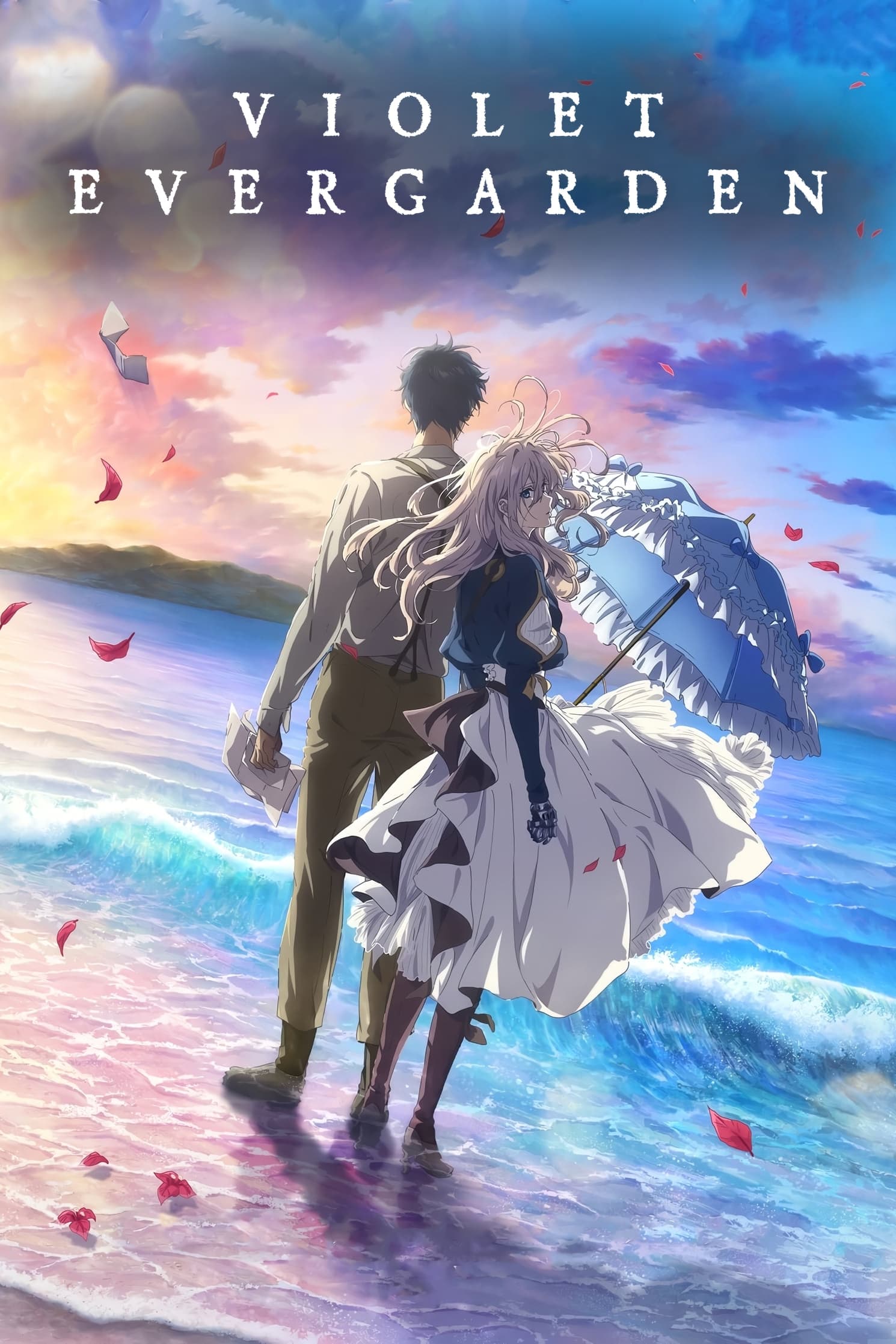
Kyoto Animation concludes the story of a former child soldier who becomes a professional letter writer, focusing on emotional literacy and postwar recovery. The studio’s hallmark attention to lighting, fabric, and props appears in carefully animated typewriters, stationery, and period interiors.
Rich orchestration and location-inspired backgrounds integrate travel sequences and ocean vistas. Themes of correspondence, mentorship, and healing build on world details established across prior entries in the series.
‘Princess Mononoke’ (1997)
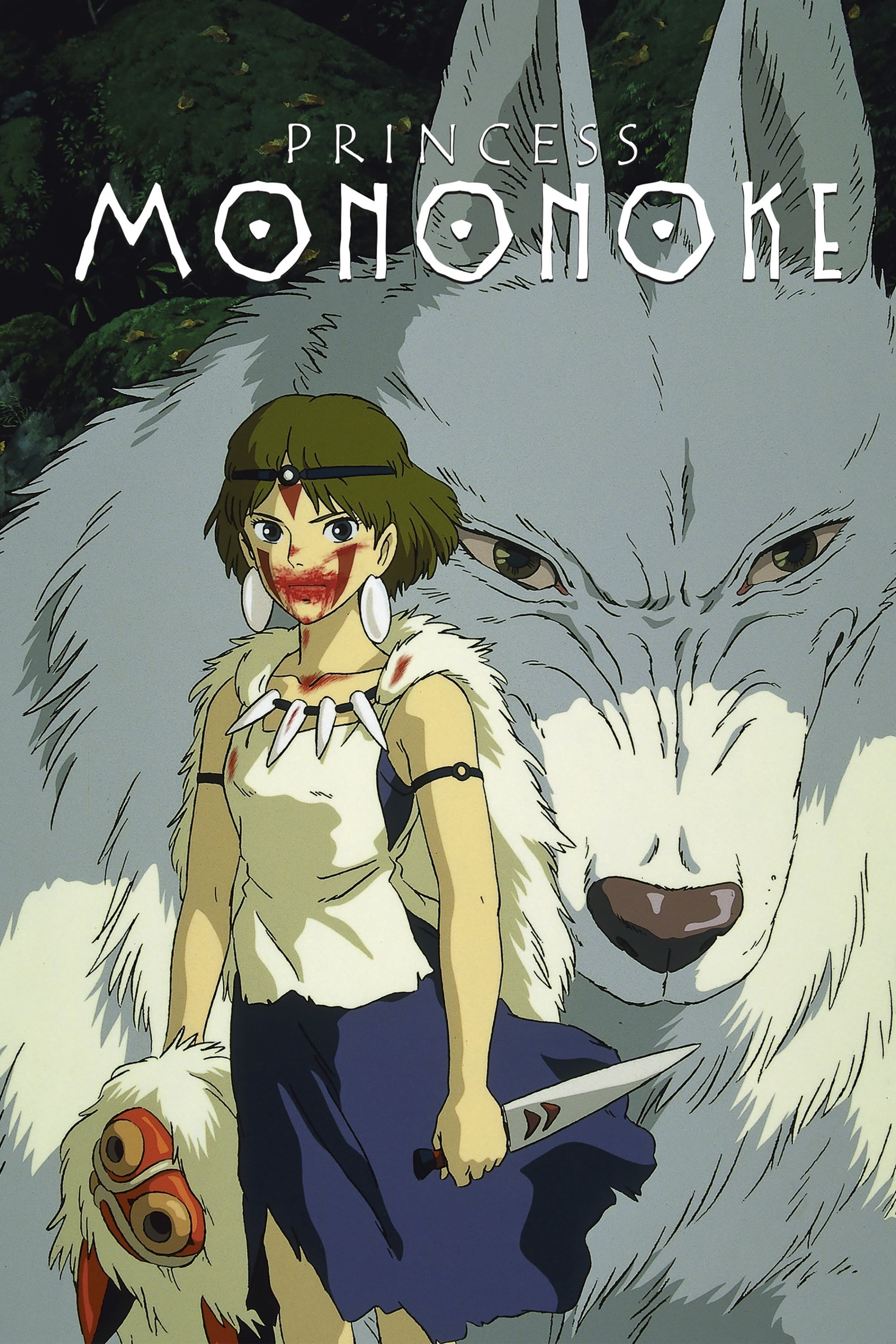
This Studio Ghibli epic by Hayao Miyazaki depicts the conflict between forest guardians and an industrial settlement. Large-scale action, creature animation, and extensive background art map forests, ironworks, and mountain passes with striking clarity.
Intertwined motivations span multiple communities, with attention to metallurgy, trade, and ecology. International distribution expanded the global audience for Japanese animation and introduced many viewers to the studio’s more mature storytelling.
‘Your Name.’ (2016)
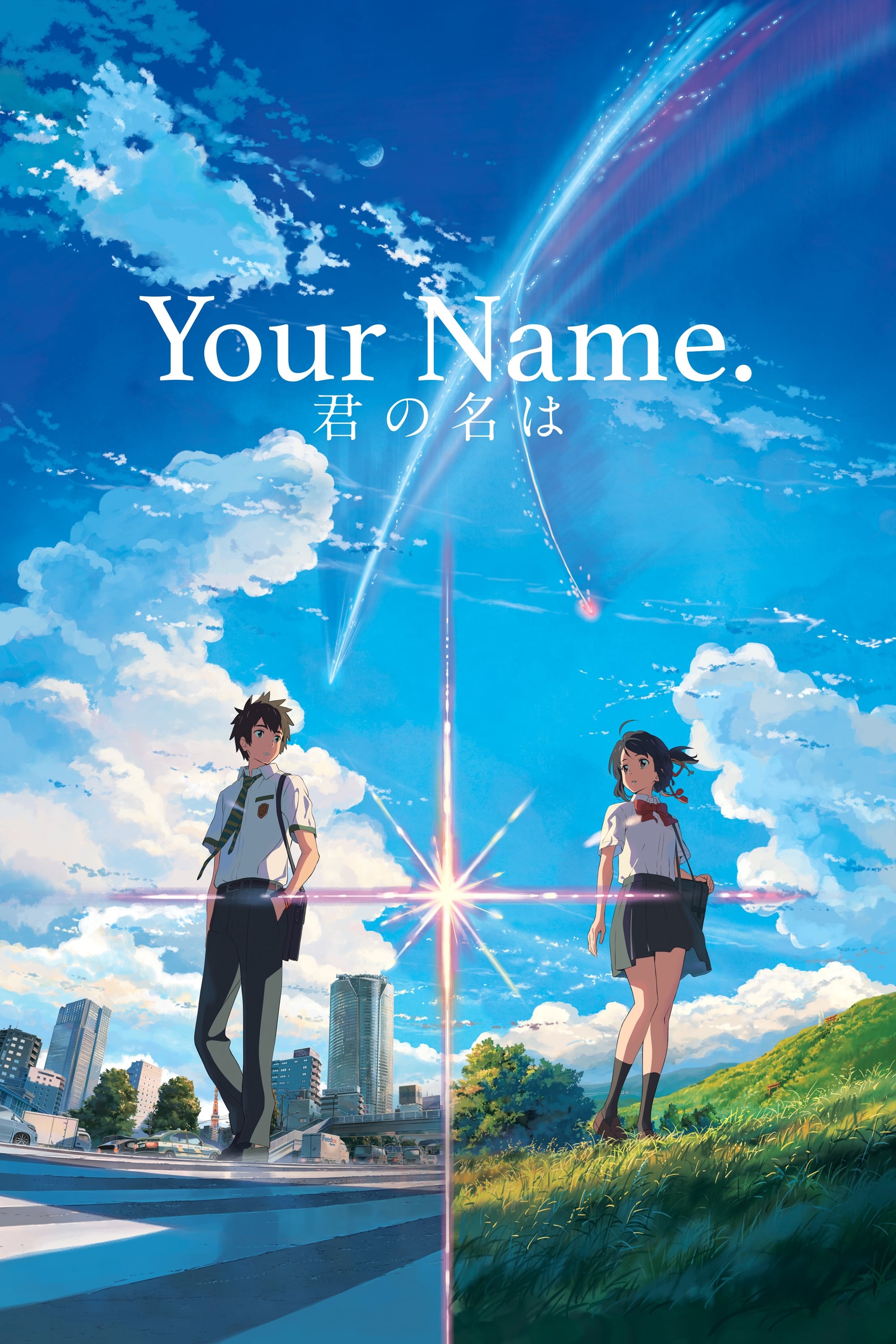
Makoto Shinkai and CoMix Wave Films tell a body-swap story that widens into a tale of connection across distance. Photoreal urban and rural backgrounds, precise lens effects, and time-of-day lighting track character journeys with meticulous detail.
Music by RADWIMPS, developed alongside storyboards, shapes scene rhythm through songs and instrumental themes. The structure interlaces mystery elements with everyday school life and regional traditions.
‘Grave of the Fireflies’ (1988)
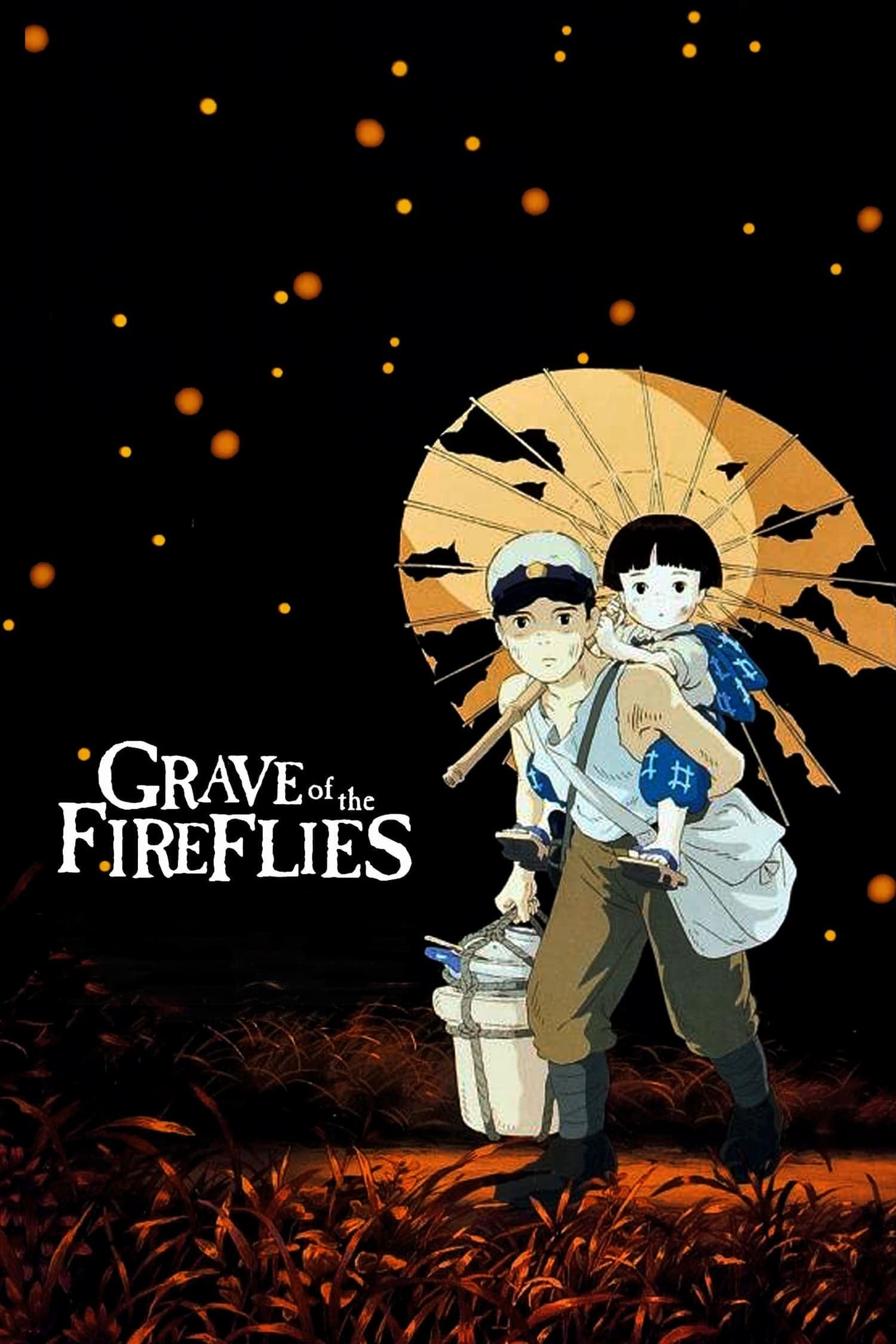
Isao Takahata and Studio Ghibli adapt Akiyuki Nosaka’s semi-autobiographical story of two siblings navigating the end of a war. Restrained animation prioritizes human gestures, food scarcity, and shelter, showing how small resources and decisions affect survival.
Art direction contrasts ruined cities, riverbanks, and countryside with careful attention to seasonal shifts. The film is frequently discussed for its historical framing and focus on daily logistics during crisis.
‘Spirited Away’ (2001)
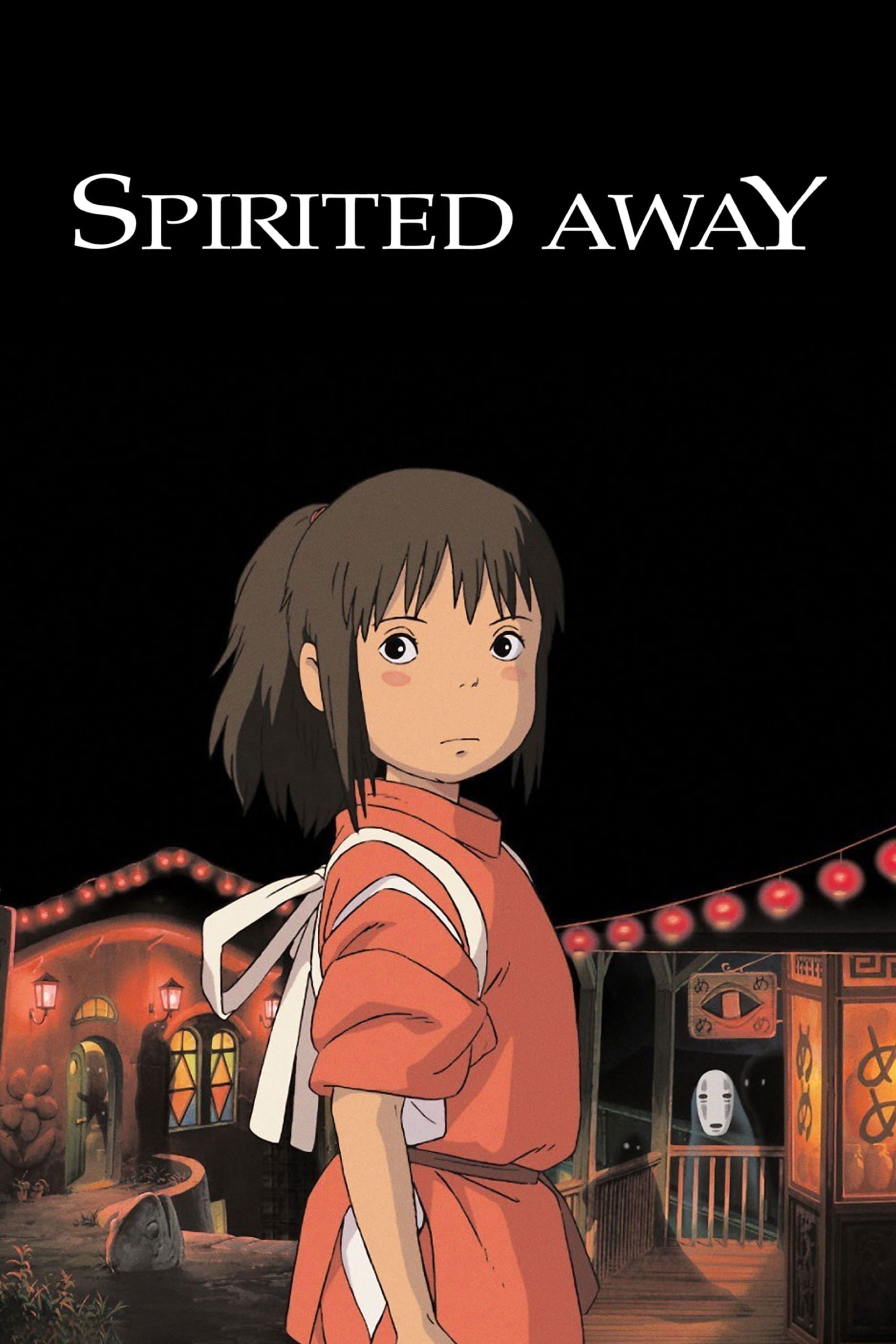
Hayao Miyazaki and Studio Ghibli craft a fantasy about a girl who wanders into a bathhouse for spirits and must work to free her parents. Hand-drawn character work, crowd animation, and creature designs inspired by folklore lay out a richly textured world.
Joe Hisaishi’s score, food imagery, and environmental storytelling support scenes of labor, hospitality, and transformation. Worldbuilding—from train timetables to boiler-room routines—helped the feature become a touchstone for immersive animated cinema.
‘My Neighbor Totoro’ (1988)
Hayao Miyazaki and Studio Ghibli center on two sisters who settle into a rural home and encounter friendly forest spirits. The film’s observational approach treats wind, foliage, and household tasks with the same care as fantastical elements, creating a seamless blend of everyday life and gentle wonder.
Character designs employ rounded, readable silhouettes that became cultural icons, and a soundscape rich with natural ambience reinforces themes of family and nature. Its accessible story and carefully crafted world have made it one of the medium’s most universally beloved entries.
Share your favorites and the must-see titles we missed in the comments!