30 Best Cyberpunk Anime of All Time, Ranked


From neon-drenched megacities and jacked-in hackers to corporate conspiracies and synthetic life, cyberpunk anime has shaped how the world imagines the future. Across series, films, and OVAs, creators have blended high-tech worlds with very human dilemmas—identity, memory, free will, and the cost of progress—creating stories that feel both fantastical and eerily familiar.
This list gathers defining cyberpunk anime from the genre’s early pioneers to modern standouts. You’ll find works centered on networked societies, brain-machine interfaces, cyborg bodies, underground resistance, and AIs testing the limits of personhood. Each entry includes practical details—premise, setting, production notes, and where it fits in the broader cyberpunk current—so you can easily choose your next dive into the wired world.
‘Ghost in the Shell: SAC_2045’ (2020–2022)

This CG continuation places Public Security Section 9 in a world reshaped by global financial collapse and “sustainable war,” following cyberterror incidents that exploit autonomous weapons and post-human experiments. It extends long-running franchise concerns—cyberbrains, data sovereignty, and memory integrity—into an era of weaponized algorithms and outsourced conflict management.
Produced by Production I.G and Sola Digital Arts, it brings back Motoko Kusanagi, Batou, and Togusa while introducing contractors, military AIs, and new adversaries tied to black-budget research. The series adds updated tech stacks—drone swarms, battlefield augmentation, and offensive machine learning—while threading in callbacks to prior Section 9 cases.
‘Vexille’ (2007)
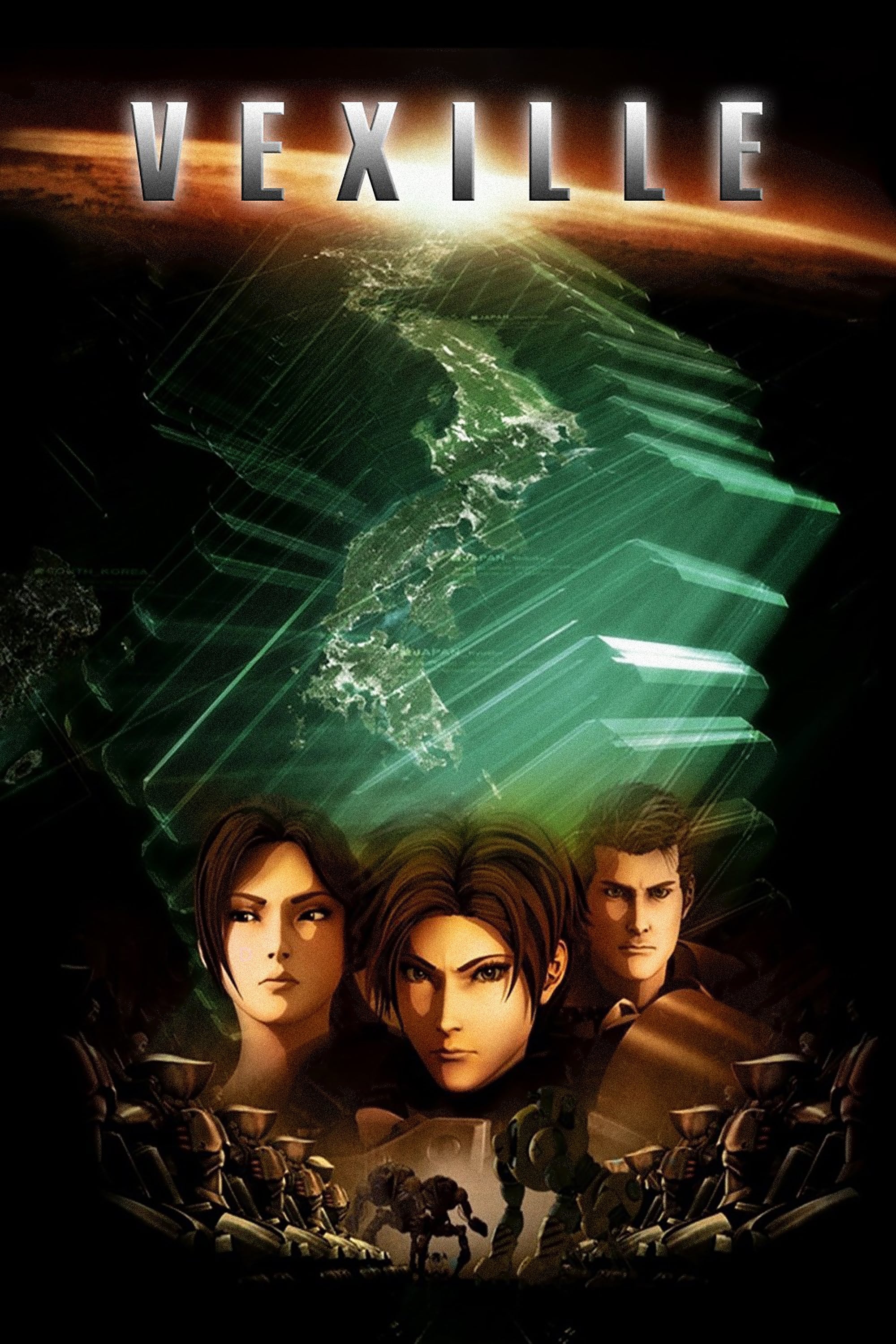
Set after Japan severs itself from the world under an anti-robotics embargo, this CG feature follows a U.S. spec-ops team infiltrating the closed nation to probe illegal android research. Its scenario explores biometal bodies, autonomous border security, and the social fallout of replacing human labor with synthetic surrogates.
Directed by Fumihiko Sori, the film uses motion-capture for stylized action and large mechanized set pieces. It situates corporate militarization and national isolation in a resource-scarce future, weighing the ethics of post-human evolution against the risks of unregulated tech proliferation.
‘Mardock Scramble: The First Compression’ (2010)
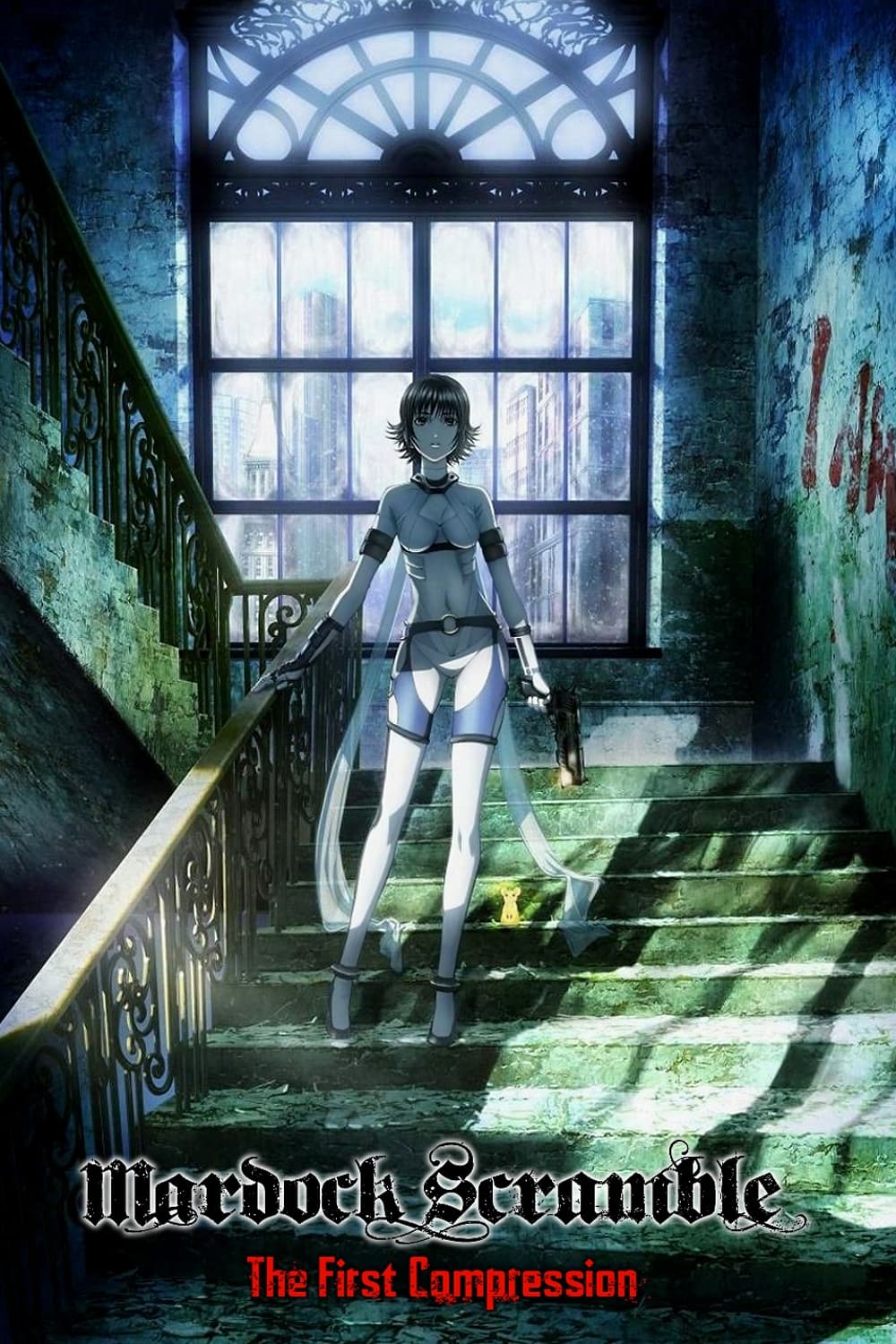
After surviving an attempted murder, a teenage victim is rebuilt with experimental biocybernetics and partners with an AI shapeshifter to dismantle a criminal cartel tied to casinos and human trafficking. The narrative examines forensic memory extraction, evidentiary chains in cybercrime, and state use of enhanced bodies within legal constraints.
Adapted from Tow Ubukata’s novels, the film launches a trilogy known for blending courtroom procedure with invasive technology. It details nanomachine repair, adaptive weapon systems, and data-retention regimes that turn personal histories into prosecutorial tools.
‘BLAME!’ (2017)
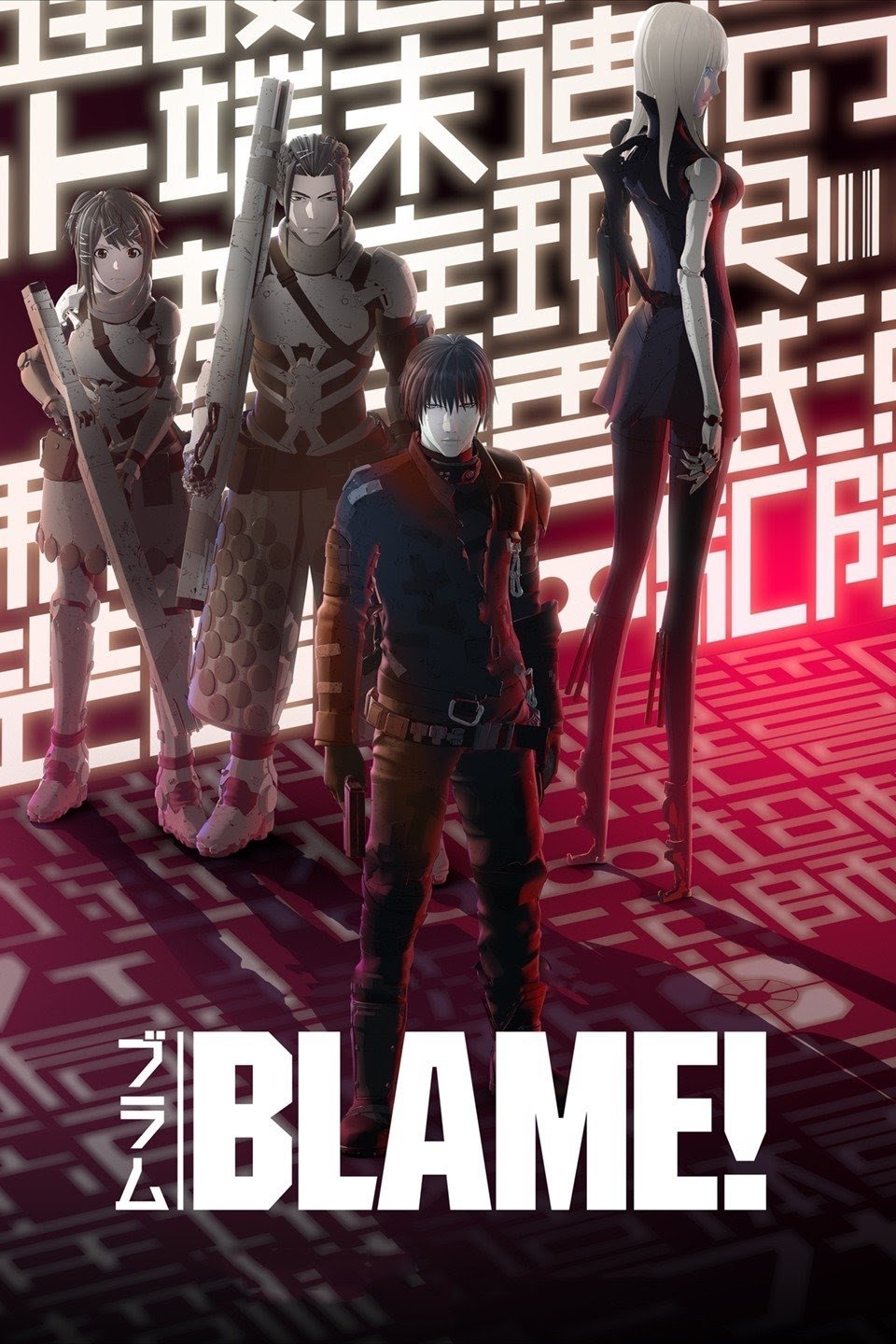
A lone traveler searches a titanic, self-expanding megastructure where automated Builders continue construction without human oversight and “Safeguard” systems purge uncredentialed life. The story foregrounds access control and credential inheritance as civilization’s bottleneck.
Polygon Pictures adapts Tsutomu Nihei’s austere manga into CG, emphasizing industrial architecture, power logistics, and tool scarcity. The film treats infrastructure—elevators, energy cells, maintenance drones—as ecology, with survival tactics shaped by hostile, legacy automation.
‘No Guns Life’ (2019–2020)
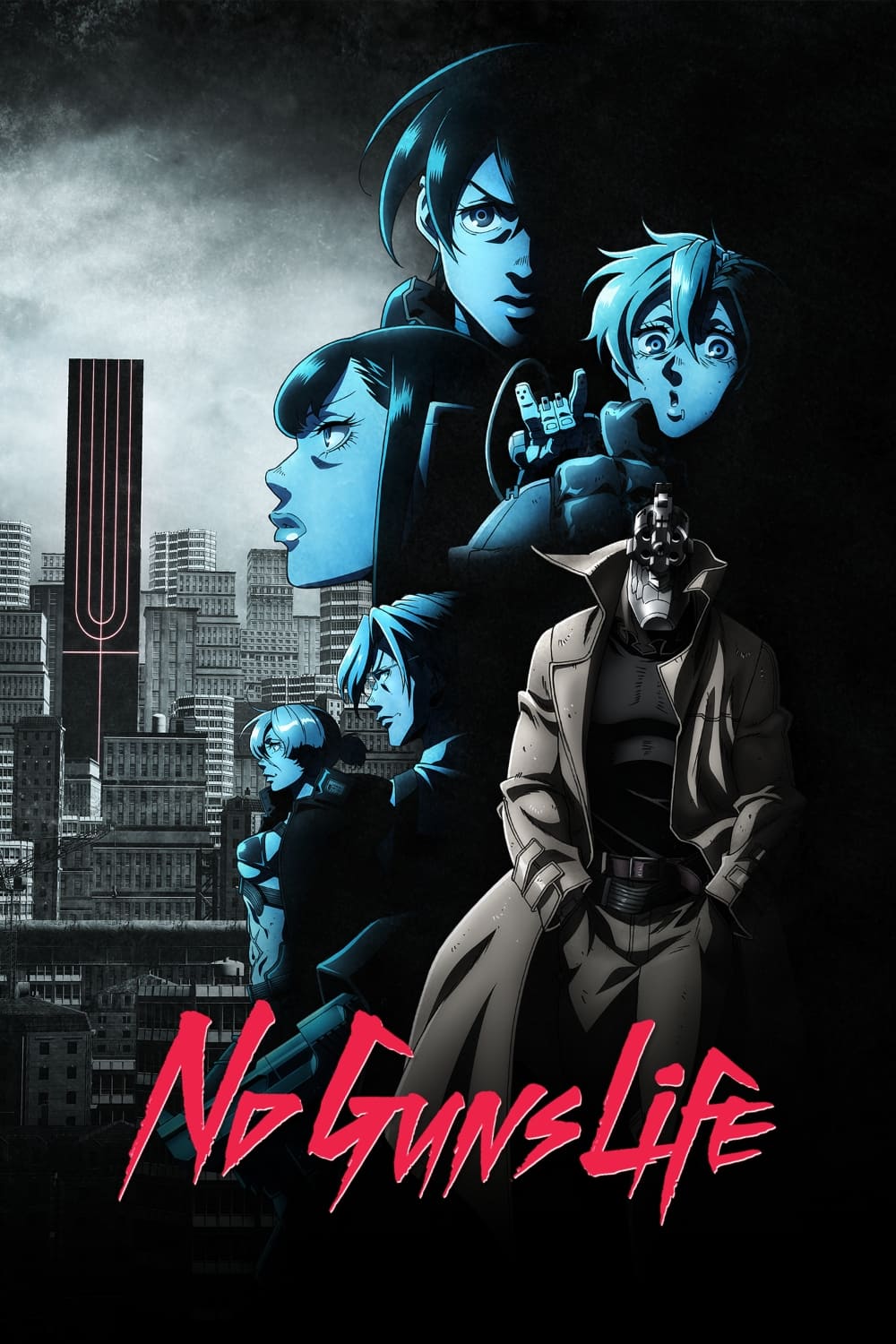
In a postwar city full of “Extended” cyborg veterans, an ex-soldier with a revolver for a head runs a detective agency handling cases that expose corporate control over prosthetics and firmware. Augmentation is treated as labor, identity, and legal status rather than pure firepower.
Adapted from Tasuku Karasuma’s manga, the series mixes noir investigation with hardware-heavy action. It digs into ownership and consent around body modifications—license keys, proprietary updates, and vendor lock-in—alongside black-market clinics and security contractors.
‘Appleseed’ (2004)

A war-weary soldier finds refuge in the planned city Olympus, administered by bioroids and the GAIA central network, only to uncover movements threatening its demographic balance. The plot examines governance by engineered populations, voting rights for partial humans, and centralized AI oversight of civil life.
The CG remake of Masamune Shirow’s manga focuses on paramilitary operations, urban siege tactics, and surveillance architectures. It catalogs Olympus’s layered security from facial-recognition grids to autonomous pacification units, setting those systems against debates about bioroid reproduction limits.
‘Appleseed: Ex Machina’ (2007)

This sequel expands Olympus security operations to include cross-border counterterror missions and mass mind-control threats propagated through networked consumer tech. The story considers how ubiquitous devices create national-scale attack surfaces.
Produced by John Woo and directed by Shinji Aramaki, it pushes choreographed mecha action while detailing GAIA’s incident response, encrypted comms, and interagency coordination. Equipment upgrades, exosuits, and urban infrastructure are presented with the franchise’s trademark hardware specificity.
‘Armitage III’ (1995)

On a colonized Mars, a detective teams with a covertly augmented officer to pursue “Thirds,” advanced androids capable of reproduction. The series centers on citizenship, personhood, and reproductive rights for artificial beings within an off-world frontier legal system.
Released as a four-episode OVA (later compiled), it blends police procedural beats with corporate espionage and black-market firmware. It’s noted for its android taxonomy—model generations, serial trees, and embedded constraints—set against Martian labor and governance disputes.
‘The Animatrix’ (2003)
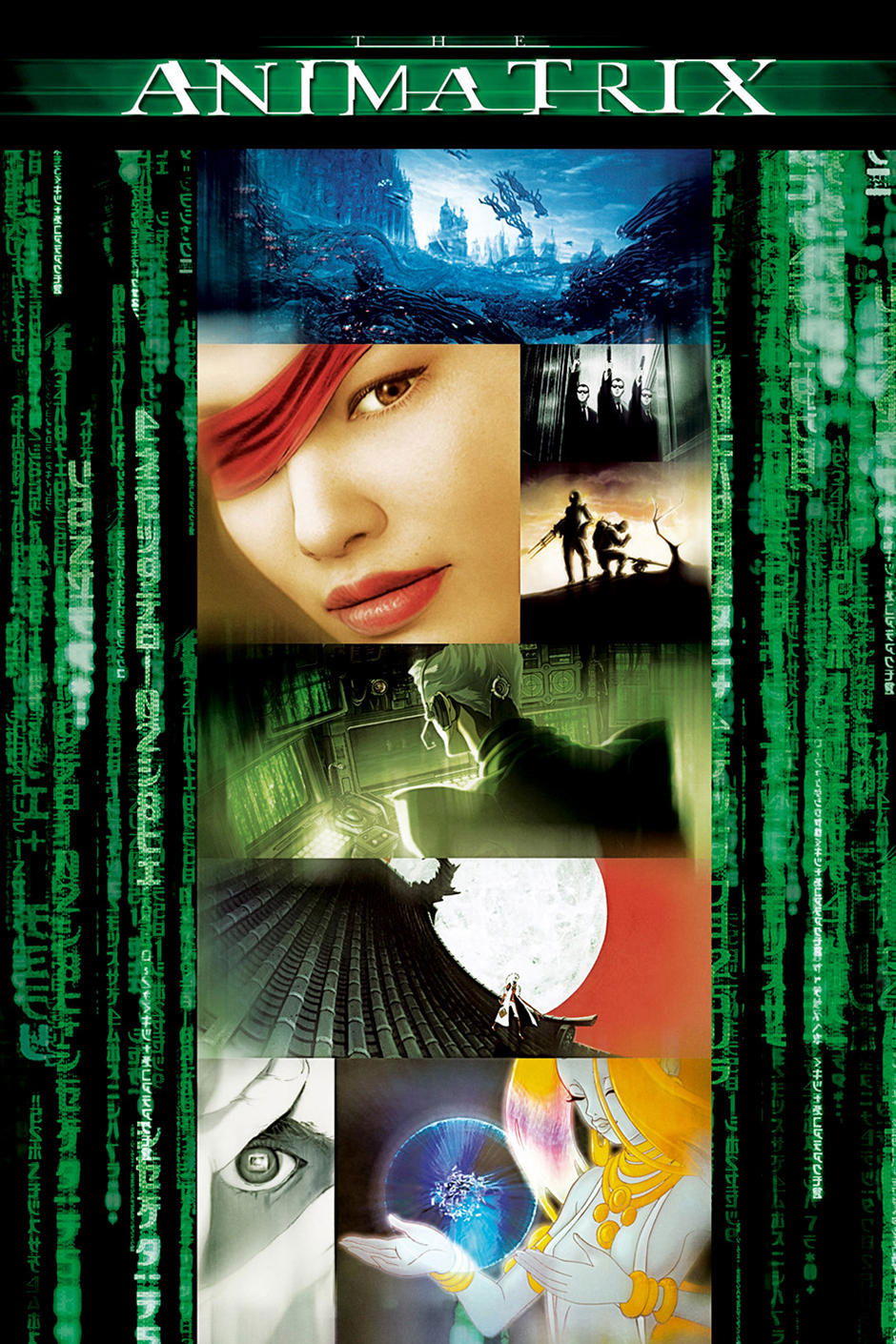
This anthology explores different corners of the world of humans and machines, charting events that led to large-scale conflict and life under machine rule. Segments cover AI labor uprisings, simulated reality exploits, and urban survival under pervasive surveillance.
Created by multiple Japanese and international studios, it showcases varied visual and narrative approaches—documentary, caper, and horror—while staying grounded in networked oppression and system vulnerabilities. It doubles as a technical showcase for early-2000s anime pipeline experimentation.
‘Akudama Drive’ (2020)

In a corporate-ruled Kansai, a group of high-profile criminals carries out linked heists that peel back propaganda systems and privatized justice. The series examines citizen scoring, automated sentencing, and infrastructural control via drones and public screens.
Produced by Studio Pierrot and Too Kyo Games, it pairs kinetic set pieces with logistics—maglev corridors, armored courier networks, and surgical cyberware. Its worldbuilding follows how spectacle and media management stabilize an unequal order.
‘Psycho-Pass: The Movie’ (2015)

Inspectors travel abroad to evaluate an export of the Sibyl System, testing predictive policing within a different legal culture. The plot contrasts governance models, due process safeguards, and data-sharing agreements tied to proprietary justice technology.
Built by the original series staff, the film scales from domestic casework to international operations. It details jurisdictional negotiations, secure communications, biometric spoofing, and the hazards of deploying closed-source public-safety tools in unstable environments.
‘Ghost in the Shell: Arise’ (2013–2014)

This prequel arc follows Motoko Kusanagi’s path to forming Section 9, centering on military contractors, proprietary cyberbrain stacks, and supply-chain tampering. It explores how interface standards are set—and abused—by vendors and state buyers.
Structured as a series of films later re-edited for TV, it refreshes encryption suites, prosthetic chassis, and spoofing countermeasures while keeping the franchise’s core inquiries into memory verifiability and autonomy. Recurring characters are reframed through earlier ops and procurement politics.
‘Cyber City Oedo 808’ (1990–1991)

Three incarcerated specialists—hacker, thief, and killer—are conscripted with explosive collars to tackle high-risk cybercrime in a vertical megacity. Each case highlights different attack surfaces: air-gapped labs, ghosted corporate networks, and bio-aug syndicates.
Directed by Yoshiaki Kawajiri, the OVA leans into hardware fetishism—uplink spikes, monofilament weapons, tactical exosuits—while sketching carceral technology and sentence-reduction contracts. It maps the overlaps between municipal police and privatized enforcement.
‘Battle Angel’ (1993)

A cyborg with amnesia, rebuilt by a cyber-physician after being found in scrap, navigates a stratified city ruled from an unreachable sky metropolis. The story focuses on body reconstruction ethics, bounty systems outsourced to freelancers, and organ-trade economies.
Adapted from Yukito Kishiro’s ‘Gunnm,’ this two-episode OVA emphasizes close-quarters combat and the practicalities of power sources, repair cycles, and upgrade choices. It outlines municipal power—factory towns, scrapyard clinics, and corporate enforcers—beneath an orbital authority.
‘Bubblegum Crisis’ (1987–1991)

In quake-reconstructed Megatokyo, an armored vigilante team counters rogue “Boomers,” industrial androids misused for crime. The series frames private security, robotics liability, and dependence on synthetic labor across a city rebuilt on corporate contracts.
Pioneering the street-level gear feel of cyberpunk anime, it details armor maintenance, vendor ecosystems, and replacement-part economics. It also tracks jurisdictional friction between municipal police and corporate response units during high-risk incidents.
‘Cowboy Bebop: The Movie’ (2001)

Set between televised episodes, the film follows bounty hunters tracking a biothreat through a tightly surveilled metropolis. It expands on contractor realities—interface with local police, corporate labs, and military quarantine protocols.
With a larger budget than the series, the production showcases airspace rules, forensics bottlenecks, and urban containment tactics. Tools from the show—jam-resistant comms, ship-borne sensors, and multi-agency data sharing—are scaled to city-wide stakes.
‘Ghost in the Shell 2: Innocence’ (2004)

A cyborg detective investigates murders tied to companion androids, examining the boundary between programmed affection and consent. The film layers legal and philosophical texts over firmware and wetware, asking how meaning persists across substrates.
Directed by Mamoru Oshii, it stages inquiries through forensics labs, black-market chip foundries, and data temples. Practicalities—firewalls, falsified chassis tags, and multi-agent deception—anchor its investigations inside dense sensor environments.
‘Texhnolyze’ (2003)
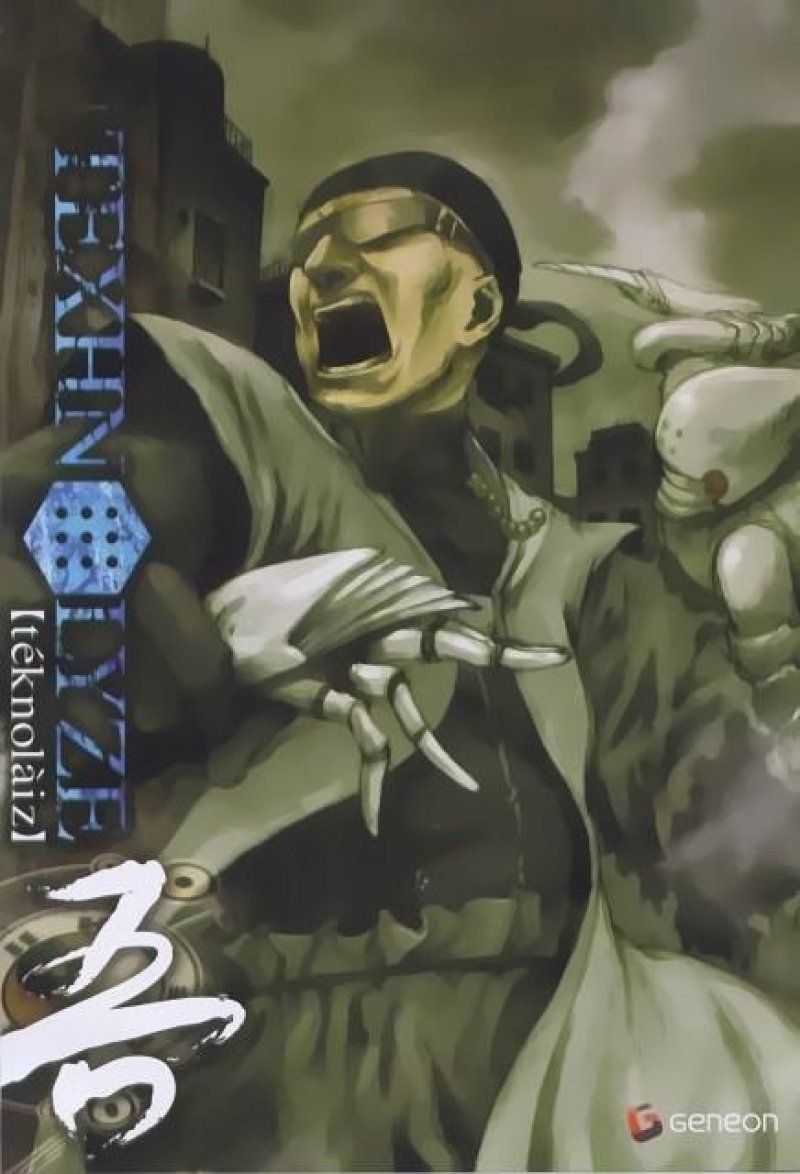
In an underground city controlled by factions, a maimed fighter receives experimental prosthetics and is pulled into a collapse scenario. The series studies cartel monopolies on limb technology, closed-loop economies, and psychological costs of proprietary replacements.
With writing by Chiaki J. Konaka and direction support from Hiroshi Hamasaki, it favors systems-driven storytelling—resource scarcity, gang regulation, and infrastructure decay—over exposition. Prosthetic designs foreground latency, power draw, and failure modes.
‘Time of Eve’ (2008–2009)

In a near future with domestic androids, a hidden café enforces a single rule: no discrimination between humans and robots. Short stories examine etiquette protocols, ownership law, and the societal impact of anthropomorphic assistants.
Initially released online and later compiled, the series focuses on conversational interfaces, rule-based behavior, and the legal gray zones of autonomy. It offers grounded details on firmware limits, warranty workarounds, and family-level policy debates.
‘Den-noh Coil’ (2007)

Children in a town saturated by augmented-reality overlays explore glitches, obsolete software, and black-market tools. The show functions as a primer on AR governance—municipal rules colliding with private APIs and user-created patches.
Created by Mitsuo Iso, it catalogs device classes (visors, pets, filters), enforcement agents, and deprecated protocols that linger like urban ghosts. Cyberspace is treated as civic infrastructure—addressing, zoning, and maintenance—rather than pure spectacle.
‘Ergo Proxy’ (2006)

Inside a domed city reliant on android labor, an investigator and an amnesiac pursue beings called “Proxies,” uncovering experiments in social design. The narrative addresses memory editing, citizen scoring, and anthropomorphic assistants affected by viral “cogito” infections.
Produced by Manglobe, the series blends Gothic aesthetics with policy scaffolding—quarantine law, utility rationing, and automated governance rituals. Travel beyond the dome studies failed city-states and competing survival doctrines.
‘Ghost in the Shell: Stand Alone Complex – Solid State Society’ (2007)

Section 9 traces mass disappearances to elder-care networks, revealing vulnerabilities in welfare infrastructure and IoT-like implants. It’s a case study in how social services, telemetry, and opaque AI intersect with organized crime.
Reuniting the ‘Stand Alone Complex’ staff, the feature emphasizes data forensics—traffic analysis, identity grafts, sandboxing of hostile code—within a near-future administrative state. It also charts procurement politics around cyberbrain firmware and patch regimes.
‘Serial Experiments Lain’ (1998)

A quiet student drifts into the “Wired,” where identity, rumor, and corporate experiment blur human boundaries. The show interrogates whether personhood persists when consciousness is distributed across privately maintained networks.
Triangle Staff’s production uses UI-like intertitles and system hums to depict protocols, servers, and packet routes as dramatic beats. Social-engineering vectors—gossip chains, forums, anonymous boards—are treated as infrastructure, not background noise.
‘Akira’ (1988)

In a rebuilt metropolis wracked by unrest, a biker’s sudden psychic awakening exposes military research and political rot. The film maps a state’s attempt to contain parapsychic experiments through martial law, data suppression, and managed narratives.
Katsuhiro Otomo’s feature is noted for its record-setting cel count, fluid crowd scenes, and precise mechanical animation. Its infrastructure—elevated highways, riot control gear, and power grids—grounds explosive set pieces in a believable civic system.
‘Ghost in the Shell’ (1995)

A cybernetic major hunts a hacker who manipulates memories across connected brains, spotlighting identity theft at the firmware level. The story establishes a framework for legal personhood where minds traverse and merge via standardized interfaces.
Directed by Mamoru Oshii, the film integrates real-world networking concepts—packet sniffing, authentication, and data provenance—into a police-procedural structure. The city’s layers—surveillance, foreign-made prosthetics, diplomatic zones—offer a granular model of a wired state.
‘Vivy: Fluorite Eye’s Song’ (2021)

An autonomous singer is tasked with averting a future AI–human war by altering key historical inflection points. The series explores constraint-based mission planning, version conflicts, and the cascading effects of small protocol changes on socio-technical systems.
Wit Studio’s original project treats AI directives like software requirements—ambiguous specs, edge cases, and patch timelines. It visualizes data lineage across decades and the ethics of overwriting learned models with hard overrides.
‘Psycho-Pass’ (2012–2019)

In a society governed by pervasive psychometric scoring, inspectors balance public safety with individual rights for those flagged by predictive analytics. The show examines due process under algorithmic rule, coercive therapy, and the incentives of a black-box sovereign.
Produced by Production I.G, it builds a compliance stack—citizen scans, encrypted weapons keyed to authority, and audit trails—while tracing insurgent attacks on that stack. Across seasons, it catalogs governance trade-offs, false positives, and oversight mechanisms.
‘Cyberpunk: Edgerunners’ (2022)
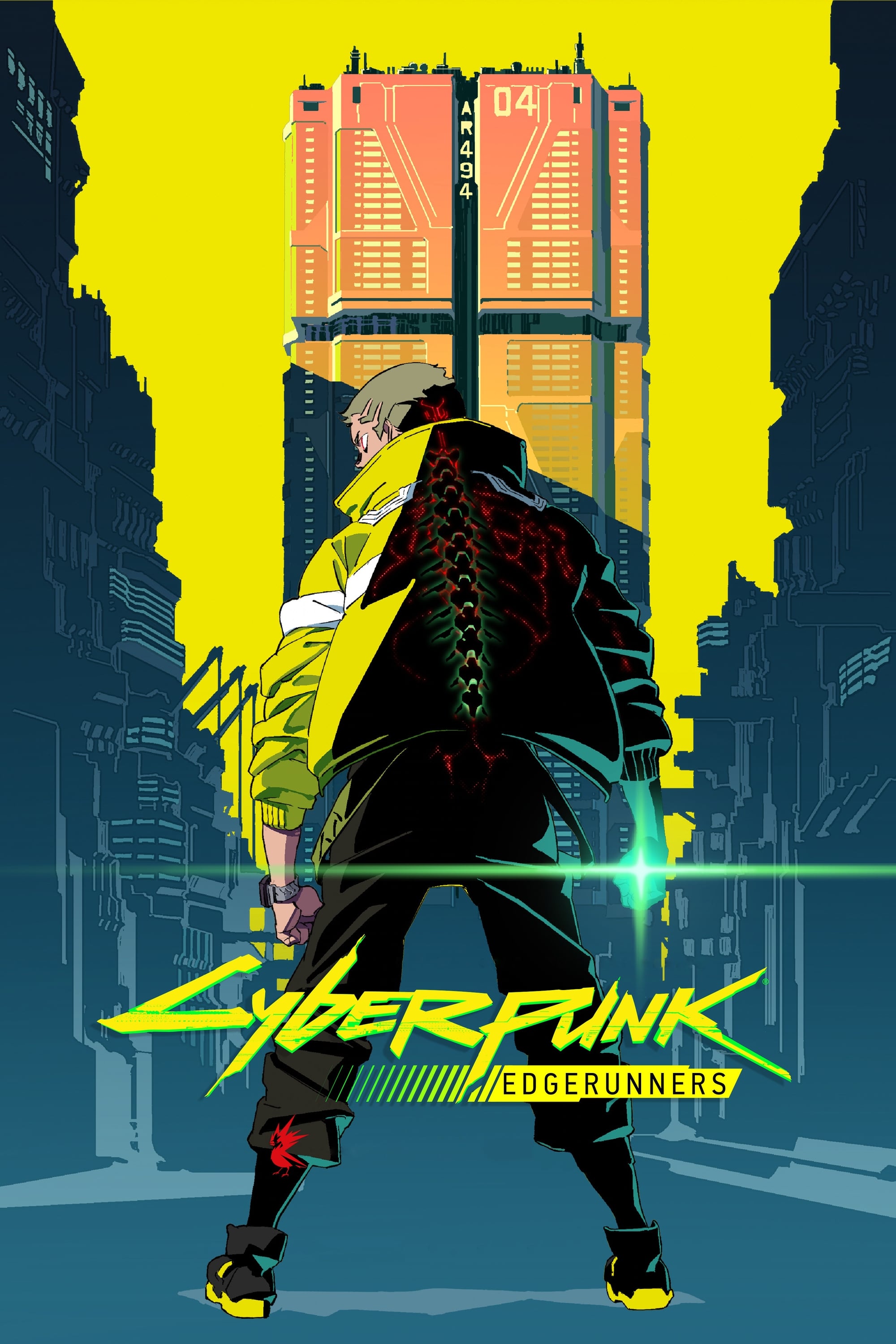
A street kid in Night City enters the mercenary underworld through illegal cyberware, showing how implants intersect with class, education, and trauma. The story frames “cyberpsychosis” as a public-health issue connected to exploitative markets and paramilitary contractors.
A collaboration between Studio Trigger and CD Projekt, the series anchors set pieces in practical tech—Sandevistan overclocking, netrunning rigs, and black-clinic supply chains. Night City operates as an economy of favors, data brokers, and freelance crews paid in eddies and software.
‘Ghost in the Shell: Stand Alone Complex’ (2002–2005)

Section 9 tackles cases like the Laughing Man and Individual Eleven, highlighting cyberbrain vulnerabilities, corporate cover-ups, and information warfare. The anthology structure balances episodic “stand-alone” incidents with serialized political arcs.
Directed by Kenji Kamiyama, it deepens franchise tech with layered opsec—air-gapped analysis rooms, identity swaps, and counter-surveillance drones. It remains a reference for realistic near-future policing and network forensics in a fully networked society.
‘Cowboy Bebop’ (1998–1999)

A crew of bounty hunters drifts through a deregulated solar system where corporations and criminals outpace jurisdictions, grounding its adventures in gig-economy precarity and patchwork tech. The setting runs on surplus hardware, gray-market repairs, and informal networks.
Sunrise’s production fuses noir with spacefaring logistics—ship maintenance, customs scans, and data bounties—while episodic cases touch bio-weapons, AI satellites, and hacker collectives. The series codifies a lived-in future where style rides atop working systems.
Share your favorites and the ones we missed in the comments!