30 Most Underrated Anime of All Time, Ranked


Some anime dominate every “must-watch” list, while others quietly build loyal followings, inspire creators, and push the medium forward without grabbing big headlines. This roundup highlights series and films that slipped under many radars yet left a clear mark through strong storytelling, standout direction, or inventive world-building. You’ll see everything from character-driven dramas and cerebral thrillers to genre-bending sci-fi and slice-of-life gems.
Each entry gives you concrete details—premises, production notes, creators, and release context—so you can decide what to queue up next
‘Sarazanmai’ (2019)
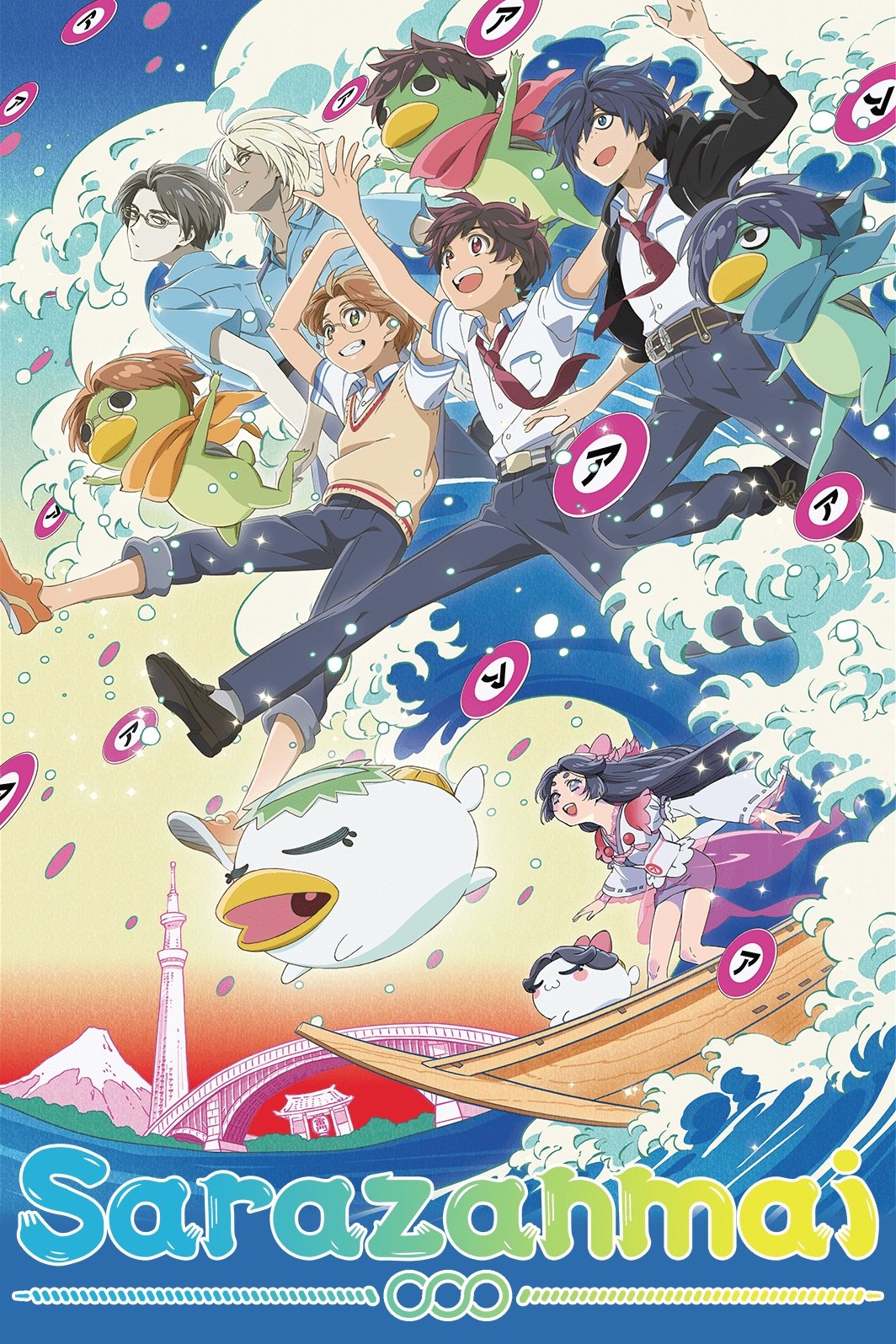
Kunihiko Ikuhara’s series follows three middle-school boys in Asakusa who are transformed into kappas and tasked with retrieving “shirikodama” from zombies, tying each episodic case to personal secrets and modern social connectivity. The show links its supernatural framework to a recurring iconography of the Kappa statue, the Asakusa area, and smartphone culture, with musical interludes and repeated staging devices that evolve as the plot advances.
Produced by MAPPA and Lapin Track, the project reunites Ikuhara’s longtime collaborators, including composer Yukari Hashimoto and character designer Migi. The broadcasting block in Japan included Fuji TV’s Noitamina, and the series received international simulcasts through major streaming platforms with official subtitles, making it accessible outside Japan soon after domestic airing
‘Kaiba’ (2008)

This science-fiction story, created and directed by Masaaki Yuasa, imagines a future where memories are digitized and bodies are interchangeable, following an amnesiac protagonist traveling through class-divided planets. Its visual language uses simplified, rounded designs reminiscent of early animation styles while tackling identity, inequality, and ownership of selves through episodic encounters.
The series was produced by Madhouse, with original character designs by Takashi Kojima and music by Kiyoshi Yoshida. It aired on WOWOW in Japan and later reached overseas viewers via festival screenings and streaming, becoming an early showcase of Yuasa’s experimental direction before his wider breakout with other projects
‘Kino’s Journey’ (2003)
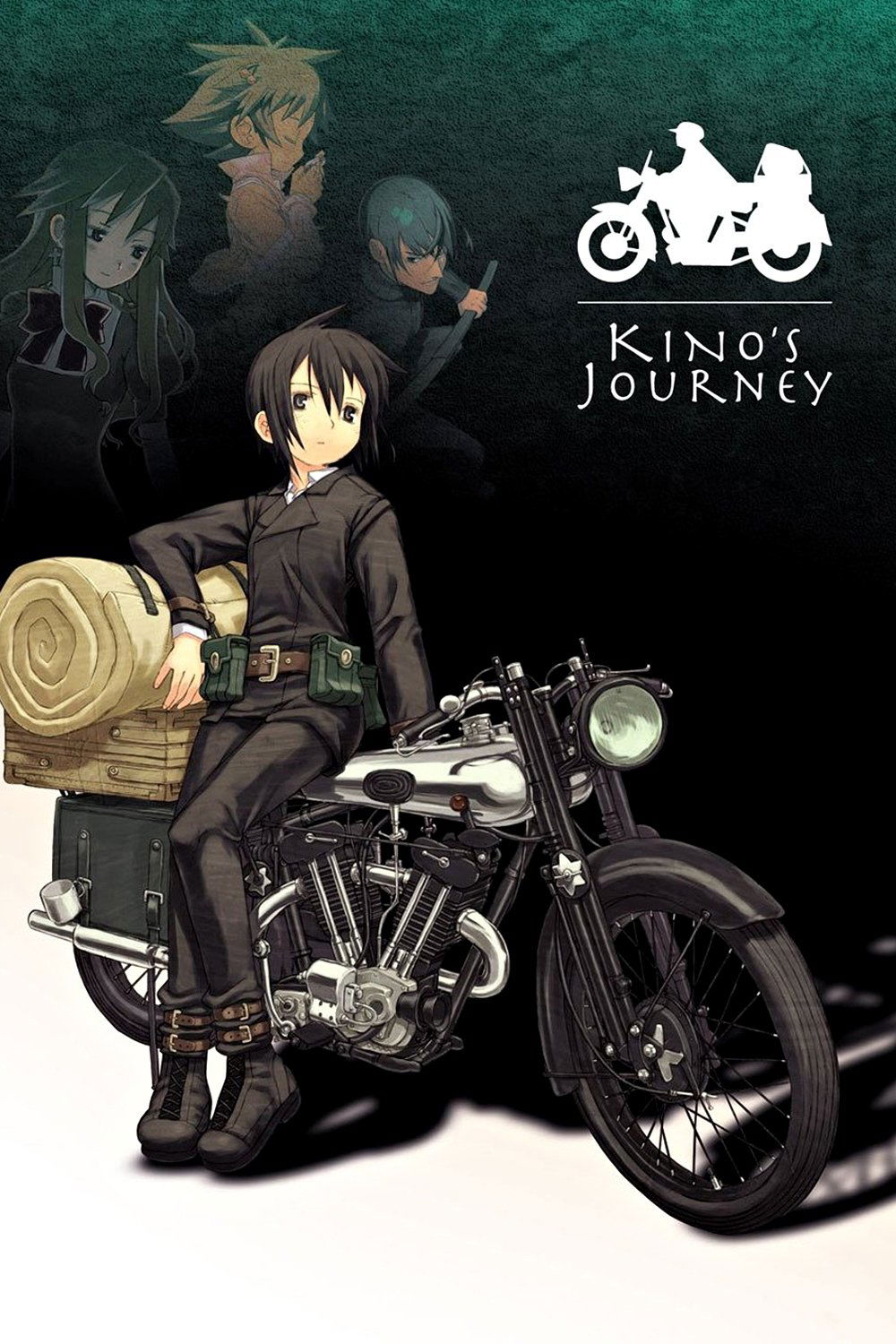
Based on Keiichi Sigsawa’s light novels, this anthology follows a traveler named Kino and the talking motorcycle Hermes as they visit countries with unique laws and customs, each episode structured around a theme tested by a new society. The three-day rule for staying in each place gives the narrative a consistent rhythm while allowing sharp world-building in compact, self-contained stories.
The series was produced by A.C.G.T and Genco, directed by Ryūtarō Nakamura, and scored by Ryo Sakai. It aired on Japanese television with later DVD releases and multiple international licenses; the franchise includes OVAs, a later adaptation with a new staff, and ongoing novel volumes that expand the universe
‘Boogiepop Phantom’ (2000)
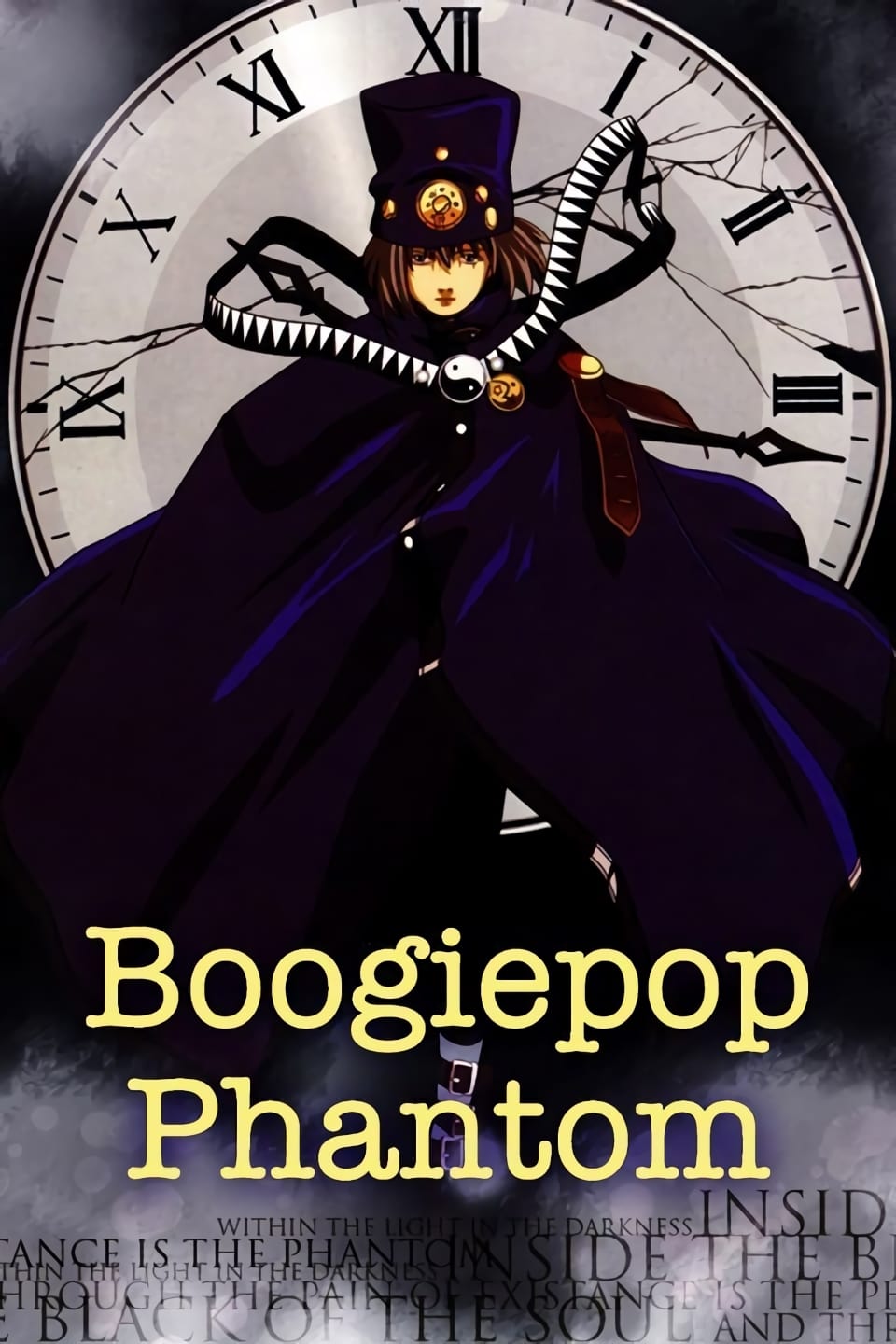
Set after a mysterious incident at a high school, this psychological series uses a nonlinear structure and muted color palette to explore urban legends, missing students, and an entity called Boogiepop. Episodes interlock through overlapping timelines, with each character’s perspective filling gaps left by earlier episodes until the larger event becomes clear.
Adapted from Kōhei Kadono’s novels, the anime was produced by Madhouse, directed by Takashi Watanabe, and features sound design that leans on ambient noise and distorted broadcast effects. It aired late-night in Japan and was distributed overseas on DVD with an English dub, gaining a second life among viewers interested in experimental storytelling
‘Now and Then, Here and There’ (1999–2000)
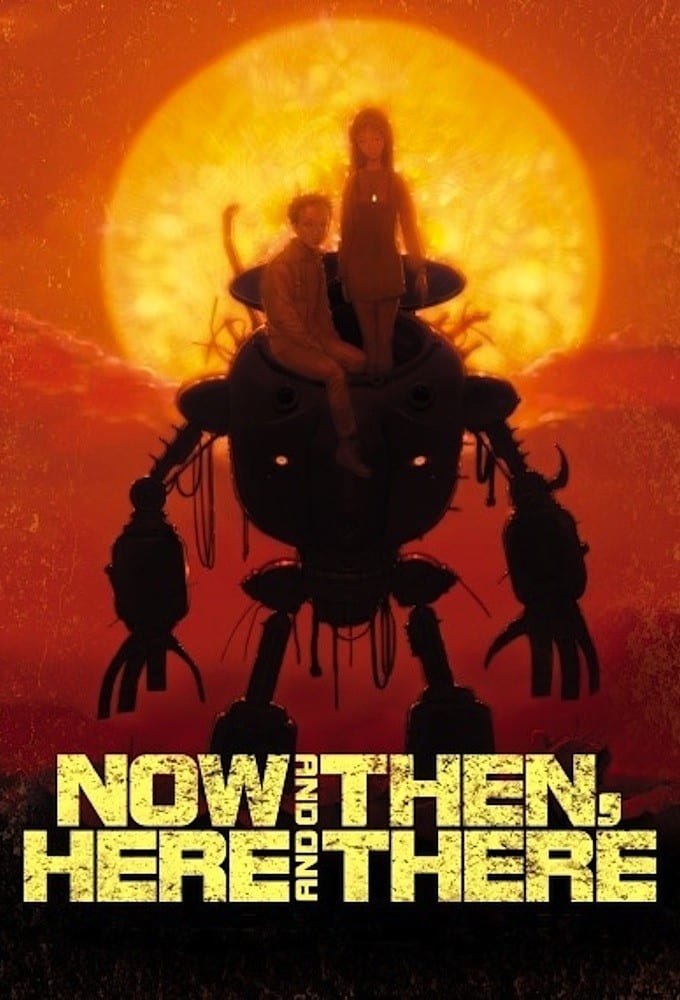
This drama follows an ordinary boy pulled into a war-torn parallel world ruled by a despot who abducts children for soldiers, confronting resource scarcity and the human cost of conflict. The series maintains a grounded tone despite its fantasy setup, focusing on forced conscription, displacement, and survival under authoritarian control.
Produced by AIC and directed by Akitaro Daichi, the show uses a restrained color palette and stark backgrounds to emphasize desolation. It aired on WOWOW and later on Western television blocks, bringing its anti-war themes to broader audiences through licensed releases with multiple subtitle and dub options
‘Gungrave’ (2003–2004)

Beginning as a crime saga about two friends rising through a mafia organization, the story later folds in science-fiction elements involving necrolyzed soldiers and corporate weaponization. The narrative structure traces loyalty, betrayal, and organized crime dynamics before escalating into a conflict between human agency and manufactured power.
Based on a video game created by Yasuhiro Nightow (also known for ‘Trigun’), the anime was produced by Madhouse and directed by Toshiyuki Tsuru, with music by Tsuneo Imahori. It aired on TV Tokyo and saw international distribution on DVD and cable, where it was localized with English audio and subtitles
‘Den-noh Coil’ (2007)
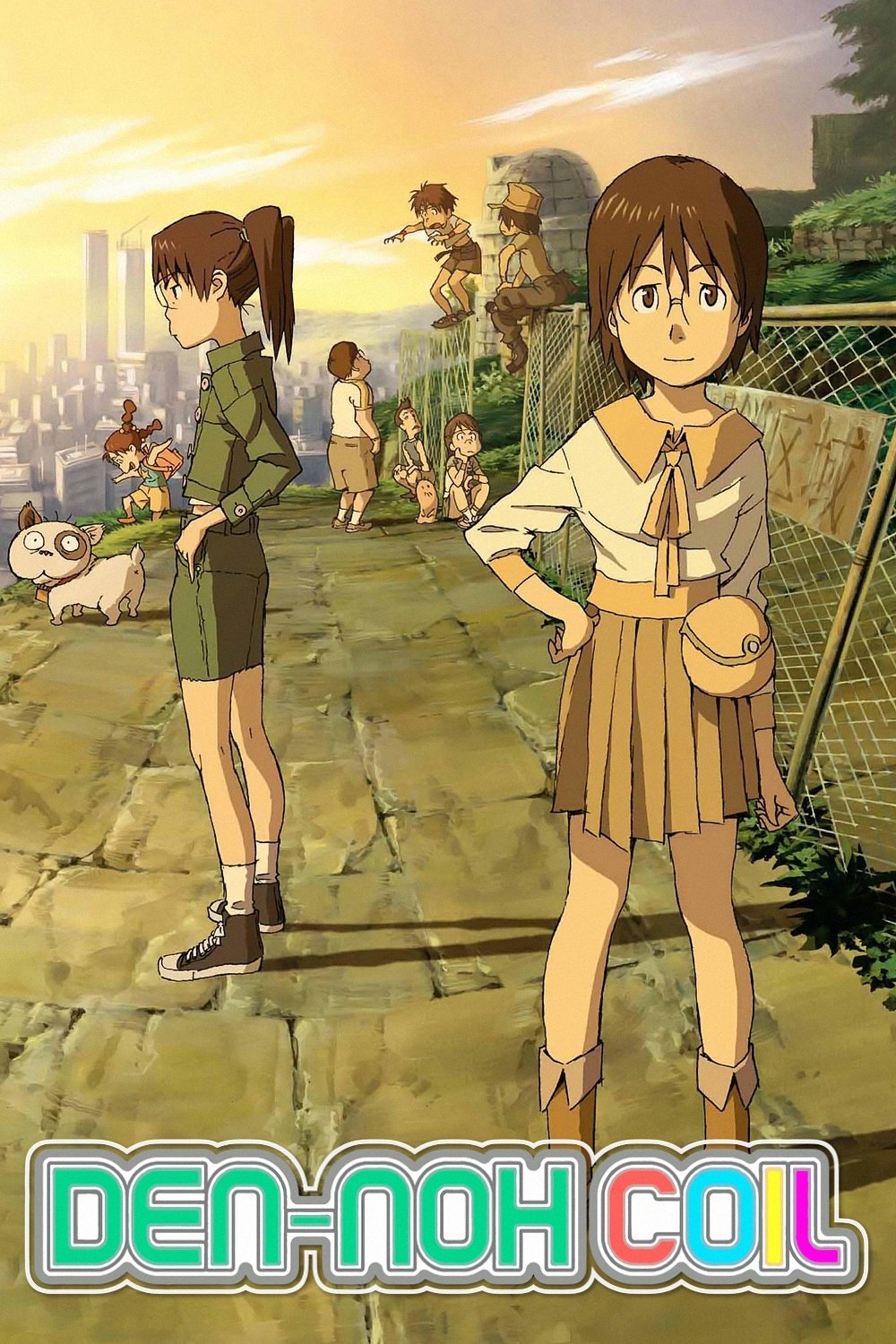
Set in a near-future city saturated with augmented reality glasses and digital pets, this series follows children who uncover glitches, illegal software, and a hidden system behind everyday AR overlays. The show blends playground adventure with speculative tech concepts, such as space mapping, obsolete protocols, and the risks of unregulated data ghosts.
Directed by Mitsuo Iso and produced by Madhouse and OLM, the project is known for its extensive storyboard detail and realistic child animation. It aired on NHK Educational TV, with later home releases and streaming making it available internationally, and won awards for its depiction of technology intersecting with childhood
‘Moribito: Guardian of the Spirit’ (2007)
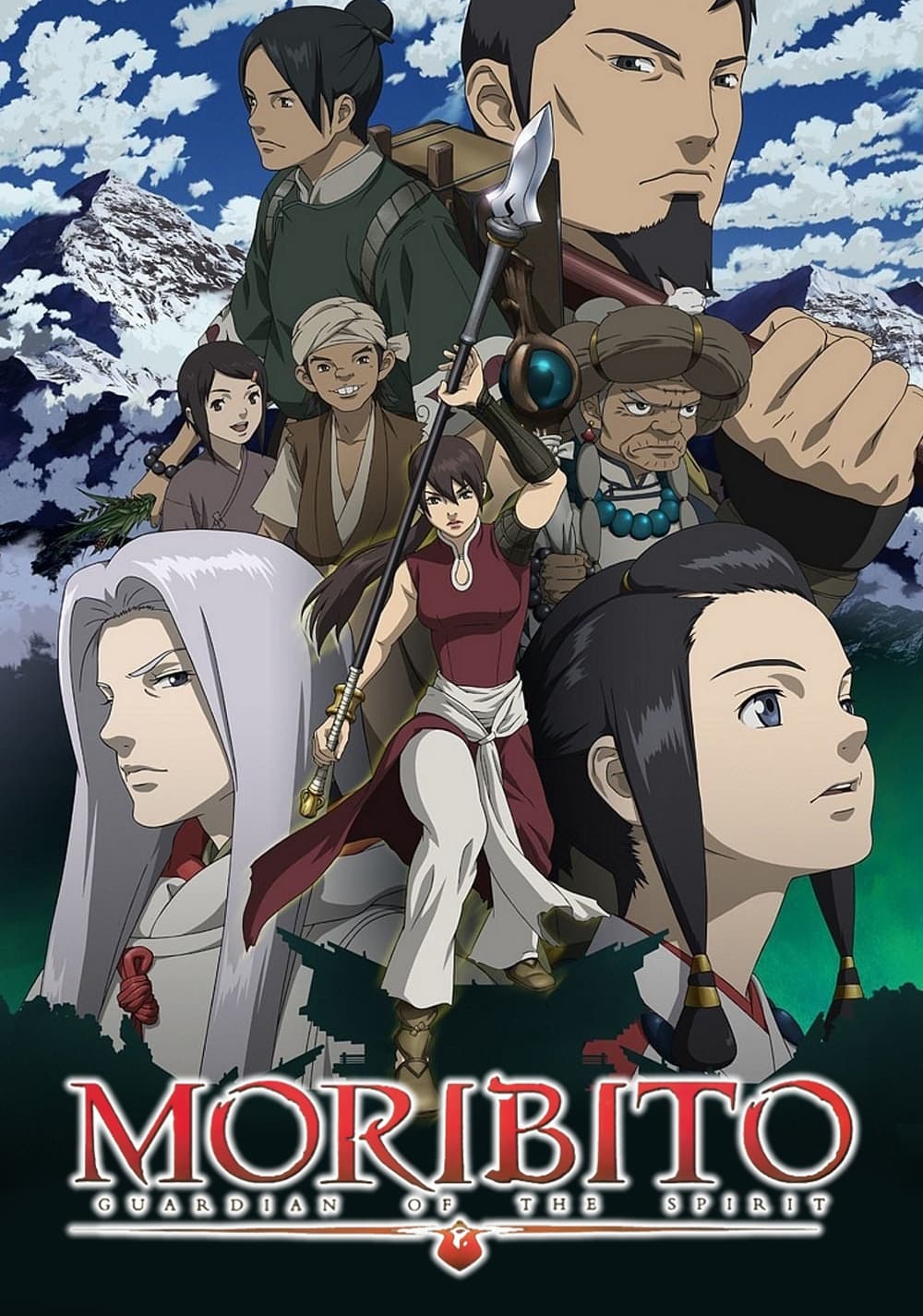
Adapted from Nahoko Uehashi’s novels, this fantasy follows the spear-wielding bodyguard Balsa as she protects a prince carrying a mysterious water spirit, traveling across a kingdom shaped by seasonal rituals and political tensions. The series emphasizes cultural traditions, craftsmanship, and the logistics of survival on the road, including food, shelter, and medicine.
Produced by Production I.G and directed by Kenji Kamiyama, the anime features richly animated action and landscapes, with music by Kenji Kawai. It aired on NHK and later received an English dub, home video releases, and streaming availability, bringing Uehashi’s world to international audiences along with tie-in art books and guides
‘Nana’ (2006–2007)
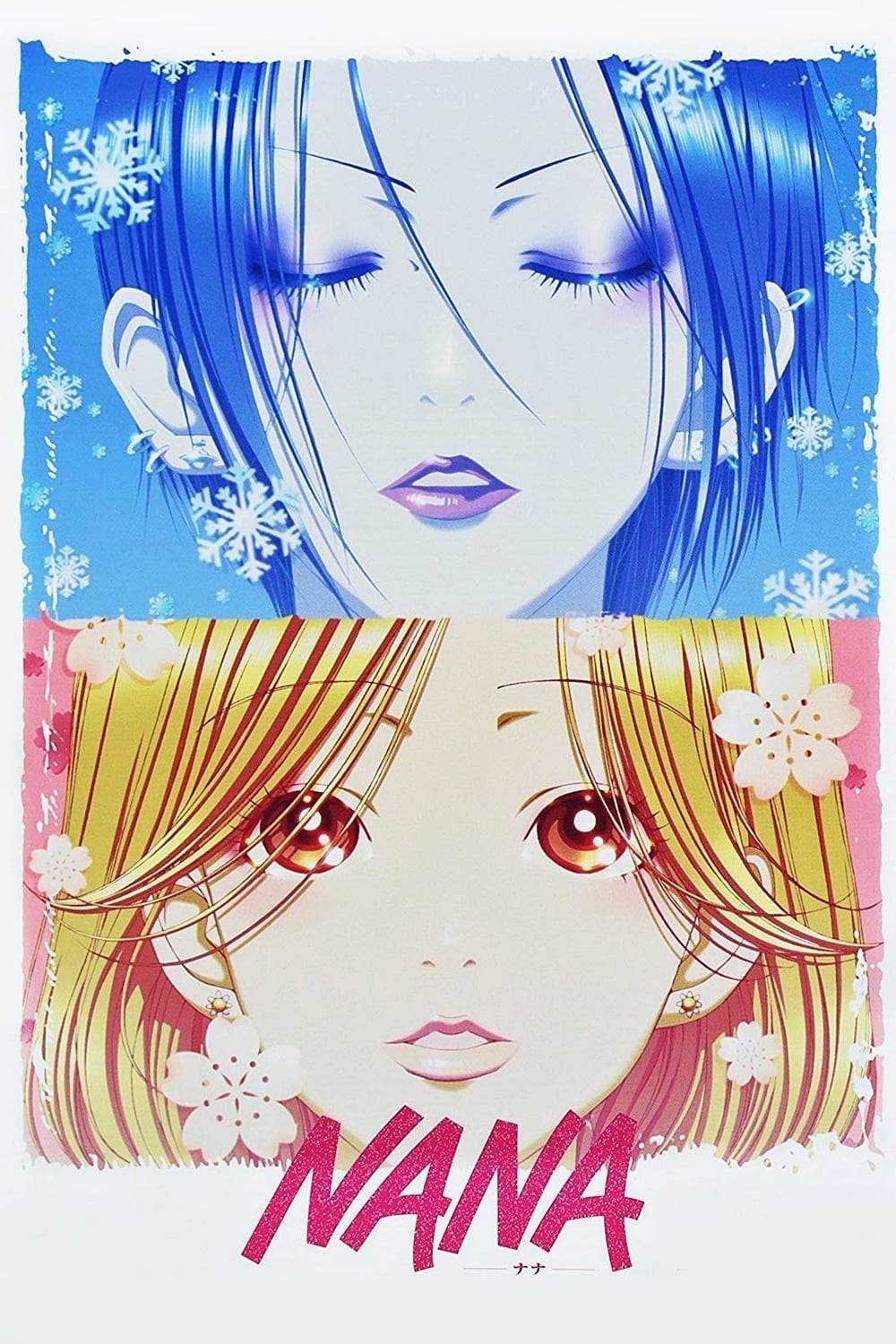
Based on Ai Yazawa’s manga, this drama centers on two women named Nana who move to Tokyo and share an apartment, intertwining music industry ambitions with personal relationships and career choices. The narrative follows band dynamics, recording schedules, and contract negotiations alongside the characters’ daily lives.
Madhouse produced the series with direction by Morio Asaka and music that mirrors the in-story bands’ discographies. It aired on NTV and received extensive tie-ins, including singles released under the bands’ names, as well as international licensing for subtitled and dubbed versions that expanded its reach beyond Japan
‘Beck: Mongolian Chop Squad’ (2004–2005)
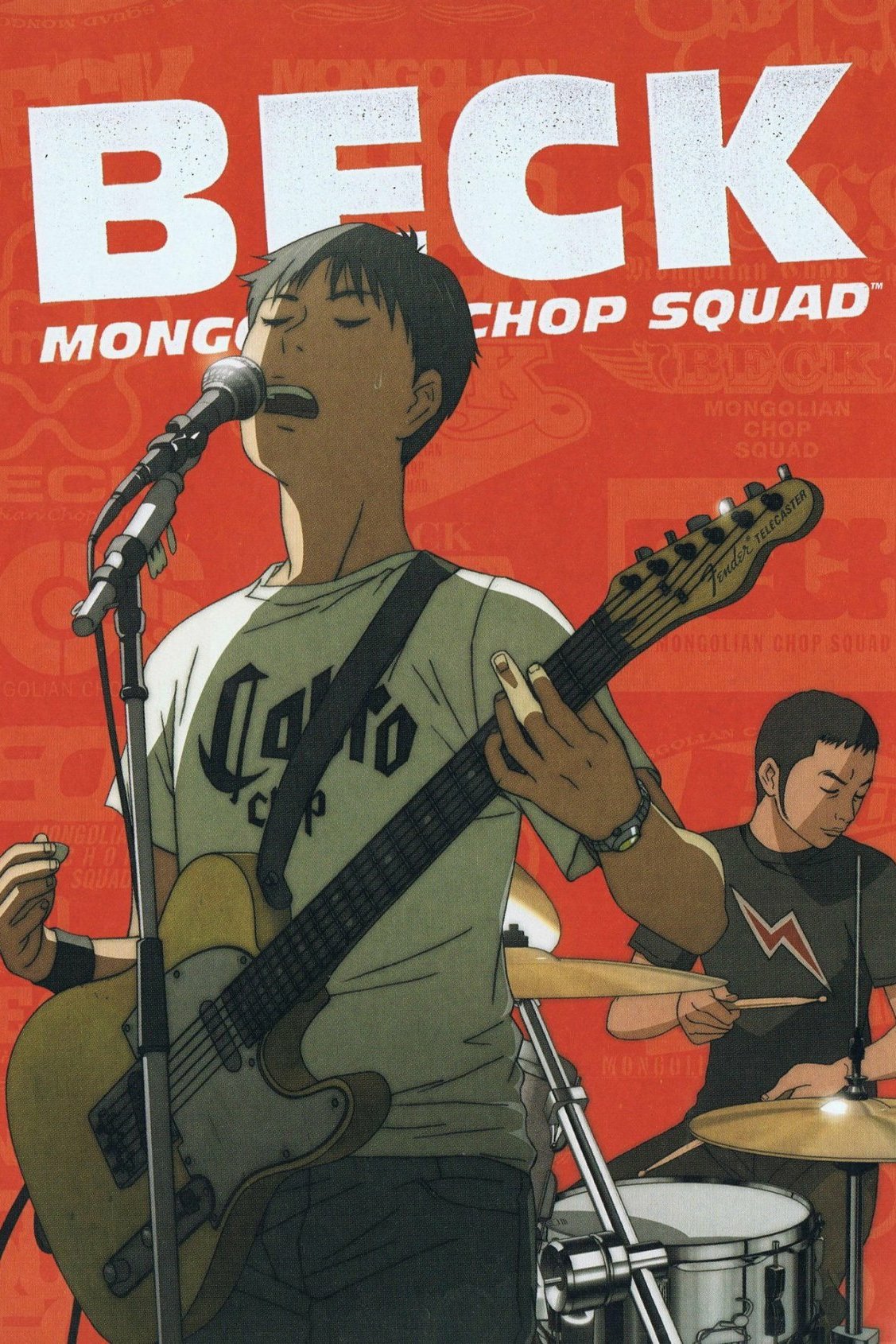
This coming-of-age music series tracks a group of teenagers forming a rock band, covering rehearsals, small-venue gigs, demo recording, and label interest. It pays attention to instruments, gear, and the realities of building a setlist and stage presence over time.
Madhouse adapted the manga by Harold Sakuishi, with direction by Osamu Kobayashi and a soundtrack featuring original tracks performed by the cast and collaborators. The series aired on TV Tokyo and later secured international distribution; English versions include localized vocal performances for certain songs, aligning with the story’s bilingual elements
‘Barakamon’ (2014)
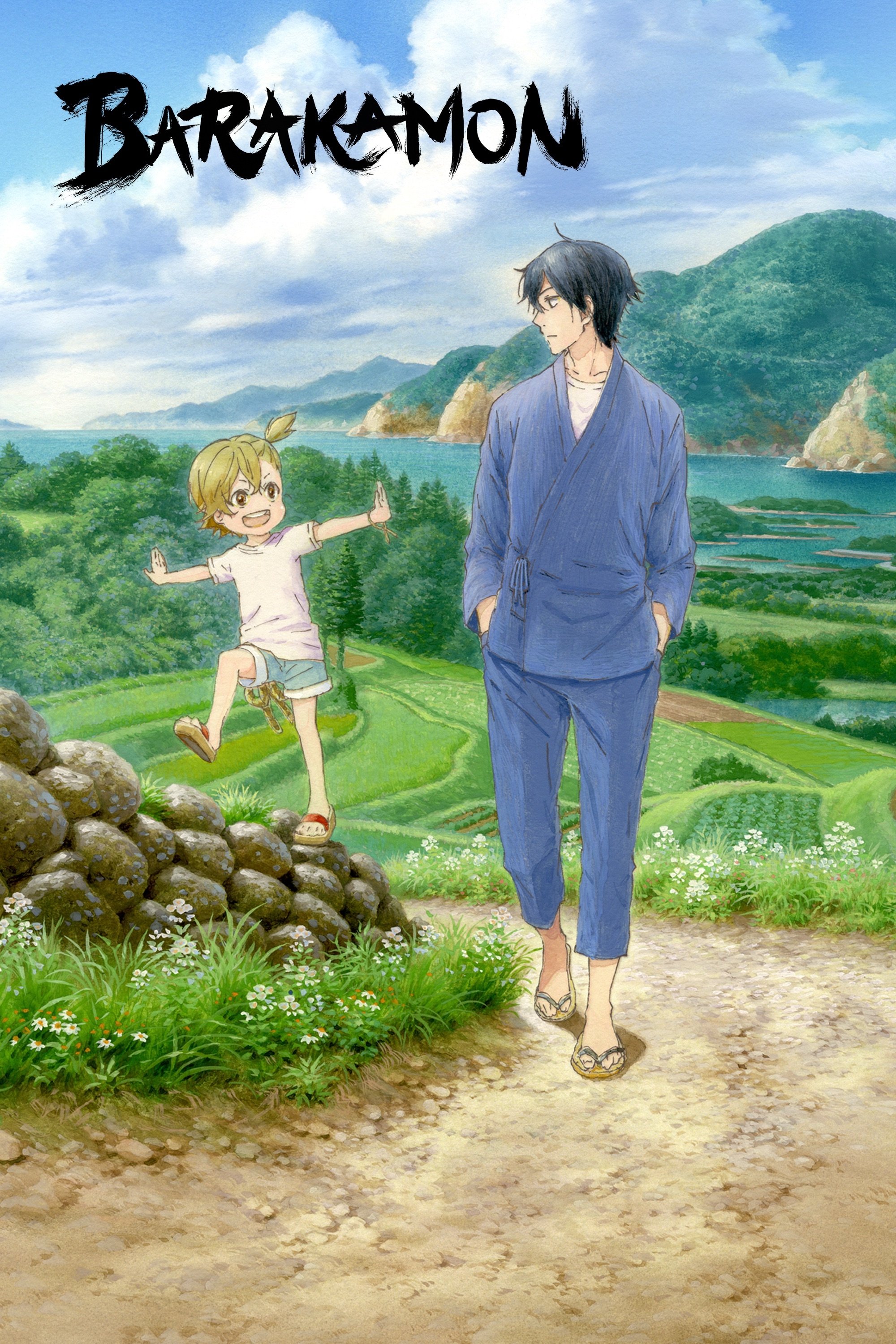
A professional calligrapher relocates to a remote island after a career setback and learns to balance traditional technique with lived experience through interactions with local residents. The series includes practical details about calligraphy tools, paper types, and brush control, set against the rhythms of rural community life.
Kinema Citrus produced the adaptation of Satsuki Yoshino’s manga, directed by Masaki Tachibana with character designs by Majiro. It aired on NTV and received streaming releases abroad; a spin-off prequel, ‘Handa-kun’, explores the lead’s earlier school years, offering additional context for returning viewers
‘Shiki’ (2010)
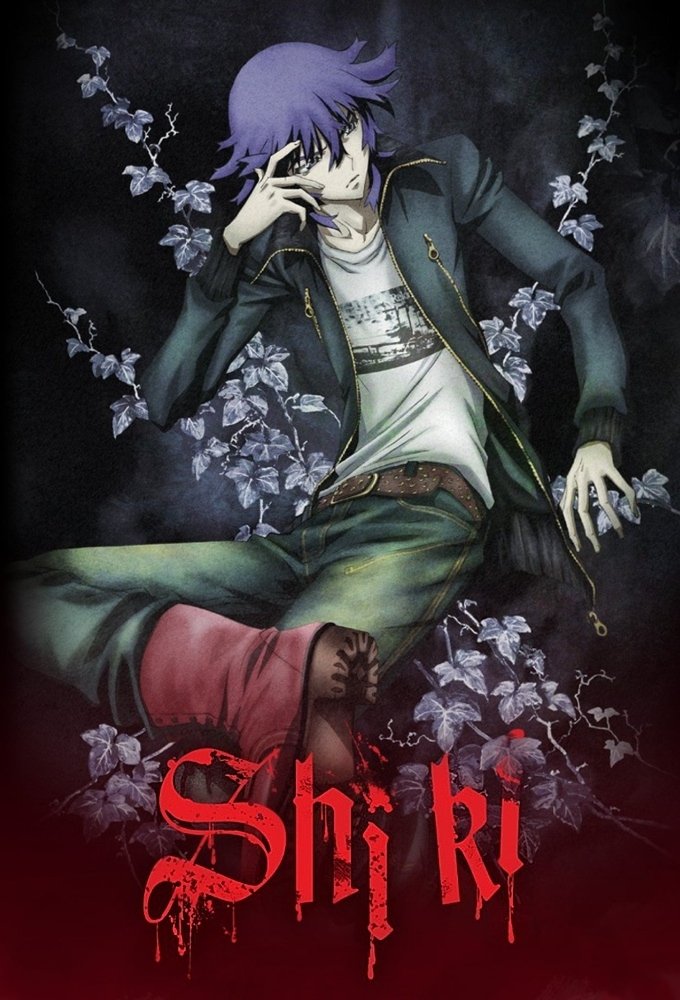
In a small village, unexplained deaths coincide with the arrival of a reclusive family in a hilltop mansion, prompting a medical investigation that uncovers a pattern of nocturnal attacks. The plot documents autopsy procedures, public health responses, and the strain on limited rural infrastructure when faced with an emerging threat.
Daume produced the adaptation of Fuyumi Ono’s novel, directed by Tetsurō Amino with character designs blending sharp angles and stylized hair. It aired on Fuji TV’s late-night block with additional episodes on home media, and international releases provided both broadcast and extended cuts for different markets
‘Rainbow’ (2010)

The series follows seven young men in a postwar reform school as they navigate punitive systems, internal hierarchies, and the challenge of reintegrating into society after release. The narrative spans institutional routines, work prospects, and the impact of criminal records on housing and employment.
Produced by Madhouse and directed by Hiroshi Kōjina, the adaptation of George Abe and Masasumi Kakizaki’s manga features a grounded visual style with period-accurate settings. It aired on NTV and later streamed internationally, bringing its historical backdrop and social themes to a wider audience with official subtitles
‘Girls’ Last Tour’ (2017)
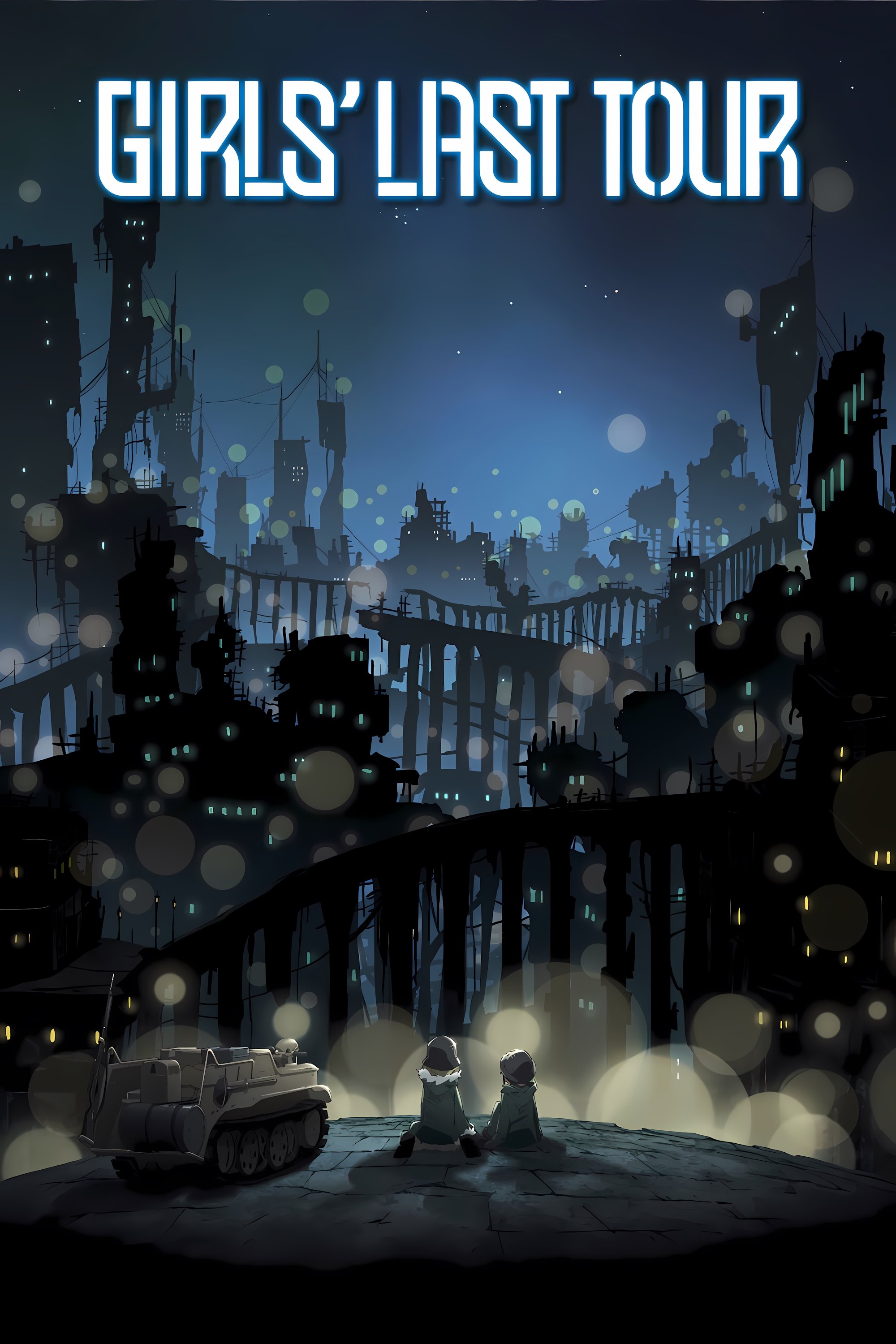
Two girls travel across a deserted, multi-layered city in a tracked vehicle, scavenging for food, fuel, and shelter while documenting remnants of infrastructure like factories and military facilities. The show treats logistics—storage, rationing, and equipment maintenance—as central to the journey.
White Fox adapted Tsukumizu’s manga with direction by Takaharu Ozaki and music by Kenichiro Suehiro. It aired on AT-X and other networks with simultaneous streaming abroad; the production’s soft palette and measured pacing align with the story’s reflective, post-industrial atmosphere
‘The Twelve Kingdoms’ (2002–2003)
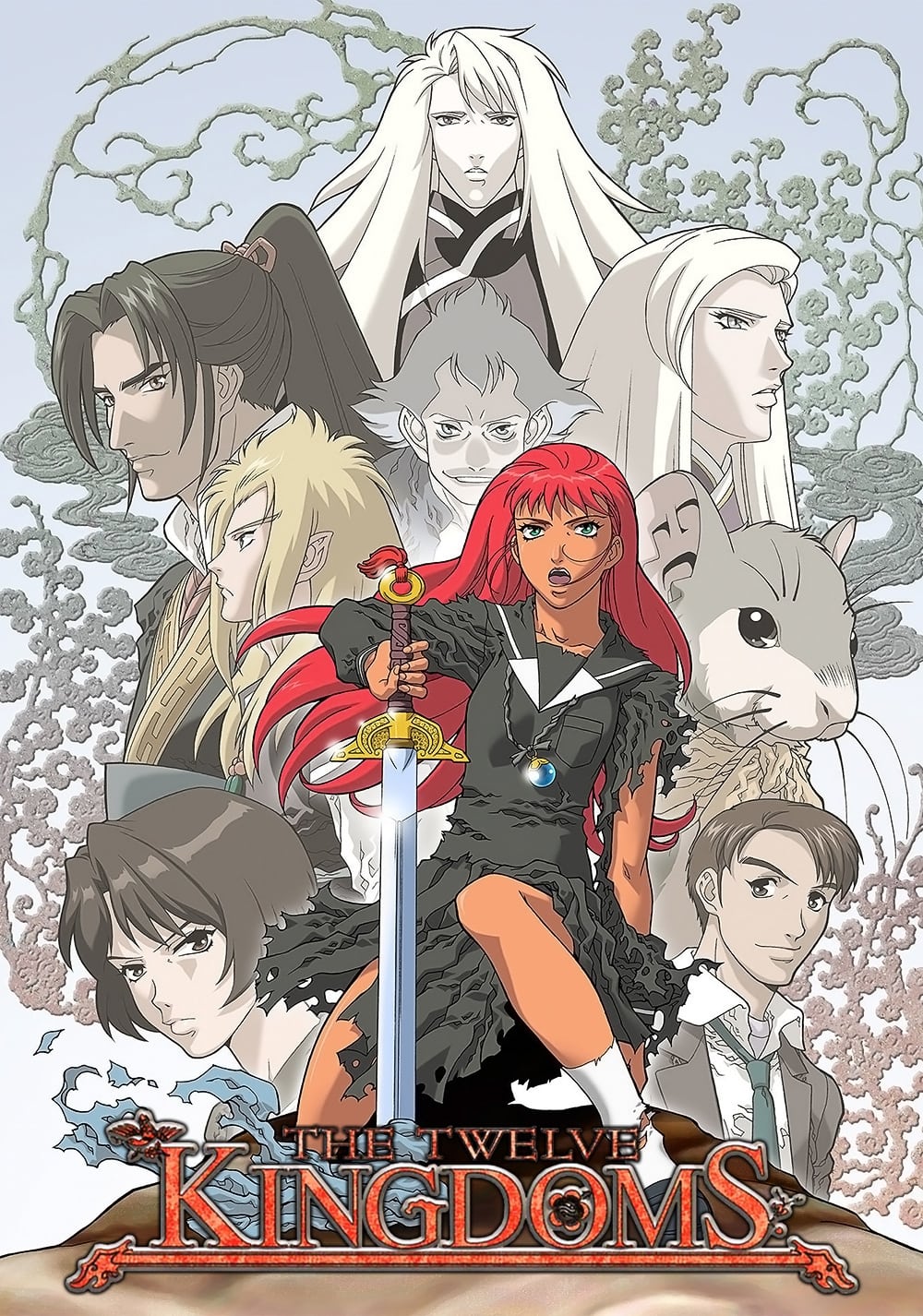
Based on Fuyumi Ono’s novel cycle, this fantasy sends a high school student to a parallel world governed by a complex system of kings, kirin, and mandate-based succession. The series explains administrative structures, geography, and divine legitimacy through multi-arc storytelling.
Pierrot produced the adaptation with direction by Tsuneo Kobayashi, airing on NHK-BS2 before international licensing. The anime covers multiple books, with character designs by Akihiro Yamada translated to screen, and subsequent novel reprints and guides supporting the expanded world for new readers
‘Ergo Proxy’ (2006)
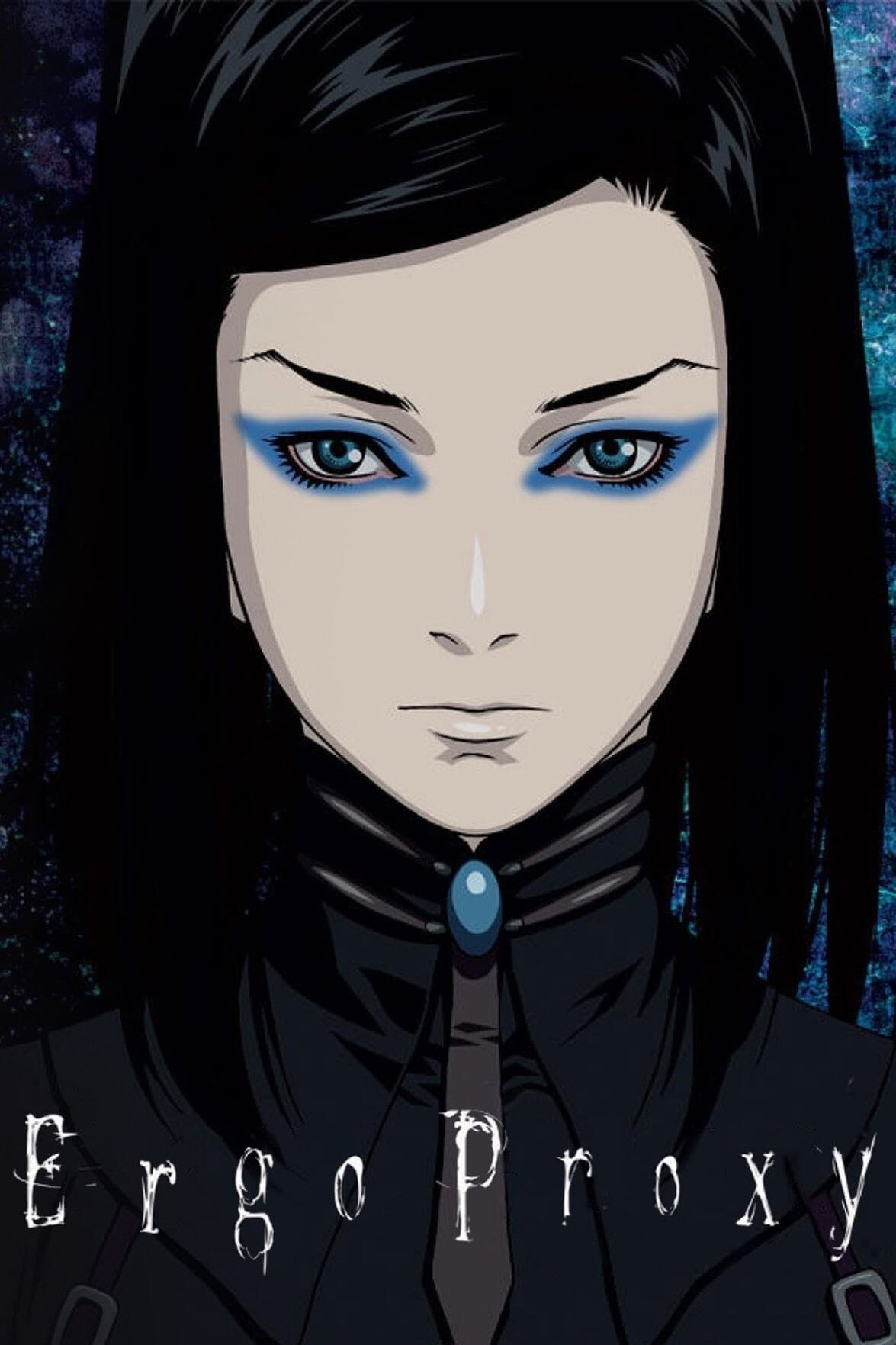
In a domed city where AutoReiv androids assist humans, a string of incidents linked to a virus and a being called a Proxy triggers an investigation by an inspector and her companions. The plot combines detective work, corporate governance, and cog-science ideas, moving from controlled habitats to wastelands and other settlements.
Manglobe produced the series with direction by Shūkō Murase, featuring art direction by Yusuke Takeda and music by Yoshihiro Ike. It aired on WOWOW and later appeared on Western cable blocks and streaming platforms, with multiple physical releases including art books and production notes
‘Paranoia Agent’ (2004)
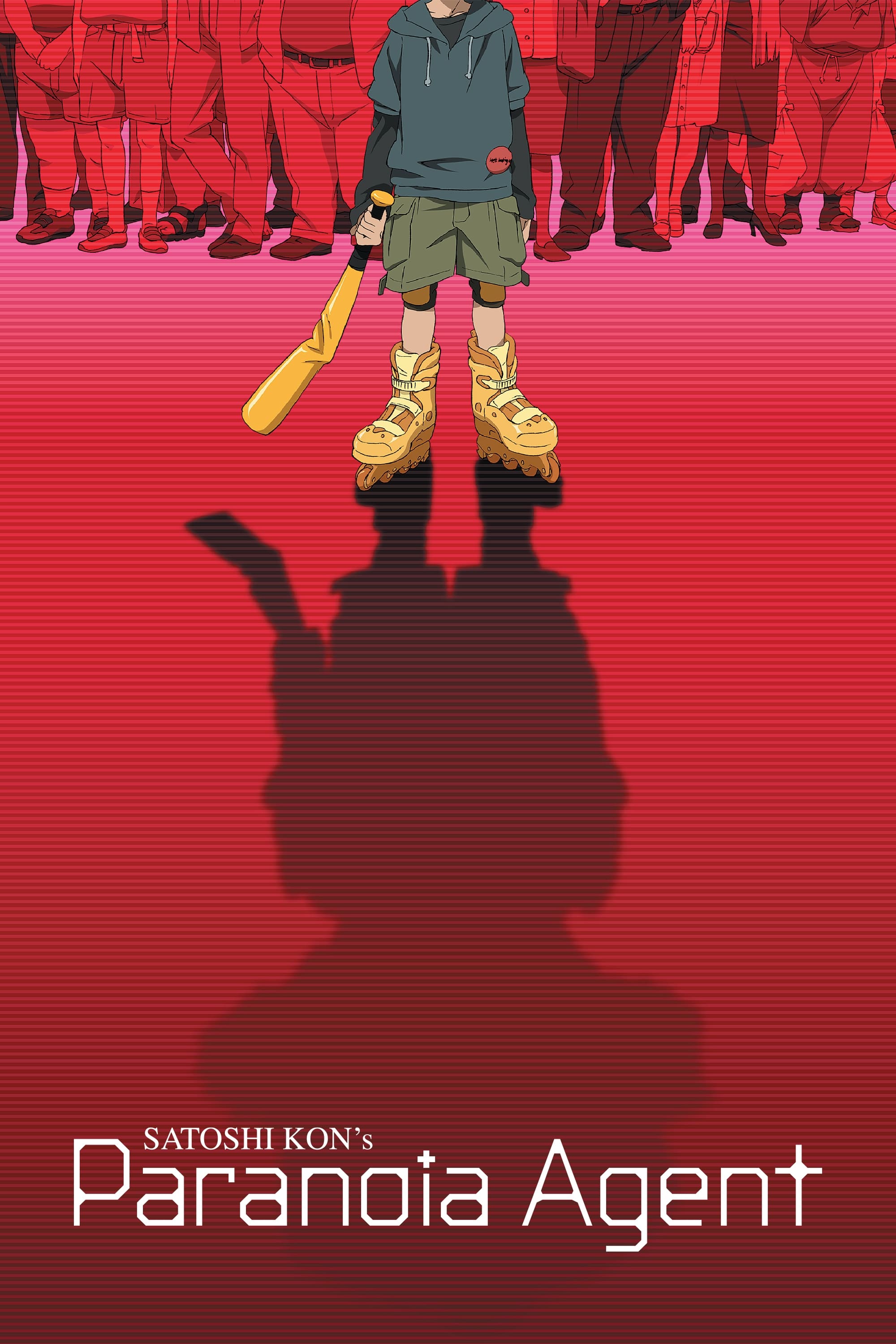
Created by Satoshi Kon, this anthology-linked series investigates a wave of assaults by a figure known as Lil’ Slugger, using each episode to examine a different person’s crisis. The structure weaves in media coverage, rumor propagation, and the blurring of personal and public narratives.
Madhouse produced the show under Kon’s direction, with character designs by Masashi Ando and music by Susumu Hirasawa. It premiered on WOWOW, later receiving international TV airings and home video releases that preserved the original aspect ratio and sound mix
‘Baccano!’ (2007–2008)
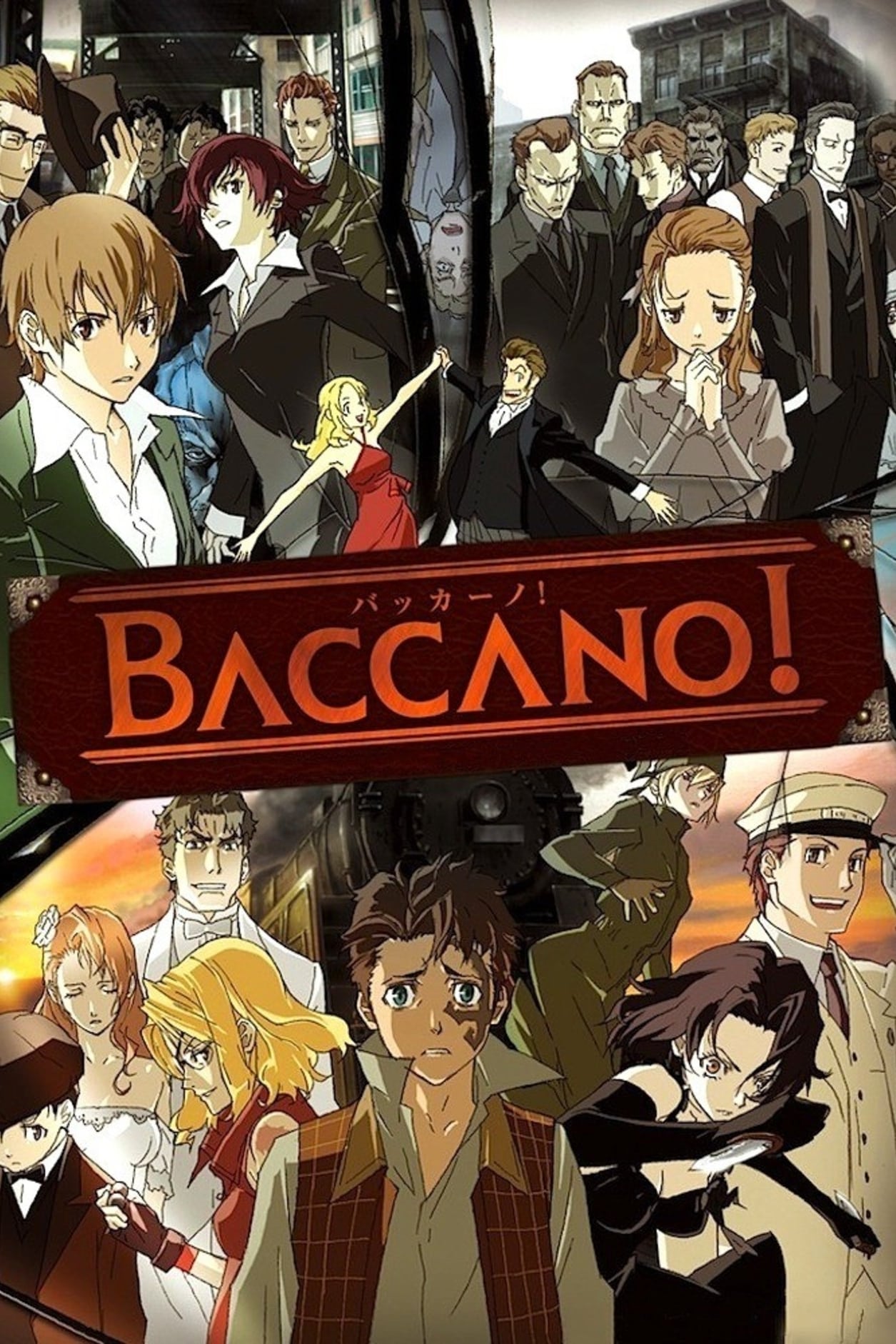
This multi-timeline crime caper jumps between Prohibition-era trains, New York gangs, and an earlier alchemical experiment, interlocking characters through cause-and-effect reveals. Episodes present events out of sequence, rewarding attention to dates, locations, and recurring props across story threads.
Brains Base adapted Ryohgo Narita’s light novels, directed by Takahiro Omori with music by Makoto Yoshihori. The series aired on WOWOW with additional OVA episodes extending the TV run; international releases provided complete collections that align episode order with the intended viewing experience.
‘Planetes’ (2003–2004)
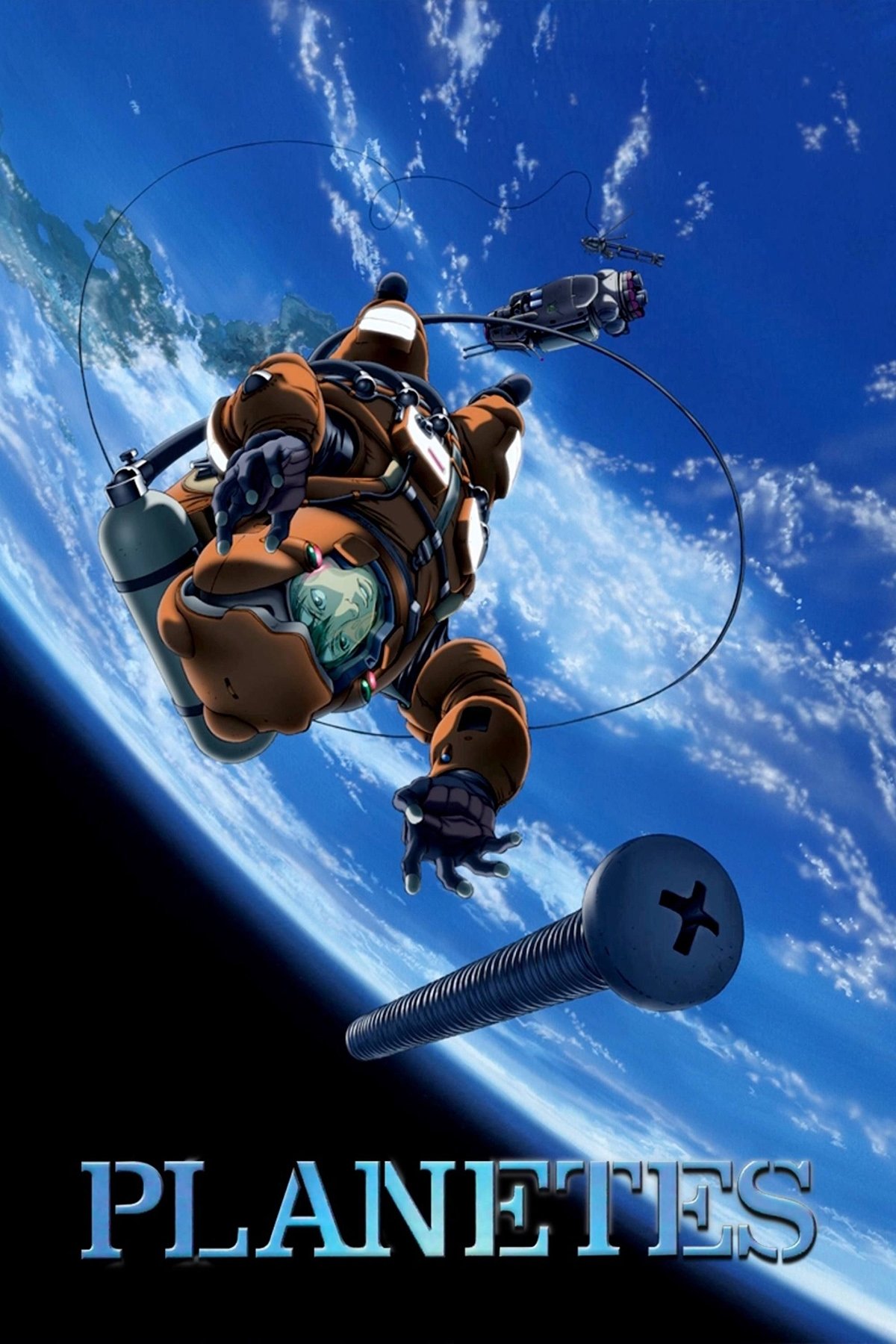
Set in near-future Earth orbit, a debris collection team tackles the hazards of cleaning space junk, balancing EVA procedures, orbital mechanics, and corporate contracts. The story addresses insurance, jurisdiction, and career paths in private aerospace operations.
Sunrise produced the adaptation of Makoto Yukimura’s manga, directed by Gorō Taniguchi with technical consultation for realistic spacecraft design. It aired on NHK-BS2 and later saw DVD and Blu-ray releases with translated notes explaining terminology and mission protocols used in the show
‘Haibane Renmei’ (2002)
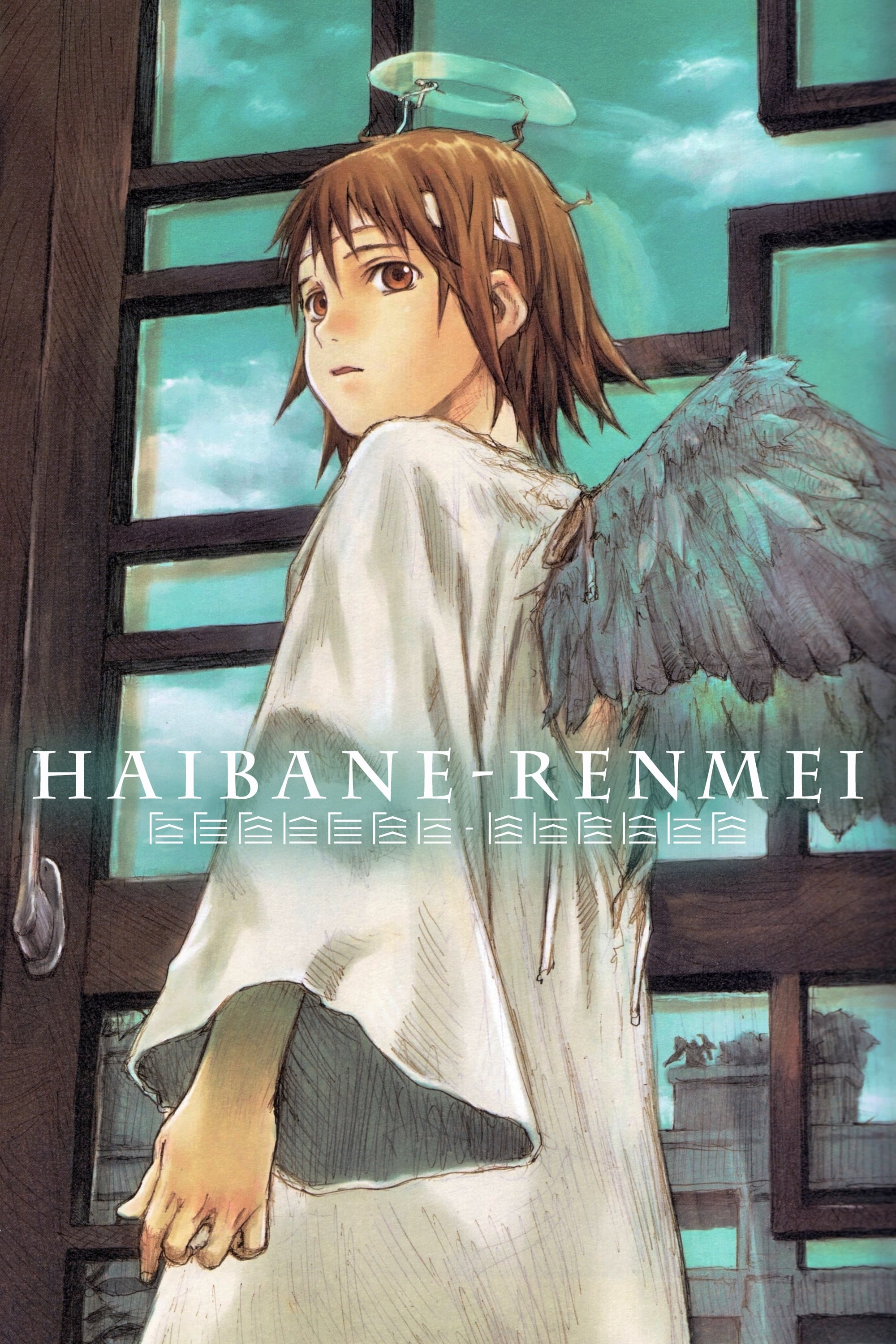
In a walled town, beings with small wings and halos live under a set of rules administered by a central organization, with rites of passage marking personal growth and departure. Episodes document daily labor assignments, currency tokens, and the limitations placed on residents’ movement.
The series was created by Yoshitoshi ABe and produced by Radix Ace Entertainment, directed by Tomokazu Tokoro with music by Kow Otani. It aired on Fuji TV’s late-night block and later reached international audiences through licensed DVD sets that included production sketches and liner notes
‘A Place Further Than the Universe’ (2018)
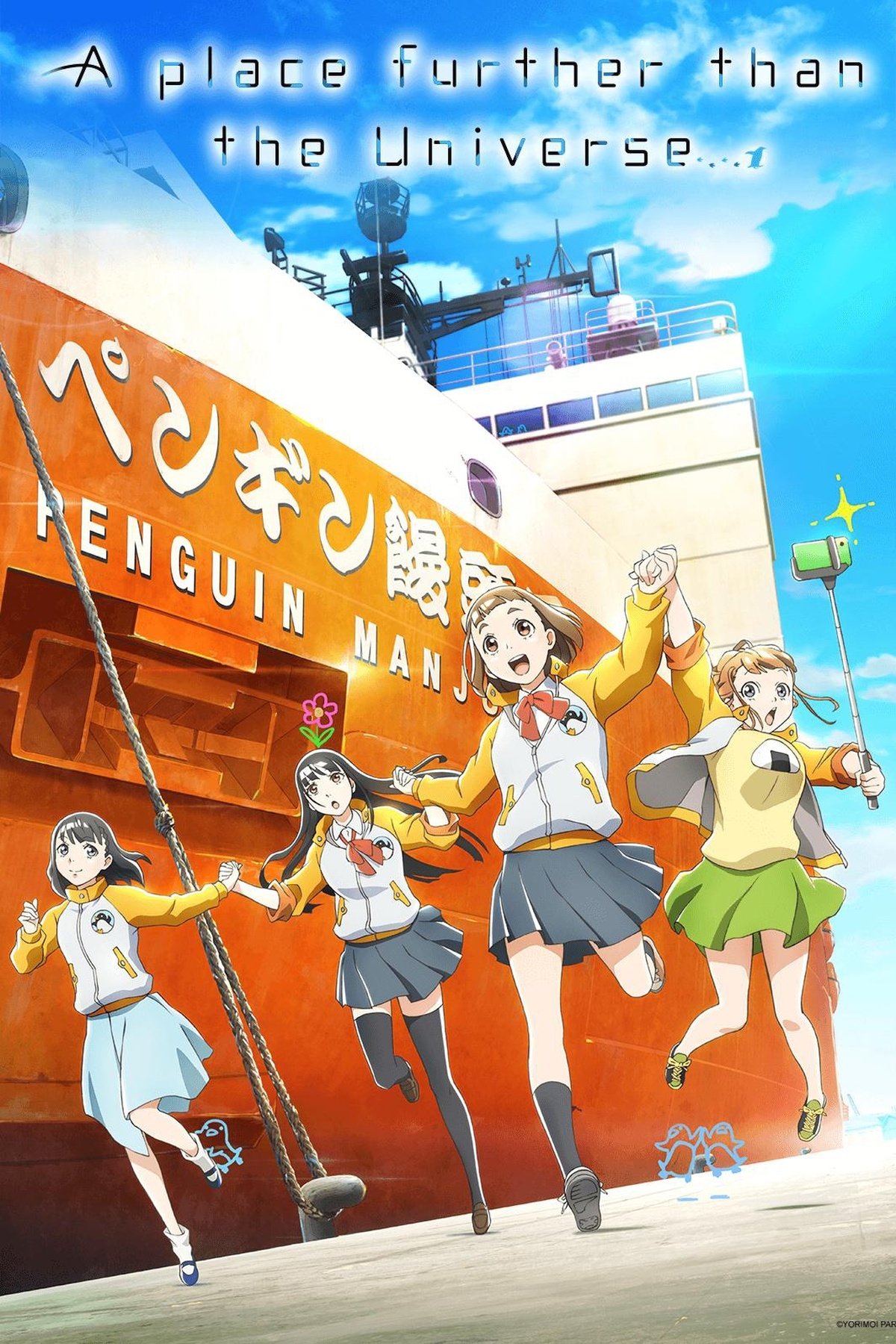
Four high-school students join a civilian expedition to Antarctica, preparing through part-time jobs, training sessions, and logistical planning for polar conditions and sea travel. The show carefully tracks itinerary milestones, from ship departure to base operations and communications.
Madhouse produced the original series, directed by Atsuko Ishizuka with series composition by Jukki Hanada. It aired on AT-X and other networks, and international simulcasts made episodes available with official subtitles; the production collaborated with real-world expedition references to ground its setting
‘The Eccentric Family’ (2013–2017)
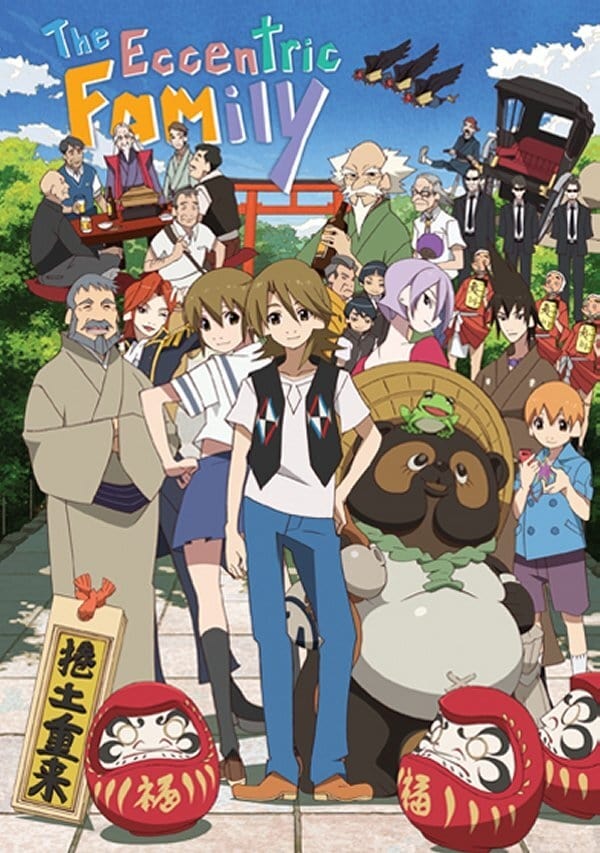
Adapted from Tomihiko Morimi’s novels, this Kyoto-set story follows tanuki, tengu, and humans sharing the city, with seasonal events and family politics shaping each arc. The narrative highlights landmarks, traditional festivals, and the internal rules governing shapeshifting and social status among non-human residents.
P.A. Works produced both seasons, directed by Masayuki Yoshihara with music by Yoshiaki Fujisawa. The anime aired on Japanese television with home releases and streaming options; art books and official guides chart the series’ real-world Kyoto locations for fans interested in visiting the sites
‘Kaiji’ (2007–2011)
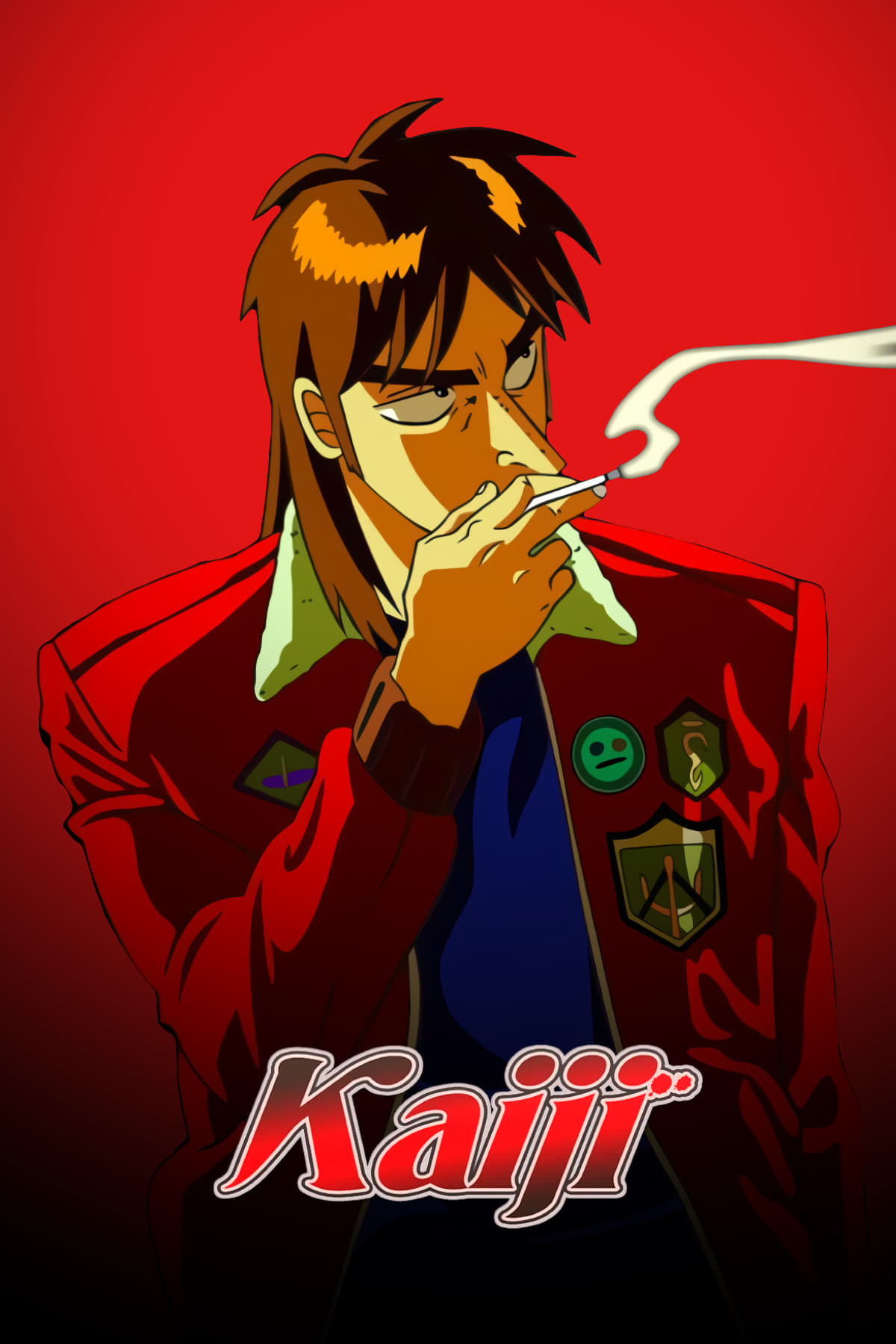
This thriller follows a down-and-out protagonist pulled into high-stakes gambles orchestrated by financiers, detailing game mechanics, debt structures, and the organization running illicit competitions. Each arc builds rules step by step, documenting strategies, collateral, and penalties.
Madhouse adapted Nobuyuki Fukumoto’s manga with direction by Yūzō Satō and a distinctive angular character style. It aired on Nippon TV in two seasons with theme songs by underground rock acts, and international releases included official subtitles and later digital availability across multiple regions
‘Ping Pong the Animation’ (2014)
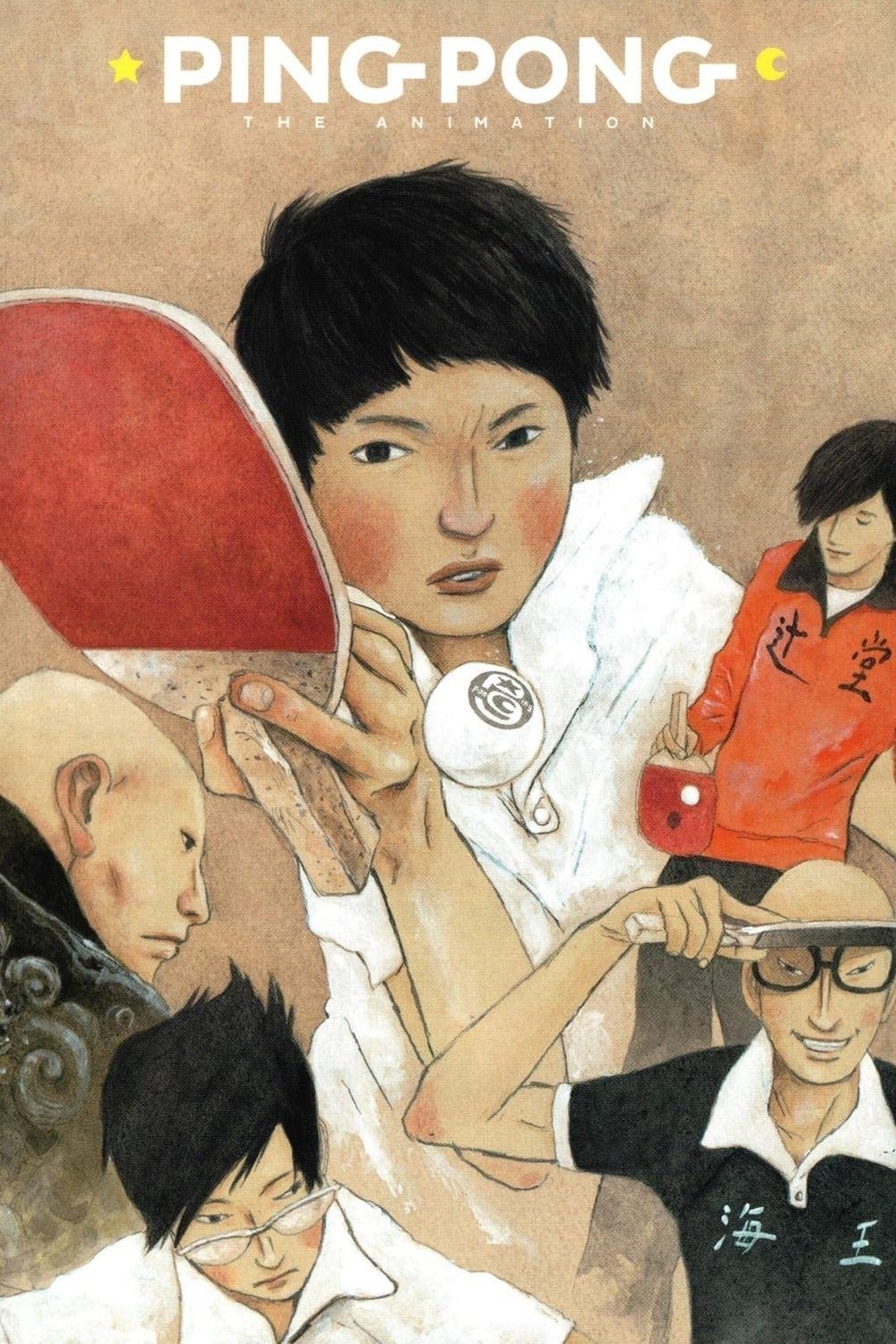
Two friends on a high-school table-tennis team pursue different paths through coaching changes, tournament brackets, and personal setbacks, with match play staged through dynamic storyboard techniques. The series depicts training regimens, racket choices, and competition schedules in detail.
Masaaki Yuasa directed the adaptation of Taiyo Matsumoto’s manga at Tatsunoko Production, with music by Kensuke Ushio. It aired on Fuji TV’s Noitamina and was licensed abroad for streaming and home video; production materials emphasize rotoscoped motion studies and stylized sound design for ball impact and footwork
‘The Tatami Galaxy’ (2010)
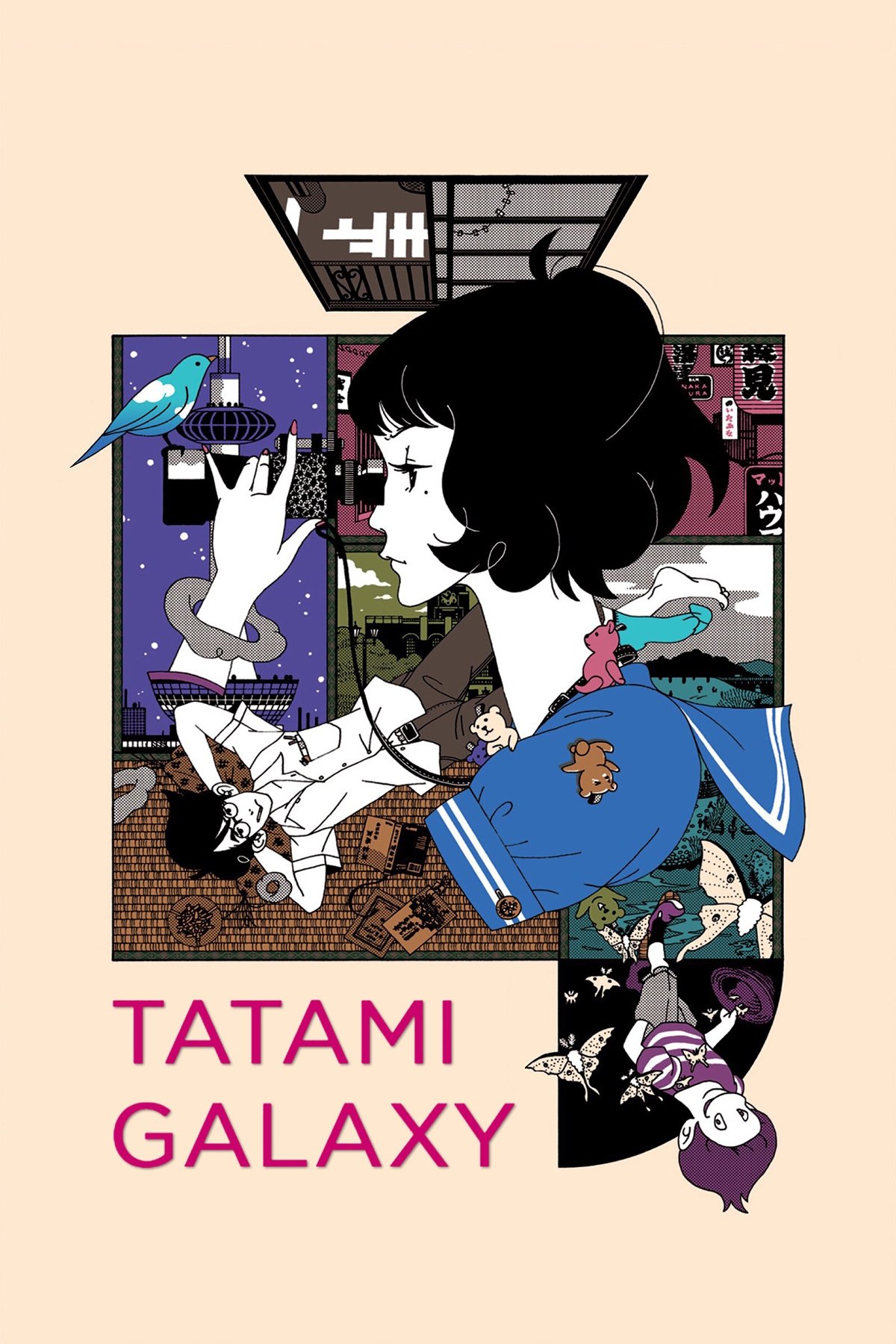
A nameless university student cycles through parallel versions of his college life, each episode focusing on a different club or decision, with recurring motifs linking timelines. The script uses rapid-fire narration to map campus layouts, social networks, and event calendars.
Masaaki Yuasa directed the adaptation of Tomihiko Morimi’s novel at Madhouse, with character designs by Yūsuke Nakamura and music by Michiru Ōshima. It aired on Noitamina and later received a spiritual follow-up adaptation from the same universe; official releases include translated liner notes explaining cultural references and locations
‘Mushi-Shi’ (2005–2006)
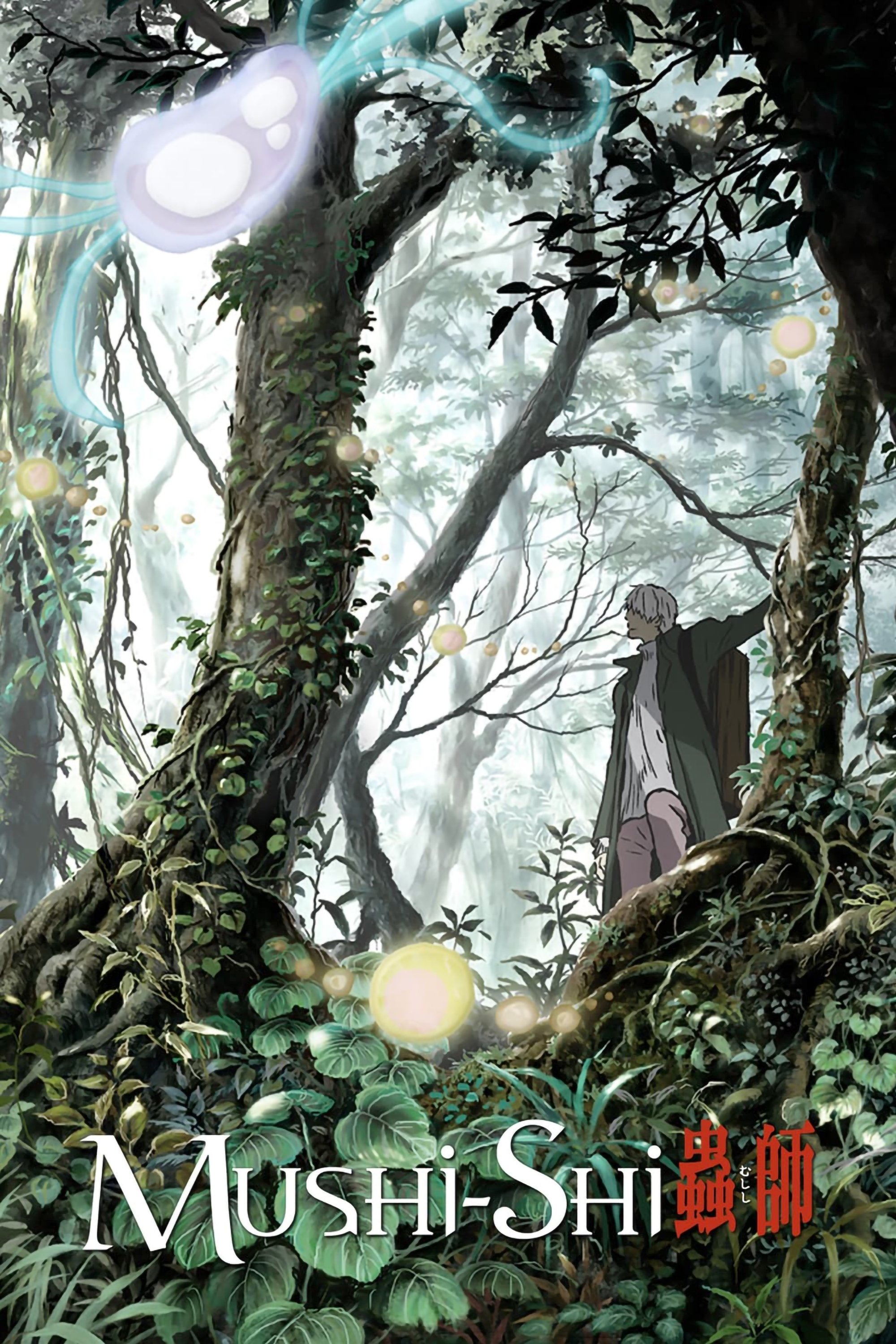
An itinerant “mushi master” investigates lifeforms called mushi that exist between biology and spirit, treating cases that connect local customs, seasons, and ecology. Each episode functions as a self-contained case file, documenting symptoms, remedies, and oral histories.
Artland produced the adaptation of Yuki Urushibara’s manga, directed by Hiroshi Nagahama with music by Toshio Masuda. The series aired in Japan with later specials and a second series produced years after the first; international distribution included multiple subtitle tracks and high-definition restorations
‘Legend of the Galactic Heroes’ (1988–1997)
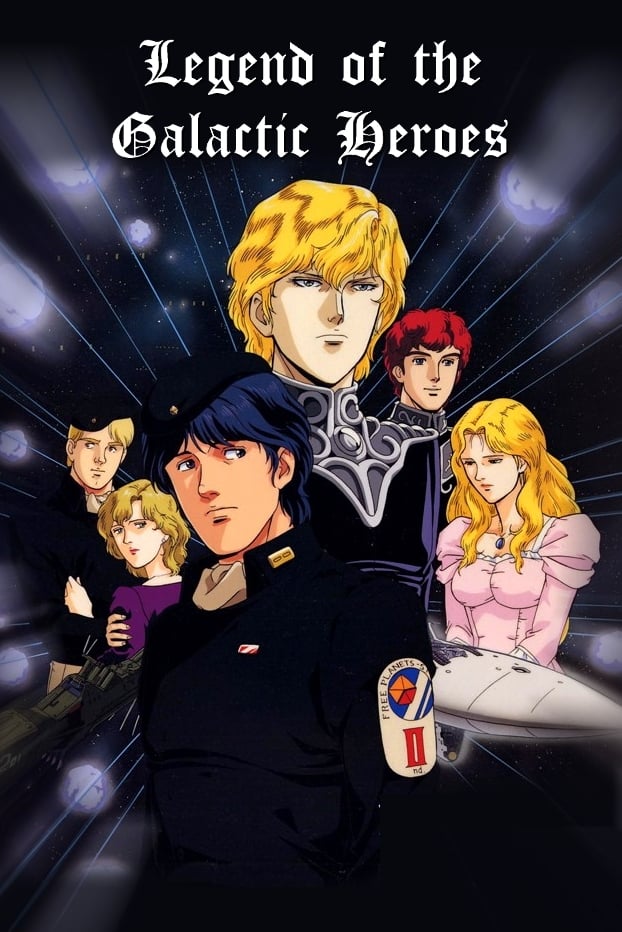
This long-form space opera chronicles the conflict between the Galactic Empire and Free Planets Alliance, covering military campaigns, political reforms, and logistics across fleets. The narrative spans dozens of named admirals, ship classes, and supply routes, with detailed battle tactics and parliamentary sessions.
The anime was produced primarily as an OVA series by Kitty Films and Artland, adapting Yoshiki Tanaka’s novels with side stories and prequels. It released over many years through home video, later receiving remastered editions and a modern remake; official guides catalog characters, timeline charts, and mecha schematics
‘Serial Experiments Lain’ (1998)
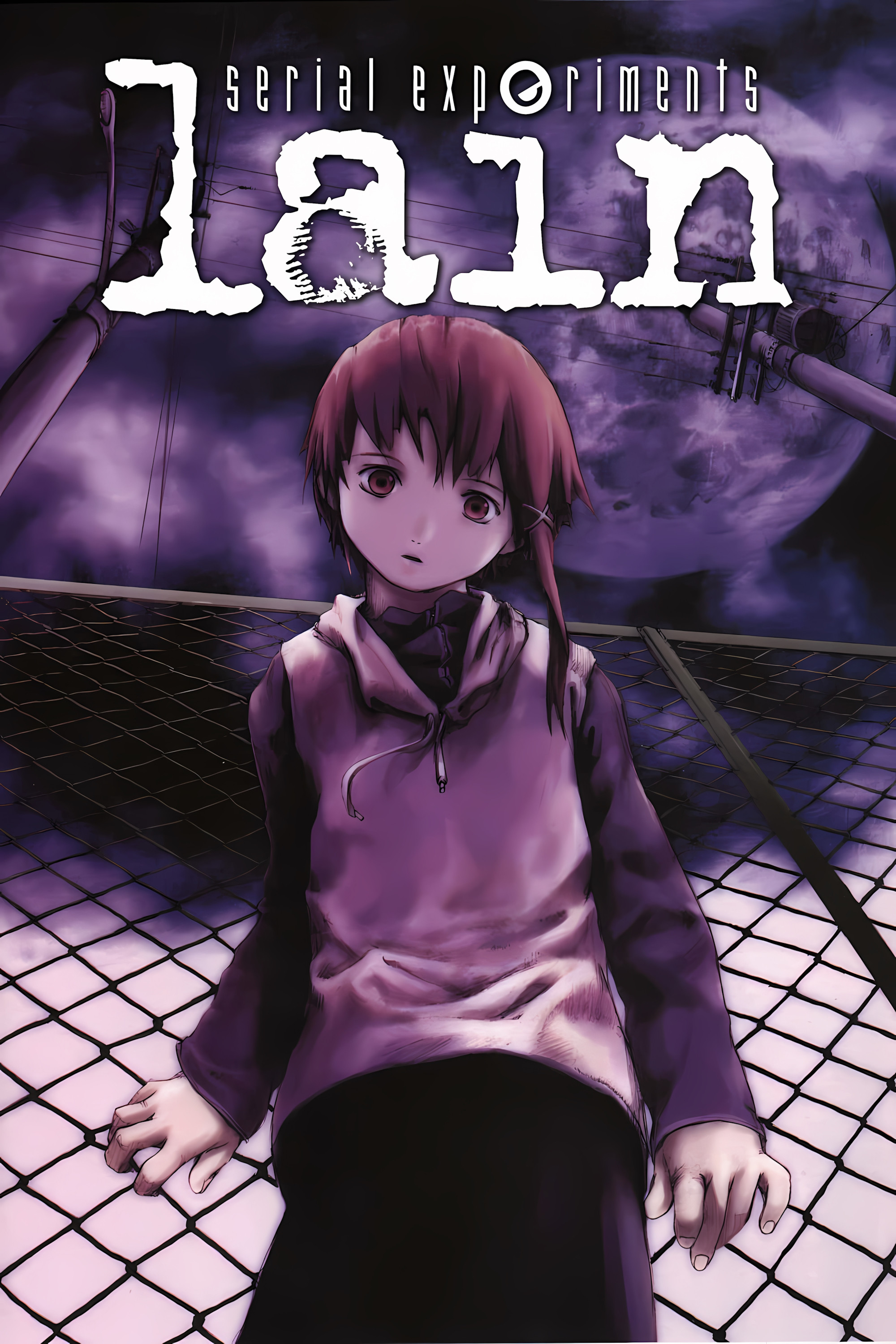
After a classmate’s death and a strange email, a quiet girl is drawn into the Wired, a network whose protocols begin to intersect with physical reality. The show explores identity, information architecture, and the effects of ubiquitous connectivity on social perception and memory.
Triangle Staff produced the series, created by Yoshitoshi ABe and directed by Ryūtarō Nakamura, with a soundtrack by Reichi Nakaido. It aired late-night on TV Tokyo and reached international audiences via early DVD releases; companion materials include art books and scenario collections that expand on terminology and concepts
‘Monster’ (2004–2005)

A neurosurgeon saves a child who later becomes a wanted criminal, pulling the doctor into a cross-border pursuit involving law enforcement, refugees, and the fallout of Cold War-era experiments. The plot tracks investigative procedures, hospital politics, and documentation trails across multiple European locales.
Madhouse adapted Naoki Urasawa’s manga under director Masayuki Kojima, with scripts by Tatsuhiko Urahata and music by Kuniaki Haishima. The series aired on NTV and syndicated networks, received an English dub, and has been re-released on Blu-ray and digital platforms with restored footage and official subtitles.
‘Millennium Actress’ (2001)
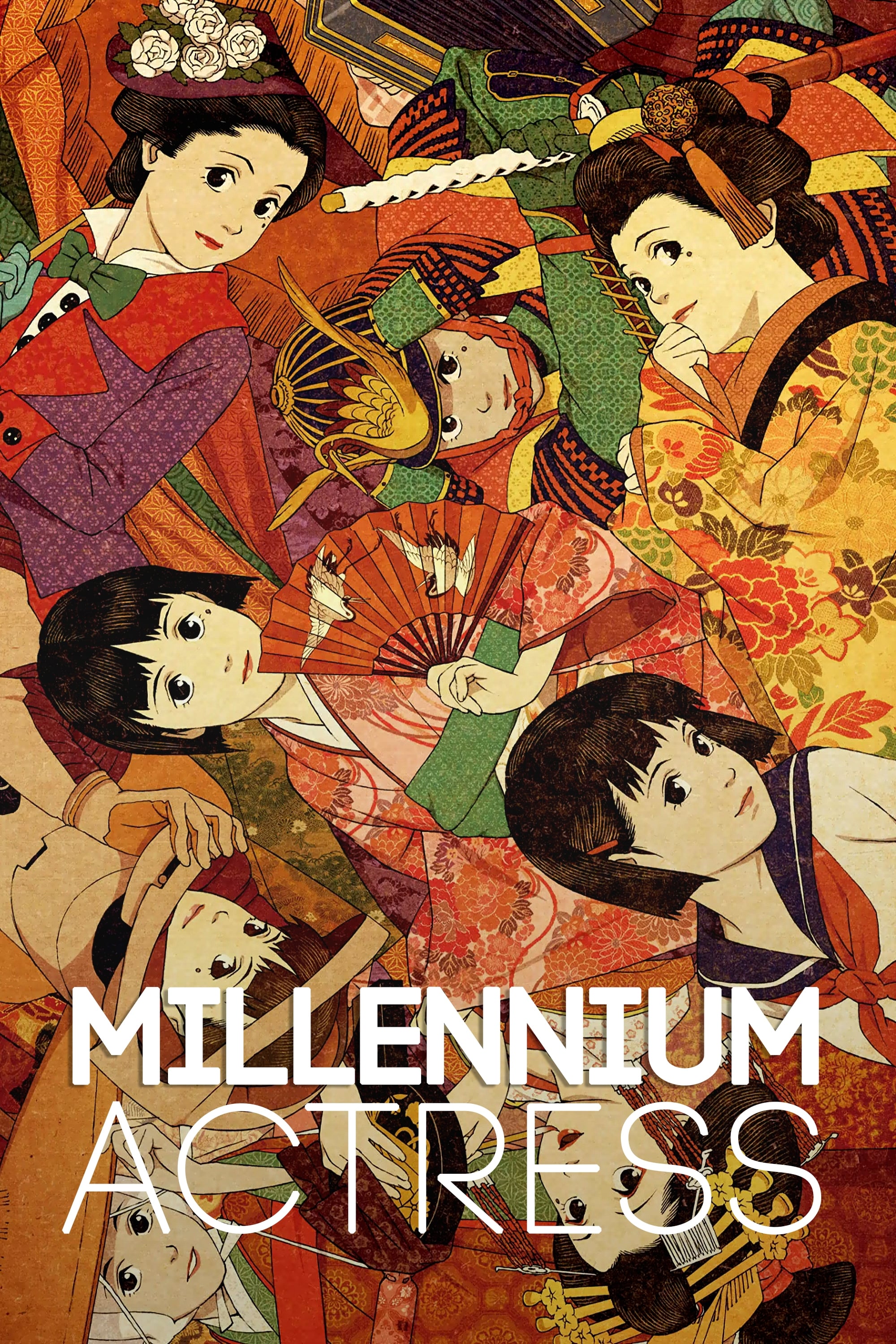
Satoshi Kon’s film intertwines the life of a legendary actress with the history of Japanese cinema, as a documentary filmmaker’s interview triggers a journey through roles that mirror real events. The narrative moves between film sets, wartime evacuations, and studio eras, blending diegetic scenes with the interview frame.
Produced by Madhouse and directed by Kon with character designs by Satoru Utsunomiya and music by Susumu Hirasawa, the film premiered theatrically and won international festival awards. It later received high-definition restorations and new dubs for re-releases, alongside home video editions that include staff commentary and production note
Share your picks and hidden gems in the comments so everyone can discover more overlooked titles!