Best Anime for Adults


Anime for grown-ups spans science fiction, thrillers, historical epics, and grounded dramas, often built around layered characters and carefully crafted worlds. The entries below focus on stories with mature themes, intricate plotting, and production teams whose choices—direction, writing, music, and design—shape distinctive experiences.
Each pick includes a short synopsis and key credits, from directors and studios to voice casts and composers. If you’re looking for cybercrime investigations, political sagas, or intimate character studies, this list lays out twenty-five films and series that fit the bill.
‘Akira’ (1988)
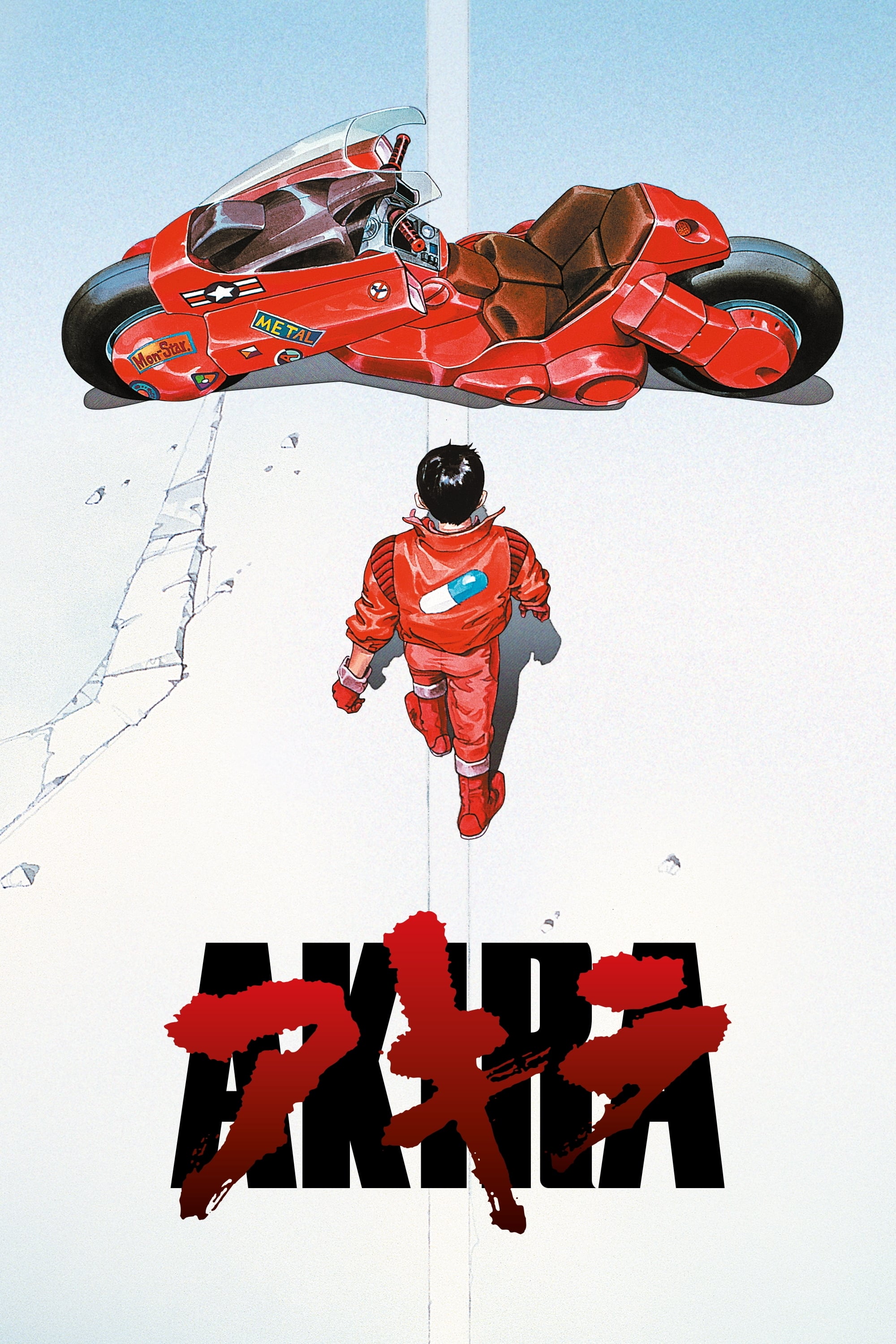
Set in Neo-Tokyo after a cataclysm, ‘Akira’ follows biker Kaneda and his friend Tetsuo, whose sudden psychic power becomes the center of a government conspiracy. The narrative tracks underground movements, military research, and the search for the truth behind the project that gave the film its name.
Katsuhiro Otomo directs from his own manga, with animation by Tokyo Movie Shinsha and collaborators. Voice actors include Mitsuo Iwata, Nozomu Sasaki, and Mami Koyama, and the score by Geinoh Yamashirogumi uses choral percussion to underpin large-scale sequences.
‘Ghost in the Shell’ (1995)

‘Ghost in the Shell’ follows Section 9 major Motoko Kusanagi as she investigates the hacker known as the Puppet Master while confronting questions about identity and cybernetic life. The story blends police procedure with network intrusion and political oversight.
Mamoru Oshii directs for Production I.G, with Atsuko Tanaka, Akio Ōtsuka, and Kōichi Yamadera leading the cast. Kenji Kawai’s music and detailed mechanical design define the film’s sound and look.
‘Perfect Blue’ (1997)
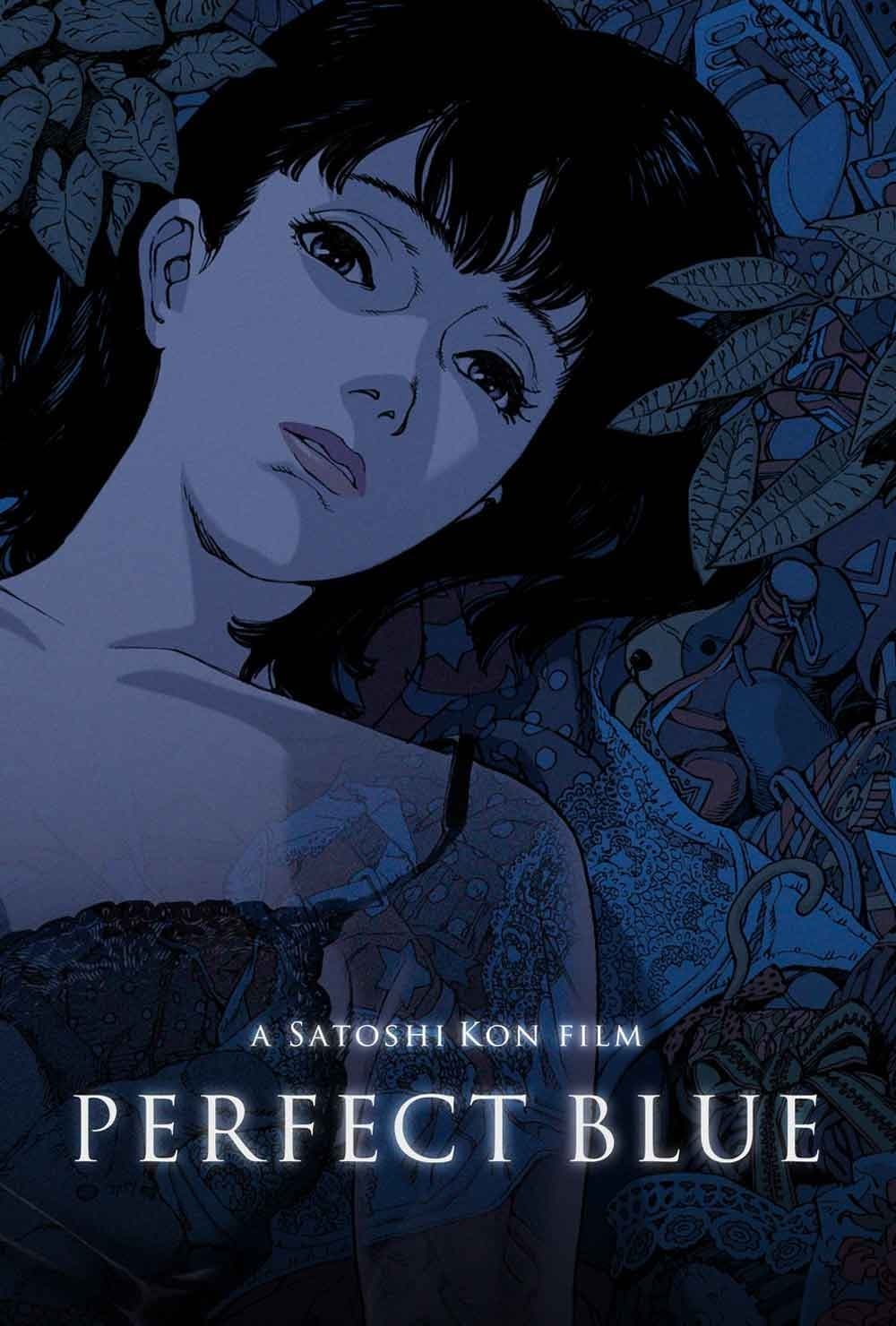
In ‘Perfect Blue’, former idol Mima Kirigoe transitions to acting and becomes the target of stalking and media manipulation as fiction blurs with daily life. The plot follows her work on a TV drama, the pressures of management, and the appearance of an online doppelgänger.
Satoshi Kon directs for Madhouse from Sadayuki Murai’s screenplay, adapting Yoshikazu Takeuchi’s novel. Junko Iwao, Rica Matsumoto, and Masaaki Ōkura star, with a tense score by Masahiro Ikumi.
‘Paprika’ (2006)
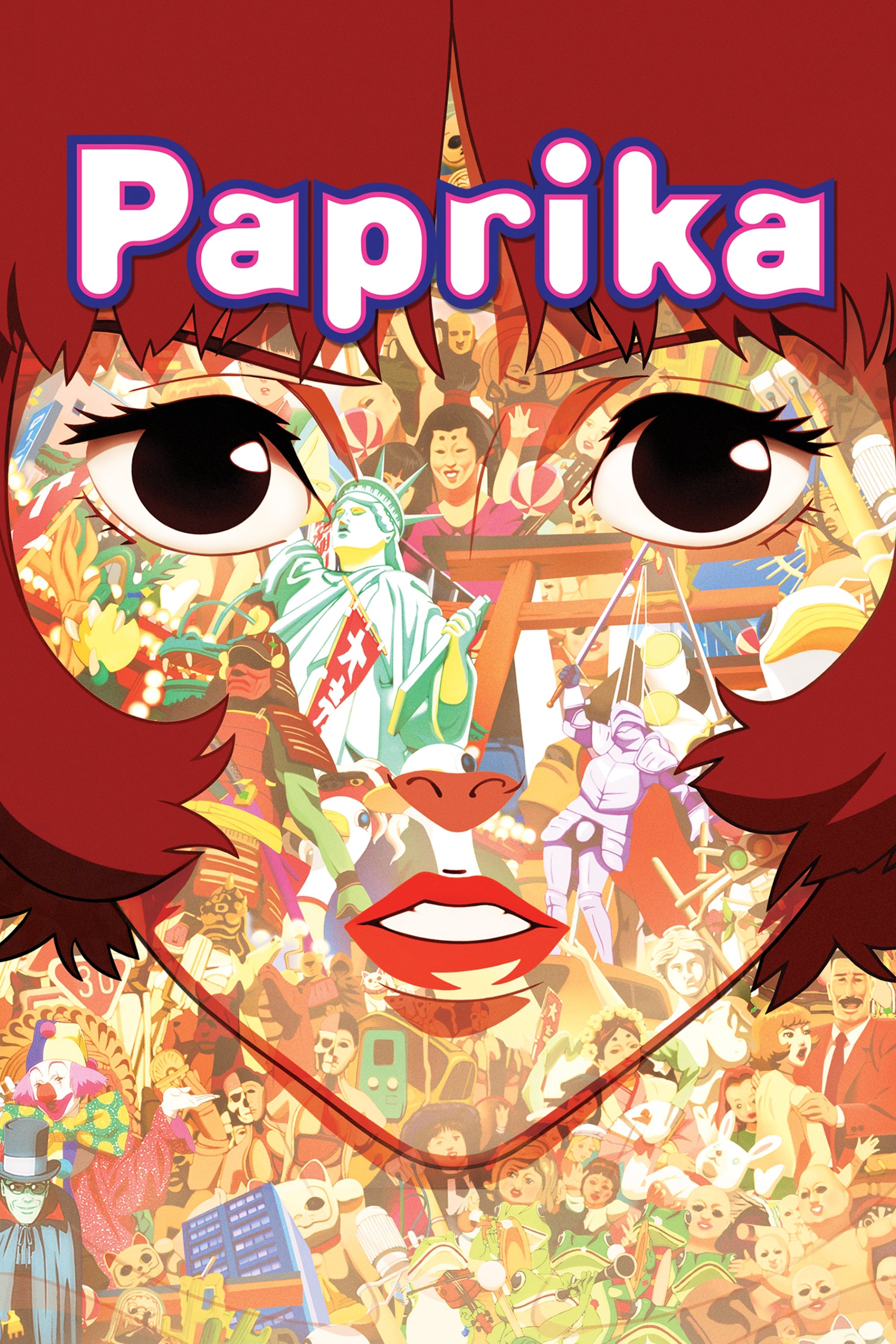
‘Paprika’ centers on a device that allows therapists to enter dreams; when a prototype is stolen, dream imagery spills into the waking world. Detective Konakawa’s case intertwines with researcher Atsuko Chiba’s use of her dream alter ego to track the culprit.
Satoshi Kon directs for Madhouse, starring Megumi Hayashibara, Akio Ōtsuka, and Tōru Furuya. Susumu Hirasawa provides the score, and the adaptation is based on Yasutaka Tsutsui’s novel.
‘Neon Genesis Evangelion’ (1995–1996)
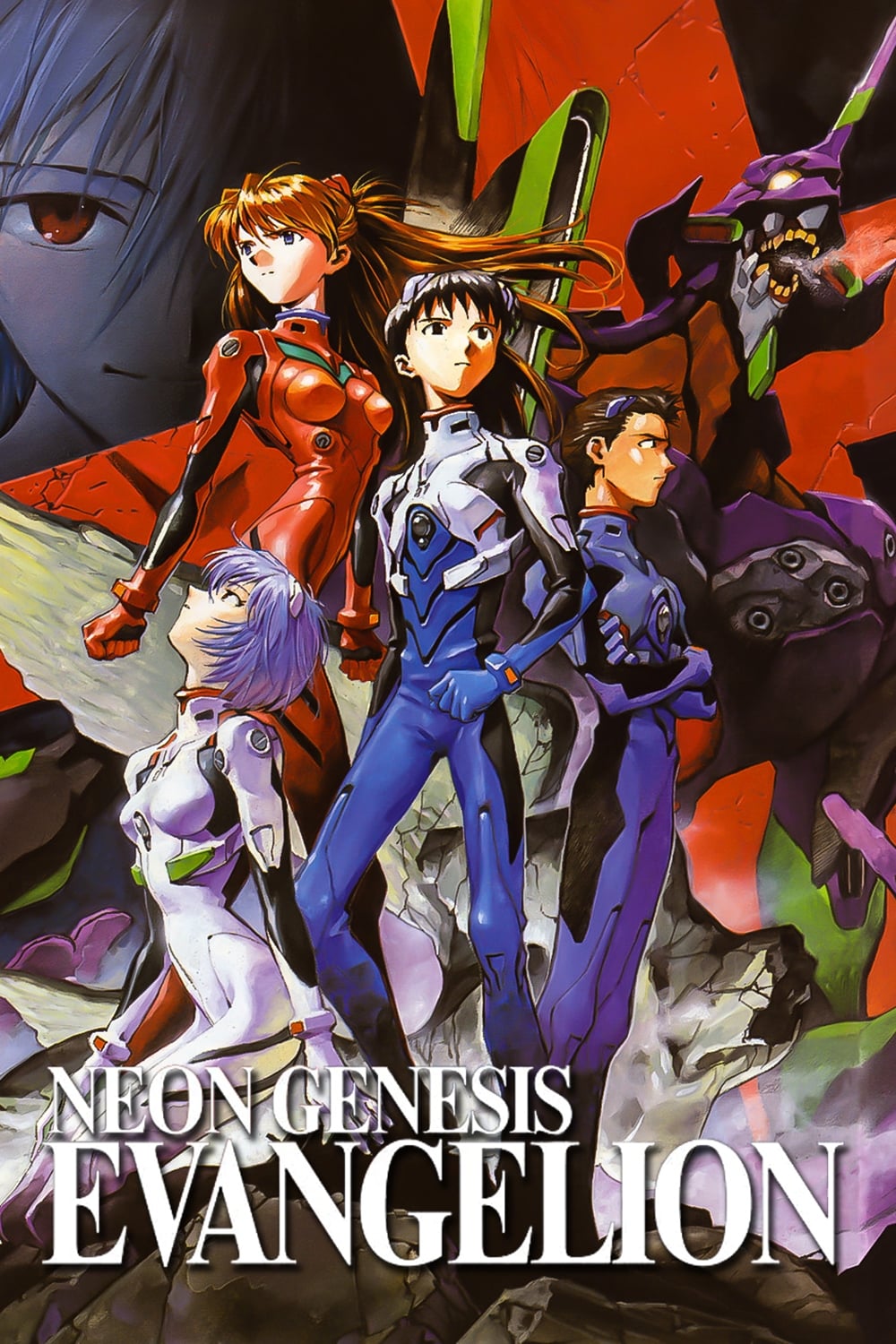
‘Neon Genesis Evangelion’ follows Shinji Ikari as he pilots a biomechanical unit for NERV against mysterious Angels while navigating family distance and duty. The series pairs battles with psychological and interpersonal conflicts among its pilots and staff.
Hideaki Anno directs for Gainax with Tatsunoko, featuring Megumi Ogata, Megumi Hayashibara, and Kotono Mitsuishi. Shiro Sagisu’s music and distinctive mechanical and creature designs support the production.
‘Cowboy Bebop’ (1998–1999)
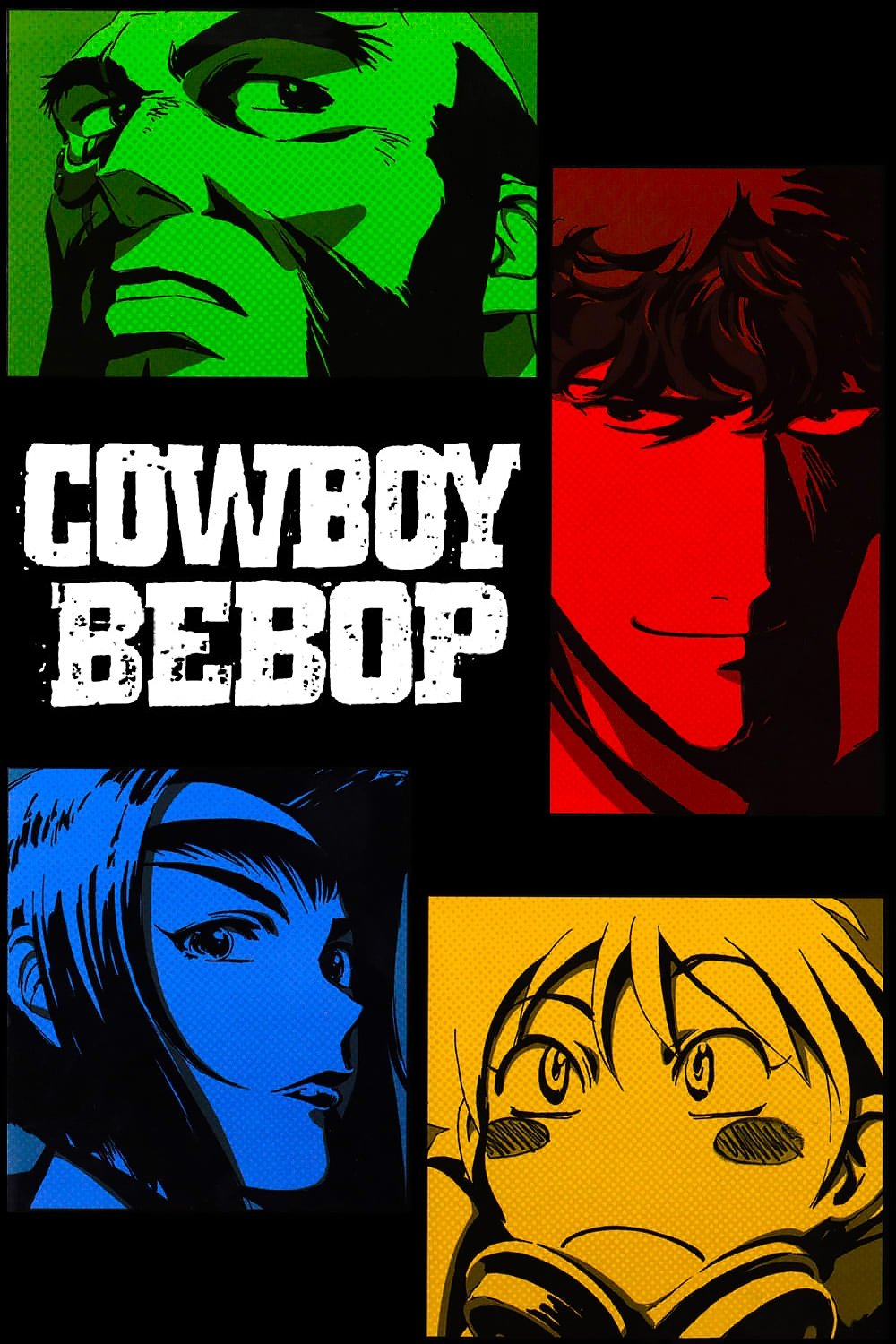
‘Cowboy Bebop’ tracks bounty hunters Spike Spiegel, Jet Black, Faye Valentine, and Ed across a colonized solar system as jobs intersect with old ties. Standalone cases gradually reveal the crew’s histories and connections.
Shinichirō Watanabe directs for Sunrise, with Kōichi Yamadera, Unshō Ishizuka, Megumi Hayashibara, and Aoi Tada voicing the leads. Keiko Nobumoto leads series writing, and Yoko Kanno and The Seatbelts provide a jazz-driven soundtrack.
‘Serial Experiments Lain’ (1998)
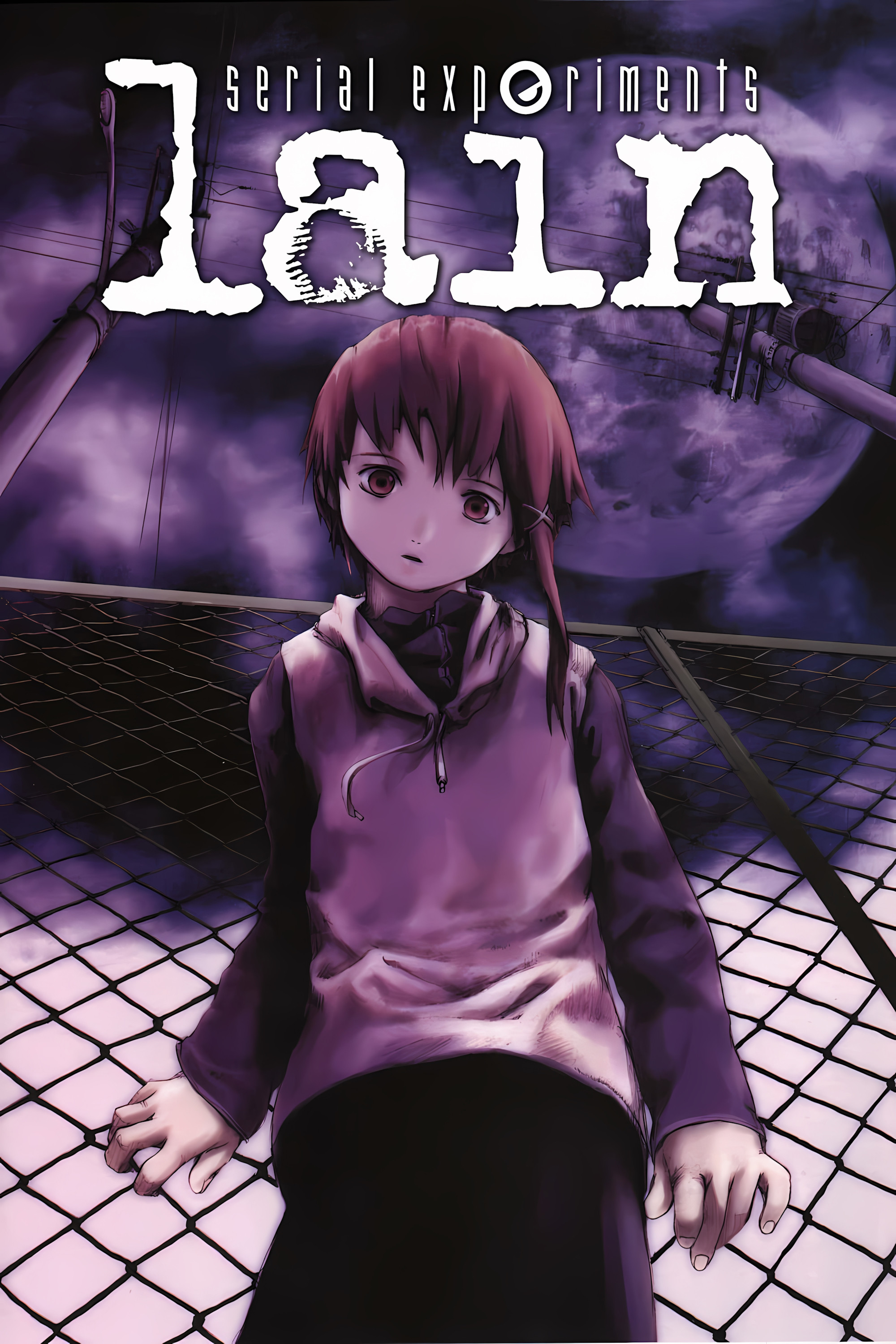
‘Serial Experiments Lain’ follows Lain Iwakura as cryptic messages and a classmate’s death draw her into the Wired, where identity and reality overlap. The investigation into corporate projects and digital rumor links personal memory to networked presence.
Ryūtarō Nakamura directs, with scripts by Chiaki J. Konaka and character designs by Yoshitoshi ABe for Triangle Staff. Kaori Shimizu voices Lain, and the series uses sparse settings and distinctive sound design to frame its themes.
‘Monster’ (2004–2005)

‘Monster’ begins with neurosurgeon Kenzo Tenma saving a young boy who later becomes a suspect in multiple crimes, pulling Tenma into a pursuit across Europe. The story connects investigations, political remnants, and the lives altered by the central figure.
Masayuki Kojima directs for Madhouse, adapting Naoki Urasawa’s manga, with Hidenobu Kiuchi, Nozomu Sasaki, and Mamiko Noto starring. Kuniaki Haishima’s score supports the long-form thriller structure.
‘Paranoia Agent’ (2004)
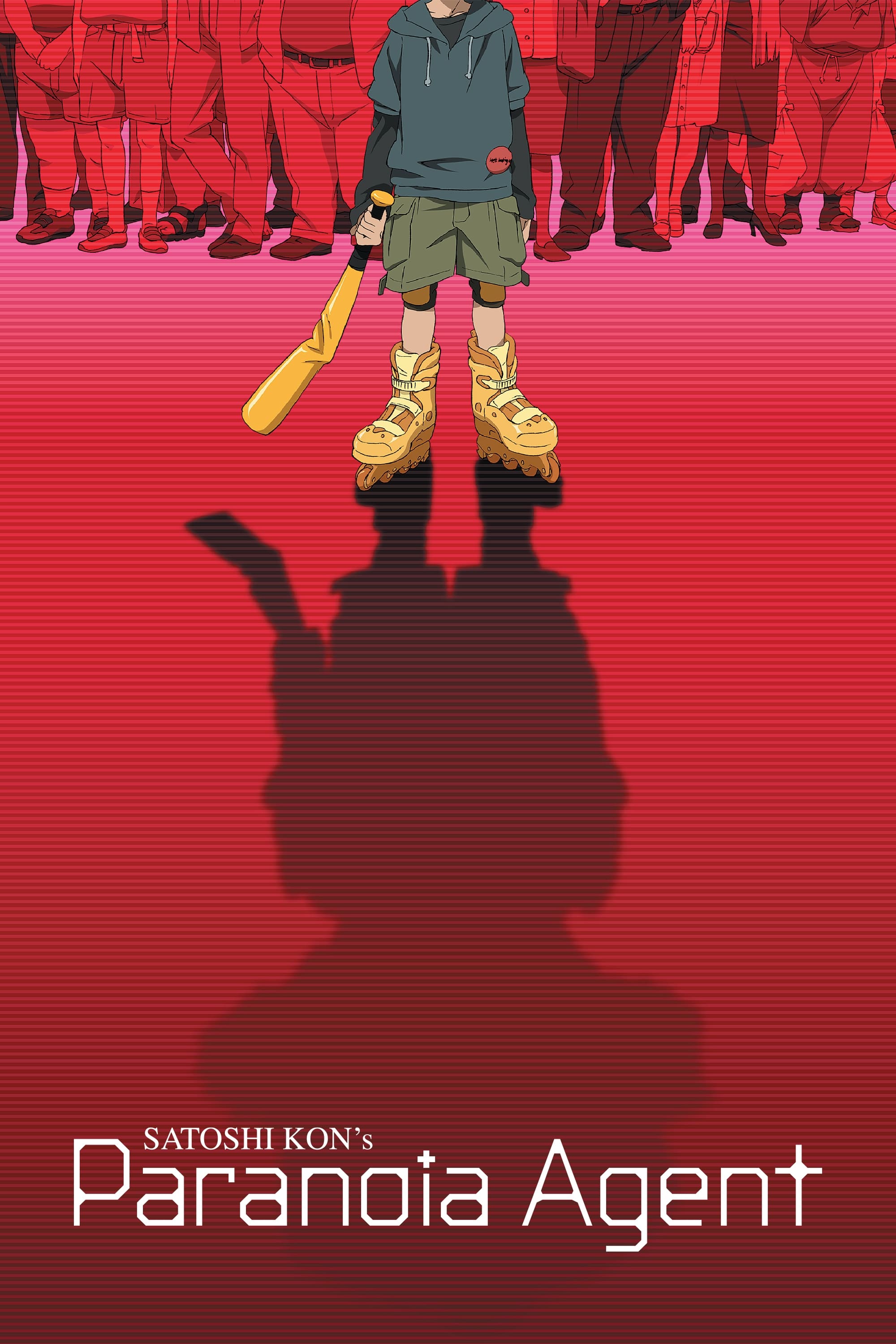
‘Paranoia Agent’ follows detectives Ikari and Maniwa as they investigate assaults by a figure called Lil’ Slugger, linking disparate victims through rumor and media. Episodes examine pressures on individuals and the spread of a shared urban legend.
Satoshi Kon creates and directs for Madhouse, with Mamiko Noto, Shōzō Iizuka, and Toshihiko Seki in key roles. Susumu Hirasawa’s music and an anthology-like format tie the cases together.
‘Berserk’ (1997–1998)
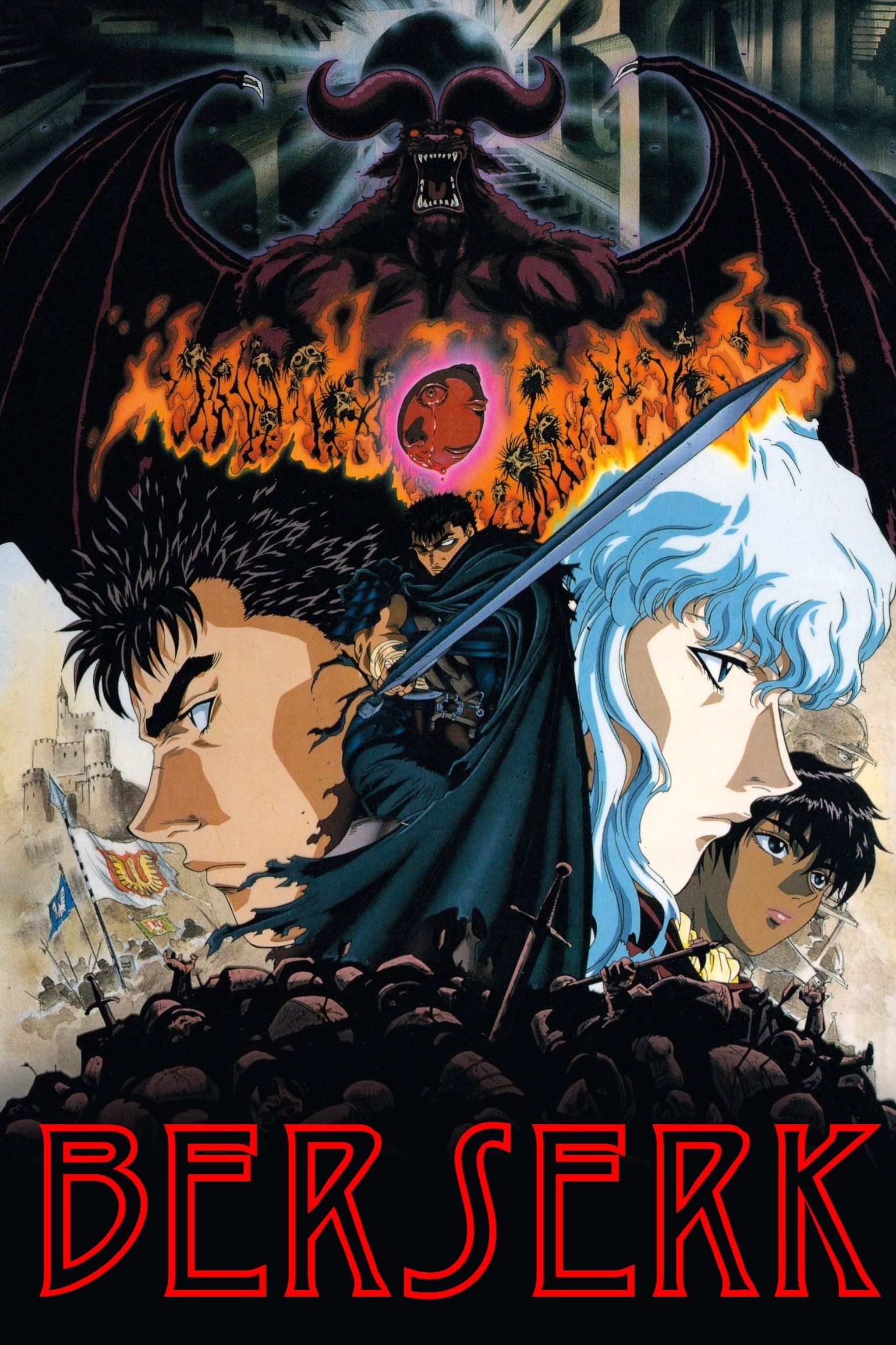
‘Berserk’ follows mercenary Guts after he joins the Band of the Hawk under Griffith, charting the group’s rise through warfare and court politics. The narrative focuses on camaraderie, ambition, and the turning points that reshape the characters.
Naohito Takahashi directs for OLM, with Nobutoshi Canna, Toshiyuki Morikawa, and Yūko Miyamura starring. Susumu Hirasawa’s music and grounded medieval designs frame the adaptation of Kentarō Miura’s manga.
‘Vinland Saga’ (2019–2023)
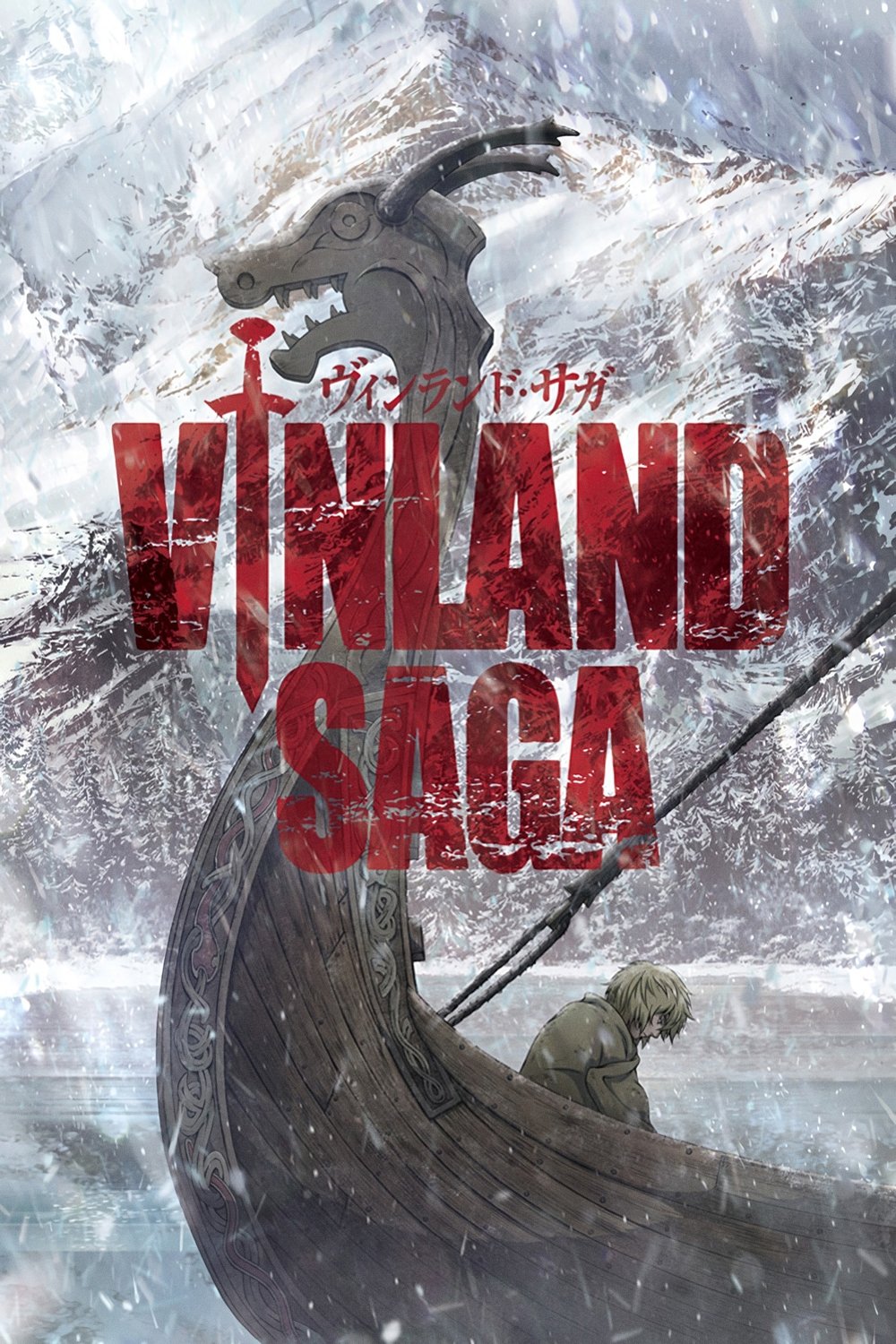
‘Vinland Saga’ tracks Thorfinn from childhood to adulthood as conflict, exploration, and shifting loyalties redefine his path. Historical figures intersect with the fictional cast as expeditions and wars change alliances.
Shūhei Yabuta directs, with production by Wit Studio and later MAPPA and series composition contributions by Hiroshi Seko. Yūto Uemura, Naoya Uchida, and Akio Ōtsuka lead the voice cast.
‘Attack on Titan’ (2013–2023)
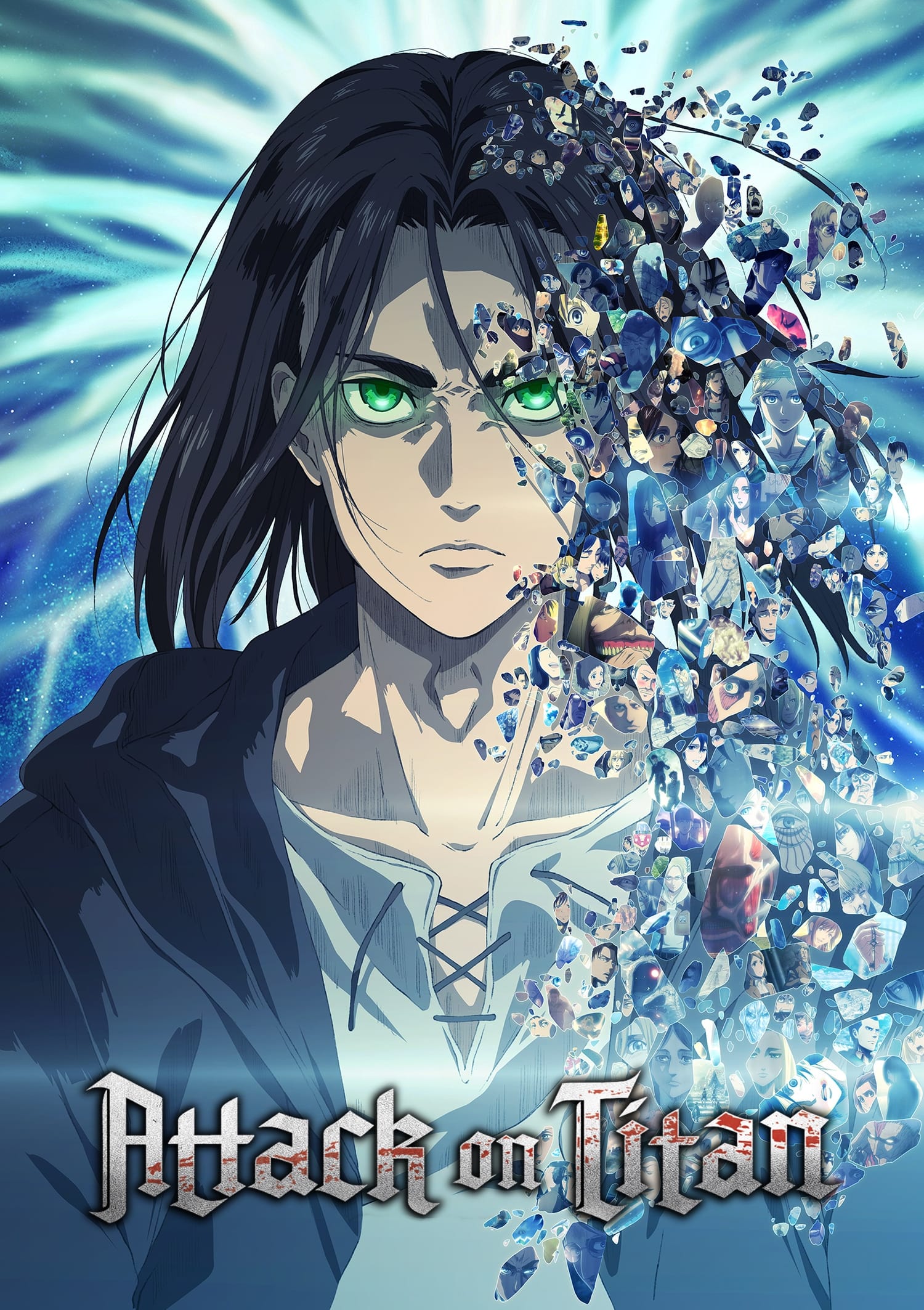
‘Attack on Titan’ follows Eren Yeager, Mikasa Ackerman, and Armin Arlert as they join the military to fight Titans and uncover the origins of their world. Political conspiracies and revelations reshape the conflict and alliances over time.
Wit Studio and later MAPPA produce the adaptation of Hajime Isayama’s manga, directed across seasons by Tetsurō Araki, Masashi Koizuka, and Yūichirō Hayashi. Yūki Kaji, Yui Ishikawa, and Marina Inoue star, with music by Hiroyuki Sawano.
‘Psycho-Pass’ (2012–2013)
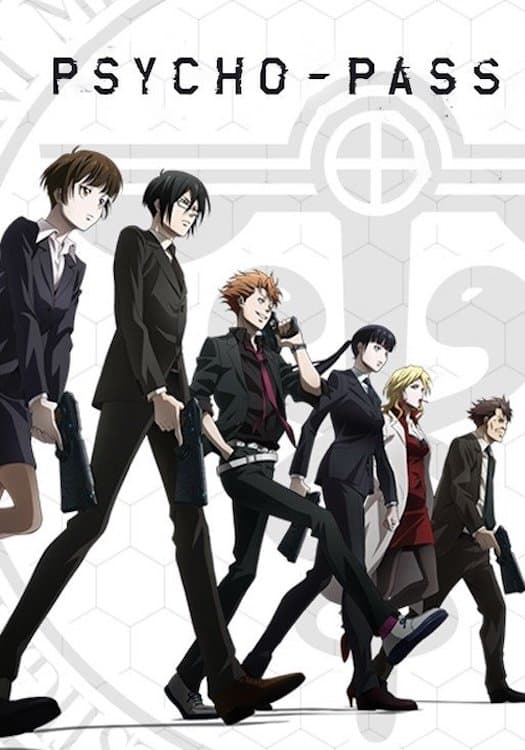
‘Psycho-Pass’ centers on inspector Akane Tsunemori and enforcer Shinya Kogami working under a system that quantifies mental states to manage crime. The cases examine law enforcement methods, civil liberties, and the system’s limits.
Production I.G produces, created by writer Gen Urobuchi with chief director Katsuyuki Motohiro and director Naoyoshi Shiotani. Kana Hanazawa, Tomokazu Seki, and Takahiro Sakurai star, supported by a score that underscores procedural tension.
‘Ergo Proxy’ (2006)
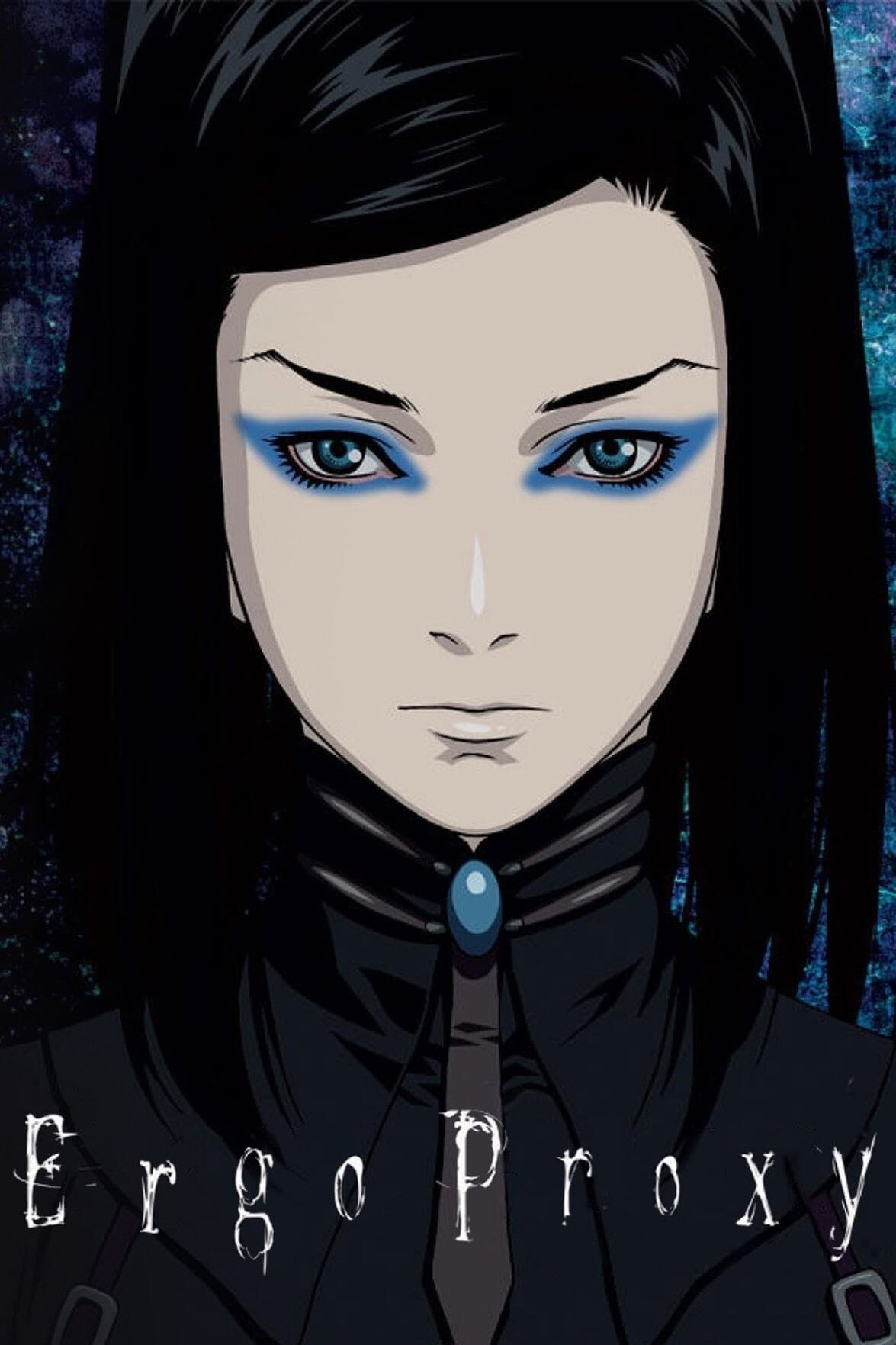
‘Ergo Proxy’ follows inspector Re-l Mayer and immigrant Vincent Law after murders in a domed city where humans live with AutoReivs. Their search moves beyond the city to confront beings called Proxies and the origins of their society.
Shūkō Murase directs for Manglobe, starring Rie Saitō, Kōji Yusa, and Akiko Yajima. Yoshihiro Ike’s music and industrial art direction support the series’ investigative structure.
‘Black Lagoon’ (2006)
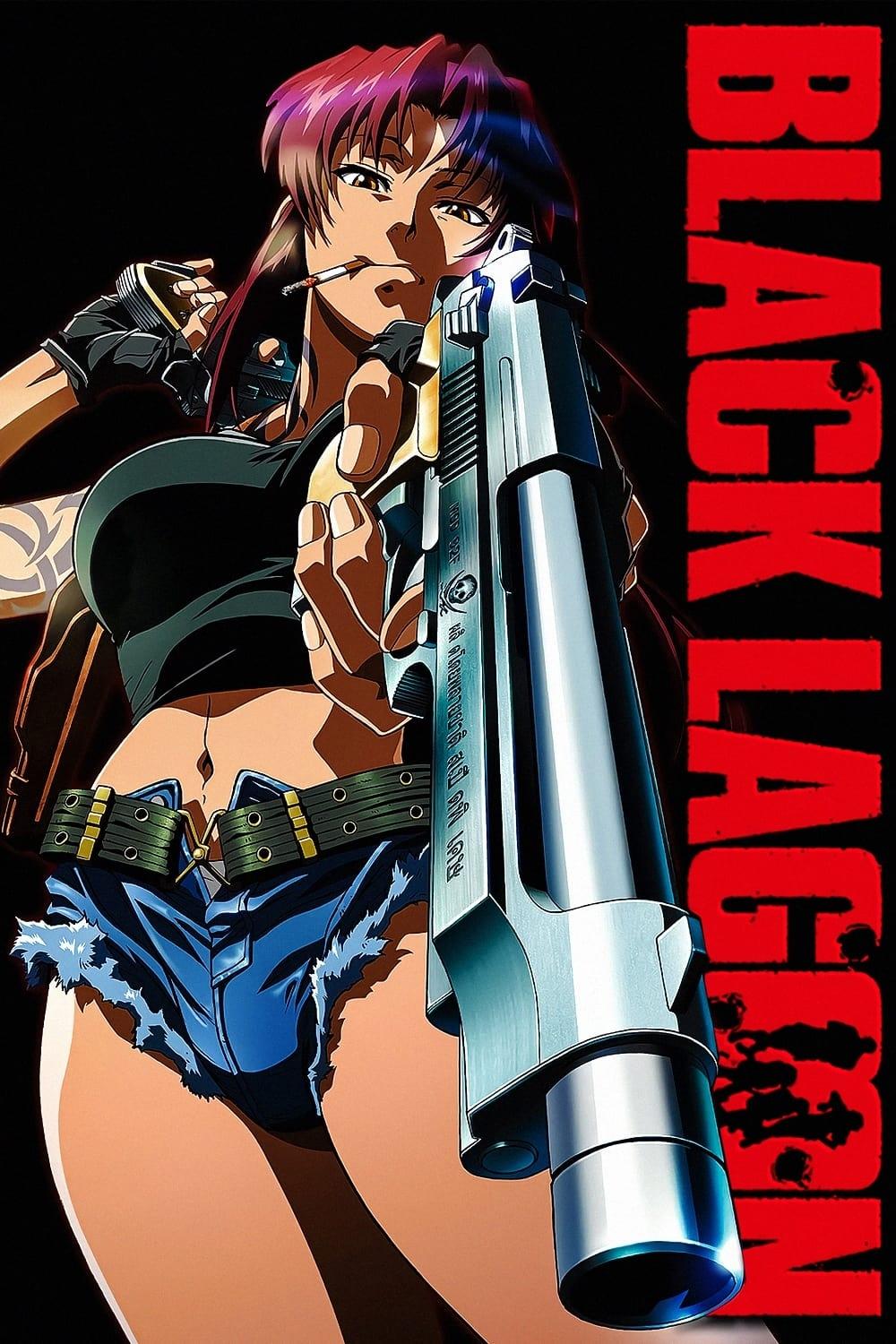
‘Black Lagoon’ centers on a corporate employee who joins a smuggling crew operating among criminal syndicates and private militaries. Missions range from retrievals to escorts, with shifting alliances across ports and islands.
Sunao Katabuchi directs for Madhouse, adapting Rei Hiroe’s manga. Daisuke Namikawa, Megumi Toyoguchi, Tsutomu Isobe, and Hiroaki Hirata voice the main crew, with multilingual settings and vehicle-focused action shaping the production.
‘Mushishi’ (2005–2006)
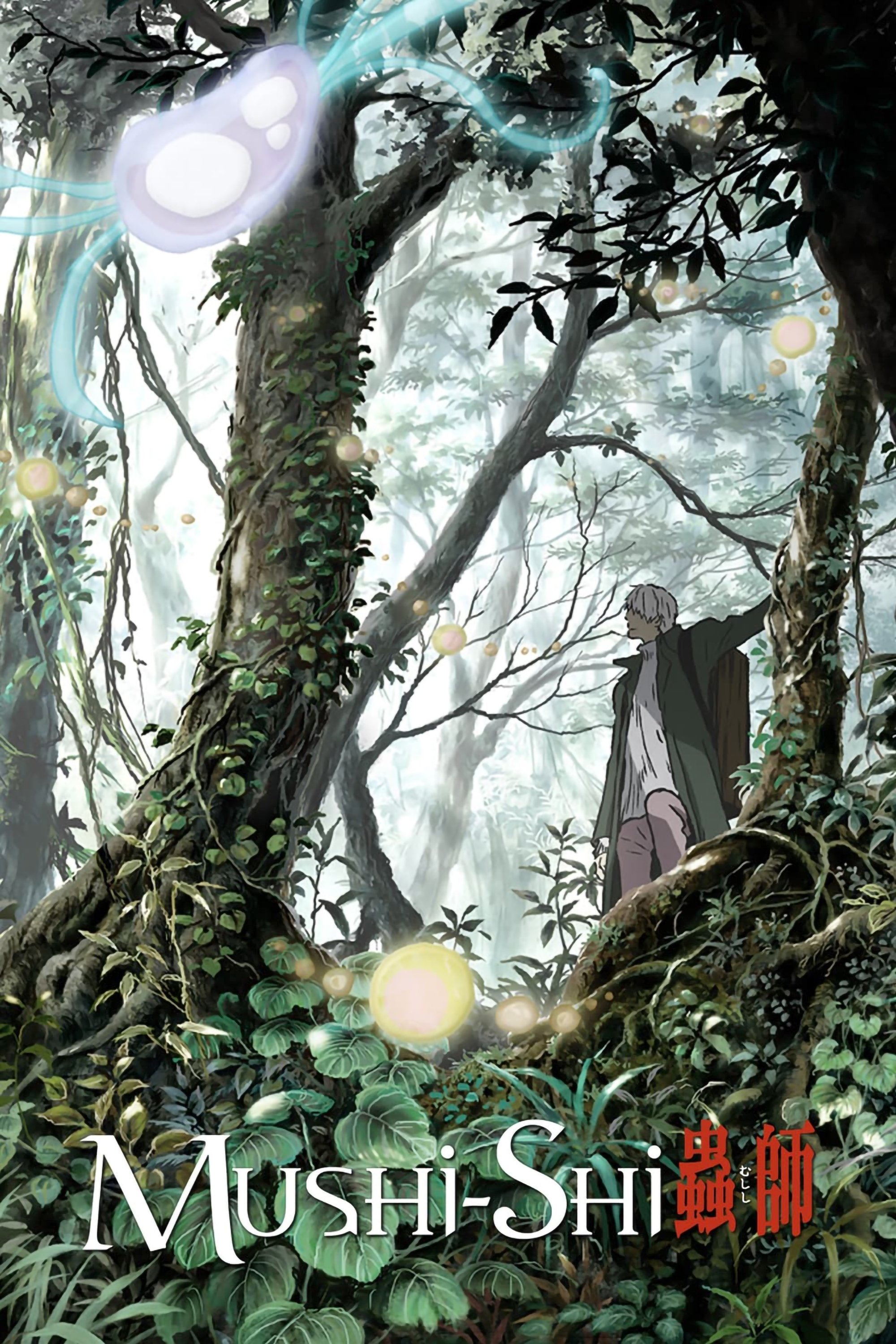
‘Mushishi’ follows Ginko, a traveling researcher who studies lifeforms called Mushi and how they affect people and landscapes. Each episode presents a self-contained case tied to folklore and natural phenomena.
Hiroshi Nagahama directs the Artland production, adapting Yuki Urushibara’s manga. Yūto Nakano leads the cast, and the series uses quiet sound design and naturalistic art direction to support its episodic storytelling.
‘Tokyo Godfathers’ (2003)
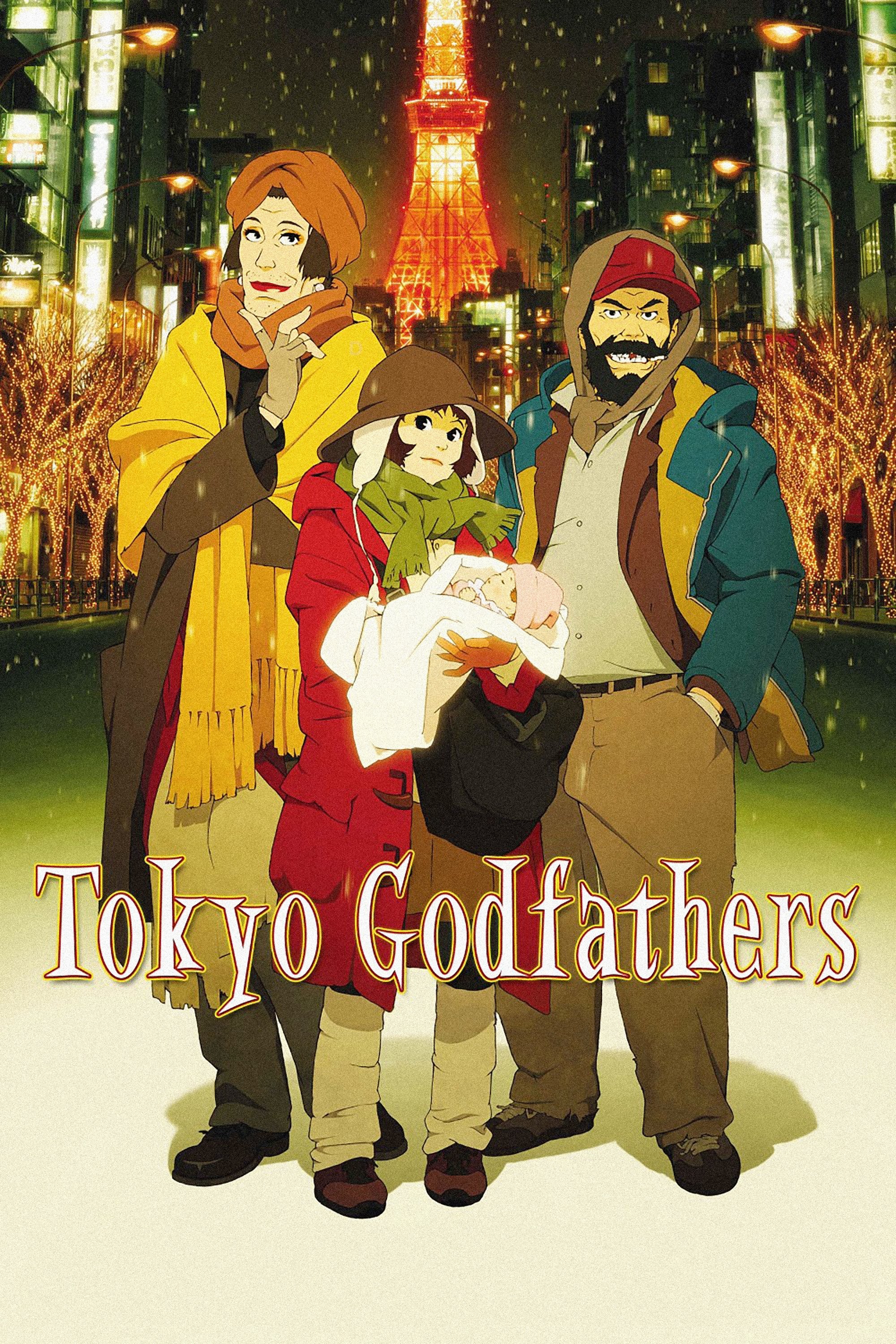
In ‘Tokyo Godfathers’, three unhoused companions—Gin, Hana, and Miyuki—find an abandoned baby and set out to locate the child’s parents. The search uncovers the trio’s histories while crossing paths with families and small-time criminals.
Satoshi Kon directs for Madhouse, with Tōru Emori, Yoshiaki Umegaki, and Aya Okamoto starring. The screenplay by Satoshi Kon and Keiko Nobumoto and music by Keiichi Suzuki guide the city-spanning journey.
‘The Tatami Galaxy’ (2010)
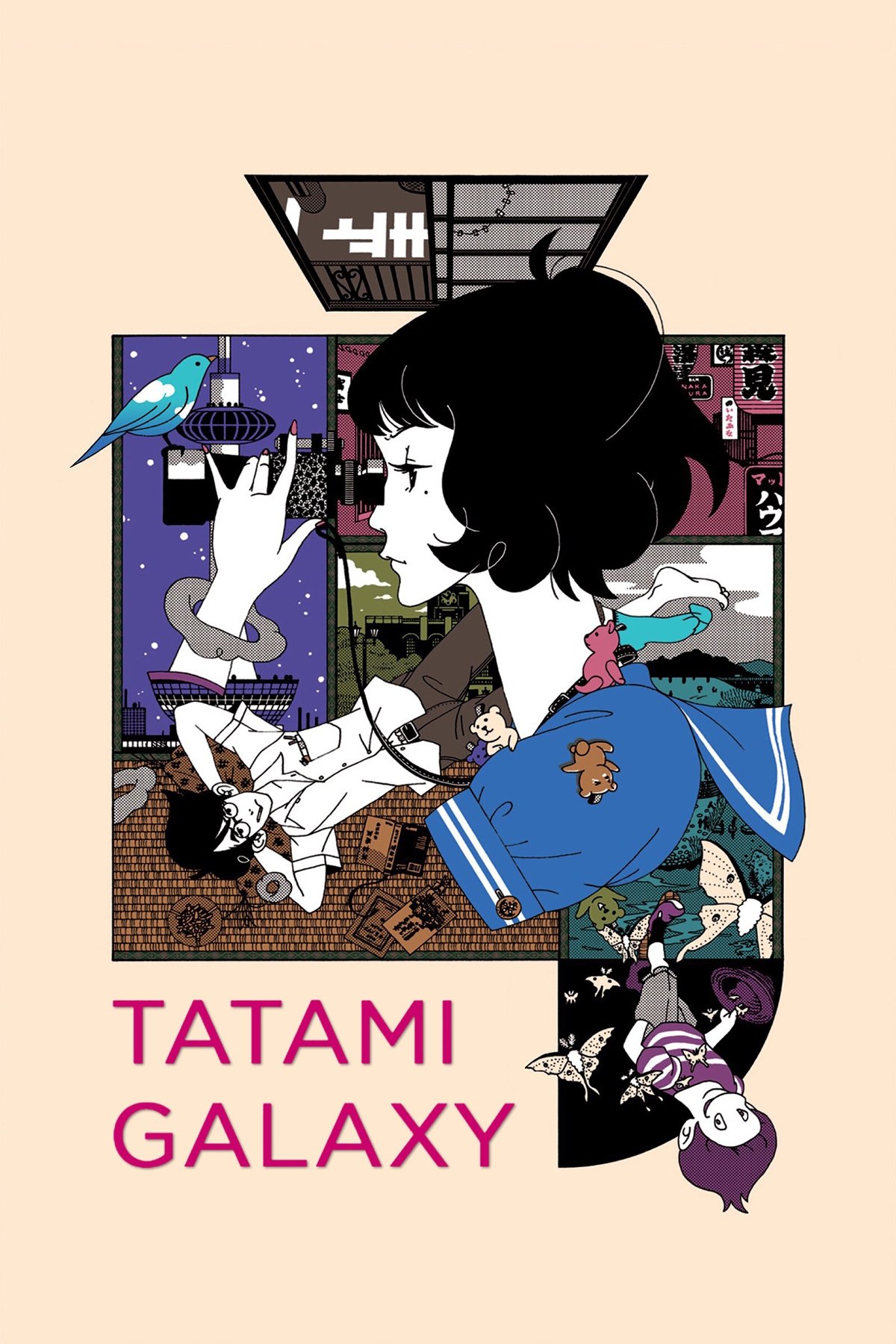
‘The Tatami Galaxy’ follows a university student—nicknamed “Watashi”—through alternate versions of campus life as he revisits clubs, friendships, and choices. Recurring figures like Ozu and Akashi appear across the timelines that loop back on themselves.
Masaaki Yuasa directs for Madhouse, adapting Tomihiko Morimi’s novel with a screenplay by Makoto Ueda. Shintarō Asanuma, Hiroyuki Yoshino, and Maaya Sakamoto lead the voice cast, with character designs by Yūsuke Nakamura.
‘Made in Abyss’ (2017)
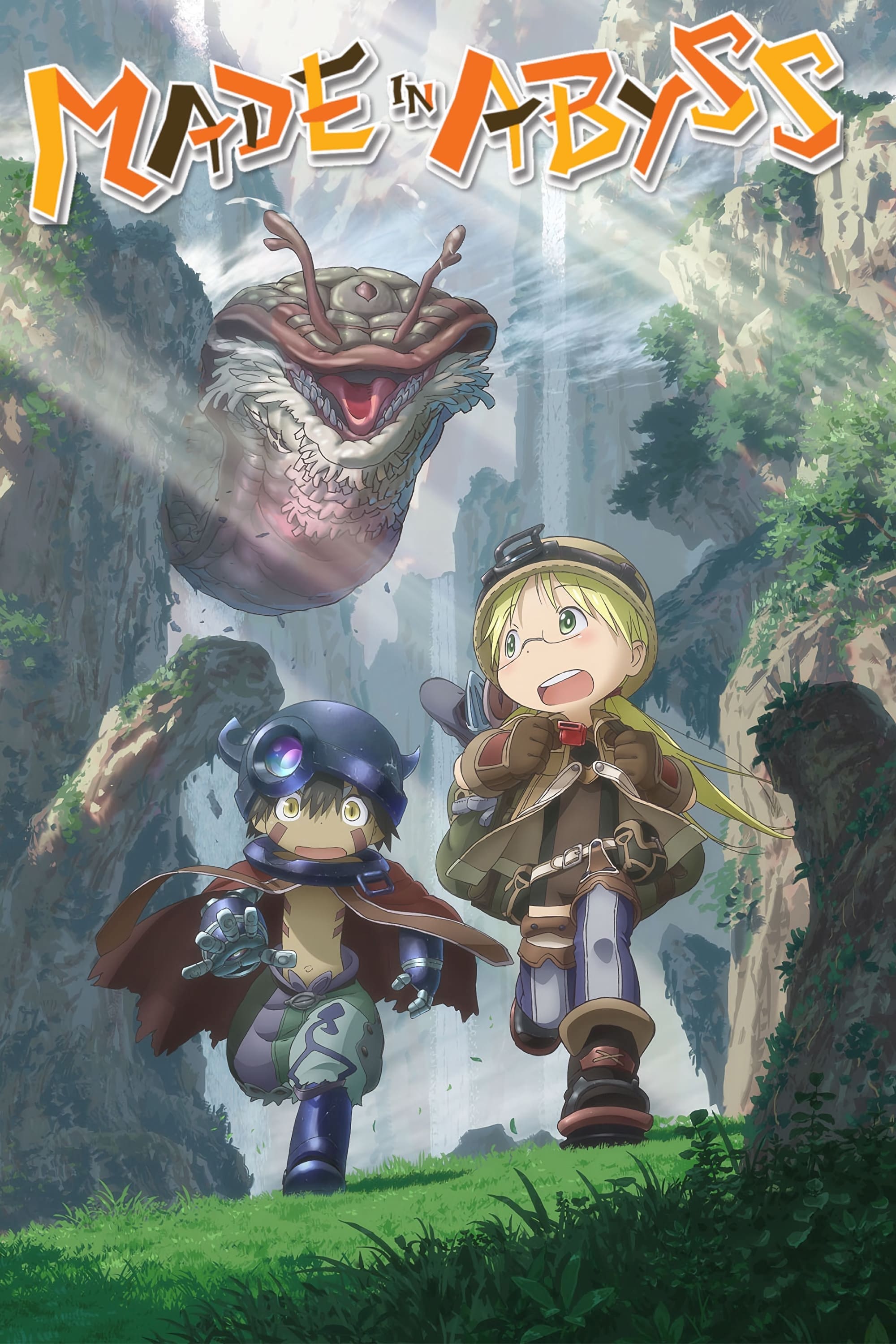
‘Made in Abyss’ tracks cave-raider apprentice Riko and a robot boy named Reg as they descend into a vast chasm whose layers hold relics and hazards. The expedition reveals the Abyss’s ecosystems and the fates of those drawn to explore it.
Masayuki Kojima directs for Kinema Citrus, adapting Akihito Tsukushi’s manga. Miyu Tomita, Mariya Ise, and Shiori Izawa star, with a score by Kevin Penkin and detailed environmental art.
‘Devilman Crybaby’ (2018)
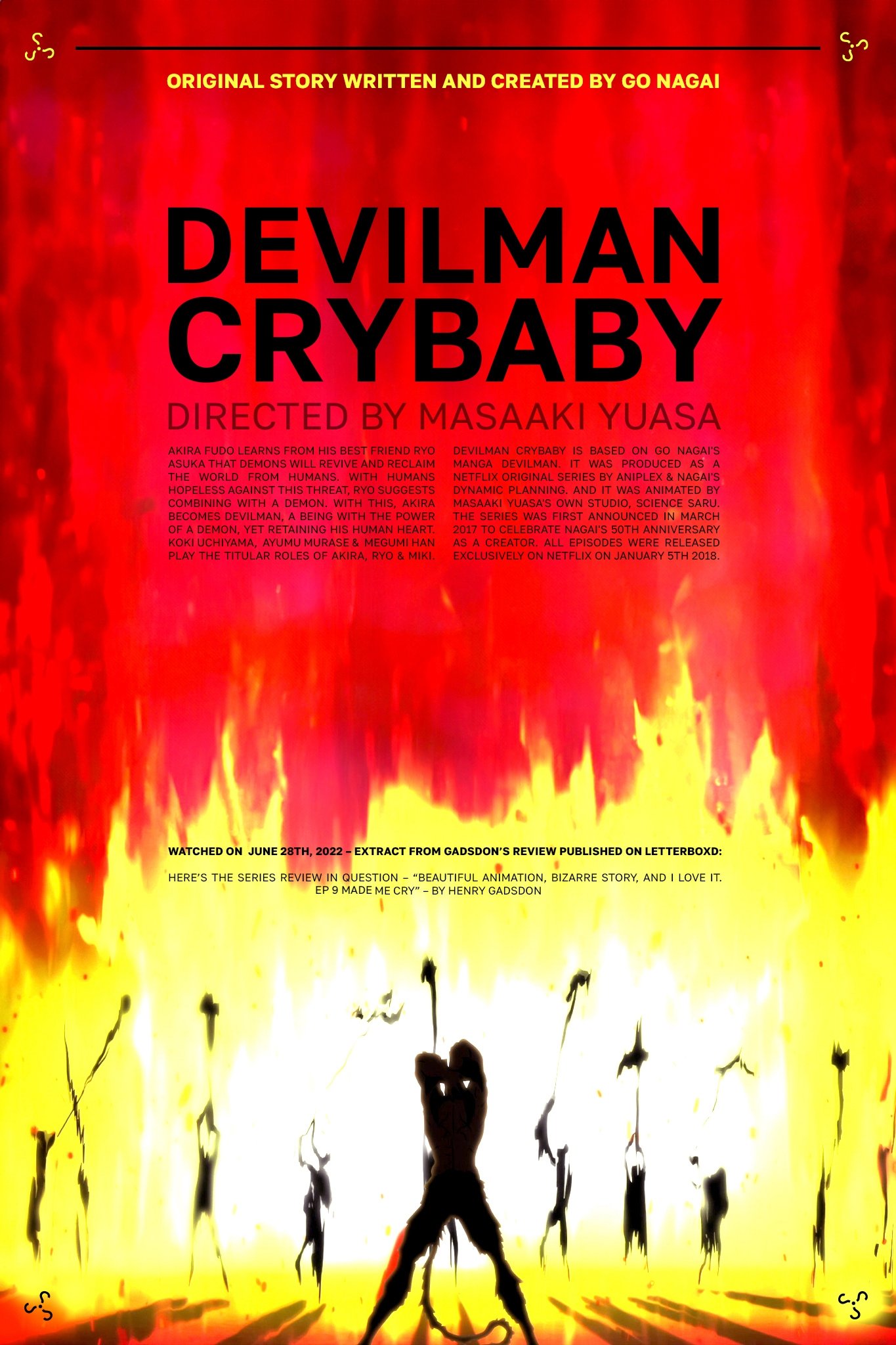
‘Devilman Crybaby’ adapts Go Nagai’s story of Akira Fudō, who merges with a demon to fight others as society reacts to the discovery of demonic beings. The plot follows Akira’s connection with Ryō Asuka and the public consequences of exposure.
Masaaki Yuasa directs for Science SARU, featuring Kōki Uchiyama, Ayumu Murase, and Megumi Han. Kensuke Ushio provides the music, with editing and choreography emphasizing motion.
‘Legend of the Galactic Heroes’ (1988–1997)
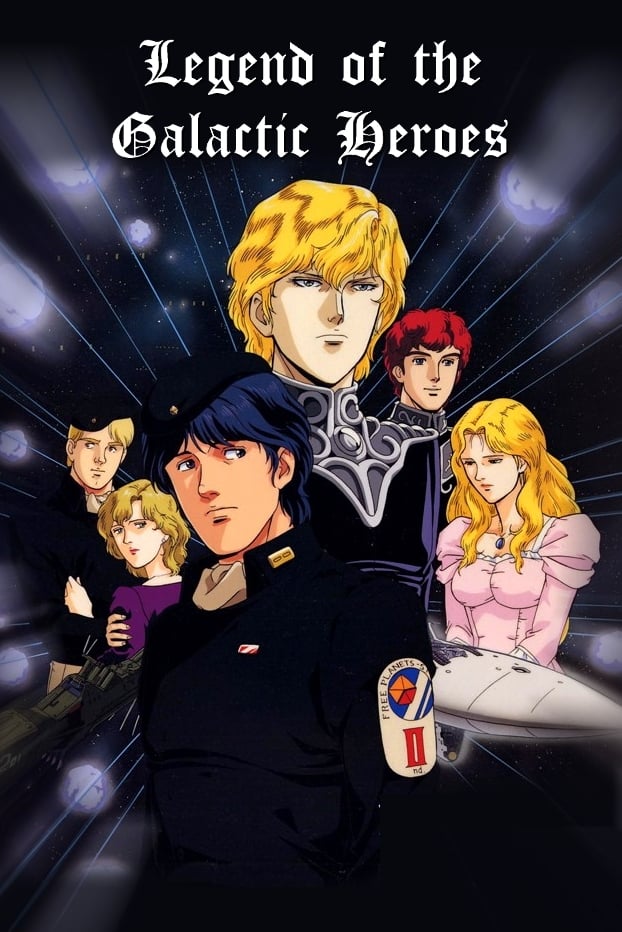
‘Legend of the Galactic Heroes’ chronicles the conflict between the Galactic Empire and the Free Planets Alliance, following commanders Reinhard von Lohengramm and Yang Wen-li. The story interweaves strategy, diplomacy, and internal reform across a large ensemble.
Produced as an original video animation by Artland and Magic Bus with direction initially by Noboru Ishiguro, the series stars Ryō Horikawa and Kei Tomiyama. Kentarō Haneda’s original music and extensive use of classical pieces define the score.
‘Baccano!’ (2007)
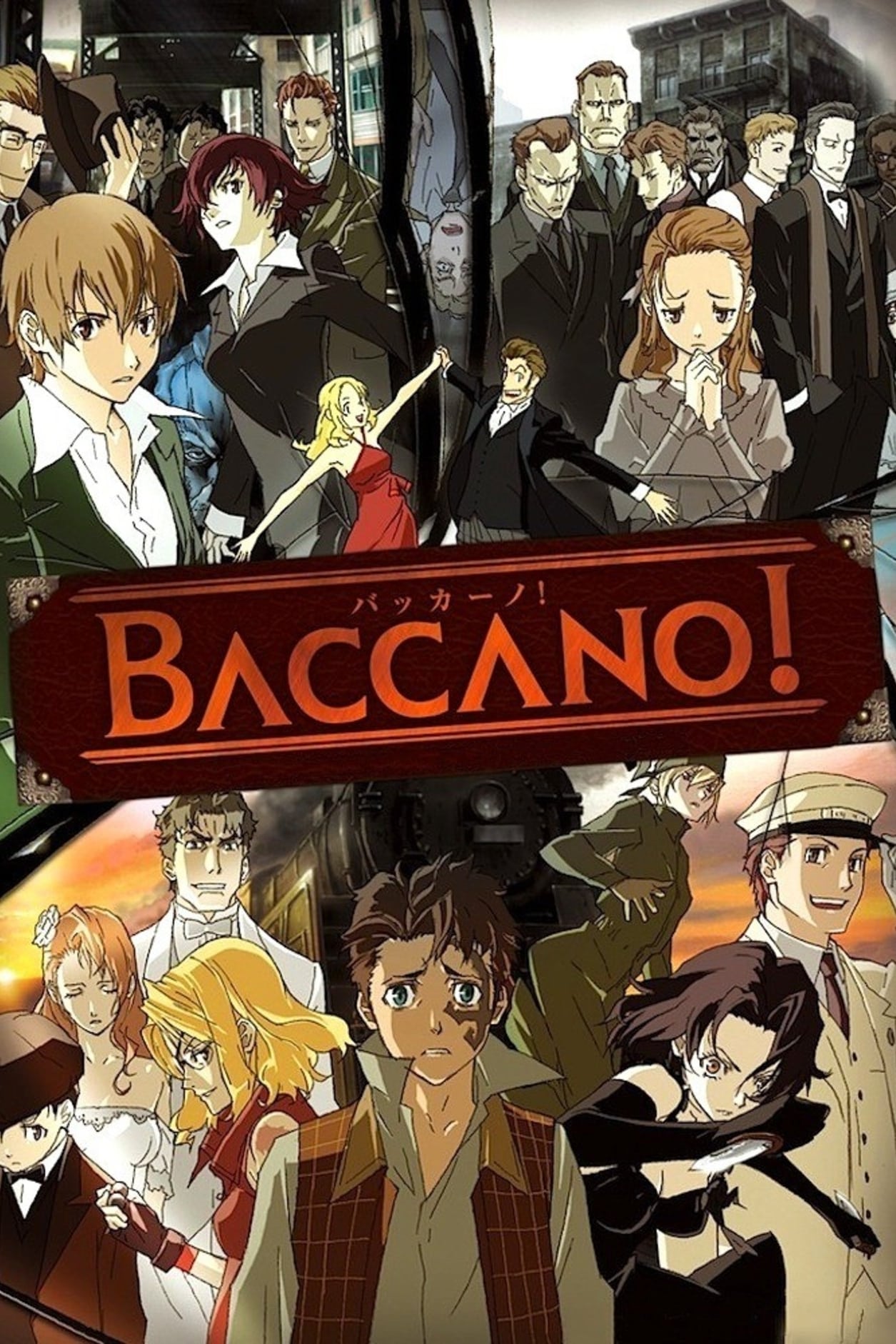
‘Baccano!’ tells intersecting stories of thieves, gangsters, and alchemists set around trains and speakeasies, with events converging on the Flying Pussyfoot. The non-linear structure reveals connections among immortals and crime families.
Takahiro Ōmori directs for Brain’s Base, adapting Ryohgo Narita’s light novels. Masakazu Morita, Masaya Onosaka, and Sayaka Aoki star, with series composition by Noboru Takagi.
‘Samurai Champloo’ (2004–2005)
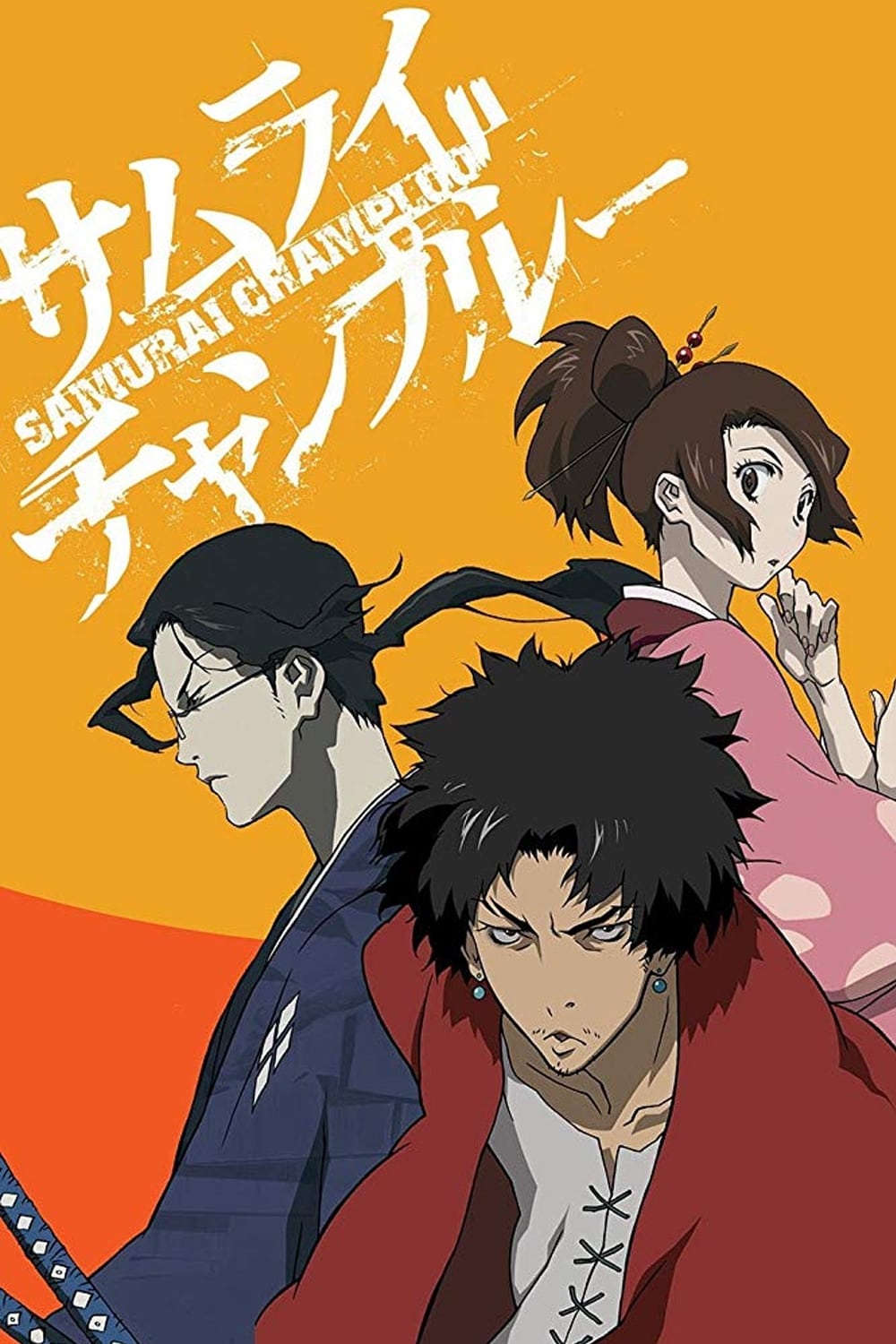
‘Samurai Champloo’ pairs drifter Mugen and ronin Jin with waitress Fuu on a journey across Edo-period Japan in search of a samurai who smells of sunflowers. Episodes follow duels, cons, and encounters that illuminate the trio’s pasts.
Shinichirō Watanabe directs for Manglobe, starring Kazuya Nakai, Ginpei Saki, and Ayako Kawasumi. Music by Nujabes, Fat Jon, Tsutchie, and Force of Nature sets the rhythm alongside action choreography.
‘Planetes’ (2003–2004)
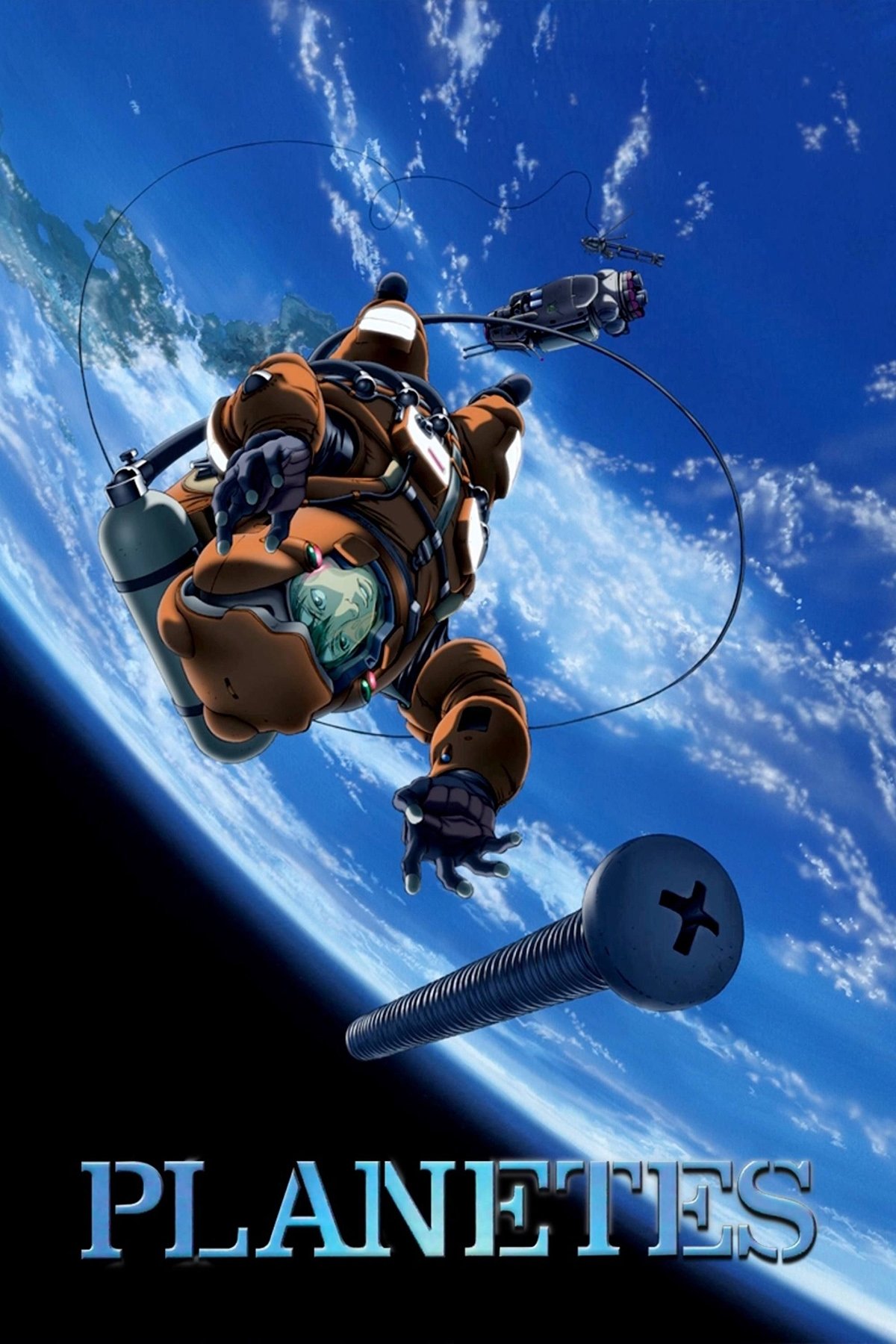
‘Planetes’ focuses on a debris-collection team in Earth orbit, covering workplace procedures, training, and the logistics of near-Earth operations. The narrative balances technical detail with the crew’s personal goals and constraints.
Gorō Taniguchi directs for Sunrise, adapting Makoto Yukimura’s manga. Kazunari Tanaka and Satsuki Yukino lead the cast, with series composition by Ichirō Ōkouchi and technical design supervision informing the setting.
‘Princess Mononoke’ (1997)
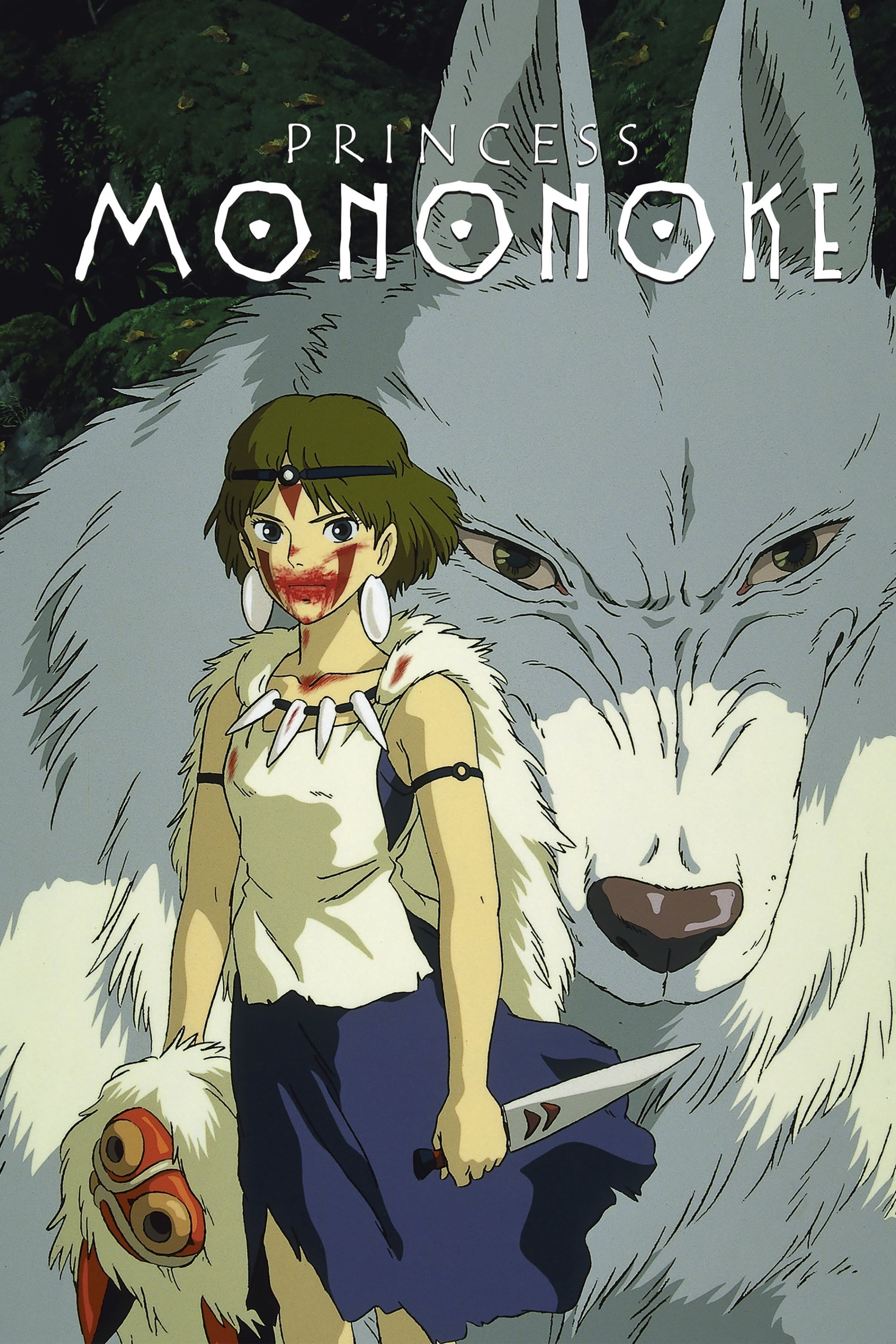
‘Princess Mononoke’ follows Ashitaka as he becomes involved in a struggle between forest spirits and an ironworks led by Lady Eboshi. The story presents viewpoints from San and the wolves to the townspeople and miners, tracing the costs of conflict.
Hayao Miyazaki writes and directs for Studio Ghibli, featuring Yōji Matsuda, Yuriko Ishida, and Yūko Tanaka. Joe Hisaishi’s score and hand-drawn animation bring the landscapes and creatures to the screen.
Share your own favorite adult-focused anime in the comments so everyone can see what to watch next.