Best Anime of All Time, Ranked


Great anime comes in many shapes—sci-fi epics that span galaxies, gritty crime dramas that prowl neon back alleys, heartfelt slice-of-life stories that linger on quiet moments. This countdown spotlights fifty TV anime series drawn from decades of releases and a wide range of genres, using publicly available ratings to order the picks while keeping the focus on clear, useful information about each show.
You’ll find basic context like studios, creators, source material, settings, and distinctive production details for every entry. There are no spoilers here—just the essentials you need to understand what each series covers, where it originally ran, and the kind of experience it offers.
‘Spice and Wolf’ (2008–2009)

Based on Isuna Hasekura’s light novels, the series follows a traveling merchant and a wolf harvest deity through a pseudo-medieval trade route. It blends economics and folklore, explaining bartering, currency speculation, and guild politics through self-contained arcs.
Animated by Imagin (season 1) and Brain’s Base/Marvy Jack (season 2), it features backgrounds inspired by Central European architecture. The widely praised Japanese cast includes Jun Fukuyama and Ami Koshimizu, with a score by Yuuji Yoshino.
‘Haibane Renmei’ (2002)
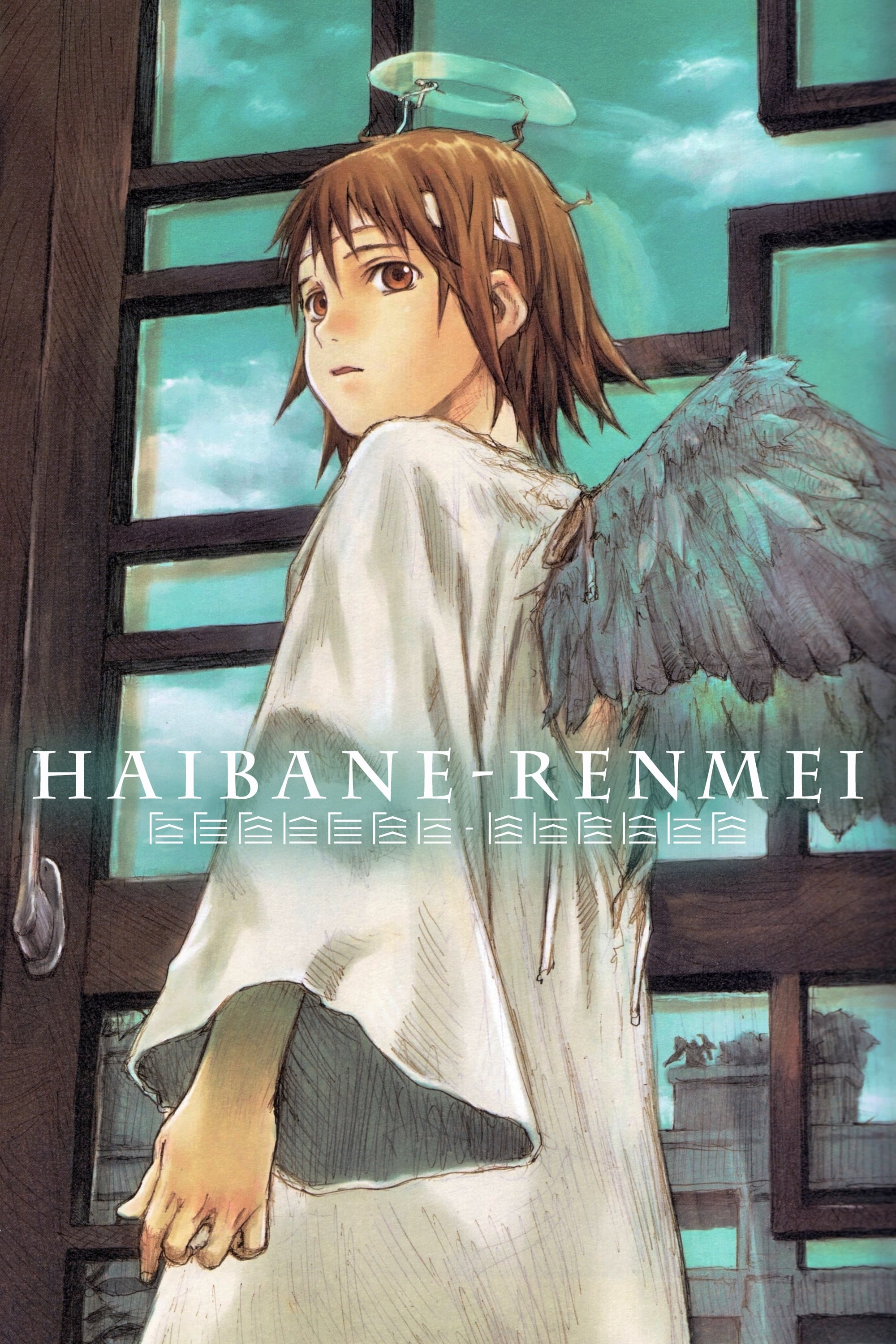
Created by Yoshitoshi ABe and produced by Radix, this original series is set in a walled town where haloed youths awaken with faint memories. Its worldbuilding centers on rules of the town, work assignments, and rites tied to personal growth.
The show uses muted palettes and carefully timed quiet scenes to develop atmosphere. It ran on Fuji TV’s late-night slot and later became a staple of early 2000s auteur-driven anime on home video.
‘Chainsaw Man’ (2022– )
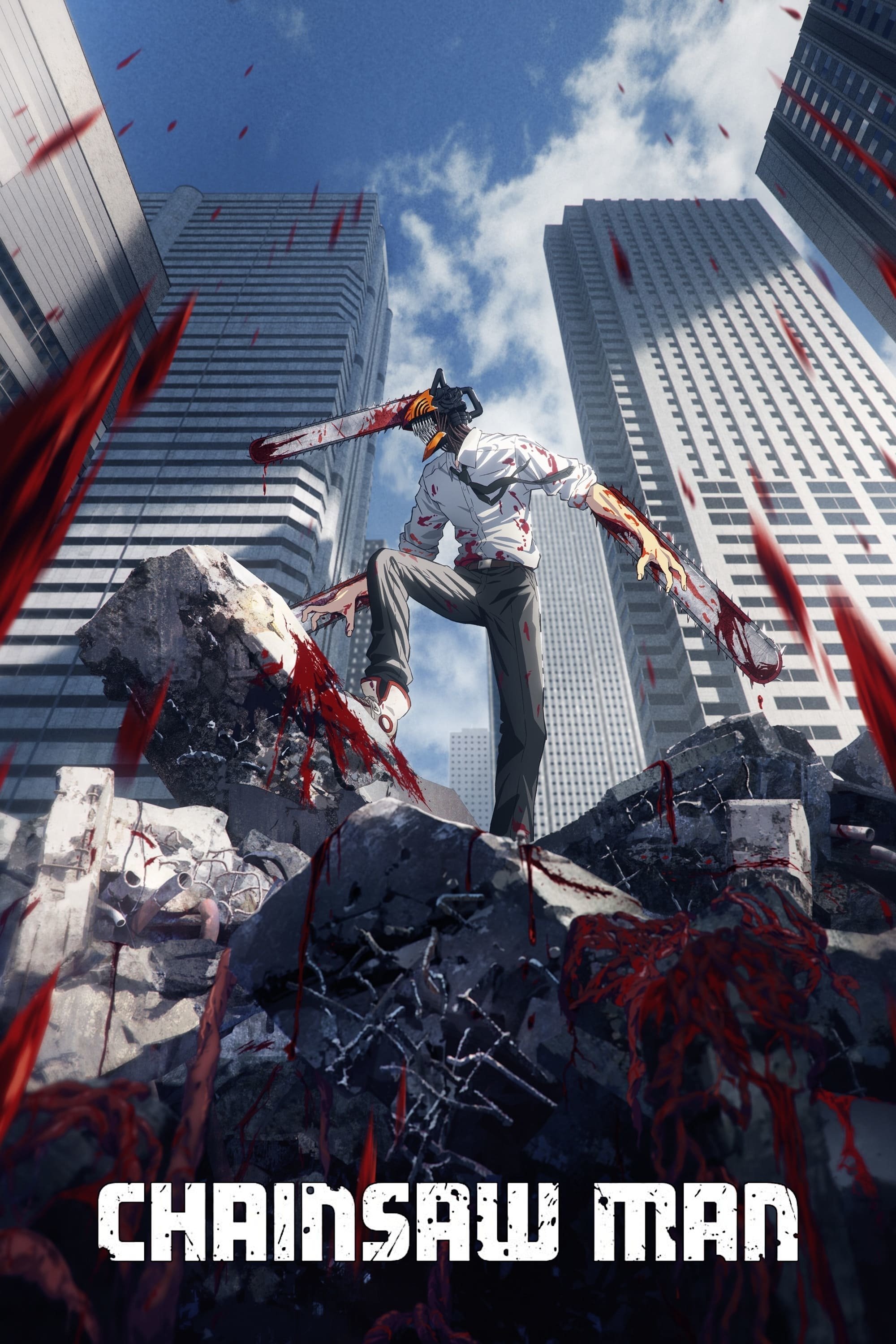
Adapted from Tatsuki Fujimoto’s manga, this series follows a devil-hunting agency operating under a public safety framework. Story arcs cover contracts, devil ecology, and bureaucratic procedures around devil threats.
MAPPA leads production with filmic editing, unique ending songs per episode, and heavy use of real-world location references. The staff includes director Ryū Nakayama and composer Kensuke Ushio.
‘Ranking of Kings’ (2021–2023)
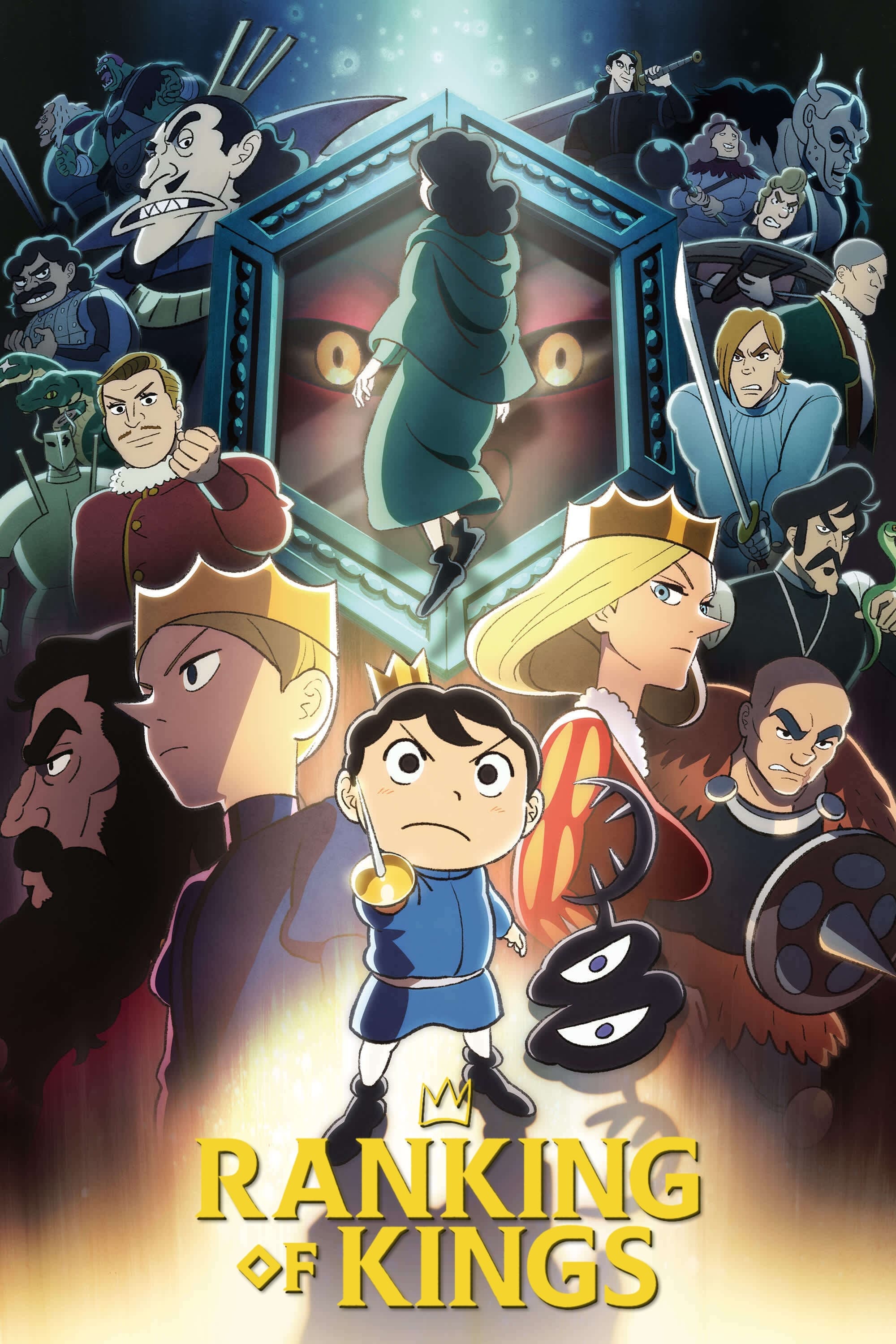
Based on Sōsuke Tōka’s manga, the story tracks a young prince’s path through a kingdom’s succession system and power structures. The series examines royal institutions, knightly orders, and a magical economy of artifacts.
Wit Studio provides a storybook visual style with strong character acting and limited outlines. The soundtrack by Mayuko underscores fairy-tale motifs while maintaining dramatic weight.
‘ODDTAXI’ (2021)
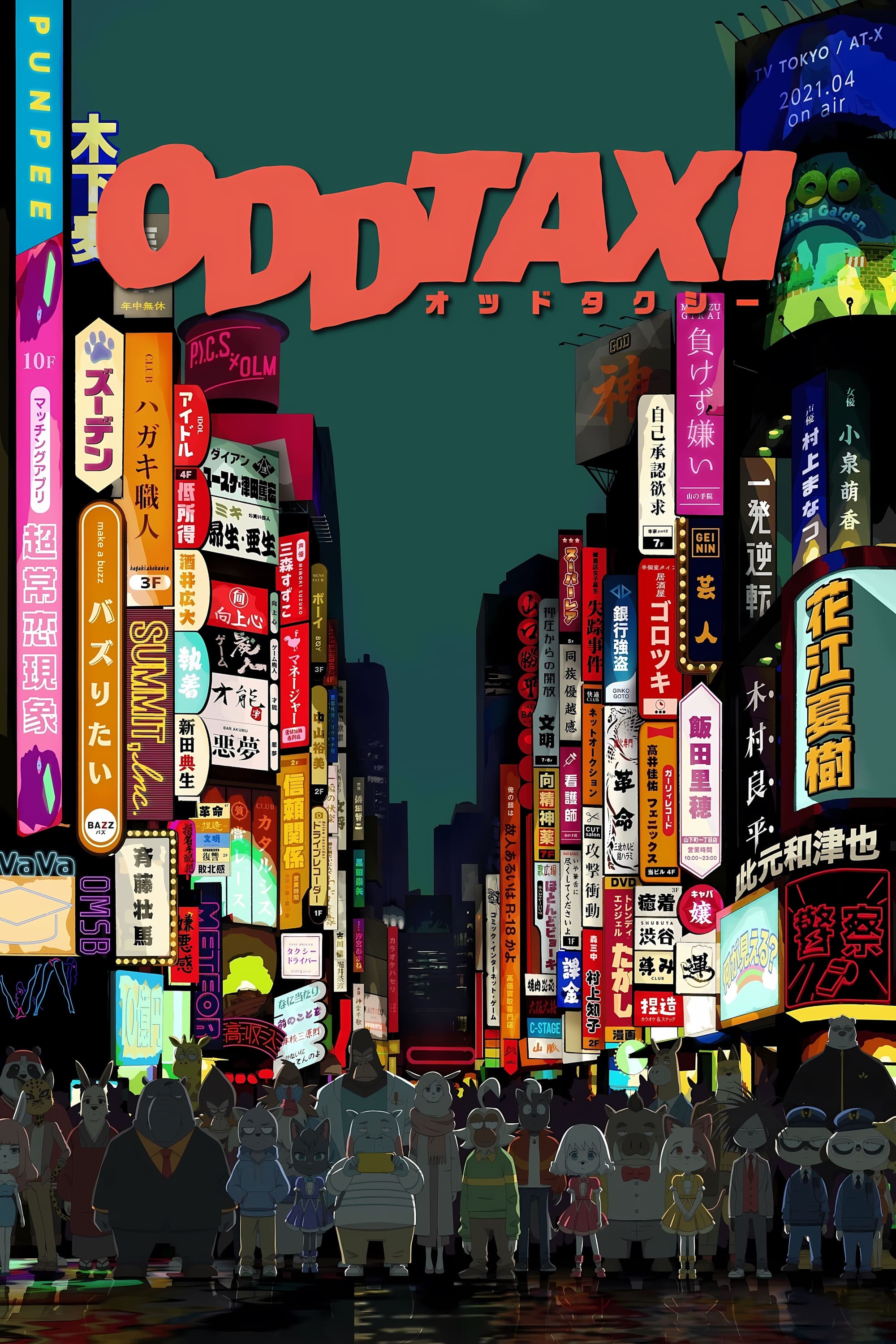
This original series by OLM/P.I.C.S. follows a taxi driver in a city where interlinked passengers reveal a larger crime case. Its plot uses non-linear storytelling, intersecting timelines, and detailed urban geography.
The production leans on minimalistic character designs and precise dialogue timing. The cast features Natsuki Hanae, with vaudeville duo Skirt and PUNPEE contributing theme music.
‘Oshi no Ko’ (2023– )
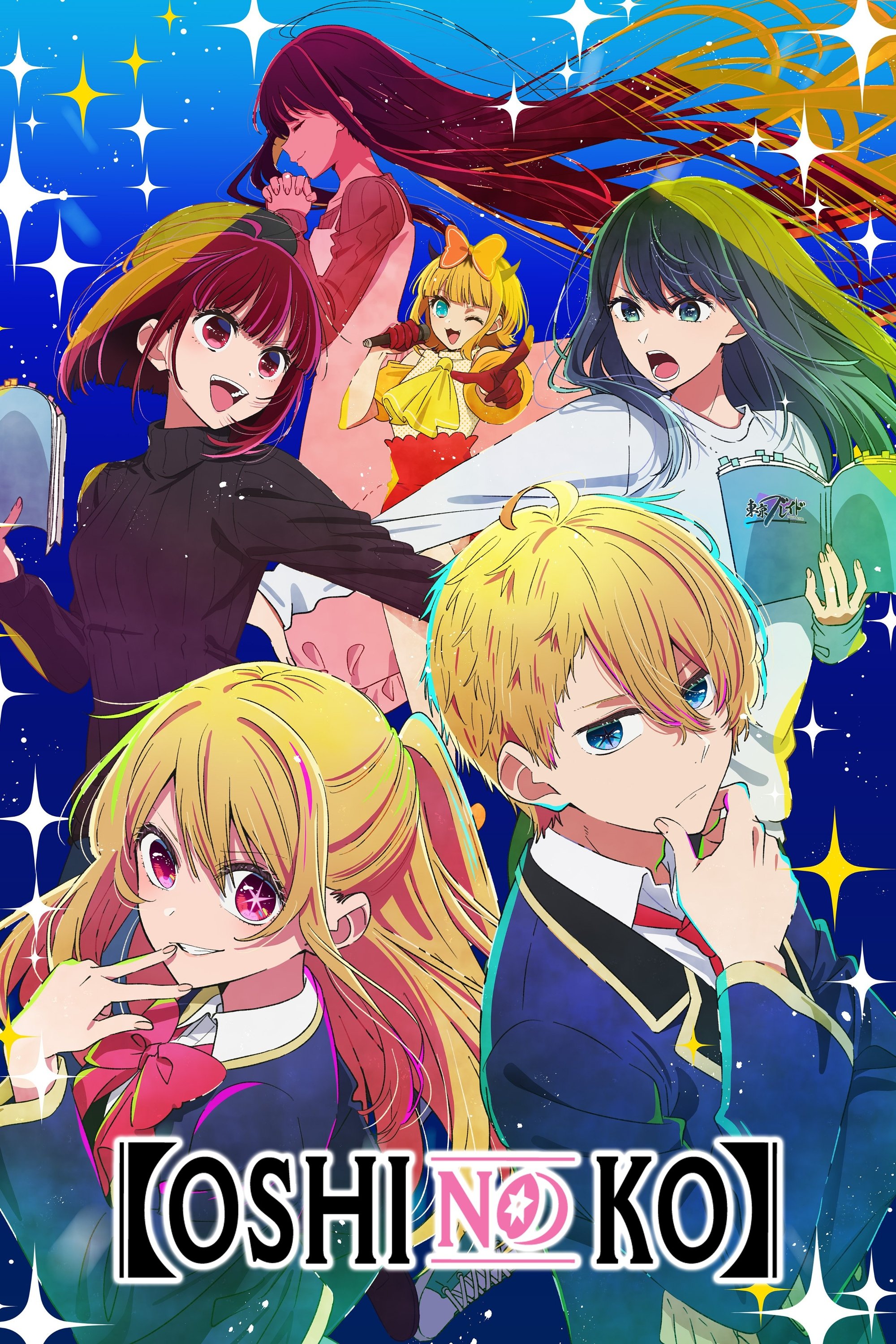
Adapted from Aka Akasaka and Mengo Yokoyari’s manga, the show explores Japan’s idol and entertainment industries, covering trainee systems, talent agencies, and media marketing cycles. It portrays production committees, streaming metrics, and variety-show ecosystems.
Doga Kobo’s production pairs glossy concert sequences with documentary-style depictions of backstage work. YOASOBI’s theme became a major chart hit, reinforcing the series’ cross-media presence.
‘Jujutsu Kaisen’ (2020–2023)
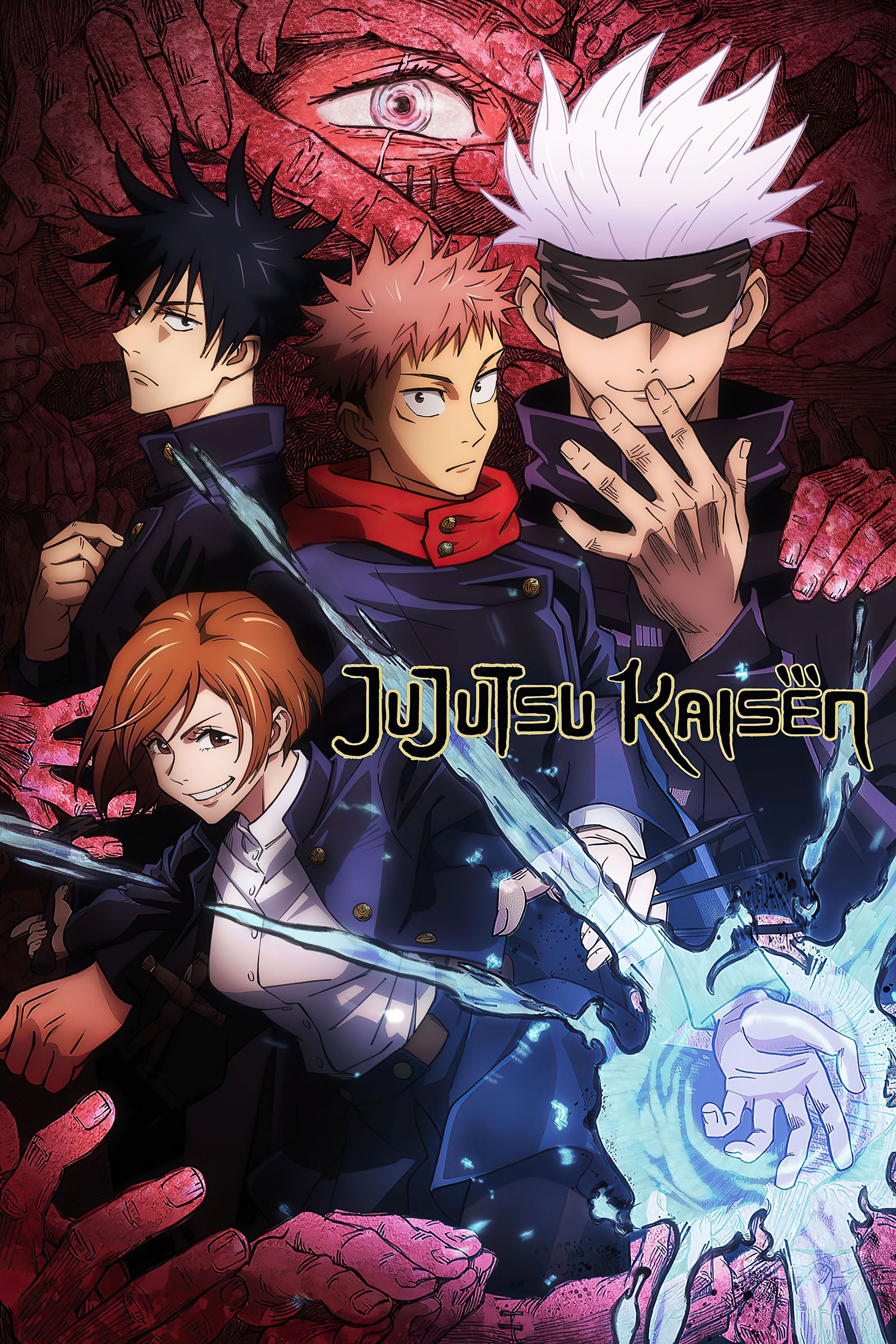
Based on Gege Akutami’s manga, this series centers on a modern sorcery school overseeing cursed object containment and exorcism protocols. It outlines ranks, domains, and mission structures used by jujutsu organizations.
MAPPA animates complex hand-to-hand choreography with on-model consistency at high speed. Key staff include directors Sunghoo Park (season 1) and Shōta Goshozono (later), with music by Hiroaki Tsutsumi, Yoshimasa Terui, and Alisa Okehazama.
‘Bleach’ (2004– )
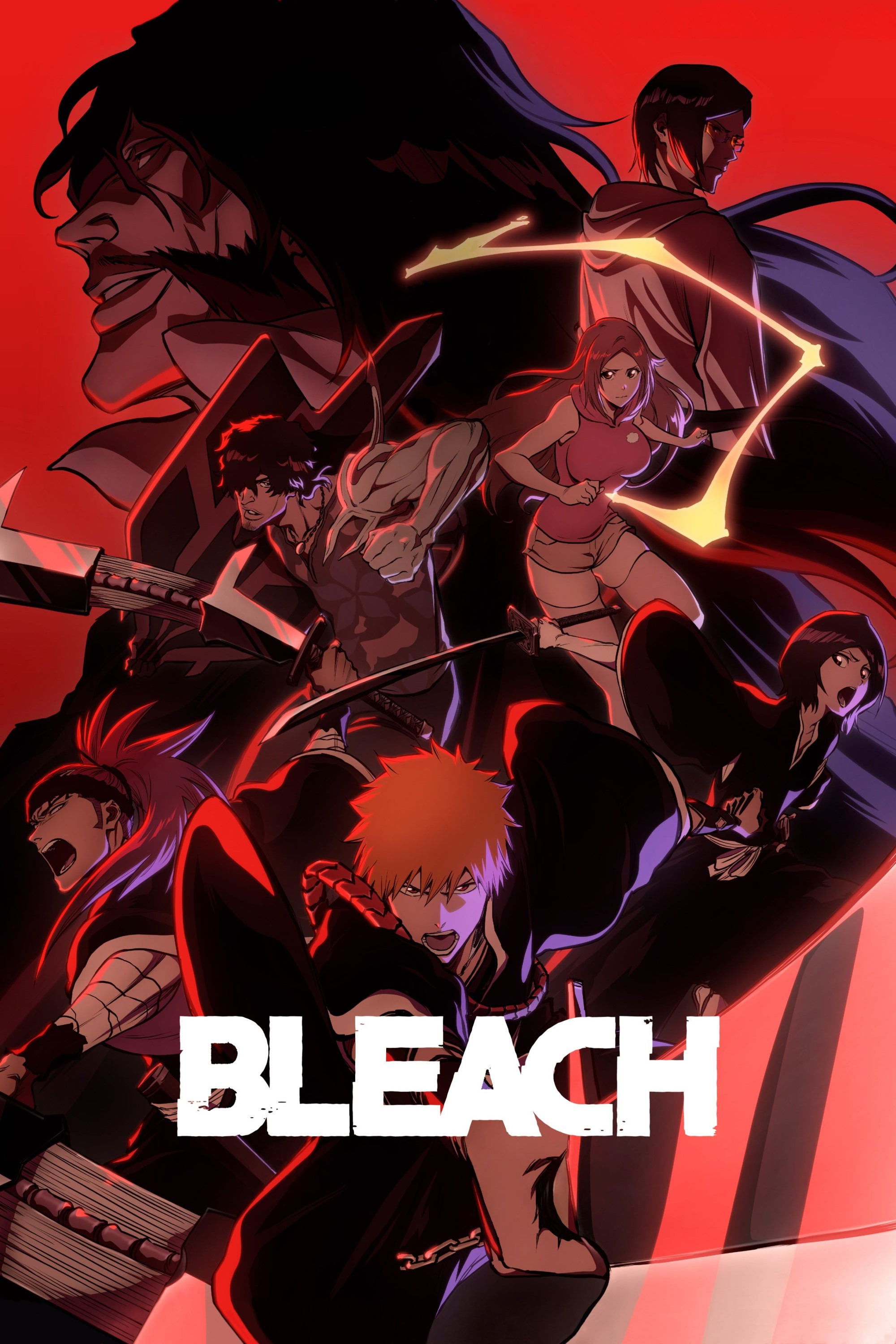
This popular anime adapts Tite Kubo’s celebrated manga, with the currently ongoing seasons adapting its final saga, focusing on the Quincy conflict and Soul Society’s command structure. It introduces new divisions, technologies, and warfare tactics tied to spiritual abilities.
Studio Pierrot upgrades the original’s look with HDR-friendly color design, dynamic compositing, and revised character sheets. The broadcast used split cours, and the score by Shirō Sagisu reprises signature motifs.
‘Naruto Shippūden’ (2007–2017)

Adapted from Masashi Kishimoto’s manga, this sequel series follows shinobi villages through international alliances, clan histories, and large-scale conflicts. It expands on ninjutsu classifications, mission ranks, and examination systems.
Studio Pierrot’s long-running production cycles mix in-house and outsourced episodes, with notable showcase chapters directed by animators such as Hiroyuki Yamashita. The franchise supported a wide range of games and tie-ins during its run.
‘Dragon Ball Z’ (1989–1996)

From Akira Toriyama’s manga, this series popularized long-form power-scaling arcs and interplanetary travel within shōnen battle structure. It formalizes ki concepts, fusion methods, and transformation stages.
Animated by Toei Animation with director Daisuke Nishio leading early arcs, it used weekly broadcast pacing common to the era. International releases established standardized dubbing practices for action anime on television.
‘Bakemonogatari’ (2009)
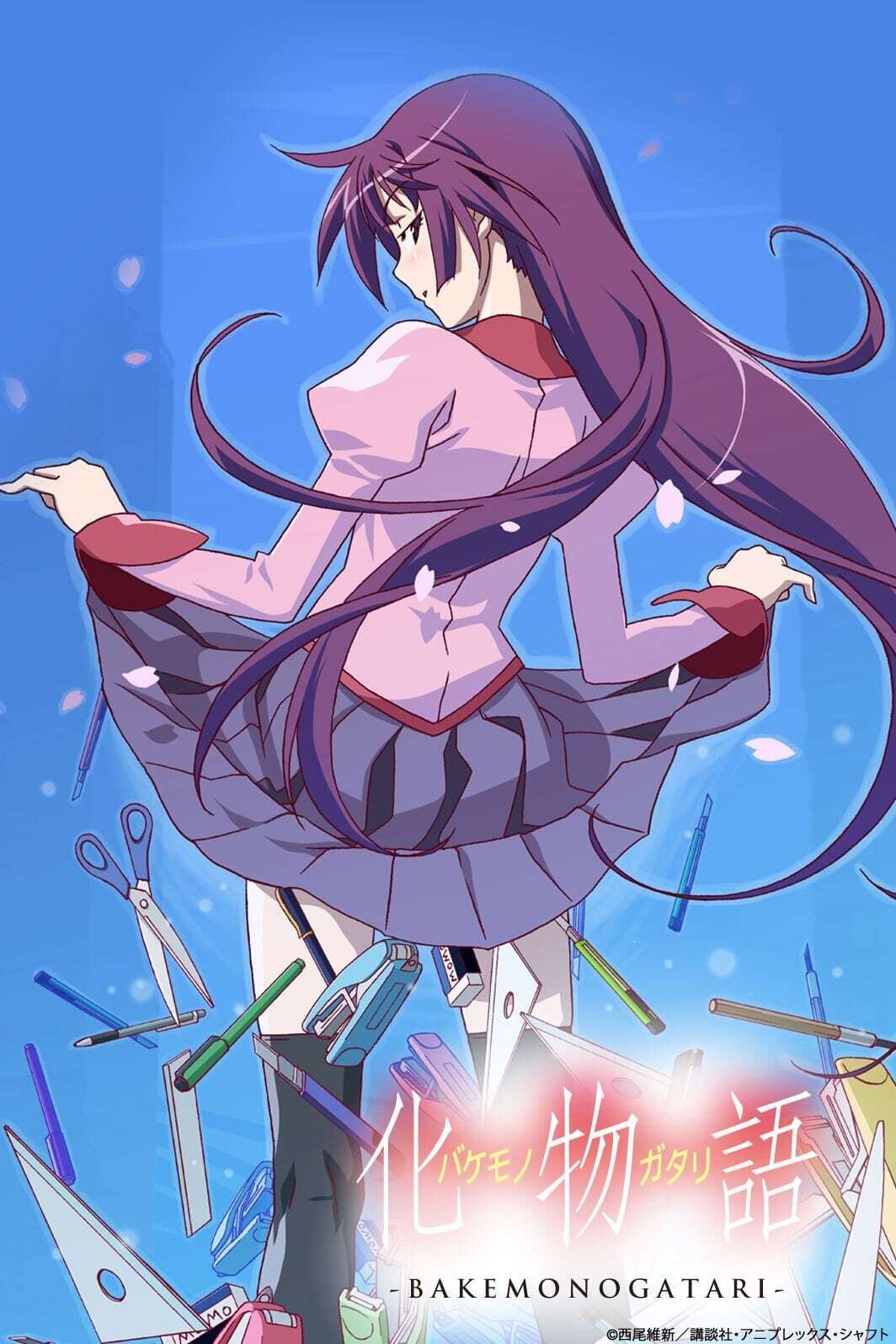
Shaft’s adaptation of Nisio Isin’s novels introduces oddity cases resolved through dialogue-driven investigation. Each arc focuses on one character’s supernatural affliction with timelines marked by school terms and holidays.
Akiyuki Shinbō’s direction employs typography on screen, rapid cuts, and color-coded visual motifs. Satoru Kōsaki’s music and distinctive ending sequences became signatures for the franchise.
‘Clannad: After Story’ (2008–2009)
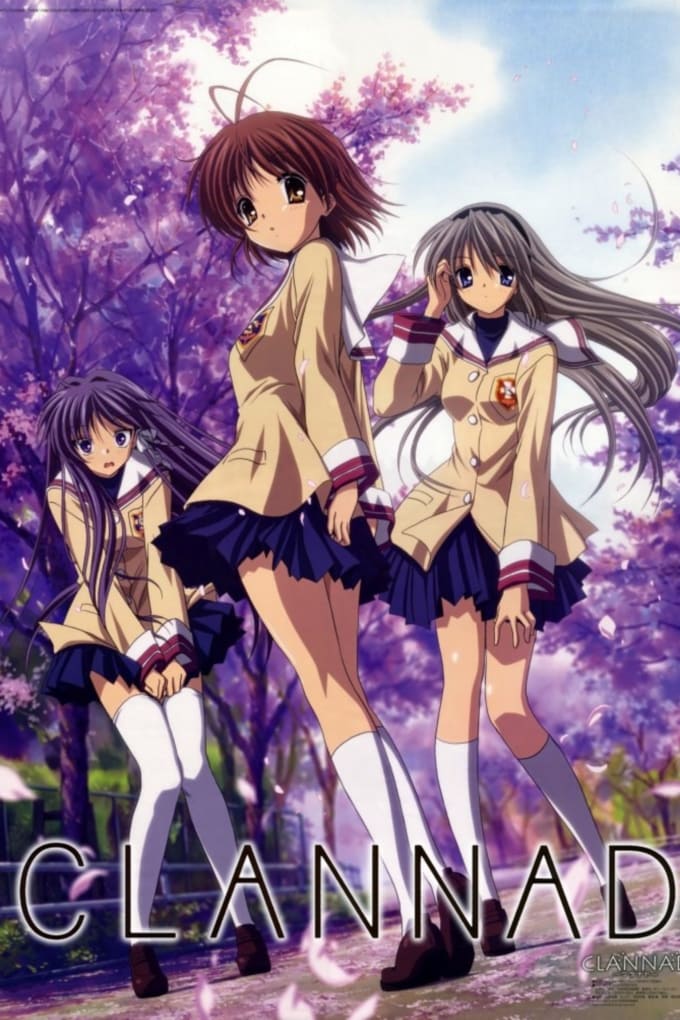
Adapted from Key’s visual novel, this sequel continues a family-centered narrative through work life, community ties, and intergenerational themes. It depicts local festivals, town redevelopment, and school-to-career transitions.
Kyoto Animation handles nuanced character acting and lighting, emphasizing seasonal shifts. The production team includes director Tatsuya Ishihara and composer Jun Maeda’s contributions to the soundtrack.
‘Nichijou: My Ordinary Life’ (2011)
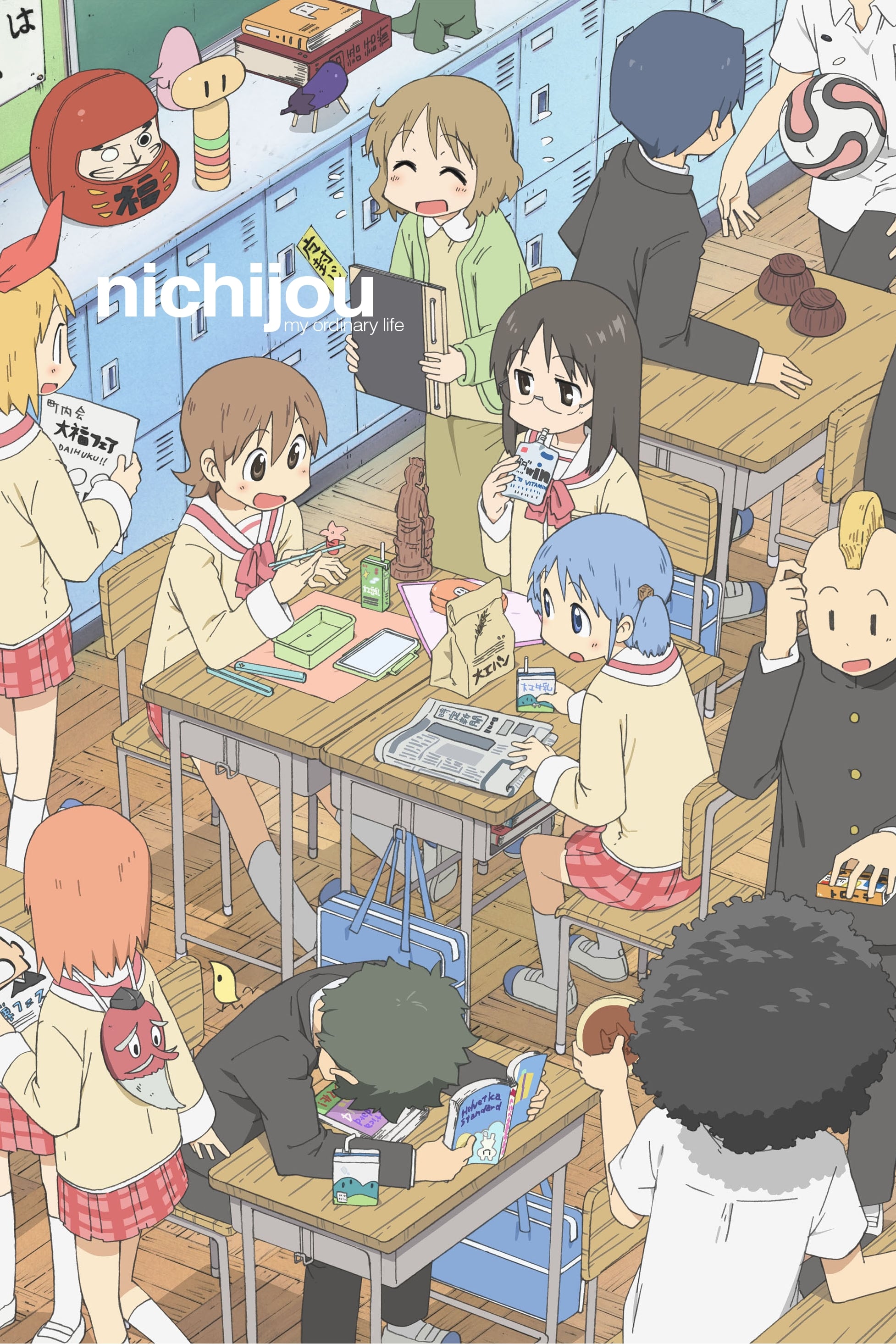
Based on Keiichi Arawi’s manga, this slice-of-life series uses standalone skits centered on high-school routines, a child genius, and a household robot. Its structure supports rapid-fire vignettes and recurring visual gags.
Kyoto Animation’s timing and background layout elevate mundane settings into elaborate set-pieces. The show ran on TV Aichi and became a catalog favorite through home releases and clips circulation.
‘Toradora!’ (2008–2009)
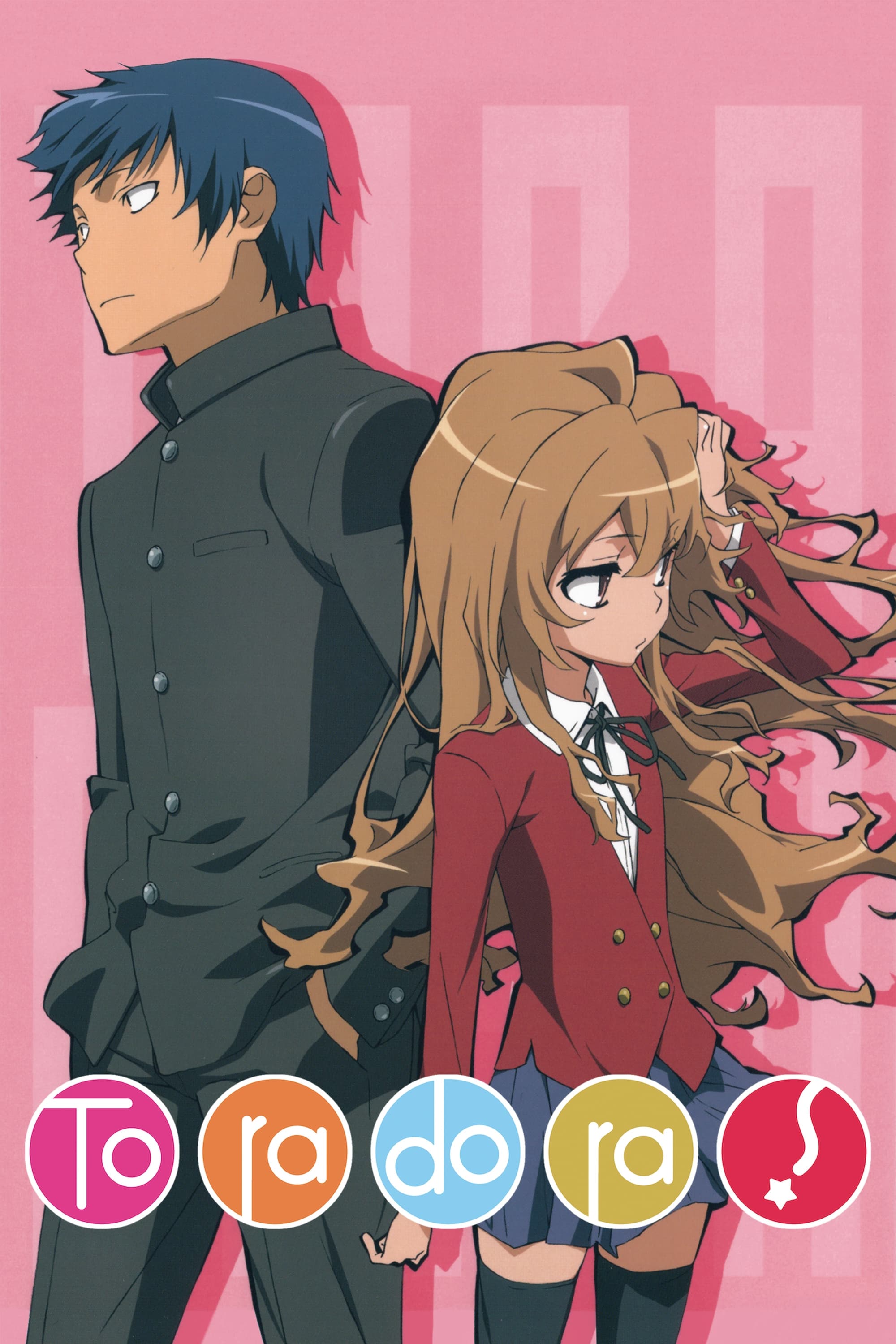
Adapted from Yuyuko Takemiya’s light novels, this school drama follows student council activities, class events, and family arrangements shaping daily schedules. It uses a semester-based timeline to map relationship developments.
J.C.STAFF animates with expressive close-ups and consistent character models. The production features direction by Tatsuyuki Nagai and music by Yukari Hashimoto, with multiple ending animations across the cour.
‘Barakamon’ (2014)
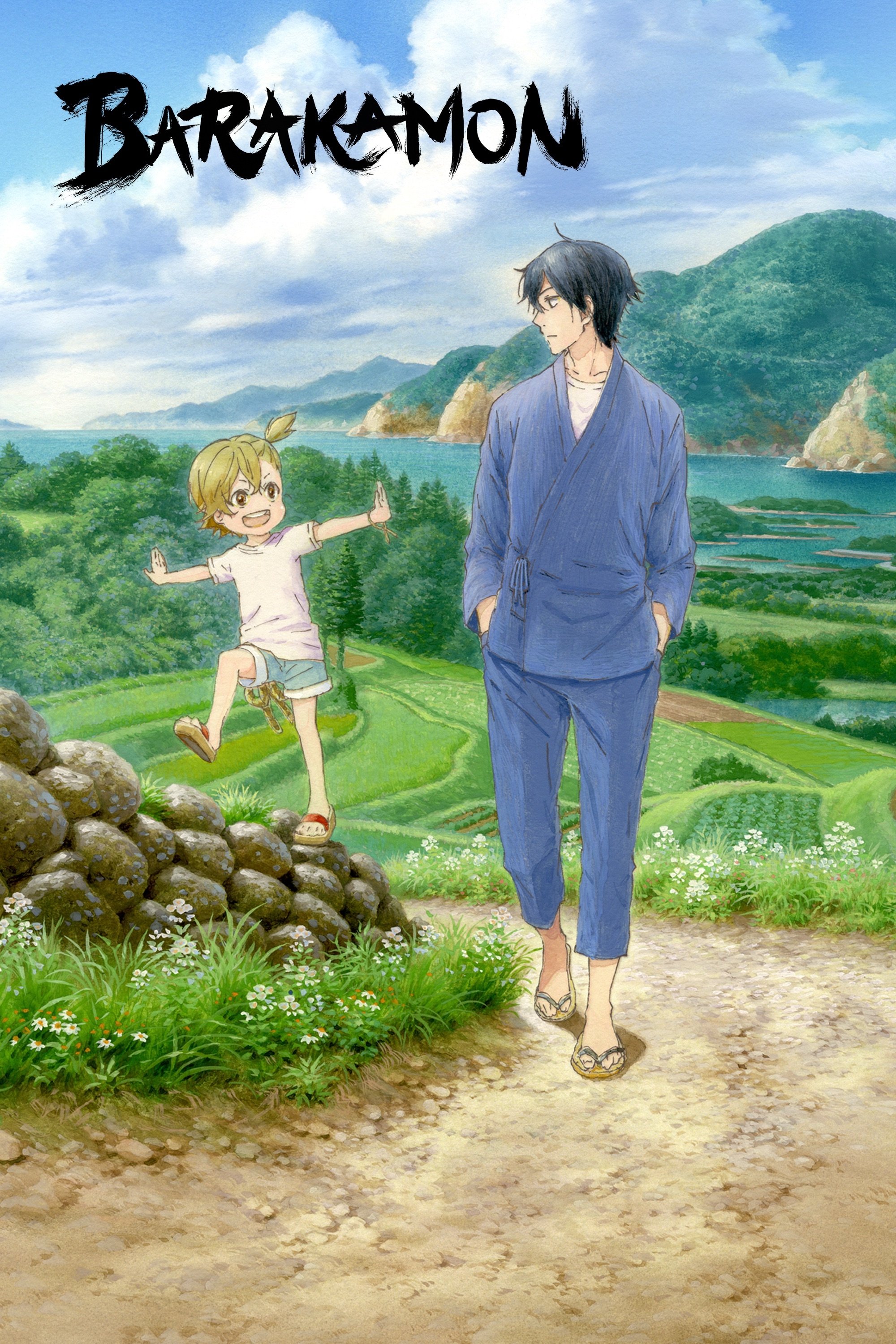
From Satsuki Yoshino’s manga, the series moves a professional calligrapher to a remote island community, detailing rural schools, fishing cooperatives, and local traditions. Each episode explores practical aspects of calligraphy and island life.
Kinema Citrus blends documentary-like observation with soft backgrounds. The cast uses regional dialects to reflect the setting’s location in the Goto Islands.
‘Dororo’ (2019)
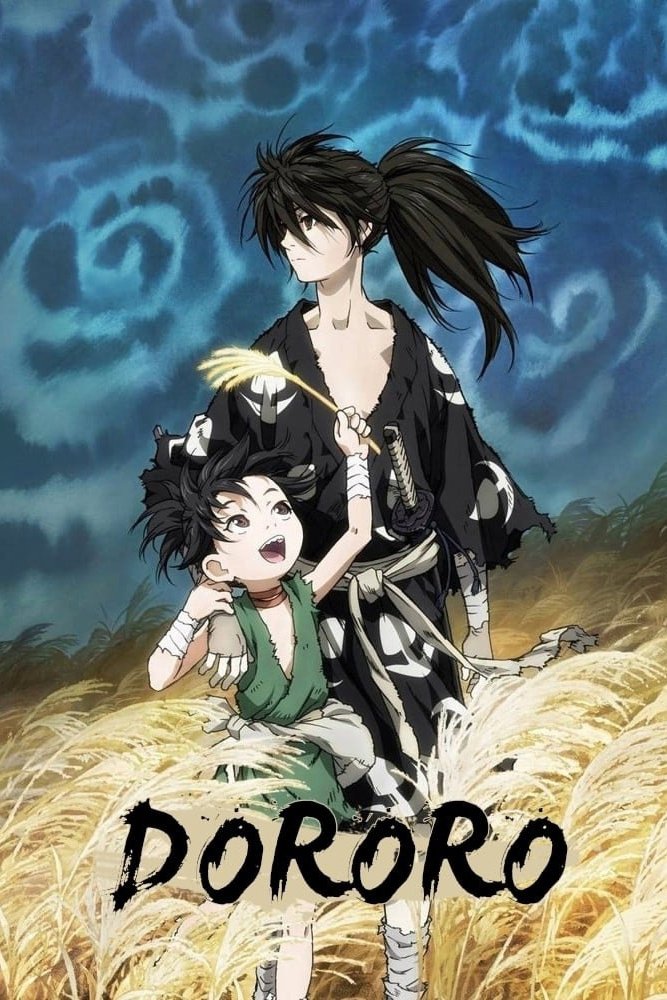
This adaptation of Osamu Tezuka’s classic reimagines a Sengoku-era journey involving feudal domains and yōkai folklore. The narrative tracks provincial politics, road travel, and swordsmithing practices.
MAPPA and Tezuka Productions co-produce, combining grainy textures with modern compositing. The music by Yoshihiro Ike supports era-appropriate instrumentation and percussive themes.
‘Ping Pong the Animation’ (2014)
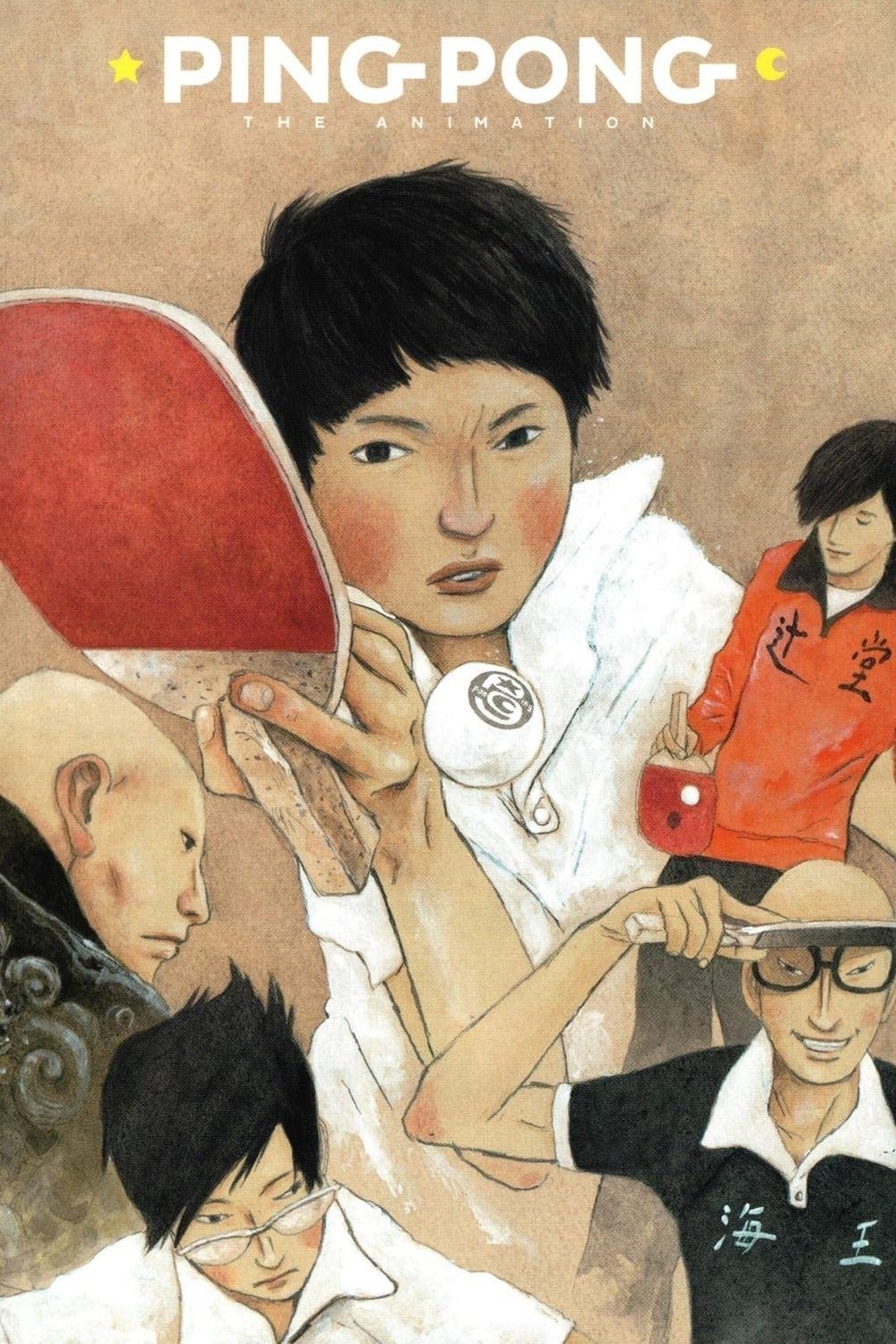
Adapted from Taiyō Matsumoto’s manga, this sports series examines training regimens, coaching philosophies, and tournament structures. It depicts regional qualifiers, national brackets, and club dynamics.
Tatsunoko Production employs Matsumoto’s sketch-like character designs and dynamic, limited animation to emphasize motion and psychology. Masaaki Yuasa directs with stark storyboarding and bold line work.
‘The Tatami Galaxy’ (2010)
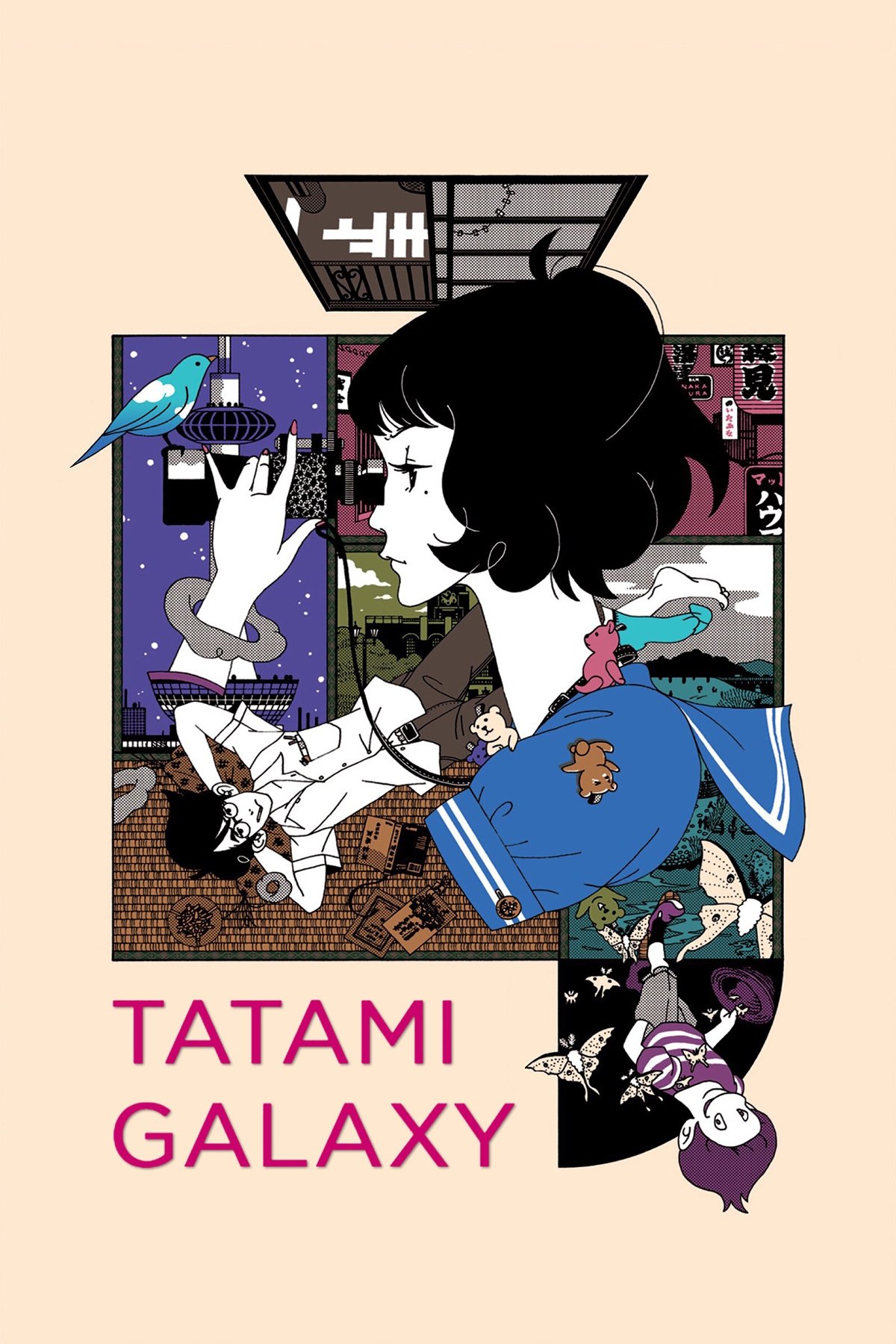
Based on Tomihiko Morimi’s novel, the show explores parallel university club choices and the ripple effects on campus life. It references Kyoto landmarks, student housing, and festivals.
Madhouse and director Masaaki Yuasa employ rapid dialogue and stylized montages. Michiru Ōshima’s score and Asian Kung-Fu Generation’s opening give it a recognizable audiovisual identity.
‘Natsume’s Book of Friends’ (2008–2017)
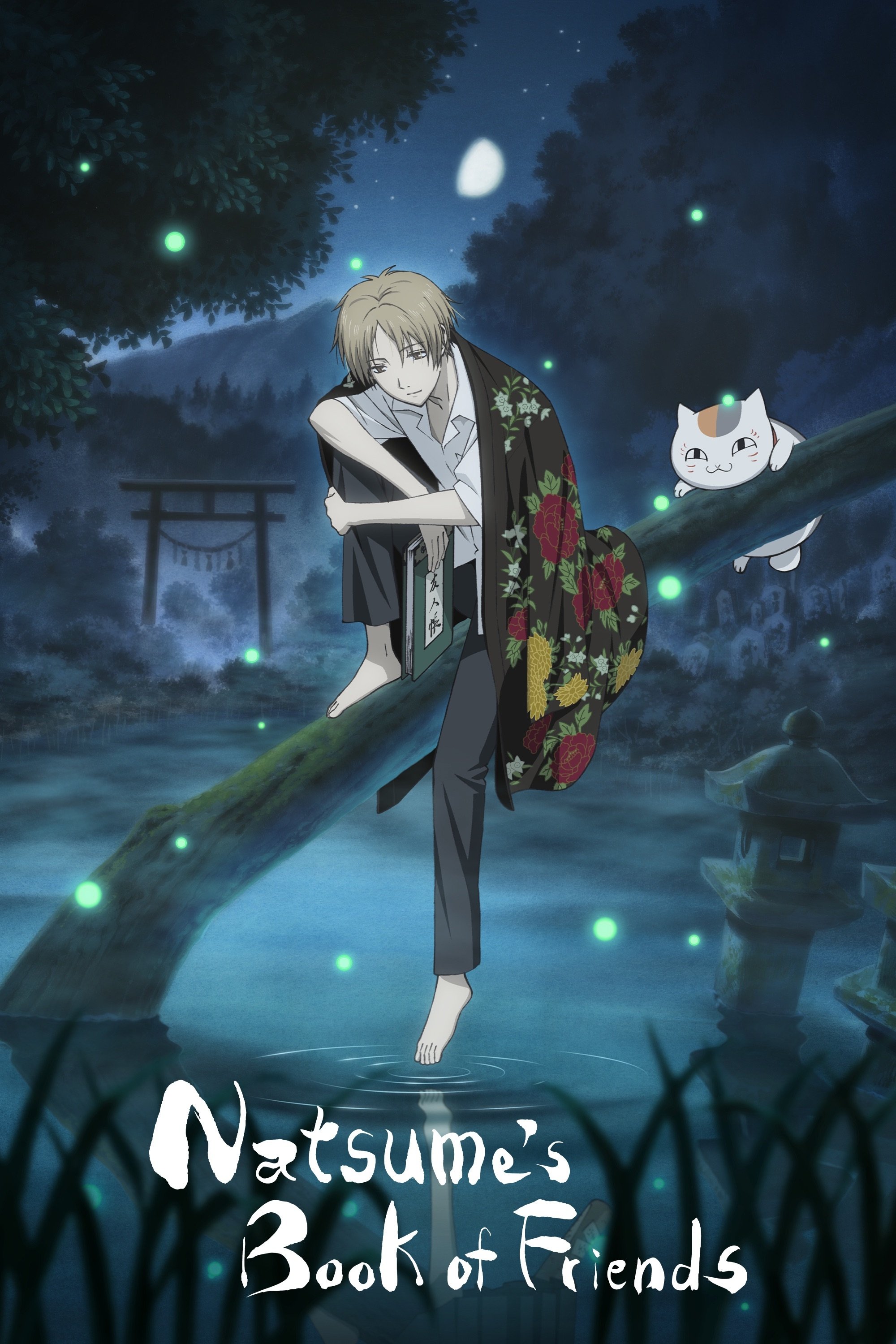
Adapted from Yuki Midorikawa’s manga, the series follows a teen managing a ledger of yokai contracts inherited from a relative. It covers shrine etiquette, exorcist agencies, and rural community practices.
Studios Brain’s Base and Shuka share seasons, maintaining a watercolor-inspired look. The episodic structure supports self-contained folklore cases alongside recurring exorcist characters.
‘Kaiji’ (2007–2011)
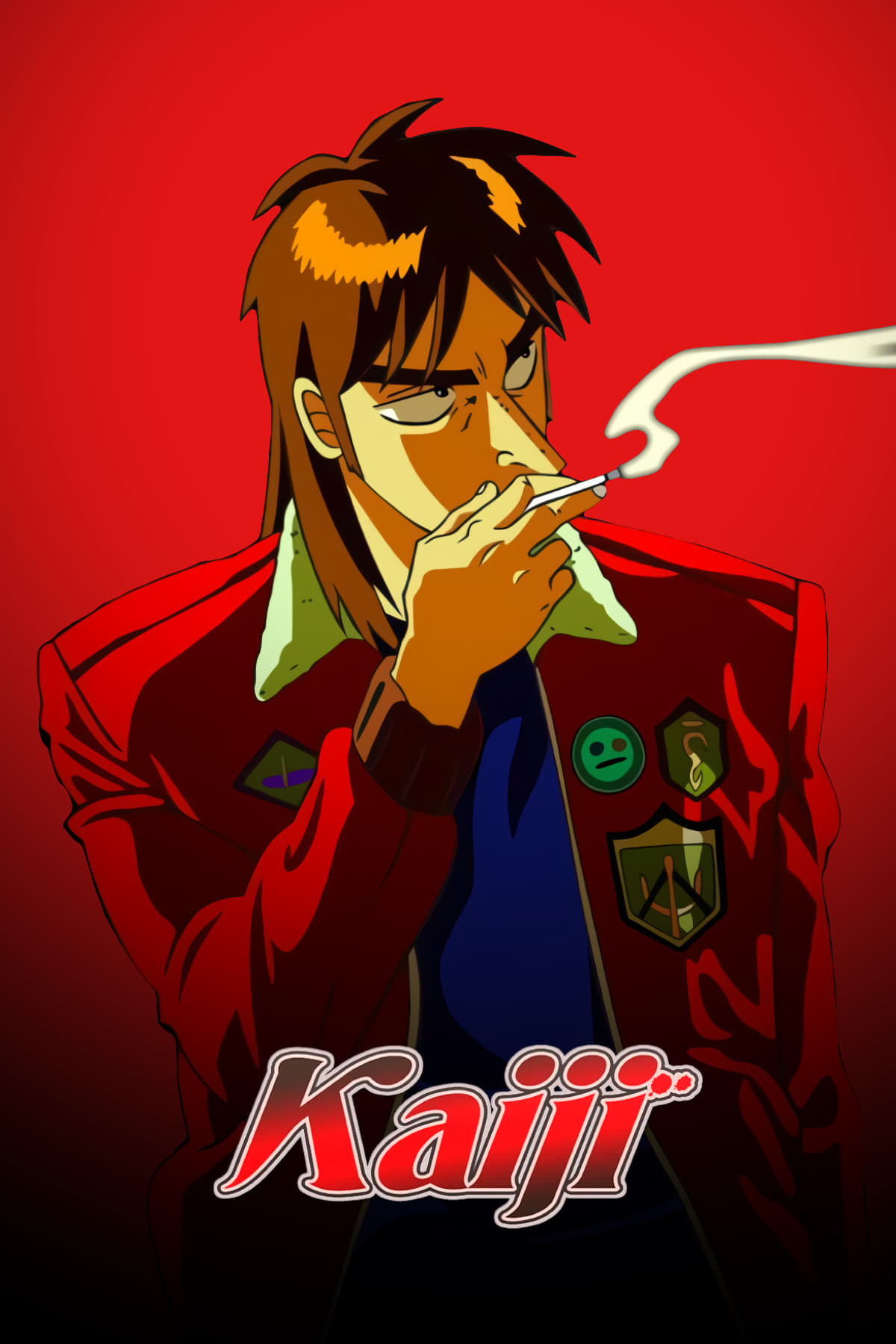
Based on Nobuyuki Fukumoto’s manga, this series focuses on underground gambling events organized by corporate syndicates. It details game rulesets, collateral systems, and debt enforcement.
Madhouse’s adaptation uses sharp angular designs and omniscient narration to explain probabilities and tactics. The soundtrack heightens tension during rule explanations and decision points.
‘Planetes’ (2003–2004)
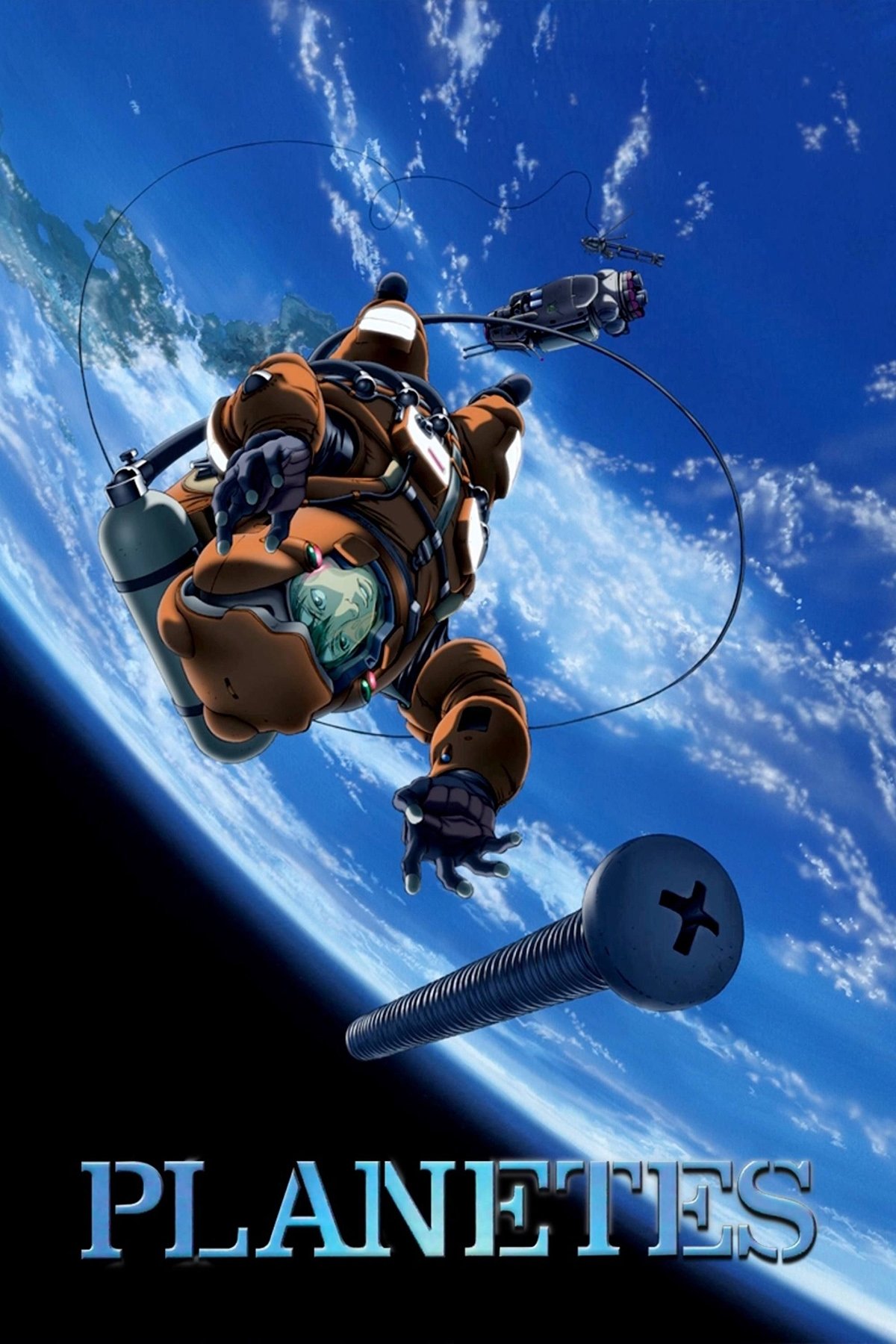
From Makoto Yukimura’s manga, the show follows a debris collection unit in near-future orbit, covering EVA protocols, corporate policies, and international space law. It features realistic orbital mechanics and workplace procedures.
Sunrise balances slice-of-life shifts with hard-sci-fi accuracy. The production references actual aerospace terminology and draws on real mission profiles for plausibility.
‘Parasyte -the maxim-‘ (2014–2015)
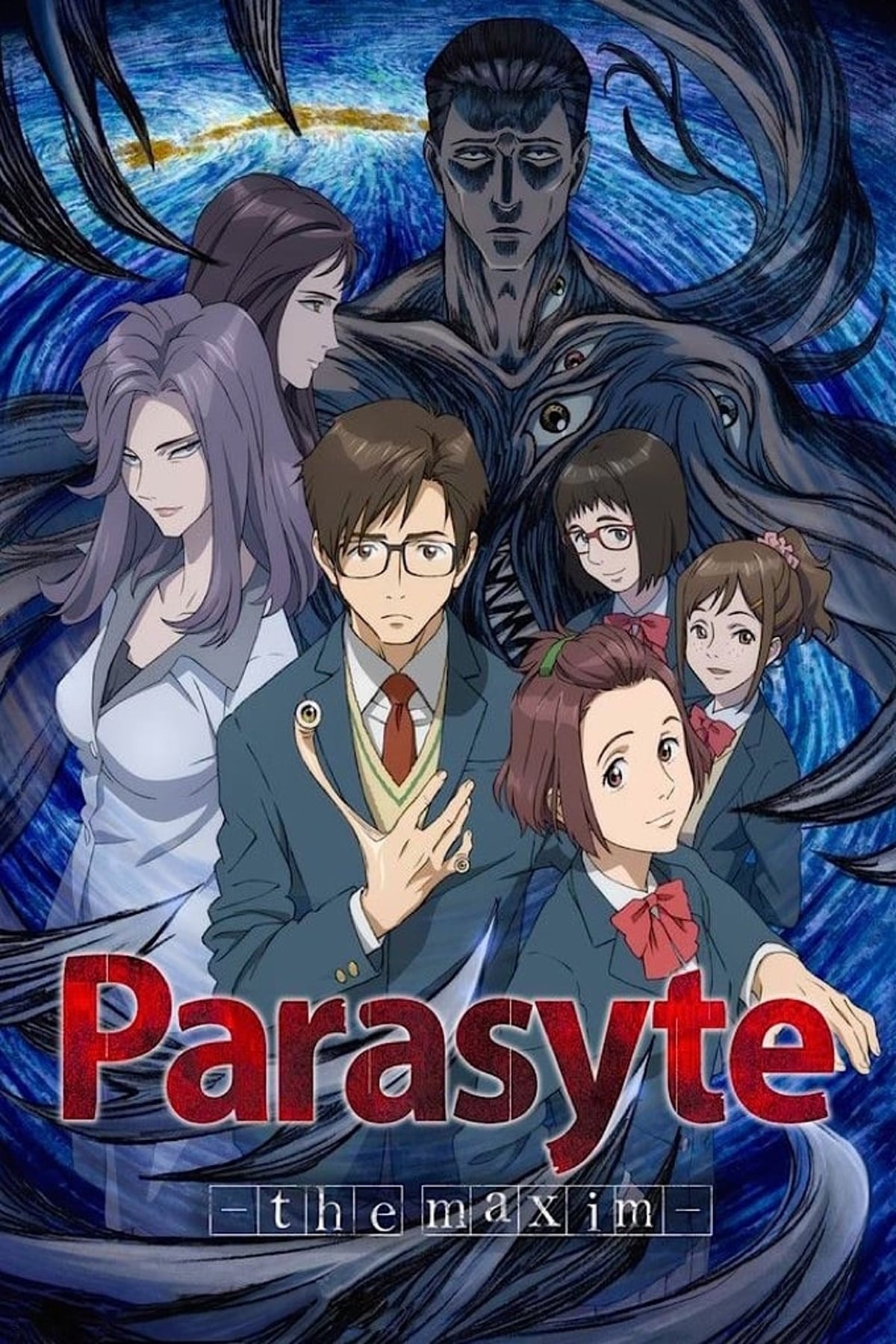
Adapted from Hitoshi Iwaaki’s manga, the series chronicles an alien parasite outbreak and governmental responses. It outlines investigative units, forensic methods, and media coverage patterns.
Madhouse updates the 1990s manga setting with smartphones and modern surveillance. Ken Arai’s score and a hybrid digital pipeline define the show’s modern feel.
‘Trigun’ (1998)
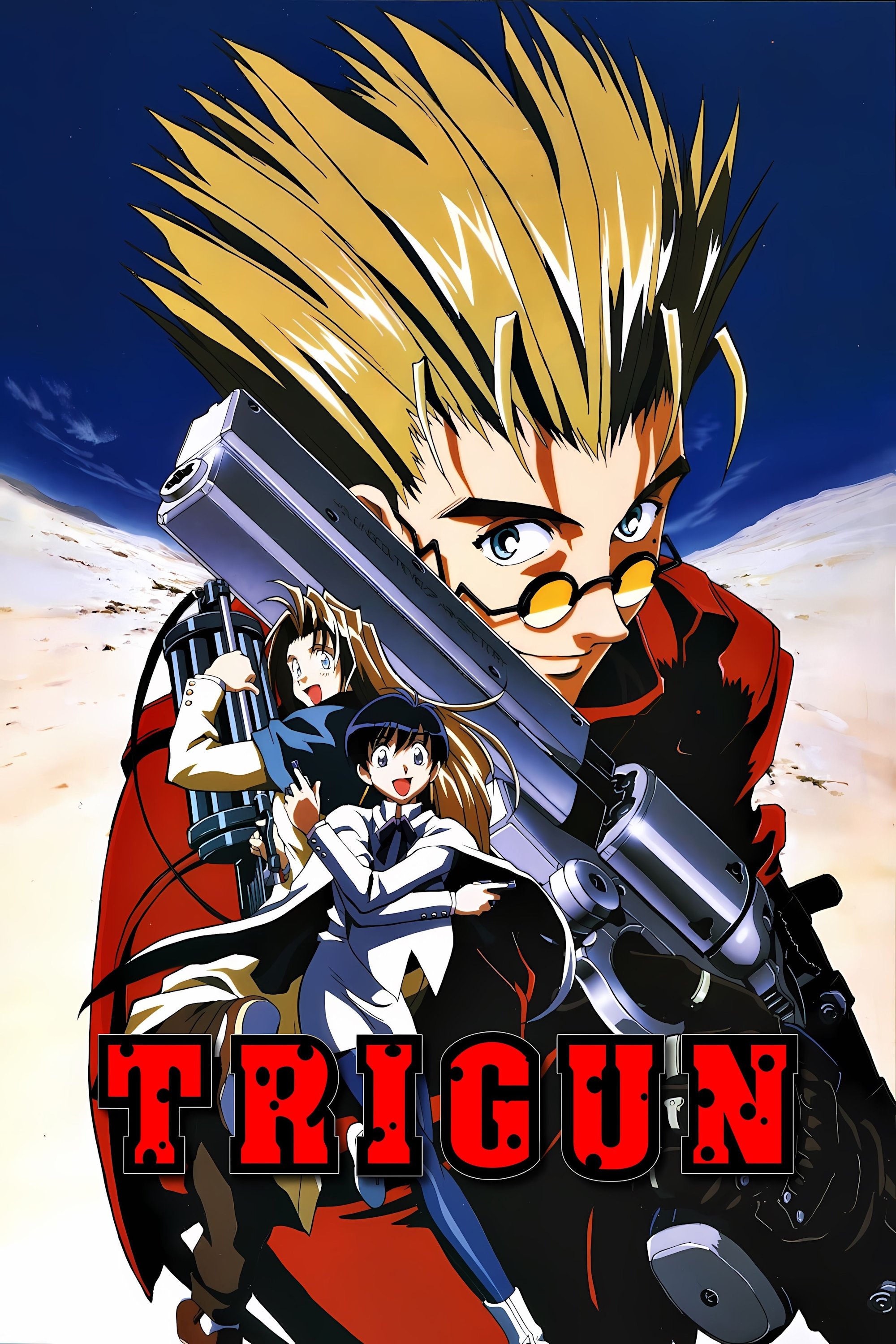
From Yasuhiro Nightow’s manga, the series takes place on a desert planet with towns reliant on plants (energy reactors) and trade routes. Episodes examine bounty systems, settlement security, and travel logistics.
Madhouse provides late-90s action staging, with character designs by Takahiro Yoshimatsu. The soundtrack by Tsuneo Imahori blends western and rock motifs.
‘Baccano!’ (2007)
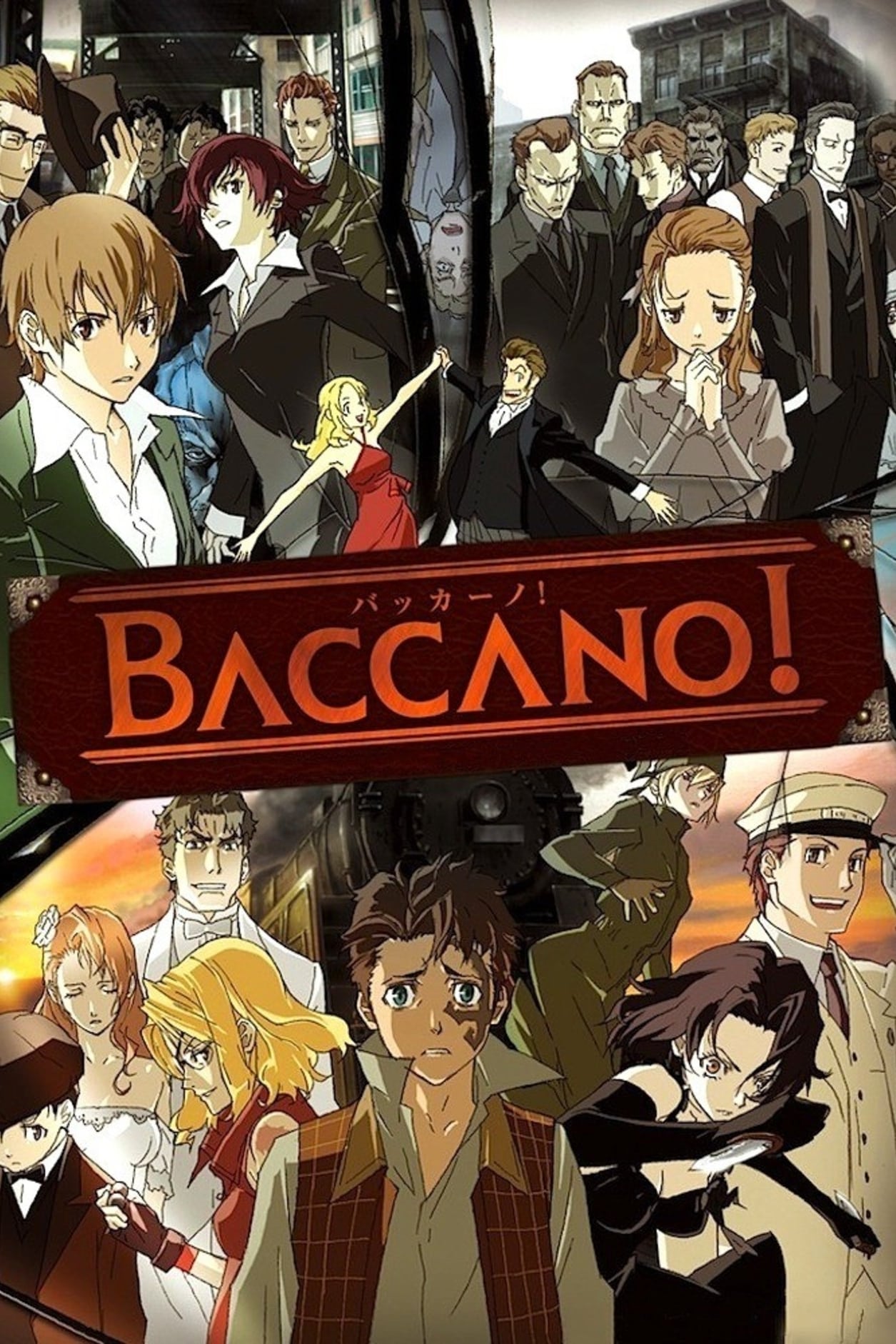
Adapted from Ryohgo Narita’s light novels, this non-linear crime caper covers Prohibition-era gangs, alchemists, and cross-country rail travel. It interweaves separate incidents aboard the transcontinental train and in New York.
Brains Base emphasizes jazz-inflected music and period costuming. Its short episode count concentrates tightly plotted arcs with recurring ensemble characters.
‘Erased’ (2016)
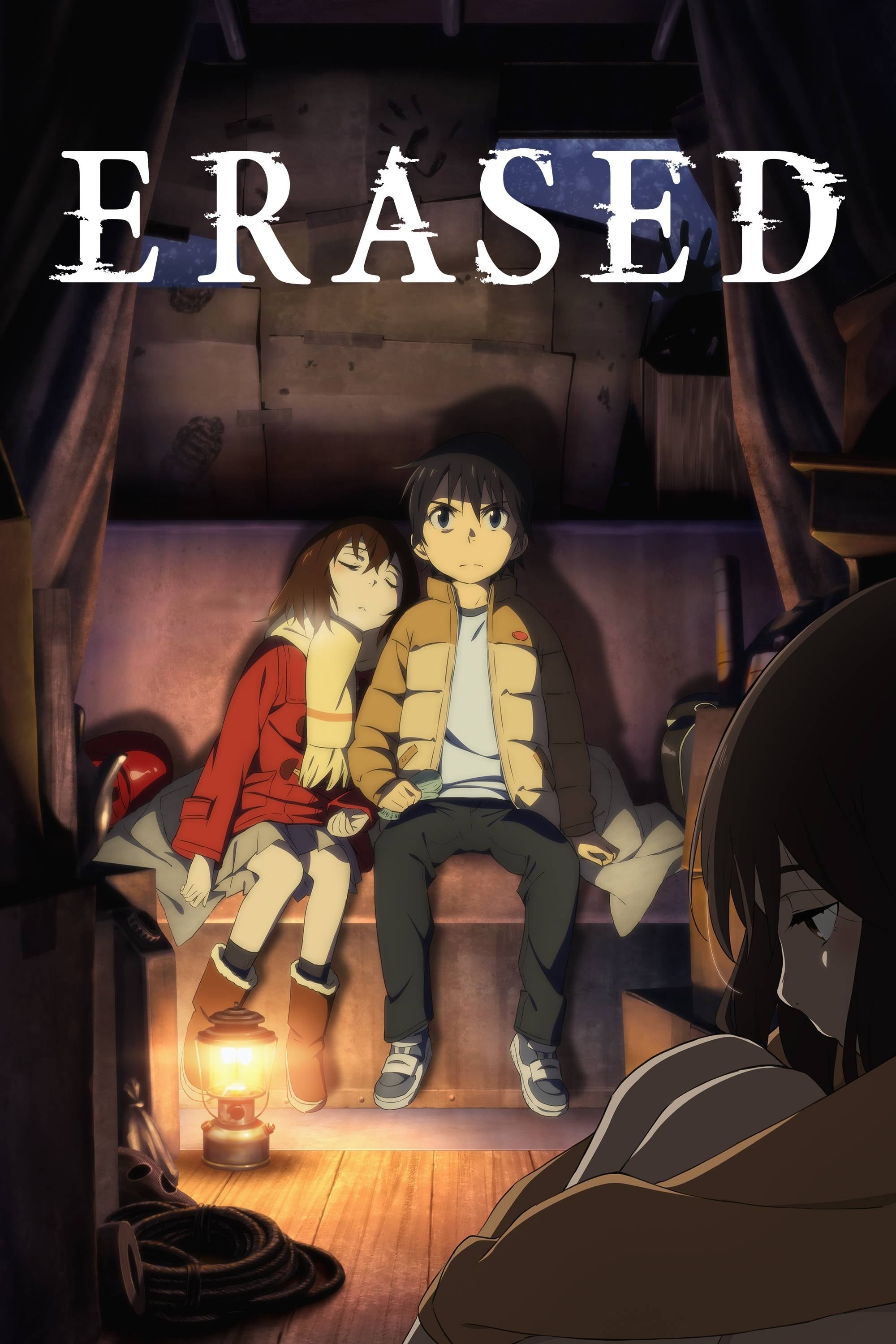
Based on Kei Sanbe’s manga, this thriller ties a time-slip mechanism to a serial case investigation. It portrays police procedures, school life in regional Japan, and media reaction to missing-person incidents.
A-1 Pictures uses cool palette choices and film grain to indicate time shifts. Direction by Tomohiko Itō keeps the mystery’s timeline clear through visual markers.
‘March Comes in Like a Lion’ (2016–2018)
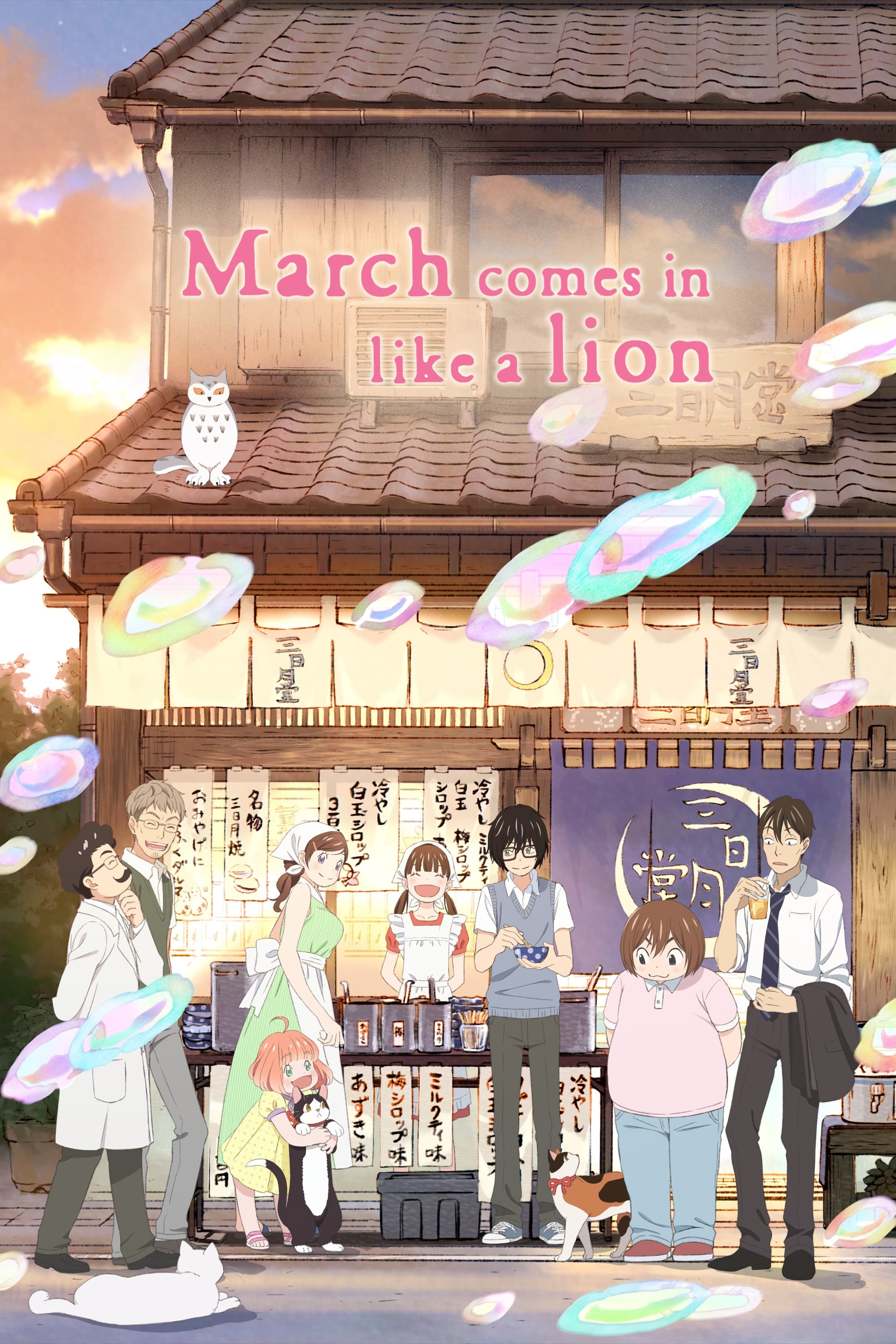
Adapted from Chica Umino’s manga, this series follows a professional shogi player navigating ranking classes, tournaments, and mentorships. It explains ranking promotions, title matches, and the culture around shogi salons.
Shaft blends watercolor interludes with detailed cityscapes of Tokyo neighborhoods. The show features music by Kensuke Ushio and theme songs from multiple artists across cours.
‘Your Lie in April’ (2014–2015)
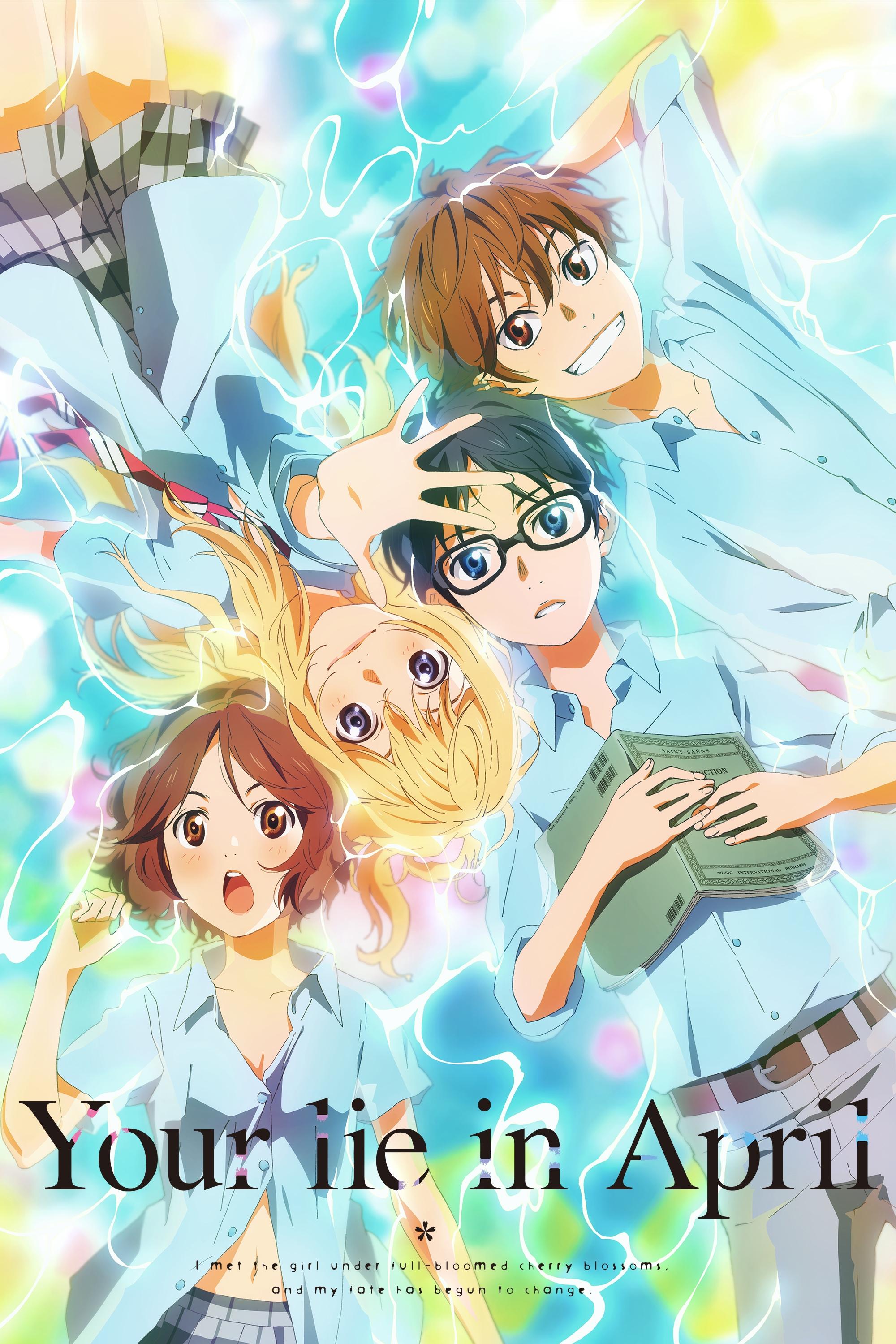
From Naoshi Arakawa’s manga, this series focuses on piano competitions, practice routines, and performance juries. It depicts rehearsal spaces, music schools, and the logistics of concerts.
A-1 Pictures animates detailed instrument play with rotoscoped reference. Sound direction prioritizes realistic acoustics, and classical repertoire informs episode structure.
‘Fate/Zero’ (2011–2012)
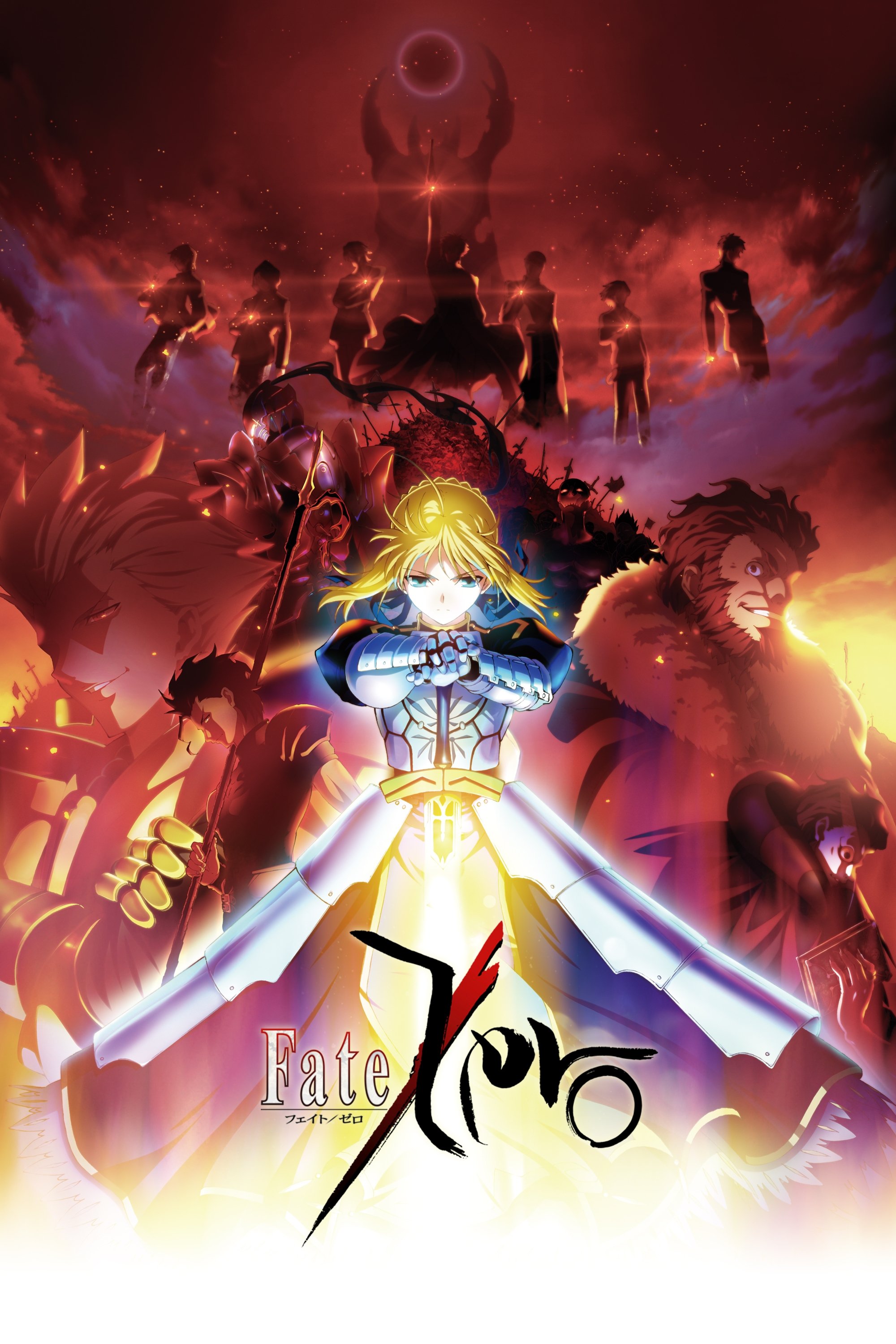
Adapted from Gen Urobuchi’s prequel novels set in Type-Moon’s universe, the series covers a mage war governed by formal contracts and neutral adjudicators. It breaks down servant classes, catalyst acquisition, and summoning systems.
ufotable’s digital compositing, night lighting, and particle effects became a studio hallmark. The production uses coherent geography of Fuyuki City to stage tactical encounters.
‘Black Lagoon’ (2006)
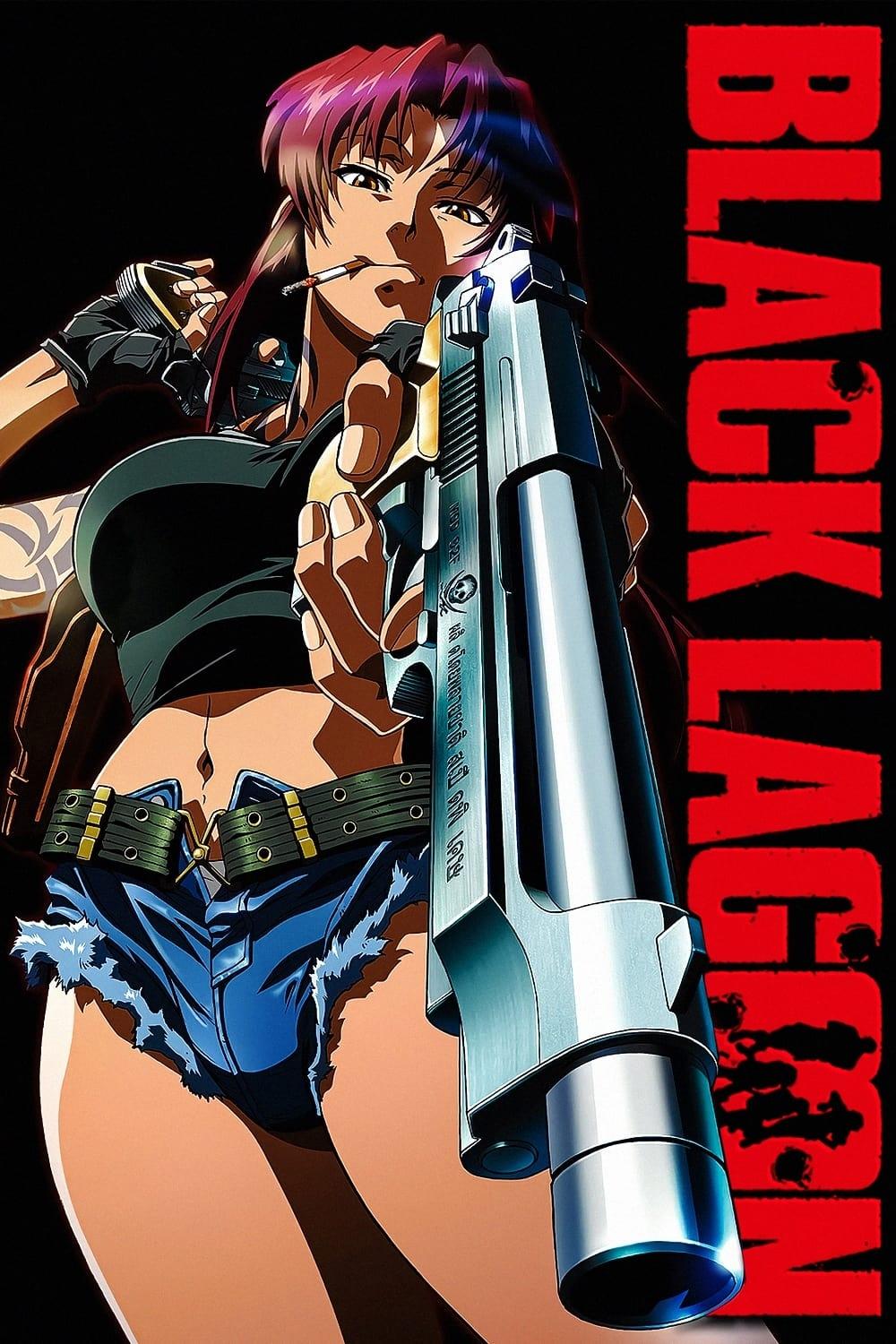
Based on Rei Hiroe’s manga, the show centers on a South China Sea smuggling crew operating out of a fictional Thai city. Episodes feature arms deals, private military contractors, and shipping routes.
Madhouse grounds action set-pieces in recognizable Southeast Asian locales. The series uses bilingual signage and props research to represent cross-border commerce.
‘Paranoia Agent’ (2004)
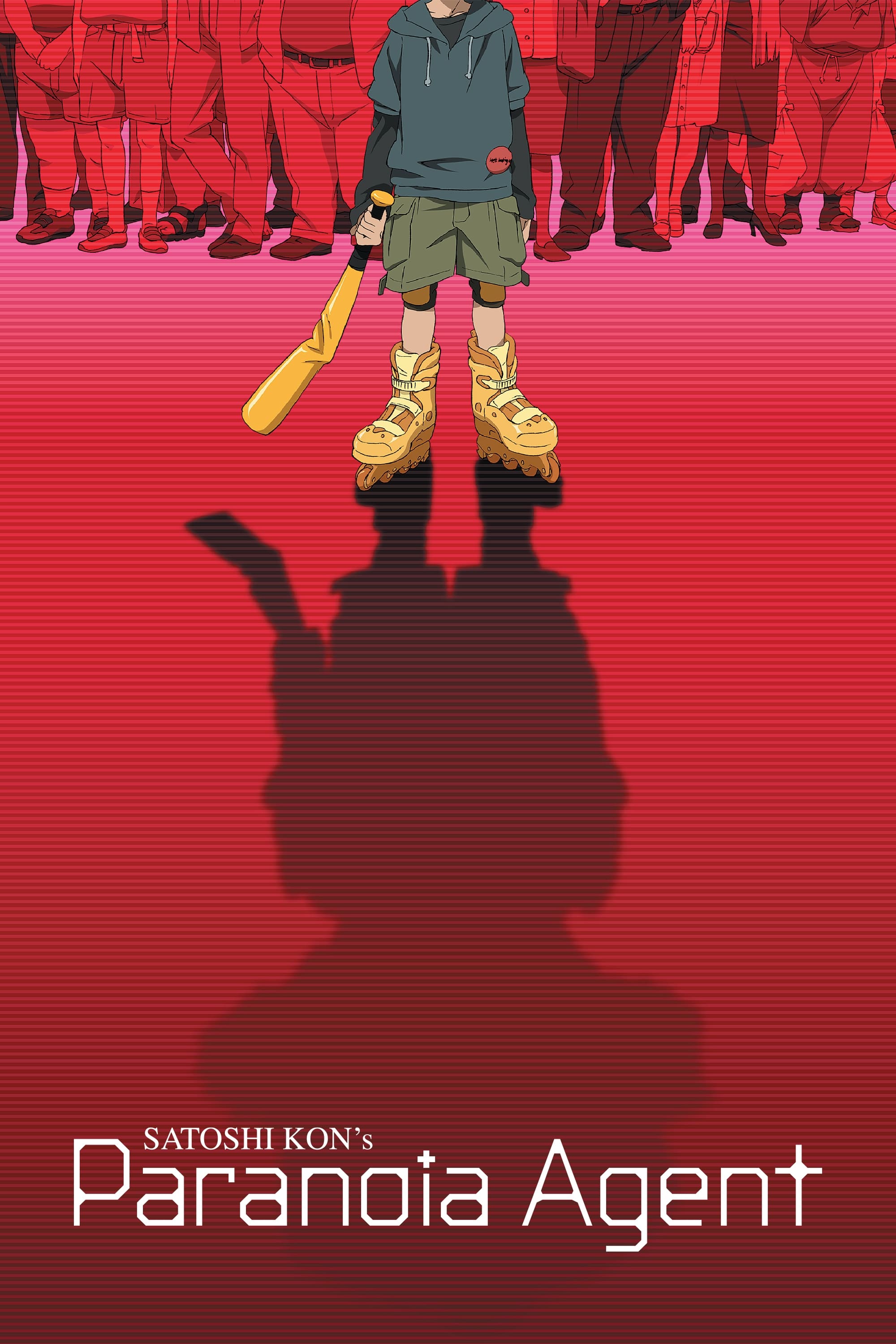
An original series by Satoshi Kon and Madhouse, it links disparate urban tales through a rumored assailant, examining mass media cycles and social stress. Case-of-the-week structure builds into a broader commentary on rumor contagion.
The production uses experimental episode formats—mockumentary, bottle episodes, and shifting aspect ratios. Susumu Hirasawa’s score provides electronic leitmotifs across storylines.
‘Samurai Champloo’ (2004–2005)
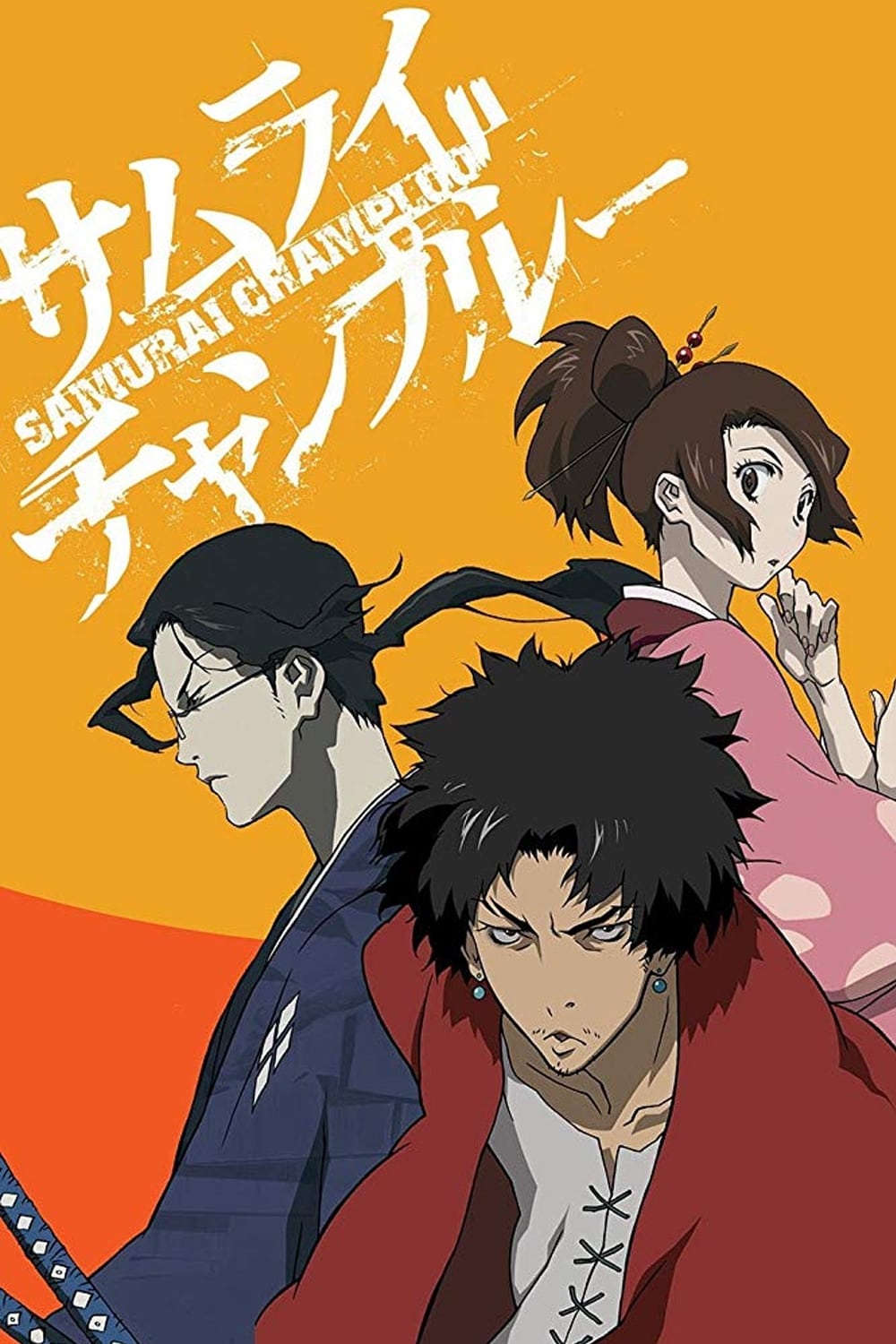
Manglobe’s original series pairs Edo-period travel with hip-hop culture, covering road maps, checkpoints, and regional foodways. Episodes explore art forms such as graffiti analogs, tea ceremony, and sword schools.
Shinichirō Watanabe’s team employs record-scratch transitions and breakbeat-driven fight choreography. The soundtrack features Nujabes, Fat Jon, and Tsutchie.
‘Psycho-Pass’ (2012–2019)
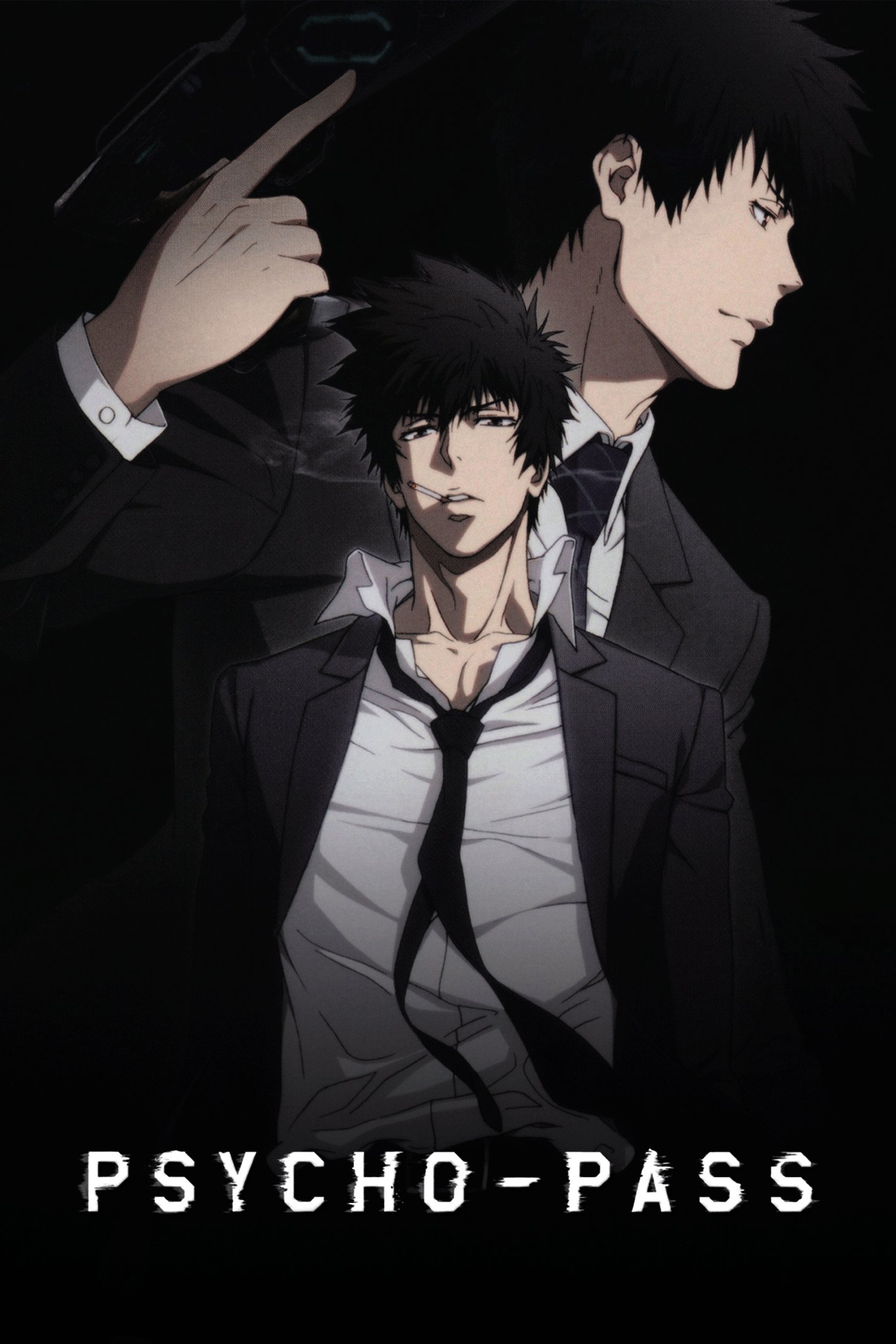
An original sci-fi crime series about a predictive policing system, it details inspection protocols, threat coefficients, and firearm lockouts tied to data. It shows the Bureau’s training, jurisdiction, and judiciary interface.
Production I.G. and later Tatsunoko handle seasons with consistent UI design language for overlays and scanners. Yugo Kanno’s score and Ling Tosite Sigure’s themes establish a sleek techno-noir sound.
‘Made in Abyss’ (2017–2022)
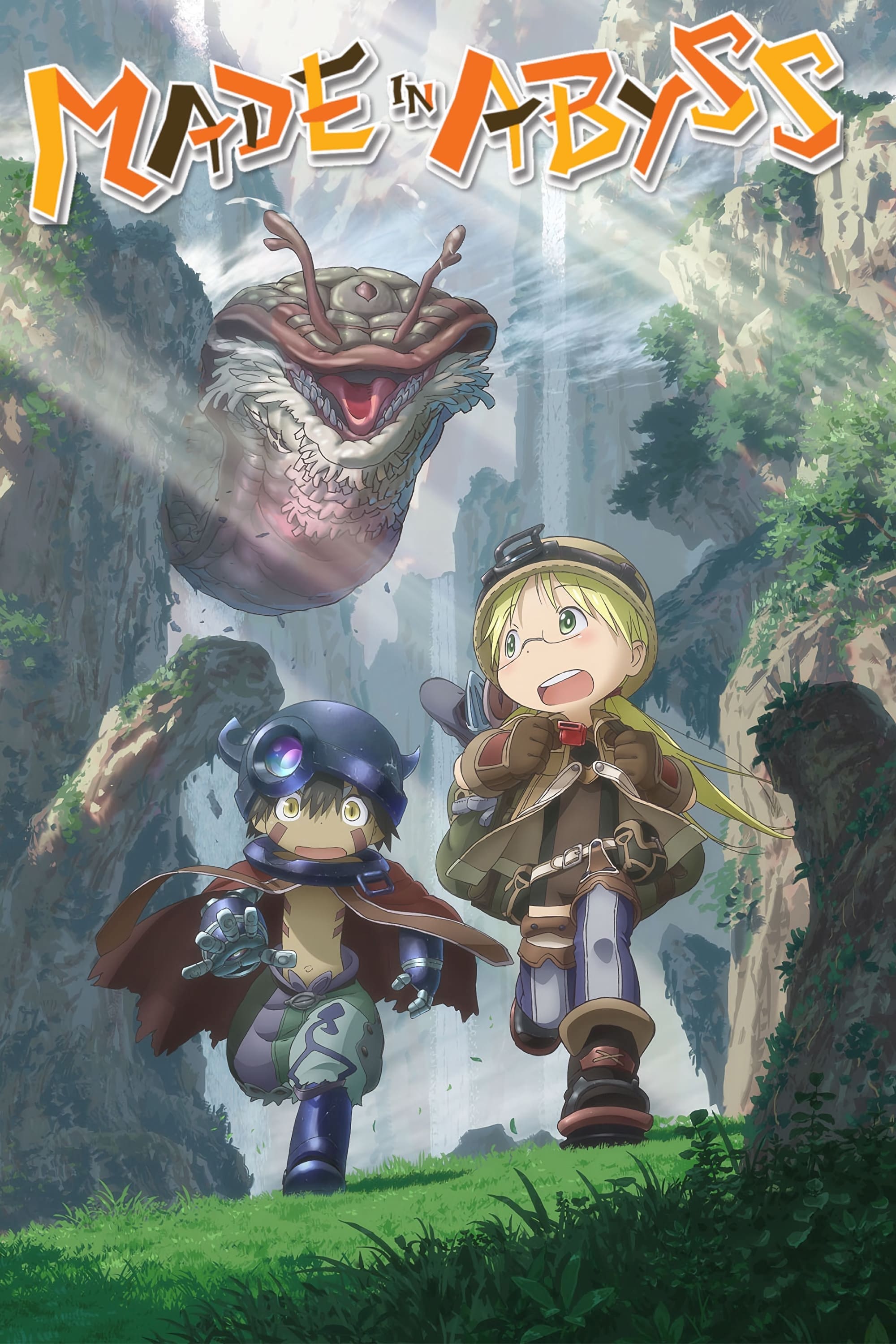
Adapted from Akihito Tsukushi’s manga, the series charts an expeditionary guild that regulates dives into a massive chasm. It explains relic classifications, depth maps, and medical hazards related to ascent.
Kinema Citrus pairs lush backgrounds with creature design inspired by natural history illustration. Kevin Penkin’s orchestral and choral cues underscore the sense of exploration.
‘Mushi-Shi’ (2005–2014)
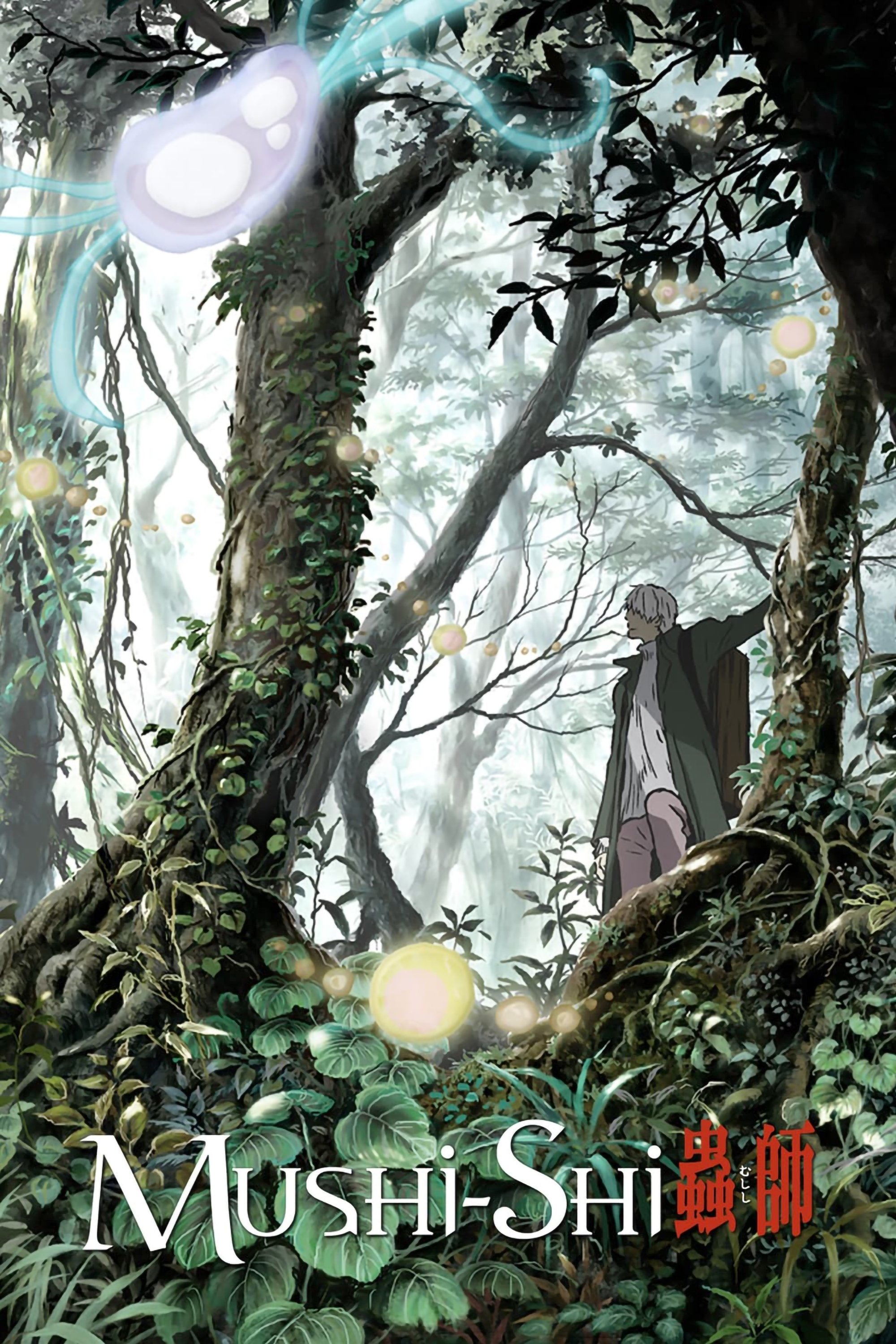
Based on Yuki Urushibara’s manga, the episodic series follows a traveling researcher cataloging lifeforms called mushi. Each case study describes symptoms, field methods, and remedies grounded in folklore.
Artland (later Studio Artland) keeps subdued color design and ambient soundscapes. The non-sequential storytelling allows viewers to enter at almost any episode.
‘Haikyu!!’ (2014–2020)

From Haruichi Furudate’s manga, this sports series maps volleyball training cycles, team roles, and tournament ladders. It breaks down serves, receives, and rotations with on-screen diagrams.
Production I.G. choreographs rallies with strong sense of weight and timing. Multiple cours cover practice camps, inter-high qualifiers, and national stages.
‘Mob Psycho 100’ (2016–2019)
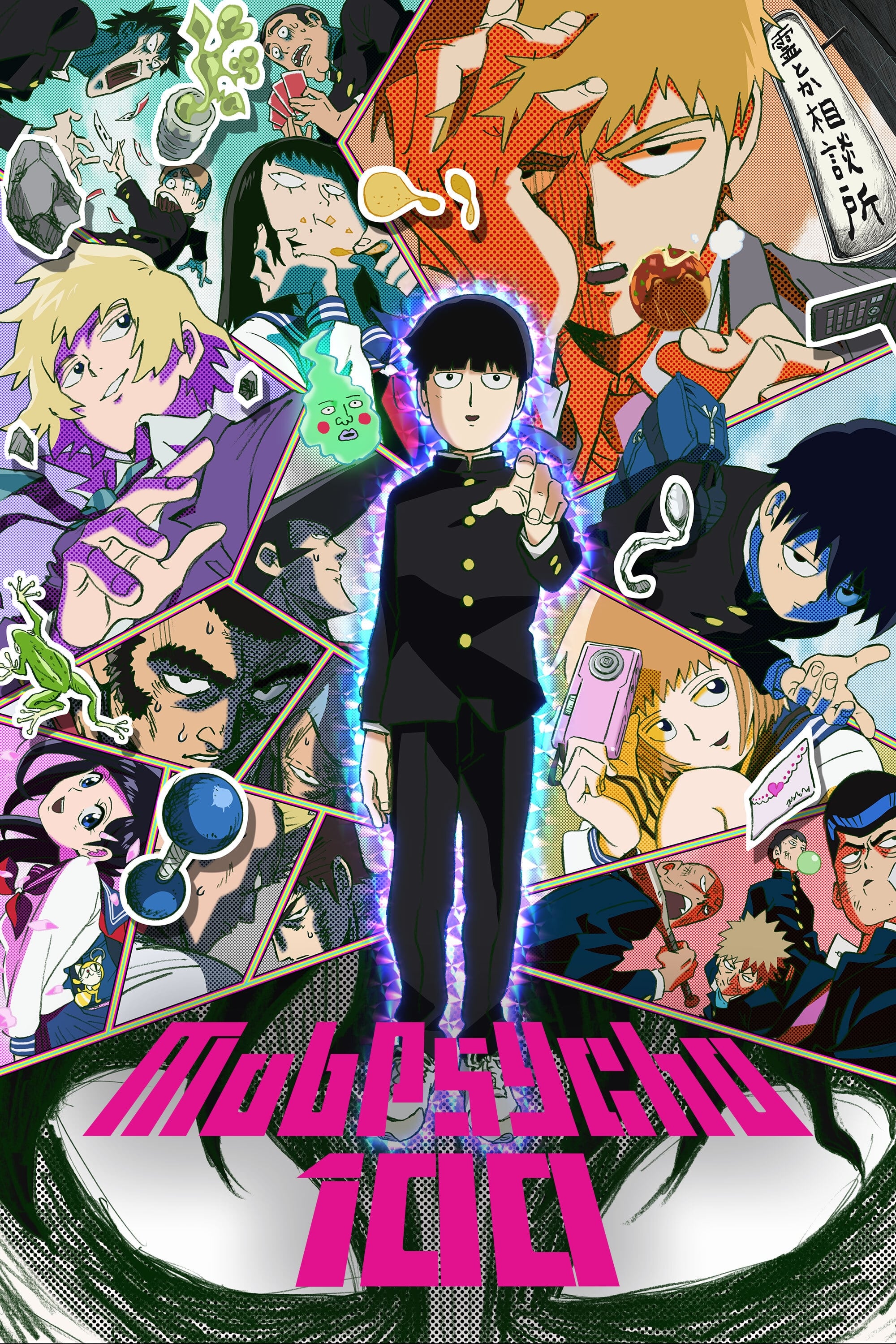
Adapted from ONE’s manga, this show mixes exorcism work with middle-school clubs and part-time jobs. It lays out psychic business practices, client intake, and professional associations.
Bones employs mixed media—ink splashes, paint-on-glass, and effects animation—to depict psychic phenomena. Composer Kenji Kawai contributes a distinctive, percussive score.
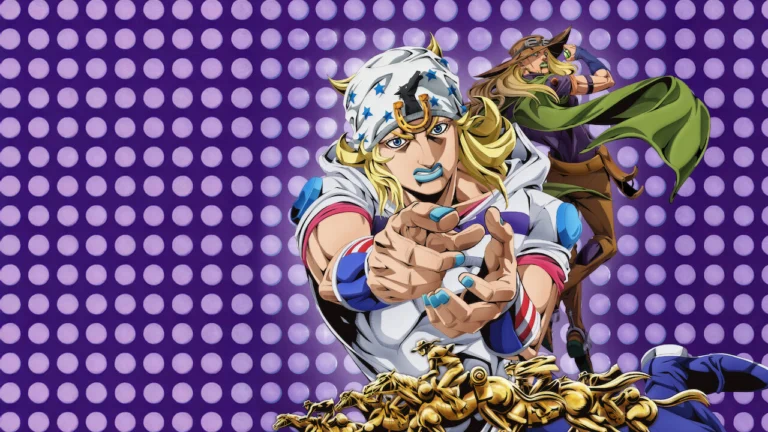
‘JoJo’s Bizarre Adventure’ (2012–2021)
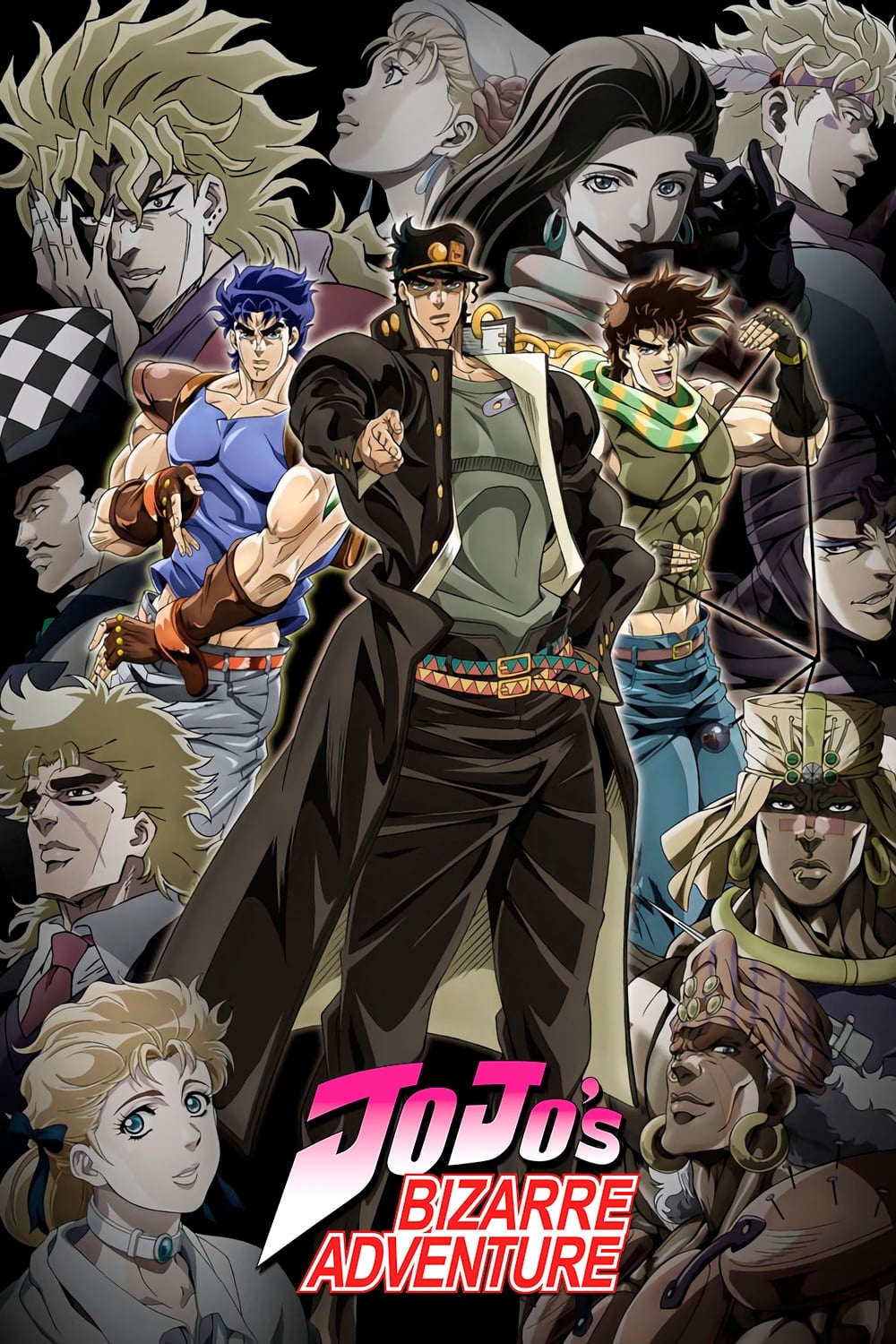
From Hirohiko Araki’s long-running manga, the TV adaptation covers multiple “Part” storylines with different casts and settings. It introduces Stands, combat rule-sets, and era-specific fashions.
David Production standardizes color shifts and comic-panel speedlines into TV format. The series maintains faithful posework and sound effects drawn from the manga’s iconography.
‘Demon Slayer: Kimetsu no Yaiba’ (2019–2024)
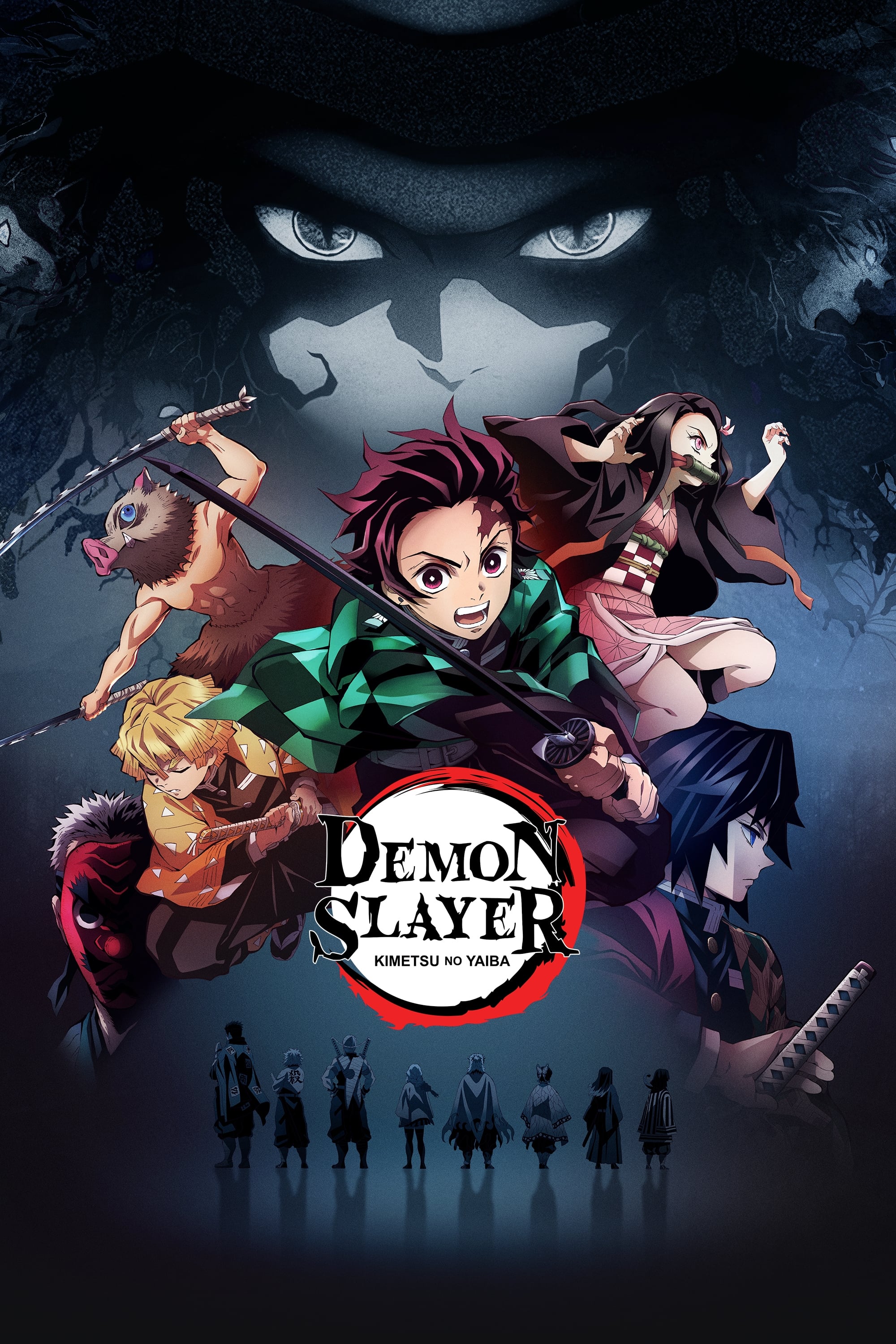
Based on Koyoharu Gotouge’s manga, the series follows a demon-slaying corps with ranks, breathing styles, and regional patrols. Logistics include swordsmith villages, training regimens, and assignment lists.
ufotable’s pipeline integrates 3D backgrounds with hand-drawn effects for stylized combat. The show’s theme songs and orchestration are integrated with narrative milestones.
‘Fighting Spirit’ (2000–2002)
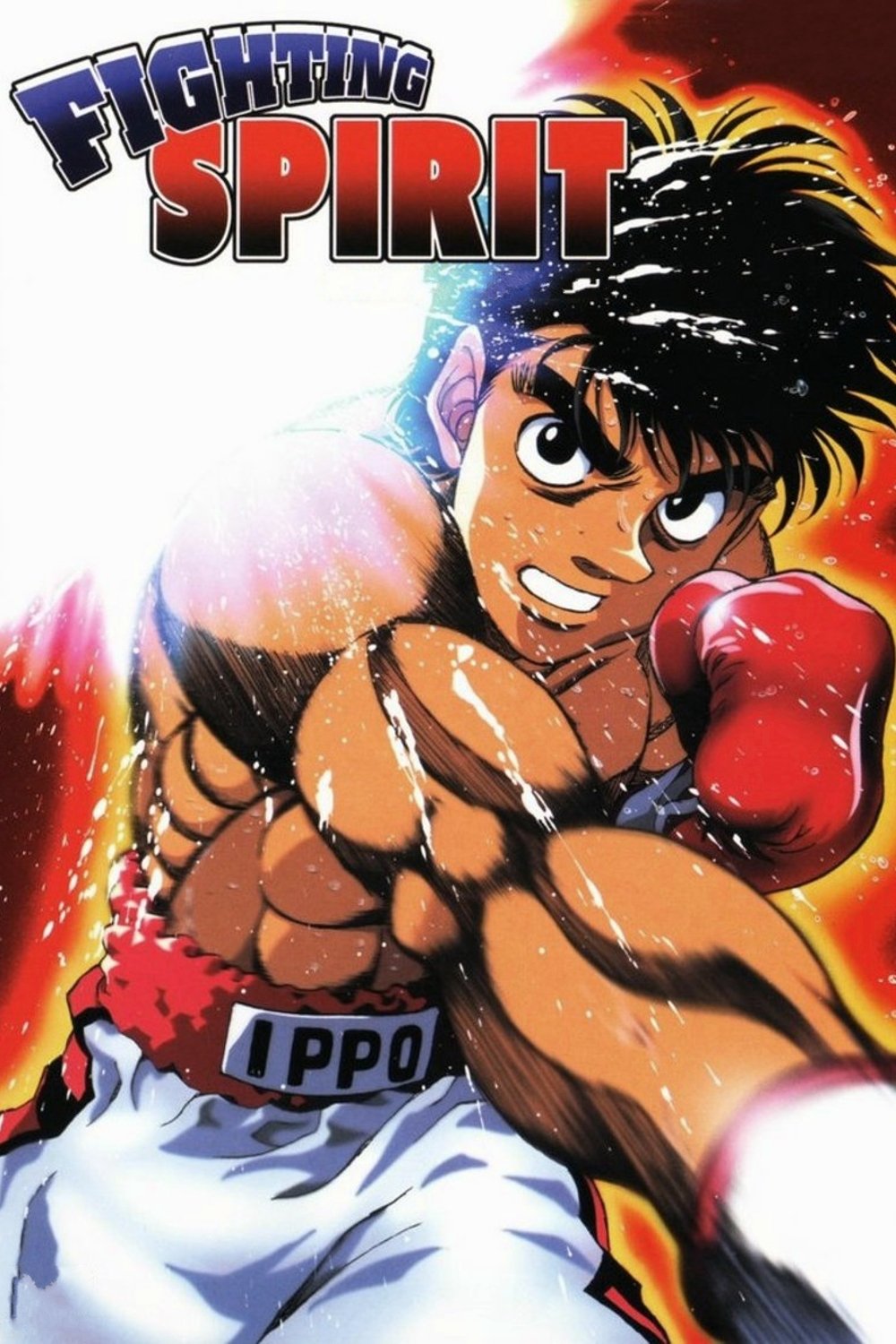
Adapted from George Morikawa’s boxing manga, this series details gym routines, weight management, and match licensing. It walks through boxing fundamentals, corner work, and promotion schedules.
Madhouse animates fight mechanics with heavy use of smears and impact frames. The franchise includes later seasons and specials that continue career progression.
‘Neon Genesis Evangelion’ (1995–1996)
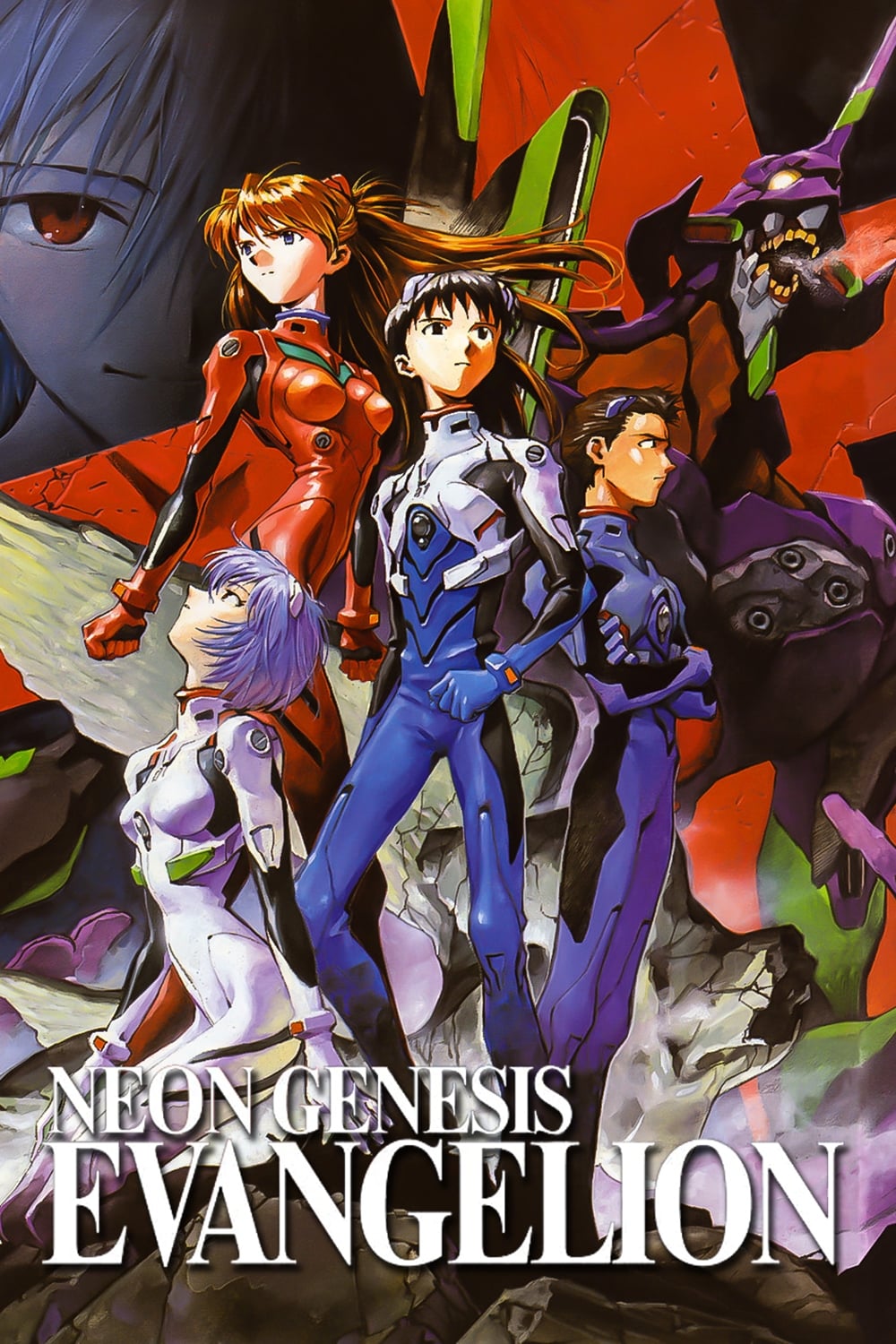
An original series by Gainax, it frames biomechanical weapons within a paramilitary organization responding to defined threat classes. It outlines pilot selection, synchronization testing, and emergency protocols.
The production mixes analog cel techniques with early digital compositing. Shirō Sagisu’s score and carefully designed UI displays became foundational for mecha aesthetics.
‘Vinland Saga’ (2019–2023)
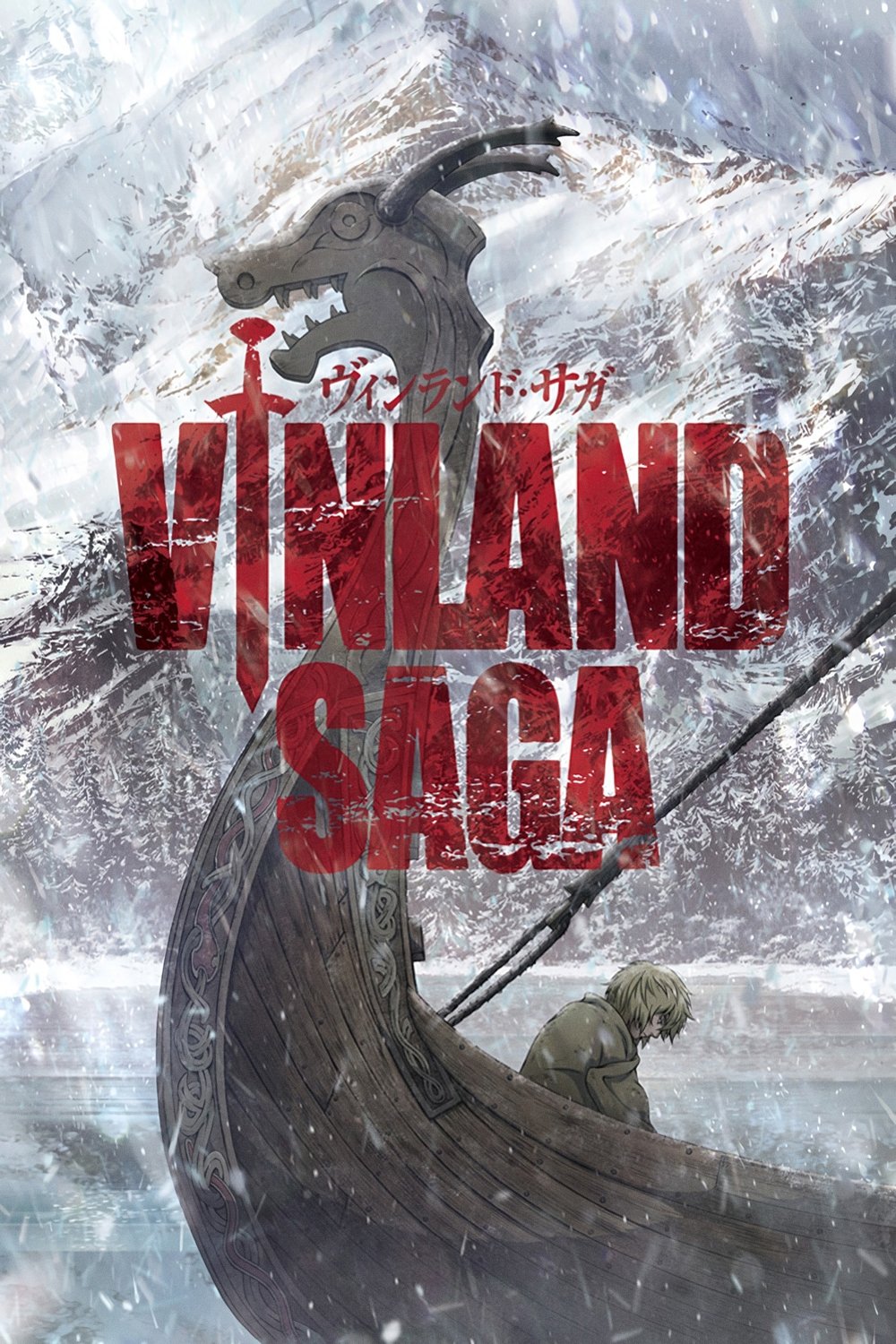
From Makoto Yukimura’s manga, this historical series depicts Norse expeditions, mercenary contracts, and early 11th-century politics in England and Scandinavia. It references period shipbuilding, farming methods, and trade.
Wit Studio (season 1) and MAPPA (season 2) emphasize natural landscapes and grounded choreography. The adaptation preserves the manga’s focus on economic and social structures of the era.
‘Code Geass: Lelouch of the Rebellion’ (2006–2008)
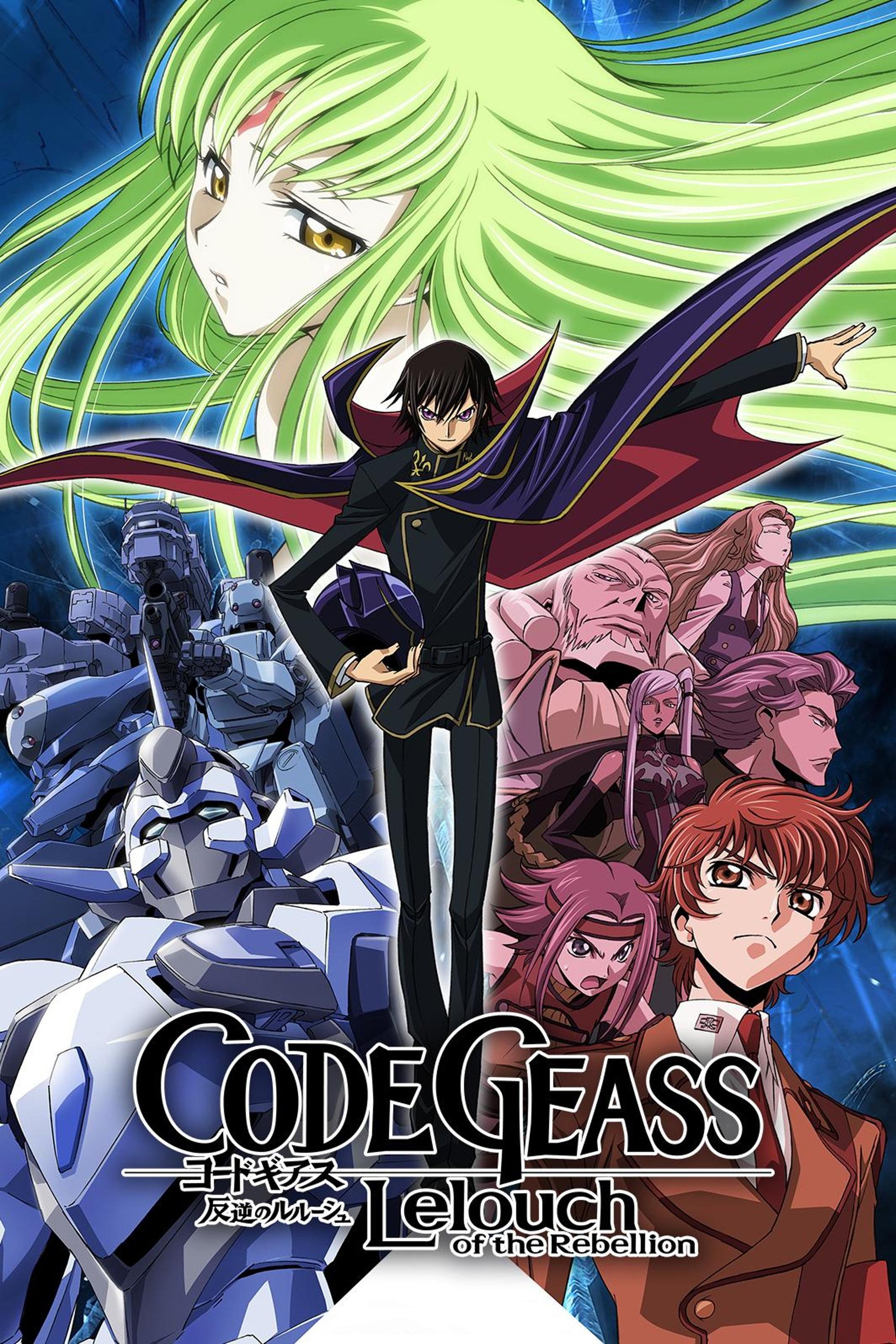
An original Sunrise series, it presents an alternate geopolitics with occupation zones and resistance cells. It covers mecha unit specs, command hierarchies, and tactical use of a compulsion ability.
Character designs by CLAMP and mechanical designs by Sunrise staff define the look. The show uses cliffhangers and clearly mapped battlefields to convey strategy.
‘Monster’ (2004–2005)

Adapted from Naoki Urasawa’s manga, this thriller follows a surgeon across Germany and Eastern Europe amid post-Cold War institutions. It details law enforcement cooperation, hospital procedures, and immigration systems.
Madhouse maintains restrained visual style to match the realistic setting. The adaptation keeps the manga’s full breadth, spanning multiple cities and investigative threads.
‘Cowboy Bebop’ (1998–1999)
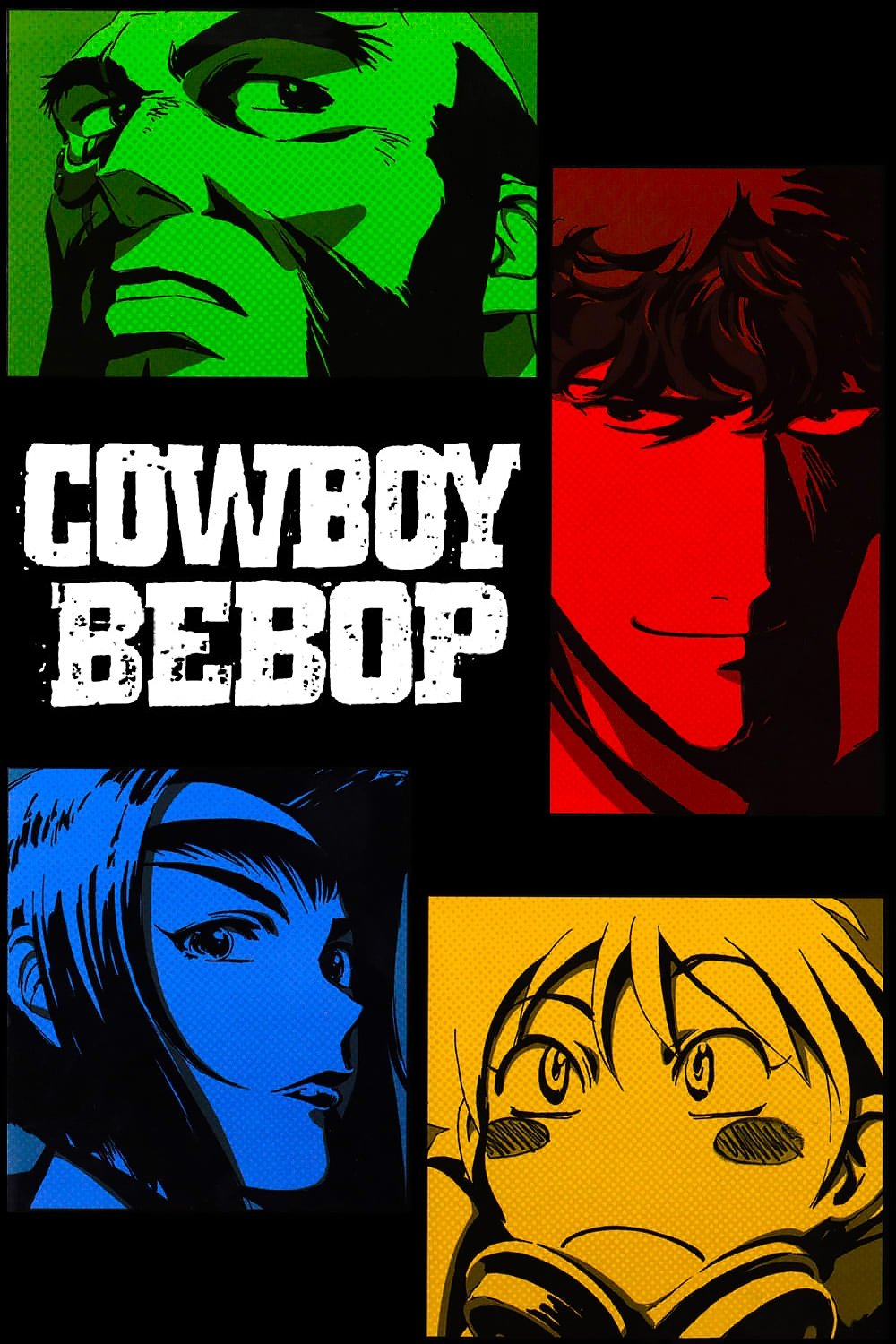
An original Sunrise series, it tracks bounty hunters operating under interplanetary jurisdiction with gate travel. Episodes cover police databases, bounty posting rules, and cross-system crime.
Shinichirō Watanabe’s direction pairs Yoko Kanno’s jazz soundtrack with genre-spanning stories. The series standardized the 26-episode “one-and-done” model for international broadcasts.
‘One Piece’ (1999– )
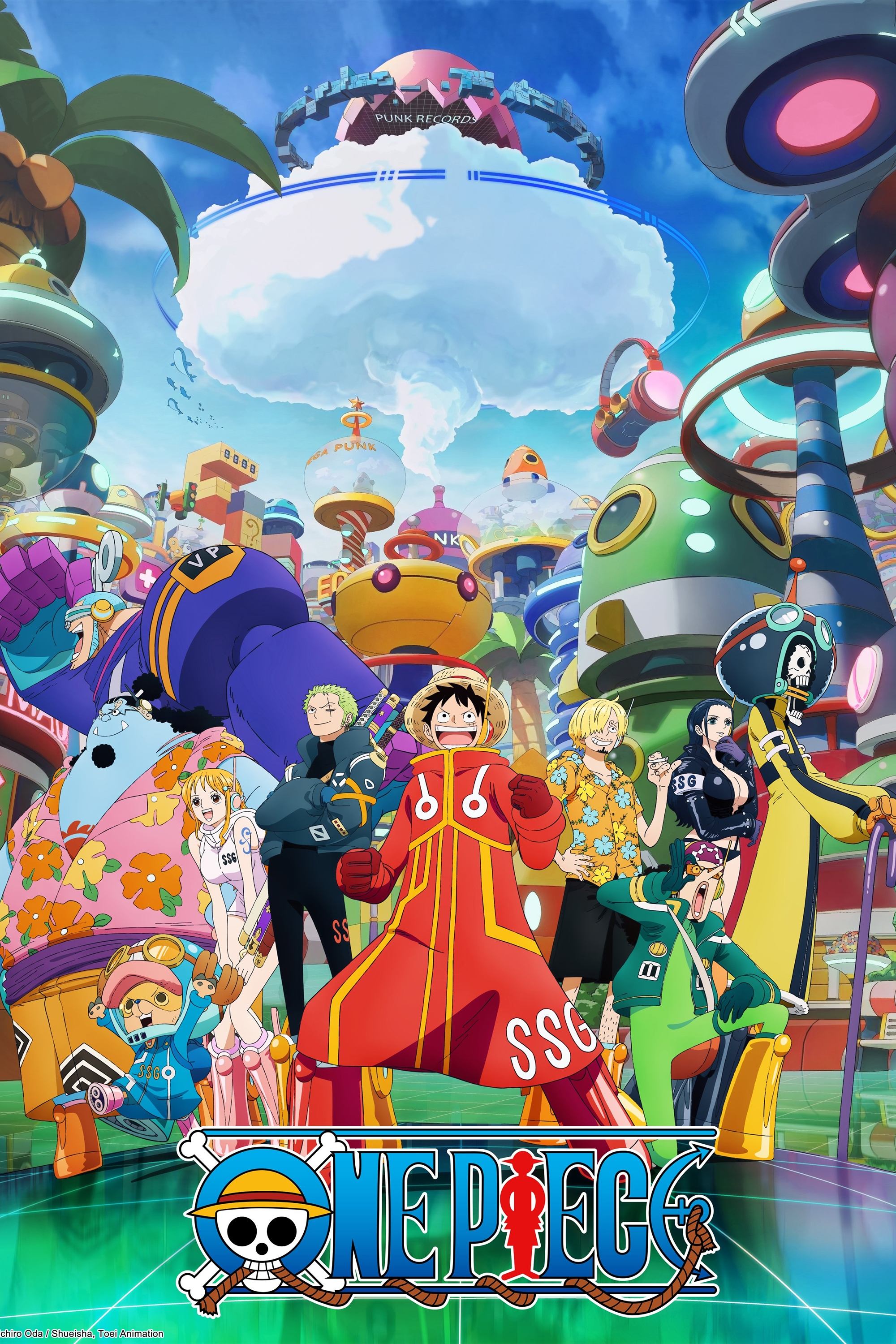
Based on Eiichiro Oda’s manga, the series chronicles piracy in a world of maritime law, island economies, and Devil Fruit abilities. It maps Grand Line routes, naval ranks, and governmental institutions.
Toei Animation’s long-running production updates models over eras while maintaining continuity. The franchise’s arc structure covers distinct regions, each with unique cultures and resources.
‘Death Note’ (2006–2007)
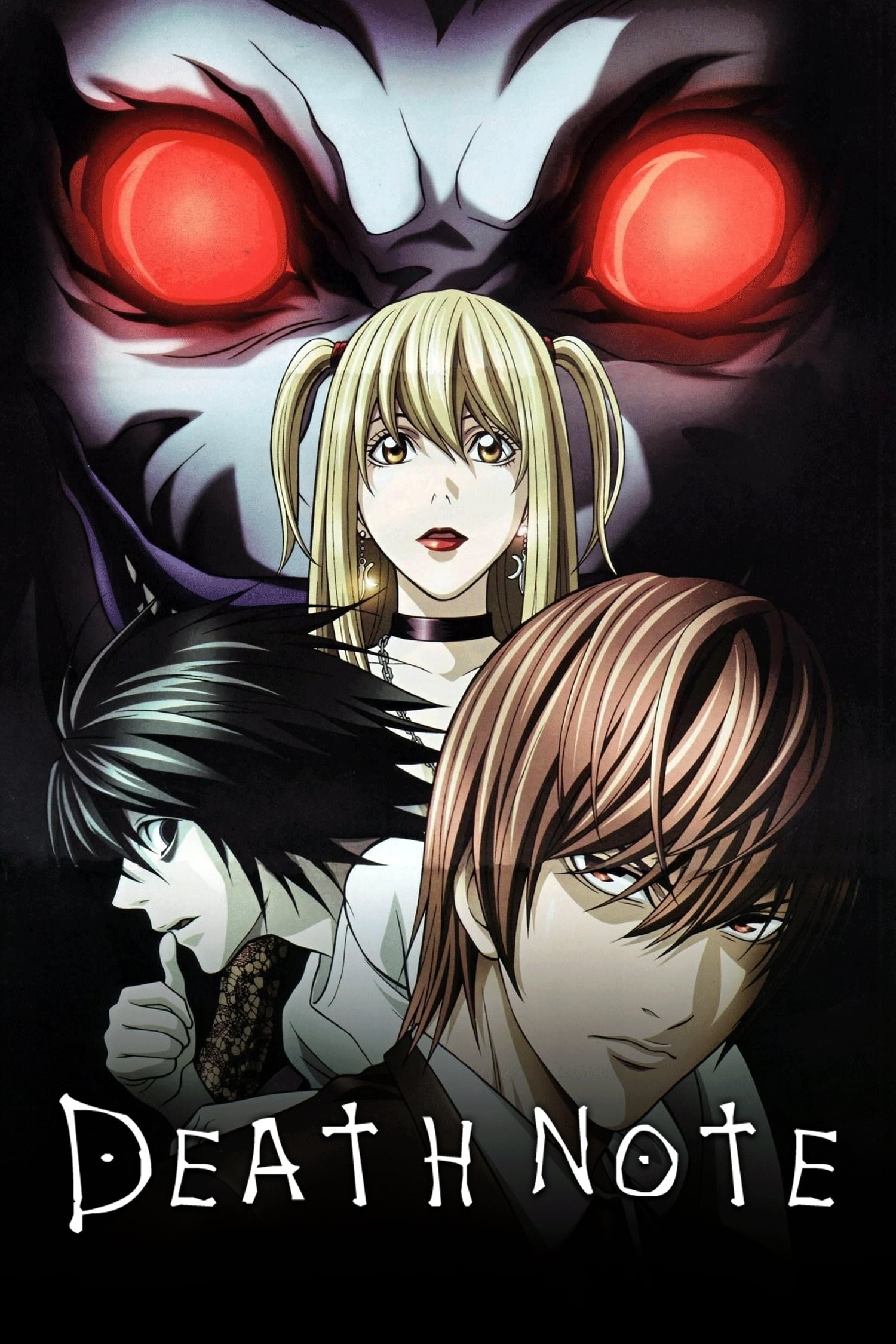
From Tsugumi Ohba and Takeshi Obata’s manga, this cat-and-mouse series revolves around investigative task forces and international cooperation. It explains surveillance methods, jurisdictional hurdles, and forensic inference.
Madhouse emphasizes moody lighting and detailed prop design for notebooks and police equipment. The soundtrack by Yoshihisa Hirano and Hideki Taniuchi supports tense deduction sequences.
‘Hunter x Hunter’ (2011–2014)

Adapted from Yoshihiro Togashi’s manga, this version introduces a licensing exam leading to professional guild structures and contracts. It formalizes Nen as a capacity-based power system with categories and training.
Madhouse’s adaptation reorders and smooths early arcs for pacing. The series features consistent fight logic explained through narration and on-screen diagrams.
‘Steins;Gate’ (2011)
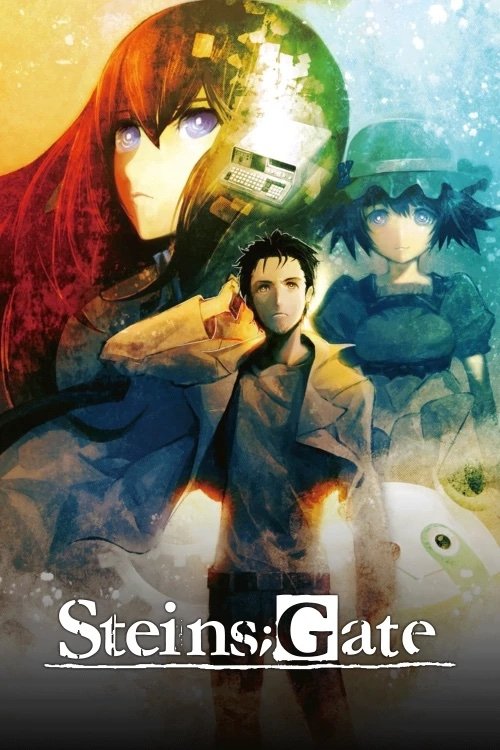
Based on 5pb./Nitroplus’s visual novel, the series centers on a small lab experimenting with time-related communications using off-the-shelf equipment. It documents protocols for message sending, data divergence, and lab roles.
White Fox animates densely scripted dialogue with careful prop continuity. Akihabara locations are reproduced from real streets, grounding the fictional device work.
‘Attack on Titan’ (2013–2023)
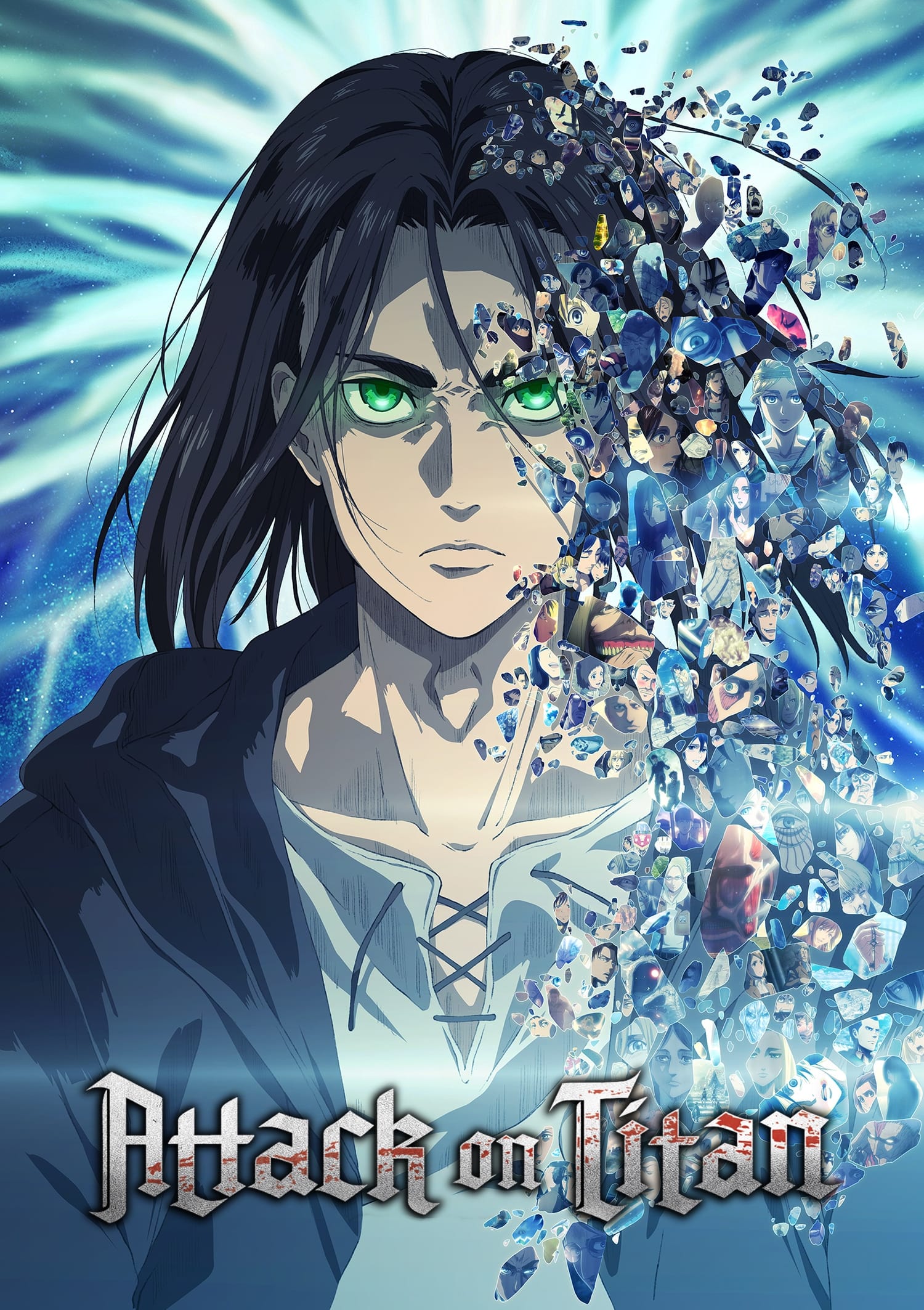
Adapted from Hajime Isayama’s manga, the series begins with a walled society and develops into global-scale geopolitics. It defines military branches, training corps, and gear operation, later expanding to international factions and technologies.
Wit Studio and later MAPPA deliver large-scale action with a mix of 3D maneuver gear effects and hand-drawn elements. Hiroyuki Sawano and Kohta Yamamoto’s music anchors recurring motifs across seasons.
‘Fullmetal Alchemist: Brotherhood’ (2009–2010)
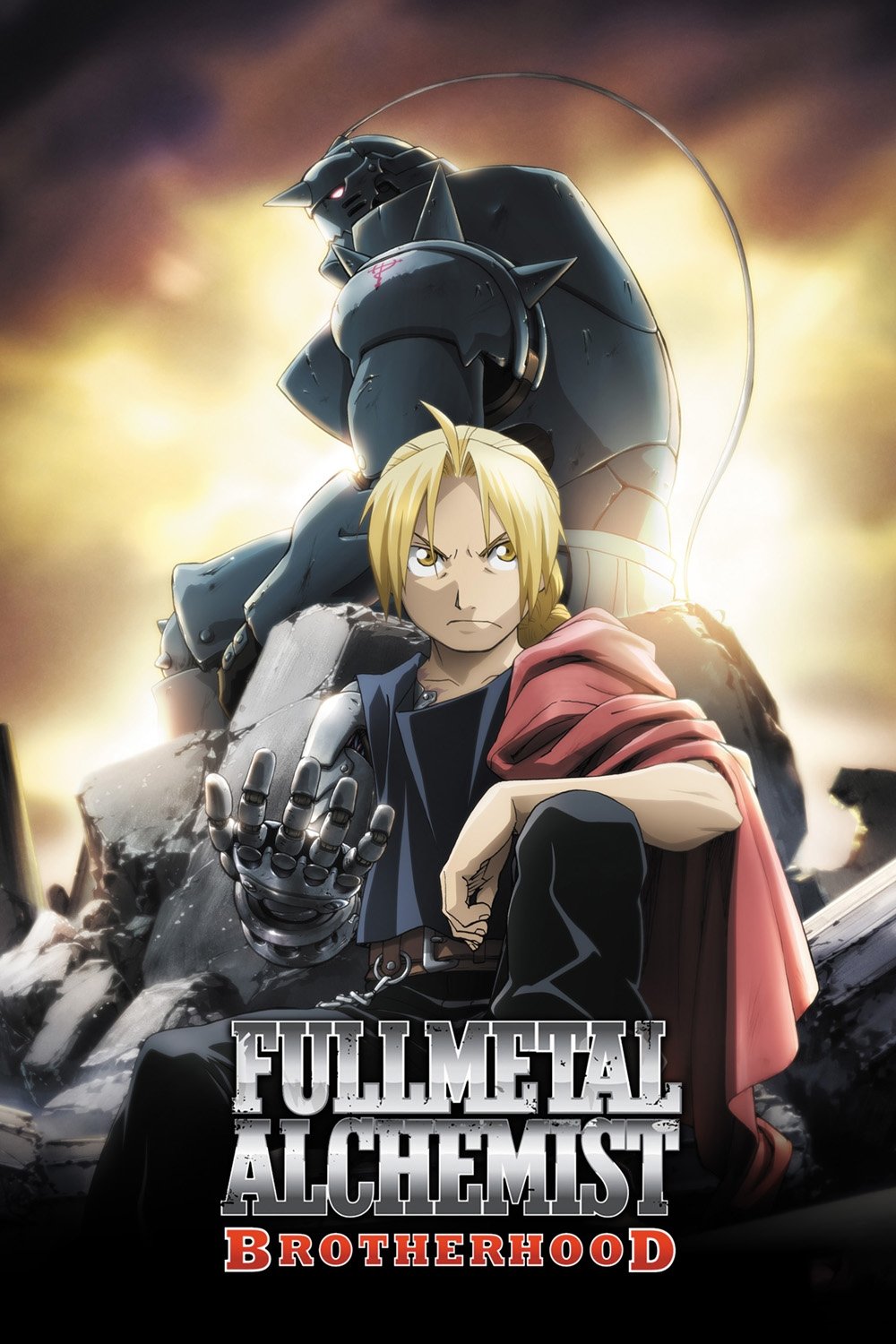
Adapted from Hiromu Arakawa’s manga, this series follows state alchemists within a centralized military government. It systematizes alchemy through transmutation circles, equivalent exchange, and ranked certifications.
Bones’ production covers the complete manga storyline with consistent pacing. The show features multiple opening and ending sequences across cours and a score by Akira Senju that supports both action and investigation.
Share your own top picks and what you’d add to the list in the comments!