Best Anime Openings of All Time, Ranked


Great openings set the tone before the story even starts—establishing setting, themes, and character focus in a tight, repeatable package. The tracks below became shorthand for their series, pairing distinctive compositions with credit sequences timed to musical cues for maximum recall.
This countdown lists thirty anime openings, each with the anime title, the official opening name, and the credited performer in the heading. Each entry gives practical context—where the song appears, how the TV-size edit is structured, and what the credit animation emphasizes—so you can quickly place each track within its series.
‘Sailor Moon’ (1992–1997) – “Moonlight Densetsu” by DALI
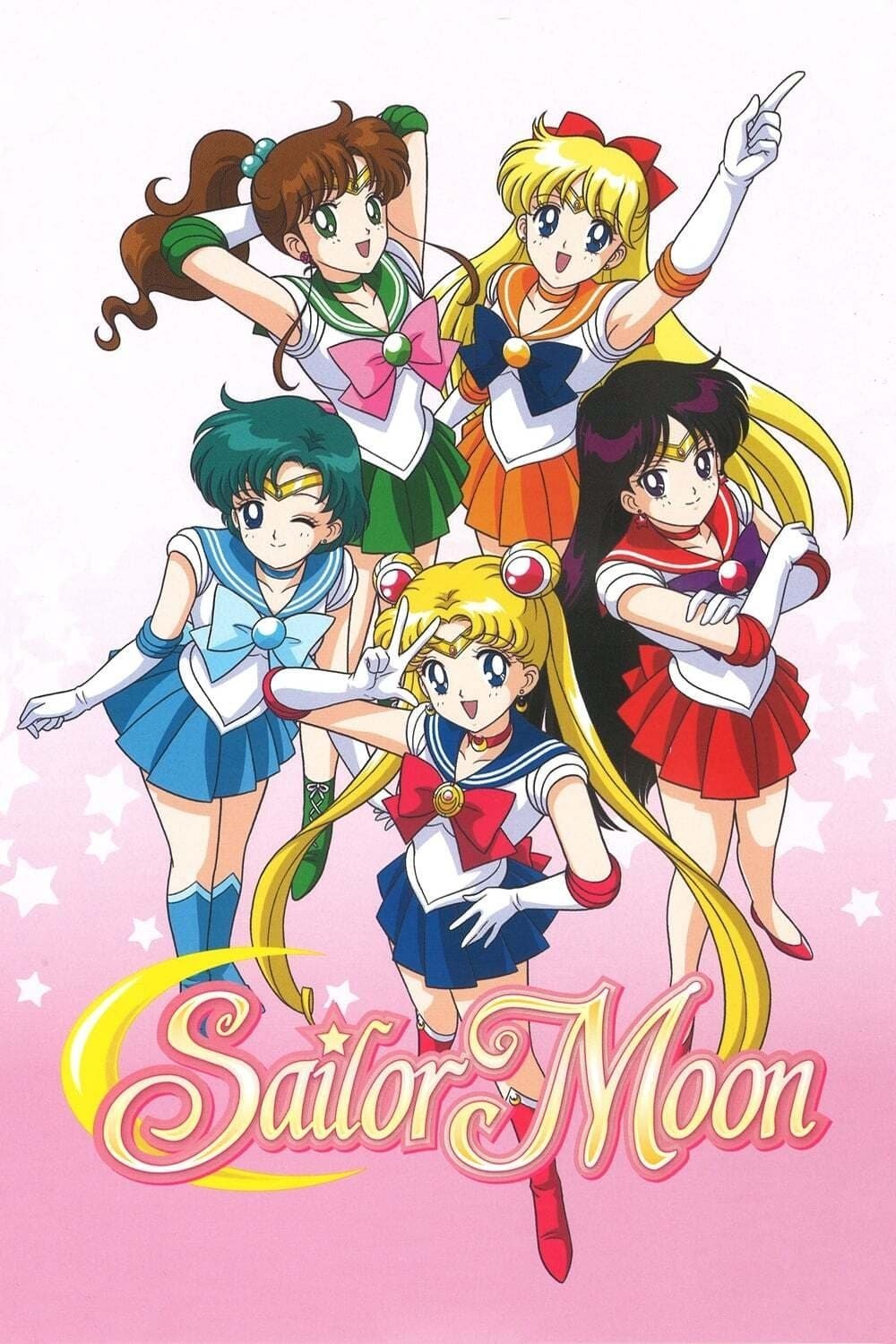
Originally recorded by DALI, this single served as the principal opening for the earliest arcs, later re-recorded by Moon Lips for subsequent episodes. Official releases include full-length and TV-size versions, and multiple anniversary compilations reissued the track alongside instrumental and karaoke mixes.
The credit sequence presents the core Sailor Guardians with color-coded motifs, planetary icons, and transformation imagery synchronized to verse entries and the chorus hook. Domestic home-video editions preserve the original Japanese credit timing, while some regions aired localized music in broadcast syndication.
‘Gurren Lagann’ (2007) – “Sorairo Days” by Shoko Nakagawa
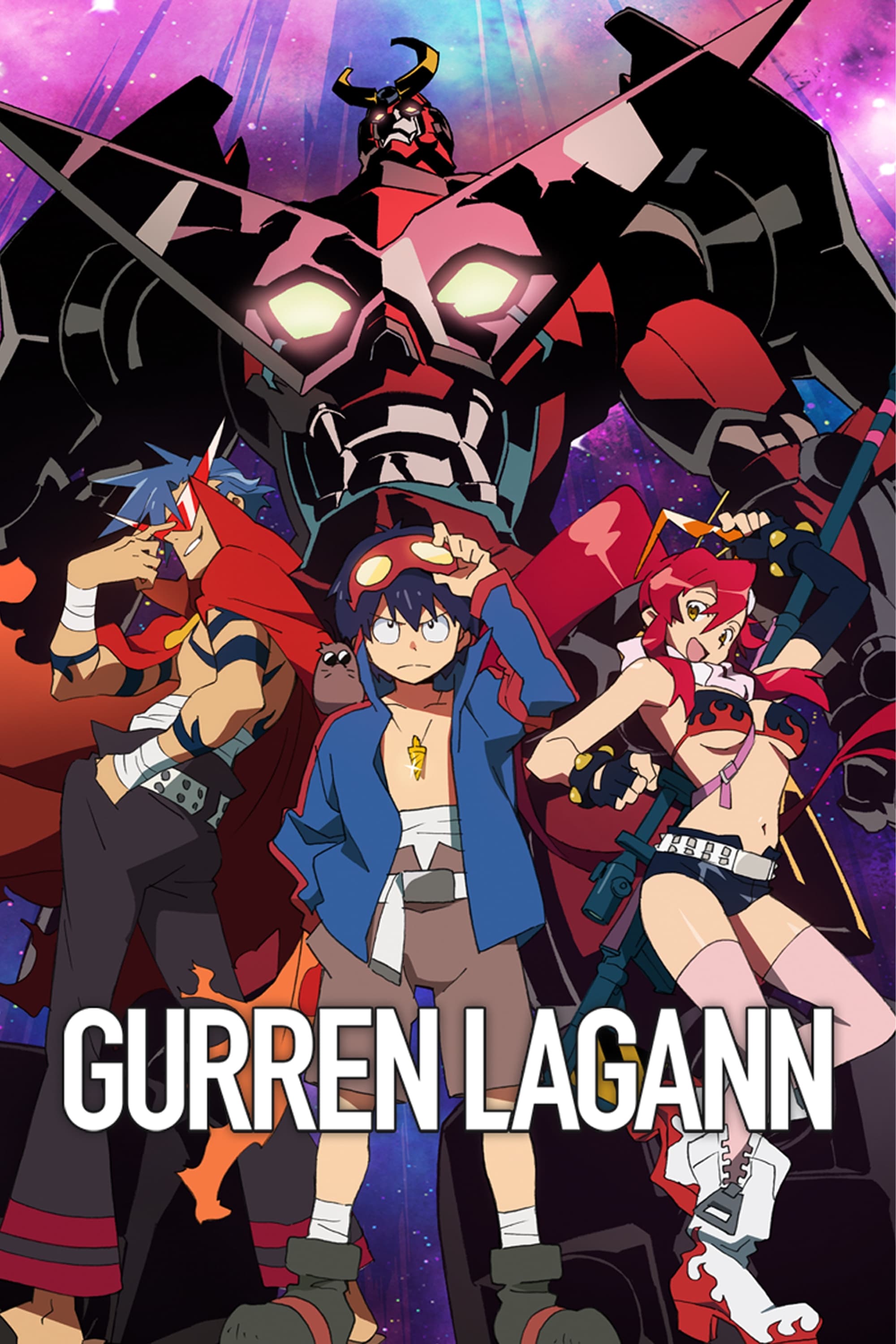
Recorded to coincide with broadcast, the arrangement blends pop-rock instrumentation with a modulating chorus that fits a tight TV-size crop. Single releases include off-vocal and live takes consistent with the studio key and tempo.
Opening visuals intercut mecha assembly shots, spiral symbols, and character pans to measure-accurate points in the song, with later episode variants updating cuts while retaining the identical audio. Compilation albums catalog this track with other series themes for archival continuity.
‘Serial Experiments Lain’ (1998) – “Duvet” by Bôa
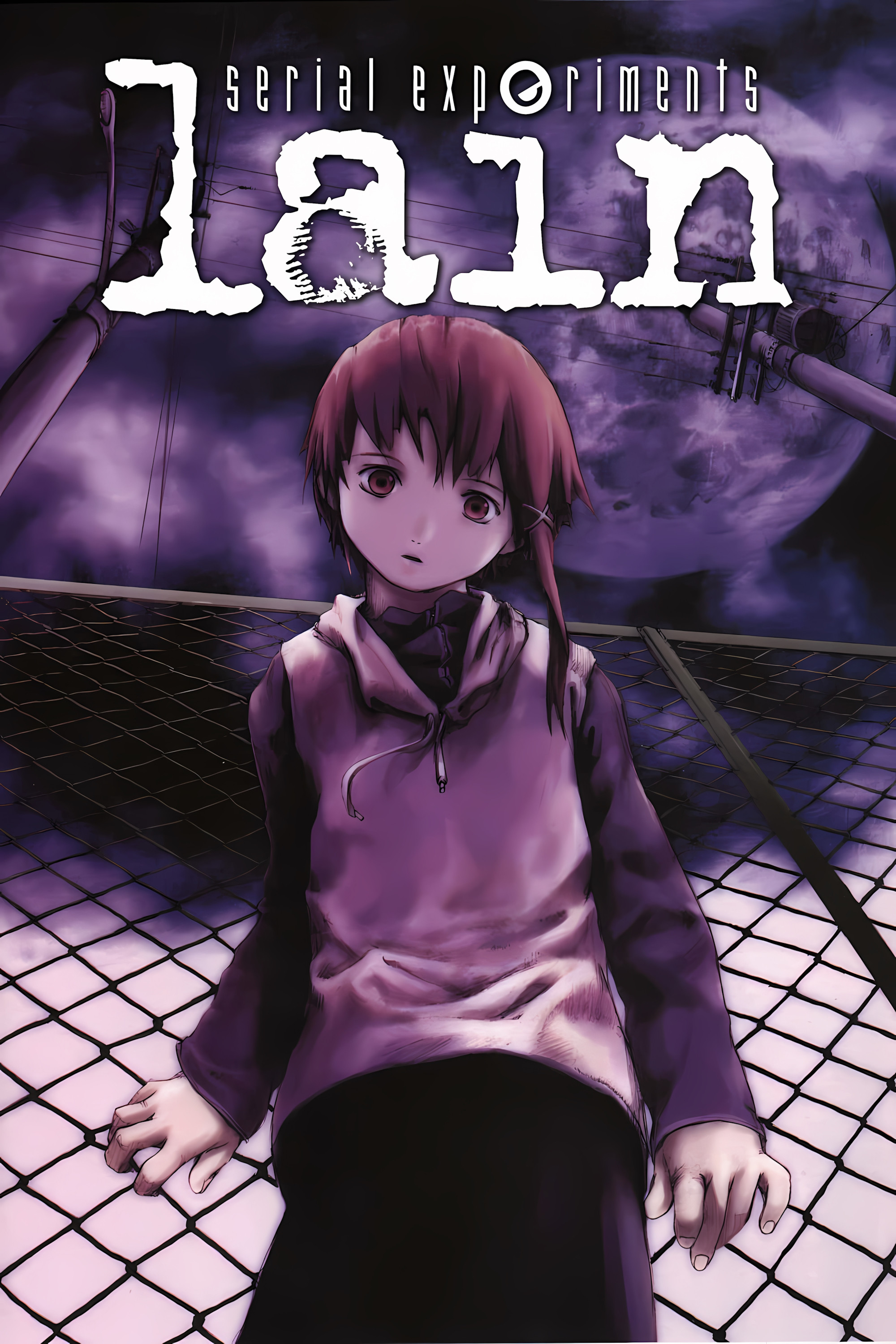
Performed in English by Bôa, the single’s production foregrounds clean guitar arpeggios and a restrained vocal line, and it appears in both album and TV-size edits on official releases. The mastering differences across reissues minimally affect broadcast-aligned timing.
The credits juxtapose the song’s introspective tone with imagery of suburban streets, power lines, and interface-like overlays. Streaming and disc releases maintain the original typography and cut order, aligning scene changes to pre-chorus lifts and chorus entries.
‘Paranoia Agent’ (2004) – “Yume no Shima Shinen Kouen” by Susumu Hirasawa
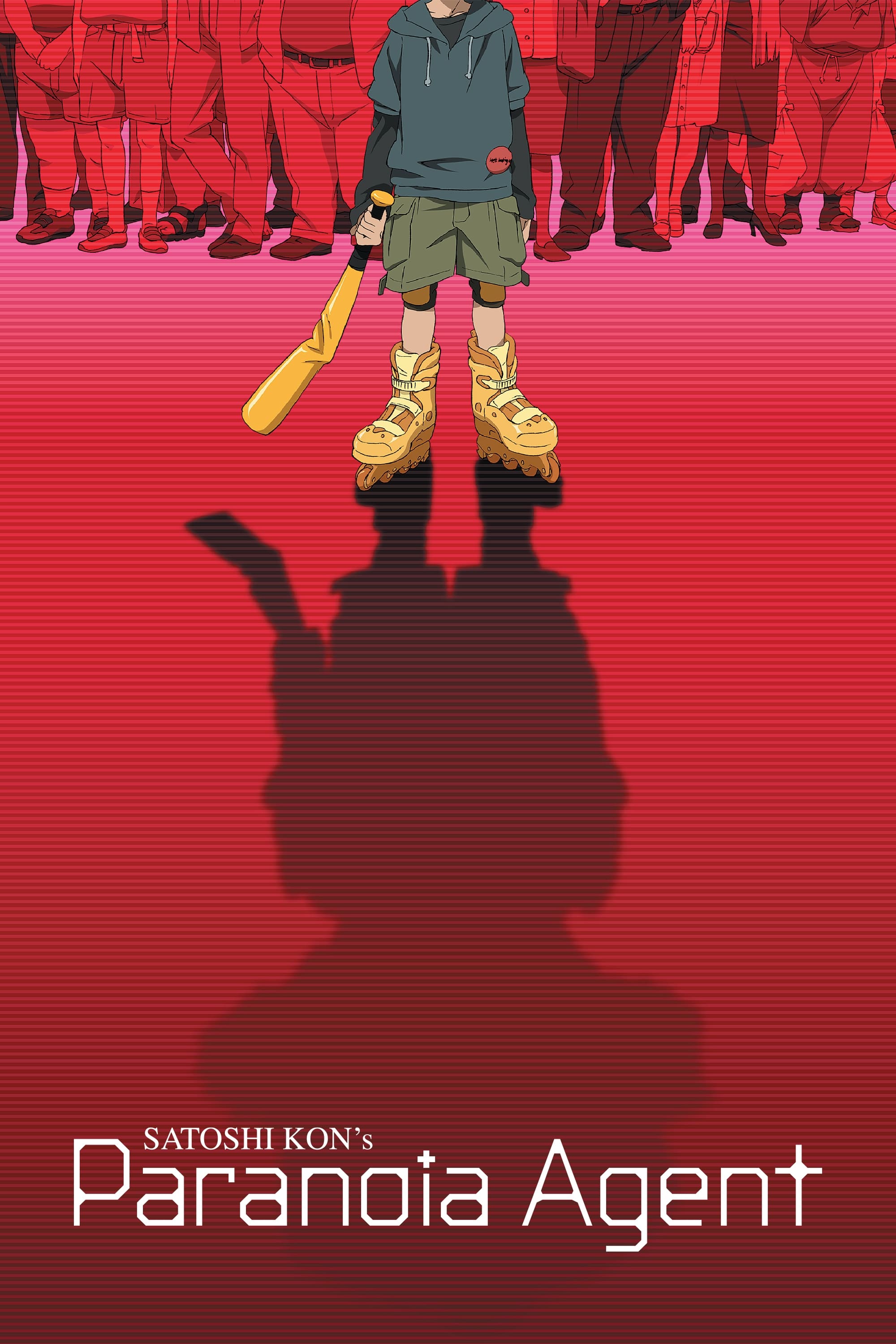
Susumu Hirasawa’s composition layers synthetic choirs, vocoder textures, and looping motifs engineered to read clearly in a short TV window. The studio version appears on soundtrack volumes with minimal editing for the televised cut.
The opening depicts principal characters laughing against panoramic backdrops, including urban vistas and disaster-styled frames. Because the series uses a single opening throughout its run, audio and visuals remain fixed across episodes, giving the show a consistent identity cue.
‘Berserk’ (1997) – “Tell Me Why” by PENPALS
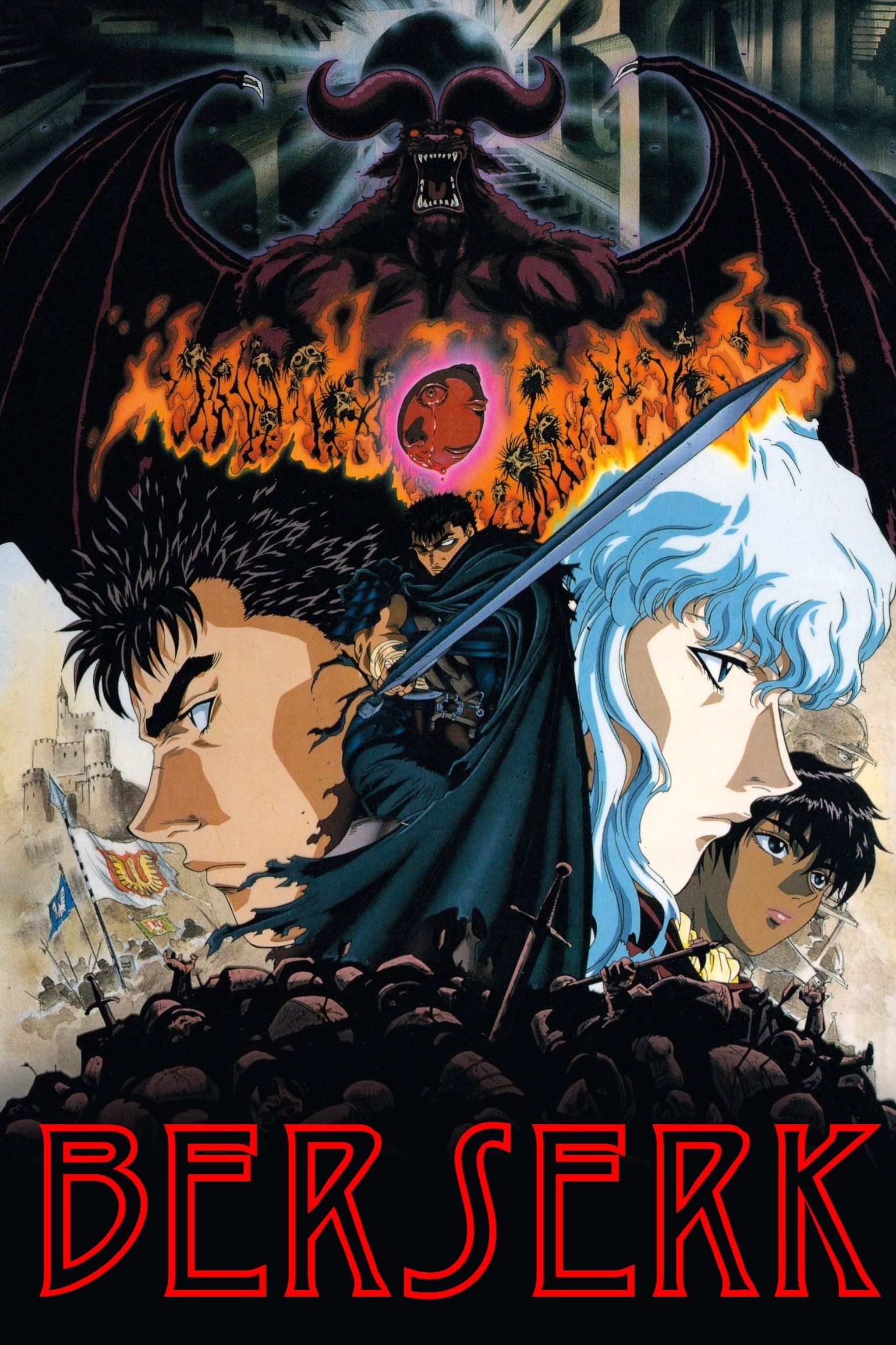
An English-language alt-rock track by PENPALS, the single’s verse–chorus structure and guitar-forward mix carry cleanly over analog and early digital broadcasts. Full and TV-size versions circulate on franchise compilations with matched stems.
The credits montage highlights the Band of the Hawk and battlefield imagery, cueing transitions to drum fills and section changes. Later home-video editions preserve the original opening, and listings frequently pair it with score selections by Susumu Hirasawa for context.
‘Yu Yu Hakusho’ (1992–1995) – “Hohoemi no Bakudan” by Matsuko Mawatari
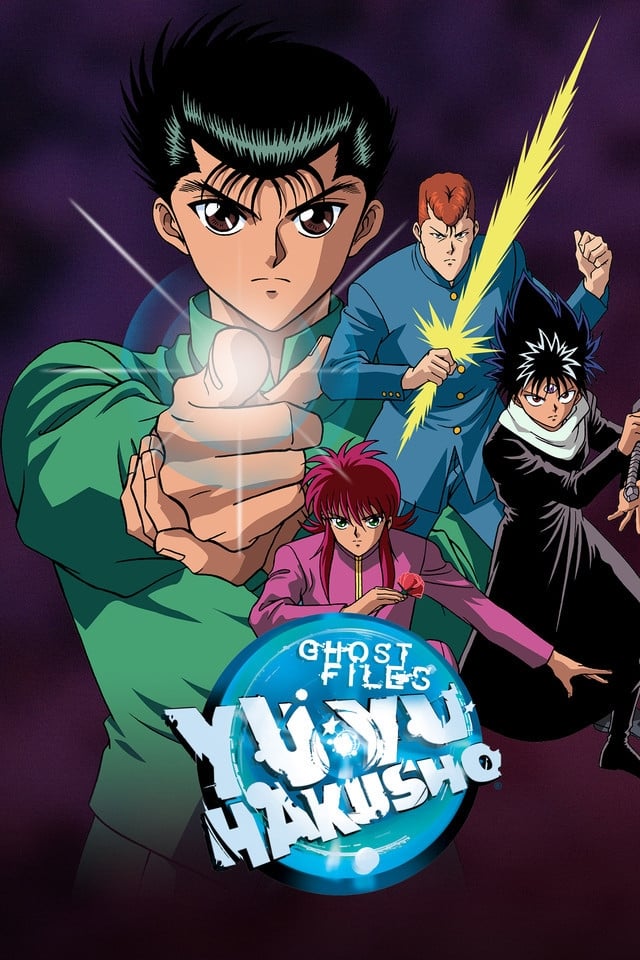
The single functioned as a long-running opening across many episodes, with minor refreshes to match new arc material while retaining the same audio. Releases include TV-size and full versions on character and best-of albums.
Credit animation introduces the main cast and tournament settings through quick wipes and panel-like transitions synchronized to the chorus. Editors updated specific character shots as the roster expanded, preserving timing alignment with the song’s sectional map.
‘Rurouni Kenshin’ (1996–1998) – “Sobakasu” by Judy and Mary

Issued as an uptempo pop-rock single, “Sobakasu” was selected as the first televised opening and appears on multiple artist compilations with consistent key and tempo. Variants include minor remasters for later reissues.
The sequence introduces Kenshin, supporting characters, and early arc antagonists using quick cuts, manga-style wipes, and scenic establishing shots. Visual updates across the broadcast block kept the original timings, allowing footage swaps without altering the audio.
‘Tokyo Ghoul’ (2014–2018) – “Unravel” by TK from Ling tosite sigure
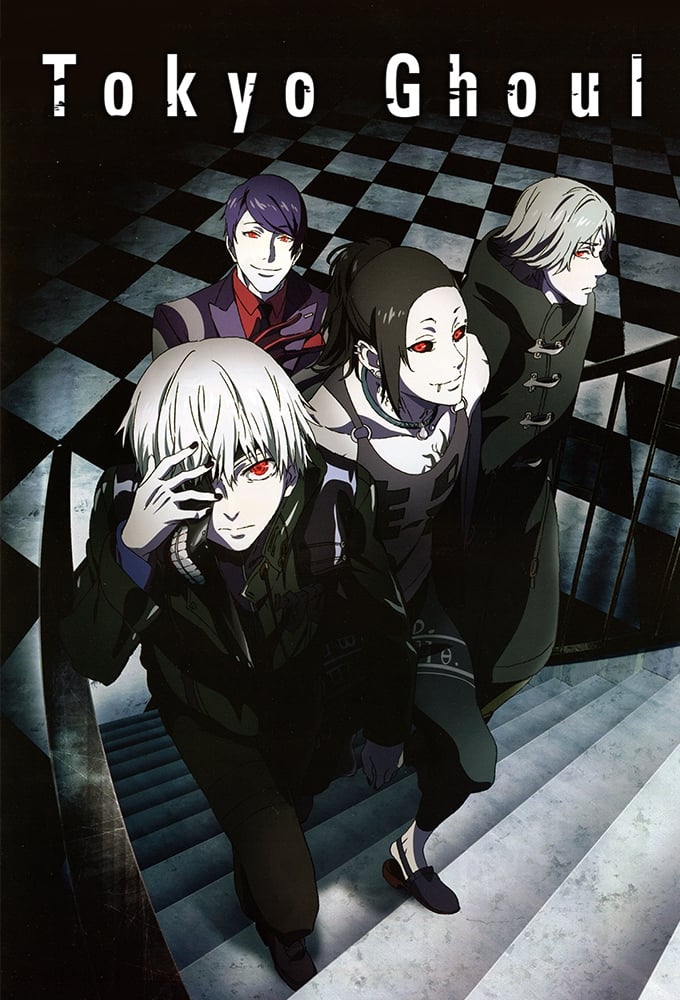
Recorded as a solo release by TK, the arrangement emphasizes dynamic contrast—quiet verse entries rising into a high-register chorus—making it suitable for a compact TV-size cut. The single and instrumental versions appear on artist compilations.
Credit visuals sync mask reveals, kagune effects, and character silhouettes to pre-chorus lifts and downbeat impacts. Subsequent seasons adopt new themes, but this first pairing remains the anchor for the initial cour in streaming and home-video archives.
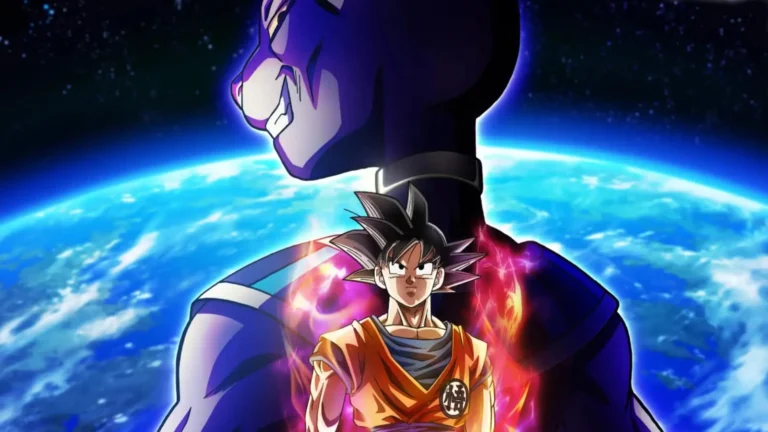
‘Dragon Ball Z’ (1989–1996) – “Cha-La Head-Cha-La” by Hironobu Kageyama

This single became one of the franchise’s longest-serving themes, with multiple official re-recordings and language versions issued for different territories. Domestic releases include karaoke edits and instrumental takes.
The opening assembles character lineups, capsule technology, and transformation shots paced to the verse–chorus structure. Region-specific broadcasts sometimes substituted localized themes, while Japanese home releases preserve the original credit timing and audio.
‘Bleach’ (2004–2012; 2022–) – “Asterisk” by Orange Range
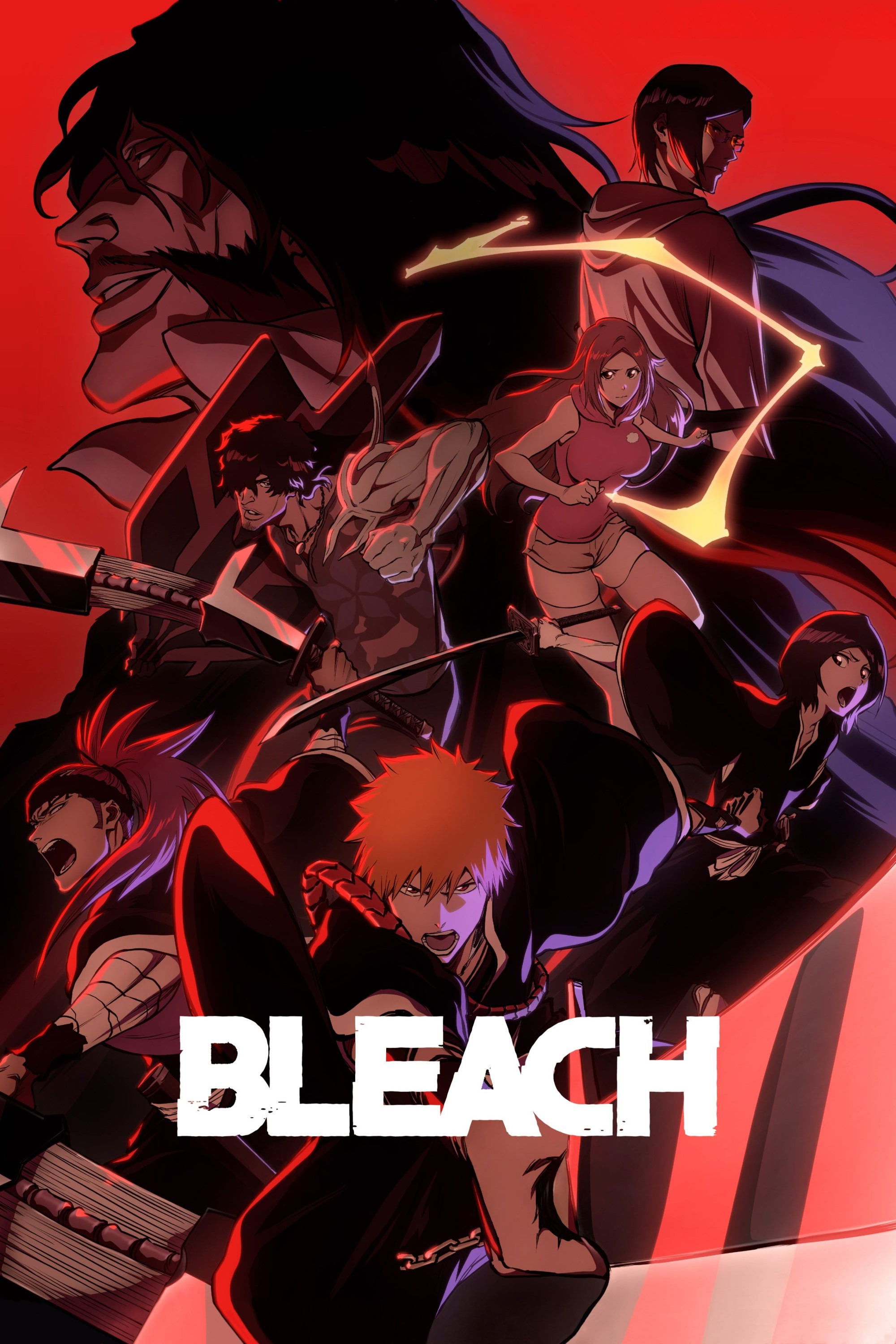
“Asterisk” arrived with the series’ early broadcast block and appears in TV-size and full versions across artist and series compilations. The arrangement mixes rap-rock verses with a melodic chorus engineered for broadcast clarity.
Visuals use color-blocked layouts and wipes to introduce Ichigo, Rukia, and early adversaries, aligning transitions to verse swaps and chorus hits. Later arcs rotate different openings, but this track remains the series’ earliest televised identifier in collection sets.
‘Naruto’ (2002–2007) – “Haruka Kanata” by Asian Kung-Fu Generation
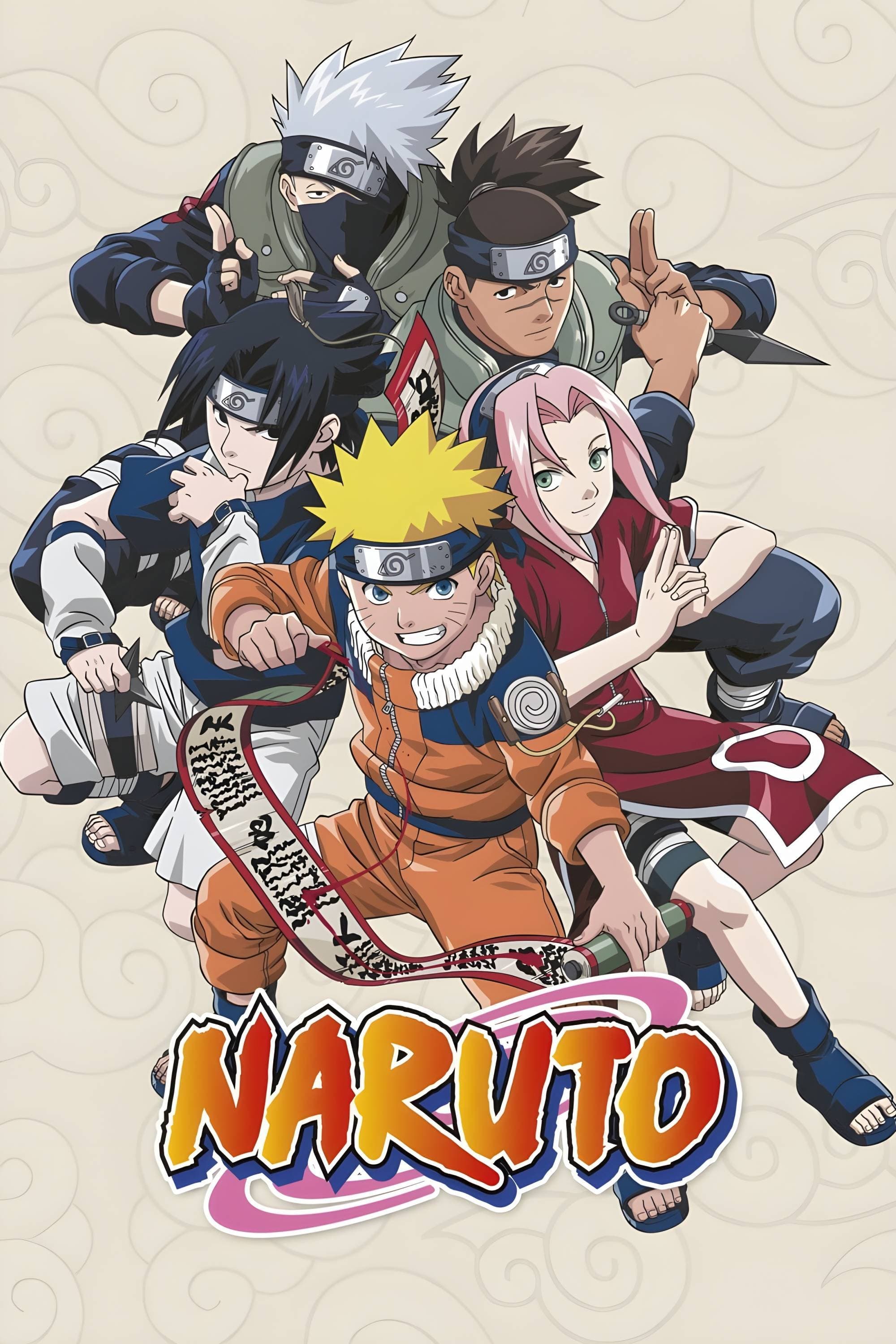
The single features tightly metered vocals and driving guitars typical of the band’s early catalog, released with studio and live variants in the same key. TV-size edits center the intro and first chorus to fit the episode runtime.
Credit animation covers Team 7’s formative missions and tournament material using jump cuts and character showcases synced to rhythm accents. Standardized typography and background palettes keep visual continuity across broadcast and disc versions.
‘Haikyu!!’ (2014–2020) – “Imagination” by SPYAIR
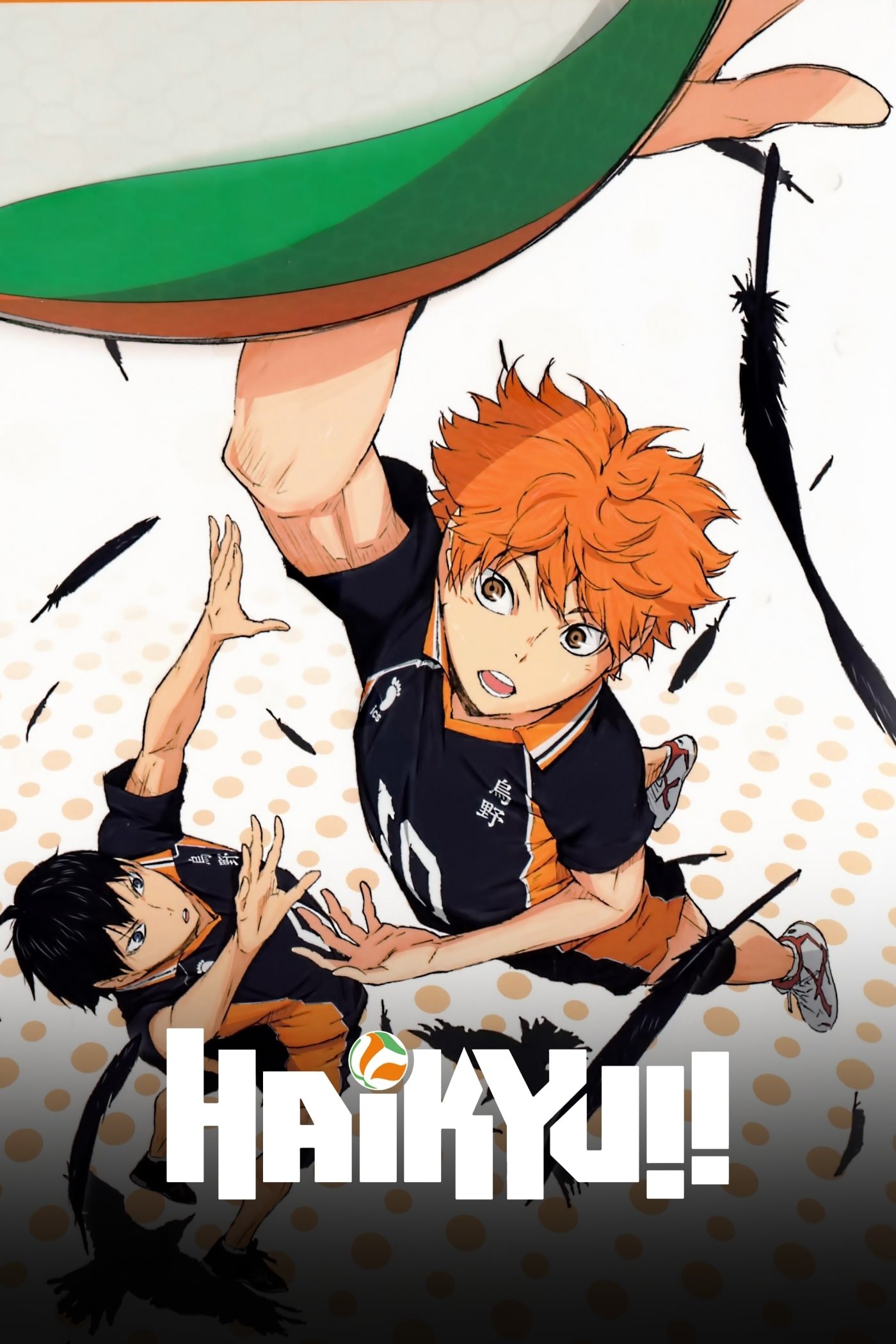
“Imagination” appears as the show’s first opening and is included on SPYAIR’s singles and compilation releases with both full and TV-size cuts. The arrangement’s steady tempo and prominent drum pattern support easy synchronization with action imagery.
The credits emphasize court drills, quick character introductions, and match setups, cutting to the chorus hook on rally montages. Later cours rotate different SPYAIR and other artist tracks, but this one anchors the series’ earliest televised episodes.
‘Samurai Champloo’ (2004–2005) – “Battlecry” by Nujabes feat. Shing02
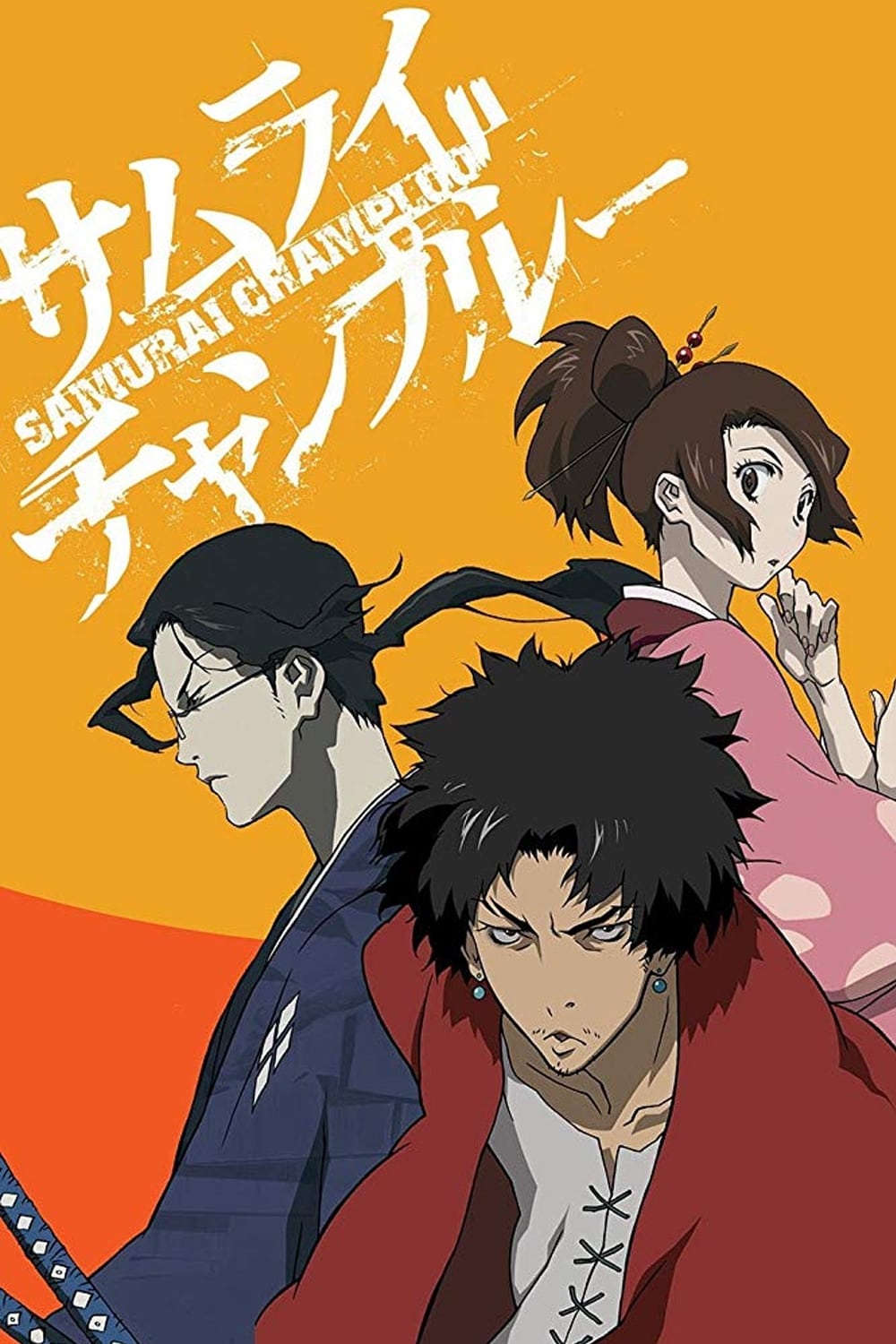
Produced specifically for the show, the track merges sample-based beats with narrative verses and appears on soundtrack volumes with instrumental stems. TV-size formatting prioritizes the intro hook and first verse.
Credit visuals layer calligraphy strokes, Edo-period motifs, and graffiti-styled typography timed to drum hits and bass entrances. The pairing remained consistent across the broadcast, with archival discs retaining the original cut order and timing.
‘Jujutsu Kaisen’ (2020–) – “Kaikai Kitan” by Eve
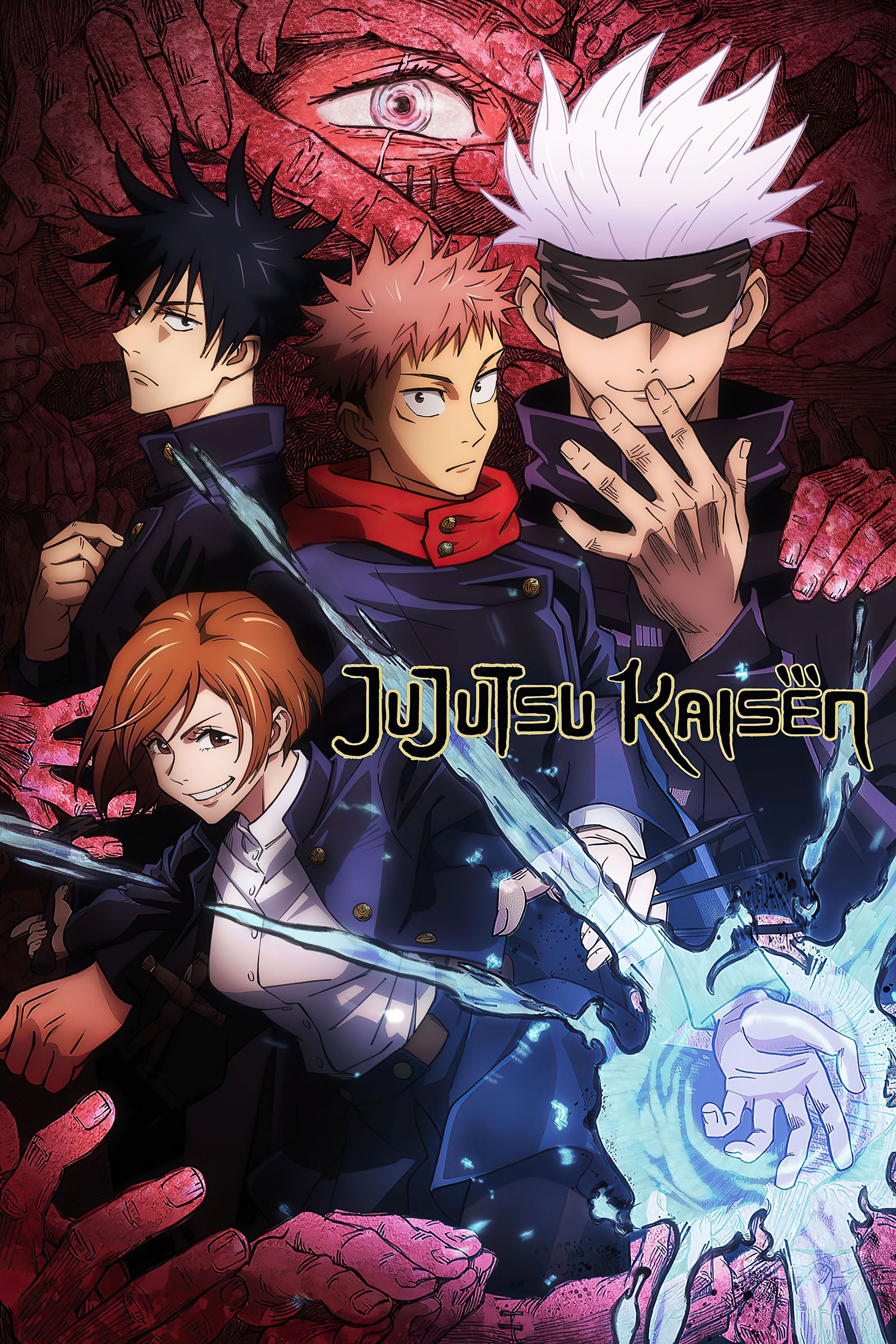
Eve’s single combines guitar-led verses with a melodic chorus structured for a concise TV edit, and it appears in artist compilations alongside an official music video release. Instrumental versions replicate the broadcast timing.
The opening showcases student rosters, city backdrops, and cursed-energy motifs, aligning camera whips and effect bursts to sectional changes. Later cours introduce new themes, but this track defines the first block of televised episodes.
‘One-Punch Man’ (2015–) – “The Hero!! ~Ikareru Kobushi ni Honō o~” by JAM Project
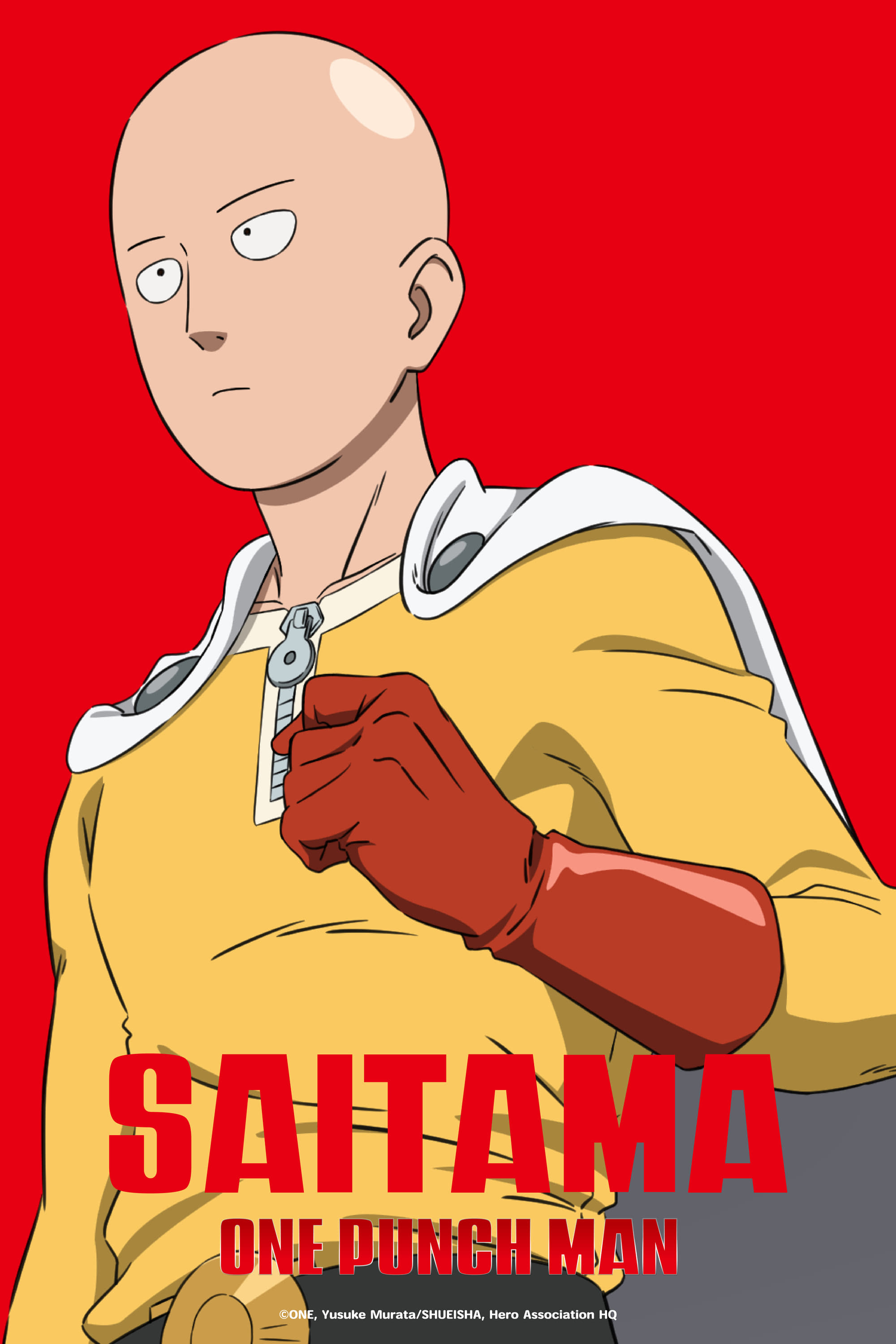
Recorded by JAM Project, the single features layered group vocals and power-metal instrumentation, issued with full, TV-size, and live recordings. The arrangement preserves consistent tempo across versions to match credit timing.
Credit animation presents monster encounters, training shots, and title cards keyed to downbeat impacts and chorus entries. Music-game tie-ins and series compilations archive the track with standardized metadata for cross-media indexing.
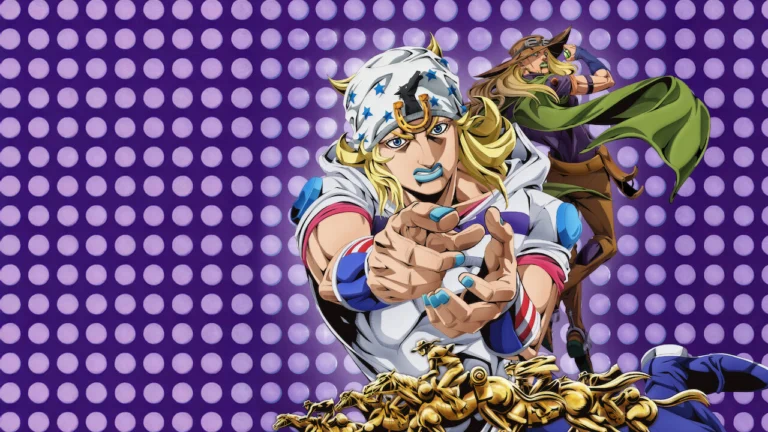
‘JoJo’s Bizarre Adventure’ (2012–) – “Sono Chi no Sadame” by Hiroaki “TOMMY” Tominaga
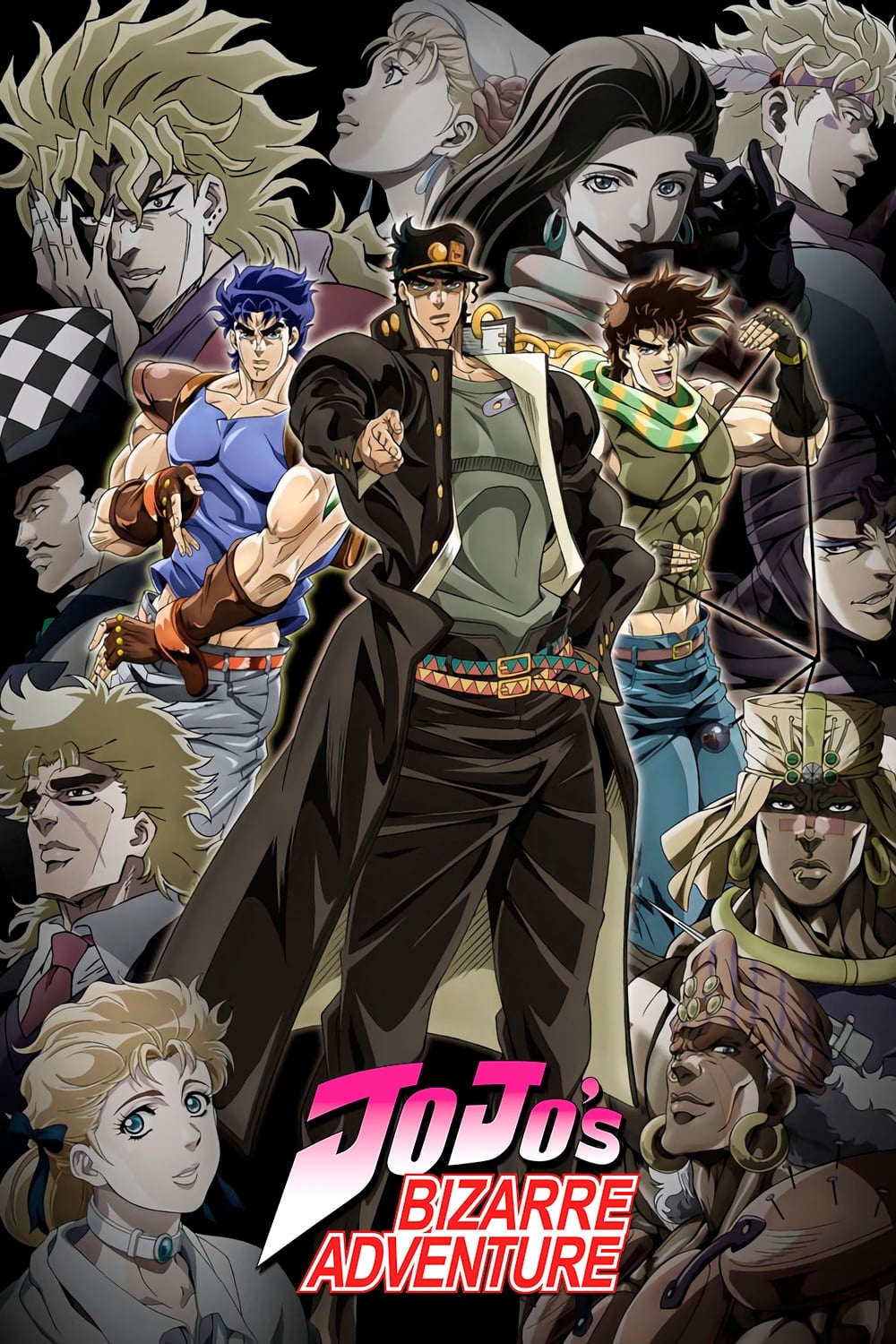
Designed for the ‘Phantom Blood’ arc, this orchestral-rock single emphasizes brass stabs and dramatic string lines suitable for stylized CG-assisted visuals. Releases include full and TV-size cuts and off-vocal mixes.
The opening uses manga-panel transitions, the stone mask, and color-shift effects paced to formal section markers. Subsequent parts employ different openings, but this song anchors the earliest televised episodes in franchise collections.
‘Made in Abyss’ (2017–) – “Deep in Abyss” by Miyu Tomita & Mariya Ise
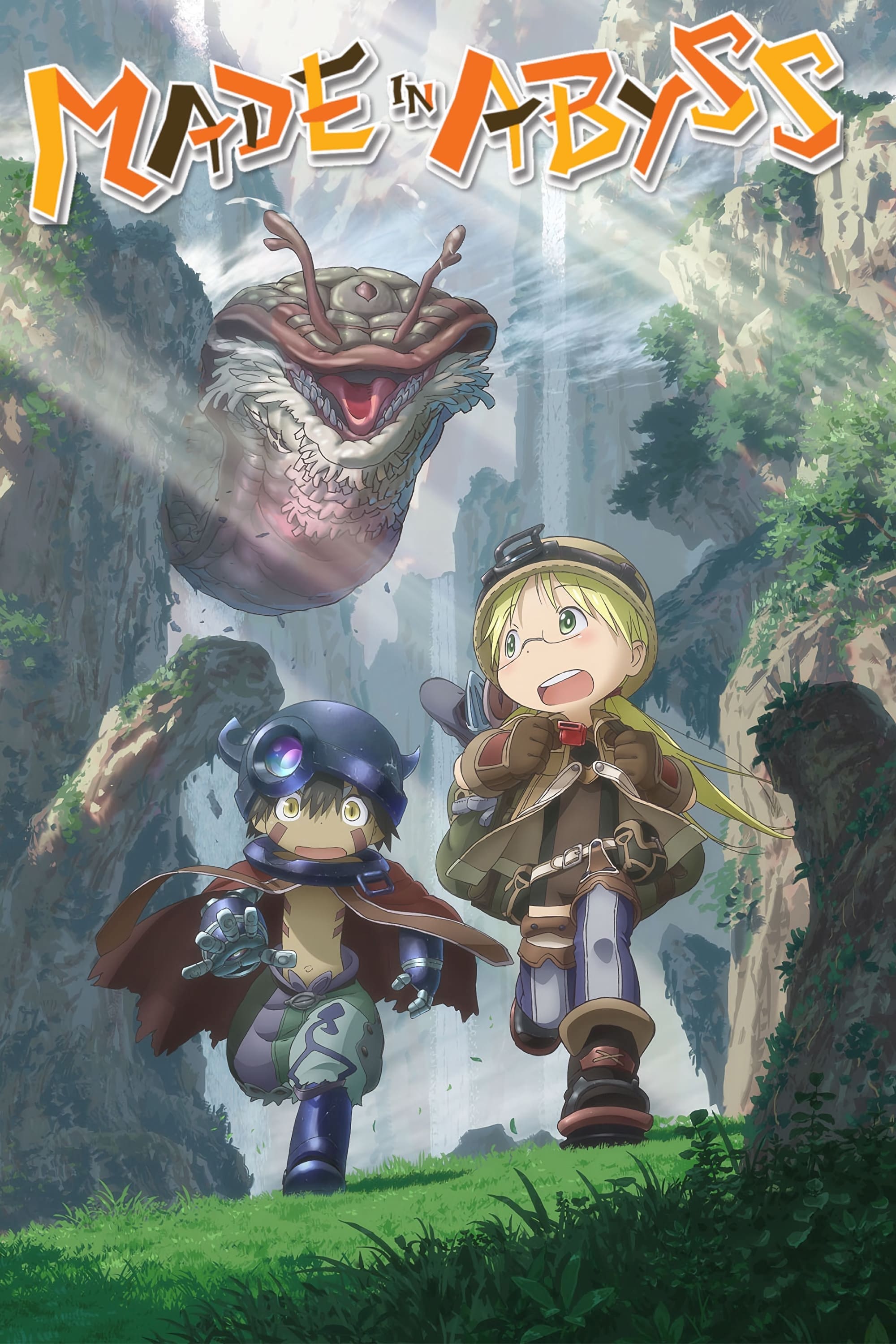
Performed by the lead voice actors, the duet balances character-driven vocals with an adventurous arrangement and appears on singles with instrumental versions. The TV-size crop centers verse and chorus without bridge material.
Credit visuals overlay expedition gear, map motifs, and environmental vistas with lens-flare transitions aligned to drum fills. Later arcs adopted new openings, while this track remains cataloged with the first cour’s score on official albums.
‘Your Lie in April’ (2014–2015) – “Hikaru Nara” by Goose house
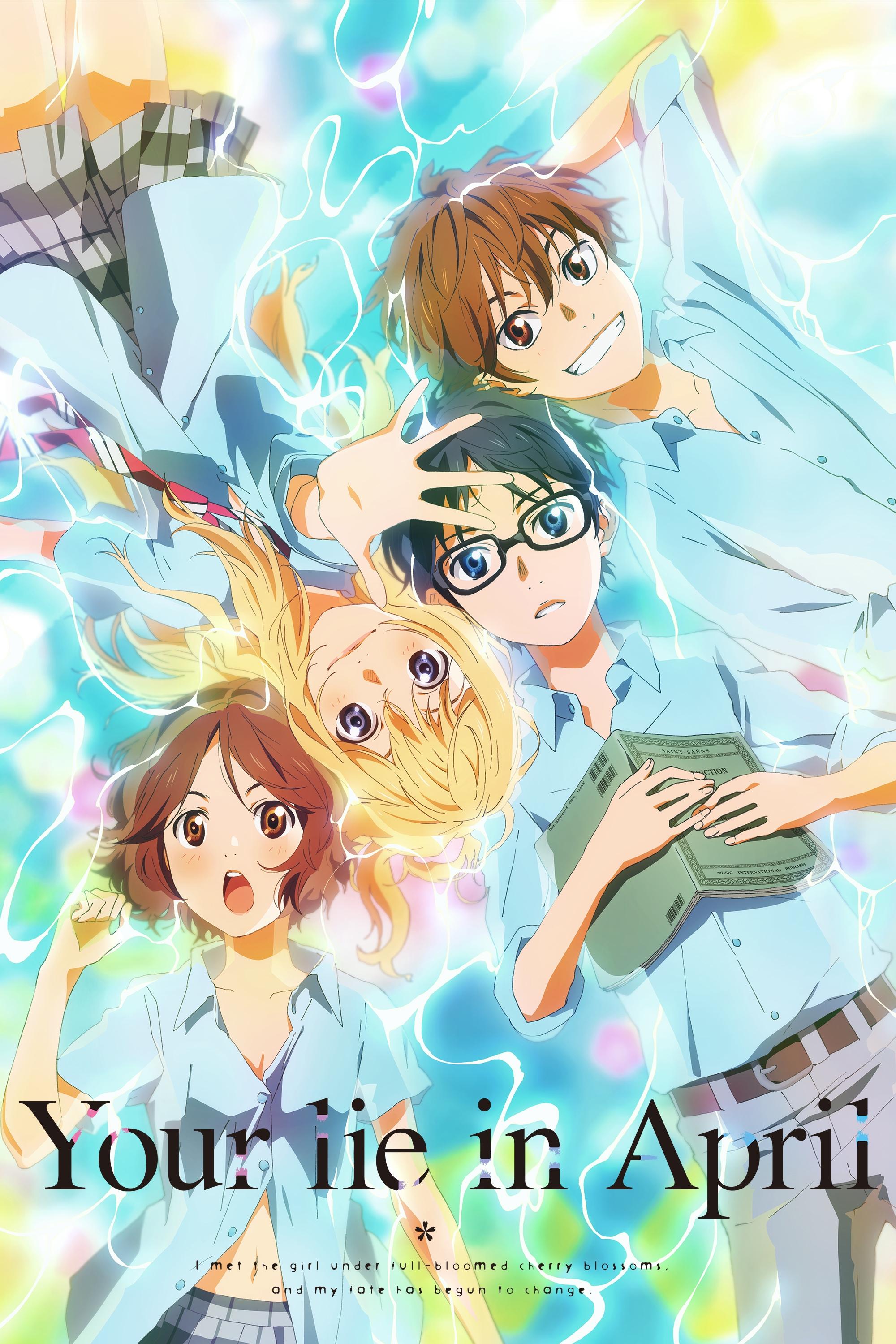
This ensemble single features layered harmonies built around acoustic guitar and piano, released with TV-size and full versions consistent in key across editions. The mastering preserves vocal clarity under broadcast compression.
The opening emphasizes performance imagery—piano keys, violin bowing, and seasonal inserts—timed to verse entries and chorus lifts. Official compilations archive the track alongside instrumental score pieces used in performance scenes.
‘Neon Genesis Evangelion’ (1995–1996) – “A Cruel Angel’s Thesis” by Yoko Takahashi
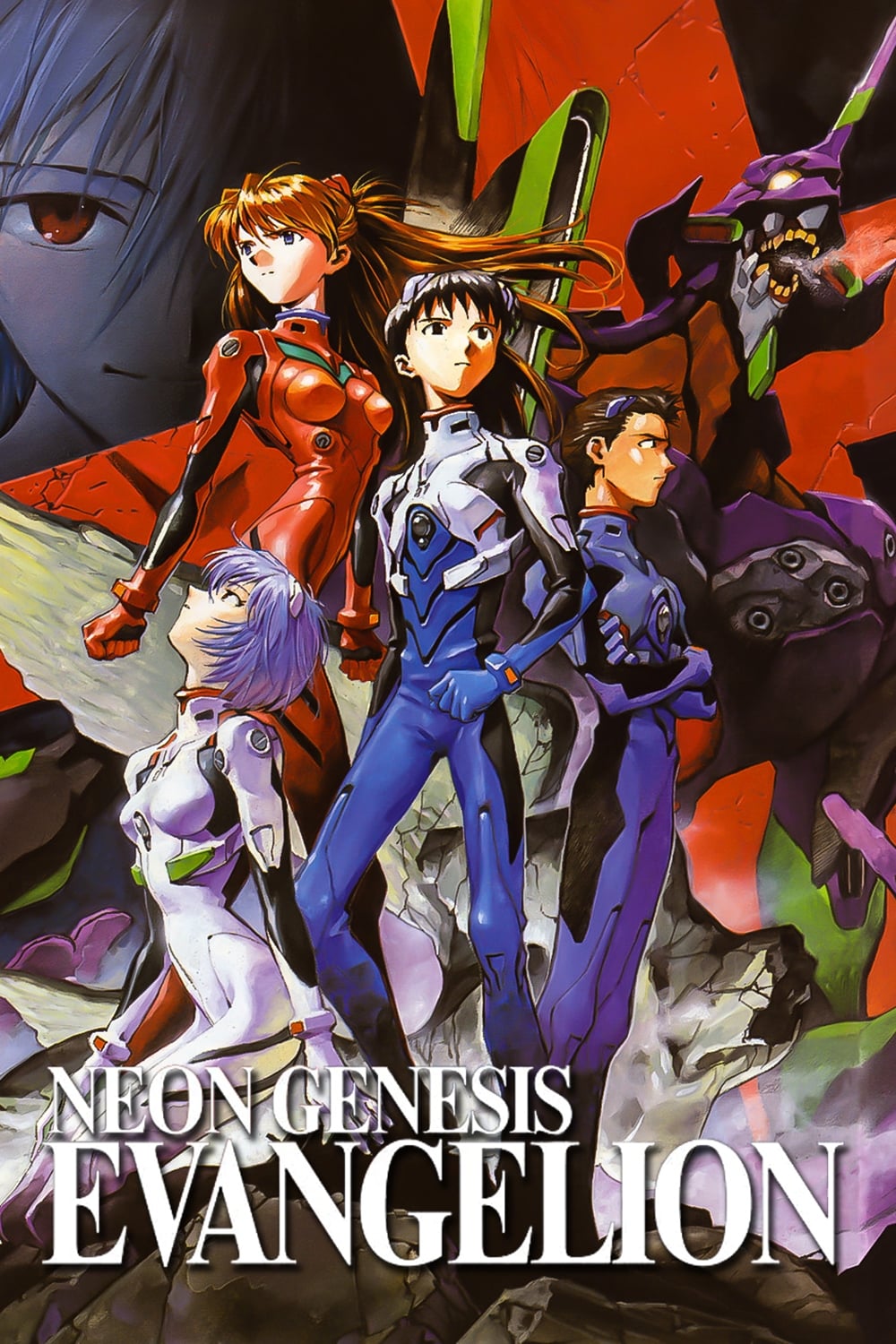
Tailored to production notes, the single has multiple official versions, including remixes and anniversary re-recordings that maintain the recognizable vocal melody. The TV-size edit aligns cleanly with episode-length constraints.
Credits employ rapid-fire montage editing, character stills, and on-screen text overlays synchronized to the intro hits and chorus structure. Later releases retain this pairing for televised cuts, and compilation albums document the variants.
‘Mob Psycho 100’ (2016–2022) – “99” by Mob Choir
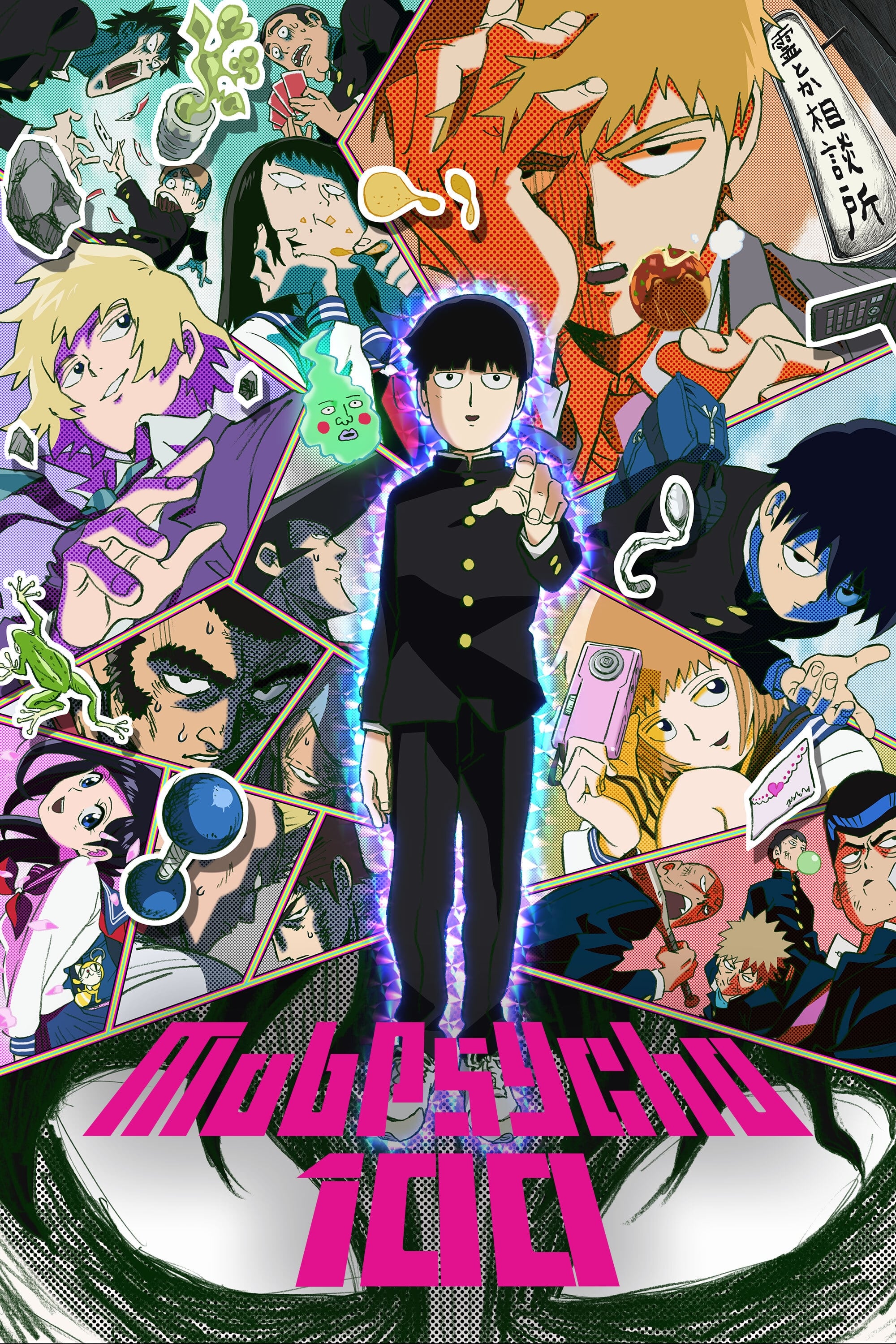
“99” integrates a counted-number chant over shifting time-feel and appears with remixes and extended mixes on official releases. The broadcast version centers the count-up and first chorus.
Opening visuals fold in rotoscoped movement, typography effects, and esper iconography, aligning effects bursts to rhythmic builds. Later seasons introduced new tracks under the Mob Choir label while preserving the first season’s audio-visual timing for archives.
‘Demon Slayer: Kimetsu no Yaiba’ (2019–) – “Gurenge” by LiSA
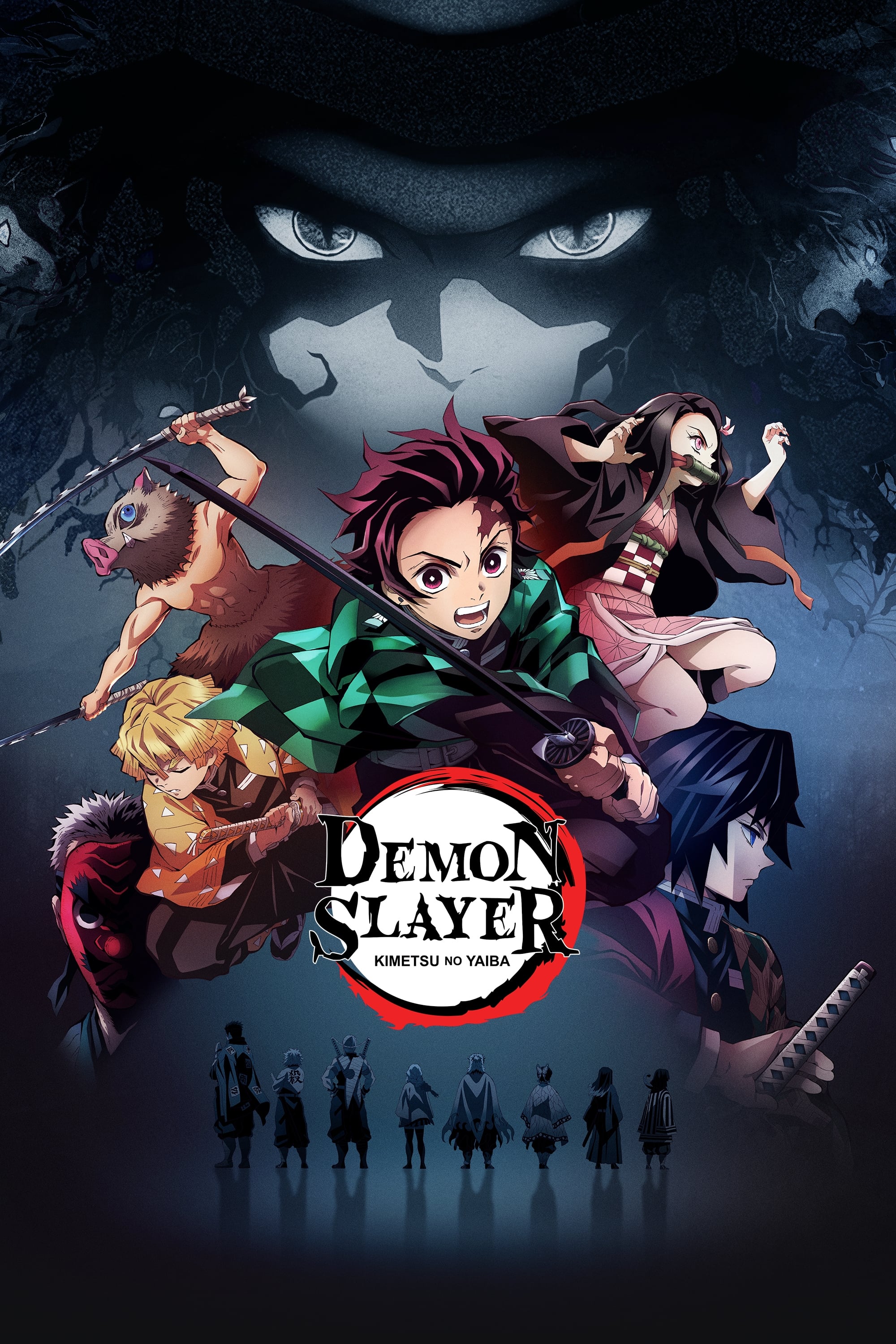
Released in tandem with the first cour, “Gurenge” features a polished pop-rock arrangement and prominent lead vocal. The single appears on multiple compilation and live releases, with instrumentals aligned to TV timing.
Credits intercut sword forms, character portraits, and era-specific backgrounds, placing drum fills on transition cuts and the chorus downbeat on title reveals. Subsequent arcs adopt new themes specific to their storylines.
‘Vinland Saga’ (2019–) – “MUKANJYO” by Survive Said The Prophet
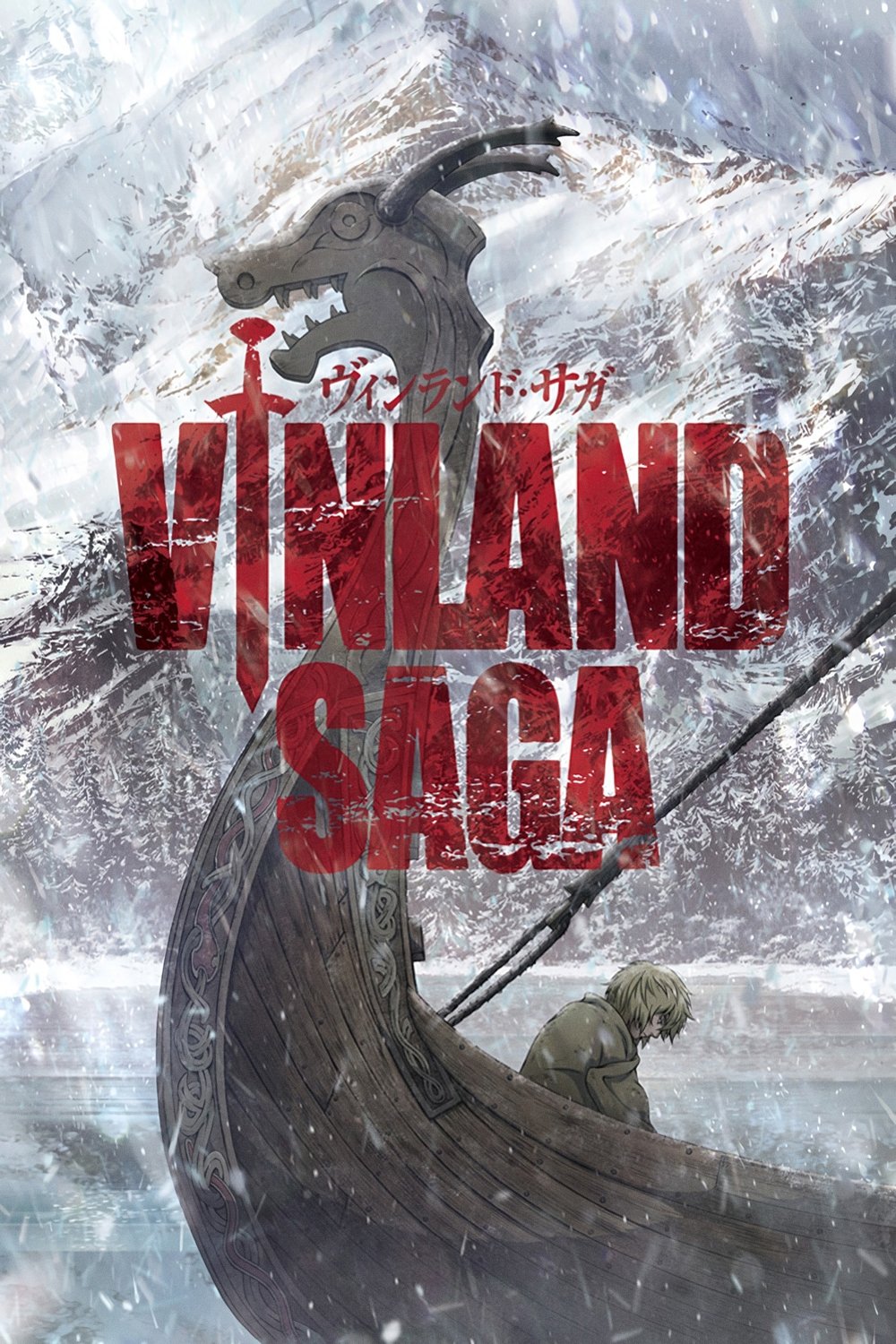
An alt-rock track emphasizing loud-soft dynamics, “MUKANJYO” was issued as the series’ first opening with both full and TV-size edits. The production keeps the vocal forward in the mix to maintain clarity on broadcast.
The opening maps character introductions, map overlays, and battle imagery to the song’s build, using hard cuts for percussive hits. Later cours rotate additional themes, while this track remains the identifier for the earliest episodes.
‘Death Note’ (2006–2007) – “The WORLD” by Nightmare
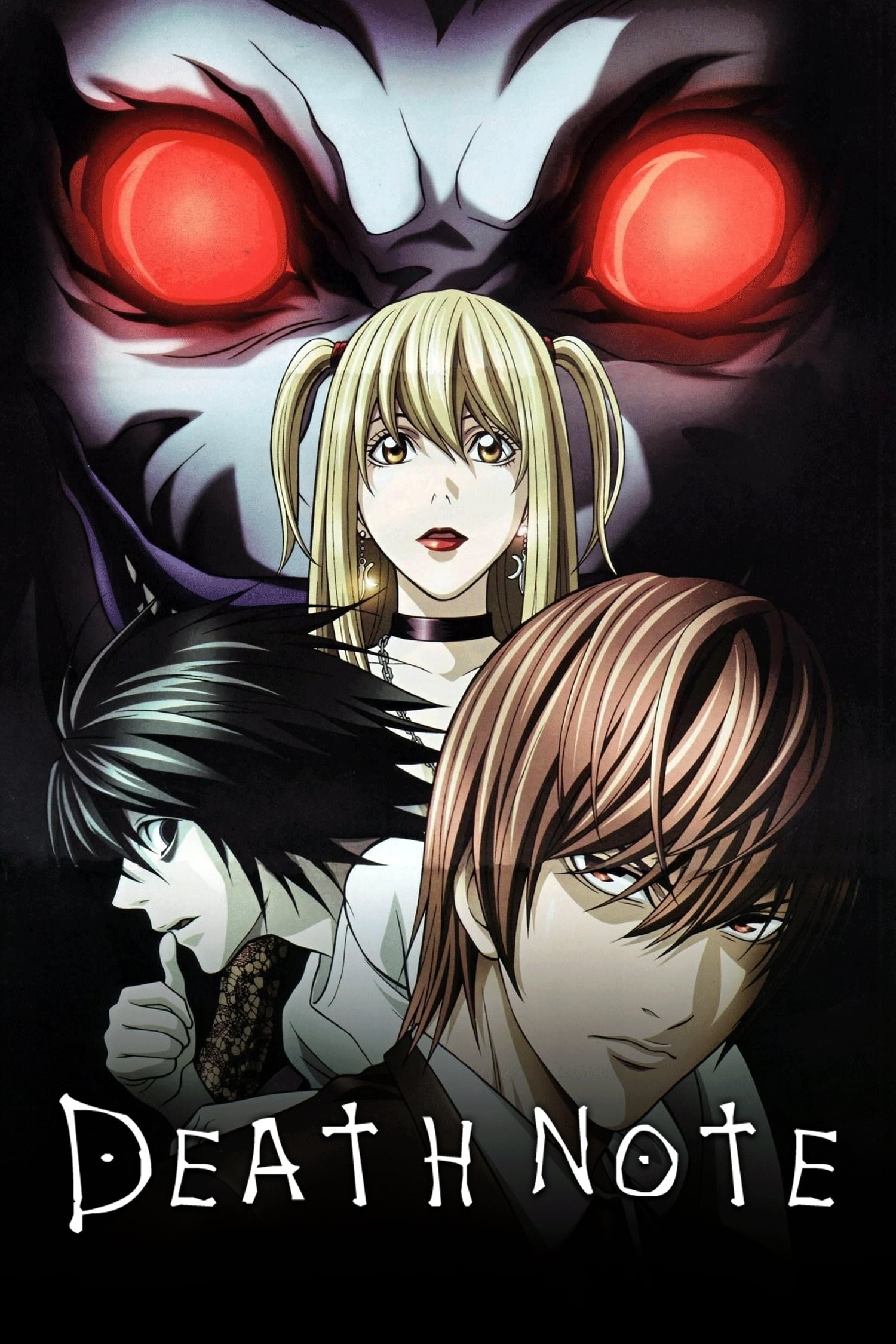
Nightmare’s single features dark-toned rock instrumentation and dual-vocal interplay, packaged with a B-side that also appears in series music releases. TV-size edits prioritize the intro and first chorus for pacing.
Credit visuals use red-black palettes, apple imagery, and contrasting character shots aligned with verse entries and pre-chorus tension. The season midpoint transitions to a different opening, with this track archived for the first half.
‘Cowboy Bebop’ (1998) – “Tank!” by The Seatbelts
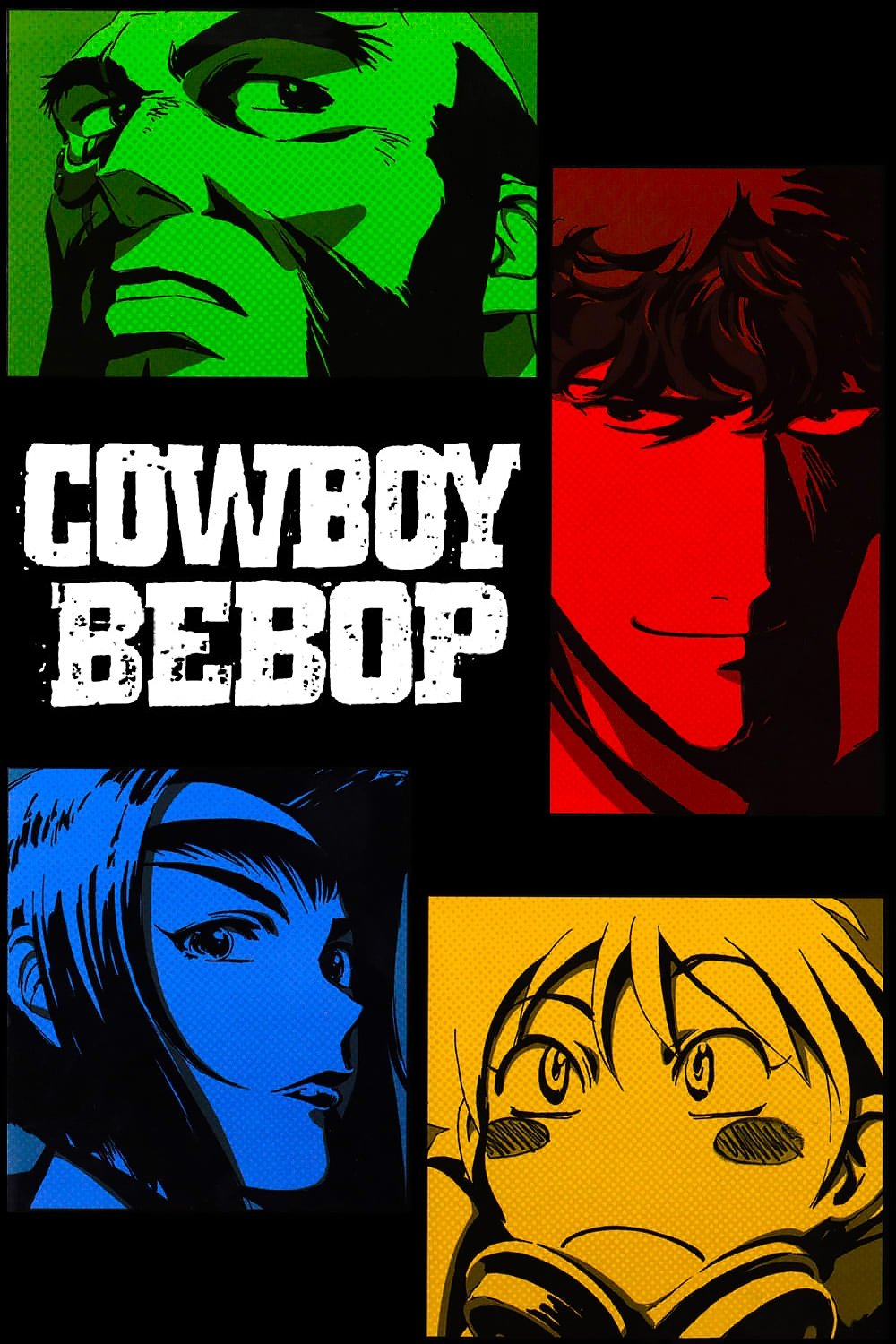
Composed by Yoko Kanno and performed by The Seatbelts, this big-band jazz piece appears in studio and live versions, with the TV-size cut focusing on the intro head and primary riff. Official soundtracks standardize track metadata across releases.
The credits use silhouette action, dossier-style reveals, and bold typography timed to brass hits and breaks. The pairing remains intact across broadcast, home video, and streaming editions for consistent identification.
‘One Piece’ (1999–) – “We Are!” by Hiroshi Kitadani
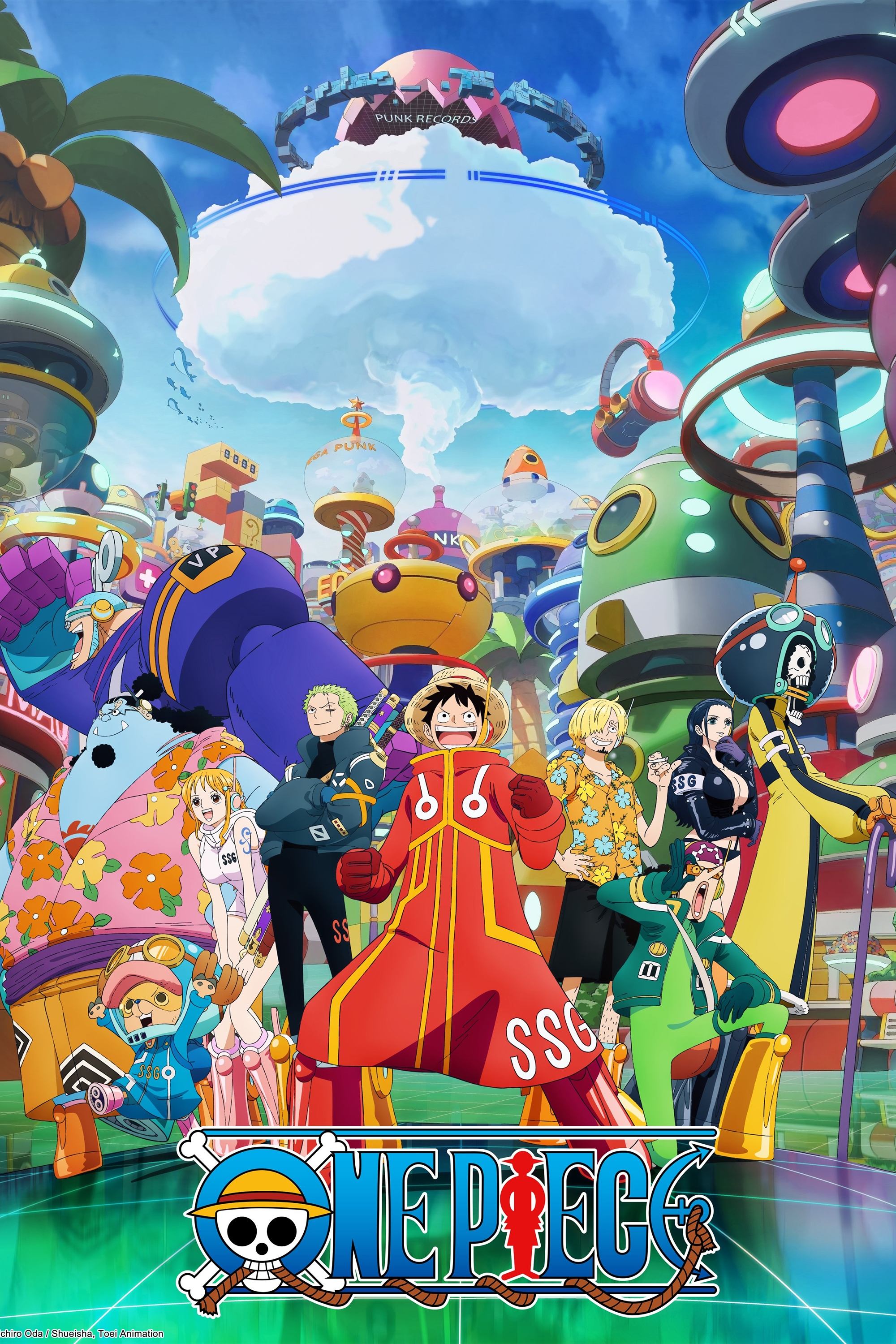
“We Are!” debuted as the series’ initial opening and later returned in anniversary versions, all issued with TV-size and full edits. The arrangement’s steady tempo supports clean synchronization with episodic cold-open timing.
Credit animation rolls through Straw Hat crew introductions, sea routes, and flag motifs keyed to the chorus hook. While the show cycles through many openings, compilations consistently index this track as the foundational theme for early episodes.
‘Steins;Gate’ (2011) – “Hacking to the Gate” by Kanako Ito
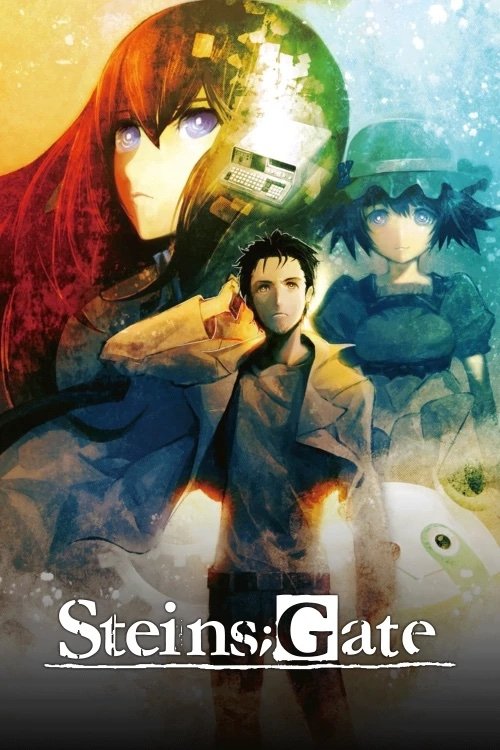
The single blends synth arpeggios with a four-on-the-floor kick, engineered for intelligibility in compressed TV audio. Releases include instrumentals and remixes retaining the core melodic line.
Credits overlay CRT noise, clockwork imagery, and character lineups with glitch effects placed on rhythmic grid points. The consistent pairing across the run ensures stable timing for episode structures in broadcast and streaming.
‘Gintama’ (2006–2018; 2021) – “Pray” by Tommy heavenly6
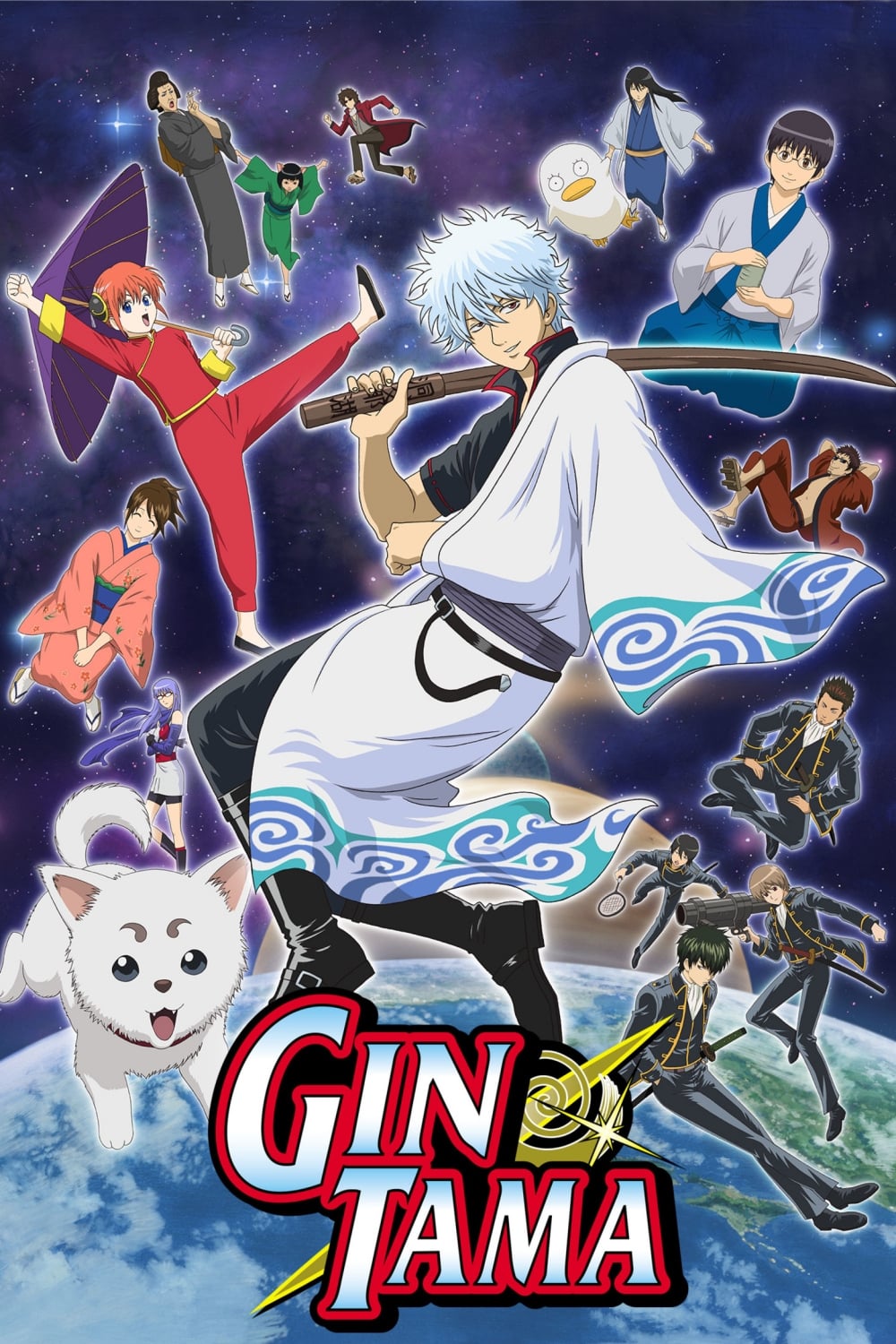
Issued under Tomoko Kawase’s Tommy heavenly6 persona, “Pray” introduces the first TV run and appears in artist compilations with matched stems for TV-size and full versions. The production’s guitar-forward mix suits dialogue lead-ins.
The sequence presents the Yorozuya trio, Edo cityscapes, and comedic inserts matched to energetic pacing. Later seasons cycle numerous openings, while archival sets identify this track as the show’s inaugural broadcast theme.
‘Hunter x Hunter’ (2011–2014) – “Departure!” by Masatoshi Ono
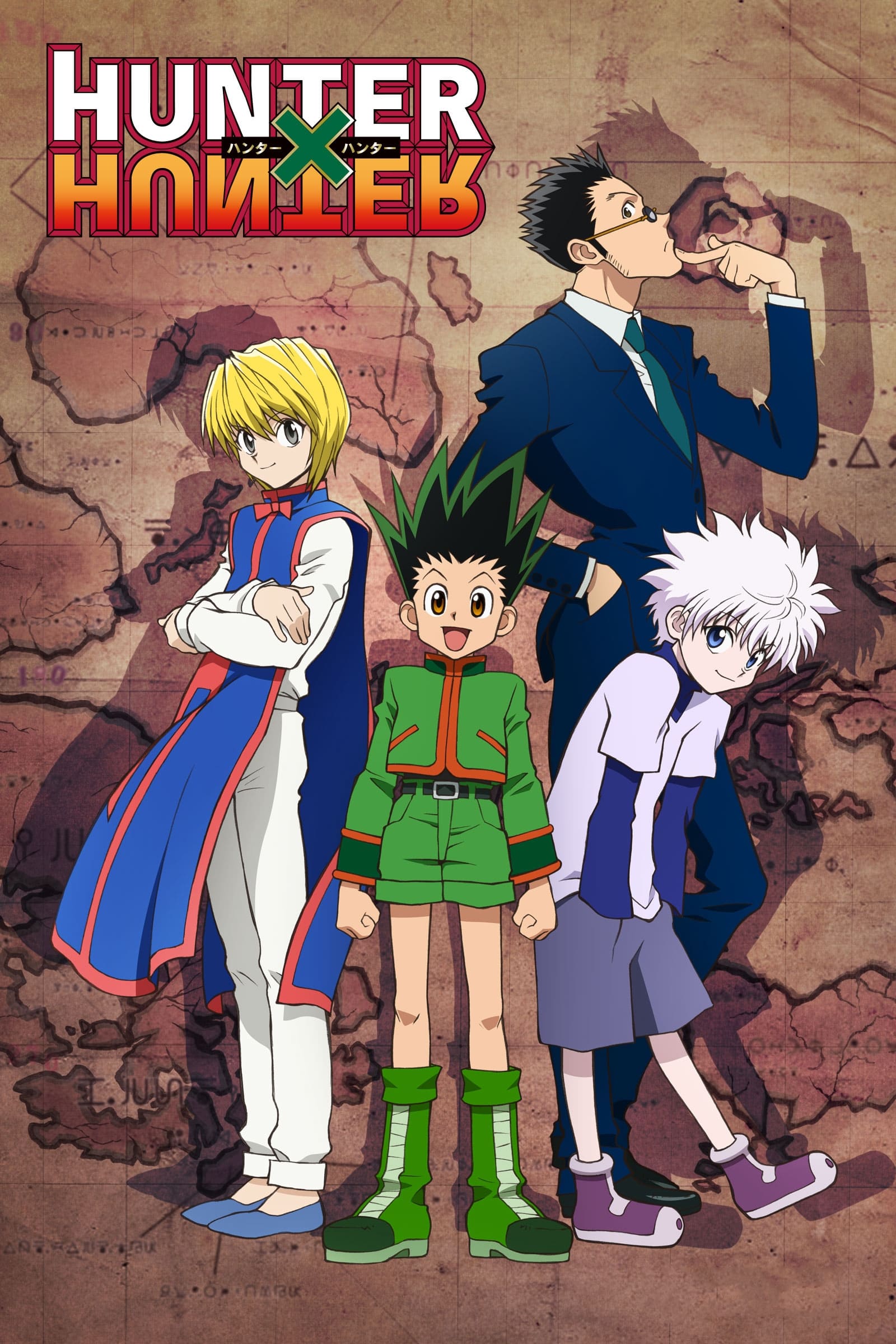
“Departure!” recurs across the series with lyric and visual variants while retaining the same melody and arrangement. Official singles collect multiple takes, including off-vocal versions used for previews.
Credit animation updates character shots as arcs progress, slotting new footage into established timing so the verse–chorus map remains unchanged. Soundtrack compilations list these variants alongside score cues for comprehensive coverage.
‘Attack on Titan’ (2013–2023) – “Guren no Yumiya” by Linked Horizon
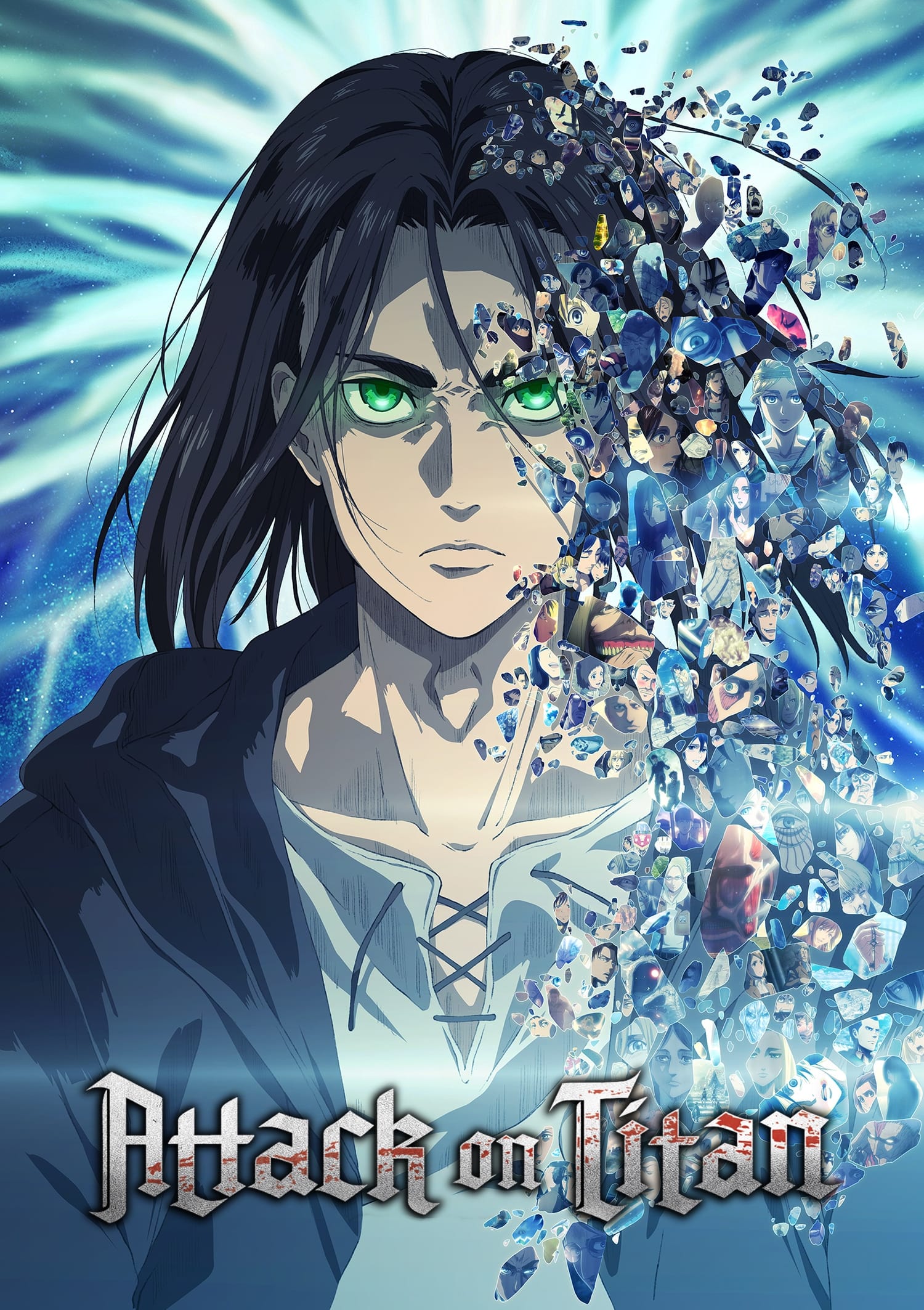
The single layers choral parts, march-like percussion, and orchestral-rock elements into a concise structure that fits TV limits. Studio and live versions appear on artist and franchise compilations with standardized metadata.
The opening synchronizes wall imagery, regiment formations, and ODM gear sequences to rhythmic accents and the chorus onset. Later seasons feature new themes, while this track anchors the earliest televised block in collections.
‘Fullmetal Alchemist: Brotherhood’ (2009–2010) – “Again” by YUI
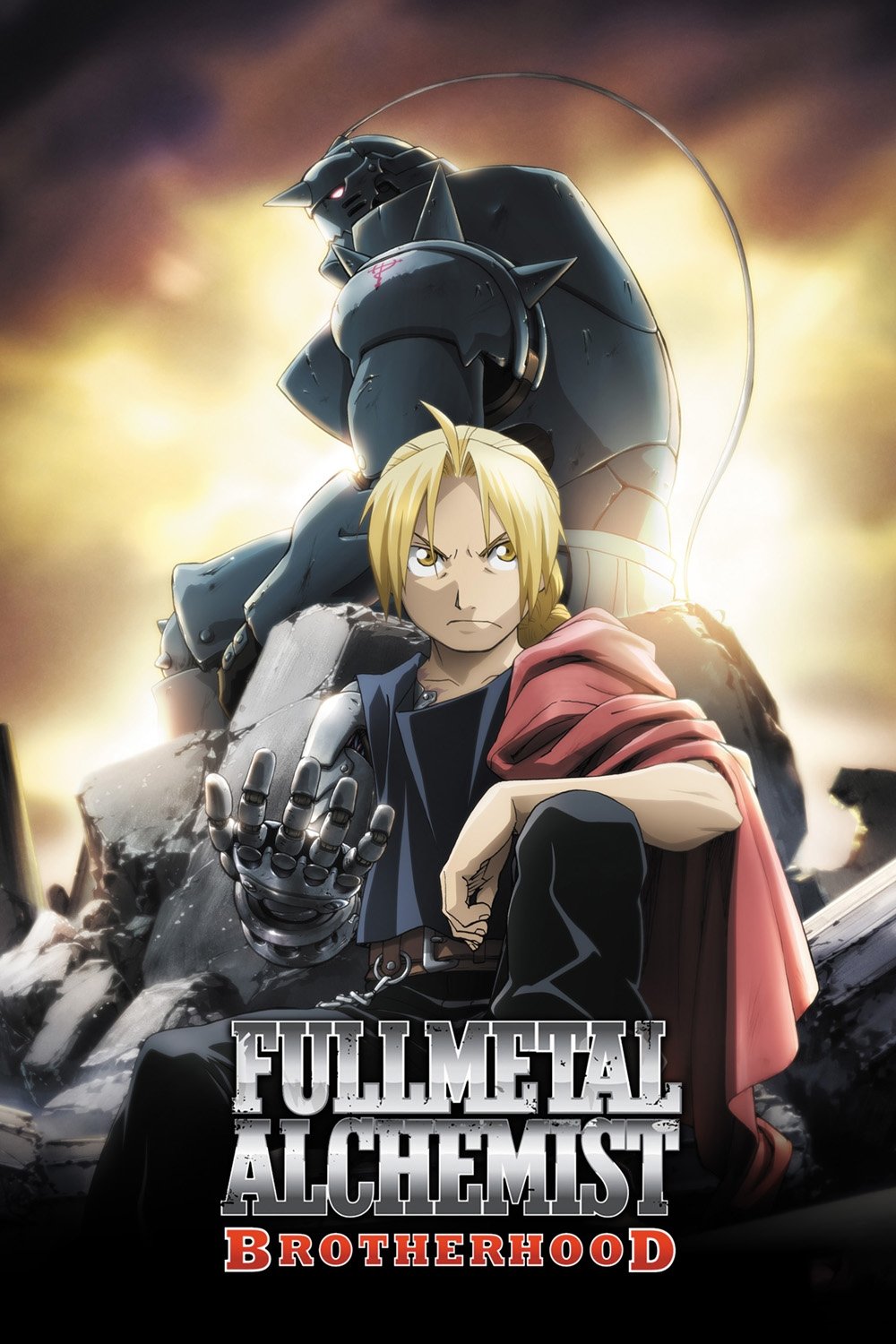
Released alongside the series’ first cour, “Again” features a distinctive piano-and-guitar intro and a strong melodic hook, distributed in full, TV-size, and live recordings. Instrumental versions mirror the broadcast edit for promo use.
Credit sequences time alchemical transmutation shots, character introductions, and title cards to sectional changes in the track. Subsequent cours rotate different openings, and official albums index this song as the identifier for the initial episodes.
Share the openings you never skip—and which sequence timing details you notice every time—in the comments!