Best Forgotten Anime from the 1990s (That Require an Immediate Rewatch)


The 1990s packed in a lot of variety, from experimental science fiction to fantasy sagas and offbeat comedies. Many of these releases first arrived as late night TV slots or direct to video OVAs, which meant they could slip past a wider audience even as they shaped styles and careers. Tracking them down today gives a clear picture of how the decade tested new ideas with limited episodes and ambitious staff lists.
Below are shows and films that debuted between 1990 and 1999. For quick context, each entry notes format details like episode counts, release windows, and key creators, with a quiet nod to the studios that carried them. Use the specifics to find what you want to sample next, whether that is a compact OVA or a full season run.
‘Key the Metal Idol’ (1994–1997)
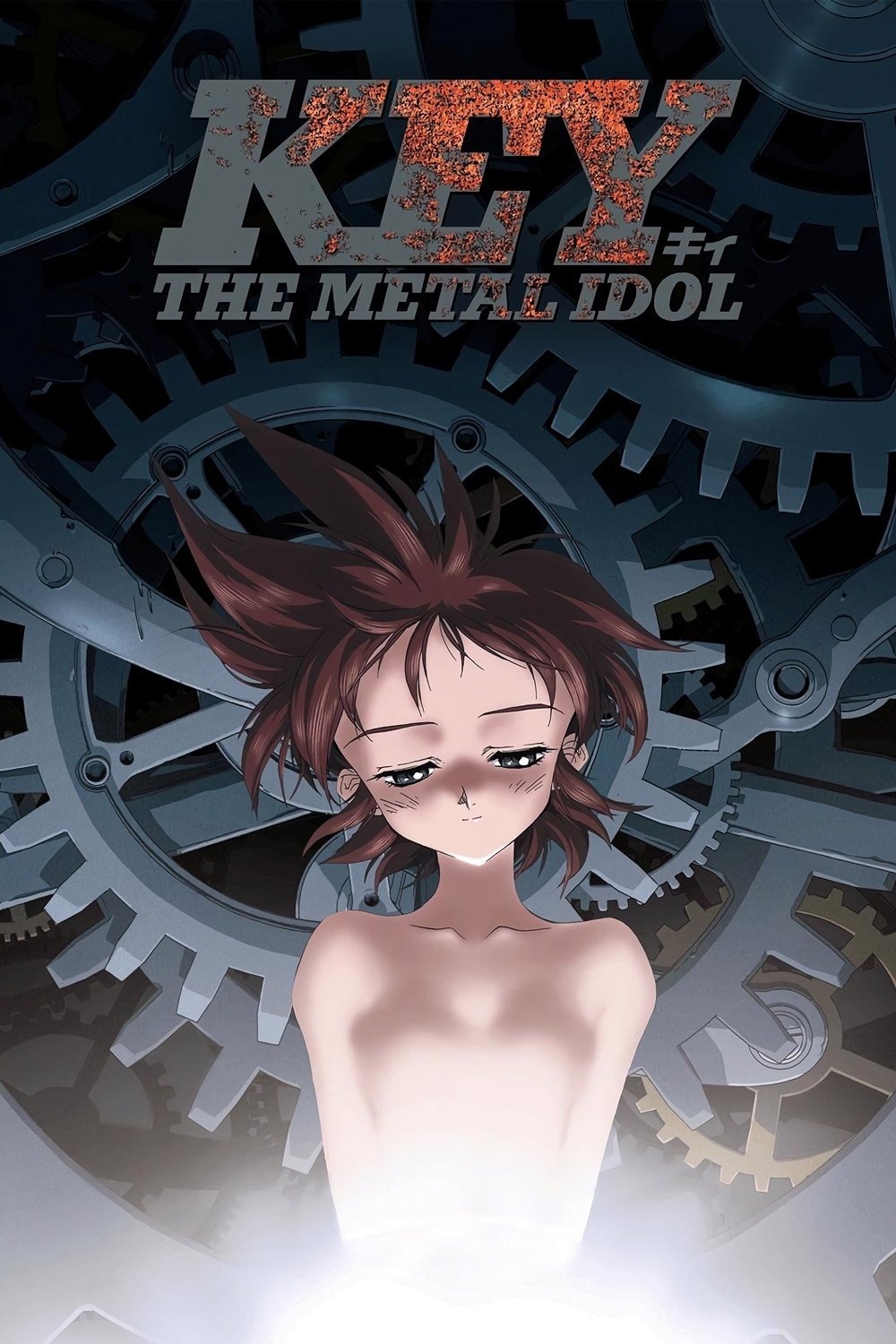
This 15 episode OVA follows Tokiko Key, a socially withdrawn girl who believes she must make 30,000 friends to become human. It released in two phases across the mid 1990s, with early volumes setting up the mystery and two feature length entries concluding the story. Director Hiroaki Sato and writer Sho Aikawa framed the narrative around idol culture, robotics, and urban rumor.
The production came out of Studio Pierrot with character designs by Keisuke Goto. Music by Tamiya Terashima and atmospheric sound design support long quiet stretches, which was a hallmark of some mid decade OVAs. The final two chapters run at film length and were distributed as specials to wrap up the arc.
‘Record of Lodoss War’ (1990)

Adapted from Ryo Mizuno’s fantasy novels and tabletop replay books, this 13 episode OVA opened the decade with high fantasy party adventuring on the island of Lodoss. The story introduces Parn, Deedlit, and a rotating cast that moves from village quests to kingdom level conflicts. The narrative was arranged for self contained installments that still advance a larger war.
Madhouse handled animation with detailed designs by Nobuteru Yuki. The OVA’s painterly backgrounds and consistent armor layouts became a reference point for fantasy anime in the early 1990s. A later TV series told a different take, but this initial OVA is the compact version built by the Madhouse team.
‘Armitage III’ (1995–1997)
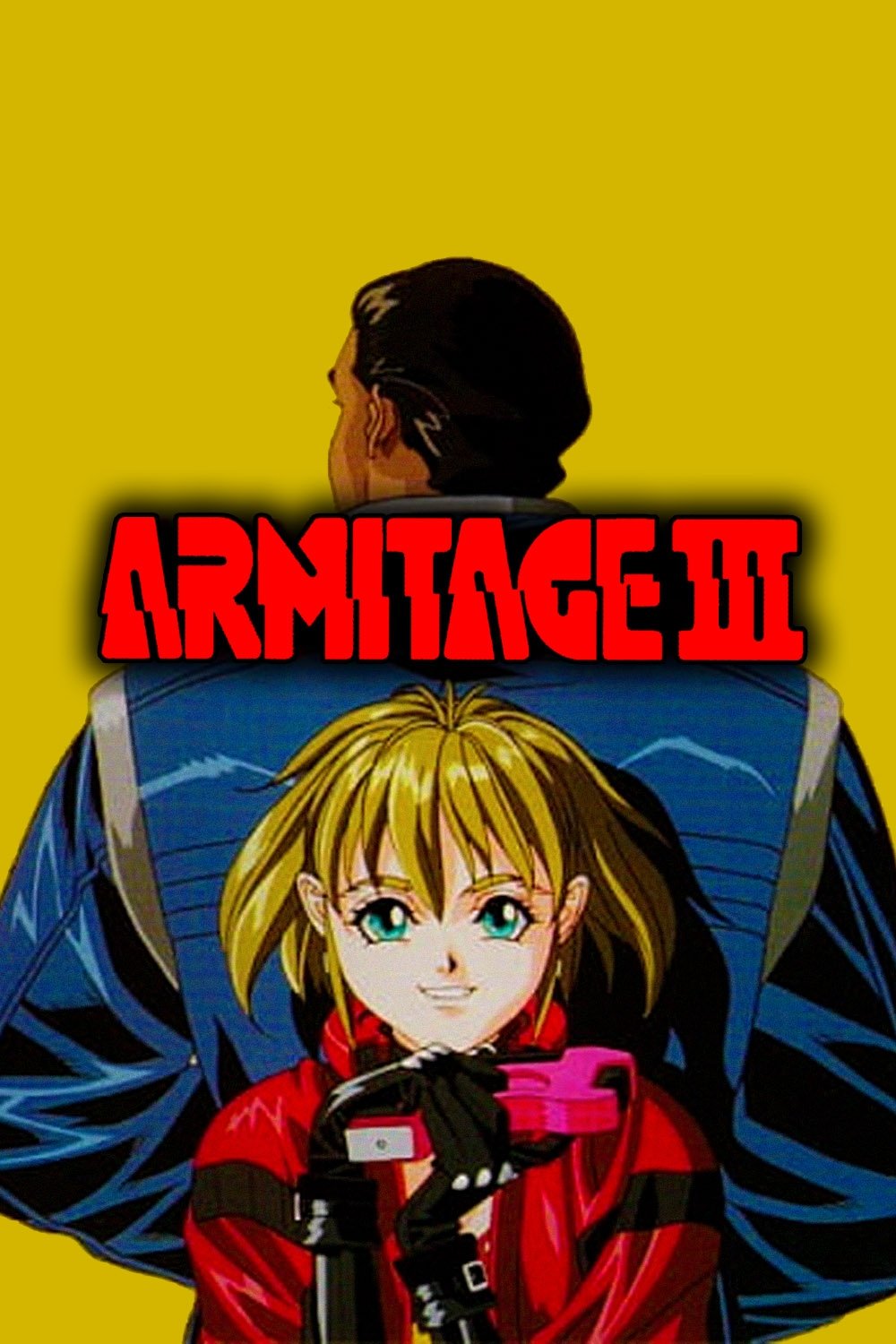
Set on a colonized Mars, this four episode OVA centers on detective Naomi Armitage and partner Ross Sylibus as they investigate murders tied to advanced androids. The narrative blends police procedure with corporate espionage and cyberpunk hardware, then branches into alternate cuts for feature compilations.
AIC produced the animation with designs by Hiroyuki Ochi and mechanical design by Hiroshi Yokoyama. The English language feature edits, including ‘Poly-Matrix’, restructured the OVA into movie form for international release, while the original cut retains the episodic investigation rhythm that AIC favored in its mid 1990s lineup.
‘Cyber City Oedo 808’ (1990–1991)
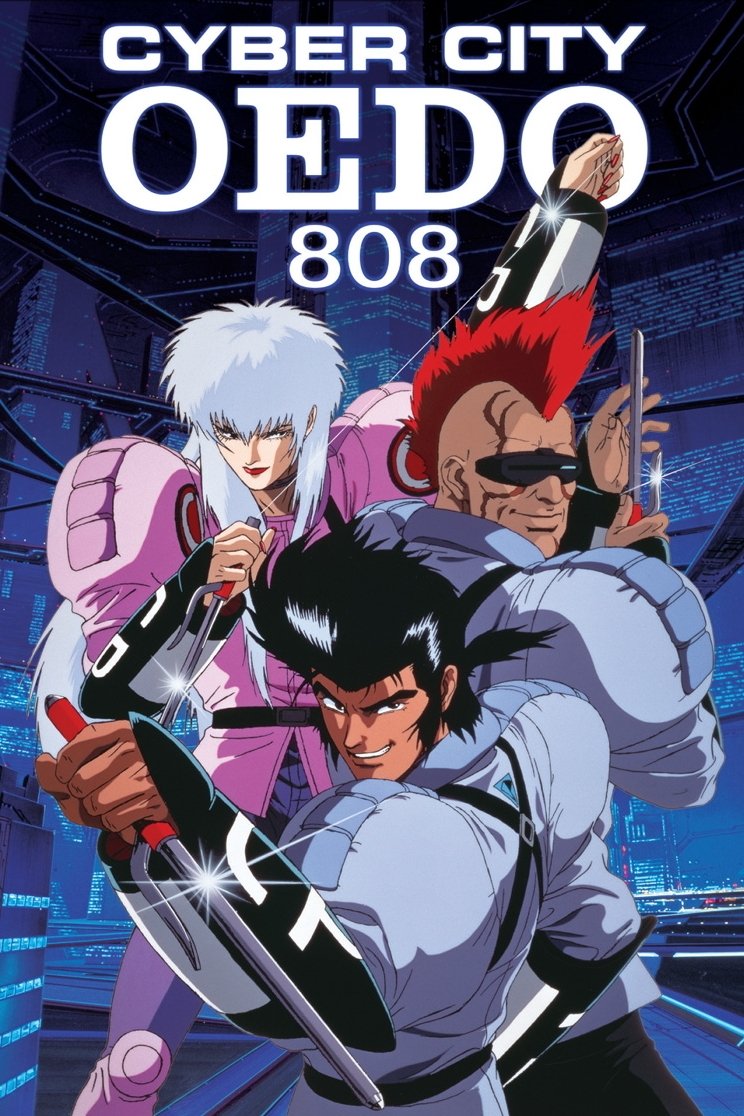
This three episode OVA assigns three criminals to high risk police work in a towering near future Tokyo. Each episode focuses on one operative with a timed explosive collar and a distinct case involving rogue AIs, cursed architecture, or bio engineered threats. The structure makes it easy to watch in any order.
Madhouse animated the series with direction by Yoshiaki Kawajiri, whose sharp angles and heavy shadows define the look. The soundtrack and effects track lean into industrial motifs common to the period, while the studio’s action layouts keep the set pieces readable despite frequent night scenes.
‘The Irresponsible Captain Tylor’ (1993)
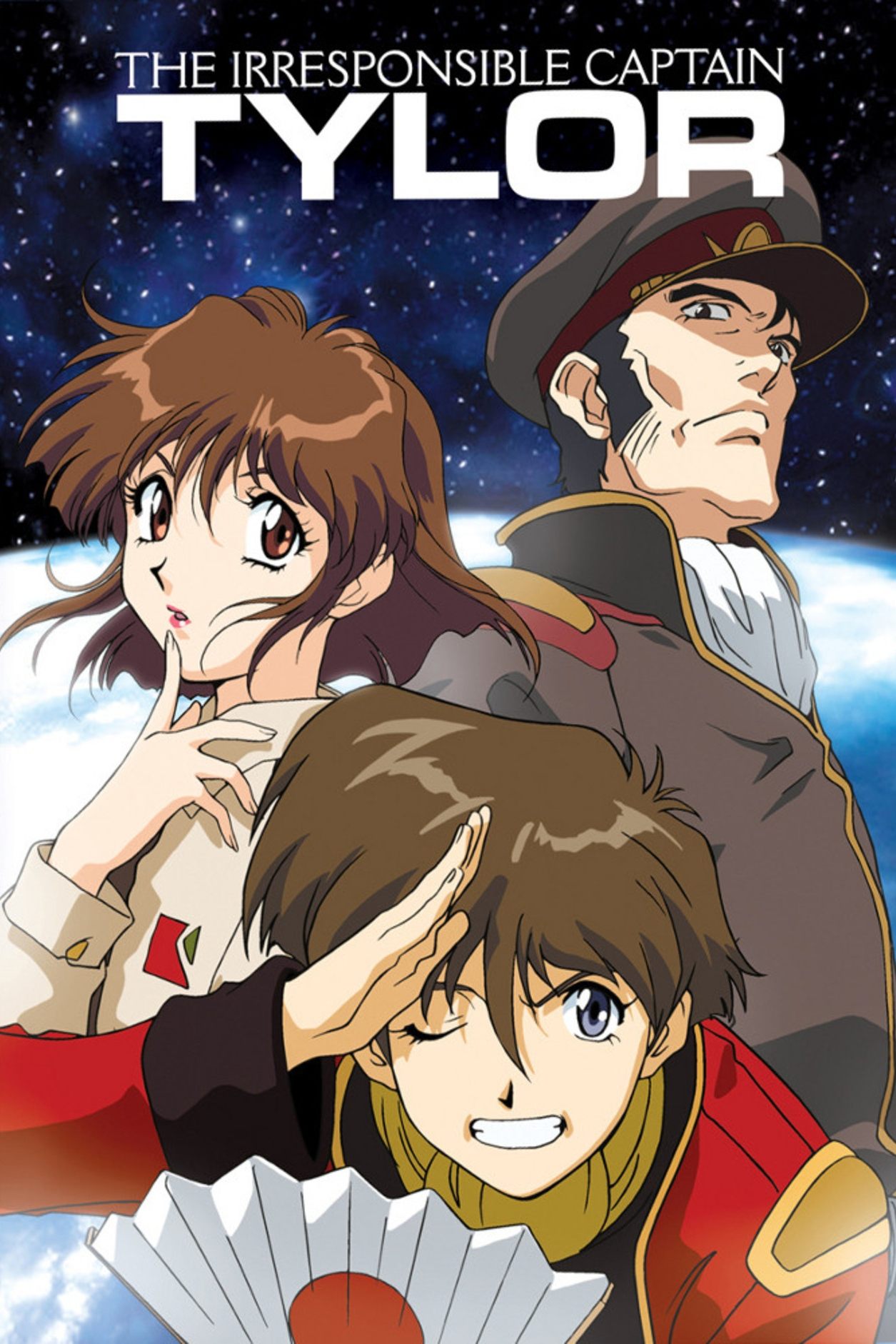
This 26 episode TV series follows Justy Ueki Tylor, a carefree recruit who ends up commanding a destroyer in a long running space conflict. The scripts alternate between shipboard problem solving and diplomatic stand offs, using recurring crew members to build out the ship’s routine.
Production came from Tatsunoko Production with character designs by Tomohiro Hirata. An OVA set followed with more time for side characters, but the TV run stands on its own and retains a consistent visual style thanks to Tatsunoko’s in house direction and layout approach.
‘Blue Submarine No. 6’ (1998)
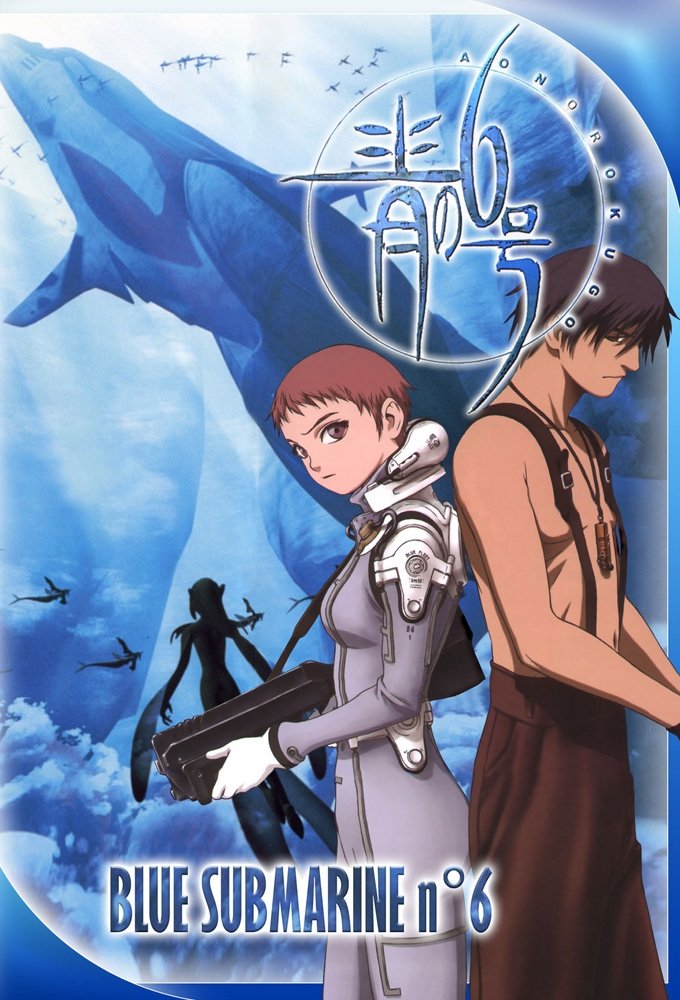
This four episode OVA presents a near future where engineered sea creatures attack human cities, and a veteran pilot is pulled back into service. The release is notable for integrating 3D models with hand drawn characters across large scale naval battles and underwater chases.
Gonzo developed the hybrid pipeline that became a calling card for the studio in later years. Direction by Mahiro Maeda and mechanical designs by Takayuki Takeya established a distinct machine aesthetic, while the short episode count kept the schedule tight and focused.
‘Now and Then, Here and There’ (1999–2000)
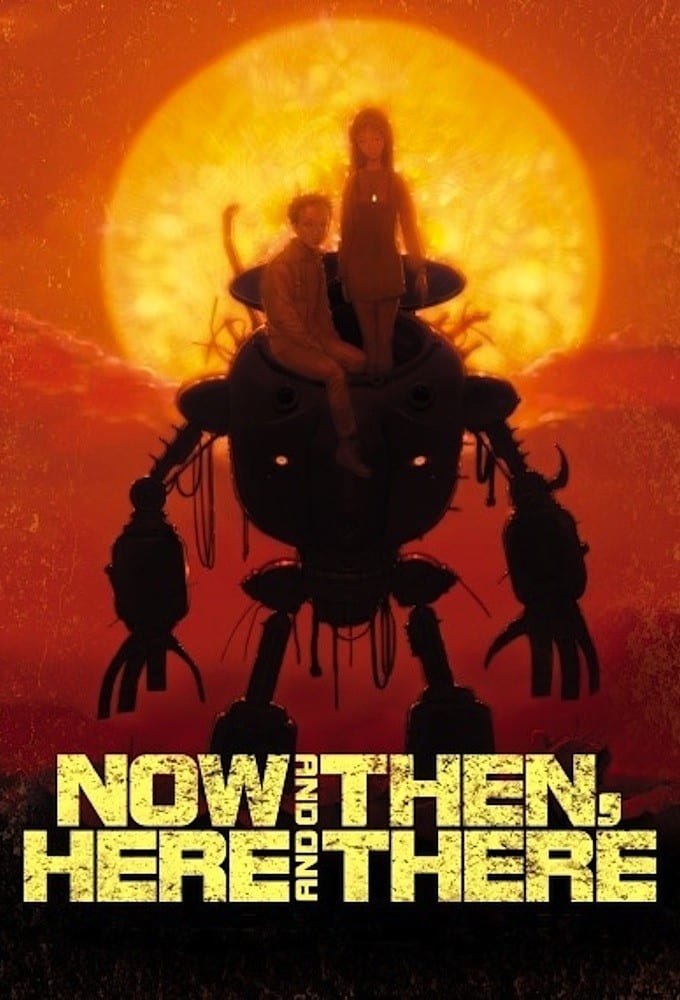
This 13 episode TV series begins with a boy pulled into a parallel world where water is scarce and child soldiers fill the ranks of a crumbling empire. The plot tracks forced marches, resistance networks, and the small choices that keep people alive under a despot’s rule.
AIC produced the run with Akitaro Daichi as director. The studio’s layout team used simple character designs to maintain strong acting across difficult material, and the background art keeps locations stark to fit the setting. The series completed its broadcast with a single cours structure.
‘The Big O’ (1999–2003)
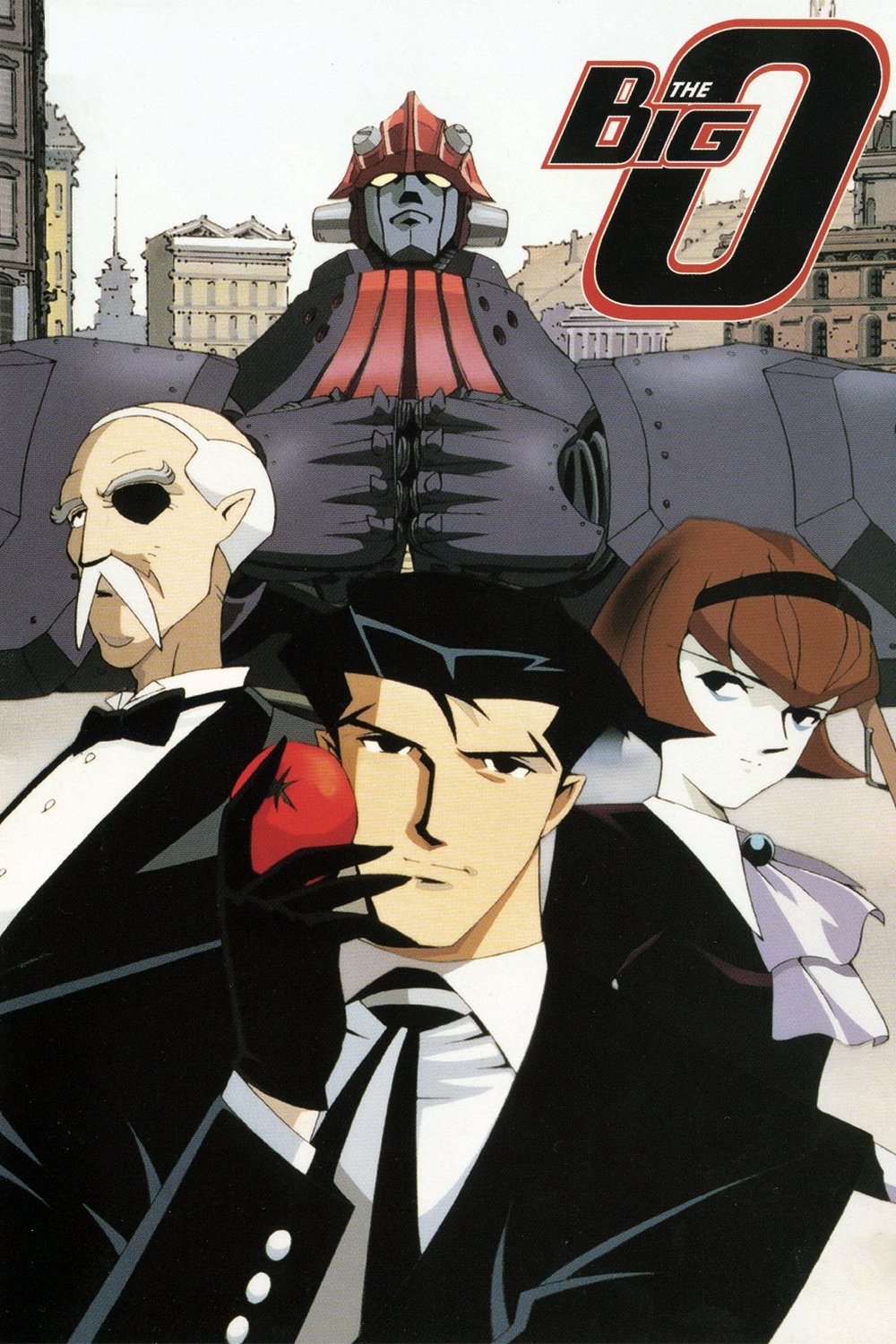
Debuting with 13 episodes in 1999, this series follows negotiator Roger Smith and his giant robot in a city where citizens have lost their memories. Episodes function like case files that introduce inventors, gang leaders, and relics from before the amnesia, all linked by Roger’s investigation.
Sunrise produced the show with retro mechanical designs by Keiichi Sato and Kazuyoshi Katayama’s direction. The first season’s production committee shaped a clean episodic format that allowed the studio’s mecha staff to stage heavyweight set pieces on TV schedules, with a second season arriving later to continue the story.
‘His and Her Circumstances’ (1998–1999)
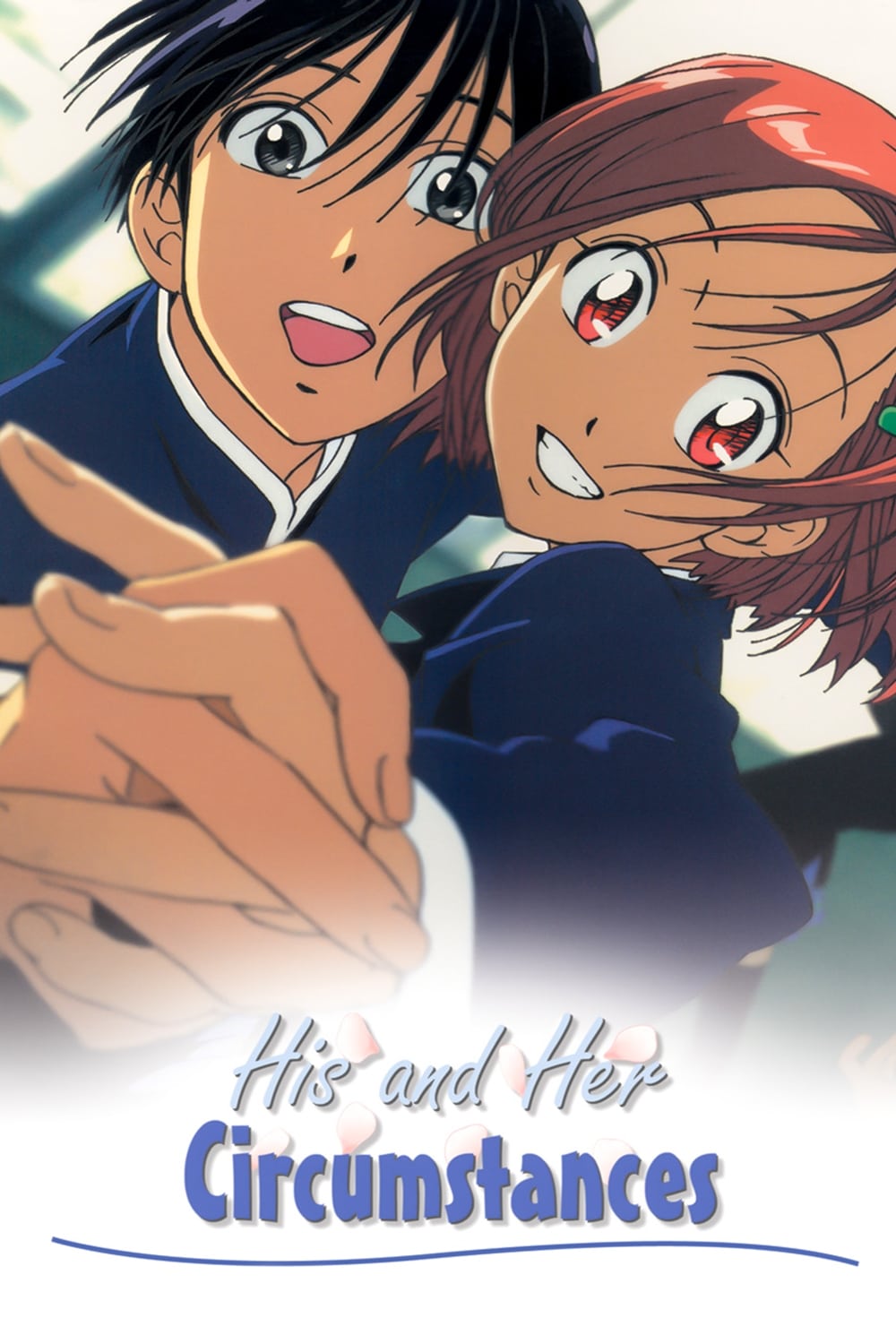
Based on Masami Tsuda’s manga, this 26 episode TV series focuses on top student Yukino Miyazawa and rival Soichiro Arima as they navigate expectations, family, and school life. The adaptation balances comedy with serious arcs pulled directly from the source.
Gainax handled the animation with Hideaki Anno directing the early stretch. The studio used mixed media sequences, storyboards on screen, and clipped editing to keep pace with dialogue heavy scenes. Production materials show that the team rotated episode leads to maintain schedule and visual variety.
‘Golden Boy’ (1995–1996)

This six episode OVA follows Kintaro Oe, a wanderer who picks up part time jobs to learn from new workplaces. Each episode is a self contained workplace study that shifts from coding offices to animation studios and noodle shops while tracking Kintaro’s study notes.
APPP produced the OVA with direction by Hiroyuki Kitakubo. The format allowed the studio to change art direction for each job site, and the music team matched instrumentation to setting. The series maintained a steady release pace over a year with consistent episode lengths.
‘Ninja Scroll’ (1993)
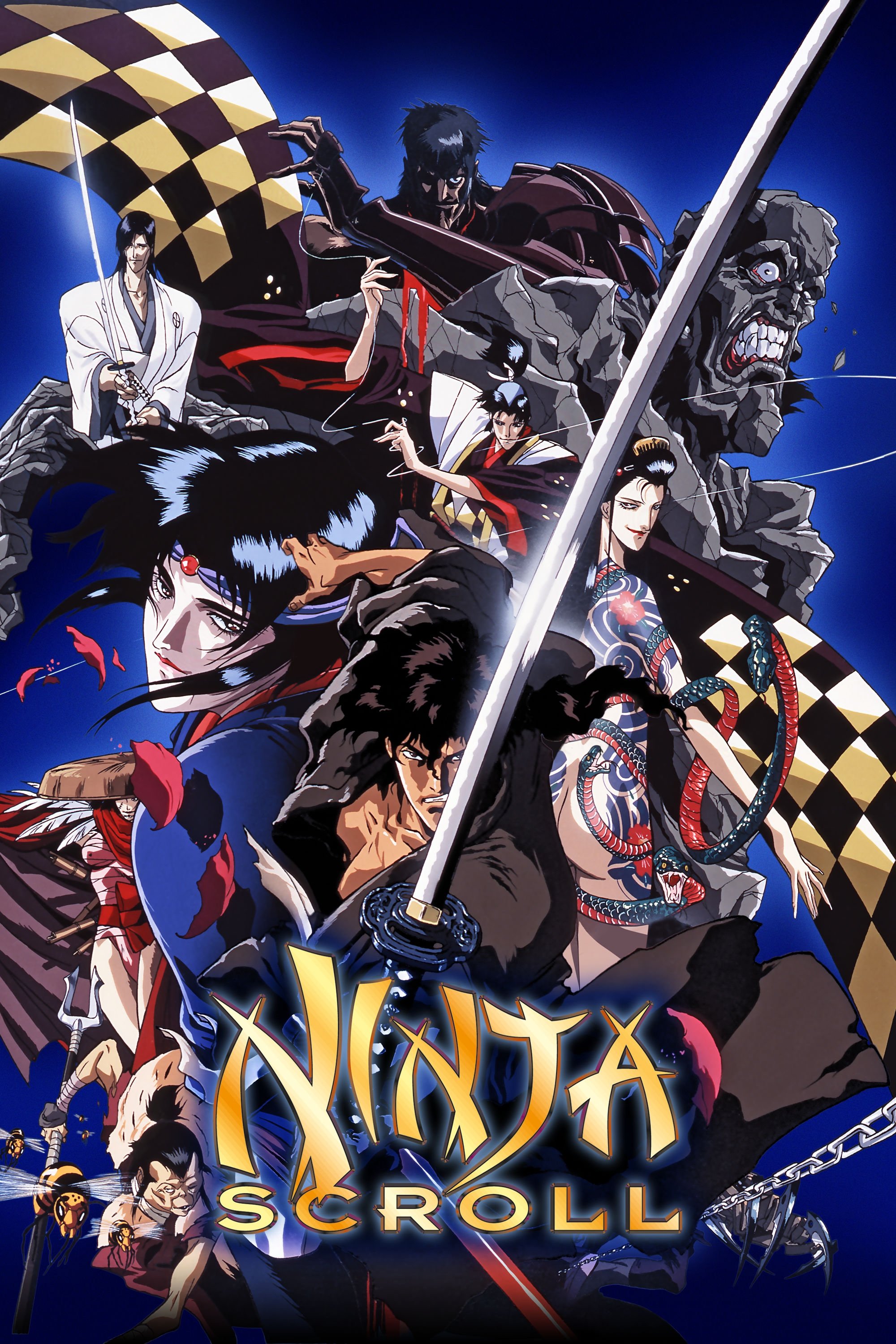
This feature film presents a ronin named Jubei caught between feuding clans and a group known as the Eight Devils of Kimon. The plot moves through ambushes, conspiracies, and shifting alliances across rural fortresses and mountain passes.
Madhouse animated the film with Yoshiaki Kawajiri directing and character designs by Yutaka Minowa. The studio fielded a veteran action unit for multi plane effects and rapid weapon choreography, and the production completed as a standalone theatrical release.
‘Spriggan’ (1998)
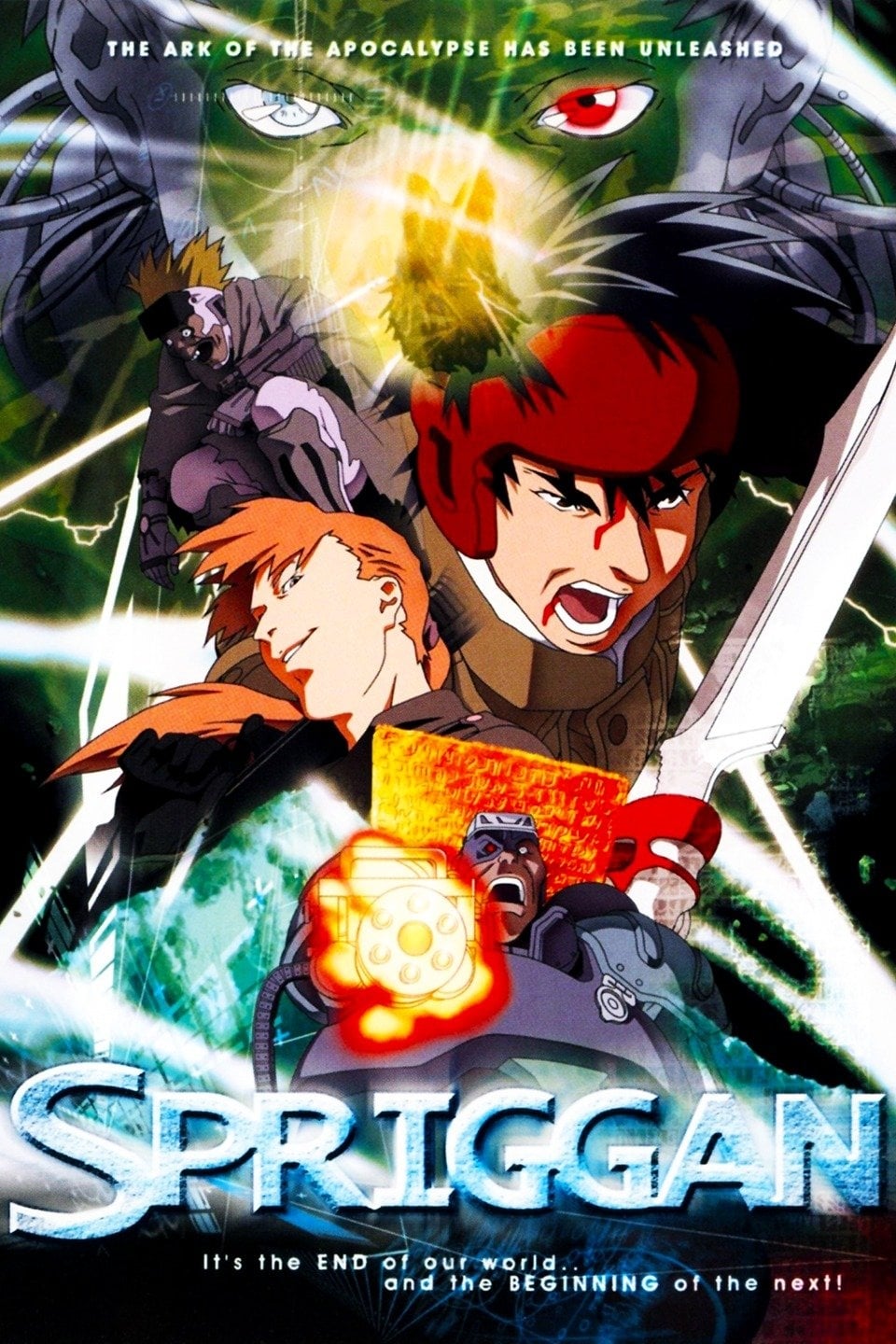
This feature adaptation follows Yu Ominae, an operative for the ARCAM Foundation who handles relics from ancient civilizations. The story centers on a race to secure a dangerous artifact from forces hoping to weaponize it.
Studio 4°C produced the film with direction by Hirotsugu Kawasaki. The team emphasized dynamic camera movement and detailed urban backdrops, while the effects unit layered debris and weather to ground the action. The production sat alongside other mid decade projects that demonstrated the studio’s interest in ambitious feature work.
‘Memories’ (1995)
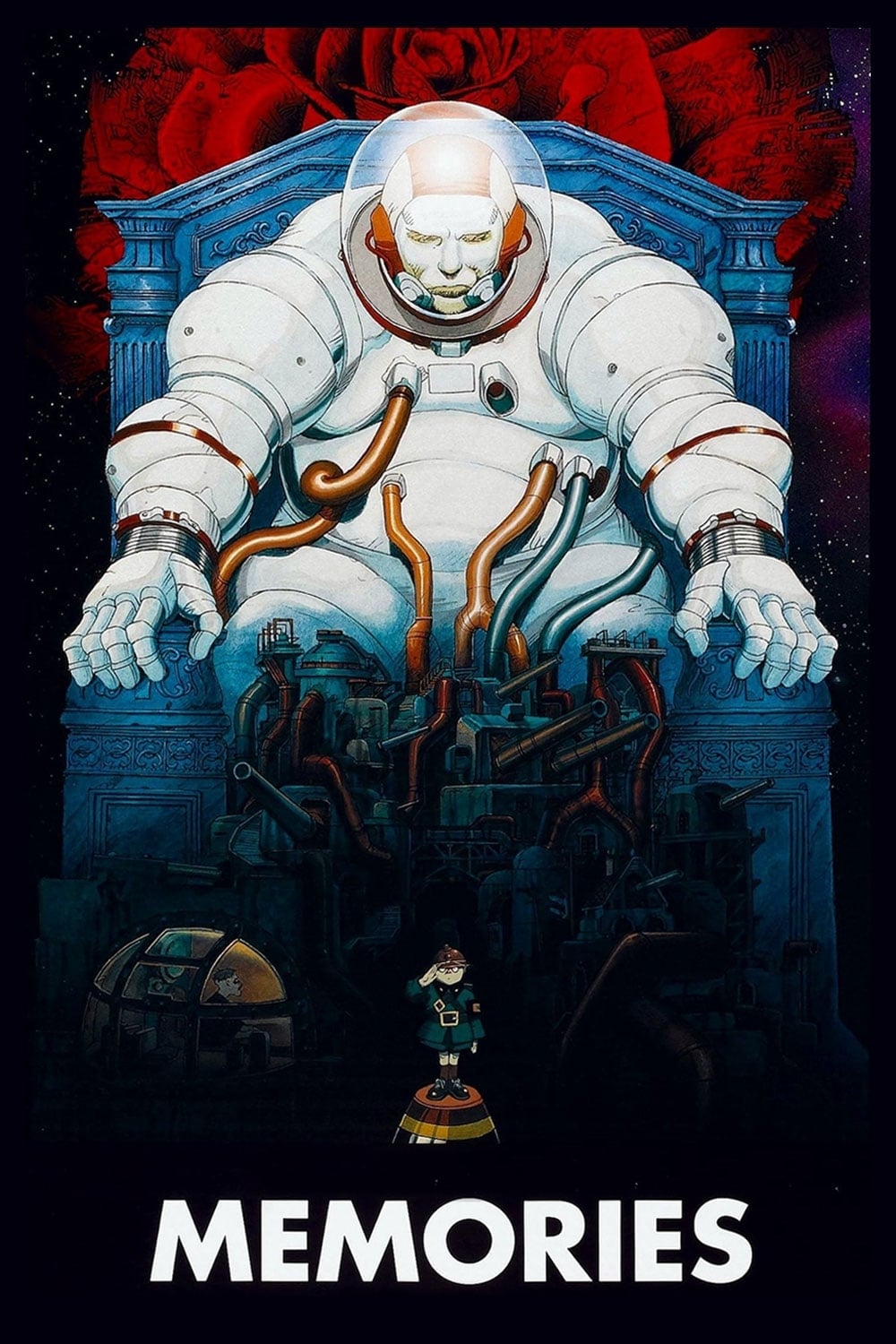
This anthology film adapts three stories associated with Katsuhiro Otomo. The first follows a salvage crew inside a haunted satellite, the second turns a city into a massive cannon, and the third chronicles a chemical disaster from a bureaucrat’s view.
Madhouse and Studio 4°C shared production responsibilities across the segments. Each short brought in different art leads and composers, which is reflected in contrasting palettes and pacing. The project circulated internationally as a single feature with the three parts presented in a fixed order.
‘Roujin Z’ (1991)
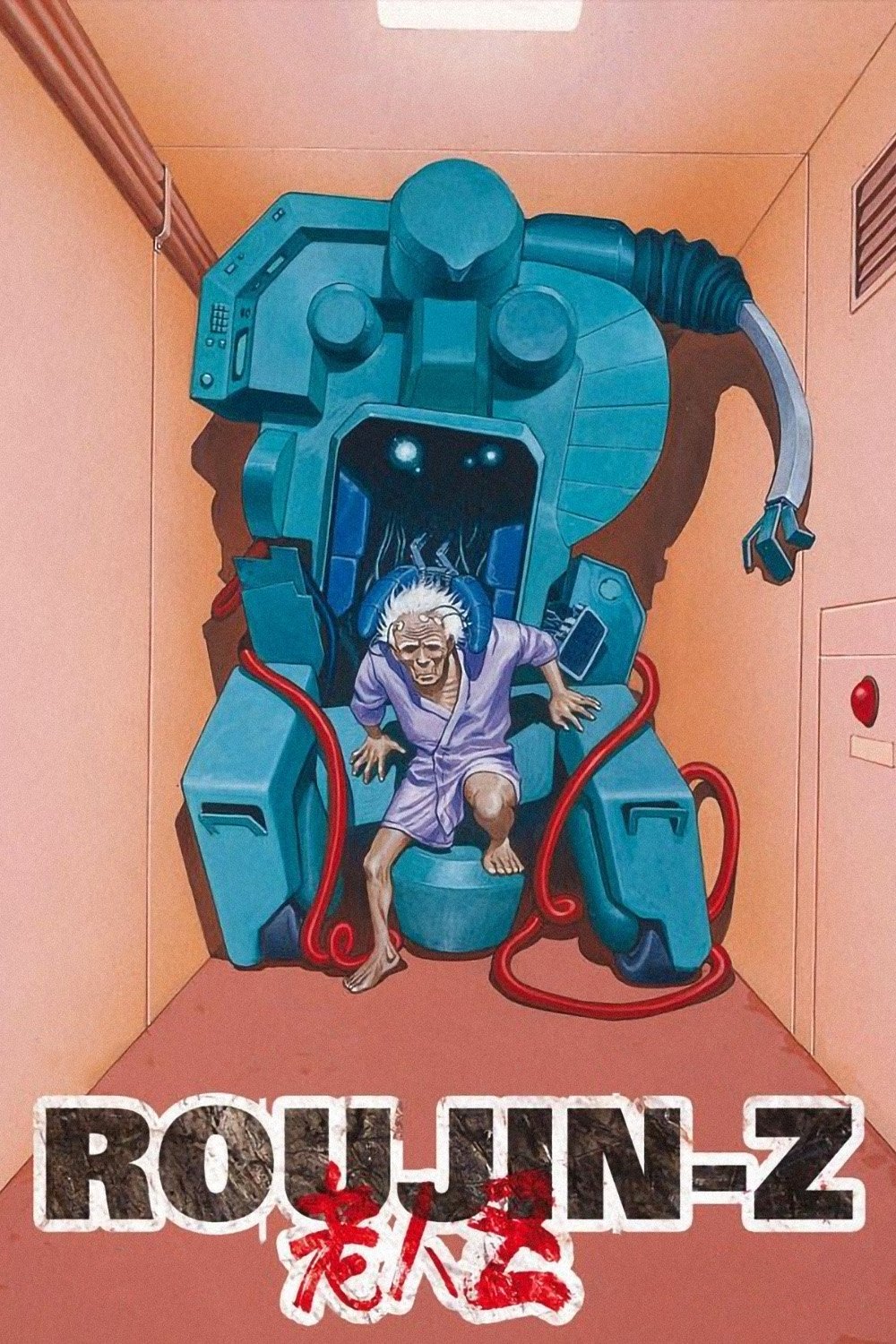
Set in a near future Japan, this film explores the rollout of a hospital bed system that uses an AI and robotic frame to care for the elderly. A test patient and a group of student volunteers become the center of an incident that escalates beyond a routine trial.
Madhouse produced the animation with Hiroyuki Kitakubo directing and screenplay contributions from Katsuhiro Otomo. Mechanical design emphasizes utilitarian machinery that evolves across the runtime, and the studio’s background team built dense urban scenes for the third act.
‘Macross Plus’ (1994–1995)
This four episode OVA introduces two test pilots competing to supply a next generation variable fighter, with a virtual idol and a shared past tying the characters together. A movie compilation followed with altered scenes and a different arrangement of events.
Triangle Staff handled animation with Studio Nue overseeing mechanical concepts for the transforming aircraft. The OVA used extensive aerial choreography and composite work to blend effects passes, and the music production featured a multi vocalist approach that informs key plot points.
‘The Vision of Escaflowne’ (1996)
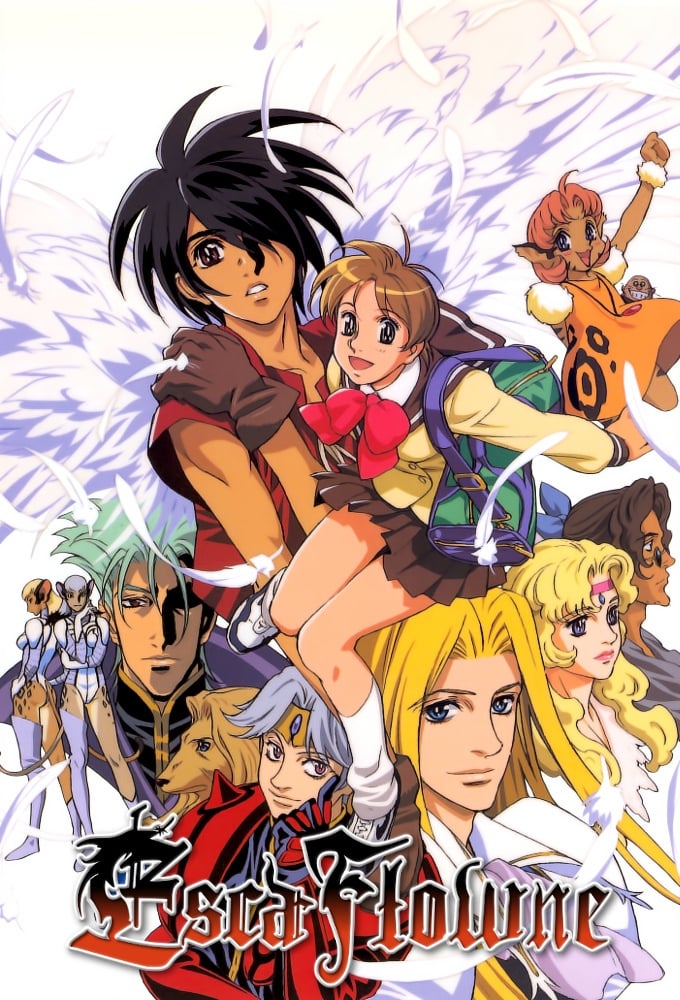
Across 26 episodes, this series moves a high school girl to the world of Gaea where nation states wage war using armored mecha called Guymelefs. The plot tracks alliances among kingdoms, a quest for a legendary machine, and a series of prophetic visions that drive choices.
Sunrise produced the show with character designs by Nobuteru Yuki and mechanical design by Kazutaka Miyatake. The studio’s mecha unit built precise fight timing for hand to hand exchanges between large suits, while the orchestral score and steady storyboarding kept the tone unified across the season.
‘Berserk’ (1997–1998)
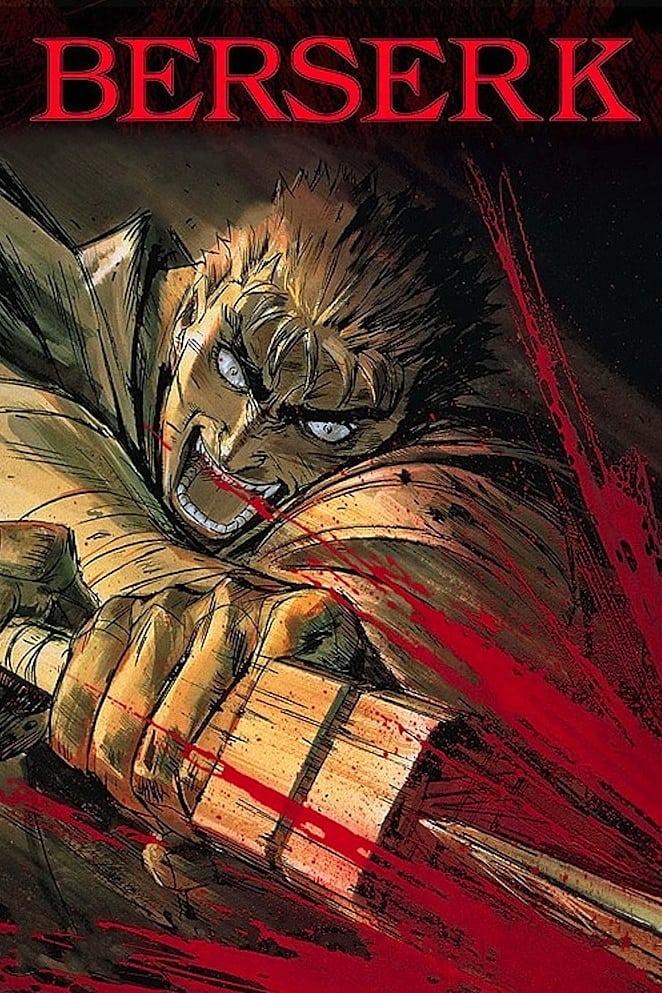
This 25 episode TV adaptation covers the Golden Age arc, beginning with mercenary Guts joining the Band of the Hawk and advancing through campaigns under Griffith’s command. The broadcast order follows a flashback structure that frames key events around court politics and warfare.
OLM managed animation with character designs tailored to TV schedules and a limited palette suited to night battles. The production focused on consistent acting and clear staging, and the season concludes at a specific narrative point set by the adaptation plan.
‘Martian Successor Nadesico’ (1996–1997)

This 26 episode TV series follows the crew of the civilian battleship Nadesico as it transports pilots and scientists during an alien conflict. The show rotates between shipboard life, tactical missions, and in universe media that informs how characters see their roles.
Xebec produced the run with mechanical design by Junichi Akutsu and character designs by Keiji Gotoh. The studio balanced comedic timing with space combat, and the production committee later funded a feature continuation that built on the TV storyline.
‘Outlaw Star’ (1998)
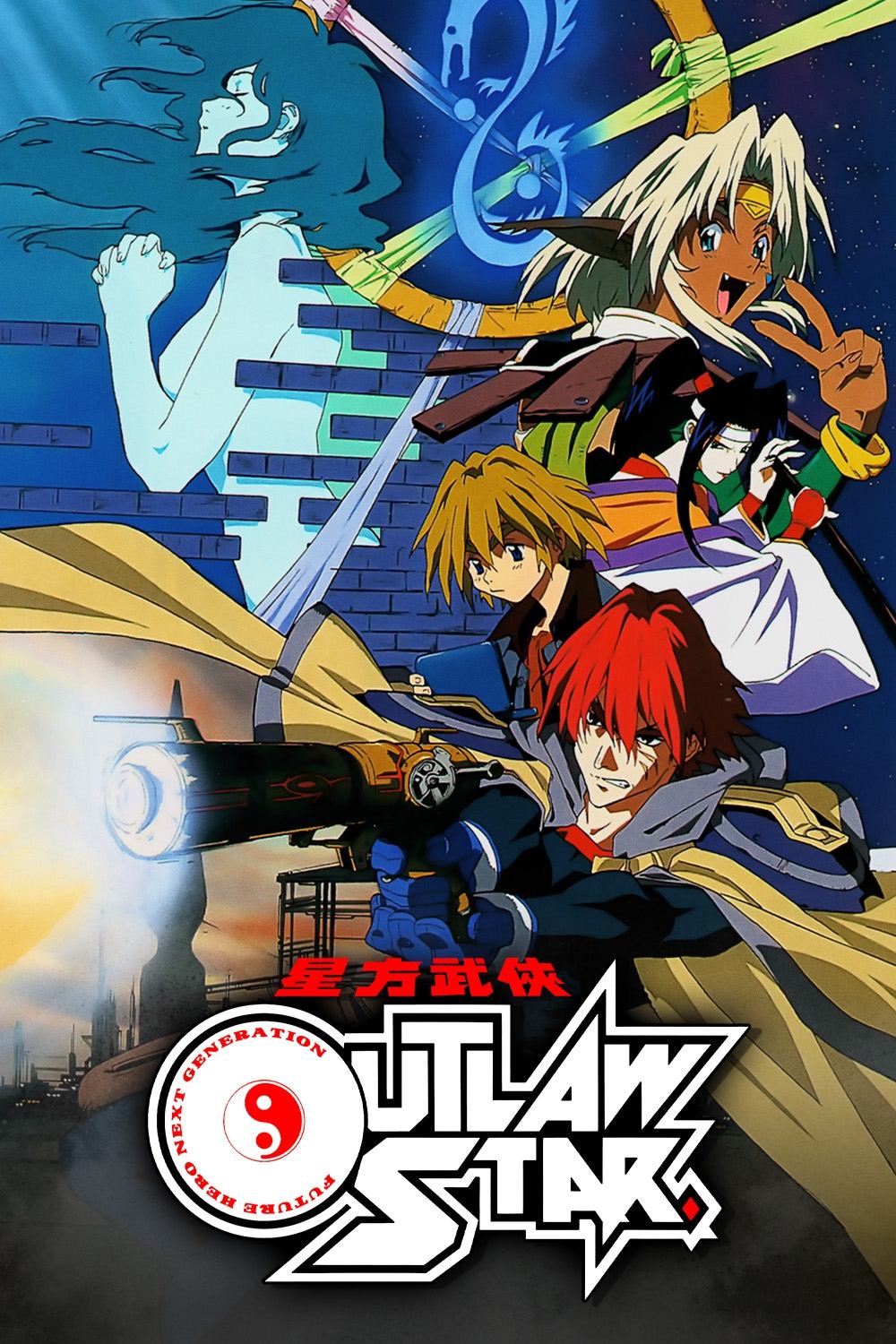
Set in a frontier region of space, this 26 episode TV series follows Gene Starwind and crew as they accept jobs, upgrade their ship, and search for a legendary treasure system. The narrative mixes small contract work with larger plot threads tied to corporate interests and criminal groups.
Sunrise produced the show with mechanical designs for grappler arms that enable ship to ship martial arts. Broadcast standards led to alternate versions for different time slots, and the staff maintained a consistent lineup of episode directors to keep the tone stable.
‘Sorcerous Stabber Orphen’ (1998–1999)

This 24 episode TV adaptation introduces Orphen, a former prodigy from the Tower of Fangs, on a journey to save a woman transformed by forbidden magic. The season organizes around travel arcs that bring in recurring companions and rival sorcerers.
J.C.Staff produced the series with direction by Hiroshi Watanabe. The studio assigned a core animation team to action sequences and used a set roster of background artists for forest and ruin settings, which helped maintain continuity across the broadcast.
‘Trigun’ (1998)
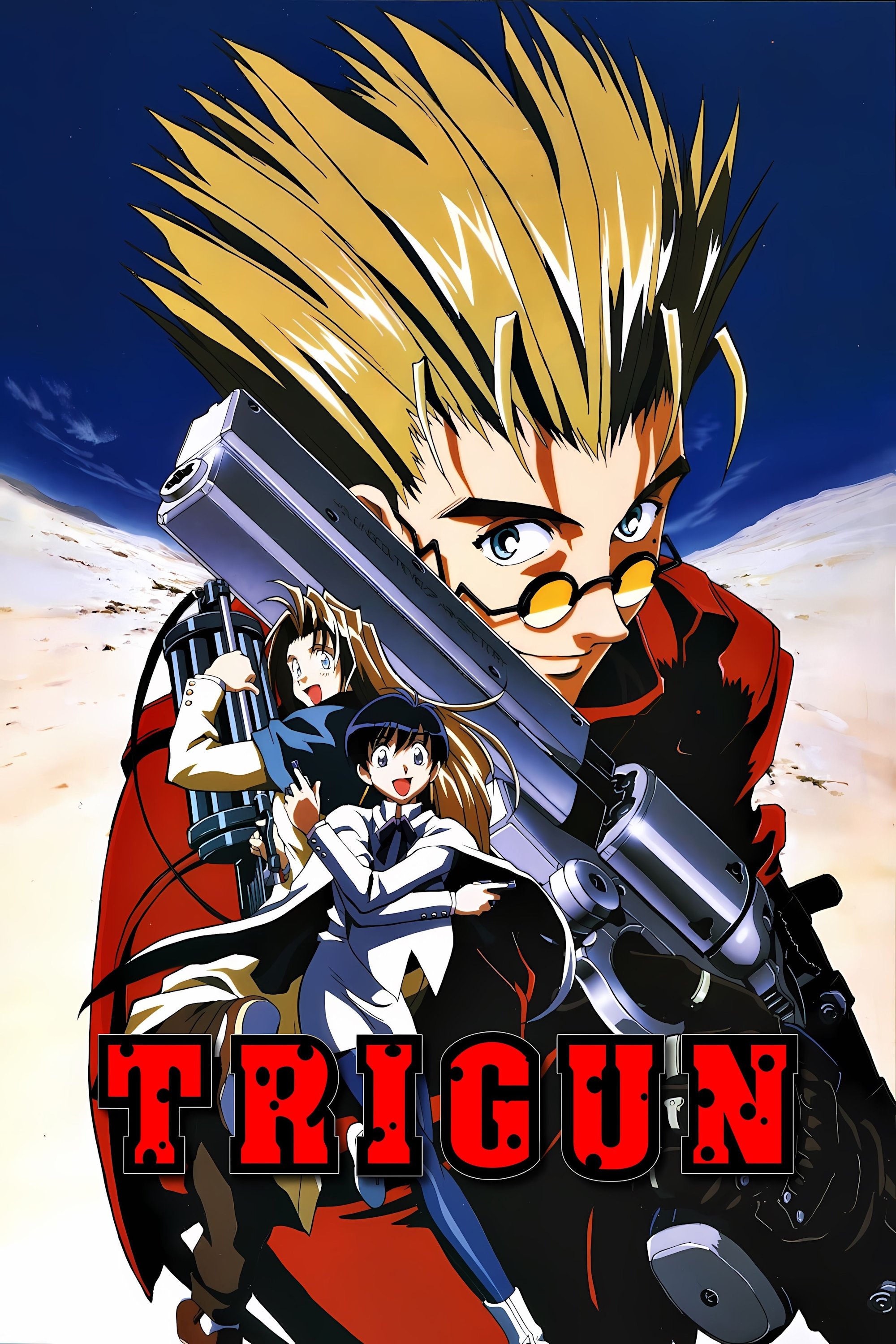
Across 26 episodes, the series follows Vash the Stampede as he moves from town to town on a desert planet, leaving rumors of catastrophe and a long trail of witnesses. The plot gradually reveals the origins of the planet’s technology and the forces pursuing him.
Madhouse produced the adaptation with Satoshi Nishimura directing and character designs by Takahiro Yoshimatsu. The studio built a strong bank of stock cuts for gunplay to manage schedule demands, and location art emphasizes arid settlements and industrial relics.
‘Iria: Zeiram the Animation’ (1994)
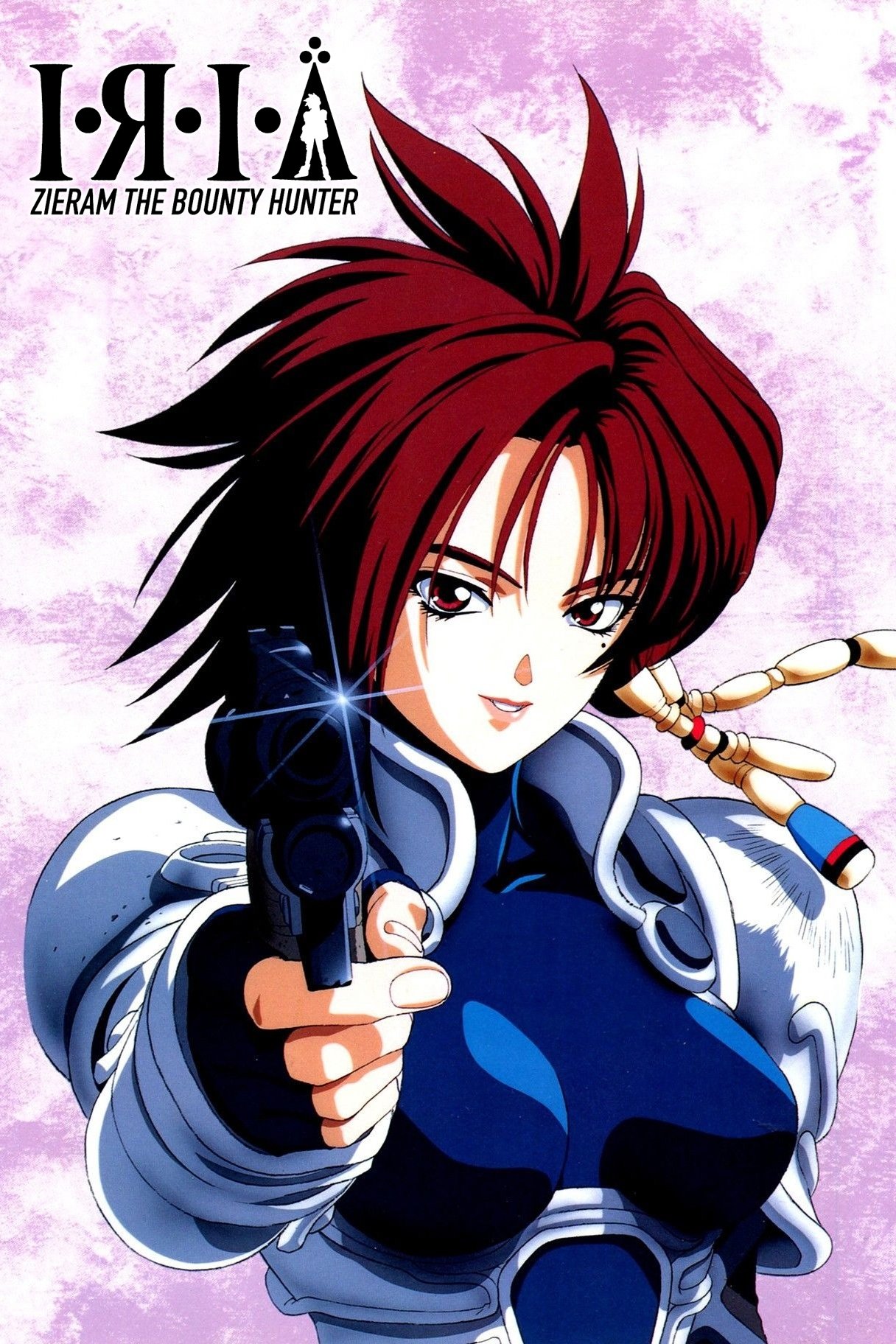
This six episode OVA serves as a prequel to the live action ‘Zeiram’ films, following bounty hunter Iria as she encounters a powerful alien lifeform. Episodes track investigations across spaceports and company facilities, with a focus on the tools and contacts Iria relies on.
Ashi Productions handled animation with designs by Moriyasu Taniguchi. The OVA uses clean line work for gear and vehicles and keeps a tight loop of recurring antagonists, which fits the six episode format that Ashi used for several mid decade projects.
‘Blue Seed’ (1994–1995)
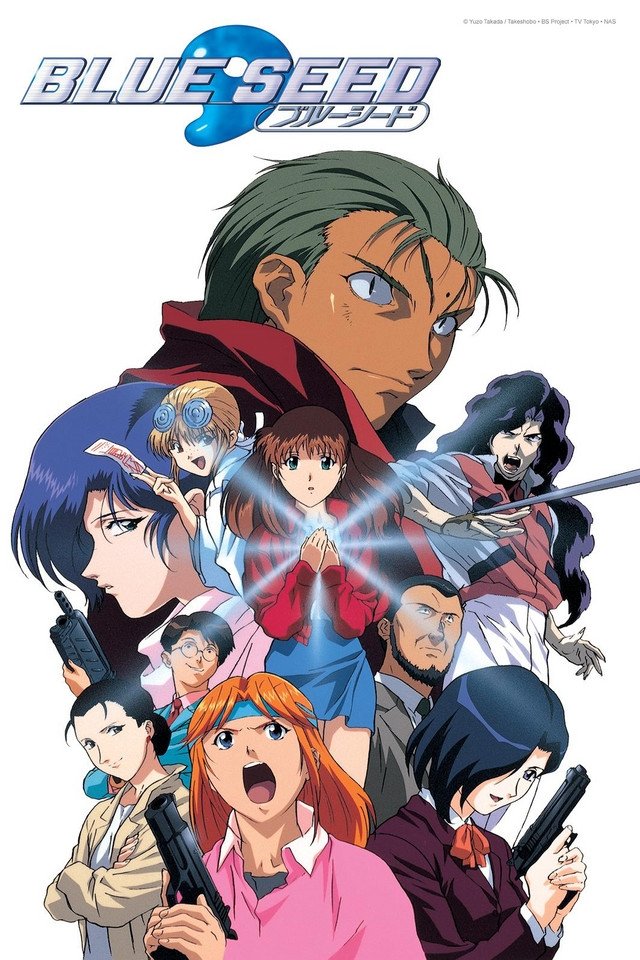
Based on the manga by Yuzo Takada, this 26 episode TV series features government agents fighting plant like demons called Aragami, with a high school girl tied to ancient myths at the center. The show combines monster of the week cases with a continuing arc about a looming threat.
Ashi Productions led animation with cooperation from Production I.G on select sequences. The studio maintained a steady broadcast pace with a consistent color script for urban night scenes and shrine locations, and an OVA set followed to conclude side stories.
‘Revolutionary Girl Utena’ (1997)
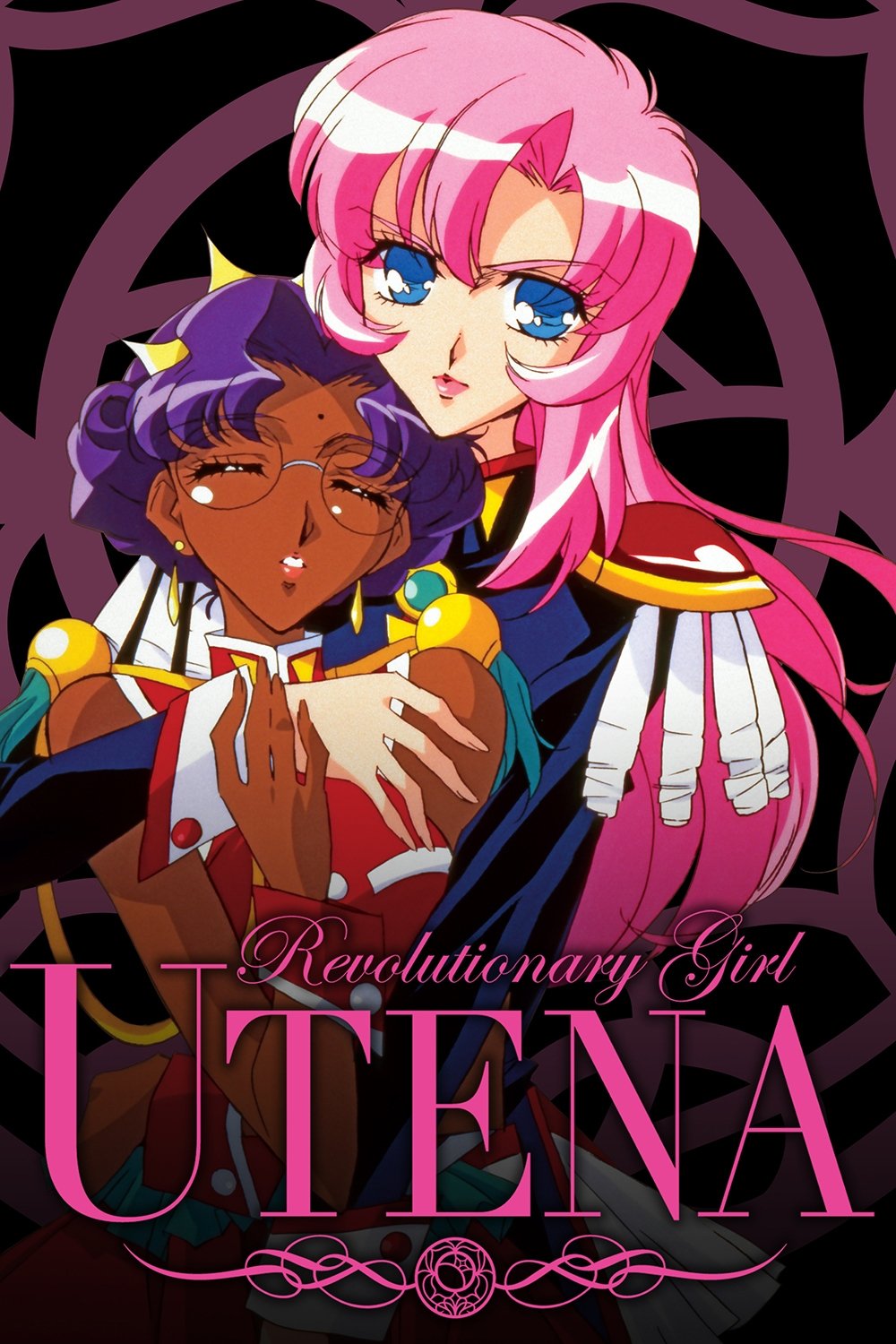
This 39 episode TV series places student council duels at the heart of a surreal academy where the winner protects a mysterious Rose Bride. The narrative evolves through arcs that examine each council member while building toward a final confrontation.
J.C.Staff produced the series in collaboration with Be-Papas under Kunihiko Ikuhara’s direction. The studio used repeatable duel layouts and strong graphic motifs to manage complexity across a long run, and a feature film later reimagined the core setup with new designs.
‘Master Keaton’ (1998–1999)
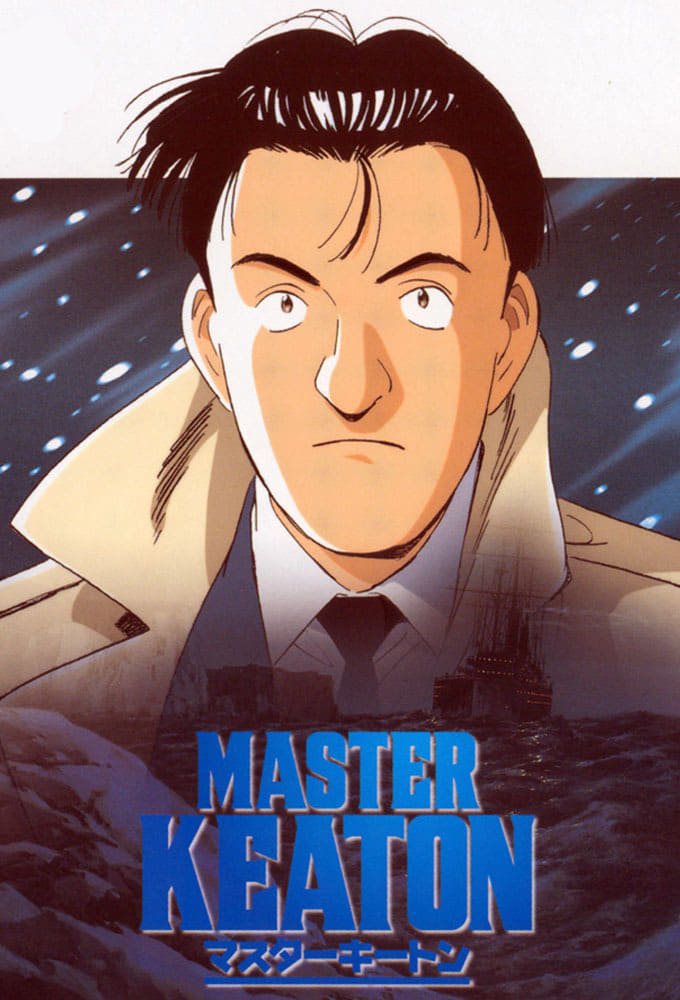
This 39 episode TV adaptation follows Taichi Keaton, an insurance investigator and archaeology lecturer who resolves cases across Europe and the Middle East. Episodes cover museum thefts, fraud cases, and cold war remnants, with a focus on procedure and fieldcraft.
Madhouse produced the series with character designs that keep Keaton’s expressions understated and readable. The broadcast included occasional double length episodes for larger cases, and the staff maintained a stable rotation of episode directors to keep tone and pacing consistent.
Share the one you plan to cue up first in the comments so others can compare notes.