Best Isekai Anime of All Time, Ranked


Isekai stories drop ordinary people into extraordinary worlds, then let magic systems, game-like rules, and culture clashes do the rest. From reincarnation sagas and portal fantasies to reverse-isekai workplace comedies, the genre now spans action epics, slow-life comfort shows, and tactical war dramas—each with its own rules for power, politics, and survival.
This countdown is ordered strictly by widely used user-rating data for each series as it appears today, with ties broken by vote volume and recency when needed. Titles, years, and basic series details are kept consistent with official listings so it’s easy to find what you want to watch.
‘In Another World with My Smartphone’ (2017–2023)
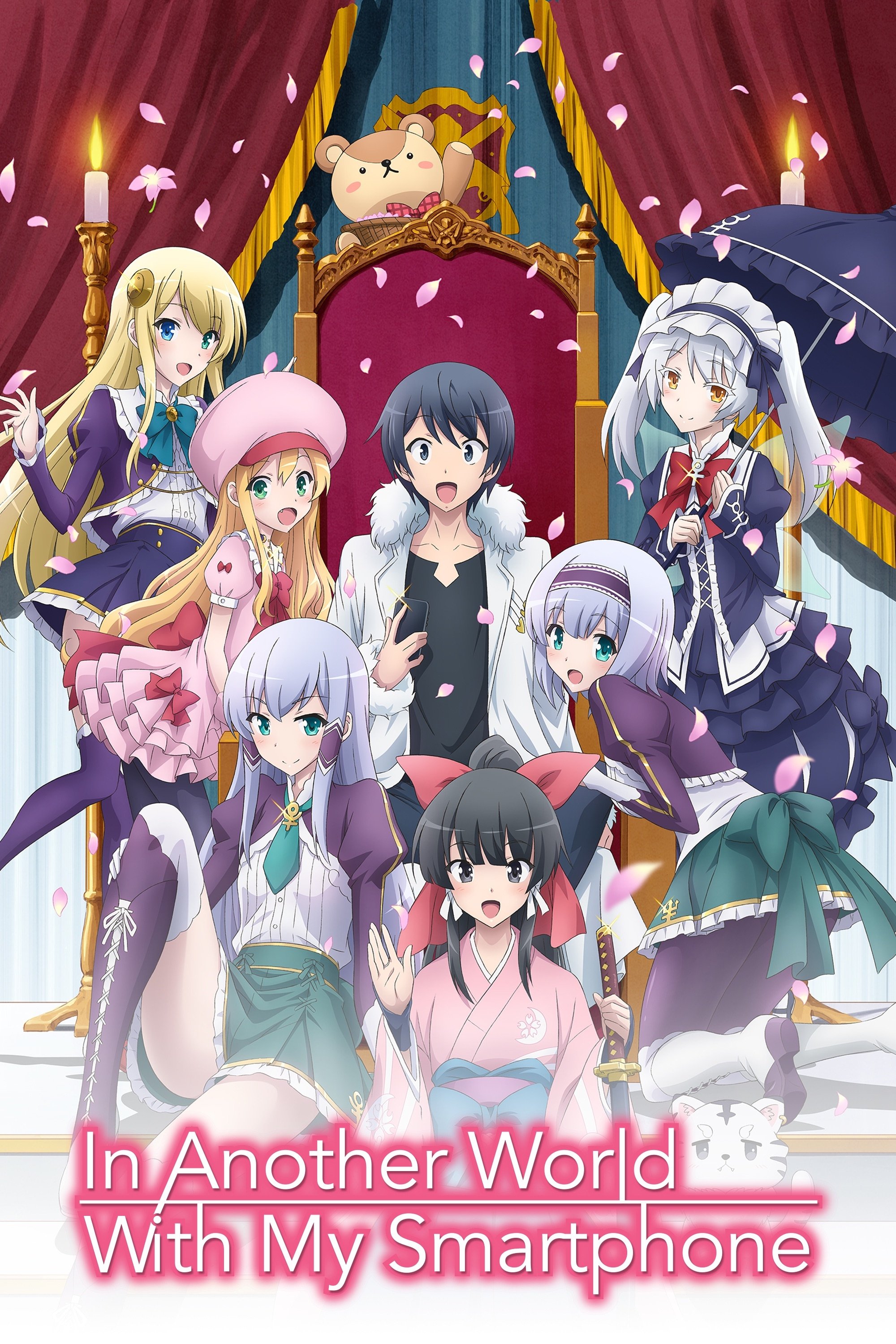
A teenager killed by a divine mishap is sent to a fantasy realm with a magically empowered smartphone, universal translation, and broad elemental affinities. The story adapts Patora Fuyuhara’s novels and uses the phone as a plot engine for navigation, communication, and cataloging spells and artifacts.
Progression focuses on party expansion, inter-kingdom travel, and device-assisted problem-solving—mapping dungeons, opening portals, and coordinating with nobles and guilds—while the lead gradually unlocks combined-magic abilities and craftable gear.
‘By the Grace of the Gods’ (2020–2023)
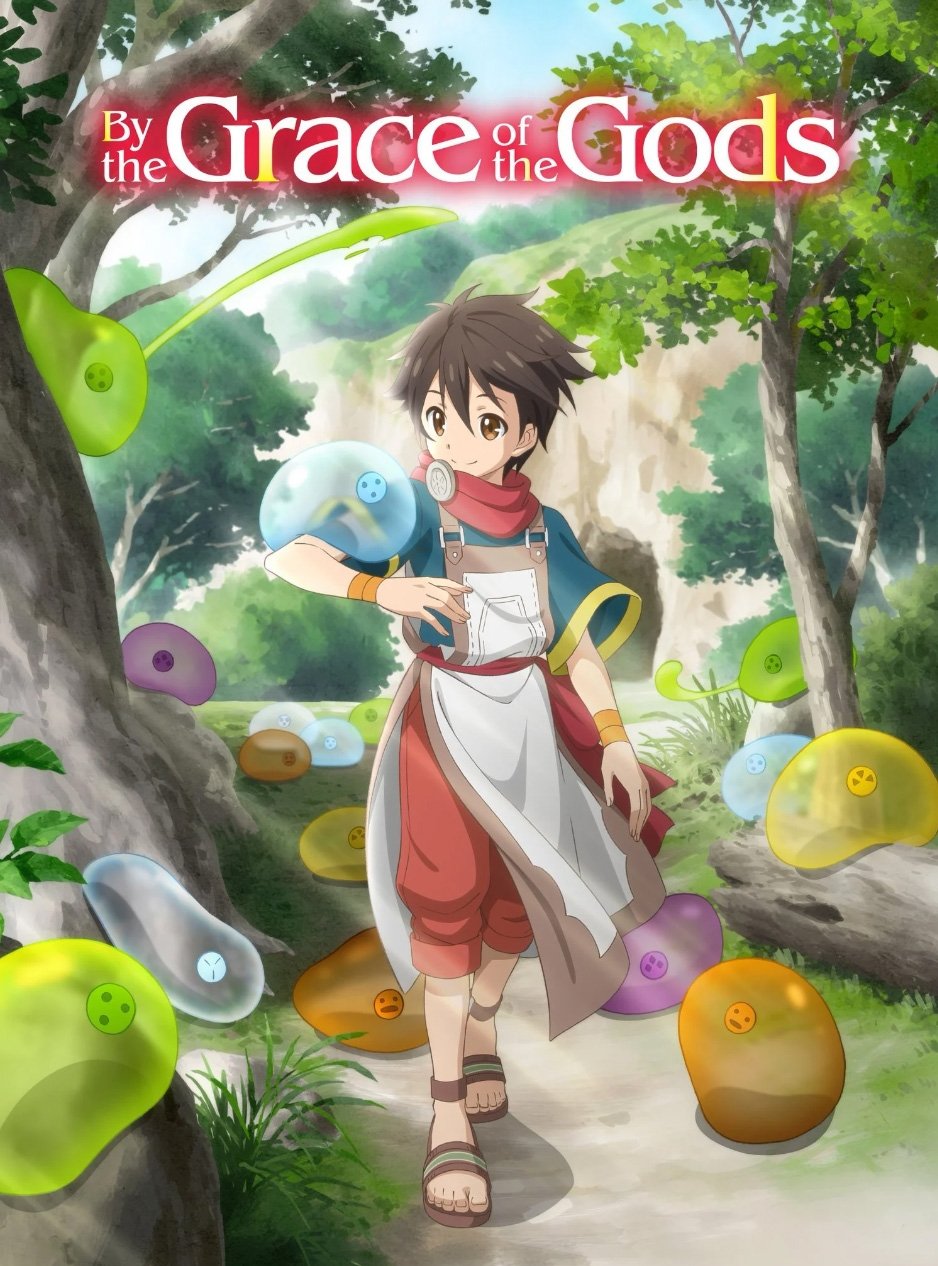
After a hard life, a man reincarnates as a child in a gentle world overseen by benevolent gods, then builds a livelihood around domesticated slime species. Adapted from Roy’s light novels, it catalogs tamer contracts, guild requests, and workshop setups in a small-town economy.
Episodes emphasize process: slime breeding lines for cleaning and medicine, service businesses that meet local needs, and step-by-step upgrades—from equipment procurement to staff training—that turn monster byproducts into stable income.
‘Kakuriyo -Bed & Breakfast for Spirits-‘ (2018)
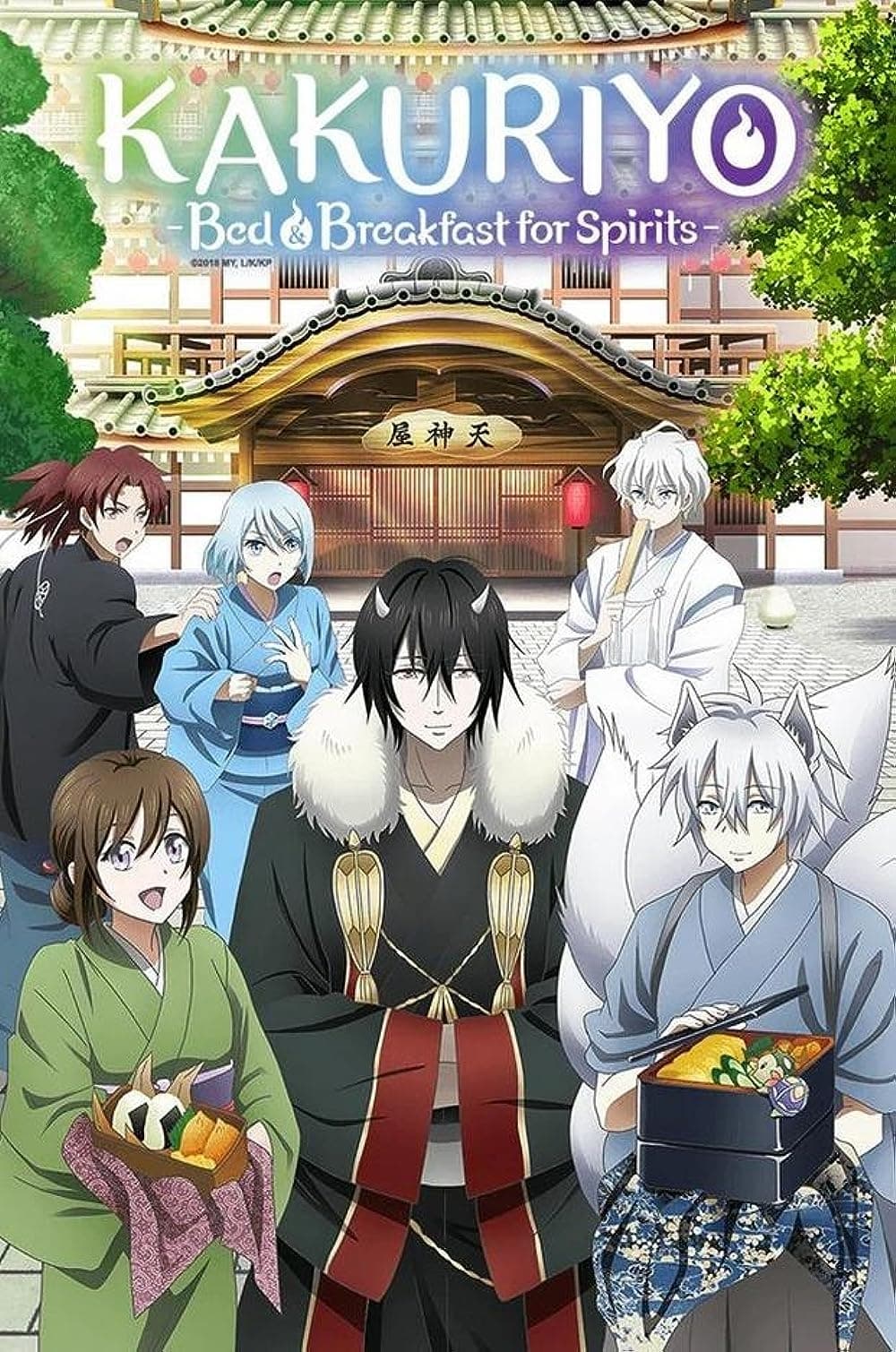
A college student who can see ayakashi is taken to the Hidden Realm to repay a debt by working at a refined inn for spirits. The series adapts Midori Yūma’s novels and blends food culture with hospitality protocols among oni, kitsune, and other yokai.
It details seasonal menus, supplier relationships, and event catering alongside etiquette between inns and noble houses, using recipes and banquet planning to bridge human and ayakashi customs.
‘Problem Children Are Coming from Another World, Aren’t They?’ (2013)
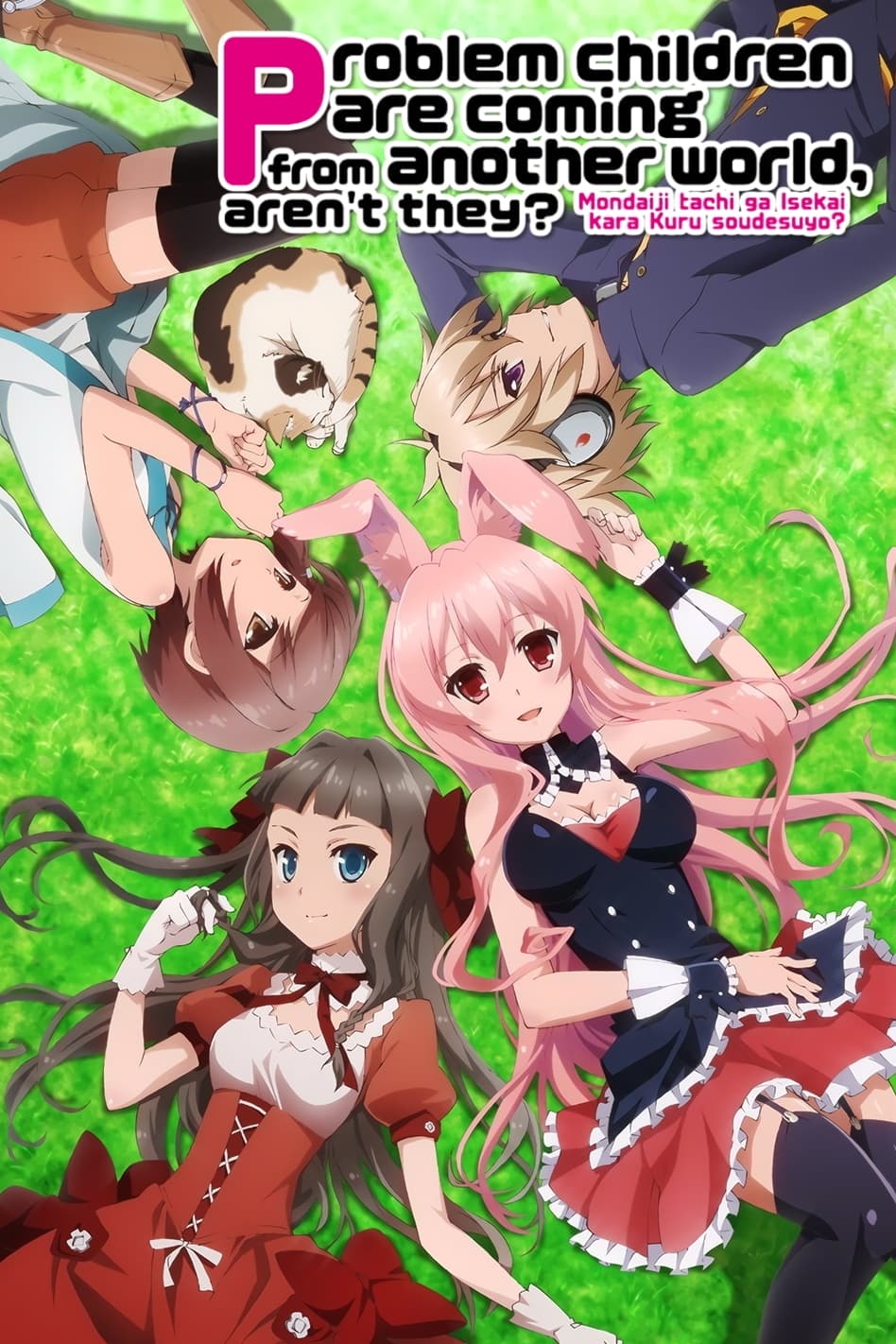
Three gifted teens are summoned to the Little Garden to bolster a struggling community through “Gift Games,” formal contests with binding wagers. Based on Tarō Tatsunoko’s novels, it lays out host rights, geasa, and judge rulings that govern challenges.
Episodes introduce divine sponsors, demon lords, and non-human hosts whose abilities act like contract clauses, with victory depending on rule interpretation, loopholes, and the precise terms each side accepts.
‘Arifureta: From Commonplace to World’s Strongest’ (2019–)

A class is transported to another world and one student is betrayed into a deep labyrinth, where transmutation and monster harvesting drive his survival loop. Adapted from Ryo Shirakome’s novels, it tracks craftable weapons, evolution materials, and build synergies.
Later arcs move from dungeon survival to continent-level exploration, ancient civilization backstory, and multi-party coordination, while new allies fill specialized roles in combat and scouting.
‘Parallel World Pharmacy’ (2022)

A pharmacologist reincarnates with diagnostic sight and molecular creation powers, then applies modern pharmacy standards under a strict noble guild. From Liz Takayama’s novels, it emphasizes dosage control, contamination prevention, and regulatory approval.
The series walks through dispensary workflows, staff training, counterfeit crackdowns, and charter rules, showing how formularies, sterility, and audits reduce preventable disease in a pre-industrial setting.
‘Cautious Hero: The Hero Is Overpowered but Overly Cautious’ (2019)
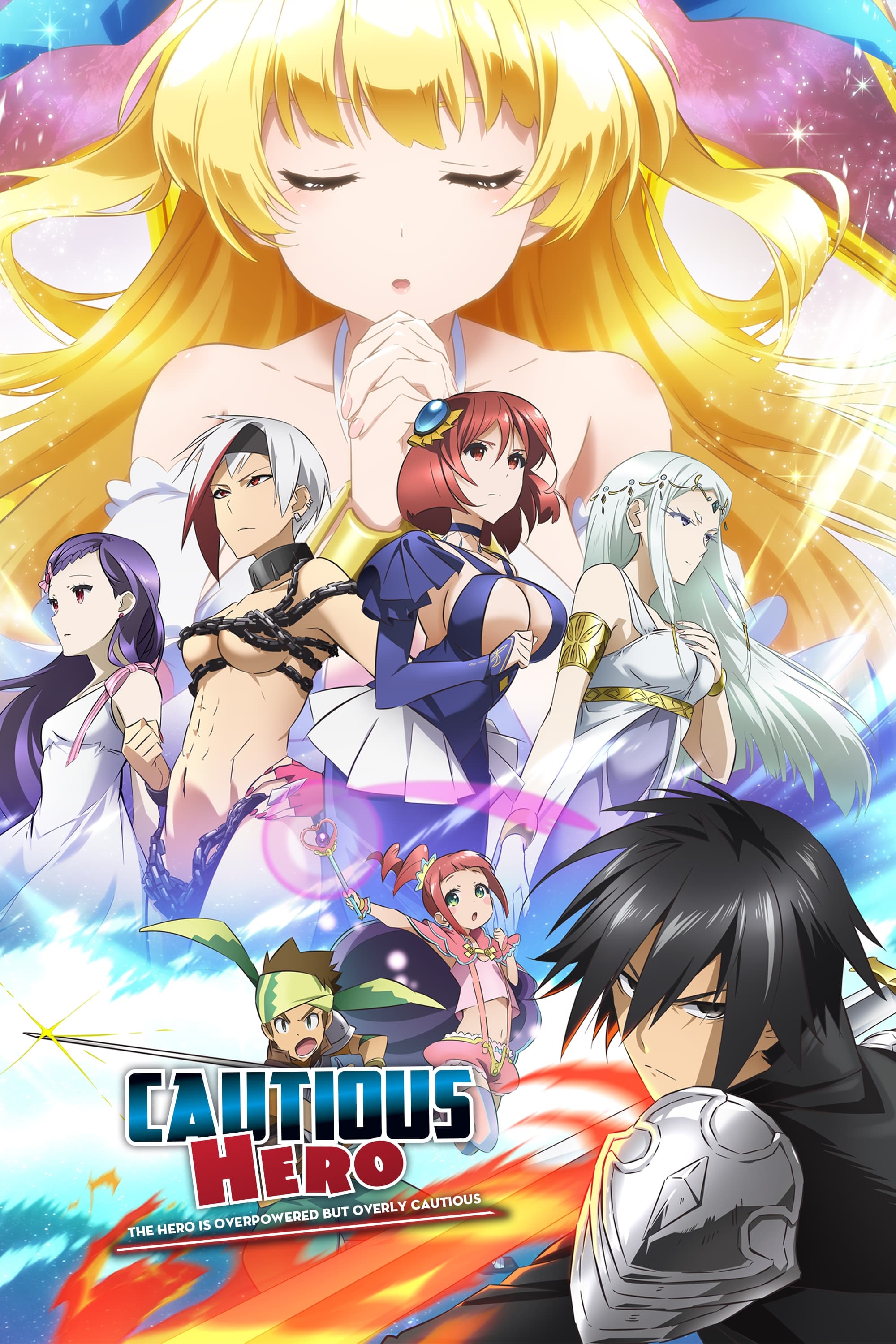
A goddess summons a hero with overwhelming stats whose risk management borders on obsessive. Light Tuchihi’s novels underpin set-pieces about redundancy and failure analysis, complete with inventories and training cycles.
Plot beats contrast chaotic deities with checklists and contingency planning, while escalating threats test assumptions about probability, cooldowns, and the cost of zero-failure strategies.
‘So I’m a Spider, So What?’ (2021)
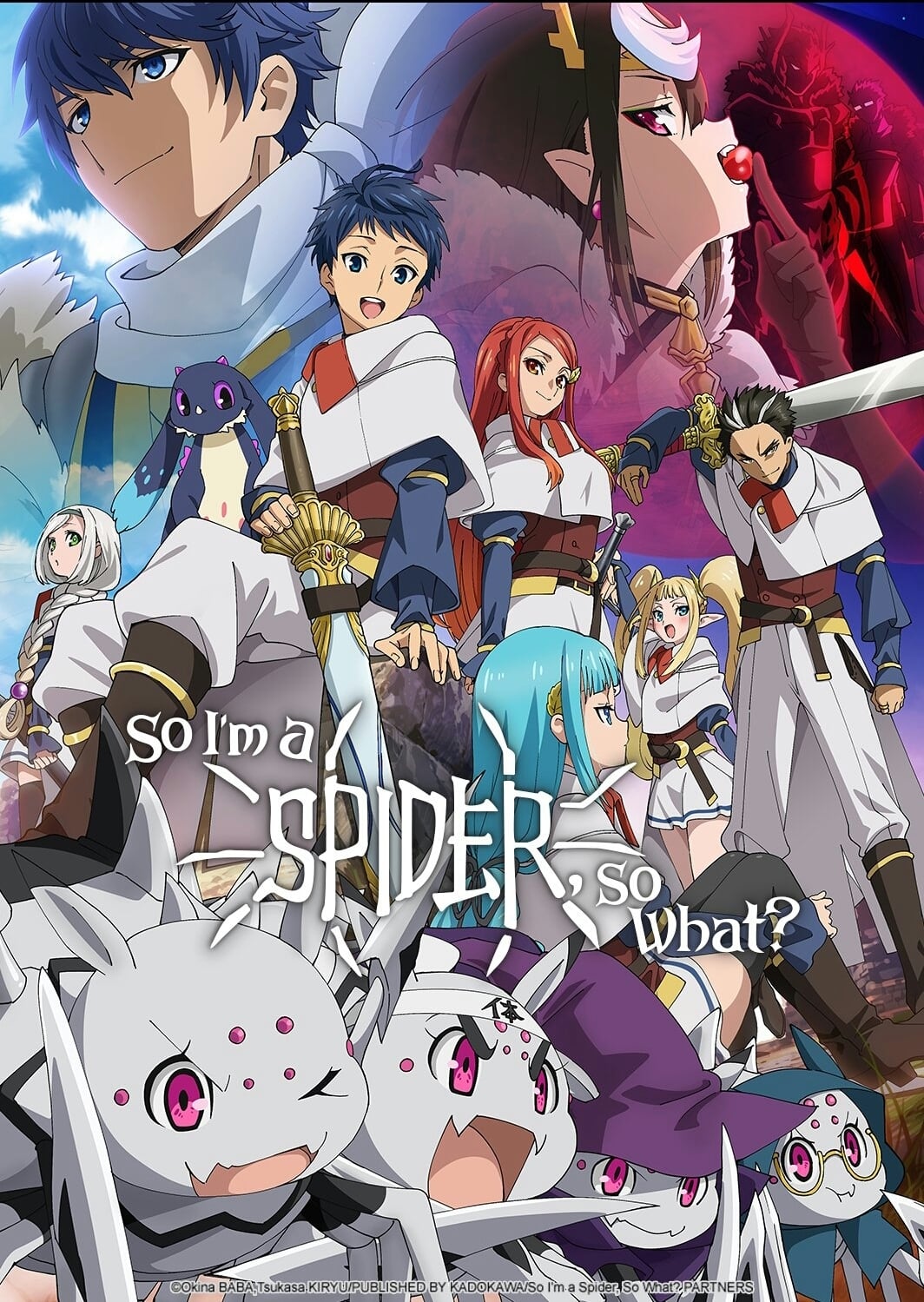
After a classroom incident, a girl reincarnates as a low-level spider in a deadly dungeon while a parallel timeline follows her former classmates above ground. From Okina Baba’s novels, it maps evolutionary skill trees, resistances, and point costs.
Scenes detail stat breakpoints, unique skill unlocks, and predator–prey dynamics across dungeon layers, then bridge to human politics and divine system oversight as timelines converge.
‘Gate’ (2015–2016)

A portal opens in Tokyo to a medieval fantasy realm; Japan’s Self-Defense Forces establish a forward base and negotiate with local powers. Adapted from Takumi Yanai’s novels, it catalogs logistics, rules of engagement, and treaty-building.
Episodes pair combined-arms doctrine against monsters with cultural exchange, alliance management, and resource agreements as modern tech meets magic and feudal governance.
‘The Devil Is a Part-Timer!’ (2013–2023)
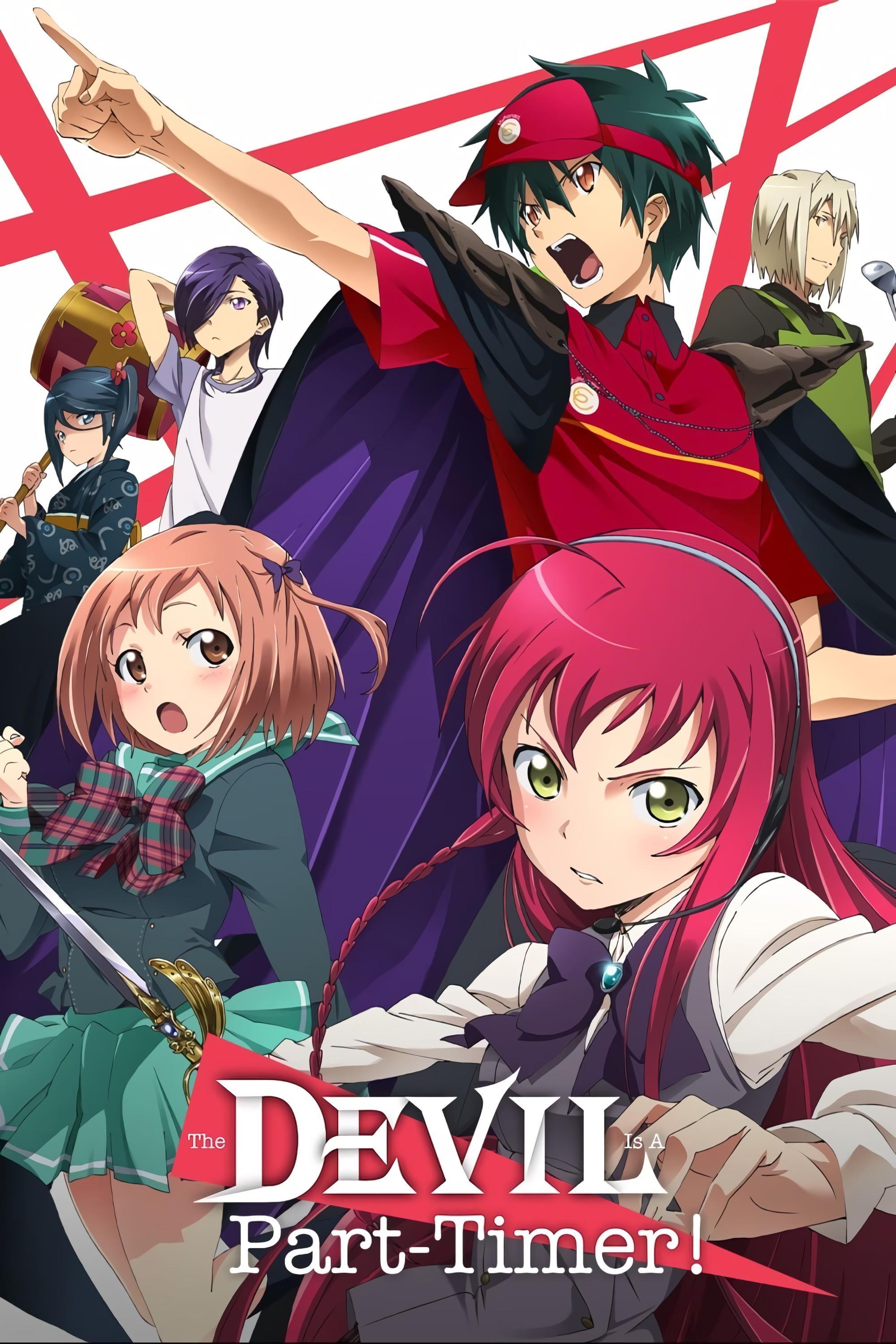
A demon lord flees to modern Tokyo through an inter-world gate and works at a fast-food chain while rivals track him down. From Satoshi Wagahara’s novels, it lists visa issues, rent, and shift scheduling alongside magic depletion and recharge rules.
The show runs workplace procedures and customer metrics in parallel with cross-world politics and church operations, using limited magic in a contemporary urban setting to drive conflict resolution.
‘Campfire Cooking in Another World with My Absurd Skill’ (2023)

A salaryman’s only skill lets him order modern groceries into a fantasy realm, where cuisine and contracts tame legendary beasts. Adapted from Ren Eguchi’s novels, it treats cooking as utility—status recovery, morale, and bonding—through scaled recipes.
The travel-log format covers procurement, preservation, and merchant deals; ingredient sourcing and magical refrigeration turn meals into a micro-business that funds the party’s journey.
‘TSUKIMICHI -Moonlit Fantasy-‘ (2021–)
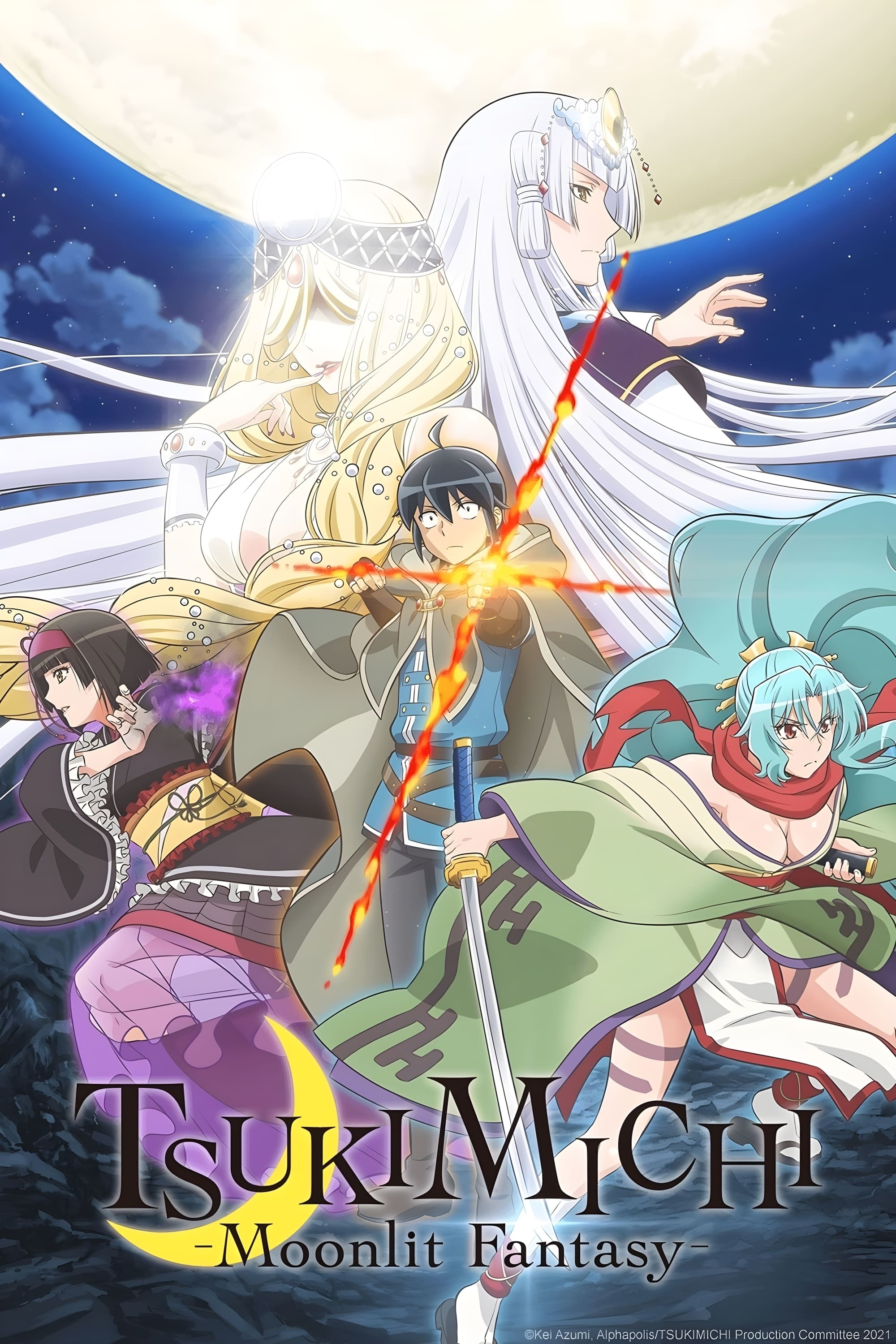
Rejected by a goddess, a teen signs with other deities and develops a demi-plane hub for demi-humans and merchants. Based on Kei Azumi’s novels, it foregrounds trade, infrastructure, and urban planning alongside magic research.
Contracts with elders, commerce-guild negotiations, and domain management anchor arcs, while caravans, resource extraction, and education systems build a stable polity despite divine politics.
‘Grimgar of Fantasy and Ash’ (2016)
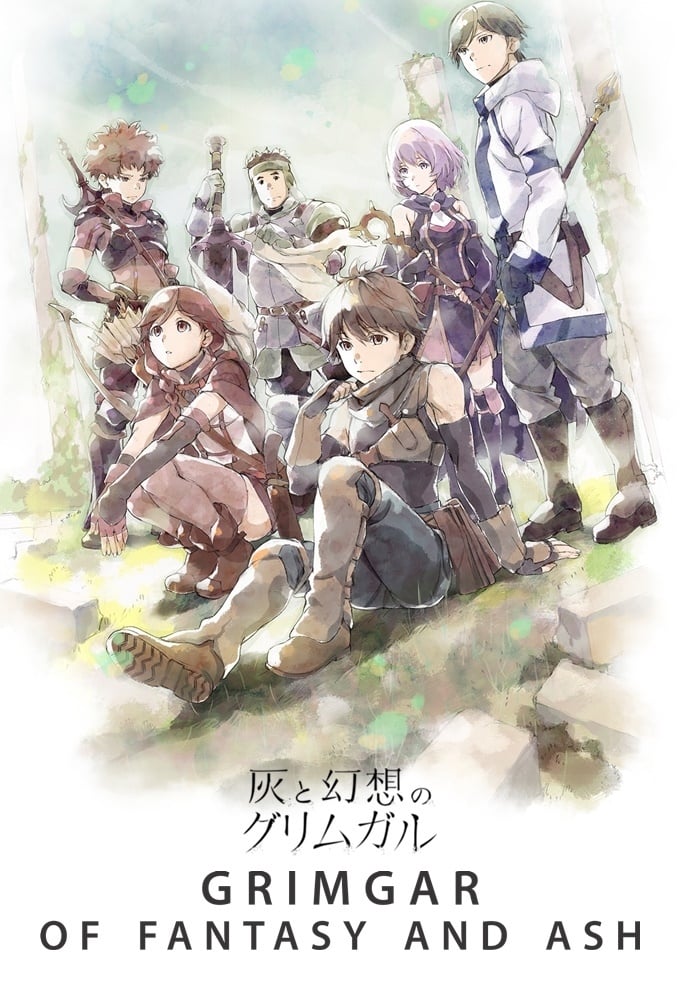
A group of amnesiacs wakes in a fantasy world with only basic skills and must hunt for daily survival. From Ao Jūmonji’s novels, it emphasizes team roles, rent, and training fees.
Combat is costly and slow, with job guilds and skill purchases turning small gains into competence; scarcity and grief shape decisions as the party learns fundamentals one step at a time.
‘Drifters’ (2016)
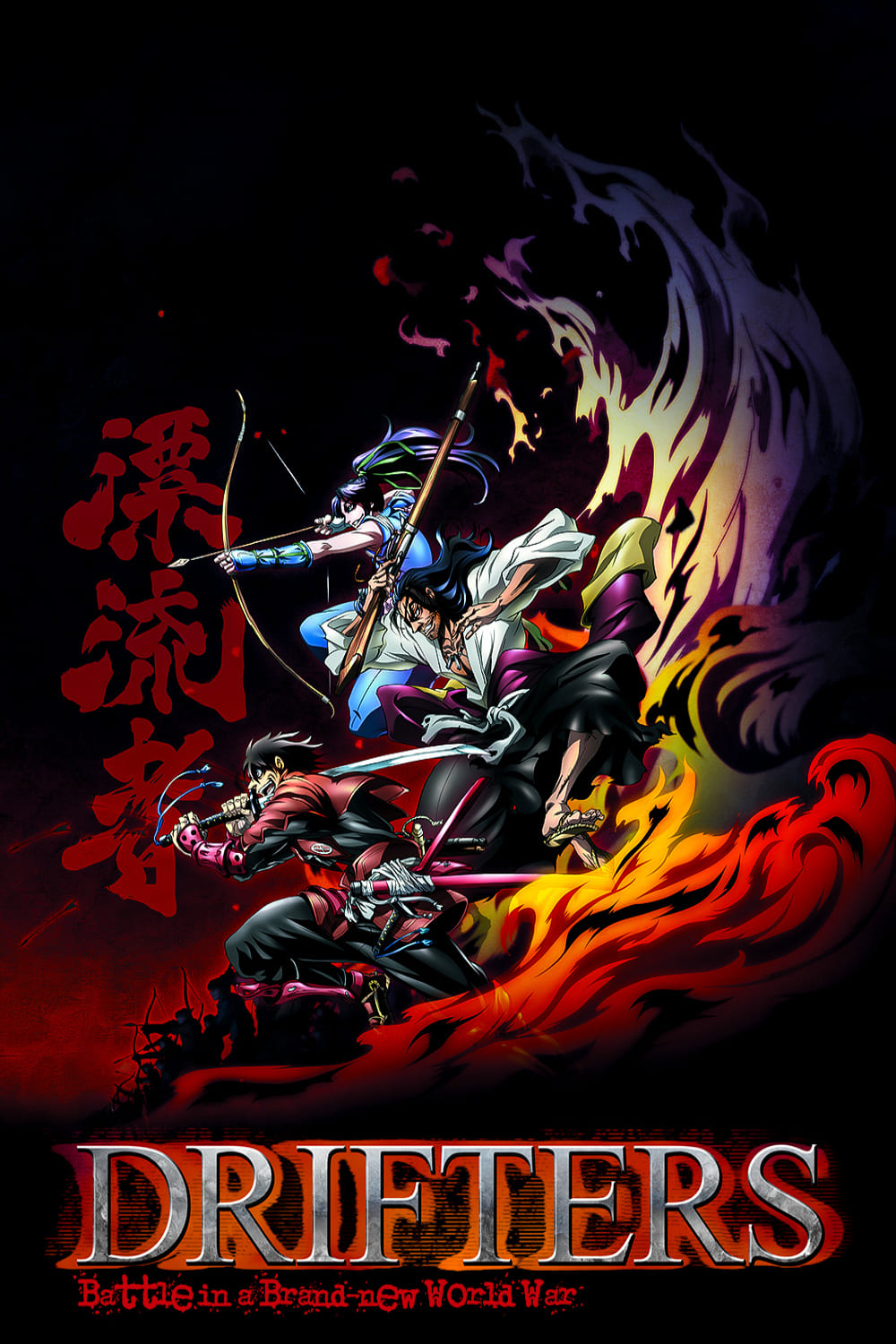
Historical figures are transported to a new world and drafted into opposing factions, “Drifters” and “Ends.” Kouta Hirano’s manga ties each figure’s tactics to their real-world background, from skirmisher cavalry to black-powder improvisation.
Operations focus on terrain usage, supply capture, and insurgency, then scale up as liberated elves and dwarves add manpower and industry to a growing rebellion.
‘Log Horizon’ (2013–2021)

Players find themselves trapped in the MMORPG Elder Tale with their game skills intact but social systems missing. Mamare Tōno’s novels provide guild charters, food discovery, and legal frameworks for a city-state run by adventurers.
Contracts, currency stabilization, and NPC autonomy drive arcs, turning raid strategies and subclass combinations into instruments of governance and diplomacy.
‘No Game No Life’ (2014)
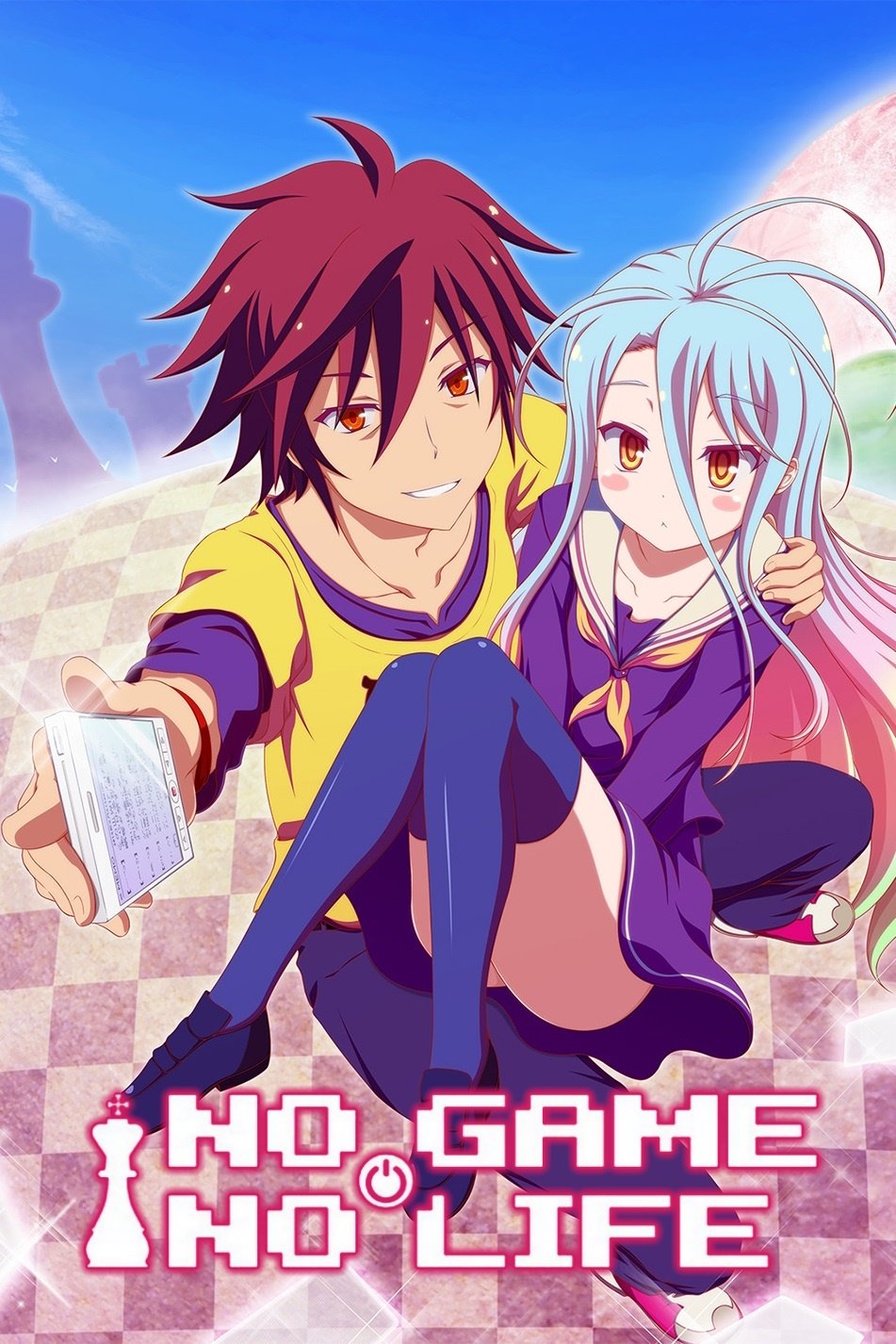
Sibling prodigies are transported to Disboard, a world where binding games settle all conflict. Based on Yuu Kamiya’s novels, it defines victory conditions, cheat restrictions by race, and post-game legal interpretations.
Matches hinge on probability, bluffing, and loopholes, and the series links to a prequel film that explains the Ten Covenants’ origin and Disboard’s wartime history.
‘The Vision of Escaflowne’ (1996)
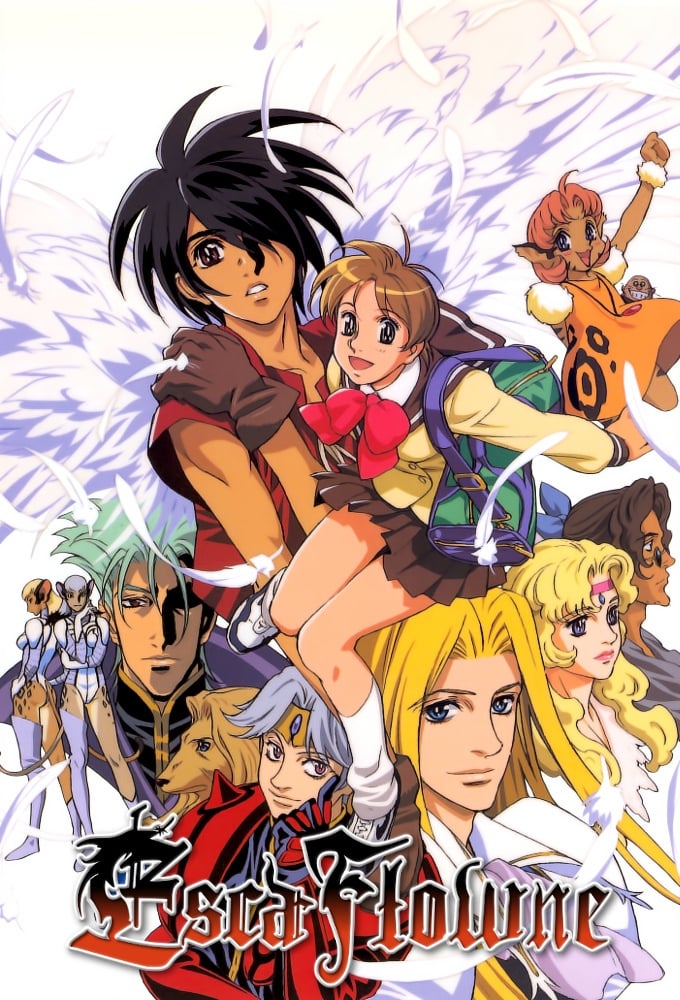
A high-schooler is whisked to Gaea, where nations fight using living mecha called Guymelefs and fate is read with tarot. This Sunrise original fuses shōjo romance and mecha strategy with Atlantean-style mystic technology.
Setting details include Zaibach’s fate-alteration engines, Ispano craftsmanship, and dragon-energy power systems, while the heroine’s prediction ability influences duels and command decisions.
‘Fushigi Yugi: The Mysterious Play’ (1995–1996)
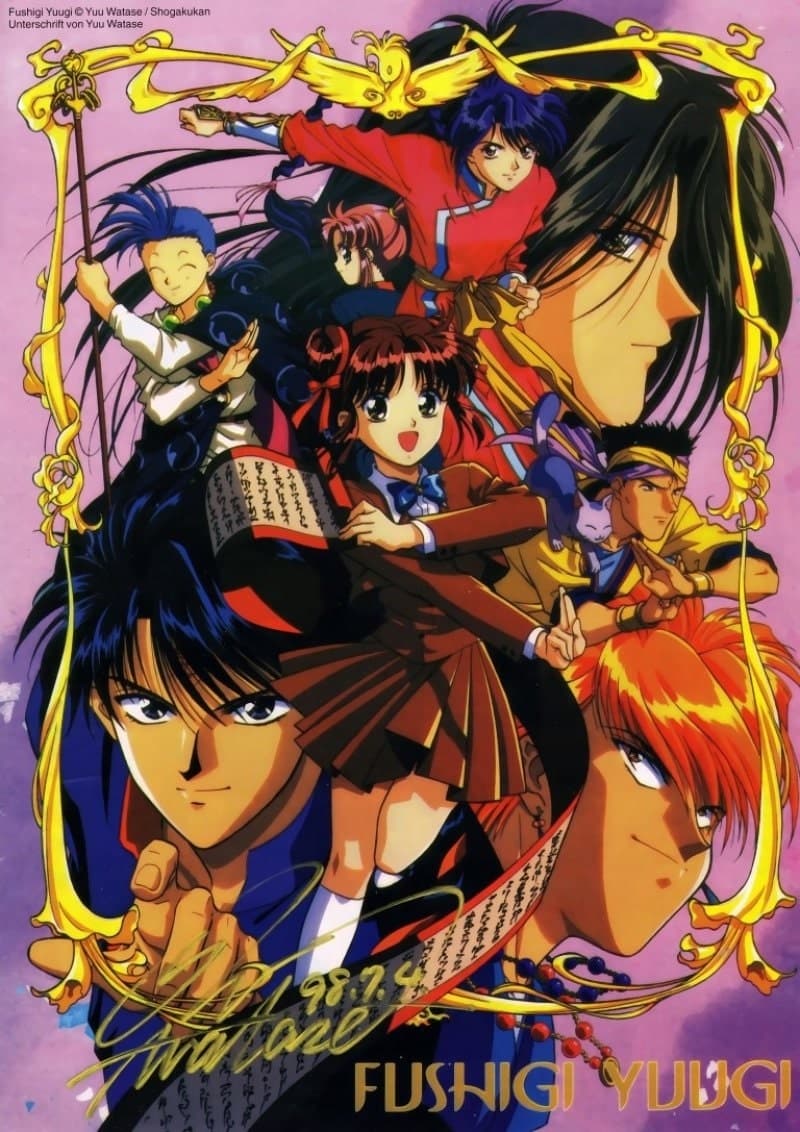
A student opens an ancient book and is pulled into a world where becoming a priestess could save a kingdom. From Yuu Watase’s manga, it codifies celestial warriors, summoning rites, and country-specific mandates.
Arcs revolve around talisman hunts, tribal diplomacy, and court intrigue, tying romance to succession crises while spells draw power from constellations and sacred beasts.
‘Saga of Tanya the Evil’ (2017–)
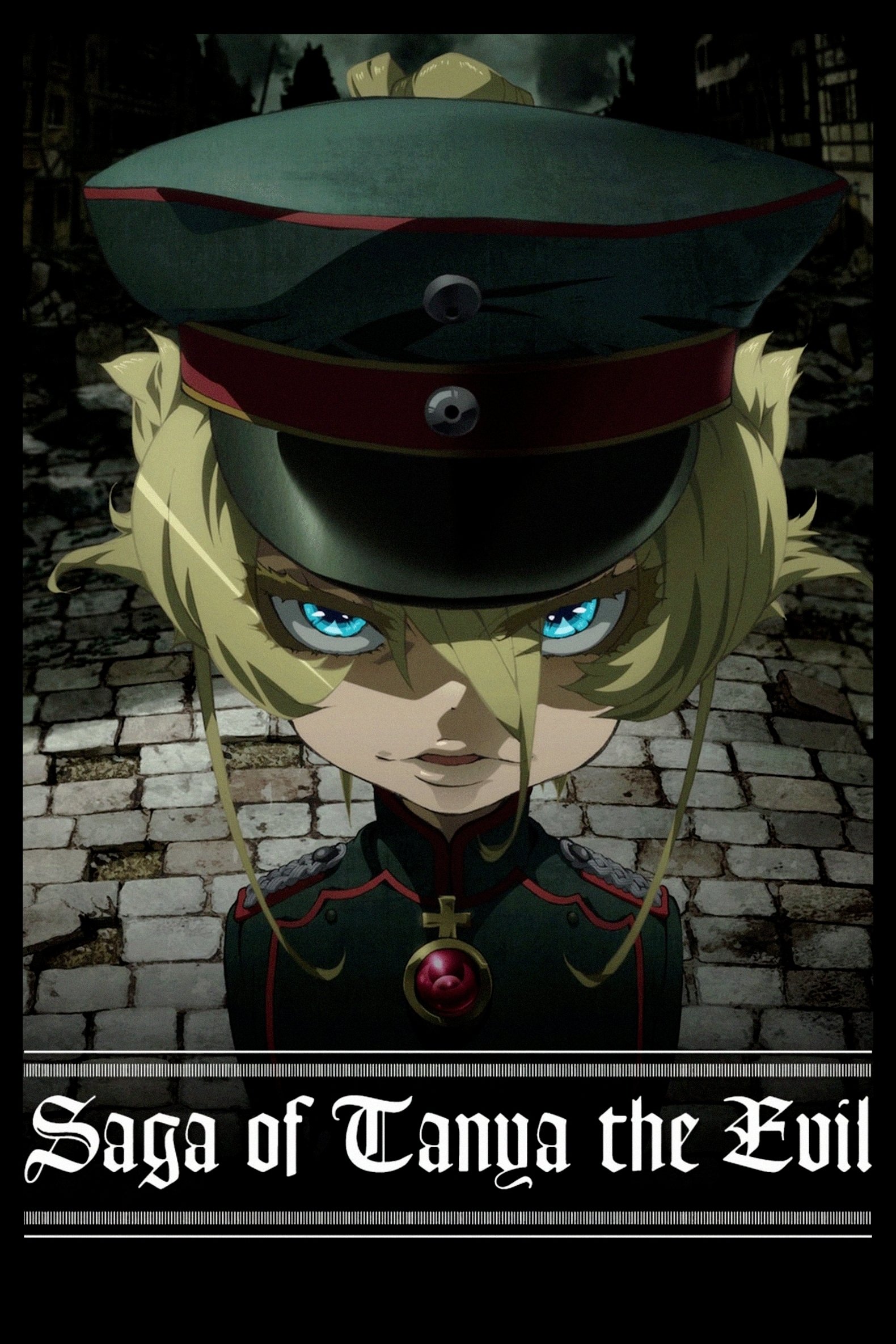
A salaryman reborn as a girl soldier rises through a magic-infused military during a world-war analogue overseen by a vindictive deity. Carlo Zen’s novels detail doctrine, procurement, and strategic deception.
Staff memos, court-martials, and multinational alliances show how an empire iterates munitions and propaganda, and later entries extend the campaign beyond the initial front.
‘Overlord’ (2015–2022)
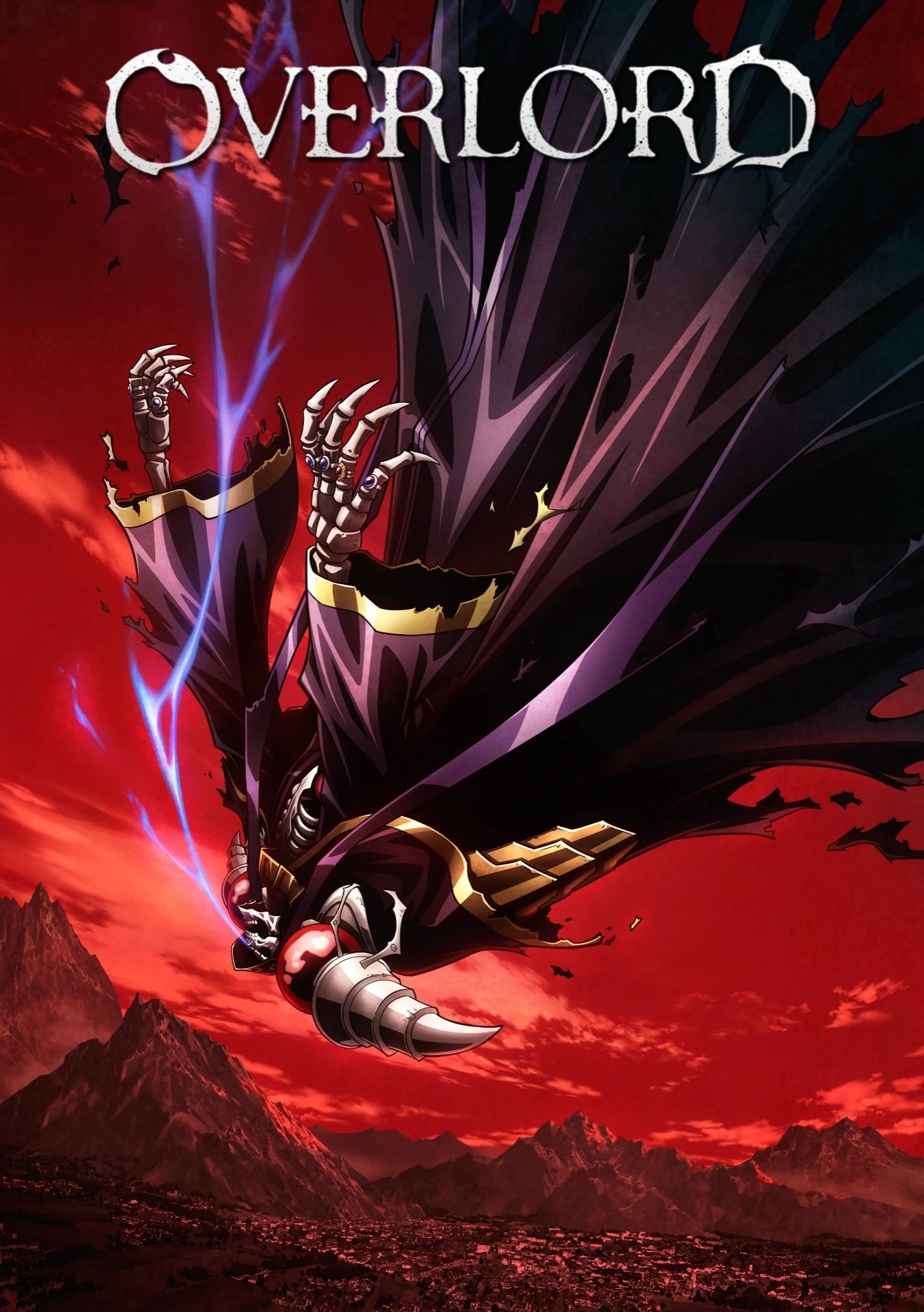
A guild master remains logged in as his lich avatar after servers shut down, then sets policy for a loyal guardian hierarchy. From Kugane Maruyama’s novels, it codifies reconnaissance, experiment-driven intel, and resource accounting for expansion.
The series tracks vassal states, demi-human alliances, and covert cells, while battle scenes showcase spell tiers, item rarity, and counters between builds and artifacts.
‘The Rising of the Shield Hero’ (2019–)
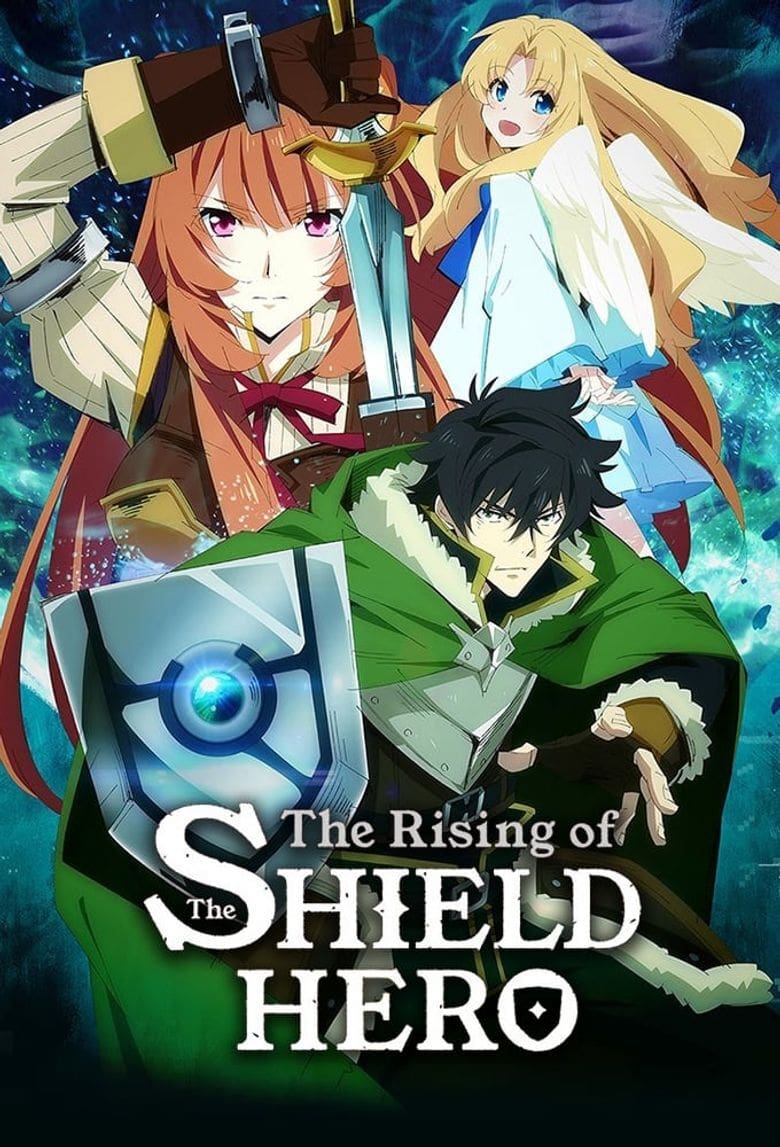
Four heroes are summoned with distinct legendary weapons; one is framed and must rebuild trust and power from zero. Based on Aneko Yusagi’s novels, it emphasizes defense-oriented growth, curse systems, and crafting through monster drops.
Waves of calamity, cross-country politics, and class upgrades structure arcs, with party weapon synergies dictating tactics against raid-scale threats.
‘Inuyasha’ (2000–2004)

A modern girl falls through a shrine well into the Sengoku period and frees a half-demon; together they recover shards of a powerful jewel. From Rumiko Takahashi’s manga, it catalogs yōkai types, exorcist techniques, and weapon properties.
The long-form quest covers feudal regional travel, linked conflicts, and evolving party dynamics, later completed by a concluding sequel and a follow-up set in the same timeline.
‘The Eminence in Shadow’ (2022–)
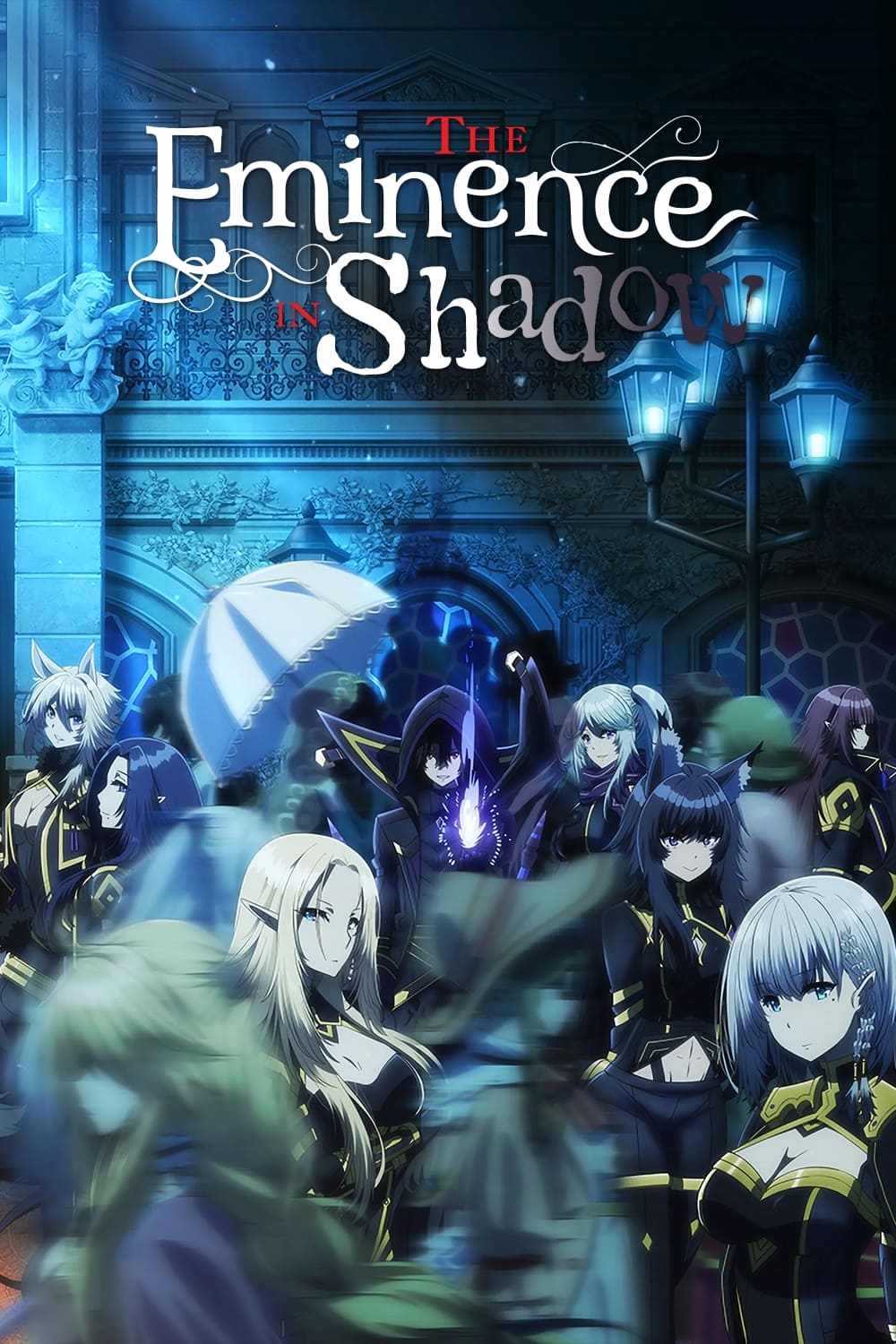
A boy obsessed with secret societies builds one in a new world, only to uncover a real conspiracy mirroring his fiction. Daisuke Aizawa’s novels layer parody over earnest worldbuilding, with a named organization, ranks, and covert-ops tradecraft.
Front companies, intel networks, and operation codenames structure missions, alternating comedic misunderstandings with genuine black-ops work involving artifacts, plagues, and counter-cult tactics.
‘KONOSUBA – God’s blessing on this wonderful world!’ (2016–)
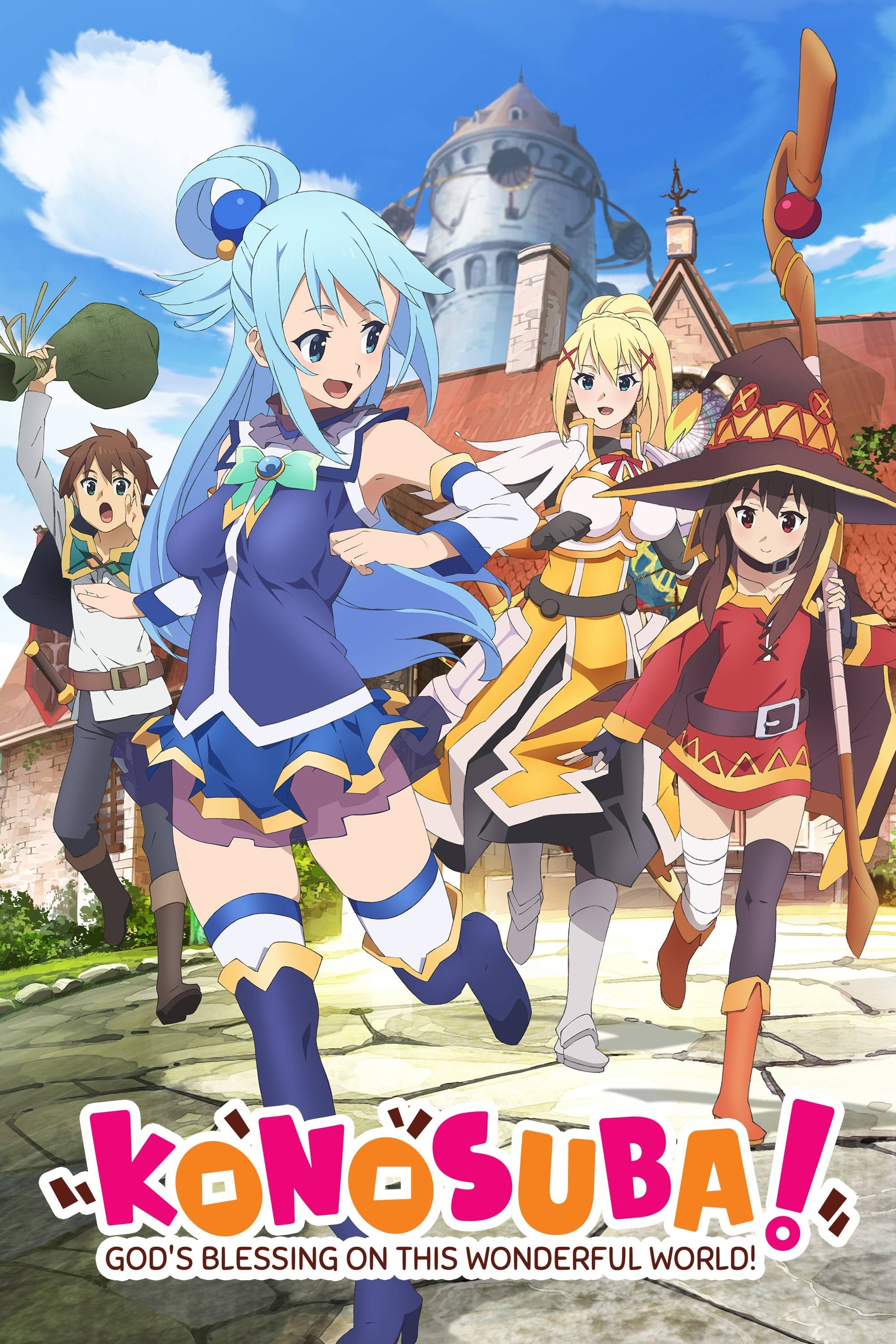
A shut-in dies and travels to a new world with a goddess, an explosion mage, and a crusader whose builds are famously impractical. Natsume Akatsuki’s novels treat debt, quest mishaps, and party wipes as core loops with clear guild rules.
Guild postings, bounties, and class skills structure arcs, while a feature film and spinoffs expand the setting around the party’s home base and recurring NPCs.
‘The Twelve Kingdoms’ (2002–2003)
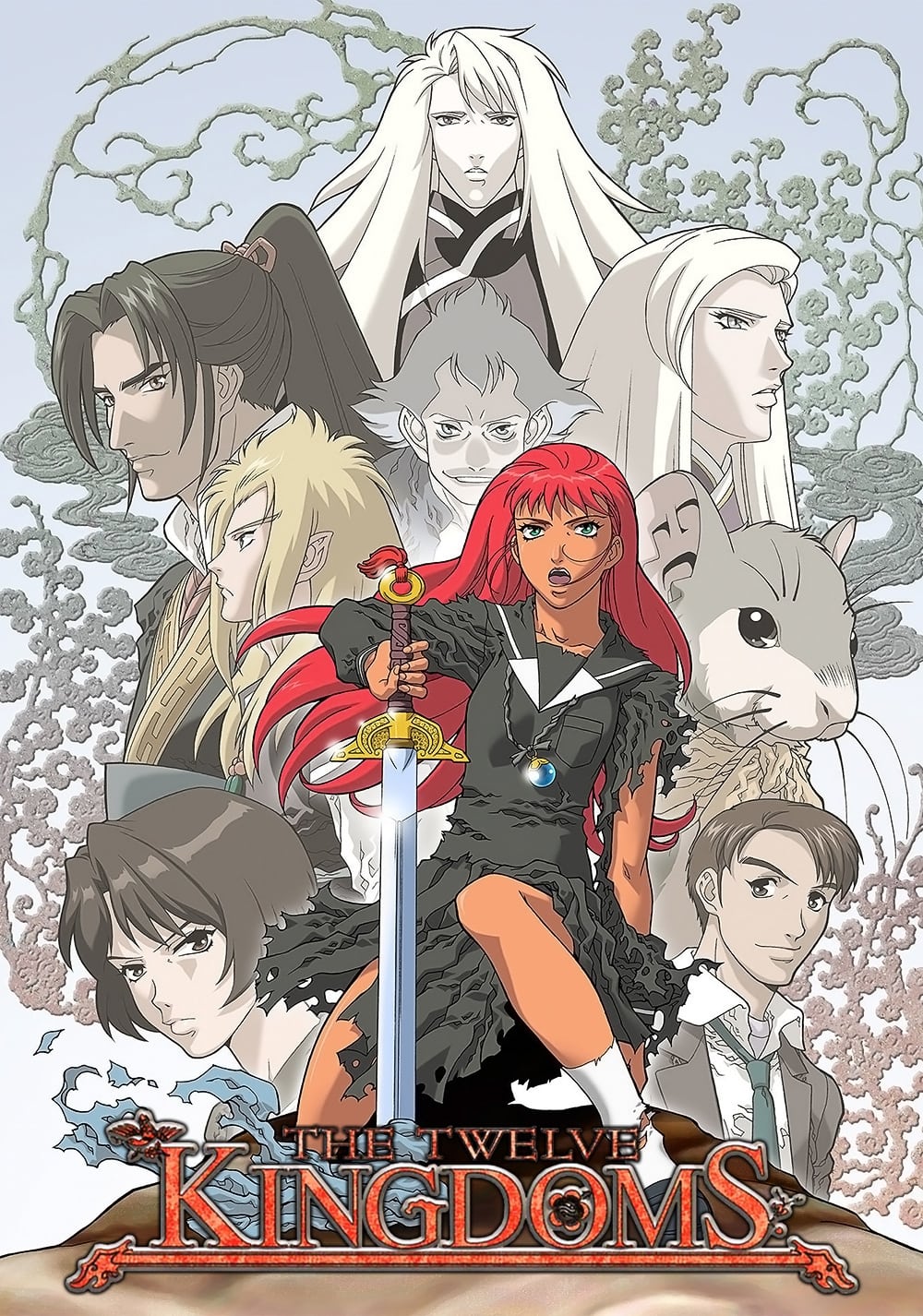
A girl is chosen by a kirin and taken to a parallel realm where divine kingship is governed by natural law. Fuyumi Ono’s novels outline mandate theory, kirin selection, and Heavens’ punishments as bureaucratic and ecological systems.
The series tracks multiple monarchies, border conflicts, and administrative reforms, showing how literacy, taxation, and famine relief operate under a cosmology where moral failure triggers literal plagues.
‘Ascendance of a Bookworm’ (2019–)
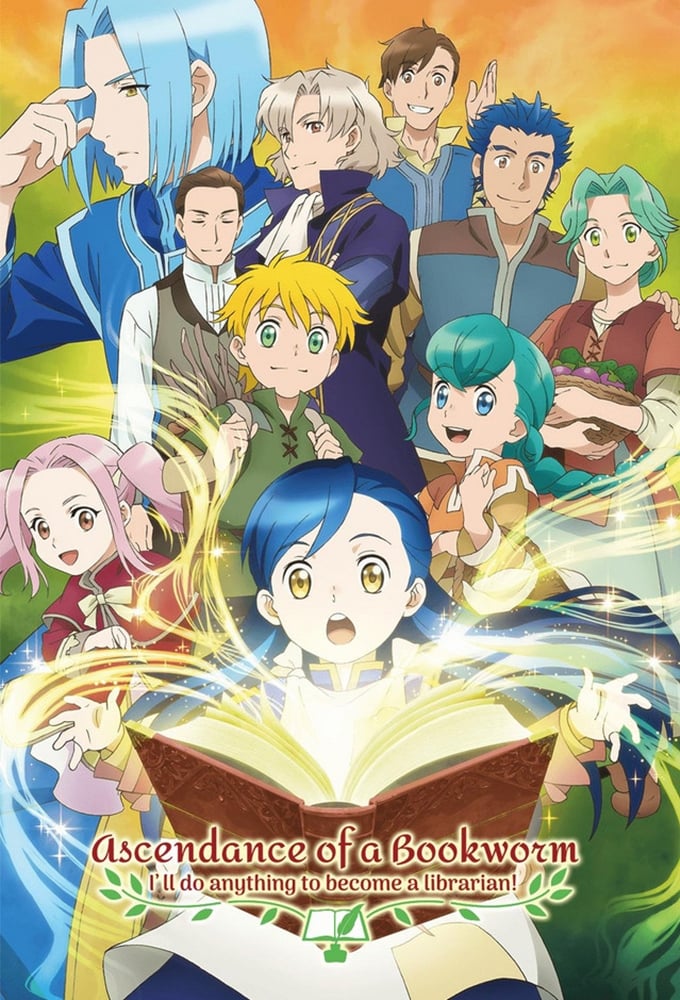
A book-loving adult reincarnates as a frail child in a stratified city where books are luxury goods and printing barely exists. Miya Kazuki’s novels trace resource constraints, guild rights, and copyright-like privileges as the lead invents affordable media.
Papermaking, inks, woodblock presses, and artisan agreements are shown step-by-step, then expanded into church roles and noble contracts where knowledge—rather than combat—changes class mobility.
‘That Time I Got Reincarnated as a Slime’ (2018–)
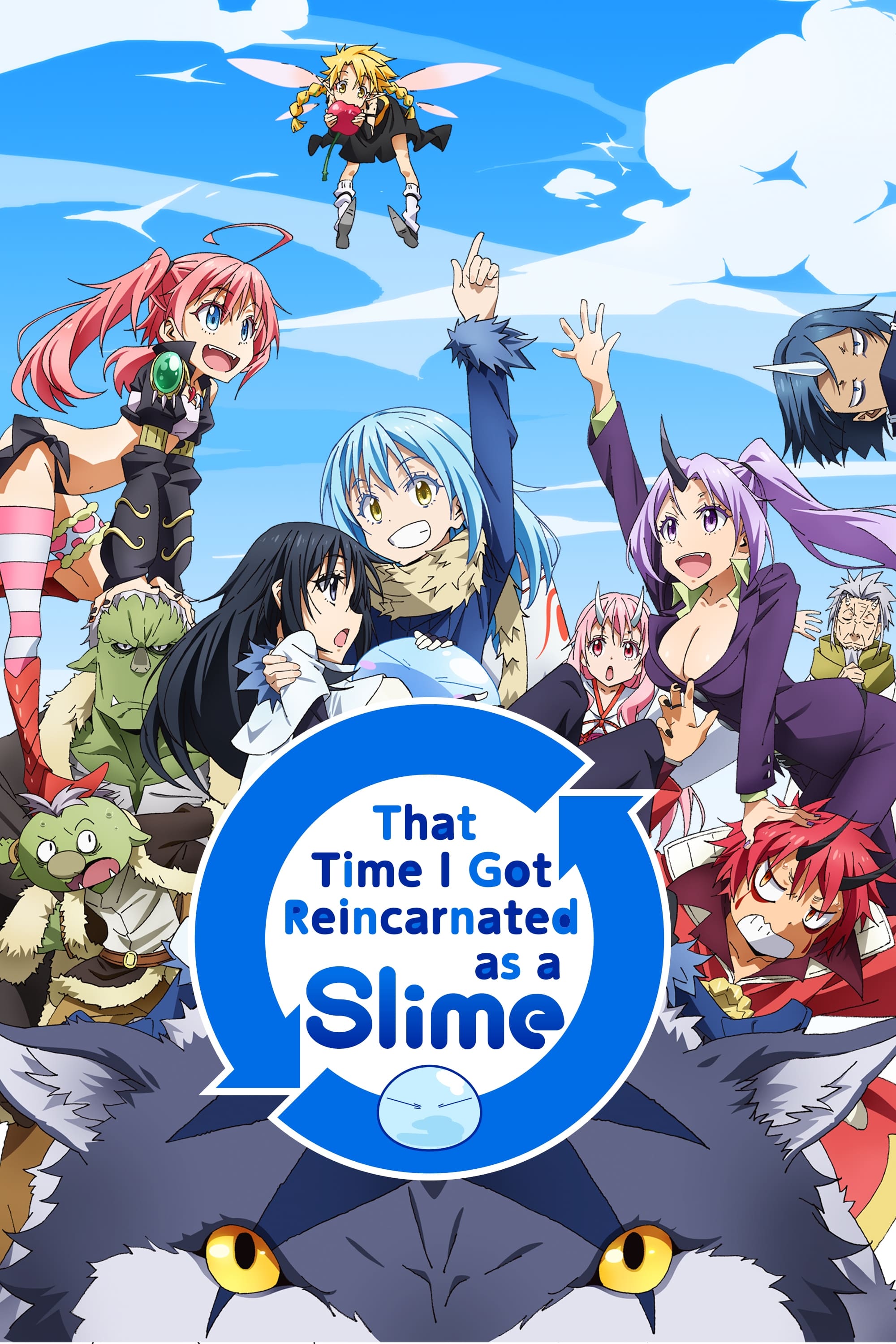
A man reincarnates as a slime with predator abilities and founds a nation of monsters through diplomacy and urban development. Fuse’s novels emphasize skill fusion, unique titles, and evolution lines tied to governance.
The franchise includes a slice-of-life spinoff and films, with treaties, trade routes, and military modernization documented as Tempest grows from village to regional hub.
‘Re:ZERO -Starting Life in Another World-‘ (2016–)

A teen is pulled into another world and discovers a return-by-death checkpoint power with strict rules and costs. Tappei Nagatsuki’s novels build long arcs around sanctuary trials, royal selection politics, and cult hierarchies.
Loop iterations surface foreshadowing and hidden motives, with OVAs bridging arcs and later seasons broadening witch lore, contract magic, and the mechanics that underlie resets.
‘Mushoku Tensei: Jobless Reincarnation’ (2021–)

A middle-aged shut-in reincarnates as Rudeus Greyrat and commits to mastering magic in a coherent, continent-spanning world. Rifujin na Magonote’s novels emphasize language acquisition, mana theory, and social norms shaped by geography and migration.
Studio Bind’s adaptation tracks childhood to adulthood with consistent worldbuilding—spell tiers, monster ecologies, and guild structures—branching into academy study, demon-continent survival, and family-centric arcs that tie personal growth to the setting’s history.
Share your own favorites and how you’d order them in the comments!