Best Mecha Anime of All Time, Ranked


Mecha anime covers everything from gritty wartime dramas to galaxy-spanning sagas, and it’s brimming with iconic machines, timelines, and creative teams. This list brings together series and films that defined the genre across decades—from real-robot military epics to super-robot spectacles—so you can see how the field evolved and where to dive in next.
To keep things fair, the countdown is arranged by widely observed public ratings as of today, placing long-running TV shows alongside OVAs and feature films from the same playing field. That means you’ll find classics and newer hits side by side, organized purely by how audiences have scored them overall.
‘Aldnoah.Zero’ (2014–2015)
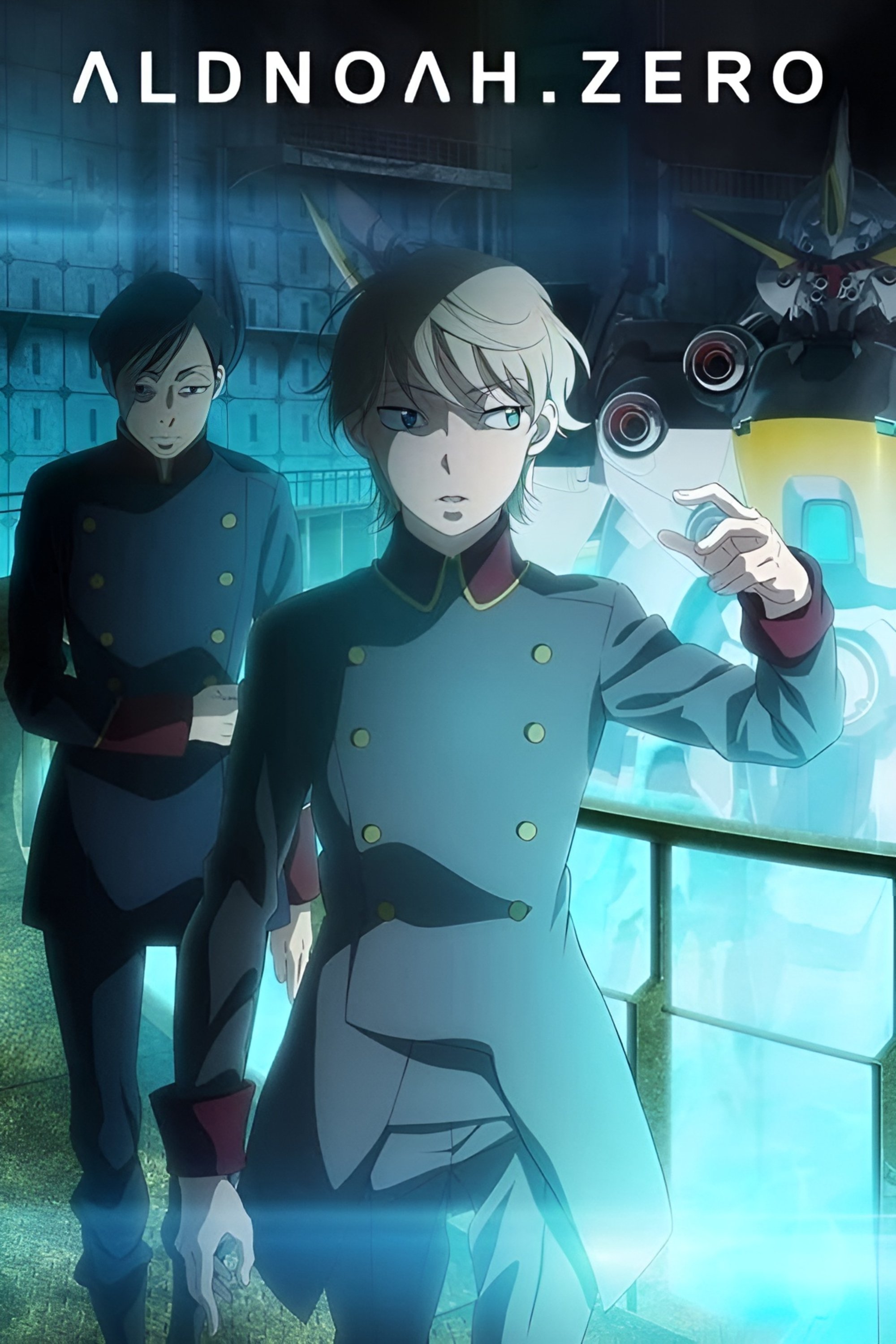
Set in an alternate timeline where humans discover alien tech on the Moon, ‘Aldnoah.Zero’ follows Earth–Vers conflict sparked by a political incident. The series uses “Aldnoah” technology to power advanced Martian Kataphrakts, contrasting them with Earth’s conventional mecha and grounding battles in tactical advantages and terrain use.
Produced by A-1 Pictures and TROYCA, the show ran two cours with 24 episodes, directed by Ei Aoki with series composition by Gen Urobuchi (concept) and Katsuhiko Takayama. Hiroyuki Sawano composed the score, and the series aired in 2014–2015 before getting home-video and streaming releases globally.
‘RahXephon’ (2002)
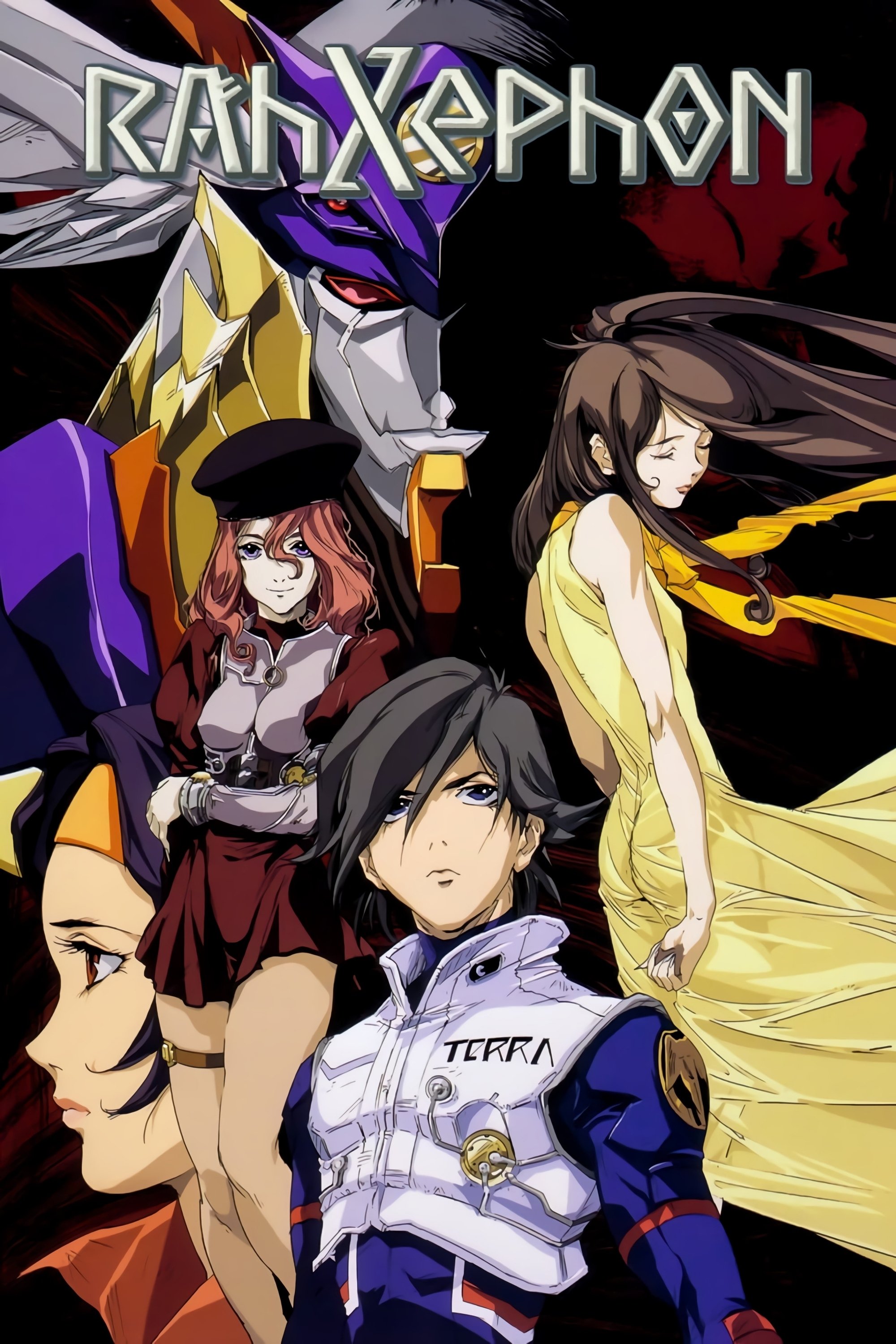
‘RahXephon’ centers on Ayato Kamina, a Tokyo teen caught in a reality-bending conflict involving the Mulians and the titular RahXephon unit. Its setting plays heavily with music, resonance, and alternate timelines as core plot mechanics, weaving sci-fi concepts into its mecha action.
Animated by Bones and directed by Yutaka Izubuchi, the TV series aired in 2002 with 26 episodes and later received a compilation/retelling film, ‘RahXephon: The Motion Picture – Pluralitas Concentio’. The production is noted for its detailed mechanical designs and strong art direction across broadcast and home video.
‘Darling in the Franxx’ (2018)
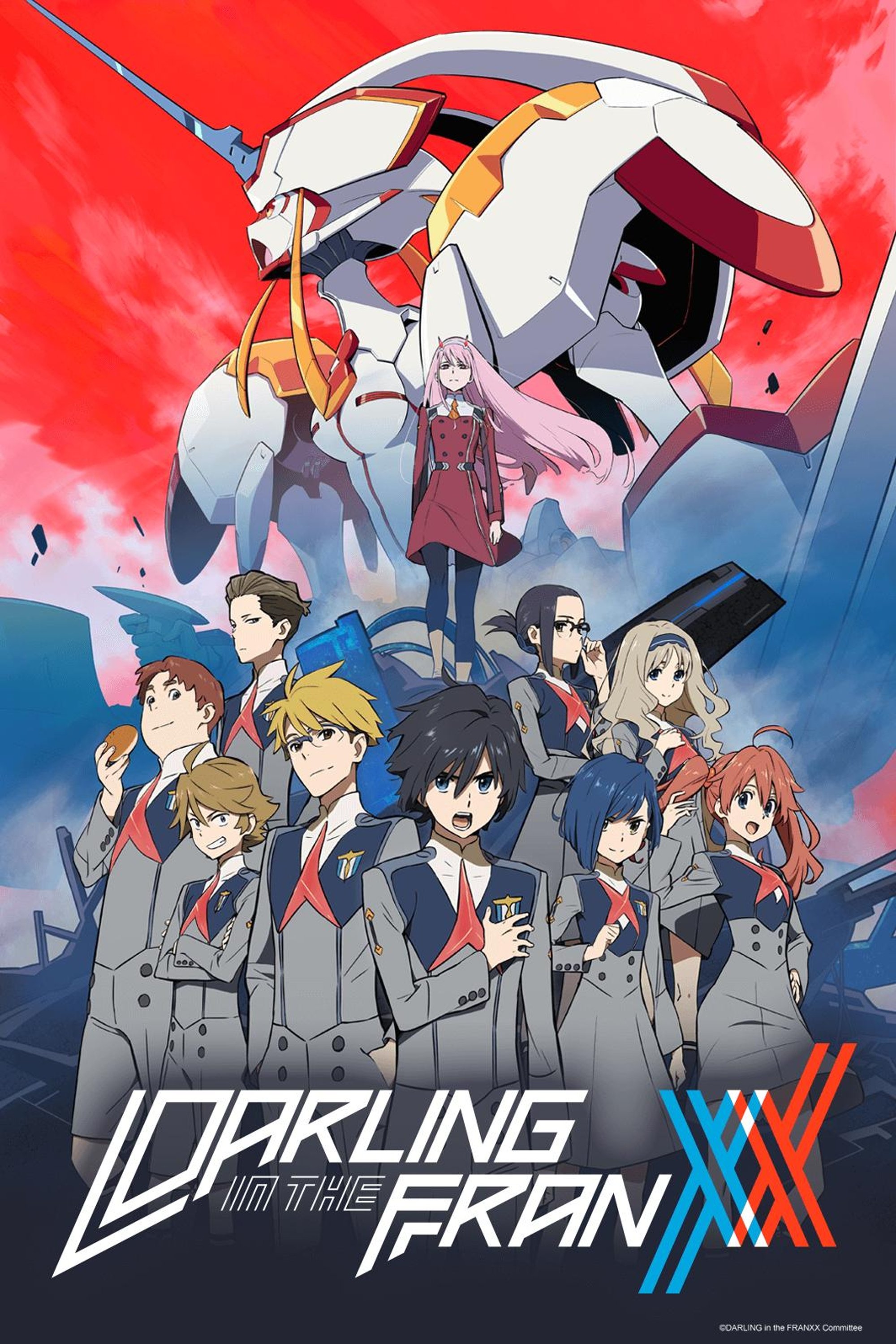
‘Darling in the Franxx’ is set in a post-apocalyptic world where child pilots operate Franxx units to protect mobile cities from klaxosaurs. It integrates biological interfaces and pair-pilot systems into its machines, making compatibility and team dynamics central to how each unit performs in combat.
The series is a collaboration between Trigger and A-1 Pictures (CloverWorks), directed by Atsushi Nishigori with music by Asami Tachibana. It aired in 2018 for 24 episodes and reached international audiences through simulcasting, later receiving complete physical releases.
‘Mobile Suit Gundam Thunderbolt’ (2015–2017)
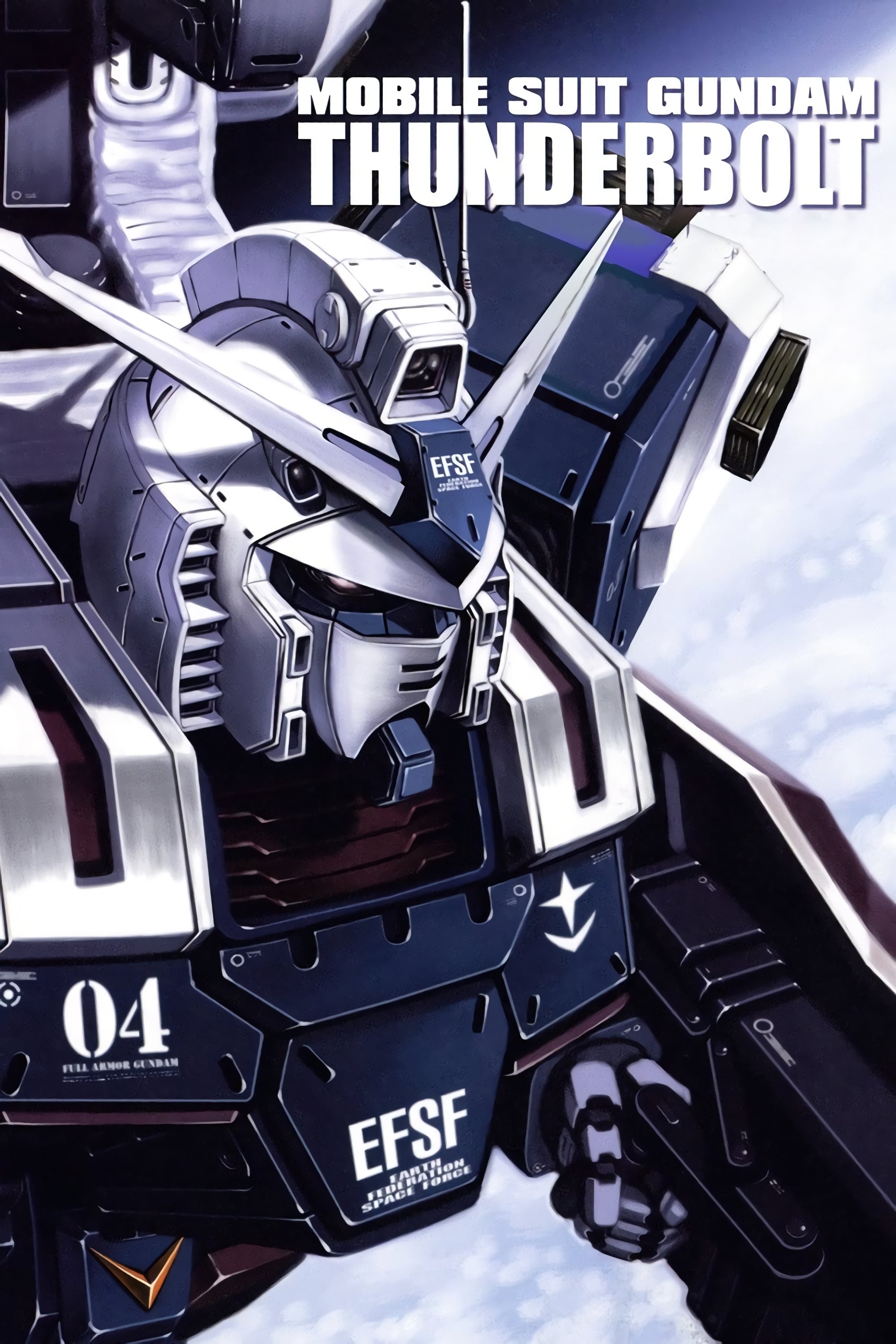
Set during the One Year War’s Thunderbolt Sector, ‘Mobile Suit Gundam Thunderbolt’ depicts brutal close-quarters space combat with distinct jazz-infused sound design. It began as an ONA series and was later compiled into the films ‘December Sky’ and ‘Bandit Flower’.
Sunrise adapted Yasuo Ohtagaki’s manga with a stylized approach to animation and mechanical choreography. The ONA streams and compilation films expanded the Universal Century timeline with a focus on psychological toll, prosthetics, and specialized equipment for debris-dense battlefields.
‘Mobile Suit Gundam: The Witch from Mercury’ (2022–2023)
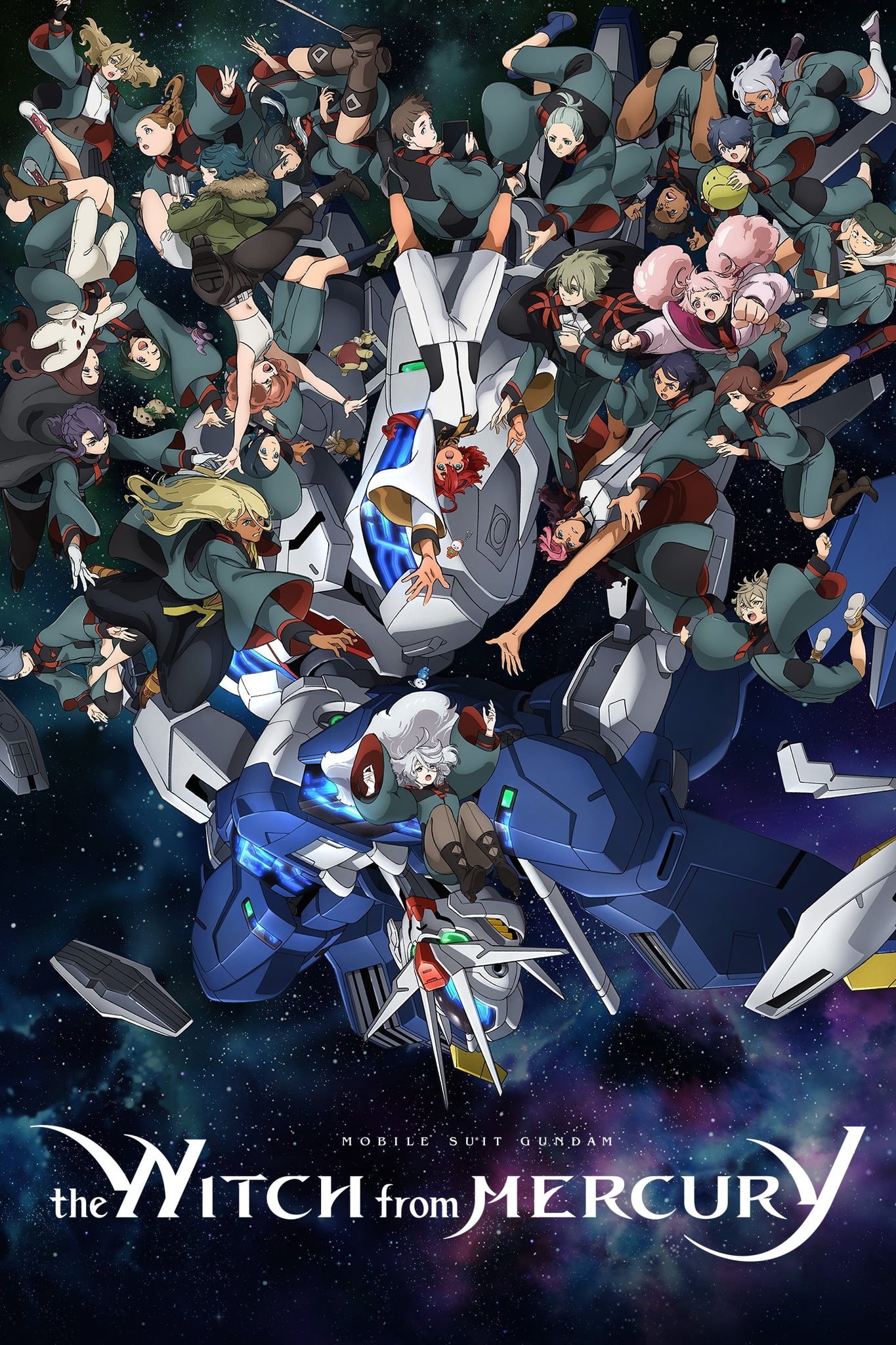
‘Mobile Suit Gundam: The Witch from Mercury’ introduces GUND-format technology and school-based corporate politics to the franchise, centering on pilot Suletta Mercury and the prototype Aerial. The show reframes mecha development through business rivalries and safety controversies surrounding enhanced interfaces.
Produced by Sunrise (Bandai Namco Filmworks), the TV series aired across two seasons and featured music by Takashi Ohmama. It’s set in the Ad Stella era—separate from Universal Century—expanding Gundam’s multiverse with new terminology, factions, and manufacturer ecosystems.
‘Armored Trooper Votoms’ (1983–1984)
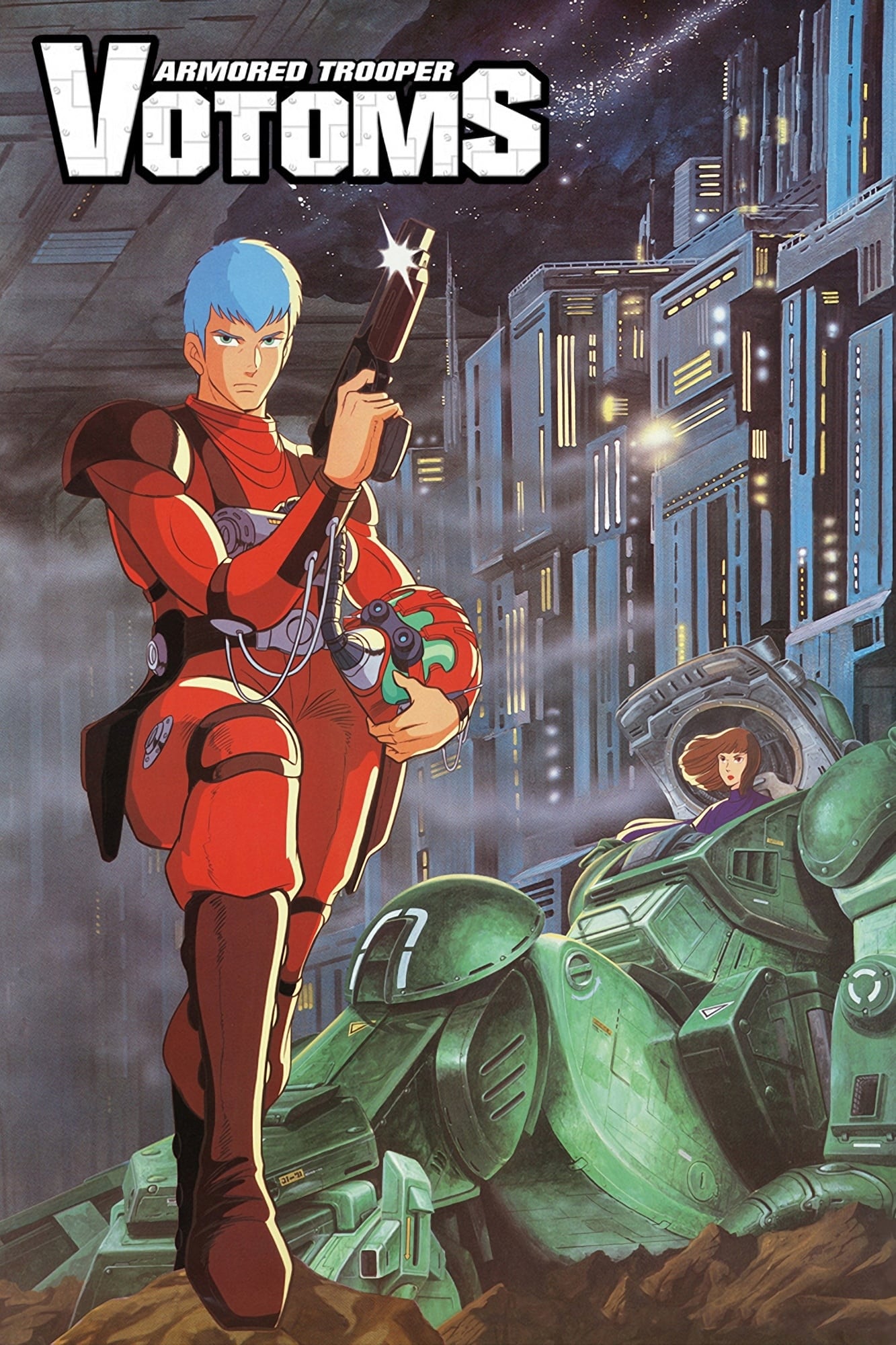
‘Armored Trooper Votoms’ follows Chirico Cuvie amid interstellar intrigue and ground warfare using mass-produced ATs (Armored Troopers). The smaller, industrial “real-robot” Scopedogs emphasize gritty tactics like down-and-dirty urban combat, rotating cockpits, and customization.
Ryōsuke Takahashi created and directed the series at Sunrise, with the TV run in 1983–1984 spawning several OVAs and films that continued Chirico’s story. The franchise’s production notes highlight a grounded mechanical approach that influenced many later real-robot designs.
‘Patlabor 2: The Movie’ (1993)

Set a few years after earlier ‘Patlabor’ entries, ‘Patlabor 2: The Movie’ places Special Vehicles Section 2 amid a politically charged security crisis in Tokyo. The film explores how labors—civil-engineering mecha repurposed for policing—fit into debates about defense, law, and urban order.
Directed by Mamoru Oshii with character designs by Akemi Takada and mechanical designs by Yutaka Izubuchi, the film features detailed cityscapes and a restrained action palette. Released in 1993, it has since circulated on disc and streaming, often paired with the first ‘Patlabor: The Movie’.
‘The Big O’ (1999–2003)
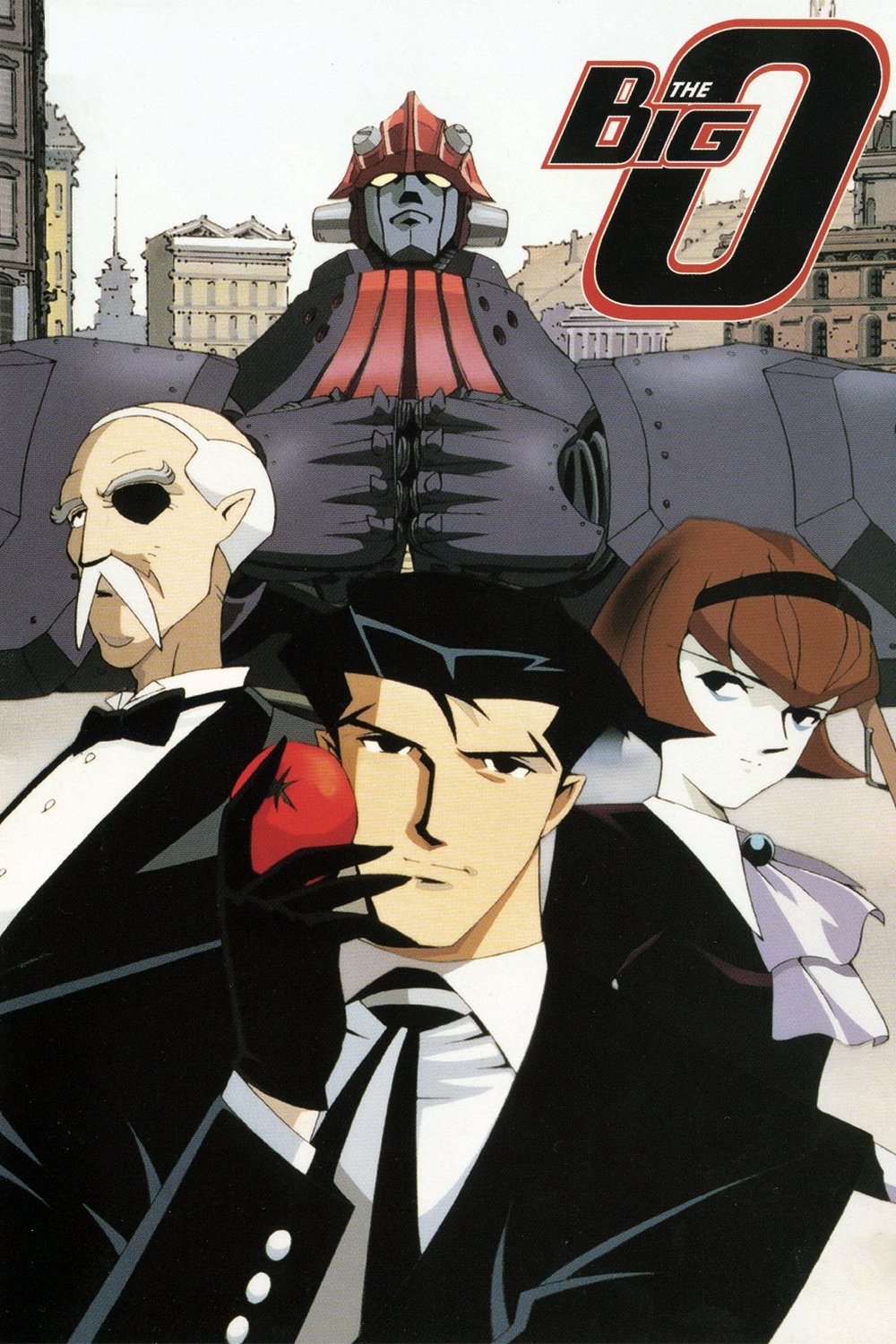
‘The Big O’ is set in Paradigm City, where residents lost their memories and negotiations often escalate into megadeus battles. The titular Big O is a towering robot activated by its pilot Roger Smith, using piston-like arms and heavy armor in encounters that evoke retro-futurist machinery.
Produced by Sunrise with director Kazuyoshi Katayama, the show aired across two seasons split between Japanese and U.S. broadcast partners. It blends detective case-of-the-week structures with ongoing mysteries about the city’s past and the origin of its giant robots.
‘Macross: Do You Remember Love?’ (1984)
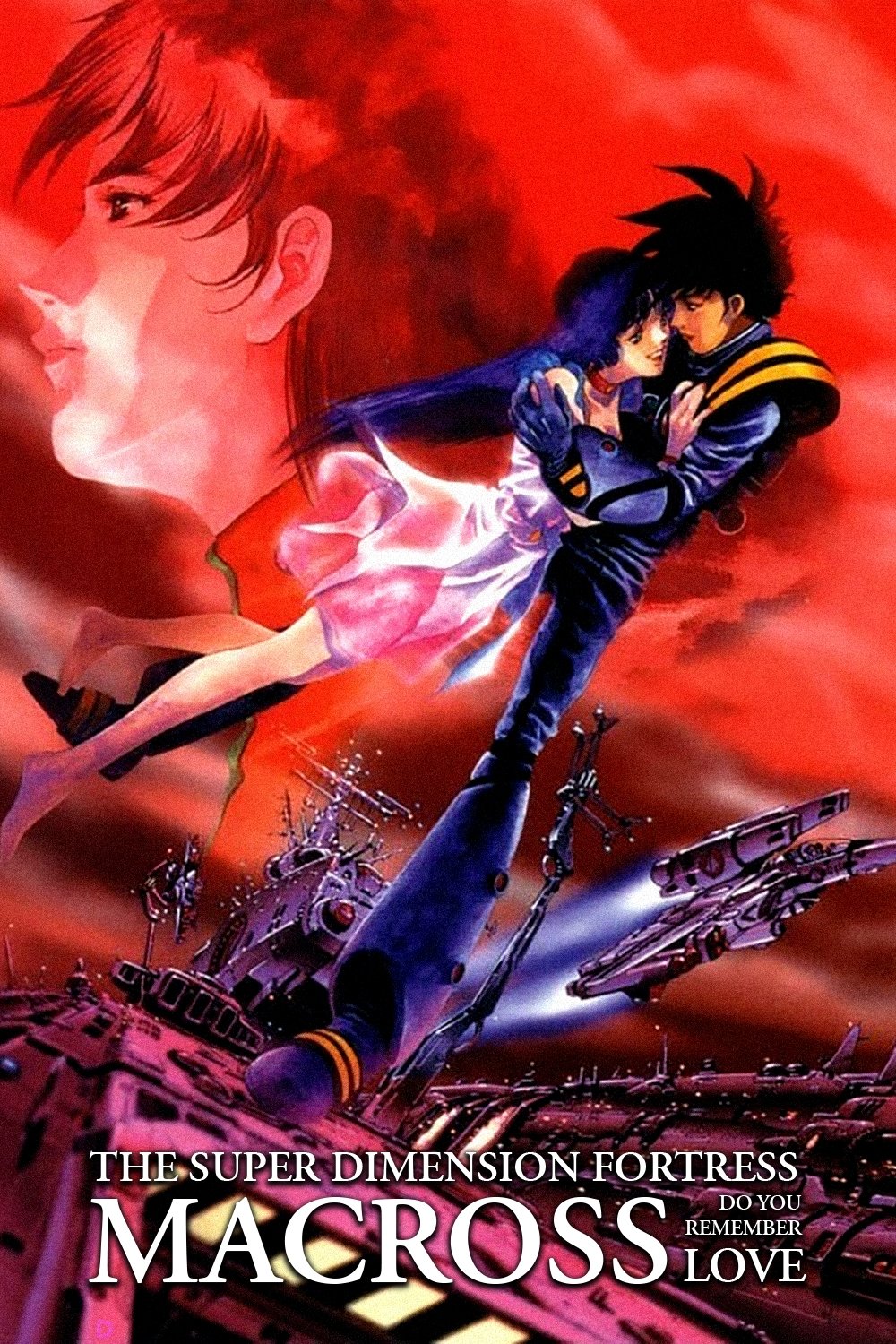
A feature retelling of early ‘Macross’ events, ‘Macross: Do You Remember Love?’ condenses the Space War I arc with new designs and animation. Transforming VF variable fighters, Zentradi/Meltrandi warfare, and music as a strategic tool are presented in cinematic form.
Released in 1984 by Tatsunoko/Artland, the film’s creative staff includes Shoji Kawamori (mechanical/series concepts) and Haruhiko Mikimoto (character designs). It has multiple video editions and is frequently referenced in franchise timelines and guide materials.
‘Mobile Suit Gundam Unicorn’ (2010–2014)
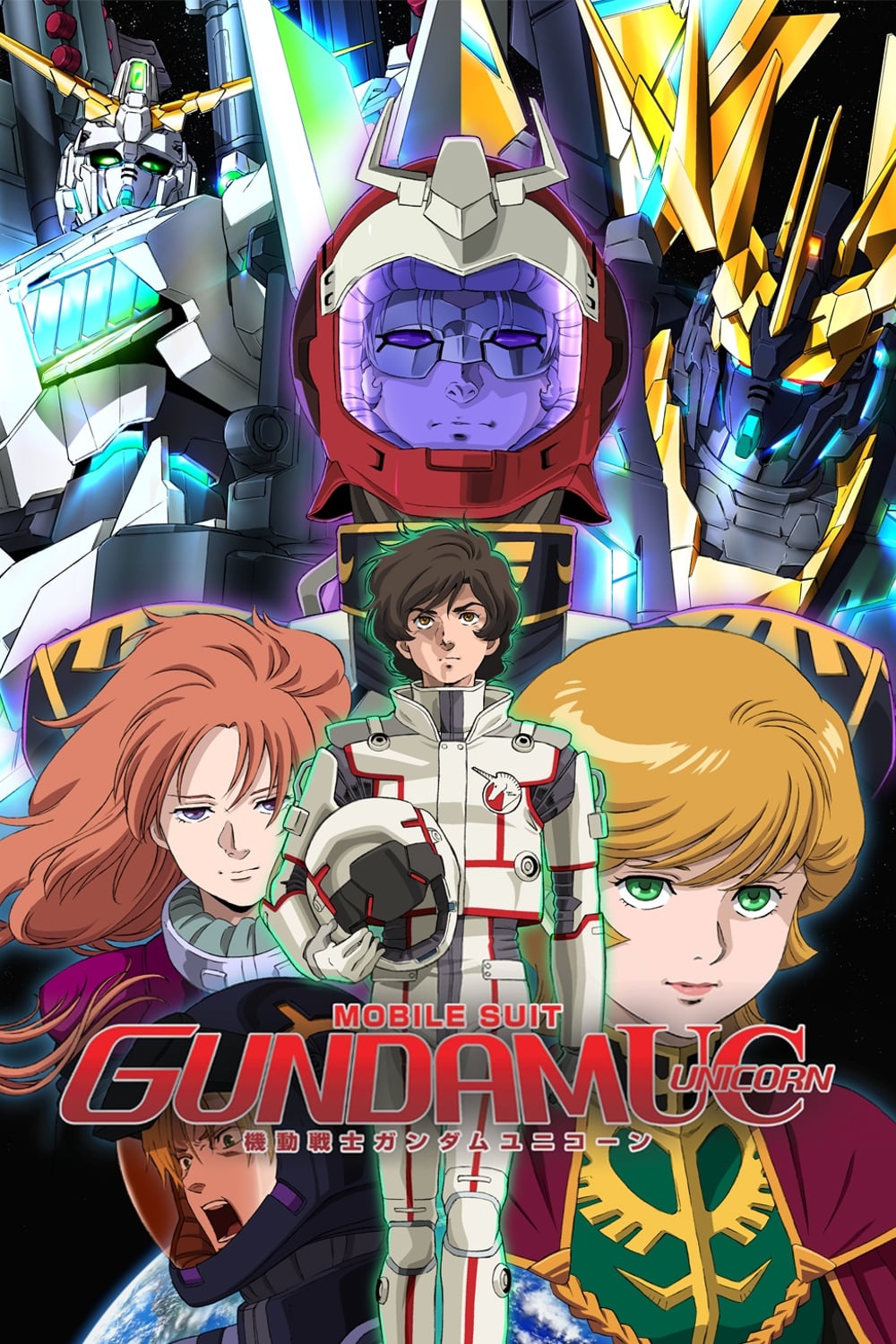
Set in U.C. 0096, ‘Mobile Suit Gundam Unicorn’ adapts Harutoshi Fukui’s novels into a seven-episode OVA featuring the RX-0 Unicorn with transformable NT-D. The story connects to charter-level lore (Laplace’s Box) and threads between earlier Universal Century entries.
Produced by Sunrise and directed by Kazuhiro Furuhashi, the OVAs released from 2010 to 2014 and were later re-edited for TV as ‘RE:0096’. Hiroyuki Sawano composed the score, and the series is known for large-scale space battles tied to political revelations.
‘Patlabor: The TV Series’ (1989–1990)
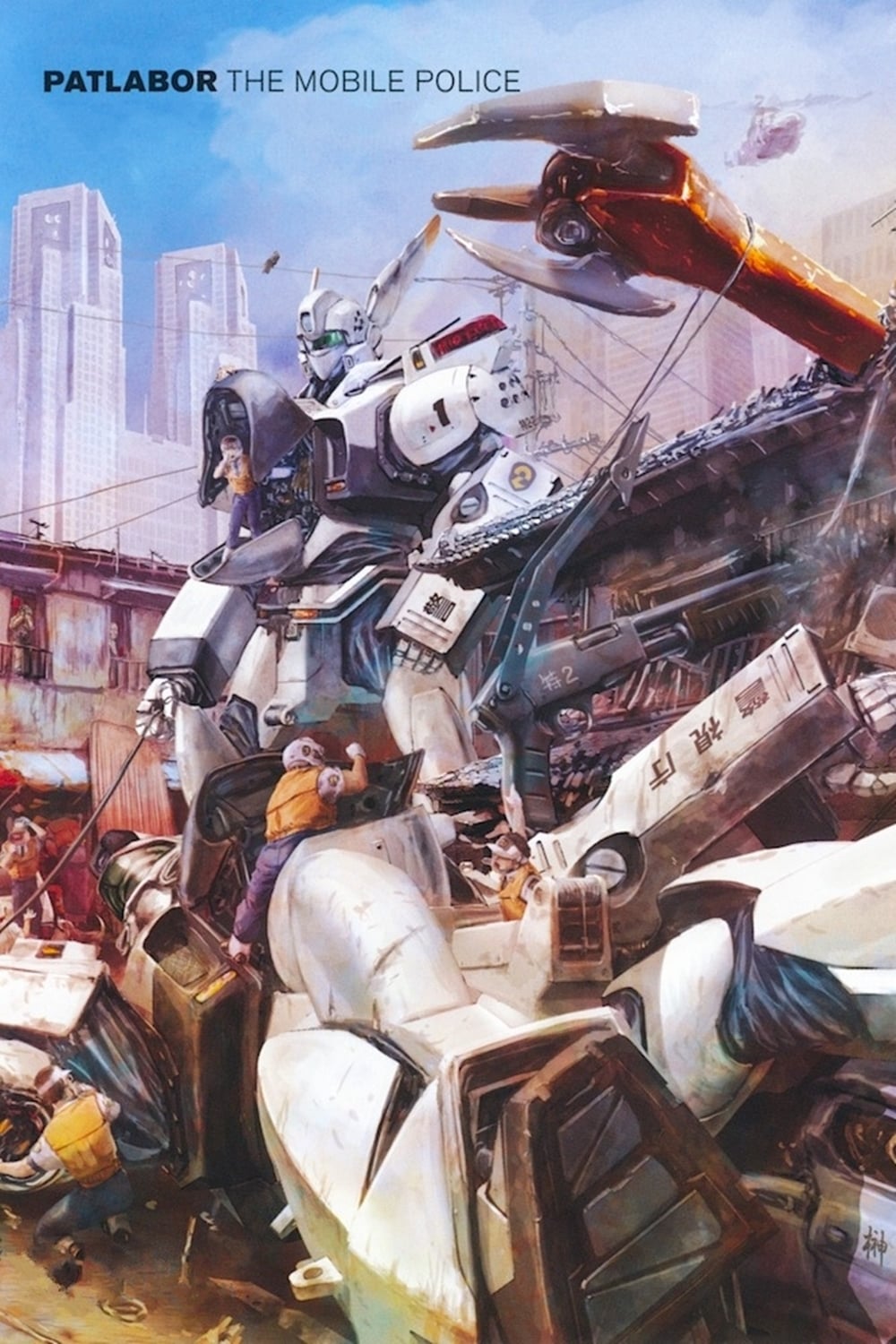
This TV series follows Special Vehicles Section 2 as it handles labor-related incidents—from construction mishaps to criminal misuse of industrial mecha. Patrol Labors (AV-98 Ingram units) emphasize policing tactics, man-machine coordination, and urban procedure.
The show expanded the ‘Patlabor’ multimedia project known as “Headgear,” featuring Mamoru Oshii, Masami Yuki, and others across manga, OVA, TV, and films. The 47-episode run aired 1989–1990, with music by Kenji Kawai and continued storylines in later movies.
‘Eureka Seven’ (2005–2006)
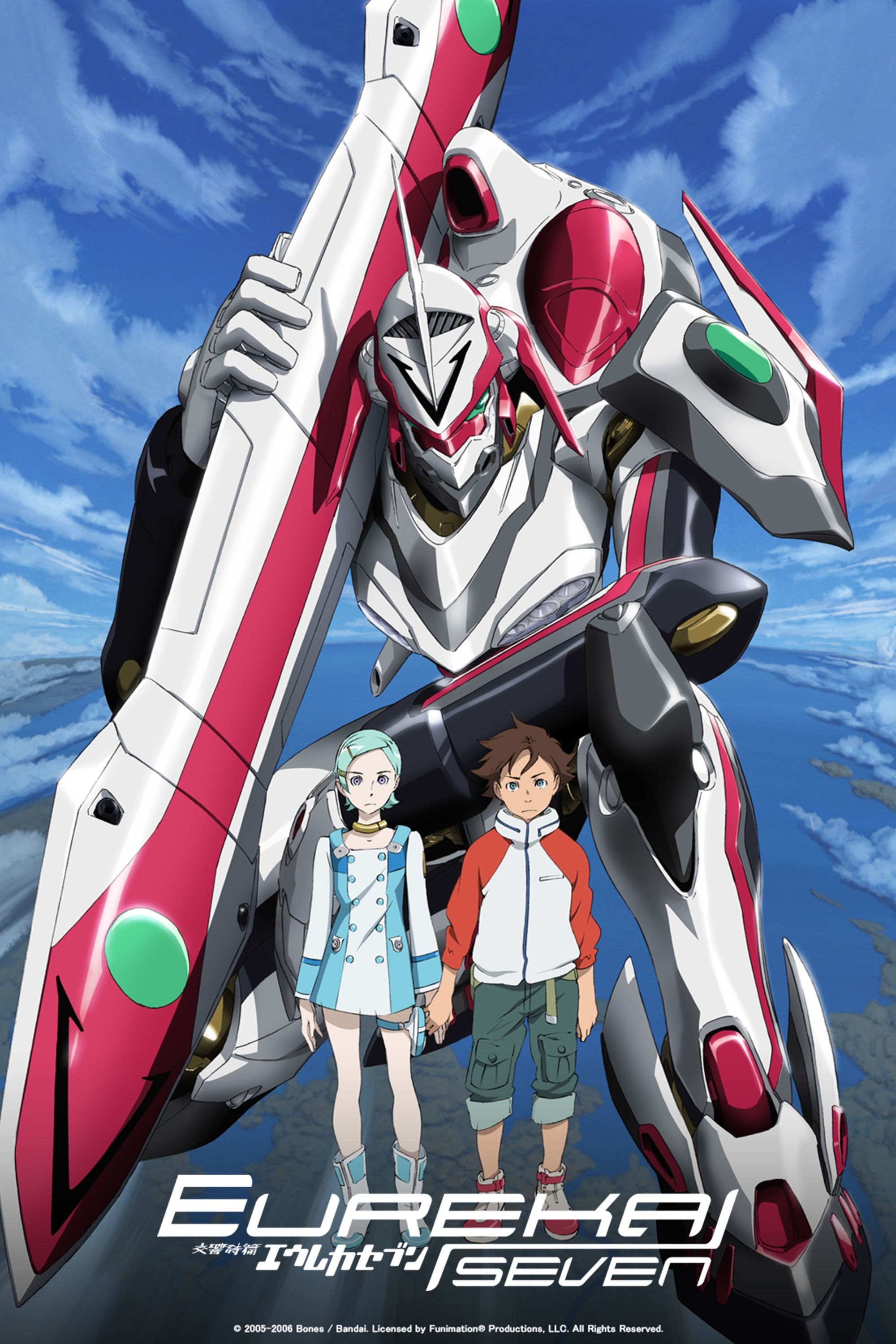
‘Eureka Seven’ follows Renton and the Gekkostate crew, blending mecha dogfights with “lifting” (board-like flight) using trapar waves. The Nirvash mecha and LFOs underline a fusion of alien tech, ecology, and human relationships across a structured 50-episode story.
Animated by Bones and directed by Tomoki Kyoda, the series aired 2005–2006, later spawning ‘Eureka Seven: AO’ and a film trilogy under the ‘Hi-Evolution’ banner. The franchise maintains consistent mechanical motifs and terminology across its sequels and spin-offs.
‘The Vision of Escaflowne’ (1996)
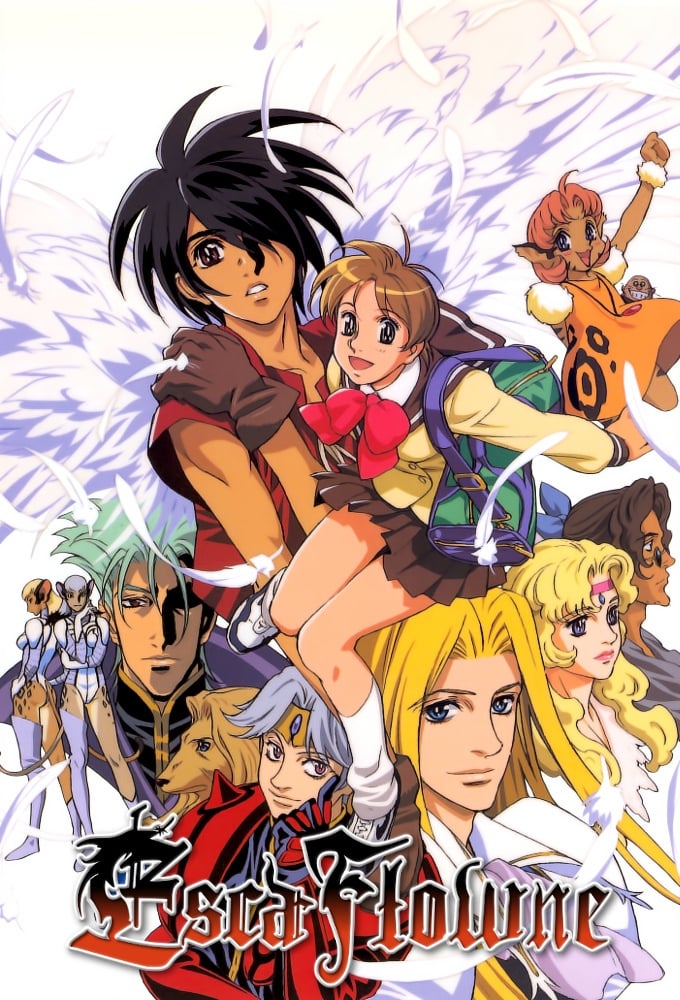
Set on Gaea, ‘The Vision of Escaflowne’ combines high-fantasy politics with Guymelef mecha combat as Hitomi Kanzaki becomes entwined with Van Fanel’s kingdom. Escaflowne itself transforms and interfaces with its pilot via blood pact and mystic systems.
Produced by Sunrise and directed by Kazuki Akane, the 26-episode series aired in 1996 with Yoko Kanno and Hajime Mizoguchi contributing the score. A separate film adaptation reimagined the premise with altered character dynamics and visual design.
‘Gunbuster’ (1988–1989)
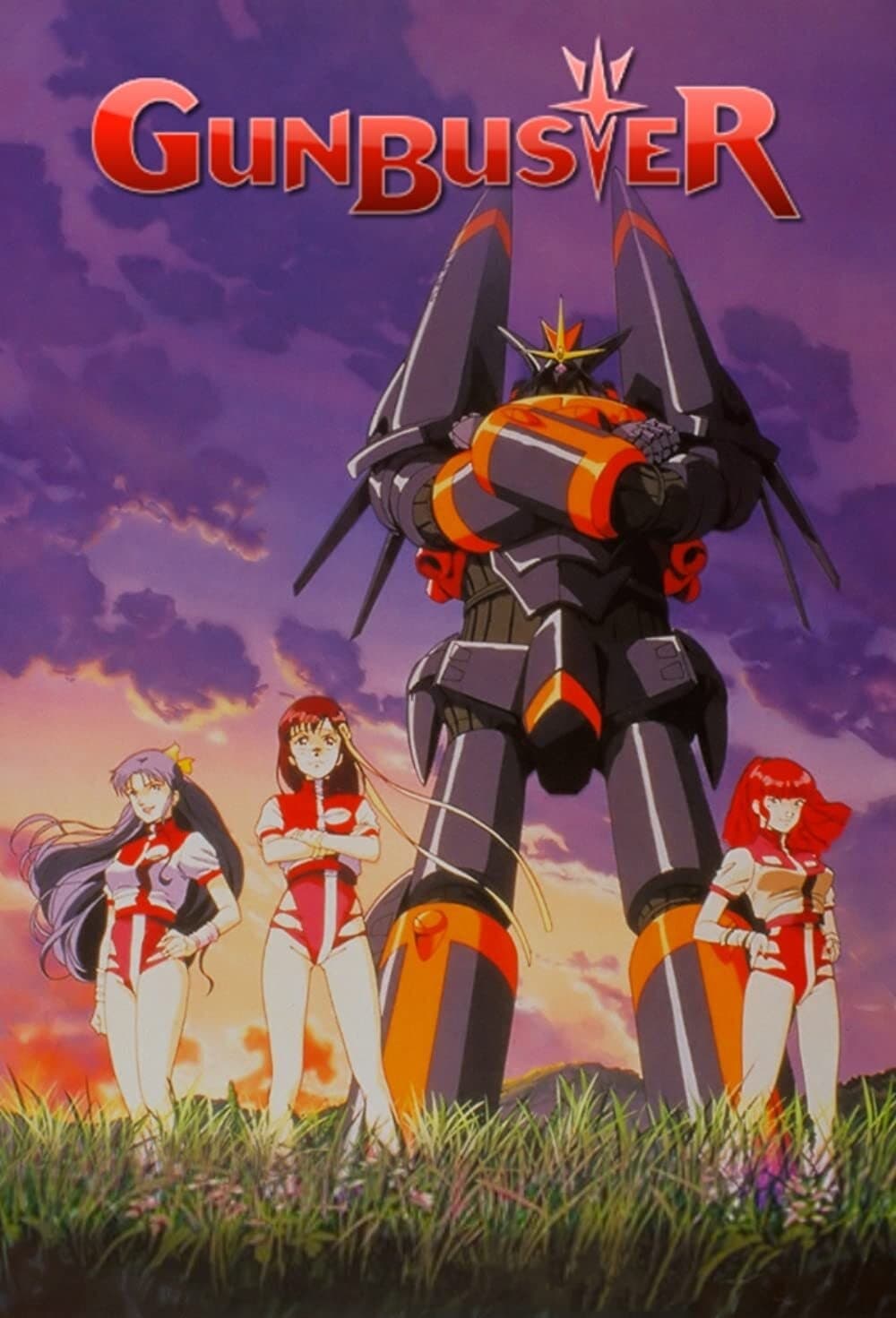
‘Gunbuster’ is a six-episode OVA from Gainax about trainee pilot Noriko Takaya and humanity’s war against space monsters, using relativistic time dilation as a plot driver. The Gunbuster unit’s “Inazuma Kick” and combination systems are hallmarks of its mechanical setpieces.
Directed by Hideaki Anno with mechanical designs by Koichi Ohata and Kazutaka Miyatake, the OVA ran 1988–1989 and influenced later Gainax works. It was followed years later by the sequel ‘Gunbuster 2: Diebuster’ and compilation presentations.
‘Knights of Sidonia’ (2014–2015)
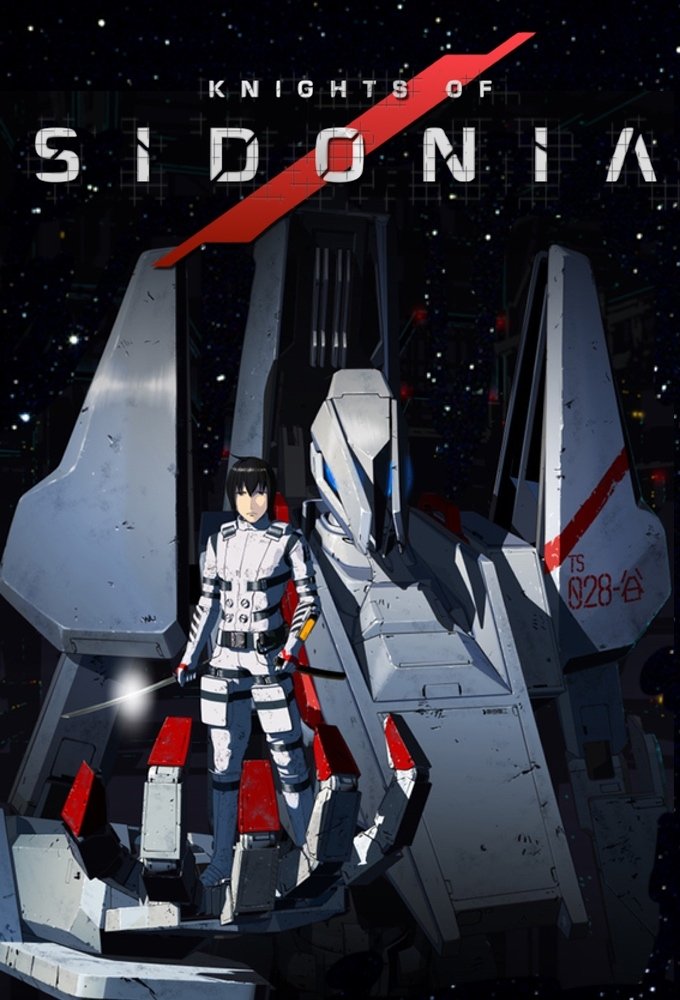
‘Knights of Sidonia’ adapts Tsutomu Nihei’s manga about the last human ship fighting the shape-shifting Gauna. Pilots operate Gardes with mass drivers and specialized lances, and the show’s worldbuilding emphasizes cloning, photosynthesis, and gravity control aboard the colony ship.
Polygon Pictures produced the 3D-CG series, which aired in 2014–2015 across two seasons and later received a feature film continuation. Mechanical and environmental designs reflect Nihei’s industrial aesthetic and hard-sci-fi trappings.
‘Macross Plus’ (1994–1995)
‘Macross Plus’ is a four-episode OVA about rival test pilots Isamu Dyson and Guld Bowman, competing to develop the next-gen variable fighter (YF-19 vs. YF-21). It introduces the virtual idol Sharon Apple and focuses on cutting-edge avionics and transformation systems.
Directed by Shoji Kawamori and Shinichiro Watanabe with music by Yoko Kanno, the OVA released in 1994, followed by the ‘Macross Plus Movie Edition’ in 1995. The project is known for its flight sequences and tech demo-style emphasis on aircraft capabilities.
‘Macross Frontier’ (2008)
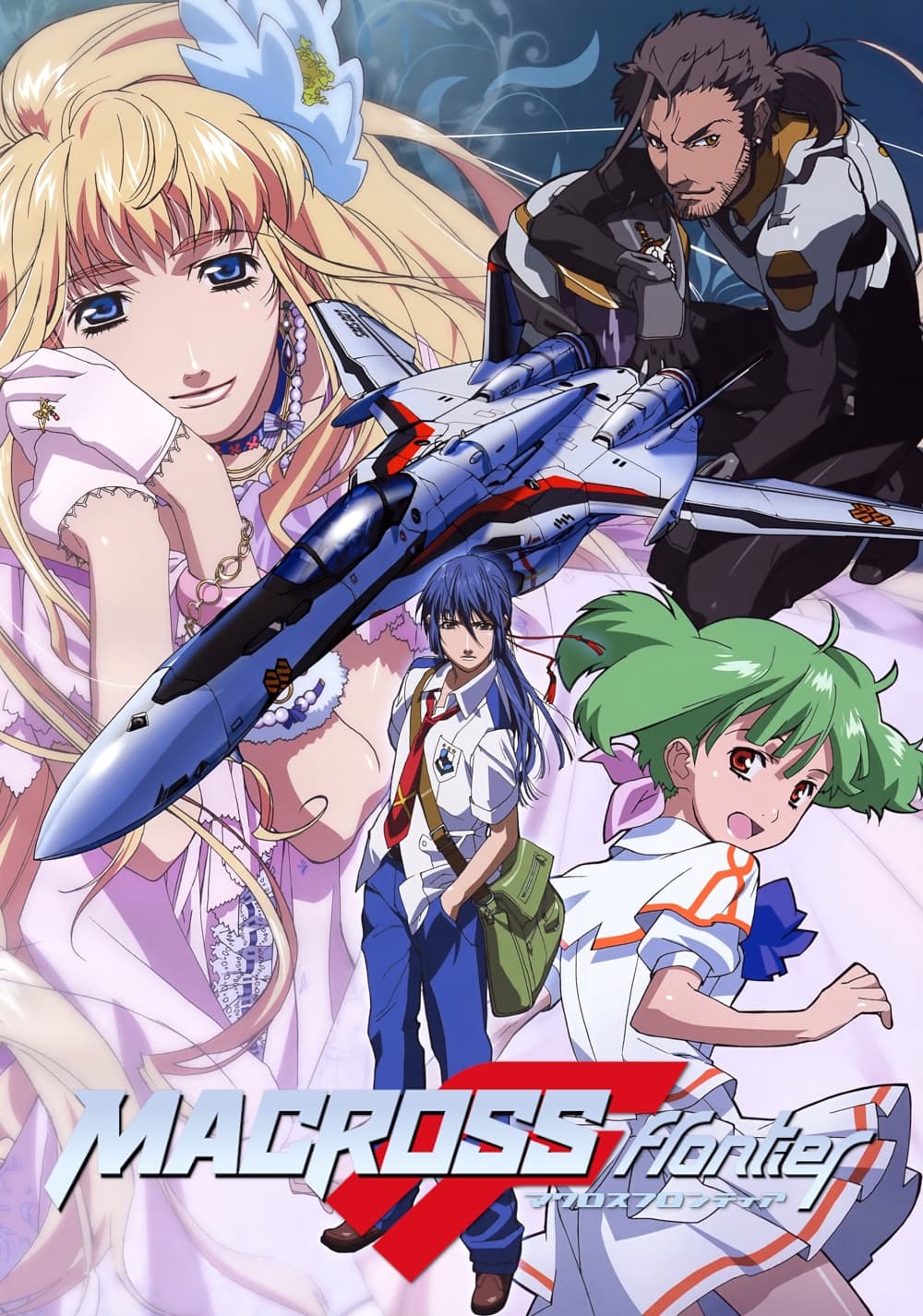
Set aboard the 25th long-range colonization fleet, ‘Macross Frontier’ fuses variable-fighter combat with music-driven countermeasures against the Vajra. It reintroduces idol culture and fold technology as central strategic elements in engagements.
The 2008 TV series received two theatrical films—’Macross Frontier: The False Songstress’ and ‘Macross Frontier: The Wings of Farewell’—that remix events with new animation and songs. Shoji Kawamori supervised the project with Satelight’s CG aircraft work.
‘Mobile Suit Gundam: Iron-Blooded Orphans’ (2015–2017)

This series follows Tekkadan, a group of child soldiers who pilot older-generation mobile suits like the ASW-G-08 Barbatos. It emphasizes Alaya-Vijnana neural links and economic/political alliances in the post-Calamity War era.
Directed by Tatsuyuki Nagai and produced by Sunrise, it aired for 50 episodes across two seasons. The show integrates Martian autonomy movements and private security companies into Gundam’s broader themes of technology, power, and labor.
‘Mobile Suit Gundam’ (1979–1980)
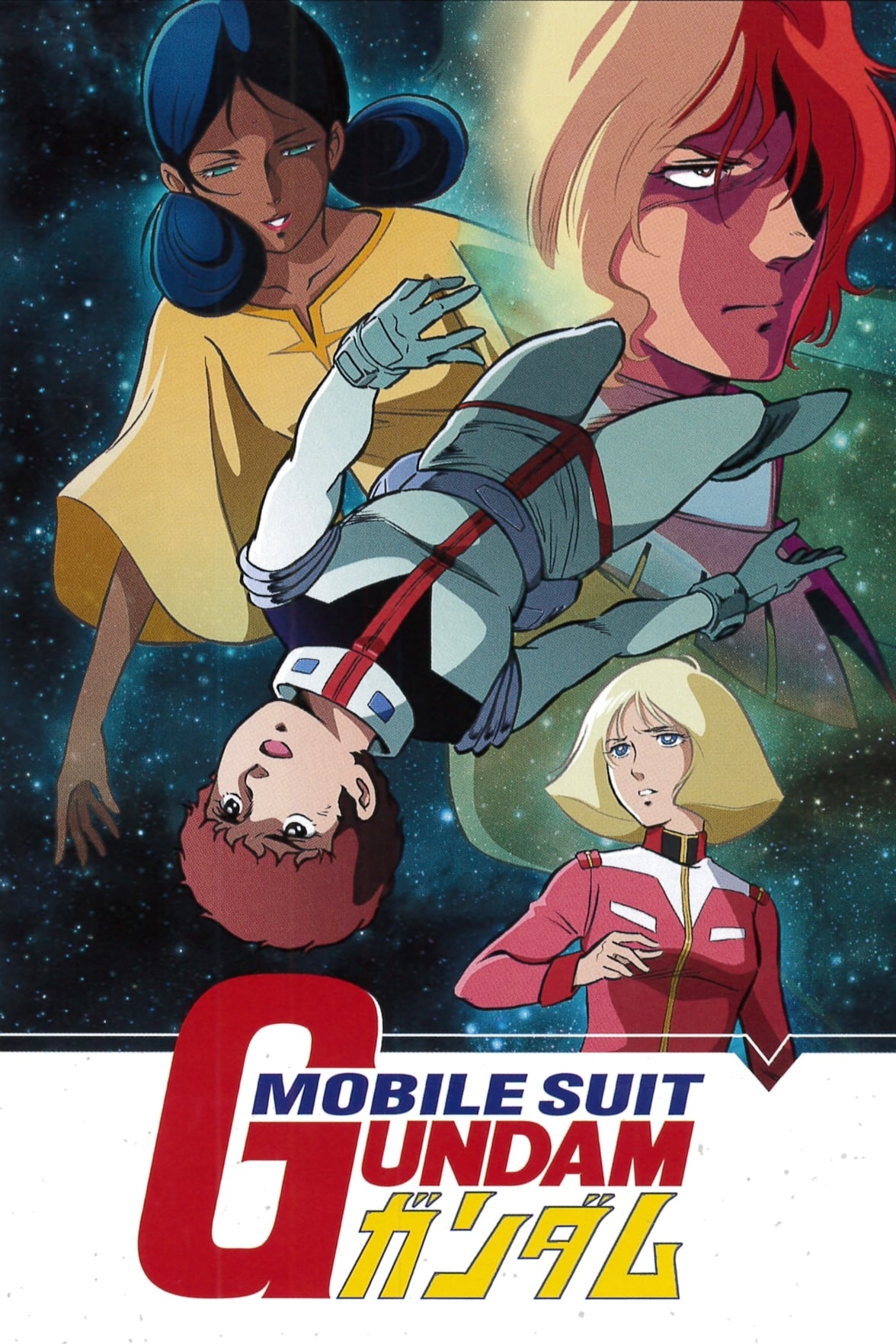
Yoshiyuki Tomino’s original ‘Mobile Suit Gundam’ established the Universal Century timeline and the real-robot subgenre. It introduced the Earth Federation–Zeon conflict, Newtypes, and the RX-78-2 as a combined arms platform rather than a singular miracle weapon.
The 43-episode TV run aired 1979–1980, later recompiled into a theatrical trilogy. Its production set patterns for military ranks, mobile suit development, and mass-production units that informed decades of sequels and spin-offs.
‘Mobile Suit Gundam: The Origin – Advent of the Red Comet’ (2019)
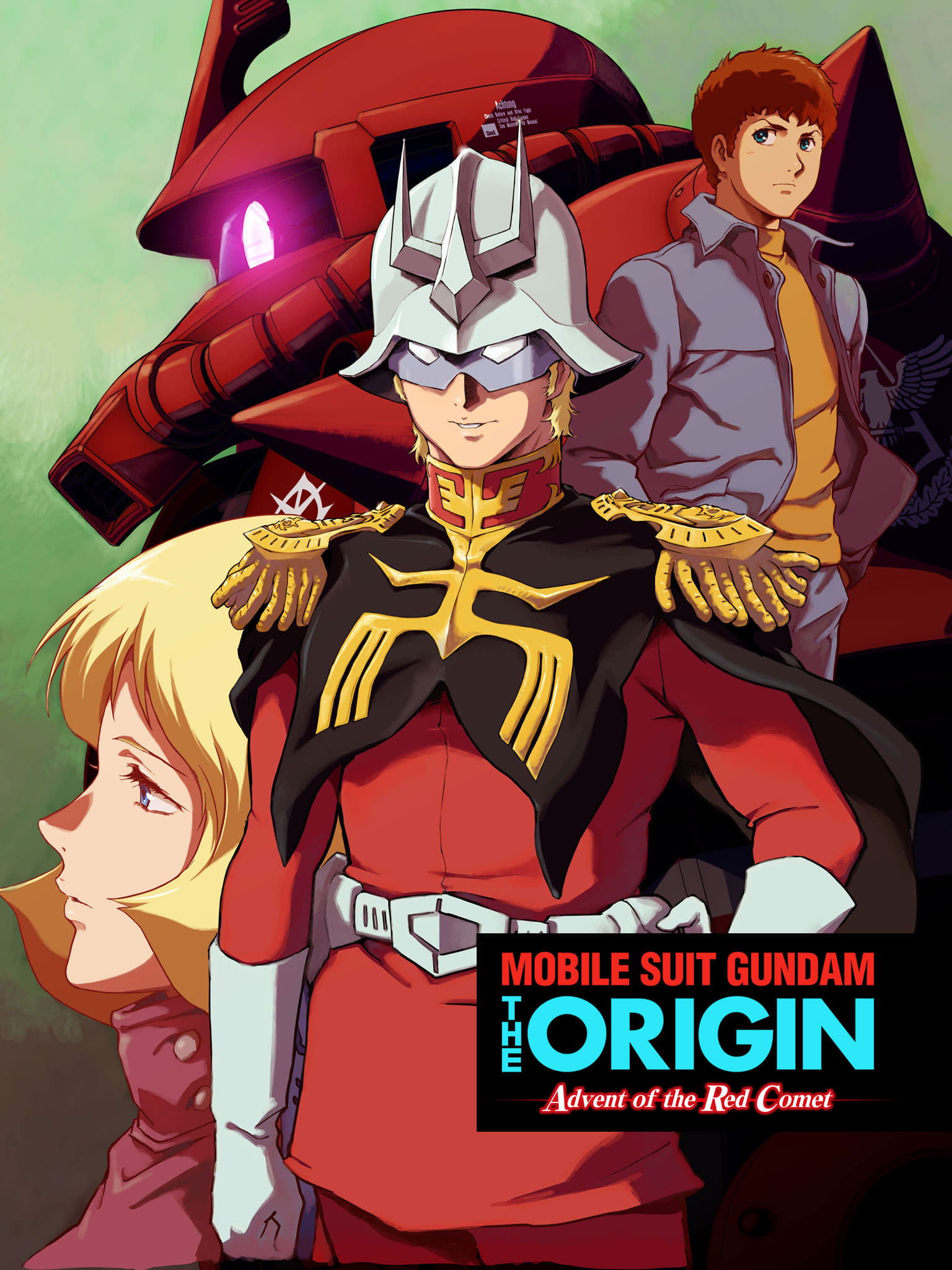
This TV re-edit of the ‘Mobile Suit Gundam: The Origin’ OVAs chronicles Casval Rem Deikun’s path to Char Aznable and early One Year War events. It details Zeon’s political upheaval, mobile worker evolution, and Earth Federation responses.
Broadcast in 2019, the series condenses six OVA chapters with added transitions for television. Staff include chief director Yoshikazu Yasuhiko, who also provided character designs faithful to the original ‘Mobile Suit Gundam’ aesthetic.
‘Mobile Suit Gundam Wing’ (1995–1996)
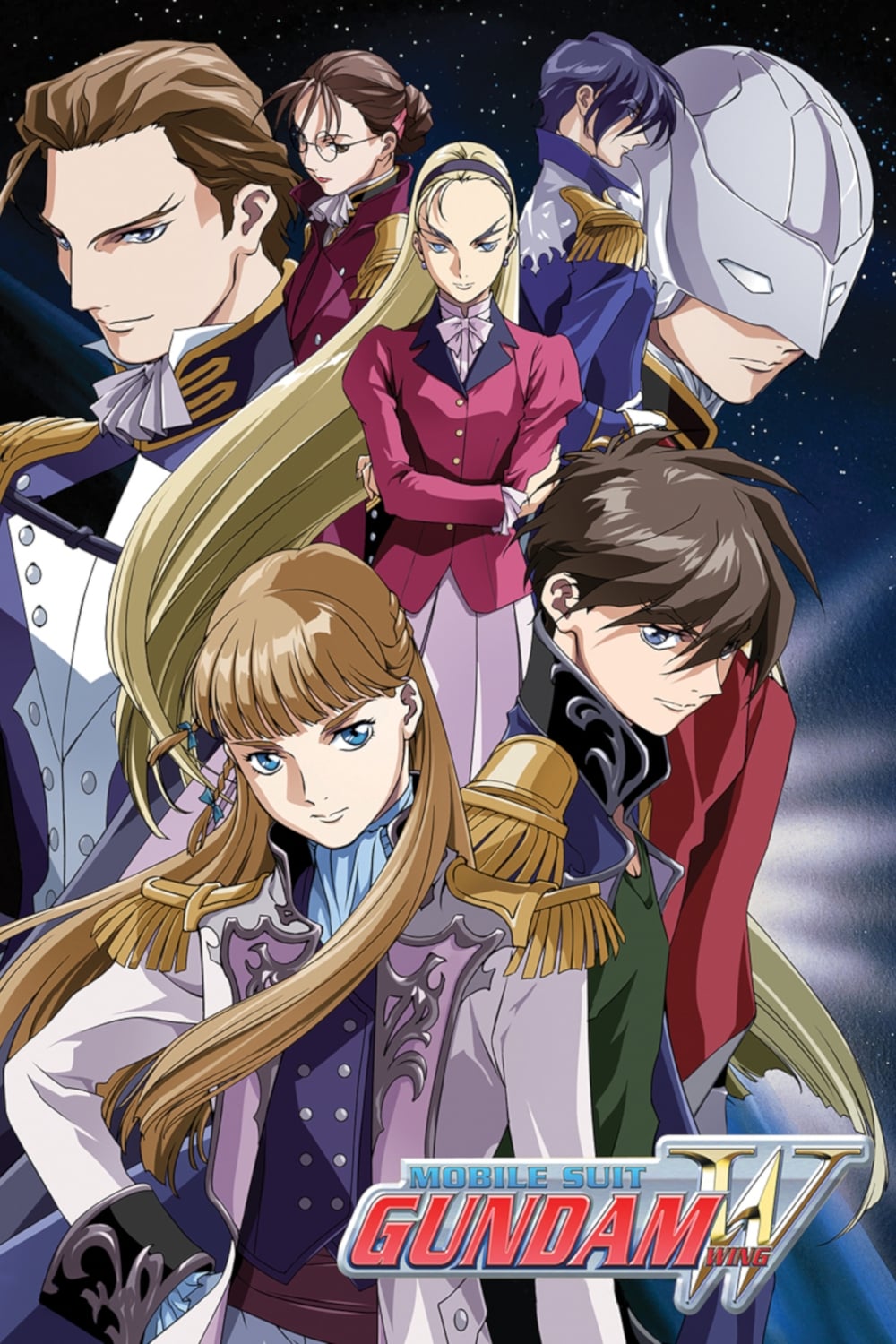
Set in the After Colony timeline, ‘Mobile Suit Gundam Wing’ depicts five Gundam pilots sent from space colonies to Earth to disrupt oppressive rule. Distinct mobile suits like Wing, Deathscythe, and Heavyarms emphasize specialized armaments and tactics.
Sunrise produced the 49-episode series, followed by the OVA/film ‘Mobile Suit Gundam Wing: Endless Waltz’, which provided additional designs and a coda to the story. The show reached a wide international audience through late-1990s/early-2000s broadcasts.
‘Mobile Suit Gundam 00’ (2007–2009)
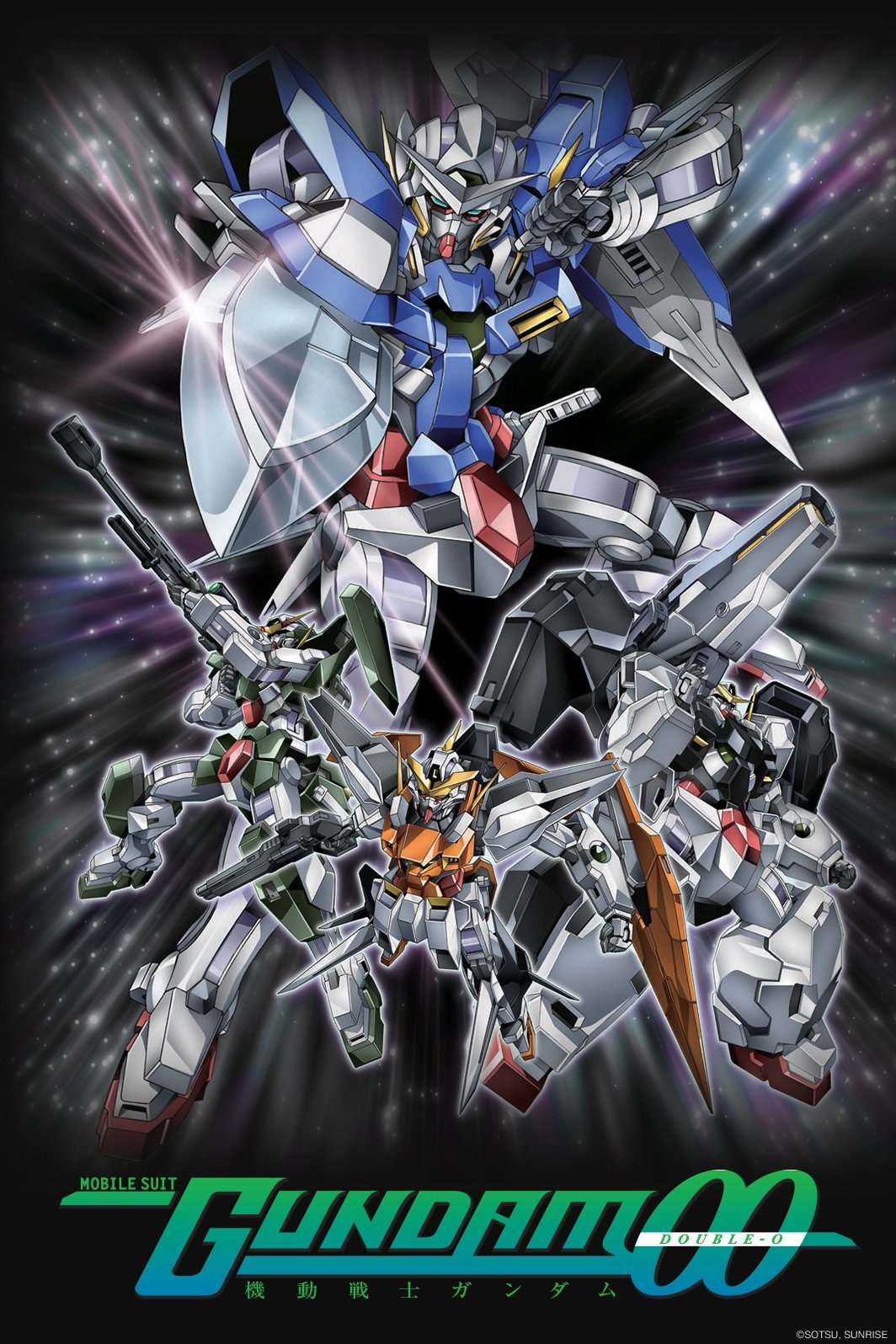
‘Mobile Suit Gundam 00’ introduces Celestial Being, a private armed group using GN-Drive-powered Gundams to forcibly intervene in wars. It presents orbital elevators, energy blocs, and autonomous political spheres as a near-future geopolitical framework.
Airing across two seasons, the series led to the feature ‘A Wakening of the Trailblazer’ and explored quantum brainwaves and GN particle applications. The staff includes director Seiji Mizushima and composer Kenji Kawai.
‘Mobile Suit Zeta Gundam’ (1985–1986)
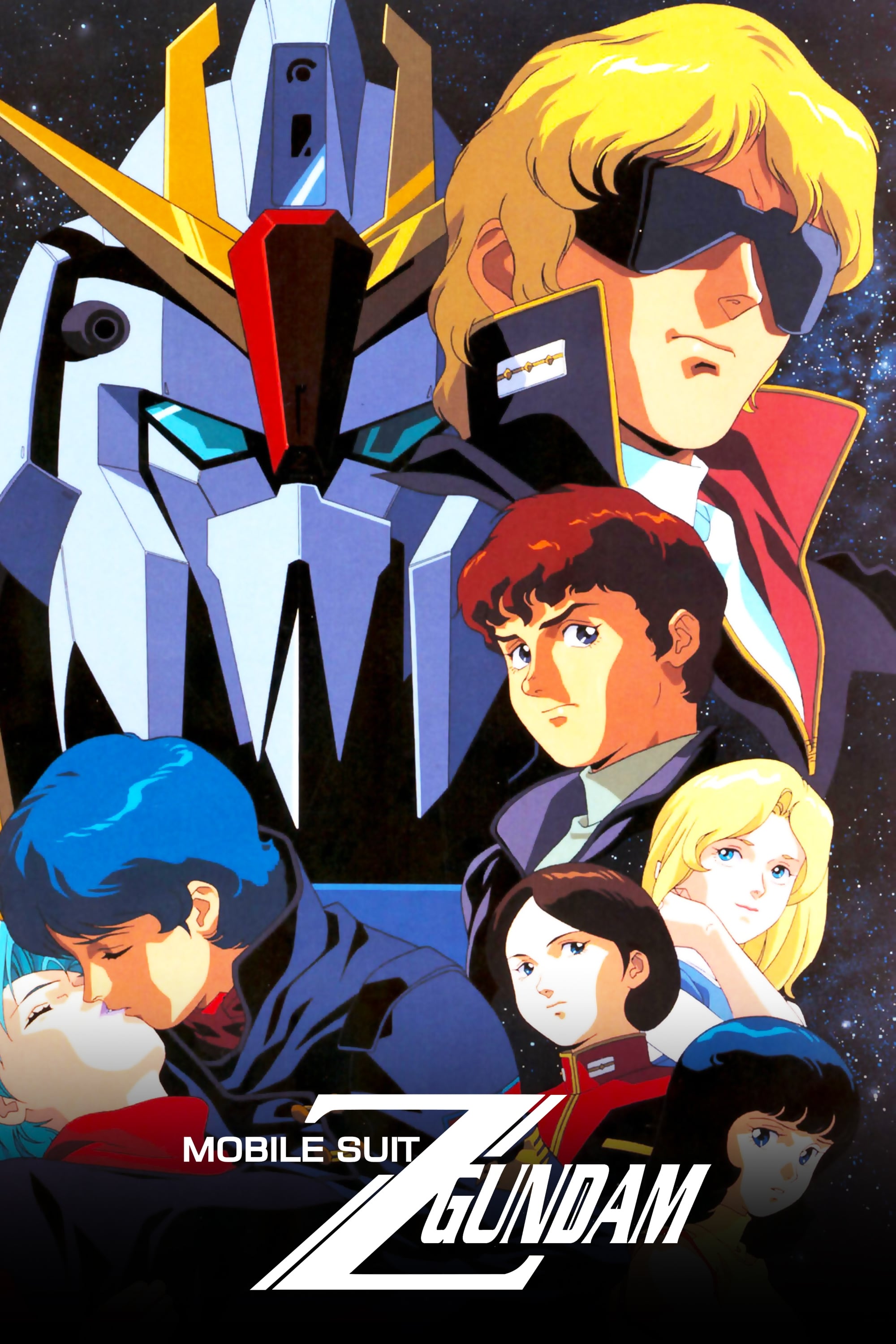
Set in U.C. 0087, ‘Mobile Suit Zeta Gundam’ follows Kamille Bidan and AEUG in conflict with the Titans, debuting transformable MS like the Zeta Gundam. It expands Newtype concepts and political structures that emerged from the original series.
The 50-episode series aired 1985–1986, later receiving the ‘A New Translation’ film trilogy with updated animation and a revised outcome. It remains a central bridge in the Universal Century chronology.
‘Mobile Suit Gundam 0080: War in the Pocket’ (1989)

This six-episode OVA examines the One Year War from a neutral colony’s perspective through young civilian Al Izuruha and Zeon rookie Bernard Wiseman. The RX-78NT-1 “Alex” and Cyclops Team units anchor small-scale operations away from main battlefronts.
Released in 1989 by Sunrise with direction by Fumihiko Takayama, the OVA is self-contained and accessible without prior series viewing. It focuses on reconnaissance, infiltration, and the collateral realities of mobile suit warfare.
‘Neon Genesis Evangelion: The End of Evangelion’ (1997)

This feature-length conclusion to the original TV story reframes the Human Instrumentality Project and introduces upgraded Eva units and mass-produced adversaries. It provides a cinematic depiction of organization NERV, the Evas’ origins, and the planned “Third Impact.”
Released in 1997, it was created by Gainax and Production I.G with music by Shiro Sagisu. The film’s structure replaces the final TV episodes with an alternate endpoint using new animation and setpieces.
’86 EIGHTY-SIX’ (2021–2022)
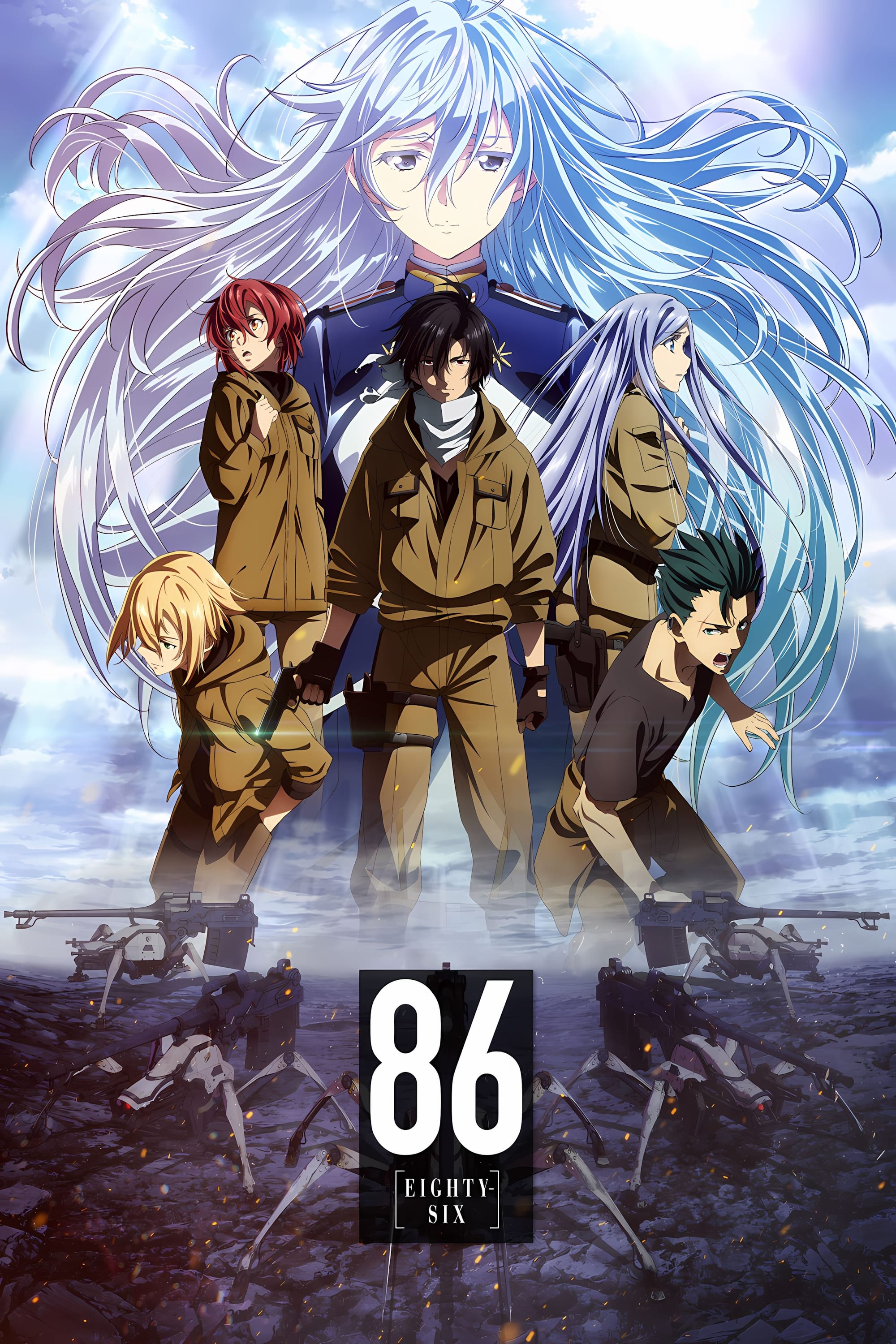
Based on Asato Asato’s novels, ’86’ follows the Spearhead squadron—pilots from a disenfranchised group operating unmanned Juggernaut mecha for a neighboring nation. The series contrasts remote command centers with front-line realities across multiple operations.
A-1 Pictures produced the adaptation over two cours in 2021–2022, with Toshiya Ōno handling series composition and Hiroyuki Sawano/KOHTA YAMAMOTO composing. The show’s structure includes split seasons and special broadcast scheduling.
‘Gurren Lagann’ (2007)
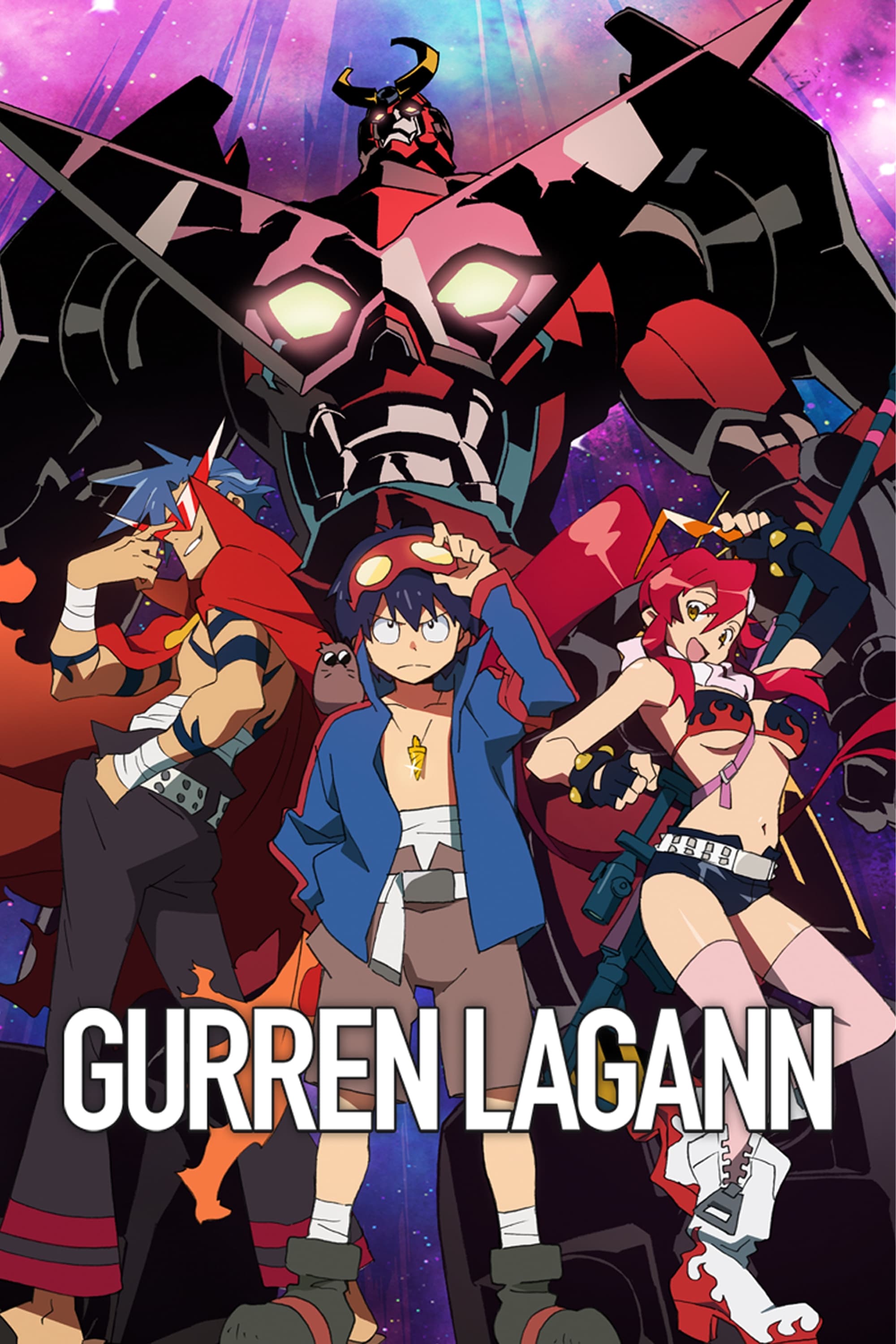
Set in a world of subterranean villages and surface-level Beastmen mecha, ‘Tengen Toppa Gurren Lagann’ escalates from gunmen skirmishes to cosmic-scale battles. The series highlights combining units like Gurren and Lagann and the spiral-powered mechanics behind them.
Produced by Gainax and Aniplex, the 27-episode TV run aired in 2007 and later received two compilation films with new sequences. Staff includes director Hiroyuki Imaishi and writer Kazuki Nakashima.
‘Neon Genesis Evangelion’ (1995–1996)
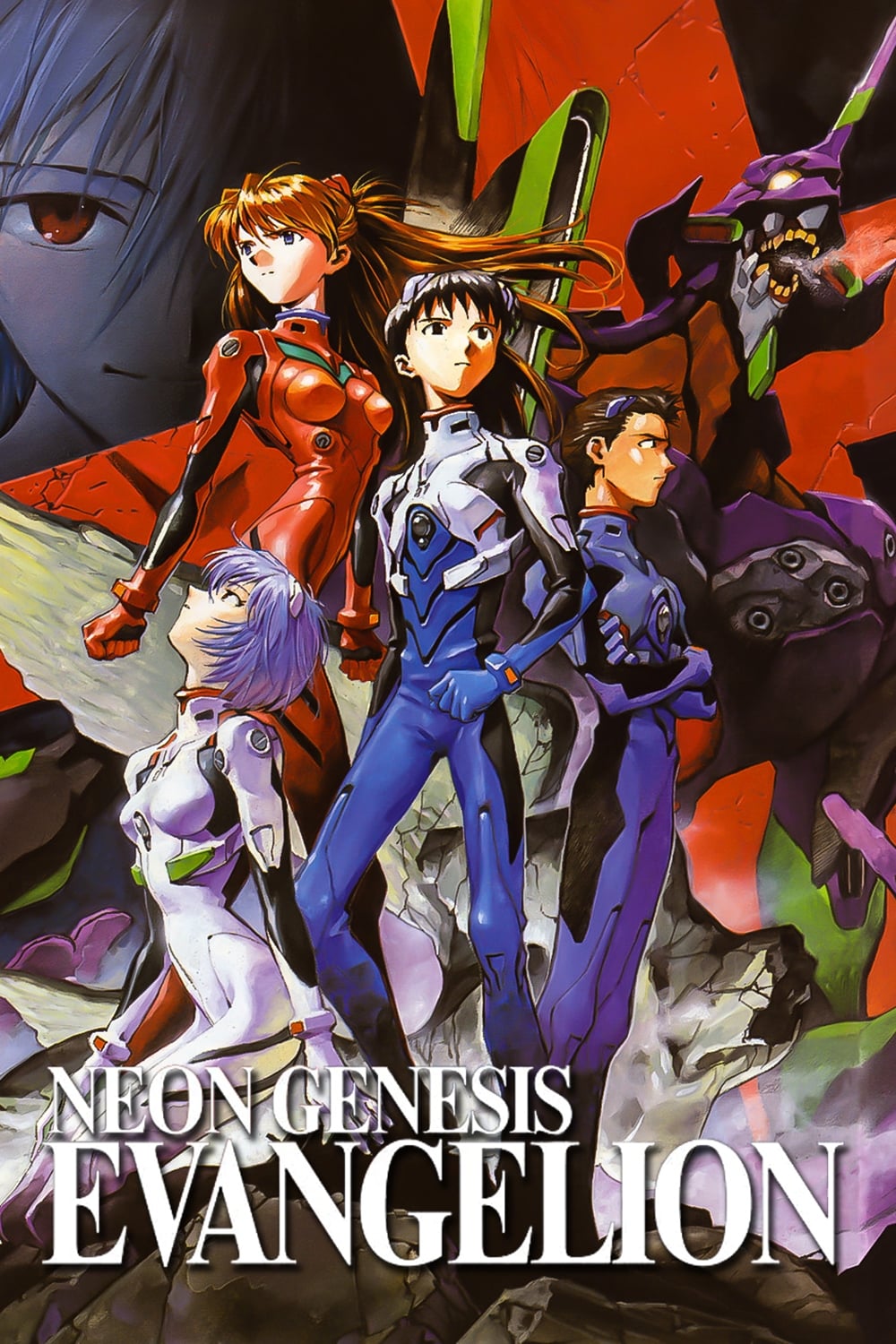
‘Neon Genesis Evangelion’ follows NERV’s deployment of biomechanical Evangelion units against Angels, integrating synchronization ratios, AT Fields, and LCL interfaces. The Tokyo-3 setting, layered organizations, and pilot selection protocols shape how each engagement unfolds.
The 26-episode series aired 1995–1996, produced by Gainax and Tatsunoko with Hideaki Anno directing. Its run spawned films, new editions, and later Rebuild features in a separate continuity.
‘Super Dimension Fortress Macross’ (1982–1983)
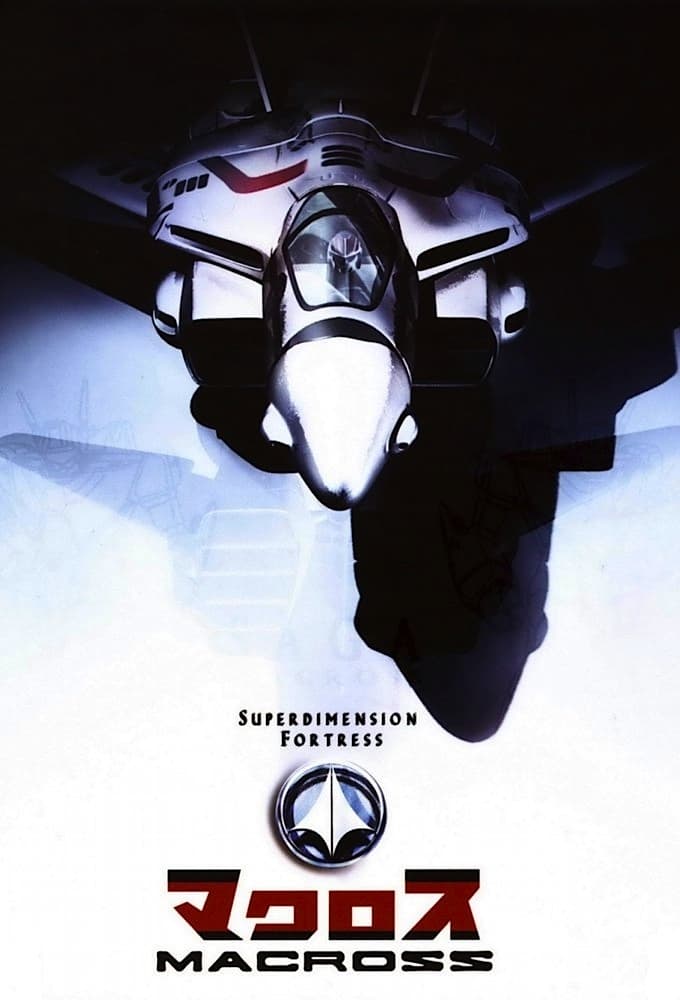
‘Super Dimension Fortress Macross’ chronicles the SDF-1’s fold accident and return journey to Earth while fighting the Zentradi. It established transforming VF fighters, idol culture as strategic warfare, and a tech tree that underpins the long-running franchise.
Airing 1982–1983, the 36-episode series involved Studio Nue and Artland, with Shoji Kawamori shaping mechanical concepts and broader worldbuilding. It later fed into films, sequels, and parallel projects across decades.
‘Code Geass: Lelouch of the Rebellion’ (2006–2008)
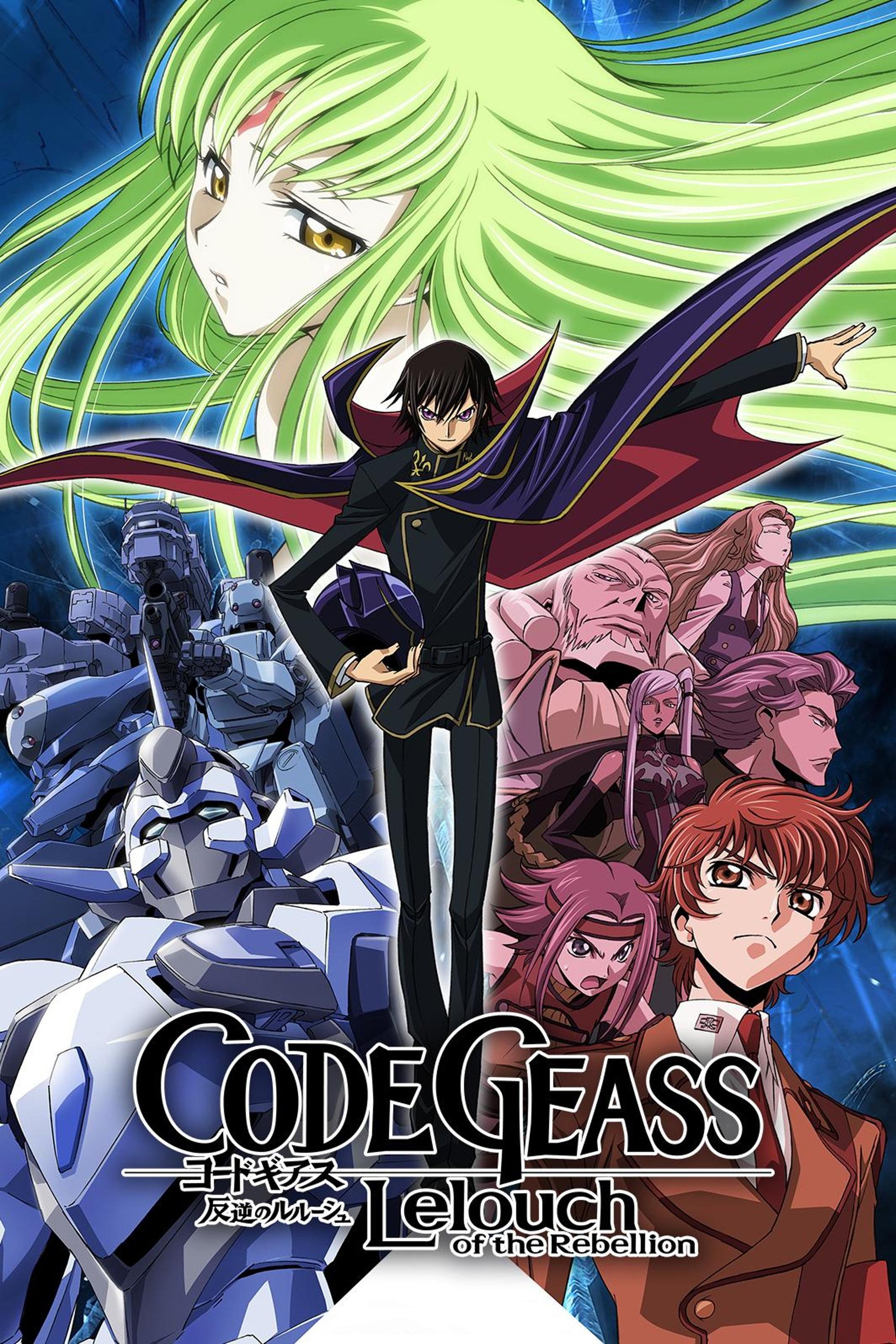
‘Code Geass’ tracks Lelouch vi Britannia’s use of the Geass power to lead the Black Knights against the Holy Britannian Empire, with Knightmare Frames enabling high-mobility combat. Variable frame types—like the Lancelot and Guren—illustrate rapid arms races across campaigns.
Animated by Sunrise and directed by Goro Taniguchi with series composition by Ichiro Okouchi, the TV series ran across two seasons. It later expanded with compilation films and alternate-continuity features while retaining its core mecha and political elements.
Share your own favorites and must-watch picks from mecha history in the comments!