Best Shōjo Anime of All Time, Ranked


Shōjo anime adapts manga originally published for girls’ magazines and audiences, but the appeal is broad thanks to character-driven plots, school life details, gentle comedy, and fantasy systems that are easy to follow. You’ll see recurring settings—homerooms, club rooms, after-school jobs, and festival days—alongside carefully defined frameworks for magic, music, sports, or professional training that give each story its structure.
This countdown presents thirty shōjo anime drawn from landmark magazines like ‘Ribon’, ‘Nakayoshi’, ‘LaLa’, ‘Bessatsu Margaret’, and ‘Hana to Yume’, plus a few original TV projects created for the same demographic. Each entry notes its source context, studio background, and the nuts-and-bolts elements—clubs, exams, rituals, travel rules, production jargon—that shape how the stories actually work on screen.
‘Wedding Peach’ (1995–1996)

Based on Nao Yazawa and Sukehiro Tomita’s manga from ‘Ciao’, this magical-girl series organizes its world around “Love Angels,” transformation items, and demon adversaries with clear monster-of-the-week pacing. OLM handled the adaptation, using school routines and club schedules as entry points to each week’s conflict.
Episodes plan around festivals, bake sales, and interschool events that create predictable triggers for attacks and rescues. Attack names, artifacts, and rank-ups are cataloged as the cast unlocks new forms, keeping the rulebook consistent across arcs.
‘Mermaid Melody: Pichi Pichi Pitch’ (2003–2004)
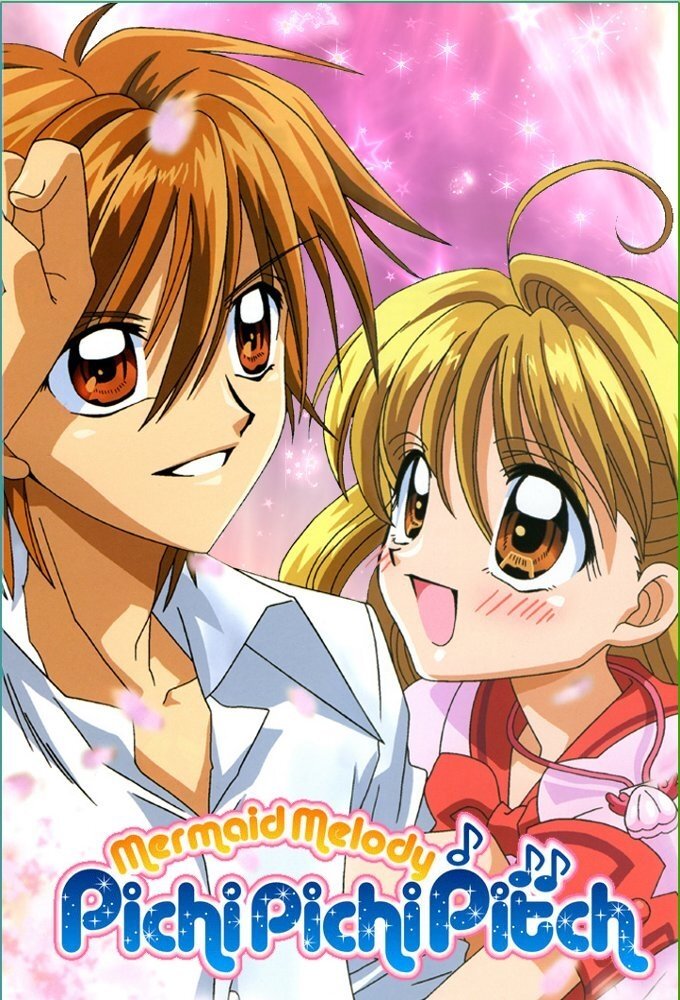
Adapted from Pink Hanamori and Michiko Yokote’s ‘Nakayoshi’ manga, this show defines a mermaid princess hierarchy tied to ocean kingdoms and “idol” performance battles. It combines civilian school life with secret identities, song duels, and jewel-based items.
Music numbers serve as both narrative climaxes and power mechanisms, while school trips, class seating, and beach events supply recurring setups. The series charts how new songs, costumes, and allies expand the combat and travel options for the core group.
‘Ultra Maniac’ (2003)

Wataru Yoshizumi’s ‘Ribon’ manga becomes a light fantasy set around exchange-student magic and everyday junior-high routines. The adaptation lays out a gadget-driven magic system, specifying how each device works and where it tends to misfire.
Conflicts usually begin with a practical issue—tests, committee work, or club obligations—that a quick magical “fix” complicates. Episodes keep track of student councils, sports days, and seating changes, which naturally shuffle character pairings.
‘Sugar Sugar Rune’ (2005–2006)
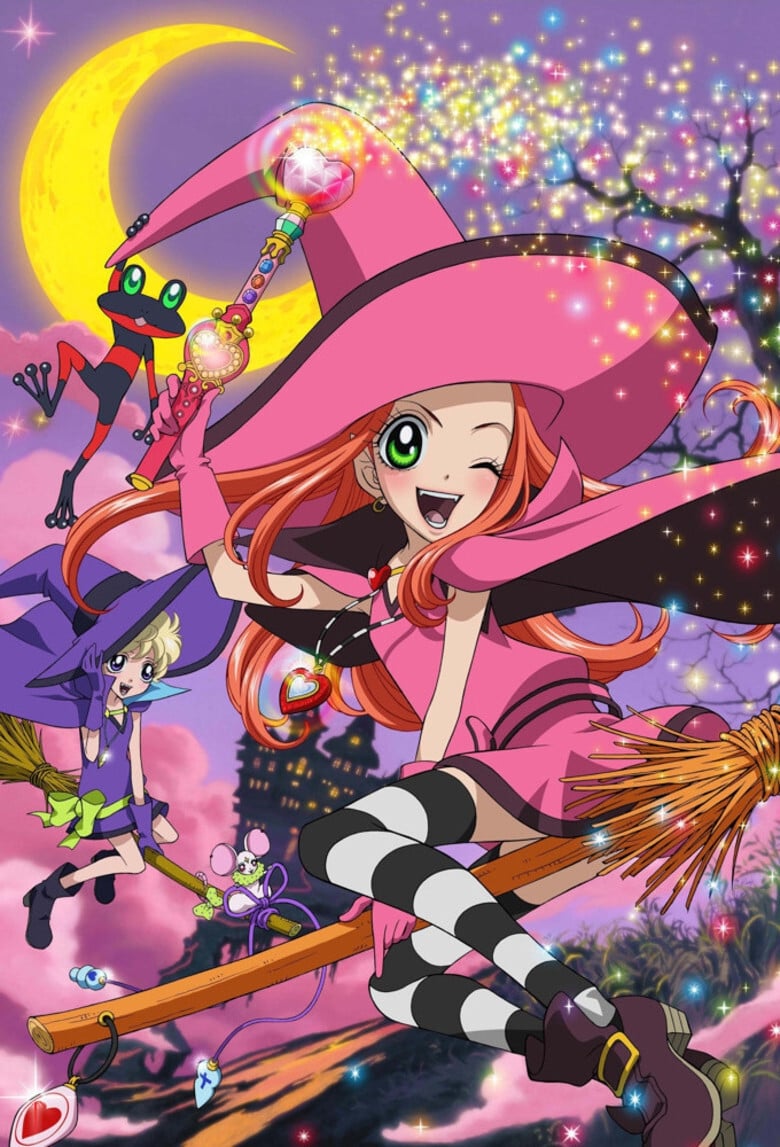
Moyoco Anno’s ‘Nakayoshi’ manga sends two apprentice witches to collect human hearts in a competition sanctioned by their realm. Studio Pierrot frames the world with item catalogs, familiar contracts, and color-coded “heart” mechanics that govern wins and losses.
School events, friendships, and classroom rumors create the human-world conditions that drive heart collection. The witches’ realm adds rankings, exams, and artifact upgrades, making progress measurable on both sides of the setting.
‘Marmalade Boy’ (1994–1995)
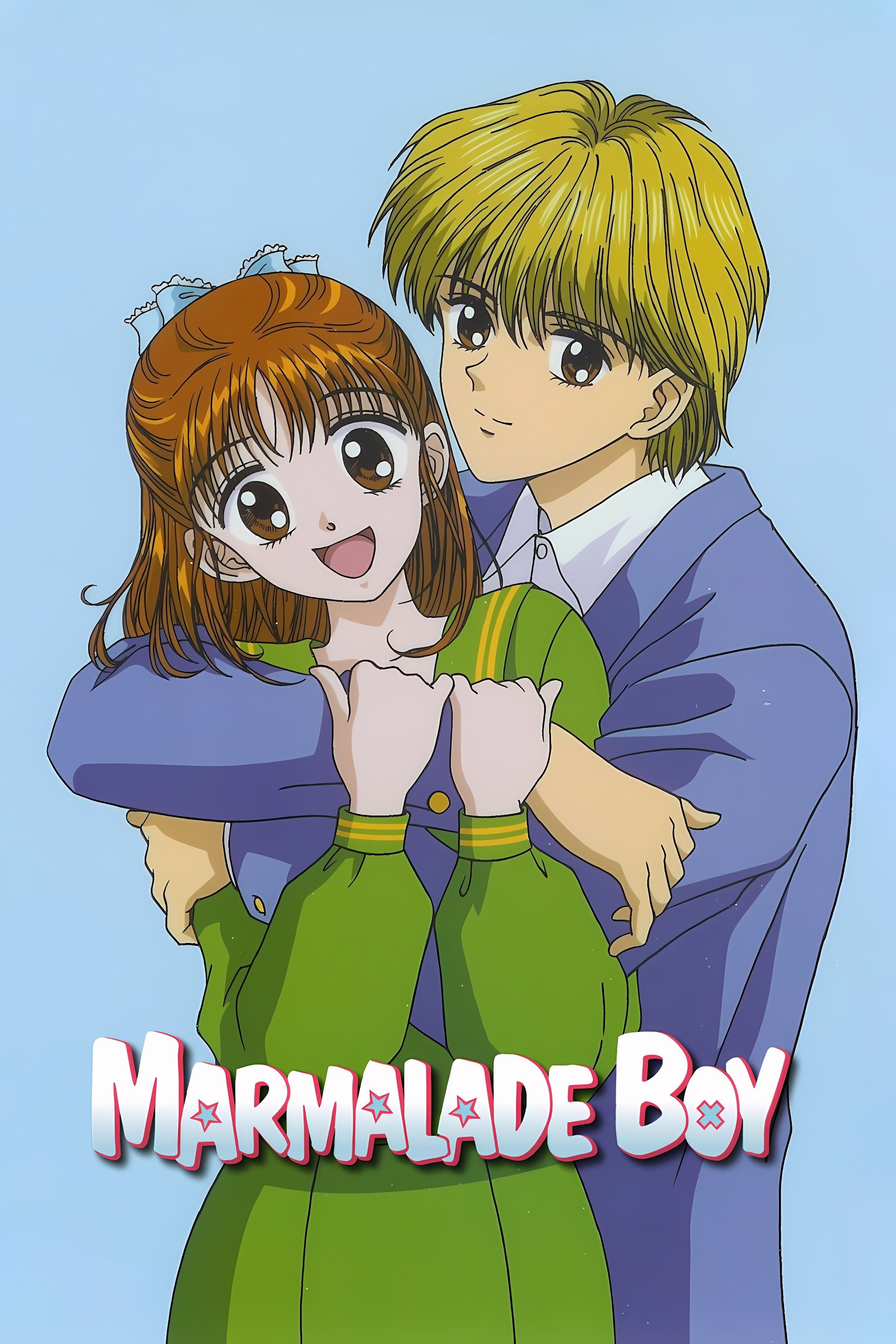
Based on Wataru Yoshizumi’s ‘Ribon’ manga, this school romance is set against an unusual blended-family arrangement that reshapes household logistics. Toei Animation uses class rosters, club activities, and cram-school schedules to structure weekly developments.
Dates, misunderstandings, and club commitments intersect with family rules about curfews, allowance, and shared spaces. Study camps, school trips, and committee duties provide recurring venues where relationships are tested and clarified.
‘Kodocha’ (1996–1998)
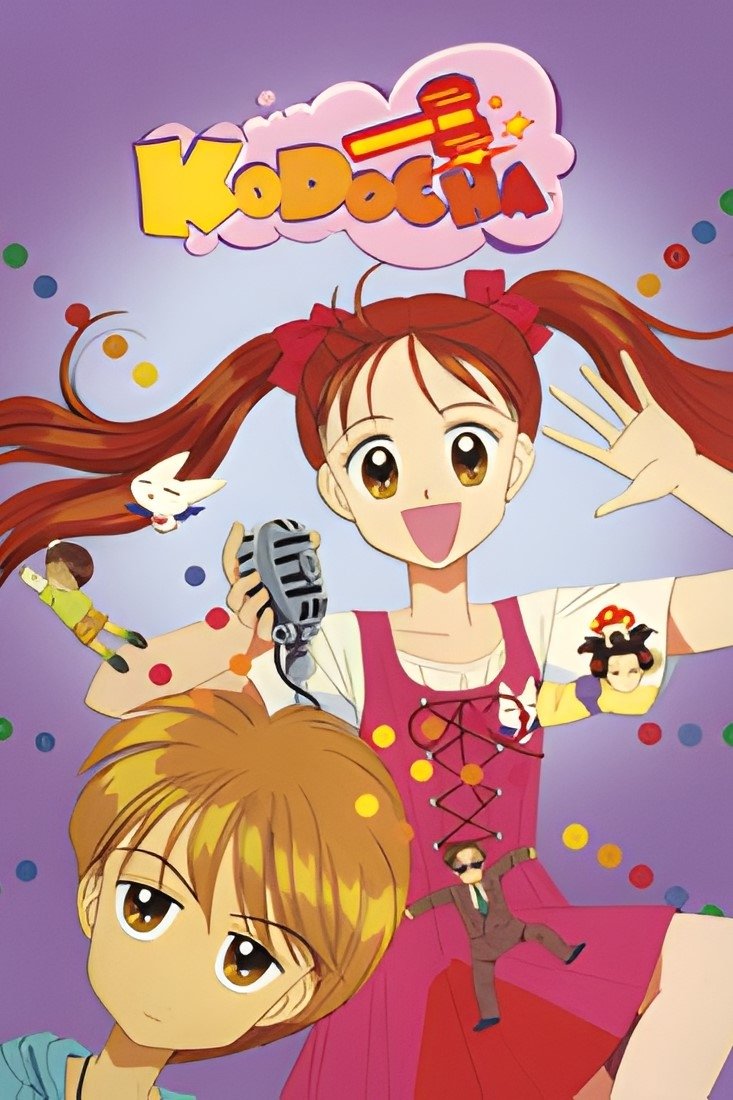
Miho Obana’s ‘Ribon’ manga centers on a child actress balancing TV work with elementary and middle-school life. The anime details on-set procedures—script reads, rehearsals, studio call times—next to homeroom discipline and parent-teacher meetings.
Episodes often hinge on production calendars, casting decisions, and media appearances. Meanwhile, classroom seating plans, exam periods, and group activities drive the school-side dynamics that the lead must navigate.
‘His and Her Circumstances’ (1998–1999)
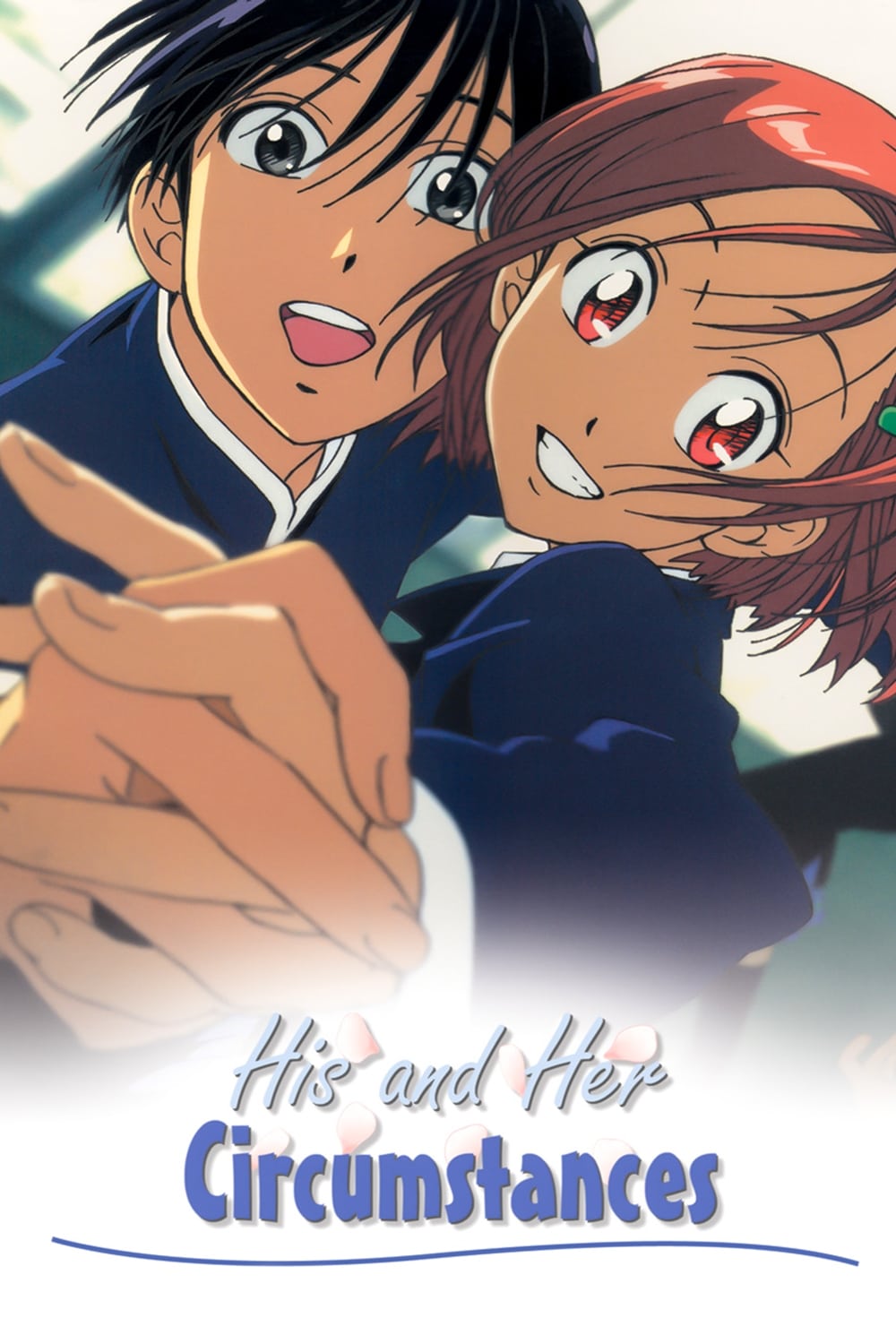
Masami Tsuda’s ‘LaLa’ manga becomes a school-life series tracking study strategies, student-council tasks, and family expectations. The adaptation uses midterm and final exam cycles to mark time, including test rankings and classroom postings.
Cultural-festival committees, club budgets, and after-school practice slots provide steady structure. Home visits and report-card days set up scenes where characters negotiate responsibilities with teachers and parents.
‘Gakuen Alice’ (2004–2005)
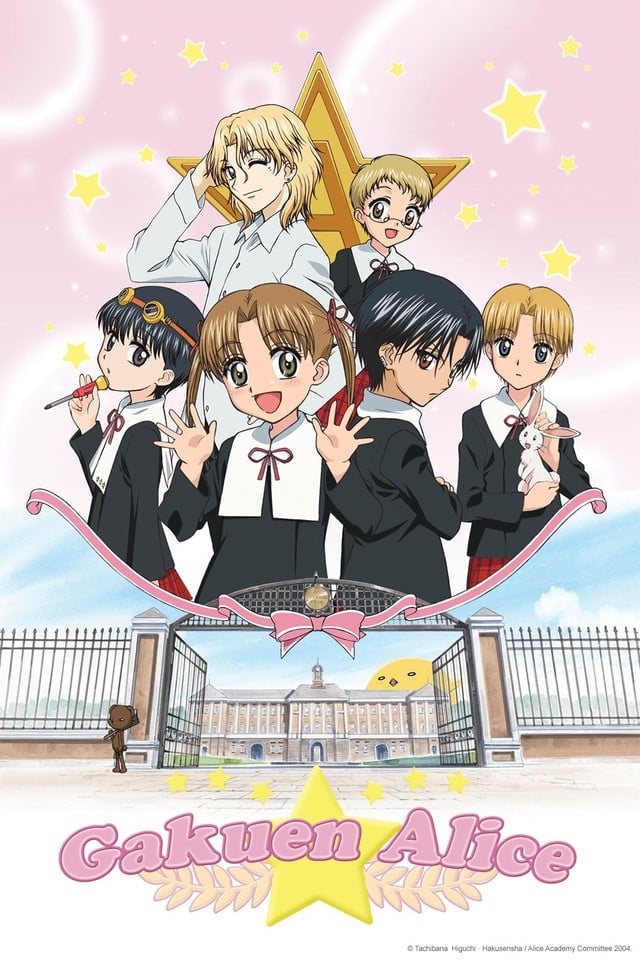
Tachibana Higuchi’s ‘Hana to Yume’ manga is set at a specialized academy for students with “Alice” abilities. The show categorizes Alices, assigns dorms and classes accordingly, and enforces rules via school staff and disciplinary units.
Lesson plans, ranking badges, and school-wide events—like festivals and joint exercises—move arcs along. The academy’s security policies, permission slips, and fieldwork protocols highlight how abilities are controlled within a closed campus.
‘Hana Yori Dango’ (1996–1997)

From Yoko Kamio’s ‘Margaret’ manga, this Toei series situates class politics inside an elite private school with a notorious student clique. It tracks homeroom procedures, posted rules, and event calendars that govern student life.
Arcs revolve around disciplinary measures, rumor cycles, and school functions such as dances and trips. Family businesses and financial constraints add parallel pressures outside school, shaping decisions about part-time work and future plans.
‘ItaKiss’ (2008)

Based on Kaoru Tada’s classic ‘Margaret’ manga, this adaptation follows a household arrangement created by a housing mishap. The series keeps a close eye on exam preparation, choice of departments, and internships as the cast advances through school and beyond.
Applications, recommendation letters, and clinical rotations appear as the story progresses, with calendar milestones like entrance ceremonies, sports days, and graduation providing natural turning points.
‘Special A’ (2008)

Maki Minami’s ‘Hana to Yume’ manga spotlights a top academic cohort with its own rules, clubroom, and competitive traditions. The anime sets clear criteria for ranking within the “S.A.” class and shows how events are planned and funded.
Episodes detail committee sign-ups, student government interaction, and interschool contests. The cast’s extracurricular talents—gardening, cooking, martial arts—become practical tools during festivals and charity events.
‘Vampire Knight’ (2008)

From Matsuri Hino’s ‘LaLa’ manga, this series outlines a school with dual Day and Night classes, strict curfews, and a disciplinary committee tasked with preserving secrecy. The academy’s layout—dorms, gates, patrol routes—supports its internal rules.
Family histories, council meetings, and bloodline politics drive the larger setting. The show uses uniforms, insignia, and special permissions to track roles and allegiances within the student body and beyond campus walls.
‘Maid Sama!’ (2010)

Adapted from Hiro Fujiwara’s ‘LaLa’ manga, this series centers on a student-council president who also works part-time at a themed café. It documents council agendas, club oversight, and disciplinary hearings alongside workplace schedules and service protocols.
Episodes showcase shift rosters, café events, and training for customer service. School festivals, open-house days, and interschool meetings act as recurring venues where council responsibilities and part-time duties intersect.
‘Princess Tutu’ (2002–2003)
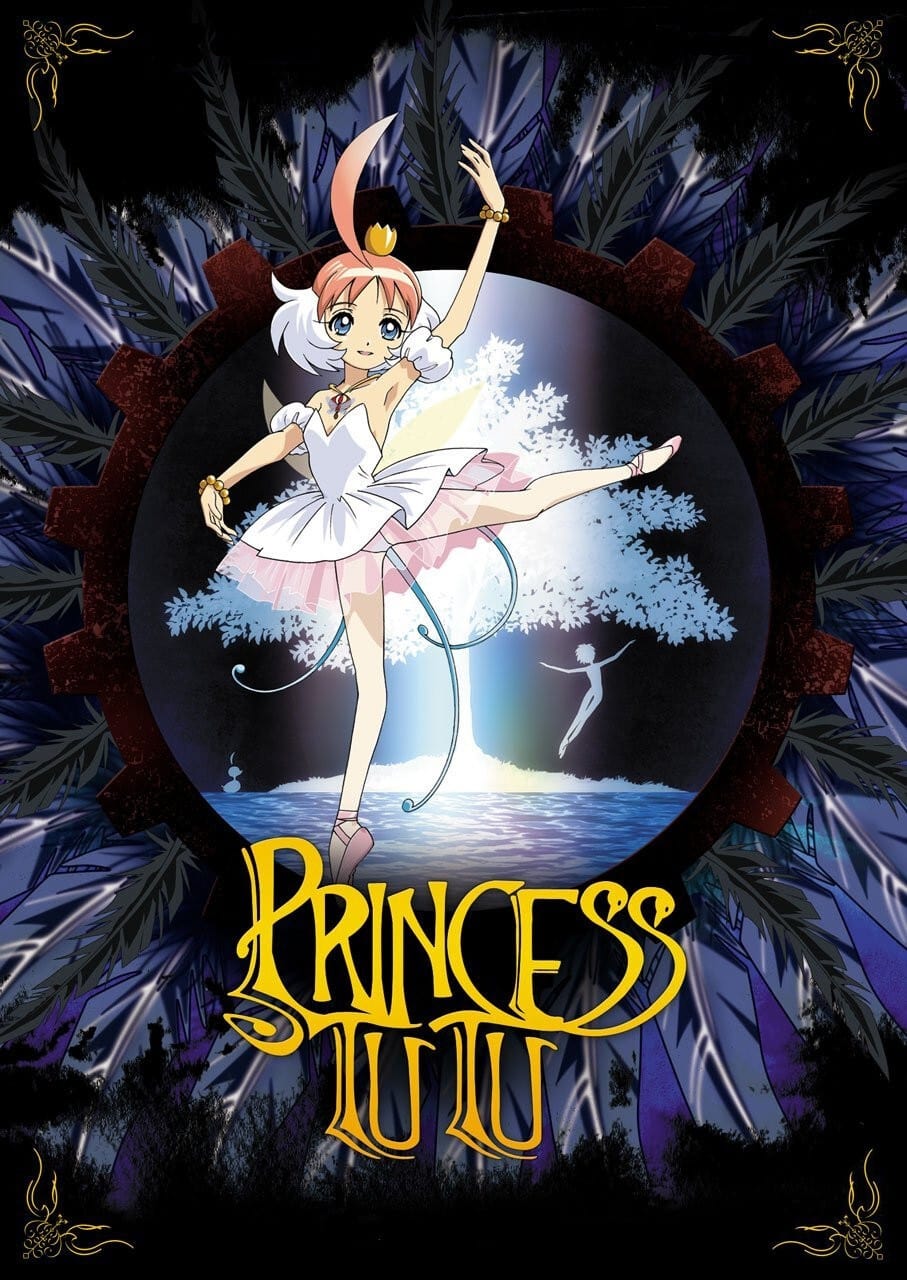
An original show created for a shōjo audience, this fairy-tale and ballet blend maps story beats to classical performance structures. It names specific ballet forms, outlines rehearsal spaces, and treats costumes, music selections, and stage cues as core mechanics.
The series uses a meta-narrative about a storyteller’s script to justify repeated “acts” and variations. School routines, dance classes, and theater prep control the calendar, anchoring magical events to rehearsals and performances.
‘My Love Story!!’ (2015)

Kazune Kawahara and Aruko’s ‘Bessatsu Margaret’ manga becomes a first-love story built around class schedules, club practices, and weekend jobs. The adaptation keeps track of introductions, etiquette for meeting family, and seasonal events like summer courses and shrine visits.
Episodes revolve around communication logistics—messages, group planning, and time management around exams. The show also notes rules for part-time work and how school policies affect after-hours meetups.
‘Magic Knight Rayearth’ (1994–1995)
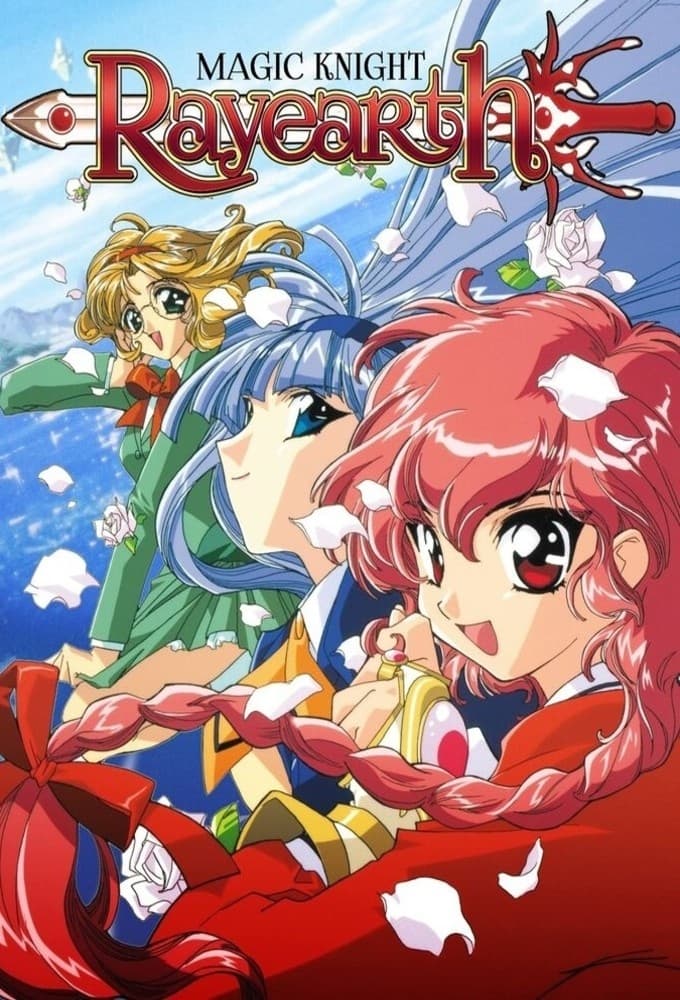
CLAMP’s ‘Nakayoshi’ manga mixes isekai questing with magical-girl conventions. The anime catalogs elemental spells, armor upgrades, and Rune-God summons as its main power systems, each introduced with names and conditions.
Travel between regions involves trials, guardians, and resource gathering. Early episodes link a school trip to the portal event, while later arcs standardize boss encounters and equipment enhancements to mark progress.
‘Fushigi Yugi: The Mysterious Play’ (1995–1996)
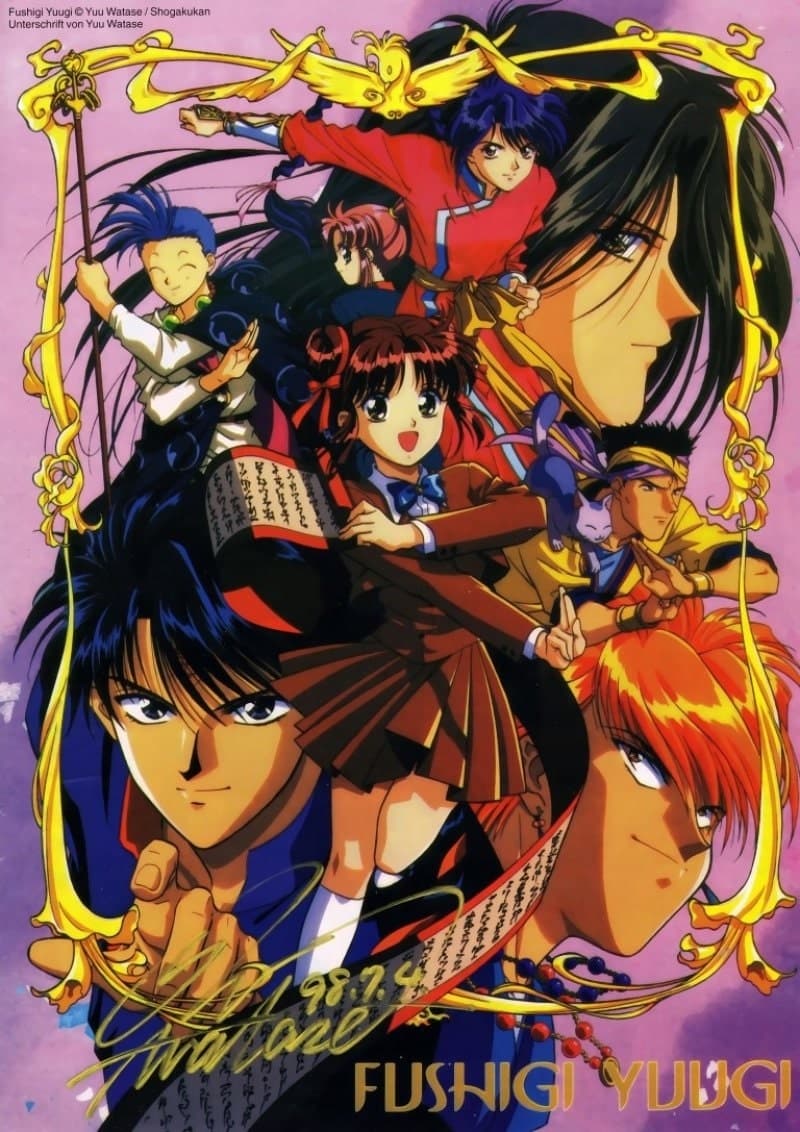
Yuu Watase’s ‘Shōjo Comic’ manga sends its leads into a book-world where priestess rituals and celestial warrior recruitment are formalized. The adaptation spells out talismans, summoning steps, and vows that grant protection or provoke conflicts.
City-state diplomacy, treaties, and temple rites determine travel and alliances. The plot moves through searches for named guardians, with maps, inns, and caravans providing the logistics for each leg of the journey.
‘Snow White with the Red Hair’ (2015–2016)

Sorata Akiduki’s ‘LaLa’ manga is a courtly romance grounded in herbalism. The anime tracks apprenticeships, examinations for official posts, and lab procedures, describing tools, antidote research steps, and field-gathering methods.
Small kingdoms and guard units add administrative layers—permits, escorts, and border protocols. Diplomatic visits and council sessions supply regular venues for career milestones alongside personal developments.
‘Blue Spring Ride’ (2014)
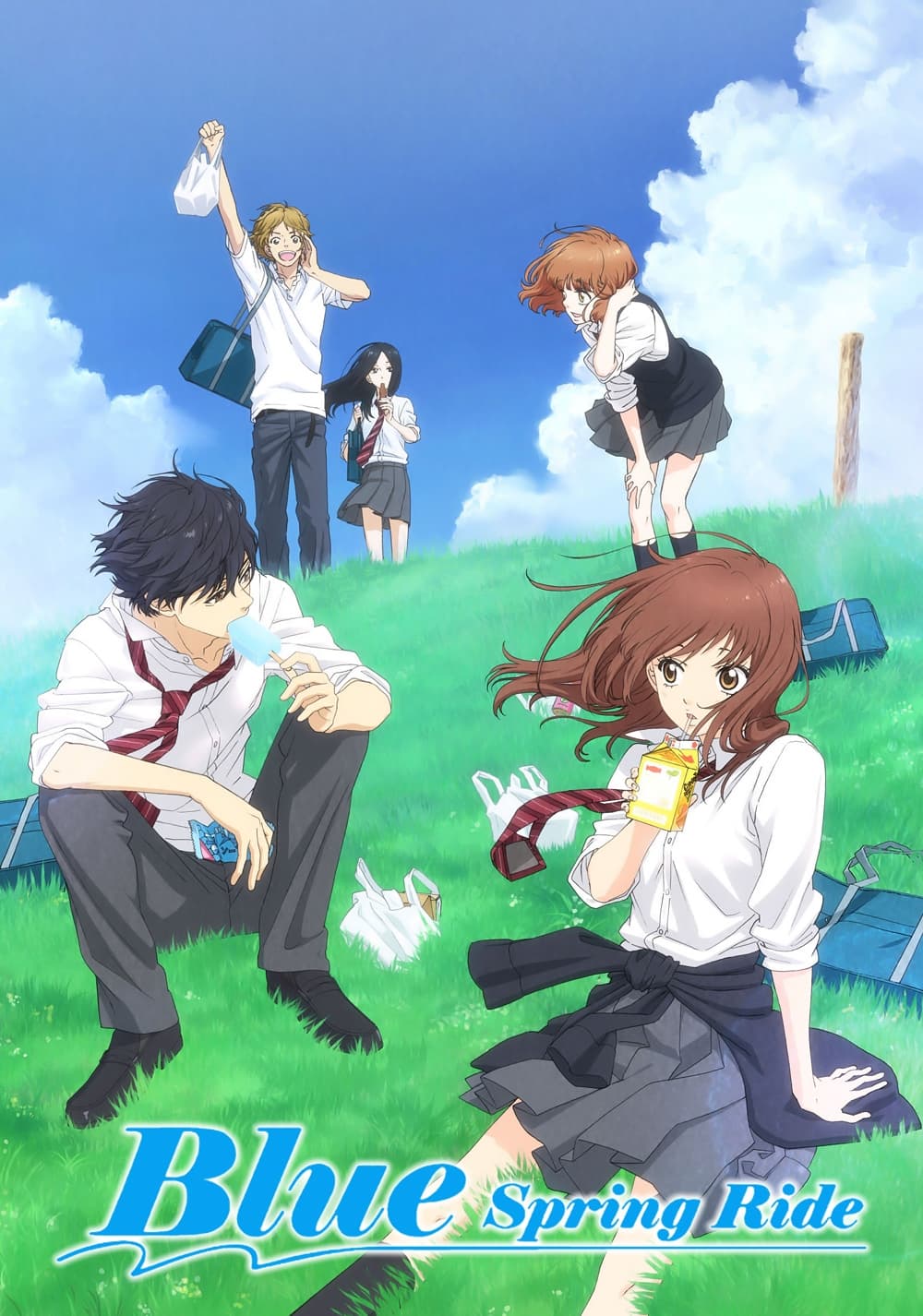
Io Sakisaka’s ‘Bessatsu Margaret’ manga follows classmates reorganizing their social circles after time apart. The adaptation shows how seat changes, committee assignments, and cleaning rotations alter daily contact patterns.
Guidance counselor meetings, volunteer work, and summer classes serve as structured backdrops. The school calendar—midterms, festivals, and trips—marks turning points, while after-school hangouts and part-time jobs shape scheduling.
‘Lovely★Complex’ (2007)

Aya Nakahara’s ‘Bessatsu Margaret’ manga focuses on classmates managing a height-gap dynamic within a busy school year. The show references test rankings, summer cram sessions, and festival prep as recurring checkpoints.
Class rosters and club events create recurring intersections for the cast. Holiday gift exchanges, family visits, and part-time shifts add practical constraints that influence when characters can meet.
‘Kamisama Kiss’ (2012–2016)
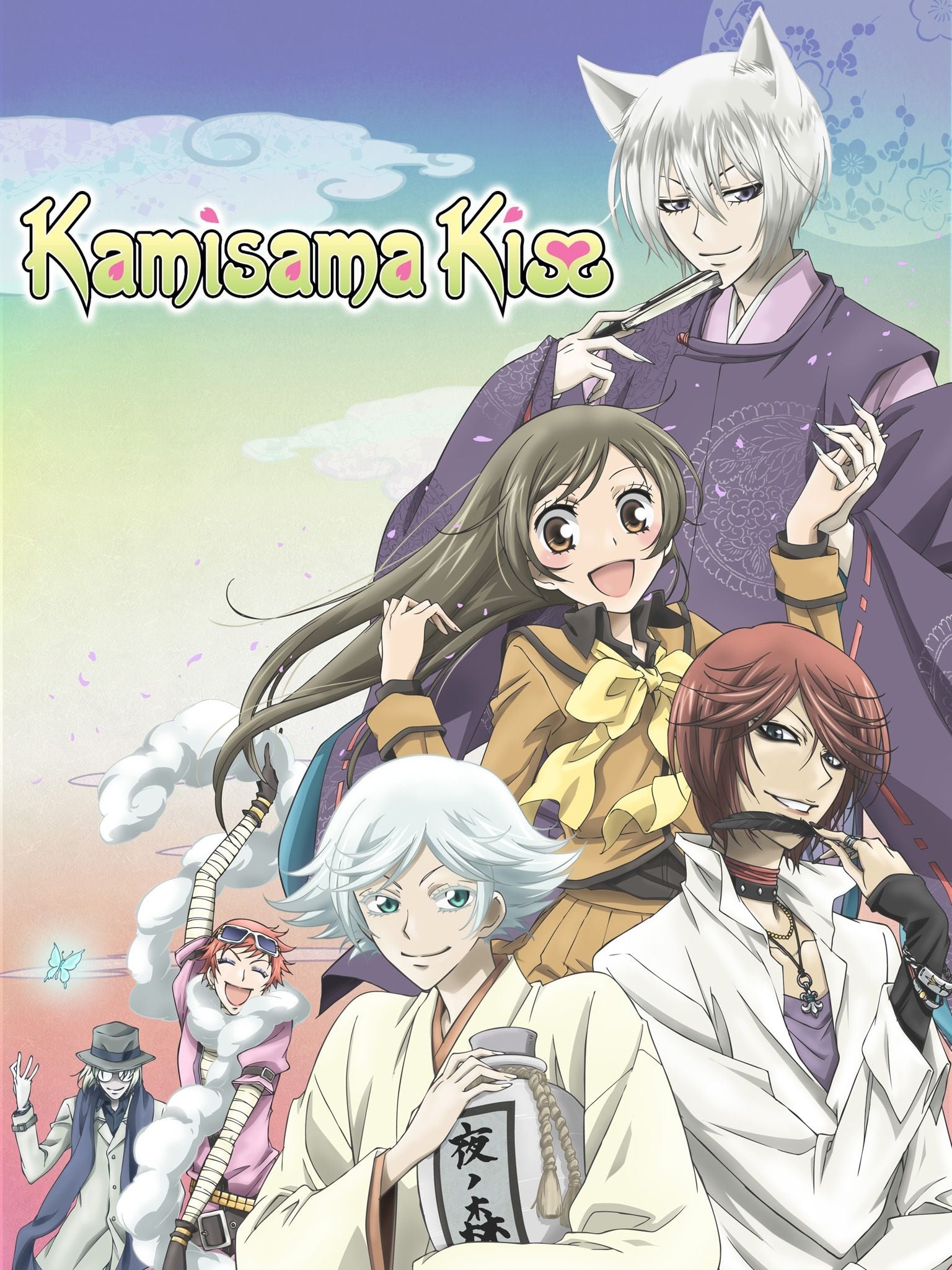
Julietta Suzuki’s ‘Hana to Yume’ manga sets its rules around shrine management, yokai hierarchies, and familiars bound by contracts. The anime explains rituals, talismans, and domain boundaries that govern travel between human and spirit spaces.
Seasonal festivals and school trips are used to align human calendars with supernatural obligations. The show returns to exorcism practices, naming conventions, and territory customs to keep the world consistent.
‘Skip Beat!’ (2008–2009)

Yoshiki Nakamura’s ‘Hana to Yume’ manga maps the entertainment industry with training curricula—voice work, stage combat, and audition etiquette. Agency systems, casting processes, and set procedures are explained with attention to schedules and contracts.
Variety shows, drama shoots, and promotional events structure the story. Managers, producers, and co-stars create layers of oversight, while rehearsals and script breakdowns give each arc practical milestones.
‘From Me to You: Kimi ni Todoke’ (2009–2011)

Karuho Shiina’s ‘Bessatsu Margaret’ manga follows a reserved student broadening her circle through ordinary school routines. The adaptation uses health-committee chores, homeroom announcements, and group study sessions as catalysts for change.
Calendar markers—sports festivals, midterms, and shrine visits—keep the timeline clear. Phone etiquette and message coordination show how small communication steps alter classroom dynamics over time.
‘Yona of the Dawn’ (2014–2015)
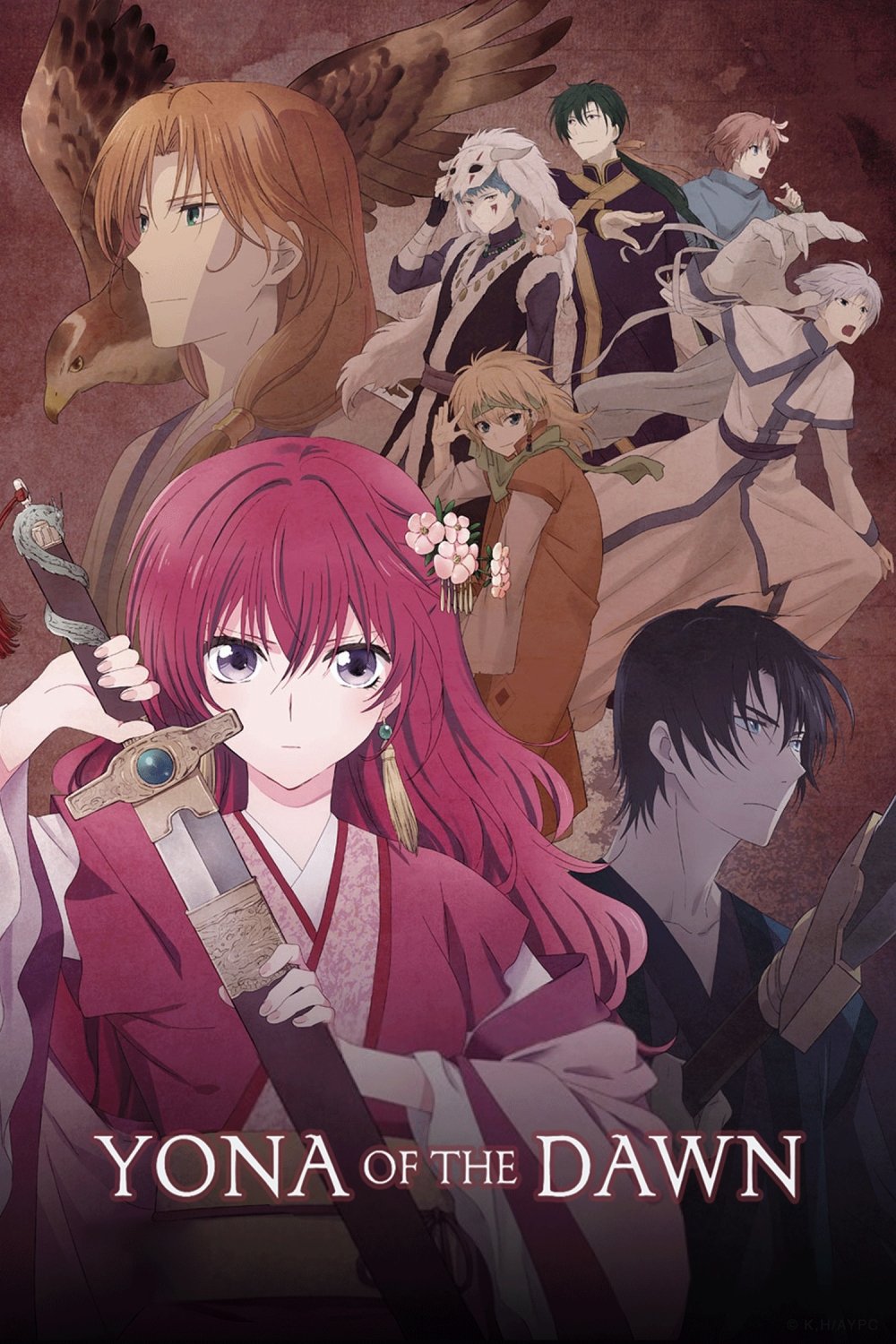
Mizuho Kusanagi’s ‘Hana to Yume’ manga structures its fantasy journey around recruiting four “dragon” allies with distinct regional origins. The party’s travel logistics—routes, supplies, and safe lodging—are tracked across towns and border zones.
Local governance, trade disputes, and bandit pacification give each stop a civic problem to solve. Camp routines, map reading, and resource management provide a steady rhythm for the traveling cast.
‘Sailor Moon’ (1992–1997)
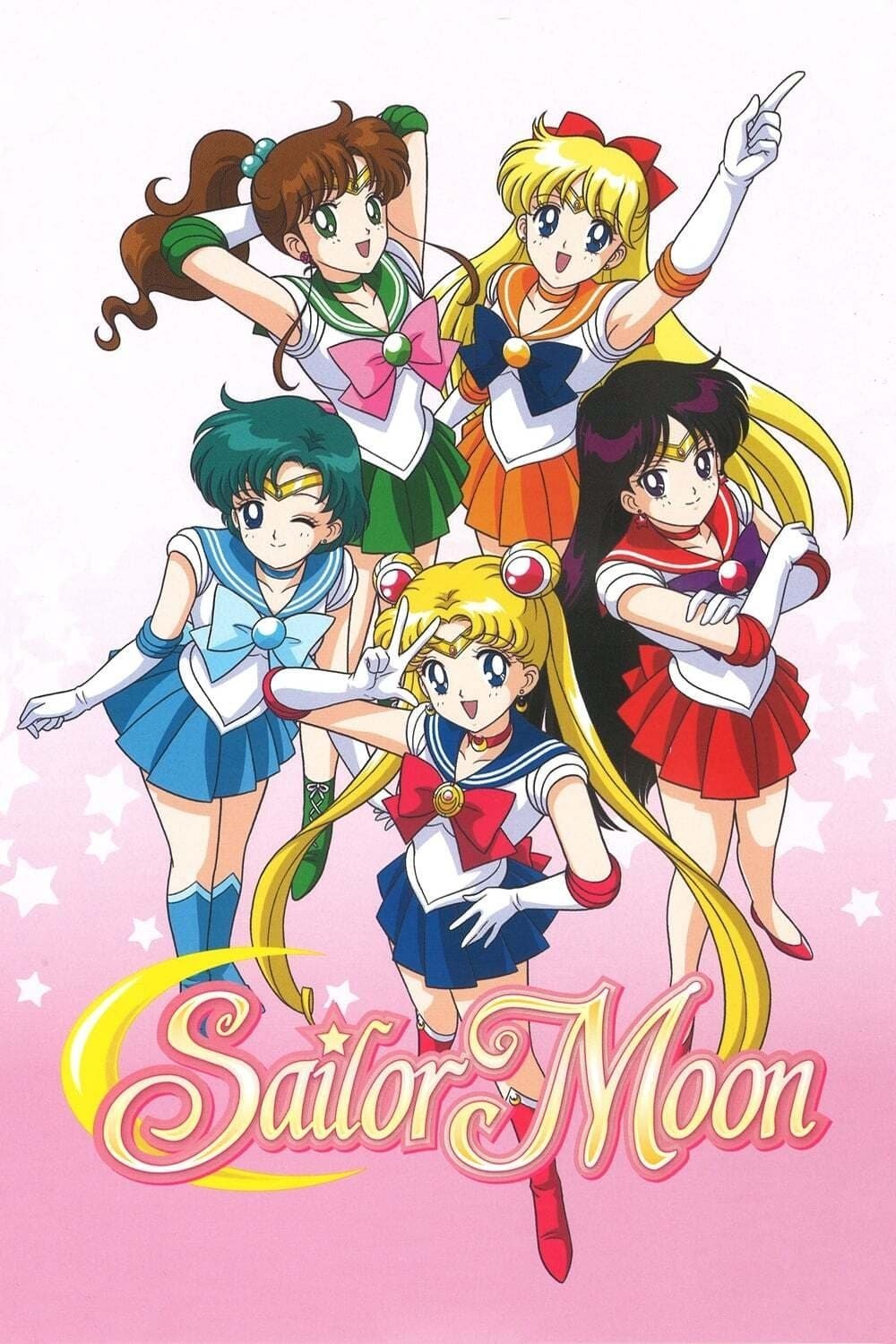
Naoko Takeuchi’s ‘Nakayoshi’ manga codifies the magical-girl formula with transformation items, attack calls, and rotating villain organizations. The anime keeps school clubs, cram schools, and Tokyo landmarks as recurring anchors.
Team composition evolves through standardized power-ups and new equipment. Festival days, exams, and class trips provide regular staging for both slice-of-life and climactic battles throughout long seasonal arcs.
‘Cardcaptor Sakura’ (1998–2000)
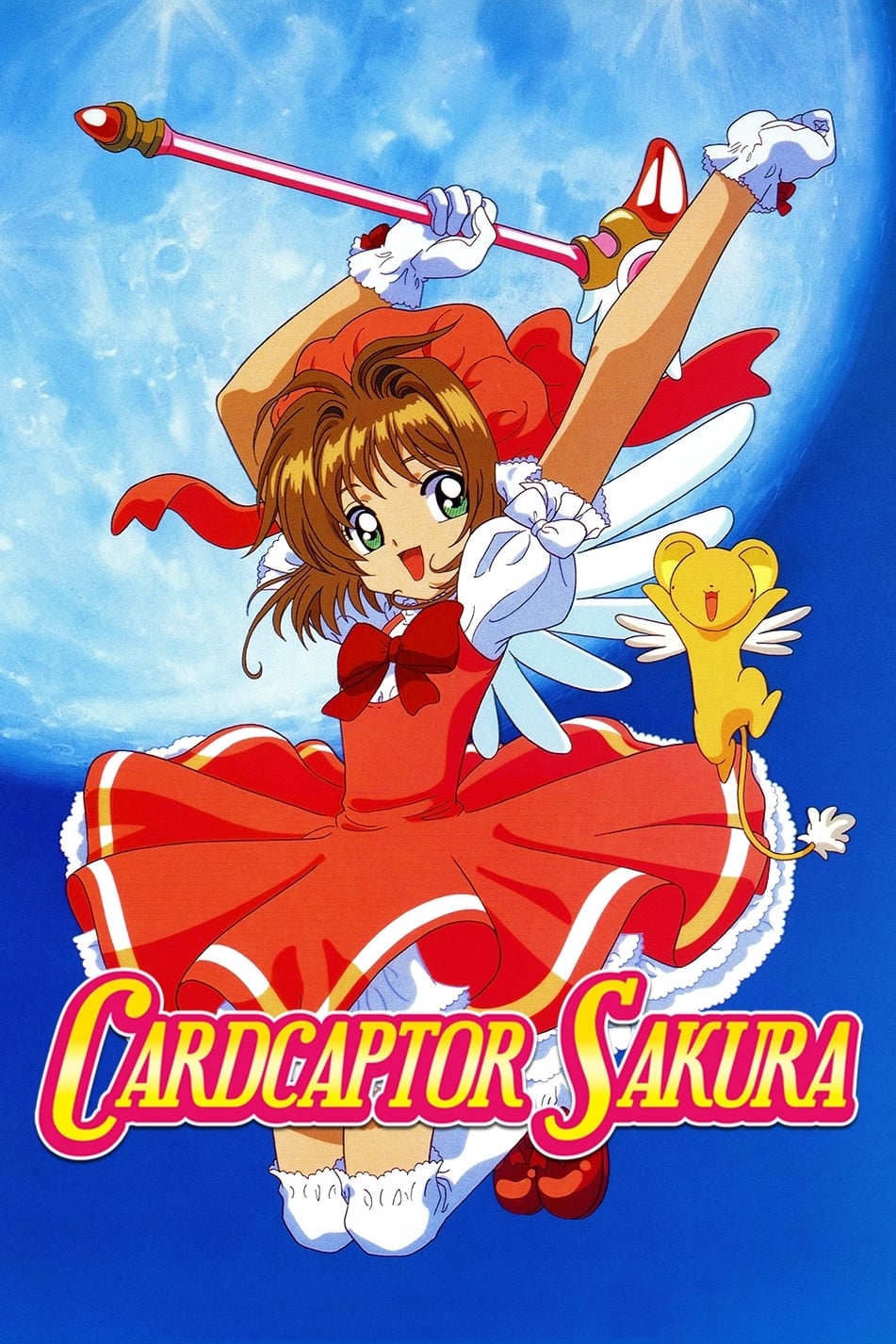
CLAMP’s ‘Nakayoshi’ manga becomes a card-collection quest with clear taxonomies for each card’s abilities. Capture rituals, sealing phrases, and conversion processes are repeated as the show expands its deck.
School events, town festivals, and exchange programs introduce new contexts for each capture. Family routines and club activities—cheer, skating, and tech hobbies—supply practical tools that assist in solving card challenges.
‘Ouran High School Host Club’ (2006)
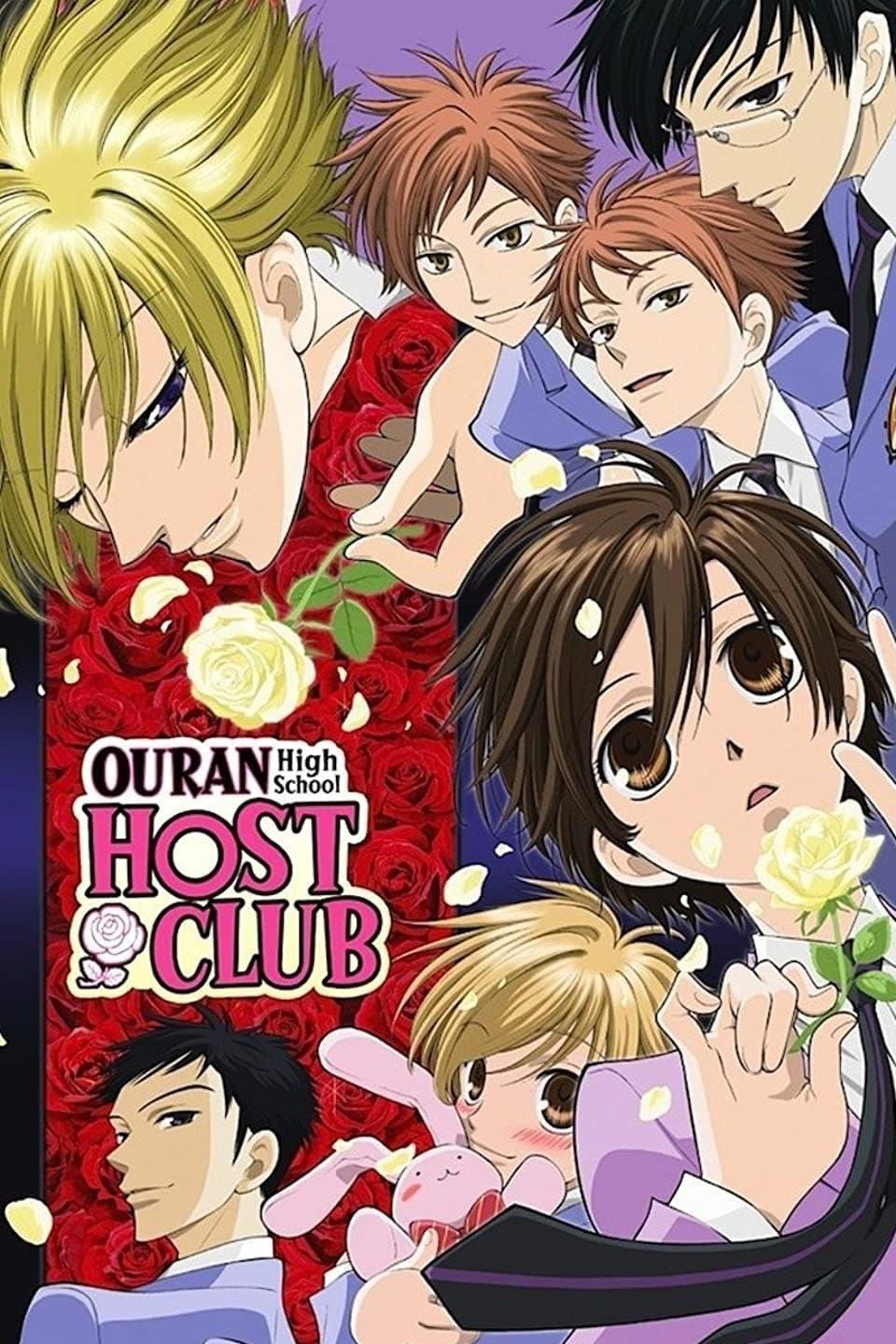
Bisco Hatori’s ‘LaLa’ manga organizes its premise around an officially recognized school club that books rooms, manages budgets, and schedules themed events. The anime shows inventory tracking for costumes, food service planning, and event sign-ups.
Field trips, exam periods, and family business obligations drive episodic stakes. Club ledgers, guest lists, and role assignments act as documents that structure how each event is proposed and executed.
‘Natsume’s Book of Friends’ (2008–2017)
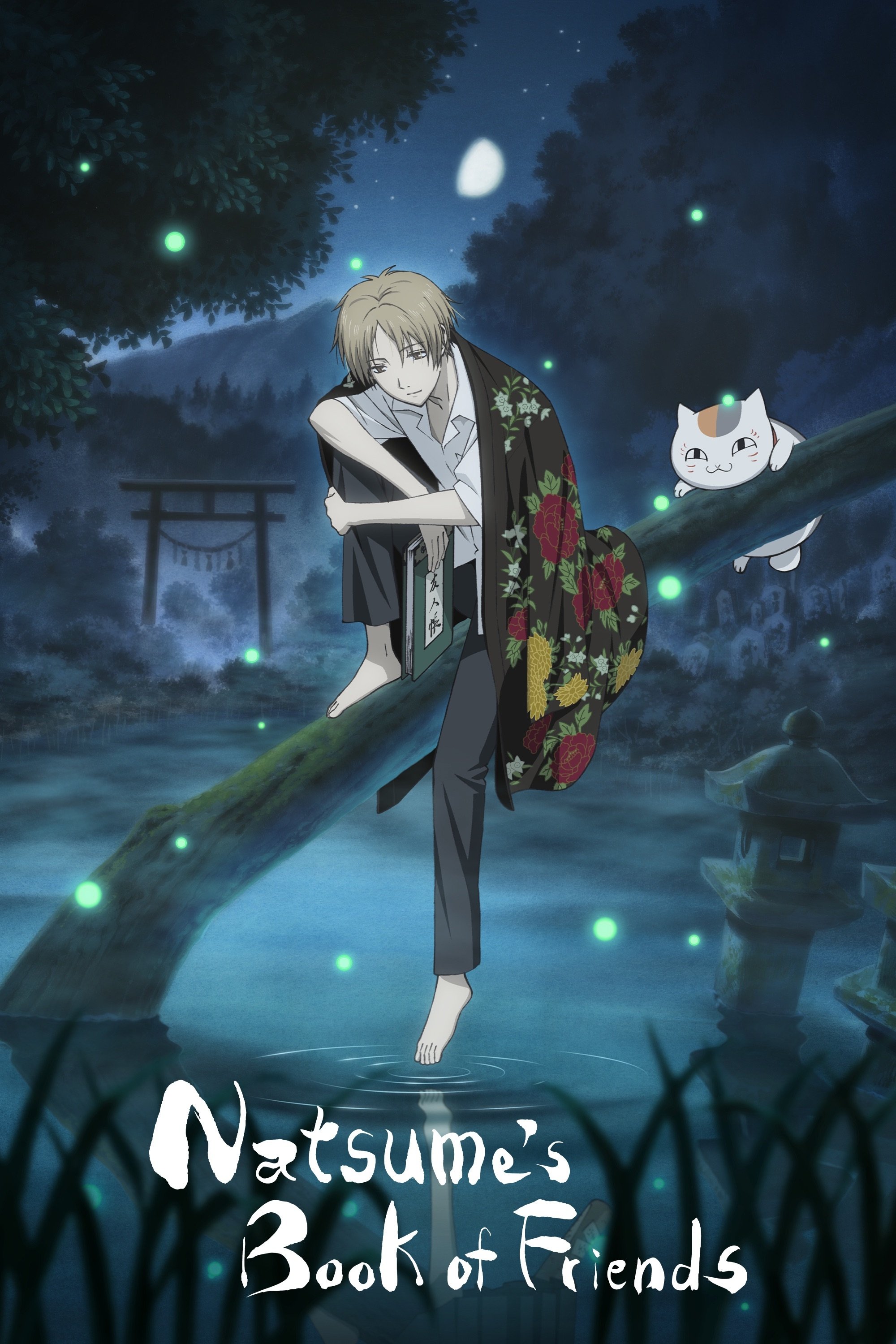
Yuki Midorikawa’s ‘LaLa’ manga revolves around returning names to yokai recorded in a ledger. Each episode follows a consistent process—identifying a name, performing calligraphy, and completing a release ritual.
Settings alternate between rural homesteads, schoolrooms, and shrine precincts. Regular appearances by exorcists, neighbors, and foster family members show how community networks support the case-of-the-week format.
‘Banana Fish’ (2018)
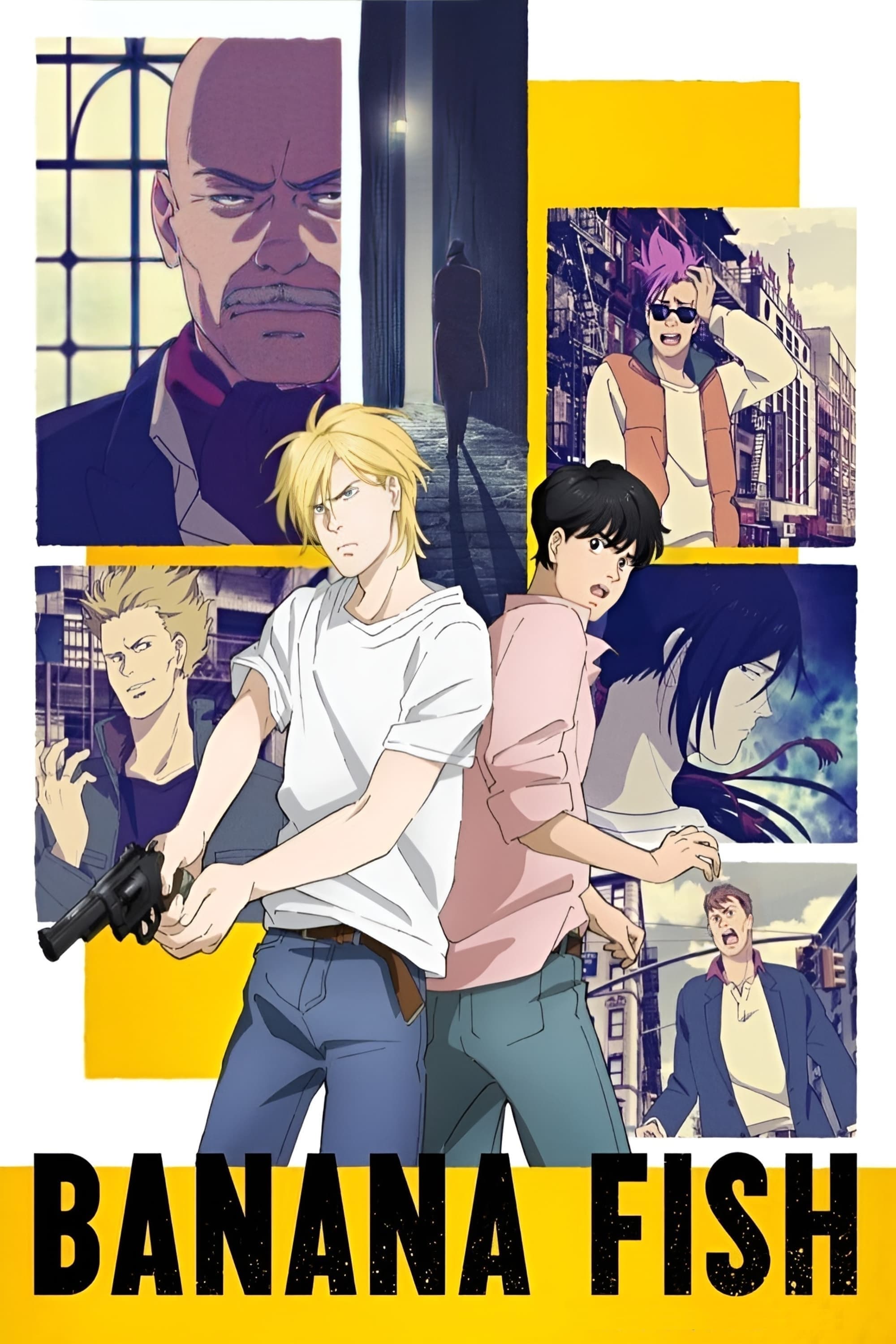
Akimi Yoshida’s ‘Bessatsu Shōjo Comic’ manga is adapted with a modernized timeline while retaining its gangland framework. The show outlines faction structures, investigative steps, and law-enforcement interactions around a central conspiracy.
Communication methods, stakeouts, and travel logistics—safe houses, couriers, and hospital triage—receive procedural attention. Cross-faction negotiations and media coverage influence how plans are formed and executed.
‘Fruits Basket’ (2019–2021)
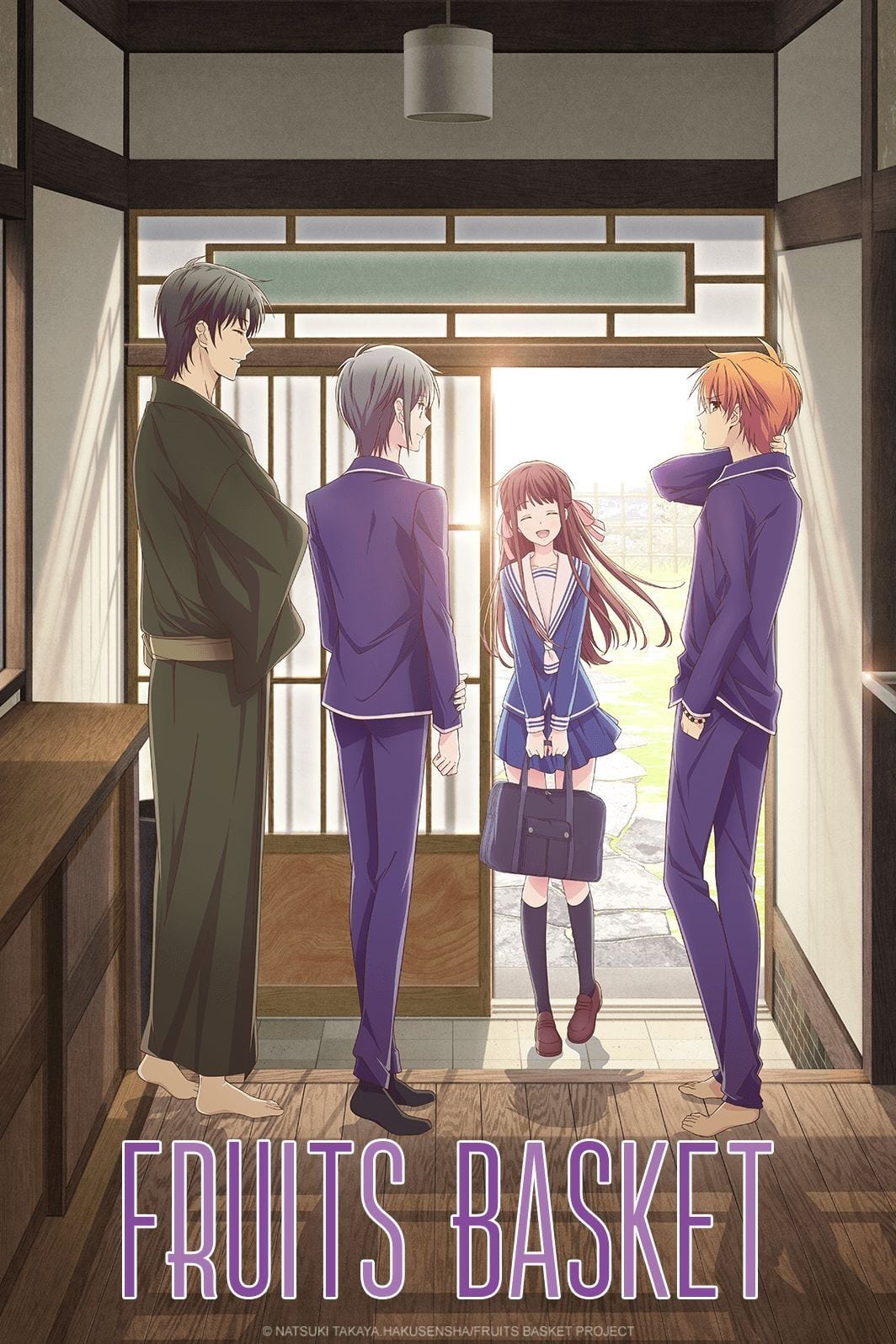
Natsuki Takaya’s ‘Hana to Yume’ manga receives a complete adaptation that systematically covers every arc. The anime explains the Soma family structure, the mechanics of the zodiac-based curse, and the household arrangements that shift as characters relocate.
School calendars, parent-teacher meetings, and holiday traditions mark time next to family gatherings and clinic visits. Part-time jobs, festival obligations, and graduation milestones keep everyday routines aligned with the long-form family narrative.
Share your favorites—plus any shōjo series you think belongs here—in the comments!