The Best Samurai Anime of All Time


Samurai stories have a way of fusing action with questions about duty and identity. Anime has carried those themes into every kind of tale, from quiet character studies to wild genre mashups, which means there is something here for anyone who loves the flash of a blade as much as the choices that come with carrying it.
This list tours celebrated series and standout films that explore different corners of samurai history and fantasy. You will find classic period adventures, inventive reimaginings, and bold experiments that still honor the spirit of the warrior. Studios behind these projects helped shape how these stories look and feel, and you will see how their craft shows up on screen in memorable ways.
‘Samurai Champloo’ (2004–2005)
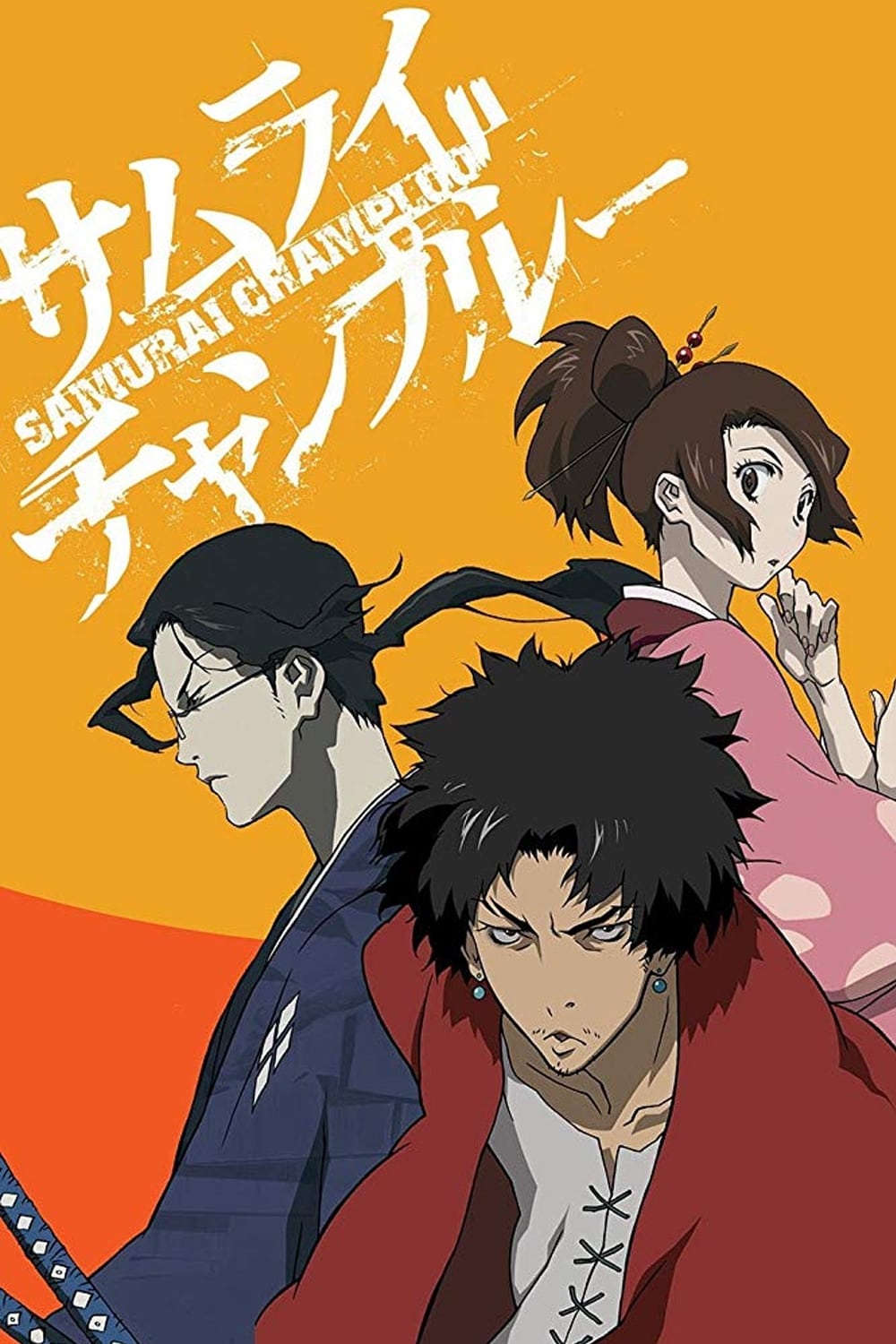
This road adventure follows three travelers who cross a patchwork of towns, officials, and rogues while searching for a mysterious figure. The show mixes sword duels with everyday details like teahouses and street performers, and it weaves in references to art and music that turn each stop into a self contained story.
The animation uses sharp cuts and kinetic camera moves that match its rhythm heavy approach. Manglobe produced the series and its hand drawn action has clean layouts that make the fights easy to follow without losing energy.
‘Rurouni Kenshin’ (1996–1998)

This adaptation centers on a wandering swordsman who once fought in a civil conflict and now aims to protect people without killing. The story moves through city districts and rural outskirts and it introduces allies and rivals whose techniques carry clear schools of swordsmanship.
The original television run was produced by Studio Gallop and Studio Deen. Their work established the look of the characters and the pacing of the set pieces that later projects continued to develop.
‘Gintama’ (2006–2018)
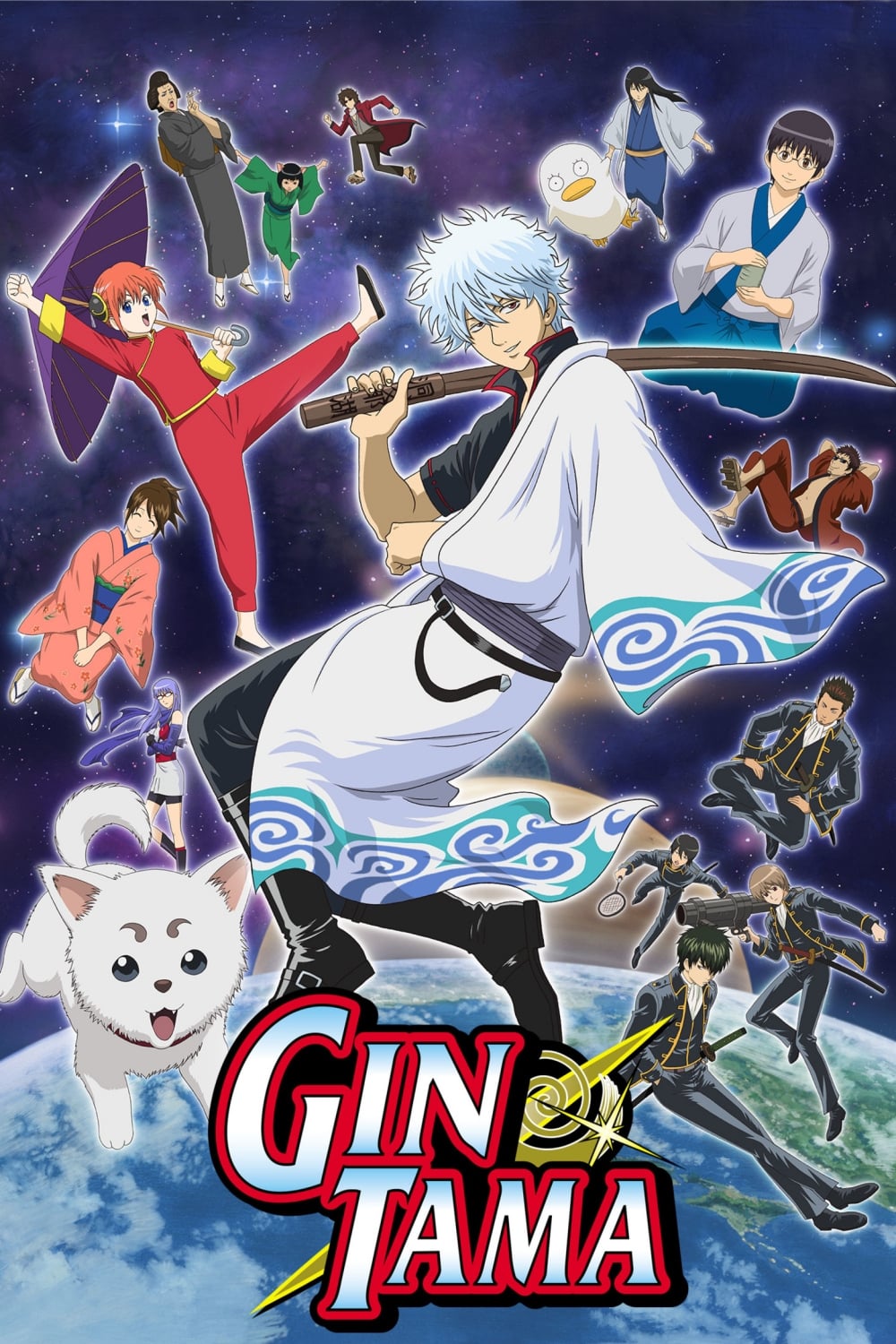
This long running series sets samurai in a bustling city where aliens and feudal authorities share the same streets. The show balances slice of life work with sudden battles and arcs that dive into clans, conspiracies, and personal debts.
The early seasons were produced by Sunrise and the team built a visual style that shifts smoothly between comedy and serious confrontations. That flexibility lets the sword fights land with weight even after lighter scenes.
‘Hyouge Mono’ (2011)
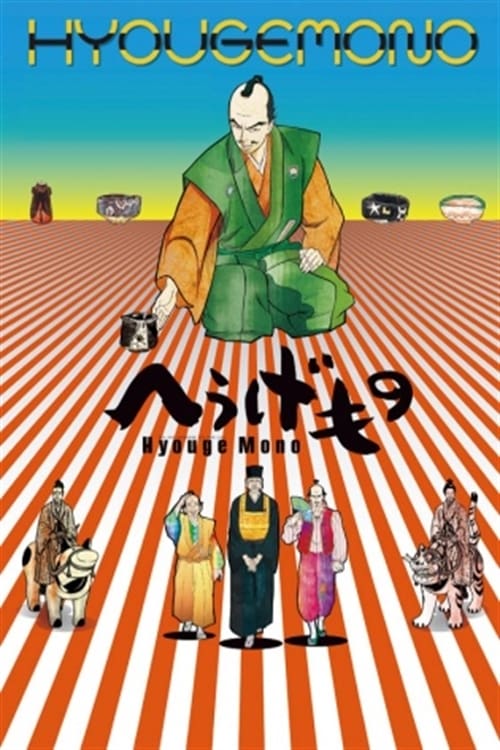
This historical drama follows a warlord’s retainer whose obsession with tea ceremony objects changes how he serves his master. The plot uses negotiations, gifts, and betrayals as carefully as any duel, and it pays close attention to the tools and rooms connected to culture at court.
Bee Train produced the series and leaned into expressive character acting and quiet framing. The slower visual cadence supports a story that treats art and politics as two sides of the same blade.
‘Blade of the Immortal’ (2019–2020)
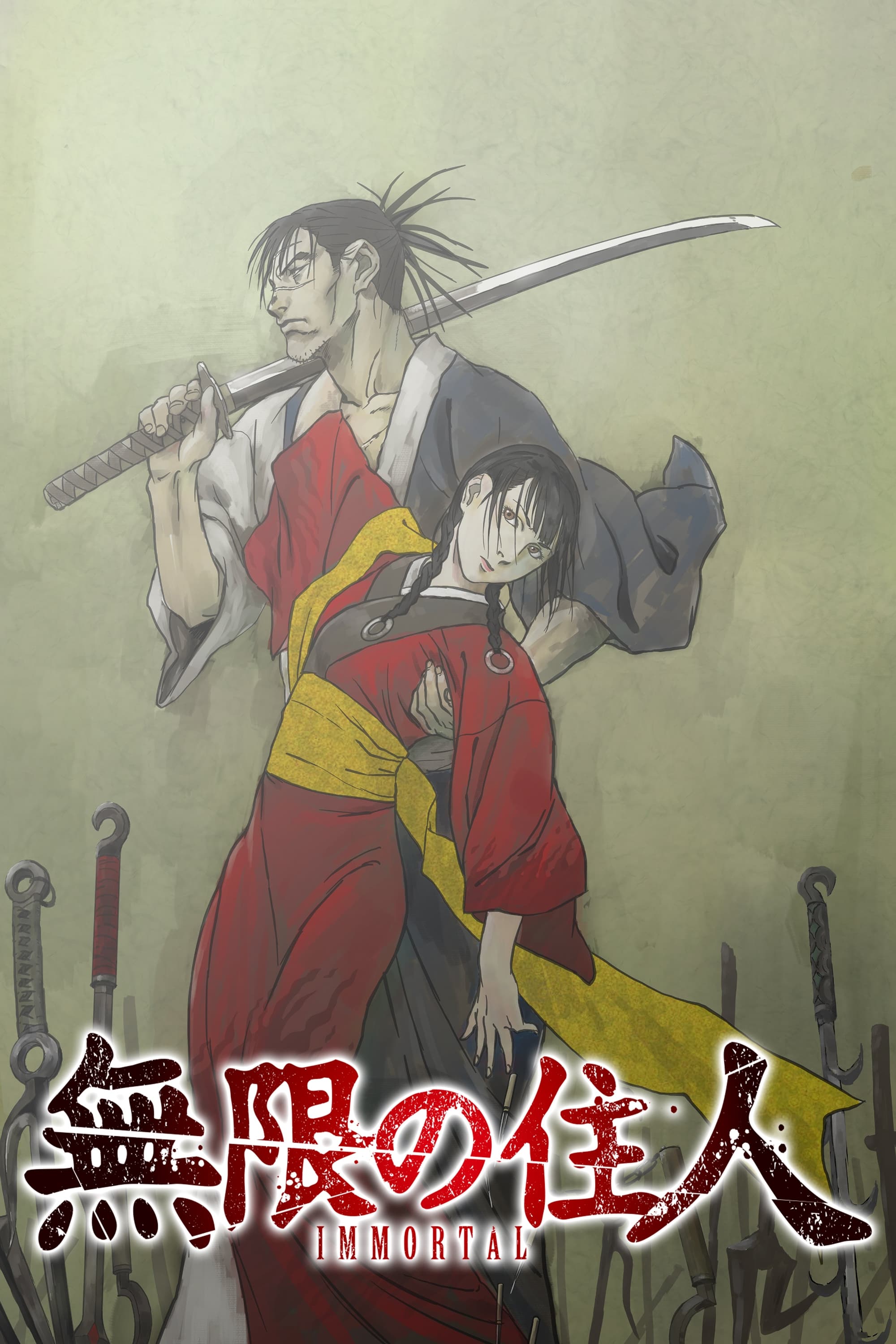
A cursed warrior agrees to help a young woman hunt the killers of her family, which pulls them into a web of sword schools vying for control. The narrative keeps moving town to town with focused arcs that highlight different fighting philosophies.
Liden Films produced this adaptation and emphasized clear choreography and striking color palettes during clashes. The studio’s approach keeps the violence readable while the character designs maintain a worn, lived in look.
‘Shigurui’ (2007)

Set around a daimyo’s tournament, this series follows two swordsmen whose rivalry unfolds through brutal training and court intrigue. The story pays attention to technique, broken bodies, and the cost of strict schools of combat.
Madhouse produced the show and brought a stark visual style with careful lighting and close framing. The studio’s restrained motion builds dread that suits the subject’s uncompromising tone.
‘Sword of the Stranger’ (2007)
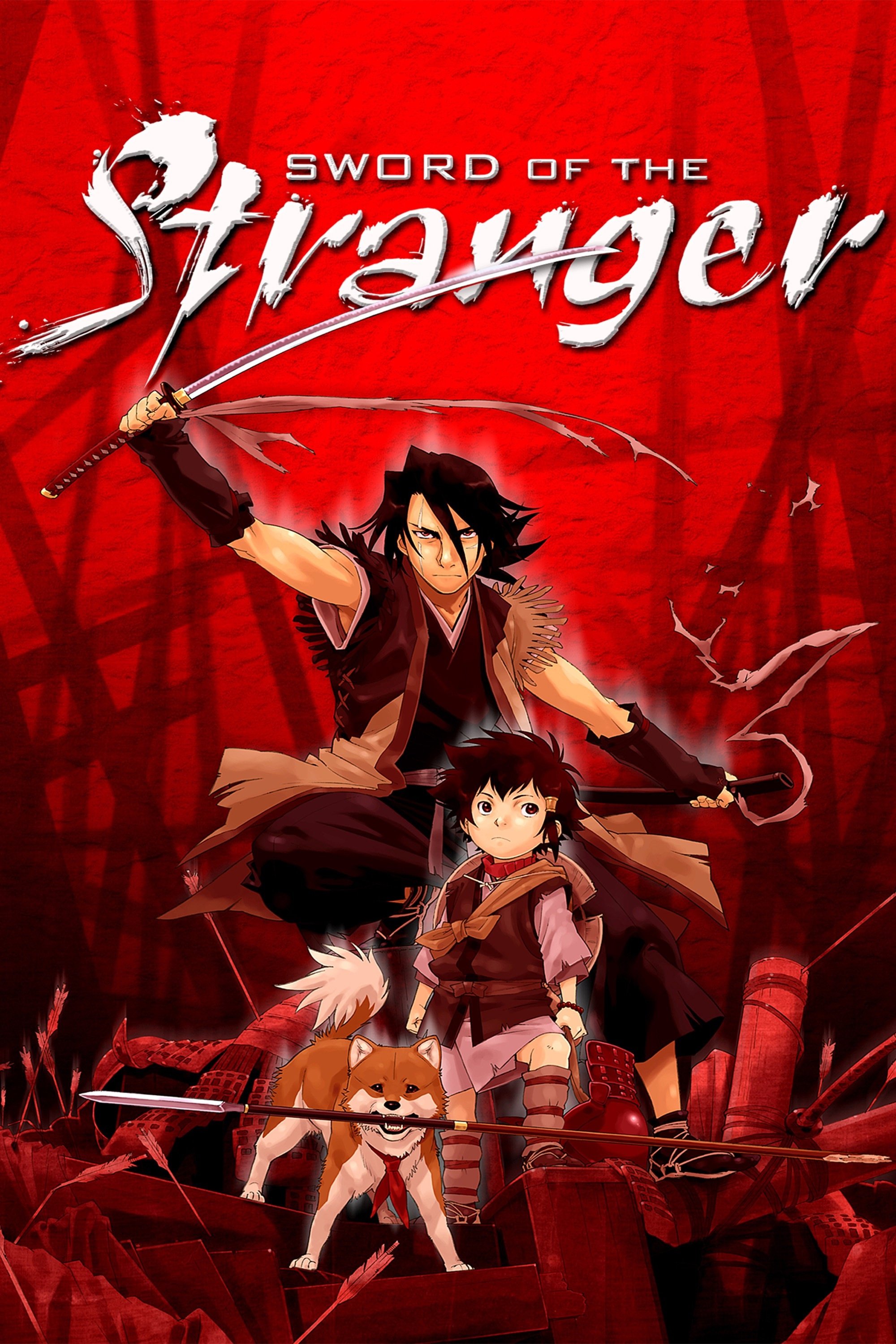
This film tracks a nameless ronin who becomes the protector of a boy pursued by elite fighters. The journey crosses checkpoints, temples, and mountain passes and gradually leads to a fortress where the final showdown brings several storylines together.
Bones produced the movie and delivered fluid hand to hand sequences with clear geography. The climactic duel is paced with crisp cuts and weighty impacts that show the studio’s command of action layout.
‘Basilisk’ (2005)
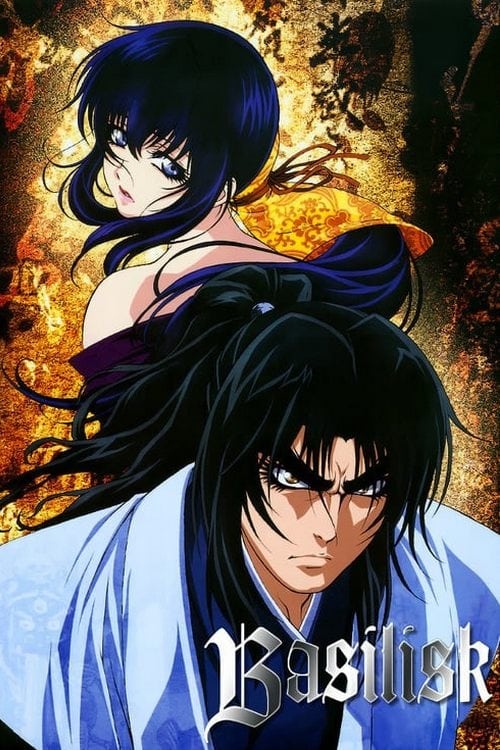
Two ninja houses are ordered to settle a succession dispute through lethal contests, and samurai politics shape every match. The plot uses personal vows and clan duties to raise the stakes as the roster thins.
Gonzo produced the series and gave each combatant signature abilities with distinct visual cues. The studio’s effects work helps viewers track tactics during night battles and ambushes.
‘Dororo’ (2019)
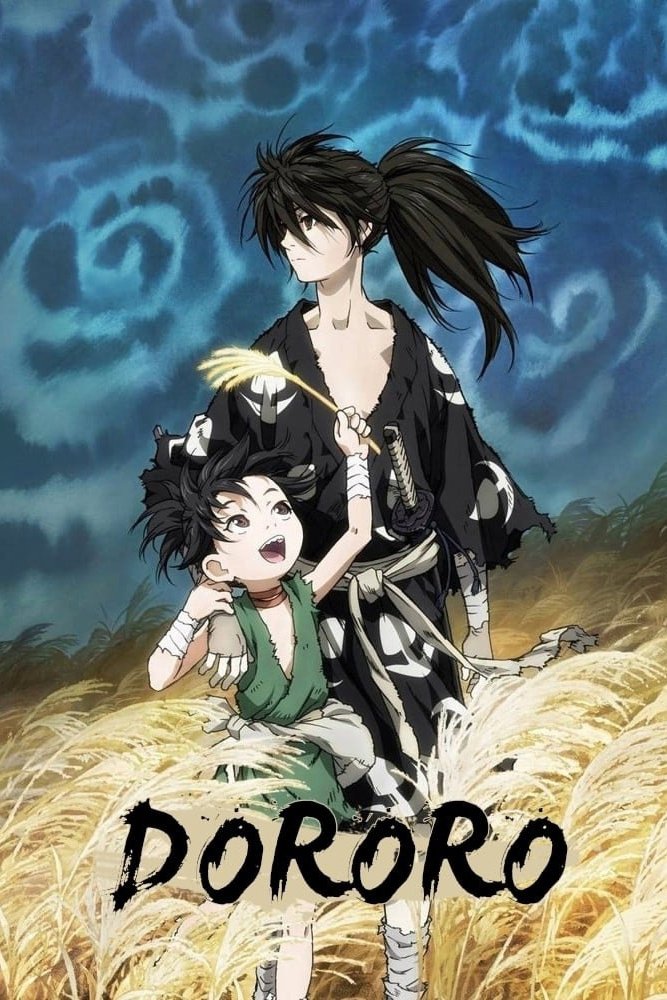
A traveling duo moves from village to village confronting monsters tied to a powerful deal made by a ruling family. Each stop reveals a new local struggle and the fights often turn on what the people involved are willing to sacrifice.
MAPPA worked with Tezuka Productions on this version and their collaboration blends crisp action with expressive quiet moments. The studio pairing gives the world a textured feel that supports both folklore and human drama.
‘House of Five Leaves’ (2010)

A timid ronin is drawn into a small kidnapping group that targets wealthy households, and he learns how the members came to choose their path. The plot focuses on conversations, body language, and slow burning trust that forms between unusual allies.
Manglobe produced the series and used gentle lines and subdued colors that match its intimate scale. The studio’s measured pacing gives space for subtle acting choices that carry the story forward.
‘Drifters’ (2016)
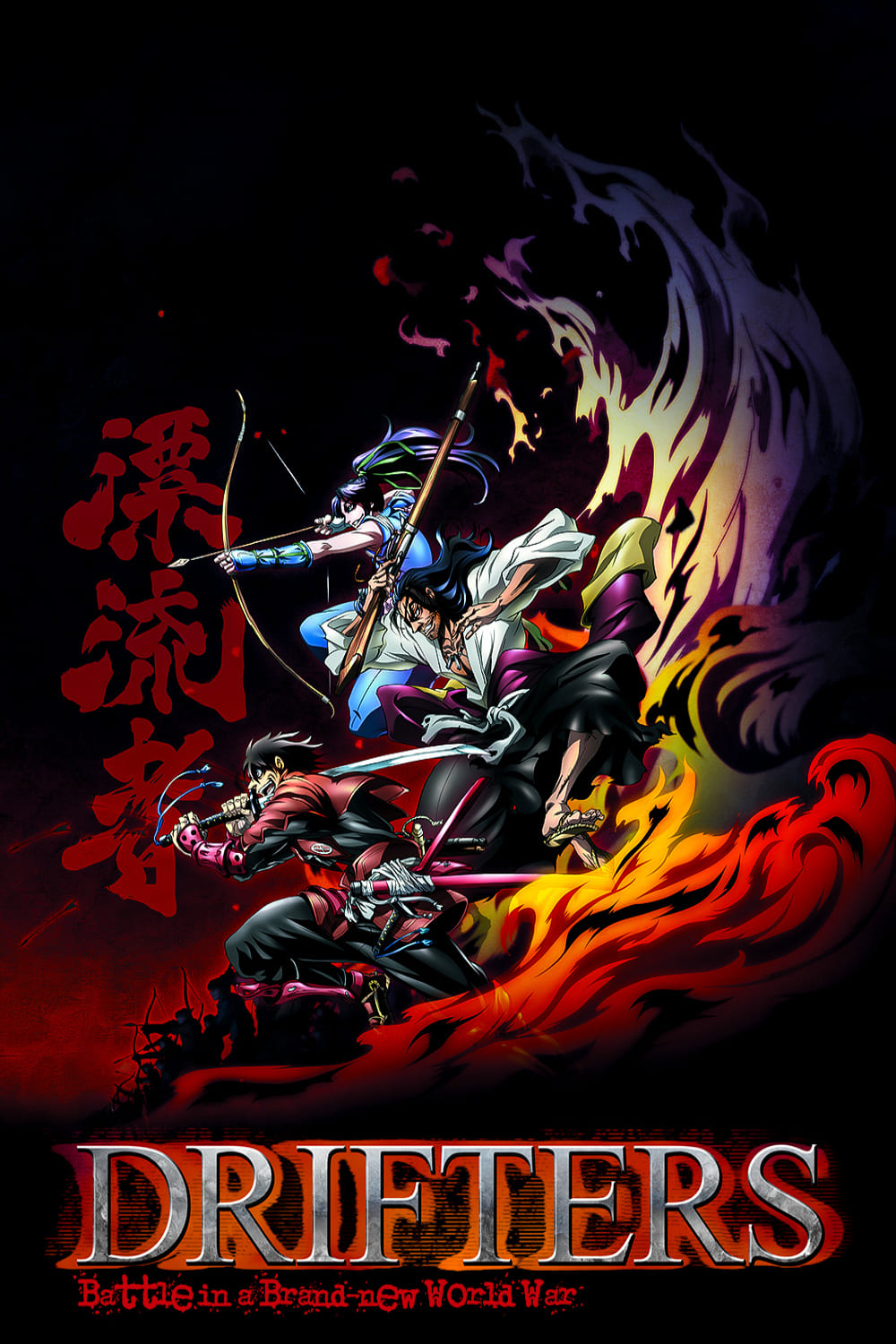
Warriors from different eras, including a famous samurai general, are transported to a fantasy world where they lead armies against tyrants. The show blends battlefield strategy with personal grudges carried over from their original lives.
Hoods Drifters Studio produced the adaptation and leaned on bold ink lines and heavy shadows. The studio’s battle staging keeps formations and maneuvers readable through wide shots and emphatic cuts.
‘Angolmois: Record of Mongol Invasion’ (2018)
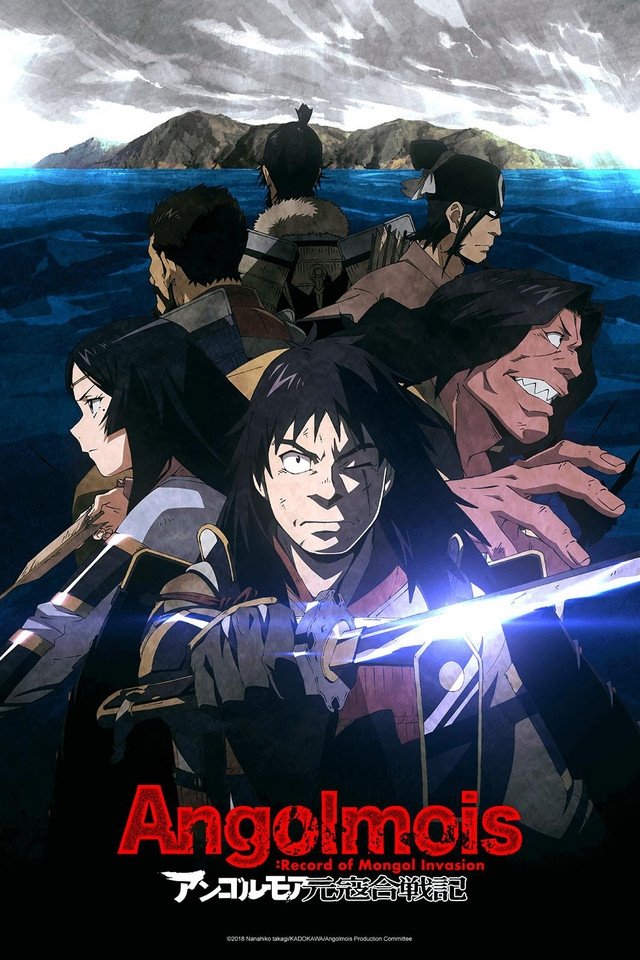
Defenders on a frontier island brace for an incoming invasion and rely on local knowledge to counter a much larger force. The story spends time on terrain, supply problems, and the careful placement of small units against disciplined troops.
Studio NAZ produced the series and applied a textured filter that evokes old scrolls. The visual identity supports the period setting while keeping action and troop movements easy to track.
‘Afro Samurai’ (2007)
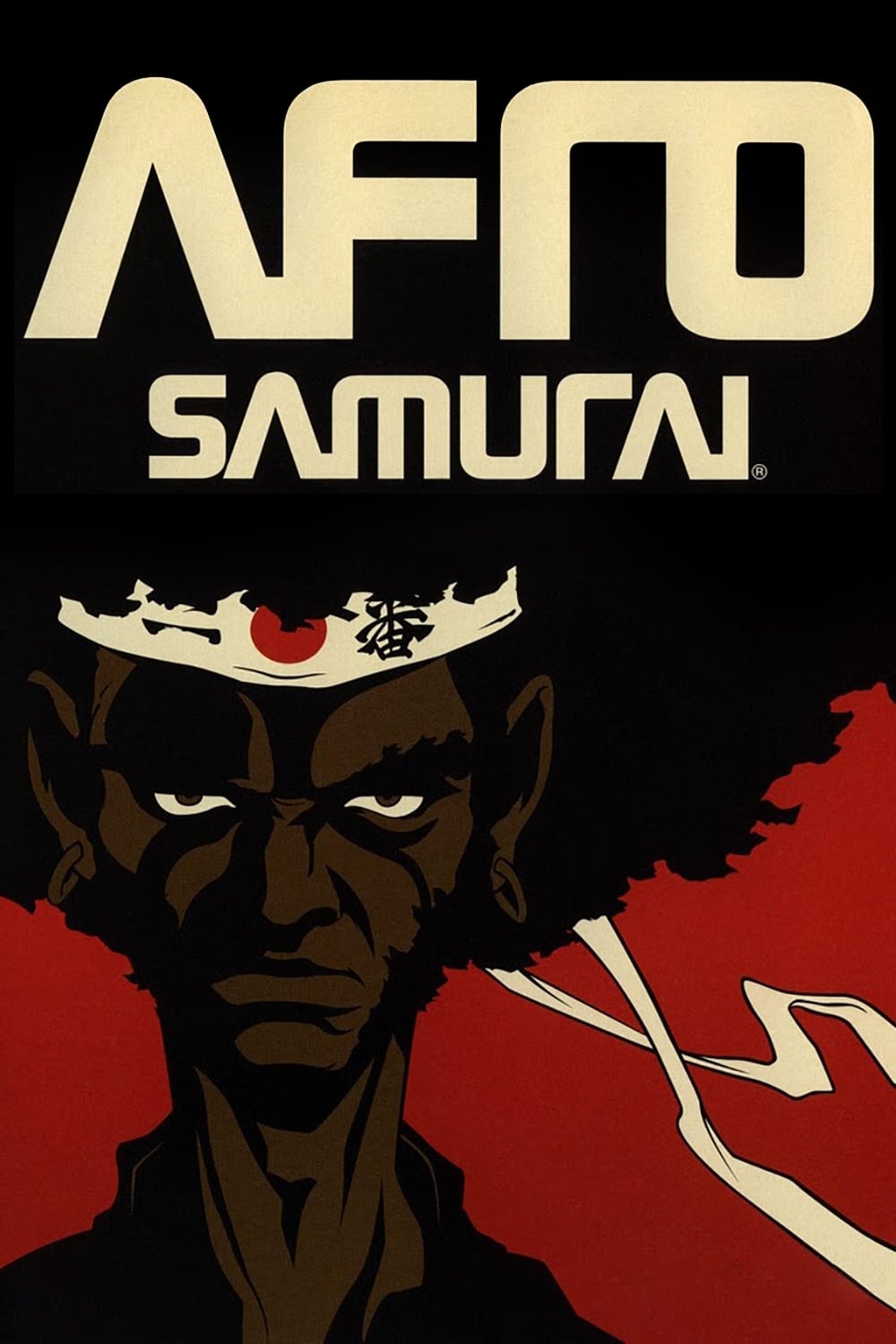
A swordsman seeks a title that many killers want, and the road to that goal is littered with challengers who strike from every angle. The series builds a compact tale where each encounter reveals more about the code that drives its lead.
Gonzo produced the show and delivered hard hitting choreography with confident editing. The studio’s work pairs clean poses with fast motion that makes each clash feel decisive.
‘Peacemaker Kurogane’ (2003)

This series follows a recruit who joins a special police force during a turbulent period in the capital. Missions involve guarding officials, infiltrating groups, and confronting assassins tied to larger political battles.
Gonzo produced the adaptation and brought a mix of grounded streets and candle lit meeting rooms. The studio’s layouts keep patrol routes and surprise attacks clear so viewers can follow how plans succeed or fail.
‘Hakuouki’ (2010)

A young woman searches for her missing father and meets a group of swordsmen whose duties place them at the center of lawkeeping in the city. The story mixes personal loyalties with assignments that grow more dangerous as factions harden.
Studio Deen produced the series and leaned into detailed uniforms and careful nighttime lighting. The studio’s attention to setting helps the historical backdrop frame each operation.
‘Katanagatari’ (2010)
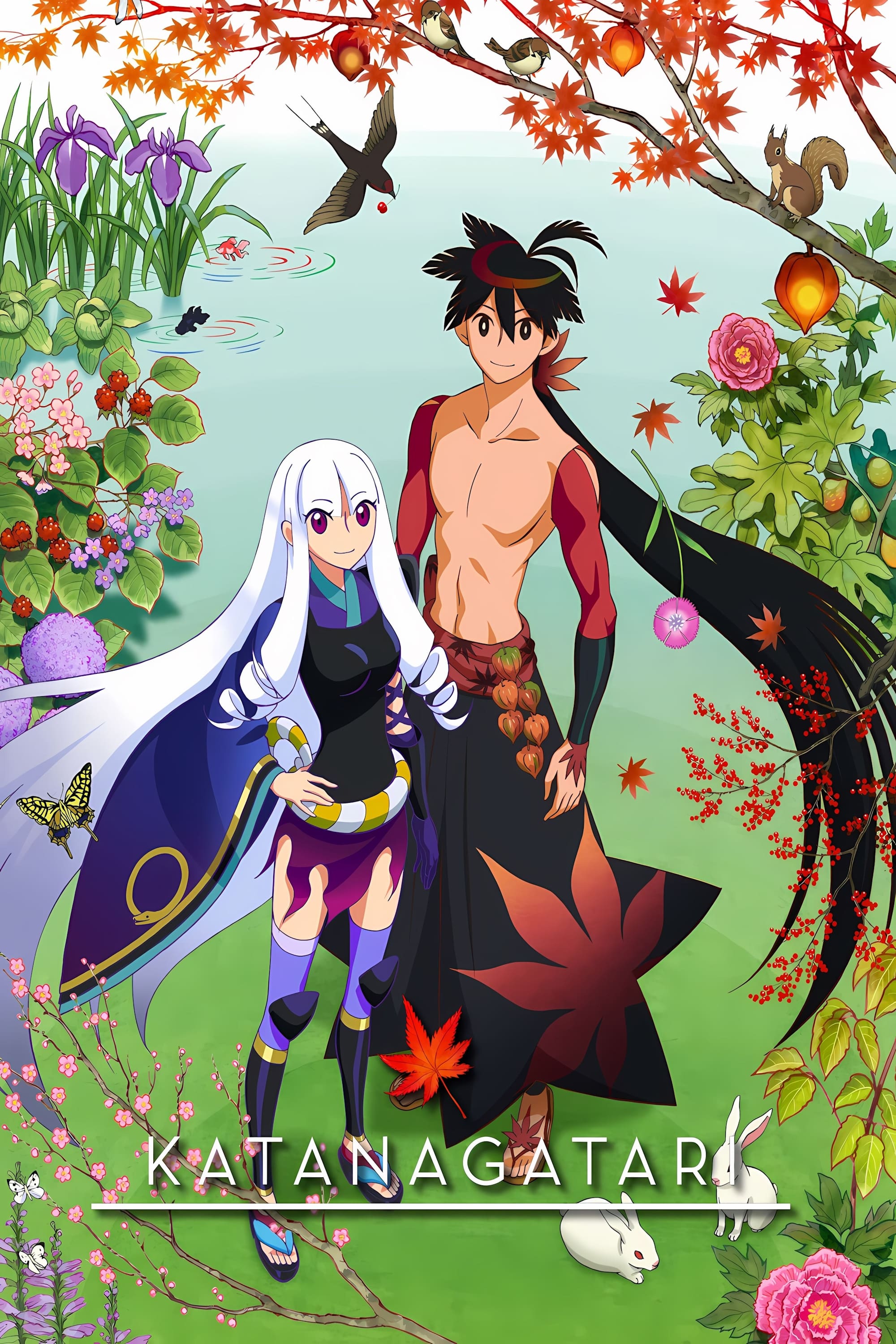
A strategist recruits a swordsman who fights without a blade to collect legendary weapons scattered across the land. Each episode focuses on a different encounter that tests tactics, resolve, and the meaning of strength.
White Fox produced the series and used a distinct color approach with clean geometric designs. The studio’s staging favors clear silhouettes and measured pacing that turns each duel into a thoughtful set piece.
‘Samurai 7’ (2004)

This reimagining brings together seven warriors hired to protect a village from bandits who return after the harvest. The narrative follows recruiting, training, and the final defense where clever positioning and cooperation matter.
Gonzo produced the series and blended traditional architecture with mechanical elements for a fresh look. The studio’s large scale battles balance wide shots of formations with close views of individual fights.
‘Yasuke’ (2021)
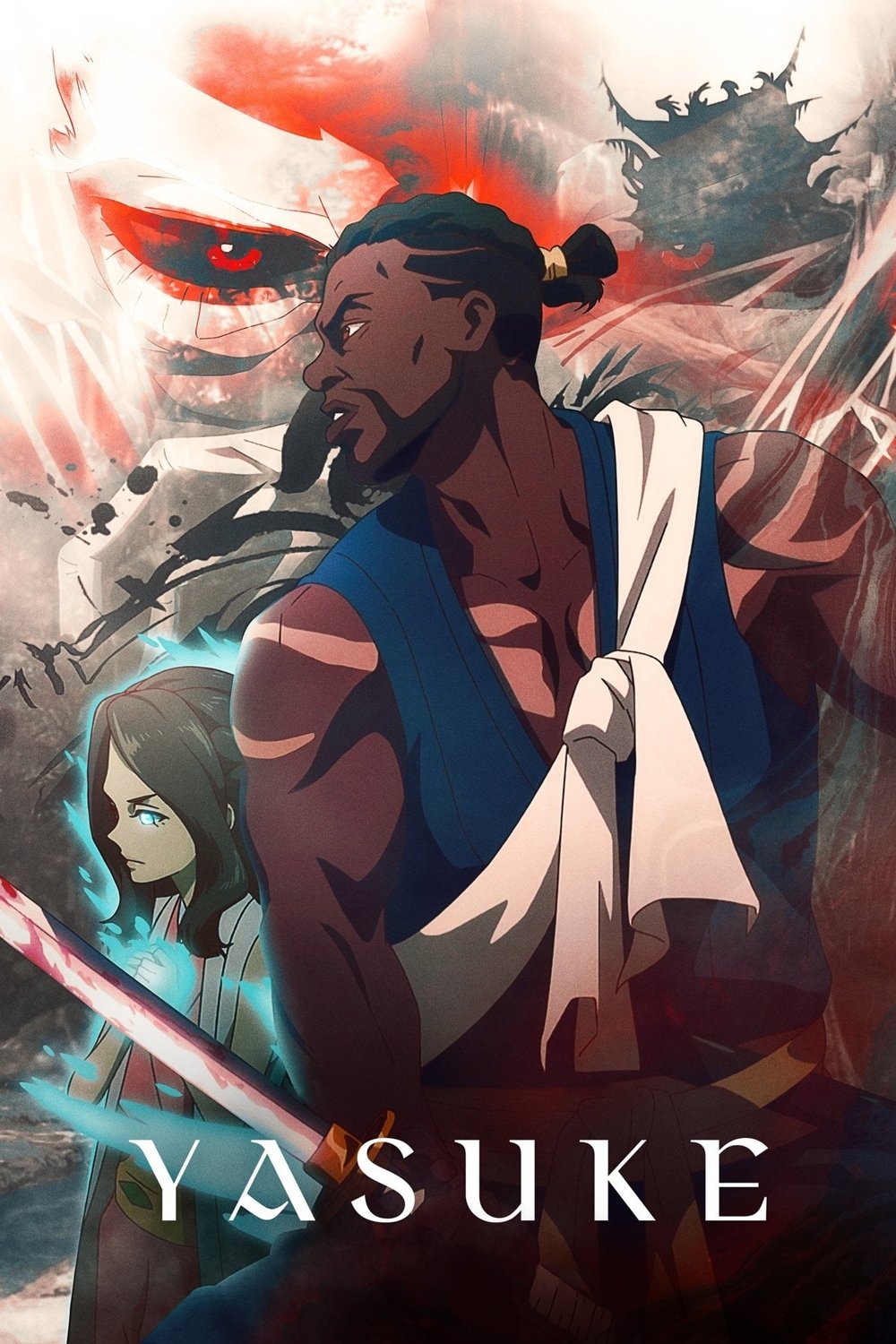
A former retainer tries to live quietly until a request forces him back into conflict. The plot moves through river towns and fortified estates and layers in threats that challenge both skill and purpose.
MAPPA produced the show and gave it bold character designs with crisp action beats. The studio’s animation keeps momentum high during sudden ambushes and convoy escorts.
‘Onimusha’ (2023)

A veteran swordsman undertakes a mission that leads to hidden experiments and corrupted foes. The journey links scattered strongholds and back roads where small teams push through tight defenses.
Sublimation produced the series and used a hybrid approach that supports detailed weapons work. The studio’s choices create clear motion in close quarters where timing and footwork decide outcomes.
‘Revenger’ (2023)
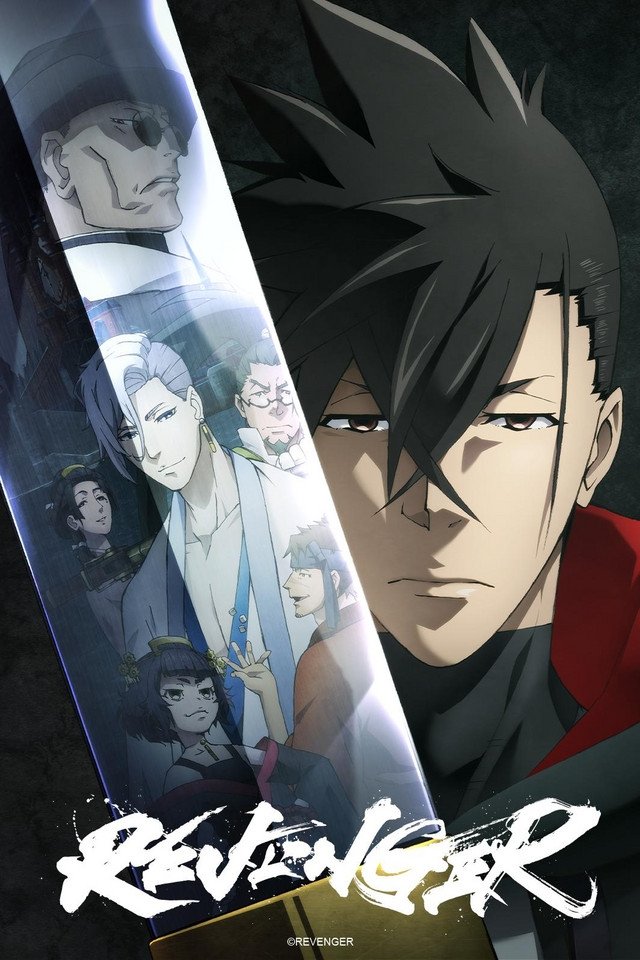
A craftsman becomes entangled with a group that takes on shadowy contracts while uncovering a larger scheme. Assignments take the team into warehouses, riverside markets, and estates that hide smuggling routes.
Ajia do Animation Works produced the series and emphasized moody lighting and clean linework. The studio’s presentation keeps covert operations legible and highlights how each member contributes unique skills.
‘Sengoku Basara’ (2009–2010)

Warlords gather armies across the countryside and famous commanders face off in set piece battles. The show leans into rivalries that play out through charges, duels, and shifting alliances.
Production I.G produced the adaptation and brought dynamic camera moves to sweeping battlefield scenes. The studio’s work makes cavalry surges and spear lines easy to read even when the action gets intense.
‘Carried by the Wind: Tsukikage Ran’ (2000–2001)
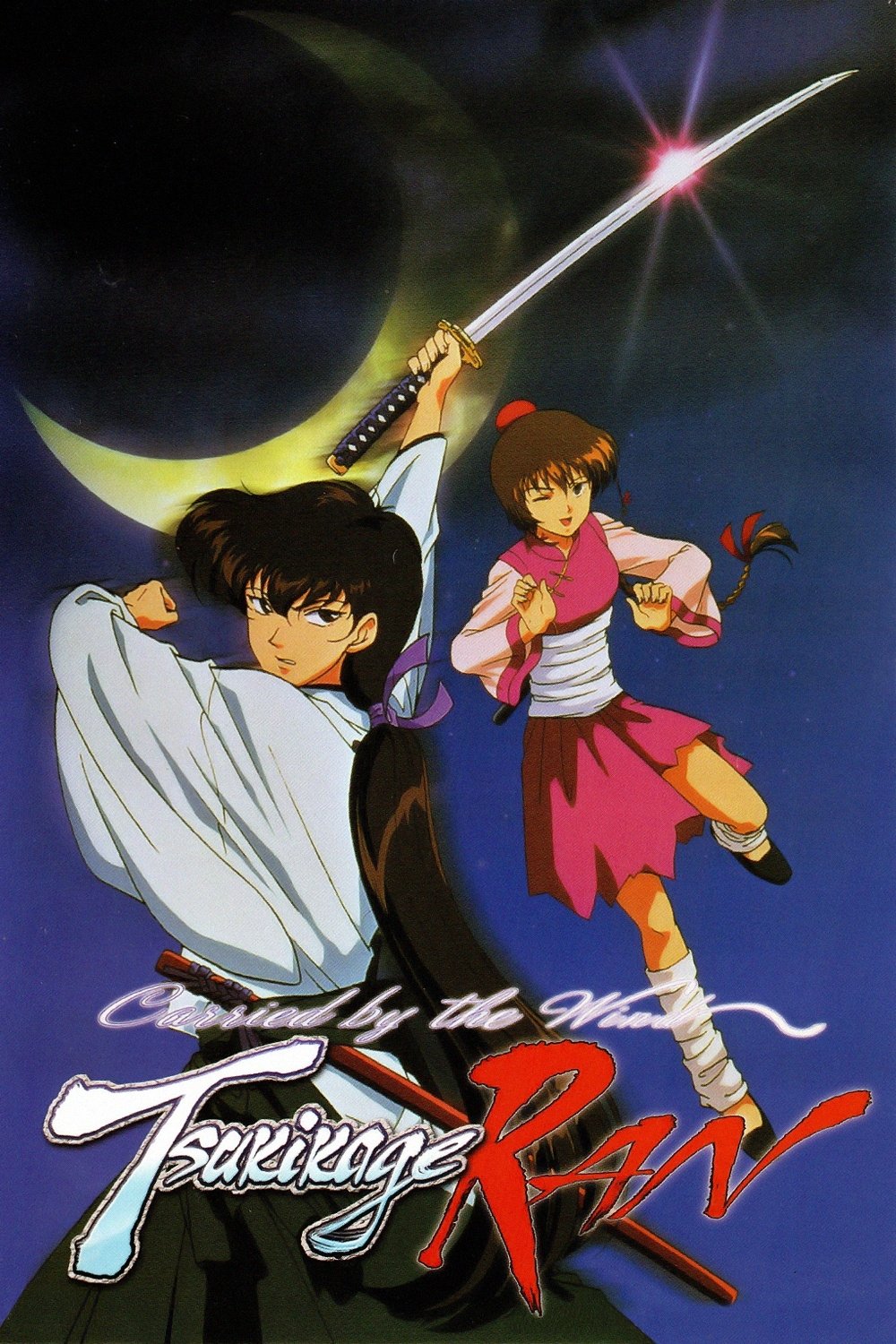
A wandering swordswoman and a martial artist travel together and help people they meet in small towns. Episodes often turn on local disputes where quick thinking and fast draws settle trouble.
Madhouse produced the series with lively choreography and clear comedic timing. The studio’s layouts keep short exchanges crisp and fun while preserving solid sword technique.
‘Mushibugyo’ (2013)

A young swordsman joins a government office tasked with protecting citizens from monstrous threats. The team handles patrols, escorts, and emergency responses inside a bustling city where duty can change by the hour.
Seven Arcs produced the series and delivered energetic set pieces with readable team tactics. The studio’s designs give each division member distinct abilities that fit well together during larger operations.
‘Kochoki: Young Nobunaga’ (2019)

This character driven take follows a future leader from youth to early command and shows how family dynamics and rival clans shaped his path. The story highlights training, alliances, and early campaigns that set up later power moves.
Studio Deen produced the series and focused on court attire, banners, and ceremonial spaces. The studio’s attention to details in meetings and councils helps explain how decisions turn into action on the field.
‘Gifū Dōdō!! Kanetsugu and Keiji’ (2013)

Two famed warriors navigate rivalries and shifting loyalties during a volatile era. The show blends battlefield leadership with scenes that reveal how friendships and pride influence strategy.
Studio Deen produced the adaptation and used bold linework that suits larger than life personalities. The studio’s staging gives speeches, duels, and marches a clear sense of scale.
Share your favorite picks from these samurai tales in the comments and tell everyone which ones you think deserve more attention.