‘The Law of Beasts’ Ending Explained: The Finale Leaves Viewers Haunted by One Brutal Courtroom Choice

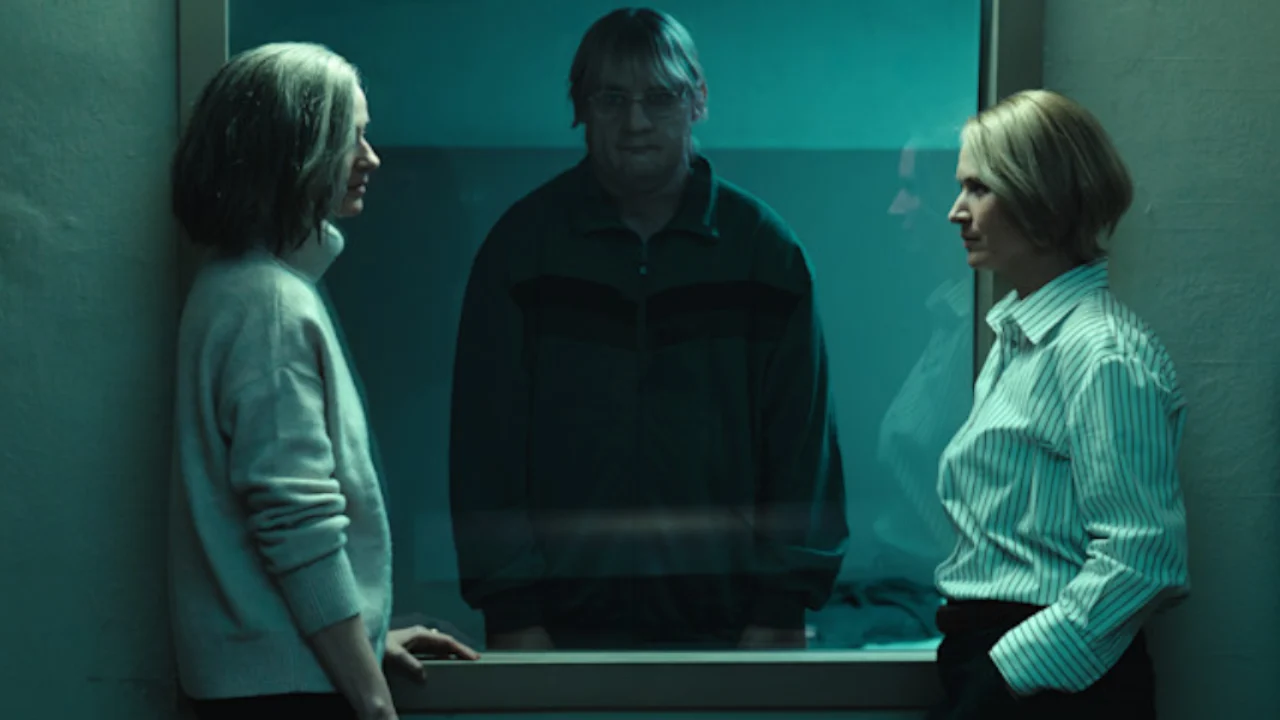
Netflix’s four part Polish drama ‘The Law of Beasts’, known in Poland as ‘Prawo bestii’, arrived on November 18. Directed by Kasper Bajon, it is a drama about the limits of justice and friendship, in which a 1988 case involving serial child murders divides two close friends. The final episode ties both of its timelines together, and it does so without handing viewers a tidy victory.
If you finished the last episode and sat staring at the credits, you are not alone. The ending of ‘The Law of Beasts’ is quiet, restrained and deliberately uncomfortable. Here is what actually happens, what it means, and why it lingers.
The Ending Explained
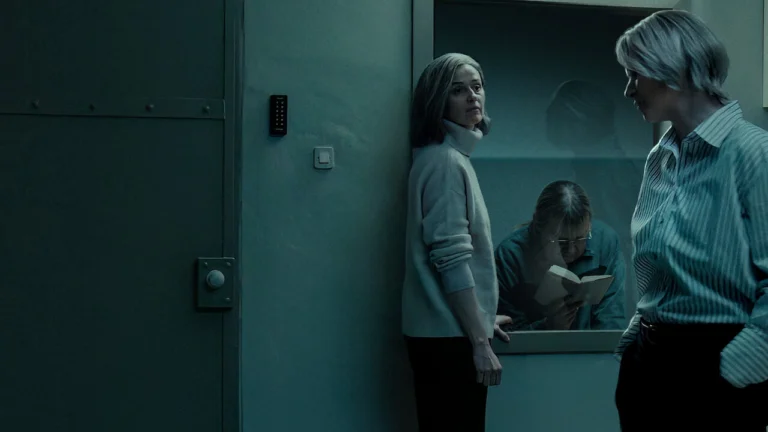
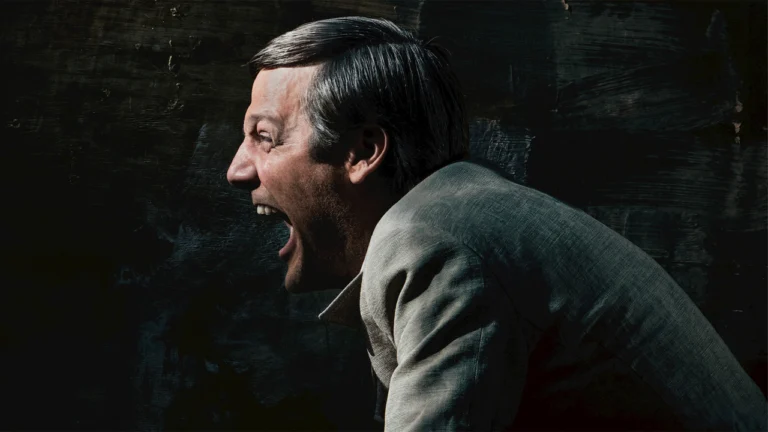
The series moves between 1988 and 2014, following Major Anna Bersz, who leads the murder investigation, and her friend, the psychiatrist Agnieszka Grabska, who assesses the main suspect, Mariusz Trynkiewicz. Twenty five years later, Anna is a senior government official and Agnieszka a respected psychiatric expert, and the case comes back as Trynkiewicz nears the end of his sentence.
The finale finally reveals the secret behind their broken bond. In 1988, Anna pressed her friend hard, and Agnieszka signed an assessment supporting full criminal responsibility, which helped bring a death sentence. Then Poland’s political transformation changed everything, and that sentence was commuted to a fixed term of 25 years. The outcome Anna fought for ended up creating the very problem she feared.
That real world backdrop matters, because work on the legislation began as release dates approached for serial killers whose death sentences had been converted to 25 years after 1989. The drama turns that legal headache into a deeply personal reckoning. It asks what happens when yesterday’s urgent decision becomes tomorrow’s crisis.
Anna and Agnieszka’s Friendship and the Courtroom Showdown
The emotional peak comes in court. Anna needs a convincing psychiatric assessment to support the state’s position, but this time Agnieszka refuses to deliver a politically convenient opinion. She acknowledges the seriousness of his psychological profile, yet insists that psychiatry cannot become a tool for extending a punishment that has legally ended.
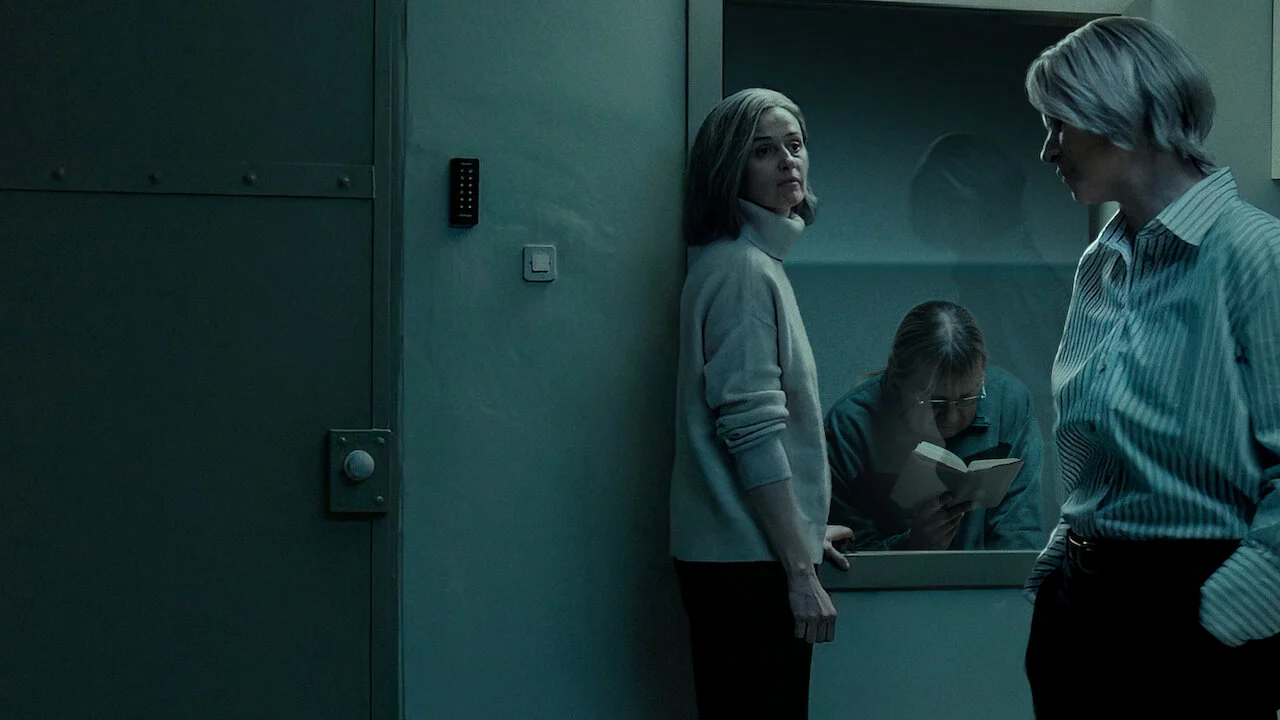
That distinction is the heart of the finale. Agnieszka is not defending Trynkiewicz or softening what he did. She is defending the boundaries of her profession, and in doing so she corrects the compromise she made decades earlier.
There is no grand apology or tearful reunion afterward. Outside the courthouse, the two women simply walk away in opposite directions. It is a cold, honest image, and it suggests the friendship may never fully heal even though both finally own their choices.
What Happens to Trynkiewicz at Gostynin?
The court’s decision sends Trynkiewicz from prison to the National Centre for the Prevention of Dissocial Behaviours in Gostynin, a closed institution created under the legal framework known as the Beasts Act. In practical terms, Anna gets what she wanted, since he does not walk out as an ordinary free man.
Still, the series refuses to frame this as a clean win. The transfer does not erase the earlier failures of the justice system or repair the friendship, and it leaves a nagging question about how such a mechanism might be used against someone else in the future. The state solves its immediate problem while the larger debate stays wide open.
Agnieszka’s honest testimony does not block that outcome either, because the authorities have to build their case through a lawful process rather than lean on an expert to say what they want to hear. That subtle point is what keeps the ending from feeling like a simple moral lecture. Both women are partly right, and neither gets to feel comfortable about it.
Is ‘The Law of Beasts’ a True Story?
The series is inspired by the case of Mariusz Trynkiewicz and the events that led to the passing of the so called Beasts Act. However, Netflix stresses that both heroines and their friendship were invented for the show. Agnieszka Grochowska plays Anna, a militia major investigating the murders of four boys.
The lead cast also features Agnieszka Żulewska and Michał Pawlik. Bajon wrote the script with Anna Kasińska and also directed, while Edyta Krajewska handled production. That fictional friendship gives the creative team room to explore the moral cost of the case without claiming to reenact private conversations.
As for more episodes, Netflix has not confirmed a second season, and the production is presented as a four part limited drama. Given how deliberately the final scenes close the central argument, that feels like the right call. Anna’s insistence on protecting the public and Agnieszka’s insistence on protecting the rules are both defensible, so which of them do you think the series ultimately sides with, and did that last walk outside the courthouse feel like the only honest way to end their story?