10 Anime Characters Who Were Not Meant To Be Popular – but Became Icons


Some anime characters start as side players, early arc antagonists, or even one-off curiosities—only to surge into the spotlight and reshape entire franchises. Their creators didn’t design them to carry the brand or dominate merchandise, but audience response, narrative pivots, and industry decisions turned them into fixtures you can’t imagine the medium without.
Below are ten characters whose breakout status changed marketing plans, inspired spin-offs, or redirected storylines. Each rose from modest beginnings to become an emblem for their series, showing how fan energy and clever storytelling can transform supporting roles into cultural touchstones.
Pikachu

Introduced as one of many collectible species in the original games, Pikachu wasn’t positioned as the franchise’s default face. Selection for the lead partner in the ‘Pokémon’ anime put the character in front of global audiences each week, establishing a consistent on-screen presence that connected games, trading cards, and broadcast television into a single brand identity.
That visibility translated into near-universal recognition, with Pikachu appearing across console launches, special episodes, and tie-in features. The character’s central placement in cross-media projects—including anime films and event programming—cemented its status as the de facto mascot of ‘Pokémon’.
Vegeta

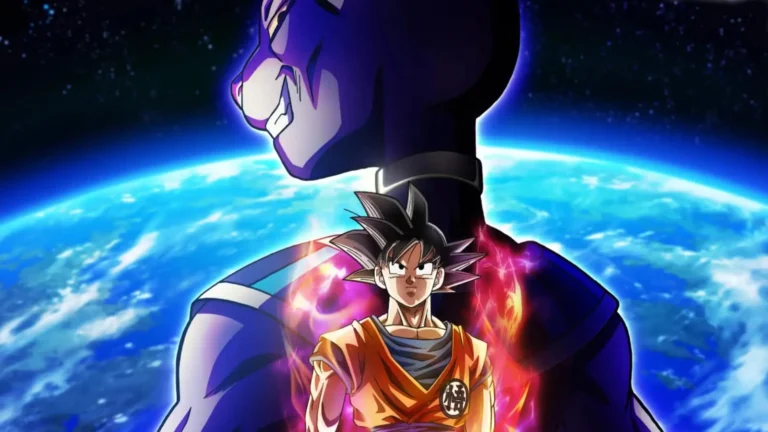
Vegeta entered ‘Dragon Ball Z’ as a primary antagonist built to test the hero’s limits. Story arcs preserved his rivalry even after the villain phase ended, opening room for new transformations, alliances, and family dynamics that integrated him into the core cast.
Sustained narrative importance led to headlining roles in major battles, frequent franchise films under the ‘Dragon Ball’ banner, and extensive product lines. Popularity polls and promotional campaigns consistently positioned him alongside the main protagonist, reflecting a shift from temporary foe to foundational series pillar.
Hiei

Hiei first appeared in ‘Yu Yu Hakusho’ as a compact, dangerous opponent with limited screen time. Audience response and the character’s power set encouraged his transition from adversary to teammate, expanding his involvement through successive arcs and formalizing his place on the central squad.
That move unlocked backstory exploration, signature techniques, and highlight duels that became staples of home video compilations and official artwork. Hiei’s image circulated widely on licensed goods and re-release packaging, marking a notable trajectory from early-arc villain to one of the franchise’s most marketable fixtures.
Rem

Rem arrived in ‘Re:Zero − Starting Life in Another World’ as a supporting character within a larger ensemble. After a key storyline detailed her history, loyalties, and combat abilities, she emerged as a narrative driver whose presence influenced subsequent plot decisions and character motivations.
Her breakout led to dedicated side stories in the light novels, prominent roles in OVA projects like ‘Memory Snow’, and a sustained wave of figures, apparel, and collaboration items. Rem’s prominence in official campaigns reshaped how the series was presented to newcomers, particularly in international markets for ‘Re:Zero − Starting Life in Another World’.
Levi Ackerman

Levi was introduced in ‘Attack on Titan’ as the elite captain of a specialized squad, positioned to showcase tactical excellence rather than headline the series. Distinct battlefield sequences and a defined leadership role created opportunities for deeper exploration without altering the protagonist’s centrality.
The franchise expanded his profile with the backstory prequel ‘Attack on Titan: No Regrets’, covering both manga and OVA formats, and featured him heavily in exhibitions and branded partnerships. Levi’s silhouette, gear, and insignia became recurring motifs across licensed goods, illustrating how a unit commander evolved into a visual shorthand for ‘Attack on Titan’.
Megumin

In ‘KonoSuba: God’s Blessing on This Wonderful World!’, Megumin began as a party member with a singular, impractical spell that functioned as a recurring gag. The character’s ritualized casting, in-party dynamics, and mission outcomes built a routine that editors and producers could spotlight across episodes.
That recognizability led to the light novel prequel ‘KonoSuba: An Explosion on This Wonderful World!’ and its anime adaptation, giving Megumin center stage. She became a fixture of event promotions and collaborative merchandise under the ‘KonoSuba: God’s Blessing on This Wonderful World!’ label, extending influence well beyond her original supporting slot.
Reigen Arataka

Reigen entered ‘Mob Psycho 100’ as the mentor who frames the protagonist’s everyday life, with early scenes designed to explain world rules and set up conflicts. Over time, episodes expanded his business operations, personal code, and problem-solving methods, allowing him to anchor plot resolutions and thematic payoffs.
The compilation film ‘Mob Psycho 100 Reigen: The Miraculous Unknown Psychic’ and frequent marketing features positioned him as a co-equal face of the brand. Appearances on official key art, goods, and event programming illustrate how a mentor character became synonymous with the identity of ‘Mob Psycho 100’.
Buggy the Clown

Buggy debuted in ‘One Piece’ as an early-arc pirate captain intended to test the crew’s growing abilities. Rather than fade, he reappeared at pivotal moments, linking prison breakouts, grand battles, and post-war developments that steadily raised his profile within the world’s power structure.
Those returns enabled formal status changes inside the story and the creation of Buggy’s own enterprise, which expanded his influence across multiple territories. The character’s distinctive design and recurring gags turned into a merchandising staple, from figures to apparel, ensuring a long shelf life in ‘One Piece’ promotions.
Kaworu Nagisa

Kaworu appeared late in ‘Neon Genesis Evangelion’ with a brief on-screen window that recontextualized themes and character arcs. Despite limited initial airtime, soundtrack cues, visual symbolism, and key conversations gave the role outsized narrative weight relative to the episode count.
Subsequent projects, including the ‘Rebuild of Evangelion’ films, expanded his appearances and integrated him into new sequences, art books, and promotional cycles. Kaworu’s iconography—costumes, poses, and leitmotifs—became standard across licensed goods, securing a prominent place in ‘Neon Genesis Evangelion’ legacy materials.
Rohan Kishibe

Rohan entered ‘JoJo’s Bizarre Adventure: Diamond is Unbreakable’ as a local manga artist whose abilities supported arc-specific mysteries. The character’s creative profession and unique stand opened a broad range of episodic stories, allowing writers to explore self-contained dilemmas with a consistent tone and setting.
That flexibility led to the spin-off series ‘Thus Spoke Kishibe Rohan’, adapted into OVA installments and a live-action TV drama. Rohan now appears frequently in exhibitions, art collections, and collaboration campaigns, representing an extended branch of the ‘JoJo’s Bizarre Adventure: Diamond is Unbreakable’ brand beyond the core plotline.
Share your picks for characters who quietly stole the spotlight—and tell us why—in the comments!