20 Best Anime You’ve (Probably) Never Heard Of


Some anime slip under the radar even though they’ve got memorable worlds, striking art, or unusual storytelling. This list gathers shows and films that quietly built dedicated followings, influenced creators, or tried bold ideas that don’t always show up in the usual recommendation loops. You’ll find offbeat science-fiction, moody character studies, and a few one-off movies that feel like they were made in their own little universes.
Each pick includes a quick, practical rundown—what it’s about, who made it, how it’s structured, and what makes it distinct—so you can decide fast whether it belongs on your watchlist. Titles are presented with their release years in the headings and with single quotes everywhere in the text so you can scan and search with ease.
‘Kaiba’ (2008)
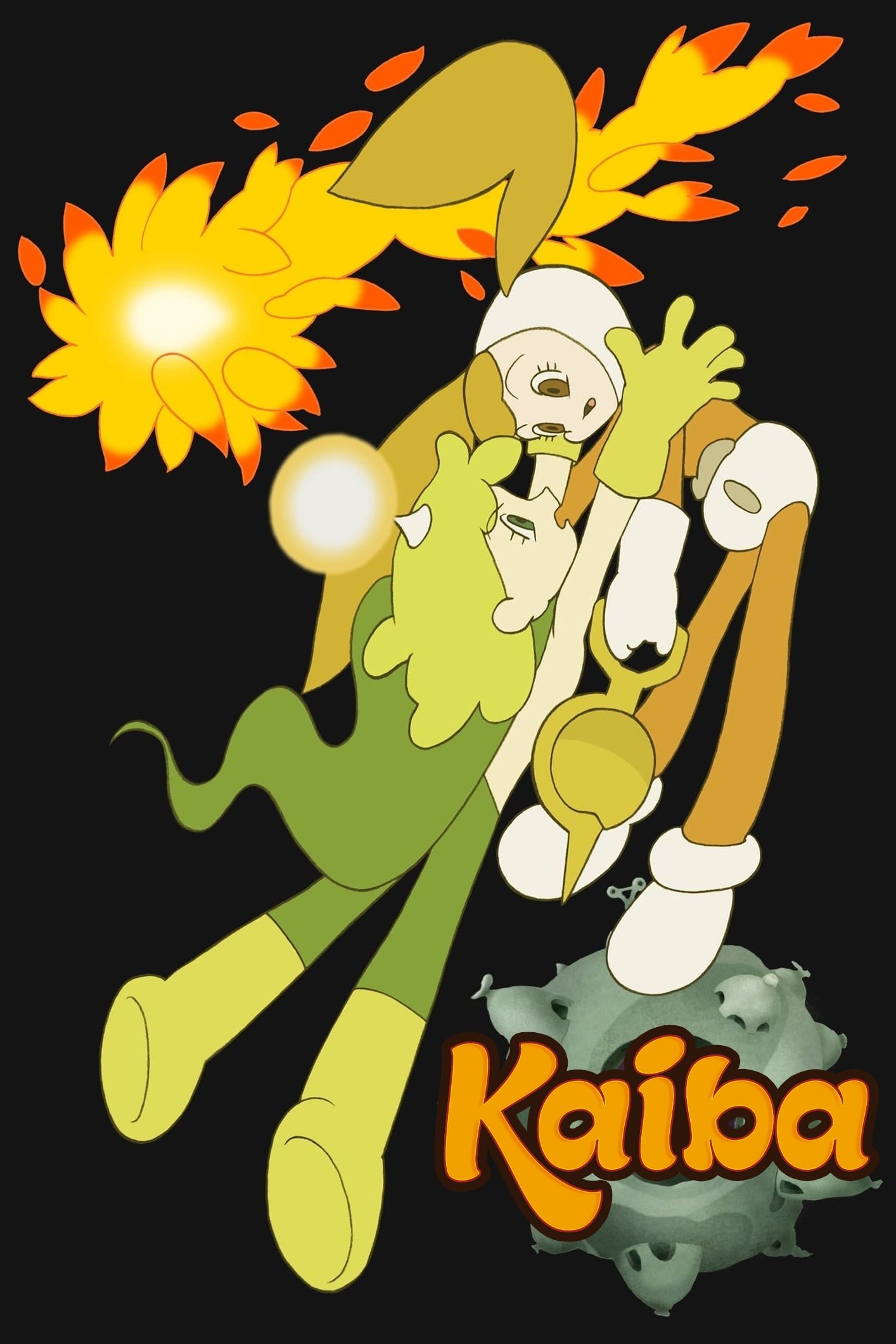
Masaaki Yuasa and Madhouse set ‘Kaiba’ in a far-future society where memories are digitized and bodies are disposable, following an amnesiac who wakes with a heart-shaped hole in his chest and a mysterious locket. The series blends whimsical, rounded character designs with a deliberately sparse world to explore identity, class divides, and memory trafficking across planet-hopping episodes.
‘Kaiba’ runs 12 episodes with largely self-contained journeys that tie back into an overarching conspiracy. The soundtrack by Kiyoshi Yoshida leans on minimalist motifs, and the show’s visual language—limited shading, simple shapes, and surreal transitions—serves the story’s focus on memory continuity and body swapping.
‘Den-noh Coil’ (2007)
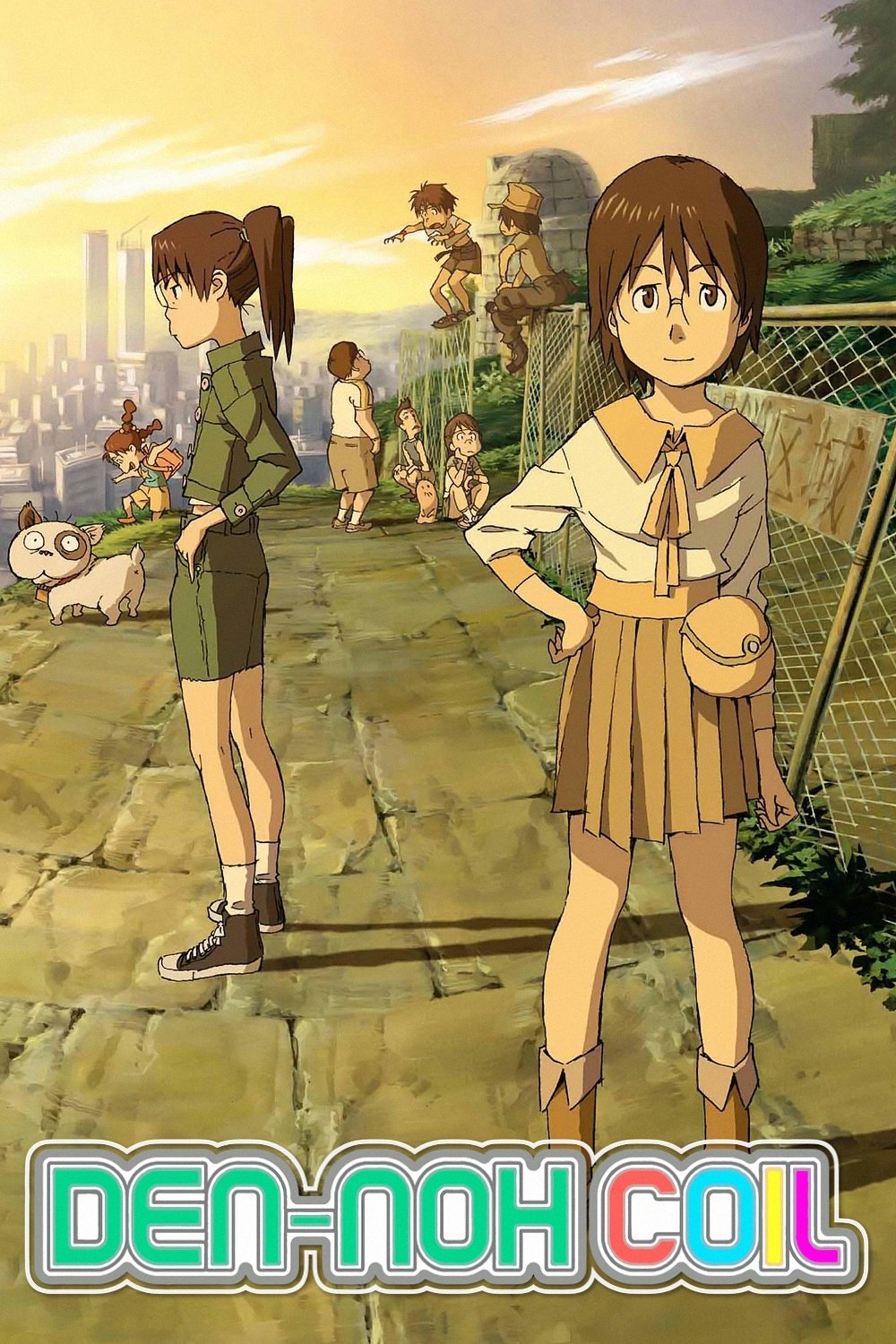
Written and directed by Mitsuo Iso with animation support from Madhouse, ‘Dennou Coil’ imagines an augmented-reality town where kids use retro-futurist glasses to overlay pets, tools, and “illegals” on everyday streets. It mixes urban exploration with digital folklore, treating AR glitches like local spirits with rules that can be investigated and exploited.
Across 26 episodes, ‘Dennou Coil’ steadily shifts from playful scavenger hunts to deeper mysteries about lost data, family, and the social rules of ubiquitous computing. Its toolkit of virtual artifacts—handles, metabugs, and filters—builds a consistent tech mythology that rewards careful attention from episode to episode.
‘Haibane Renmei’ (2002)
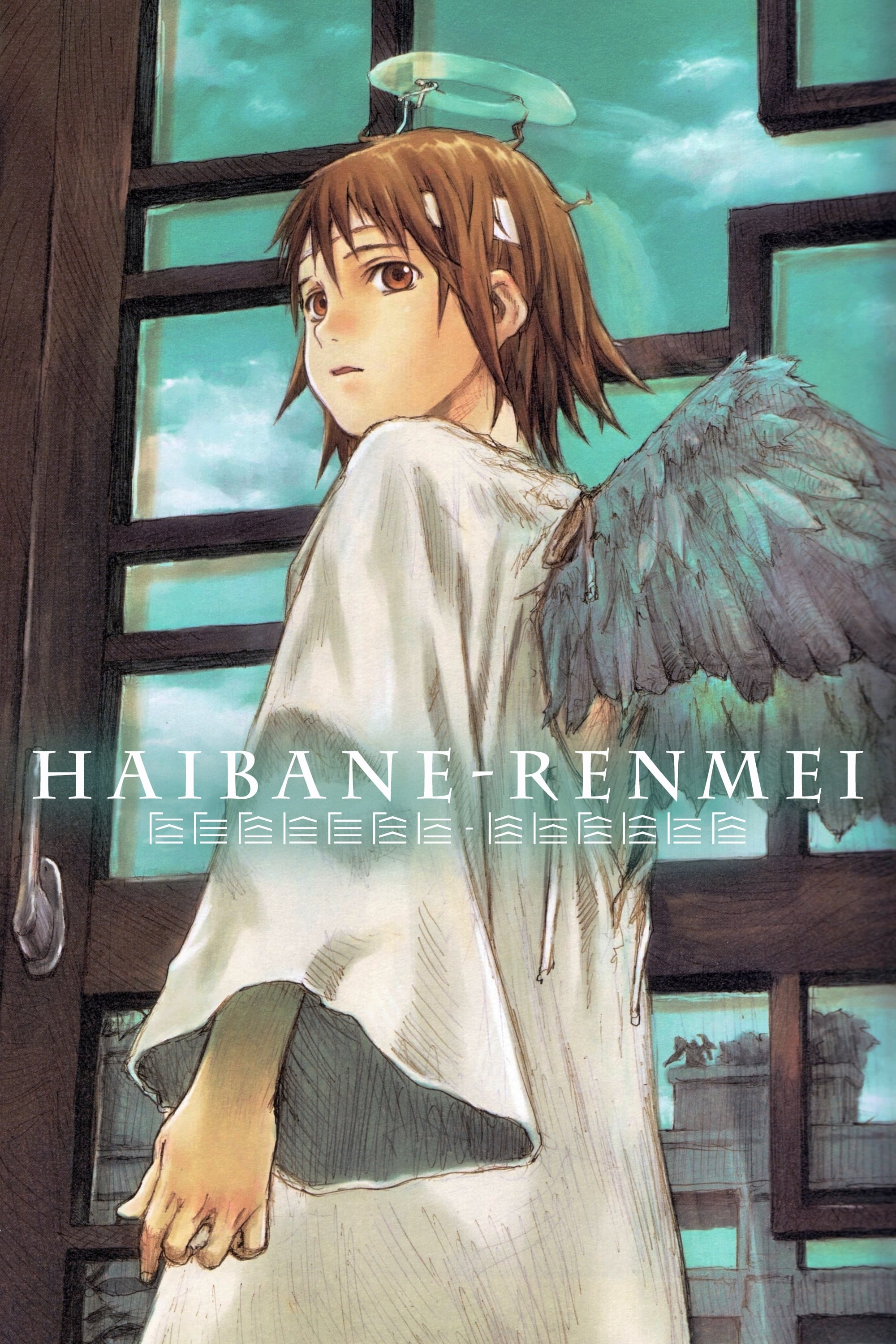
Created by Yoshitoshi ABe and produced by Radix, ‘Haibane Renmei’ follows haloed “Haibane” who awaken from cocoons in a walled town with no memory of their past lives. The series walks through work assignments, community rituals, and strict rules enforced by the titular Renmei to examine guilt, belonging, and quiet redemption.
The 13-episode structure features small, local conflicts that gradually point to the meaning of “Day of Flight,” a rite of passage central to the town’s rhythms. Gentle sound design and gray-green palettes reinforce the insular setting, while ABe’s designs keep characters grounded and expressive without high-action set pieces.
‘The Tatami Galaxy’ (2010)
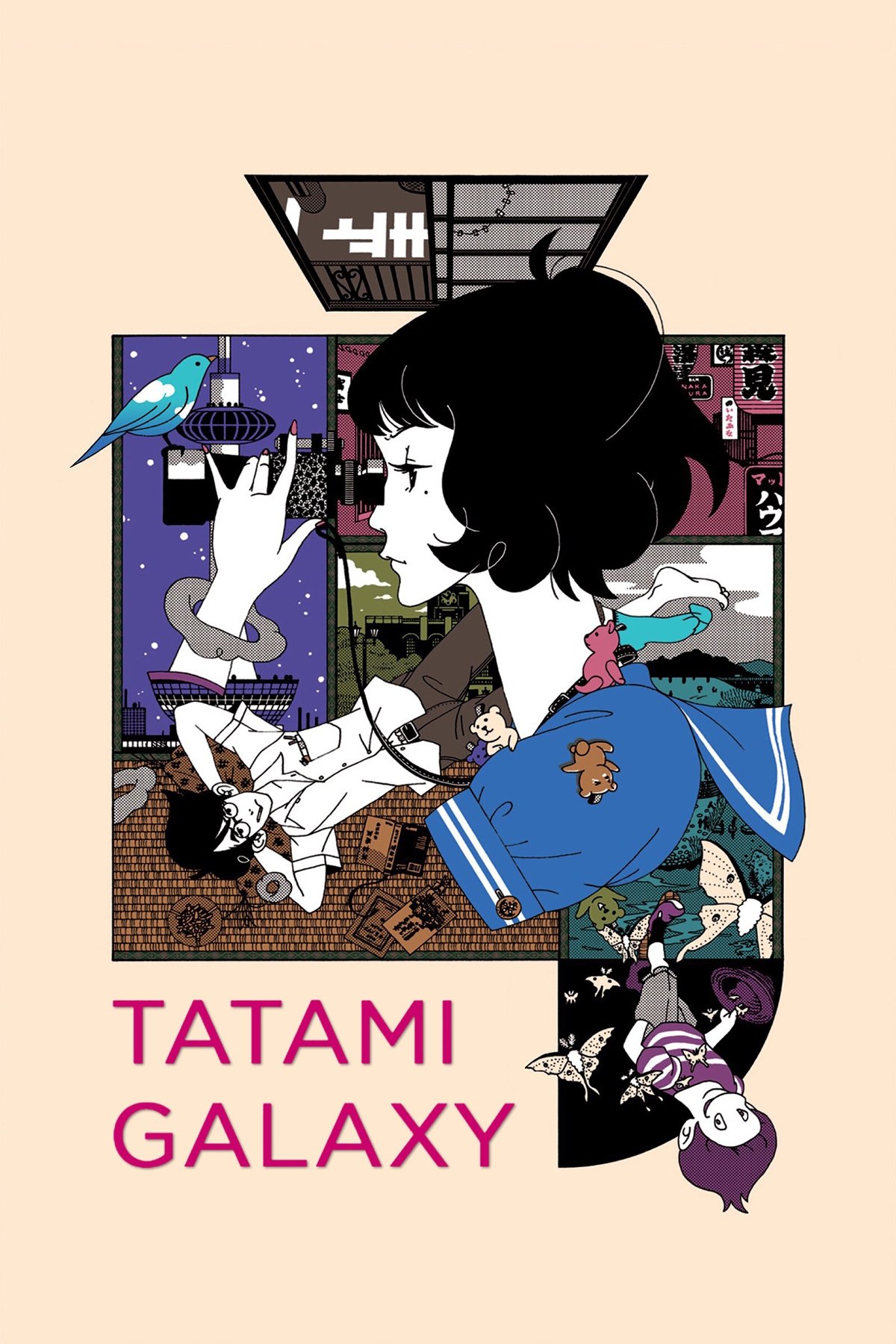
Based on Tomihiko Morimi’s novel and directed by Masaaki Yuasa at Madhouse, ‘The Tatami Galaxy’ follows an unnamed university student looping through alternate campus club choices that spiral into wildly different social circles. Rapid-fire narration, collage backgrounds, and match-cut transitions create a visual shorthand for branching timelines and repeated mistakes.
Its 11 episodes each reset the premise while preserving character archetypes—best friend, crush, mentor—so differences in choices become easy to track. The recurring motifs of cramped four-and-a-half tatami rooms, festival stalls, and a certain black cat act like anchor points across variations.
‘Ping Pong the Animation’ (2014)
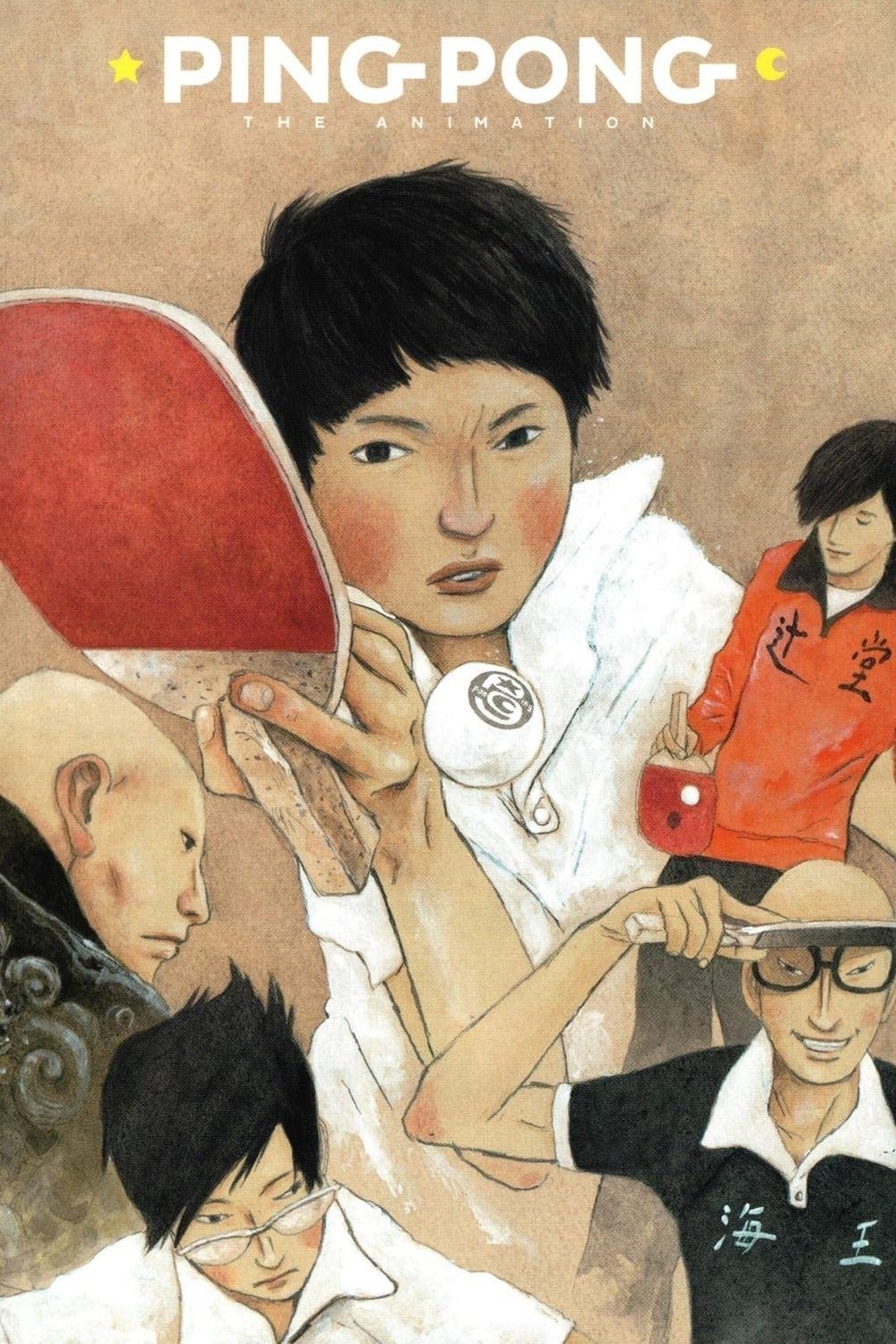
Tatsunoko Production adapts Taiyō Matsumoto’s manga into ‘Ping Pong the Animation’, focusing on two childhood friends whose contrasting temperaments shape their paths through high-school table tennis. Loose linework, on-model distortions, and split-screen layouts emphasize rhythm, footwork, and mental momentum rather than photorealistic motion.
Across 11 episodes, the series uses tournament brackets as a framework for character studies—coaches, rivals, and prodigies—without losing sight of training details like serves, counters, and conditioning. The soundtrack switches between diegetic gym noises and driving instrumentals to underline pacing during rallies.
‘Kino’s Journey’ (2003)
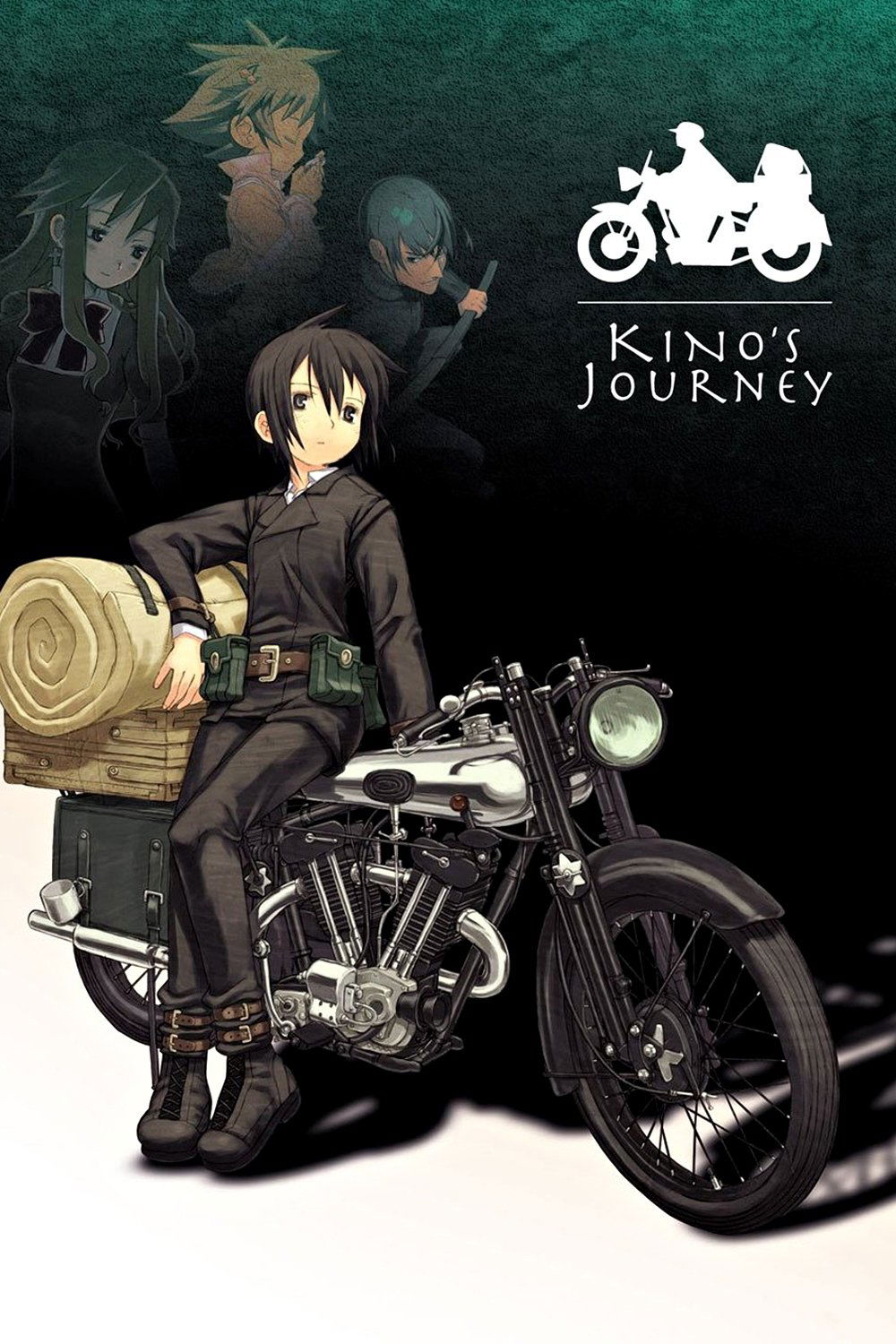
Produced by A.C.G.T and adapted from Keiichi Sigsawa’s light novels, ‘Kino’s Journey’ centers on a traveler and a talking motorcycle visiting countries with singular laws or customs. Each episode works as a parable, presenting a self-contained culture with explicit rules that Kino observes rather than reforms.
The show’s 13 episodes keep a strict format: three-day stays, a survey of the land’s defining principle, and a departure that leaves systems intact. Sparse dialogue and careful props—firearms, tools, camping gear—underscore Kino’s preparedness and neutrality across environments.
‘Tekkonkinkreet’ (2006)
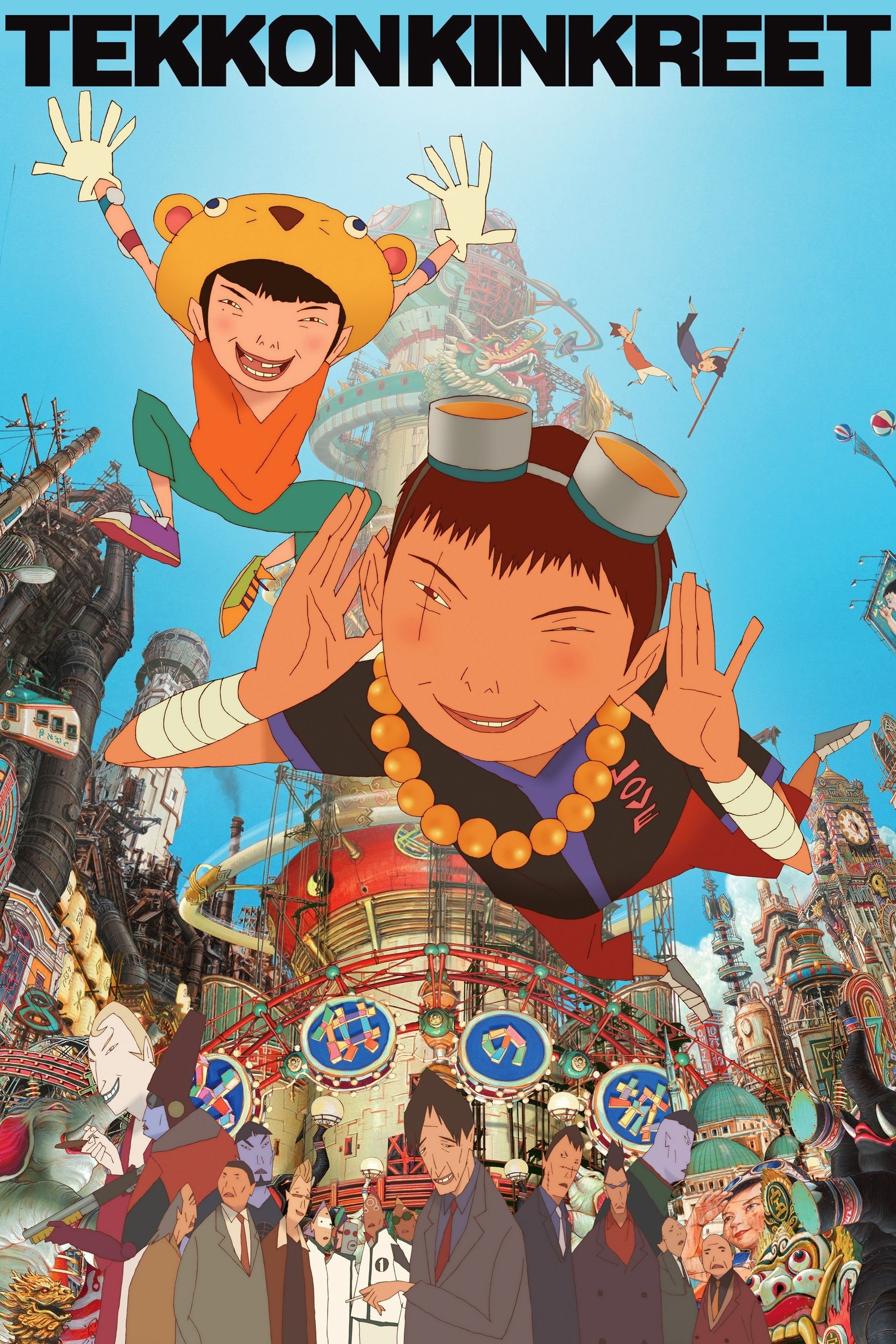
Studio 4°C’s ‘Tekkonkinkreet’, directed by Michael Arias from Taiyō Matsumoto’s manga, follows two street orphans, Black and White, protecting a decaying city from developers and gangs. The film’s hand-drawn textures layer over 3D layouts to produce dense urban vistas with shifting depth cues.
Production emphasizes environmental storytelling—signage, rooftop junk, and alley clutter map social strata without heavy exposition. Character animation prioritizes weight and inertia in chases and fights, while the chemical-wash color grading shifts with scene mood to reflect the city’s changing control.
‘Girls’ Last Tour’ (2017)
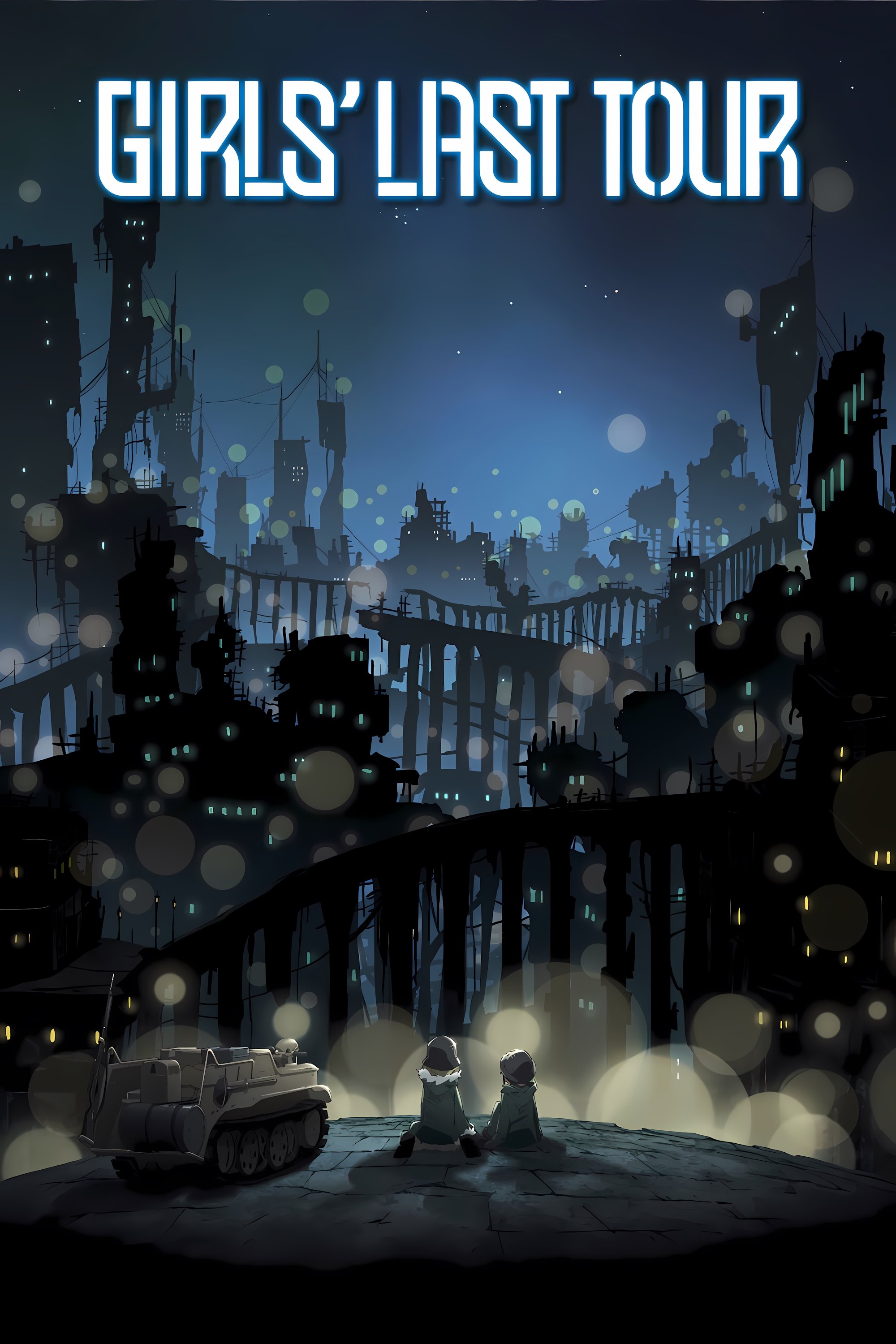
White Fox adapts Tsukumizu’s manga into ‘Girls’ Last Tour’, a quiet, post-industrial road story about two girls crossing abandoned megastructures in a small tracked vehicle. The show catalogues tools, rations, and improvised fixes as much as conversations, building a practical routine around travel and scavenging.
Over 12 episodes, the series introduces pockets of automated infrastructure that still function—food machines, lifts, and factories—and treats each discovery as a case study in forgotten systems. The soundscape leans on mechanical ambience, emphasizing scale and emptiness as the girls move upward through tiers of the city.
‘Paranoia Agent’ (2004)
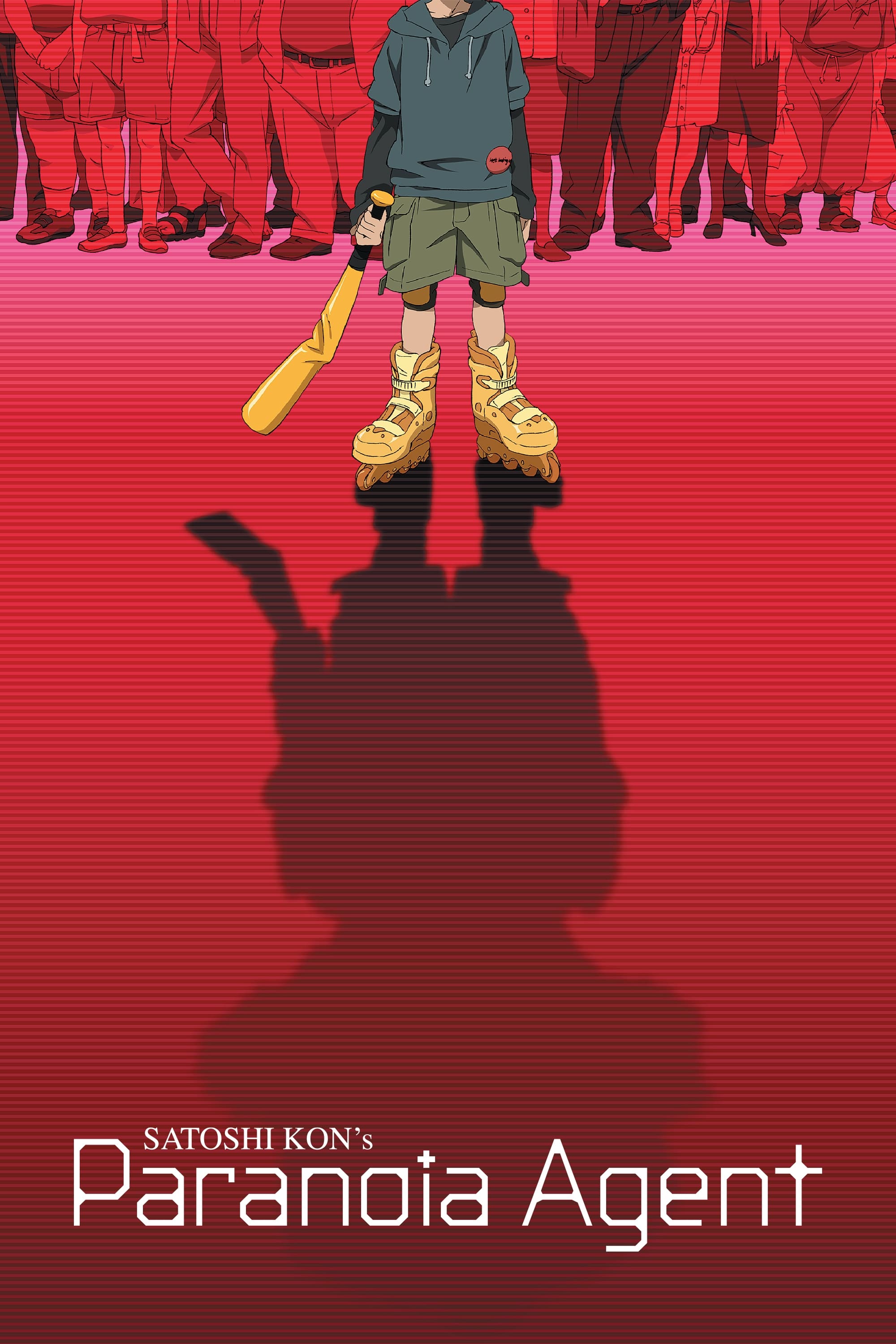
Created by Satoshi Kon at Madhouse, ‘Paranoia Agent’ connects an anthology of urban legends through a figure known as Shōnen Bat. Each episode profiles a different person whose stress or secrets manifest in sightings, with police detectives threading the cases together.
The 13-episode run experiments with format—news segments, animation style shifts, and dream logic—while keeping consistent character models and a central investigation. Recurring props and slogans function as symbolic links, allowing later episodes to reinterpret earlier events without breaking continuity.
‘Ergo Proxy’ (2006)

Manglobe’s ‘Ergo Proxy’ takes place in domed cities where humans live alongside AutoReiv androids governed by layered social contracts. An inspector and a mysterious immigrant trace murders and disappearances that point to experiments involving entities called Proxies.
Across 23 episodes, the series blends investigative procedure with philosophical dialogue, continually returning to biometric systems, memory auditing, and mask iconography. Grimy textures, Latin-laced titles, and recurring radio chatter form a consistent aesthetic that carries through travel arcs and bottle episodes alike.
‘Planetes’ (2003–2004)
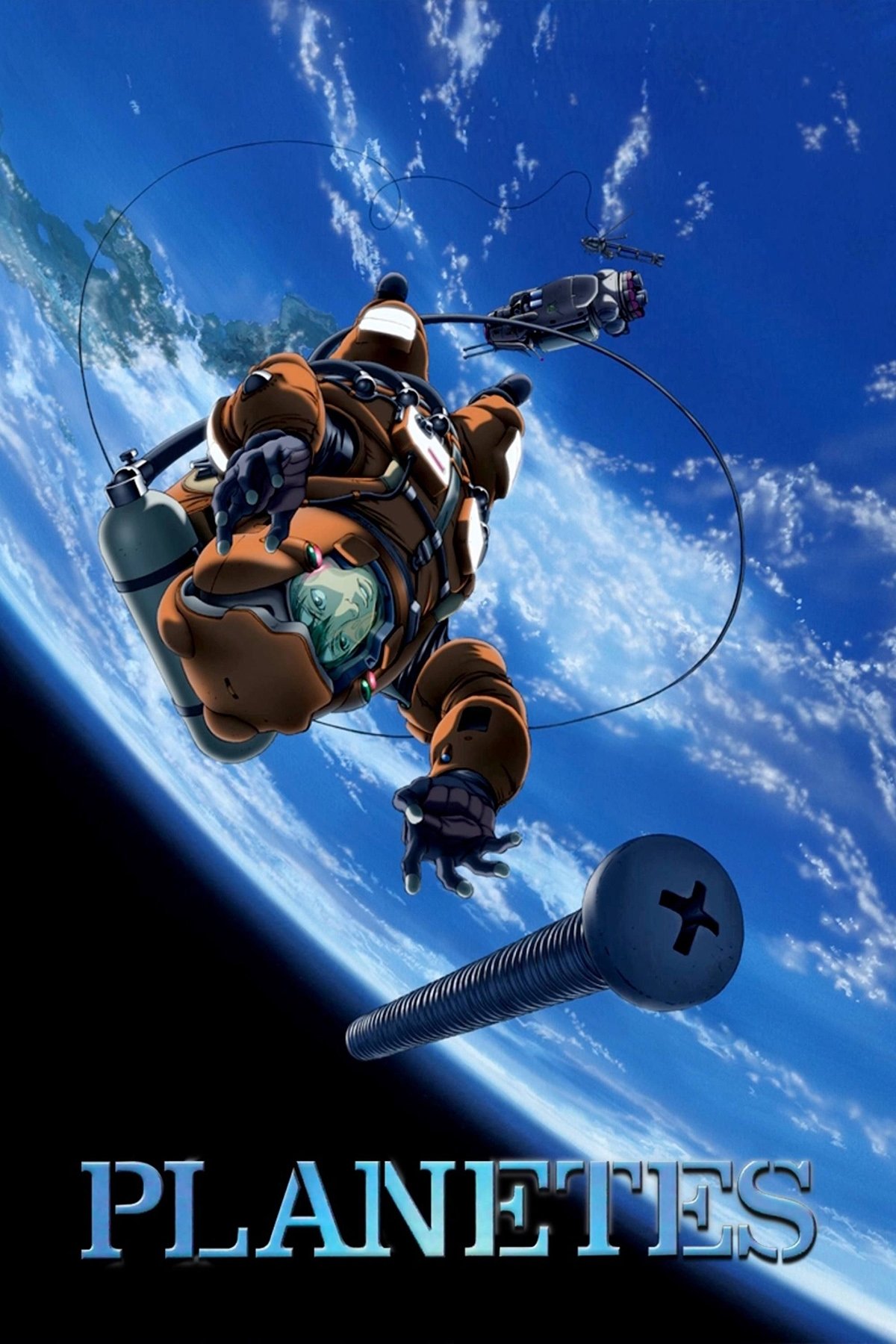
Sunrise adapts Makoto Yukimura’s manga in ‘Planetes’, following an orbital debris crew whose job is preventing collisions by retrieving hazardous junk. The show details spaceflight logistics—thruster budgets, tethering, air management, and regulatory oversight—while tracking crew certifications and career steps.
Its 26 episodes scale from day-to-day missions to policy debates about resource rights and privatization. Technical sequences carefully depict relative velocity, docking procedures, and radio protocols, grounding character arcs in realistic constraints of work in near-Earth space.
‘Now and Then, Here and There’ (1999–2000)
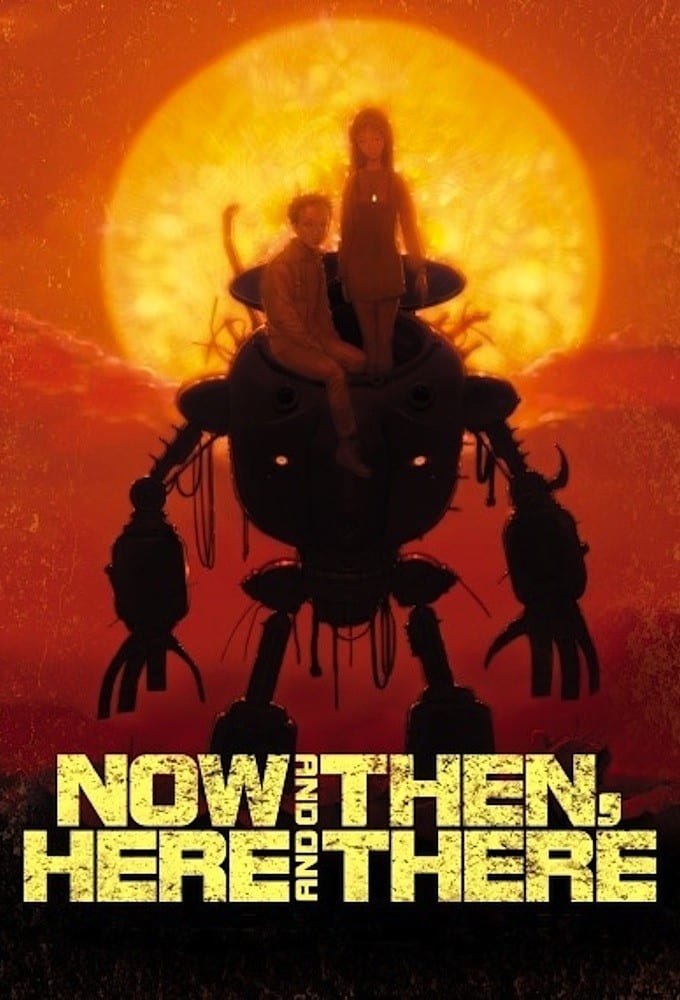
Produced by AIC, ‘Now and Then, Here and There’ transports a modern boy to a war-torn world where water scarcity drives conscription and raids. The narrative focuses on child soldiers, supply lines, and a dictator’s fortress, mapping how coercive systems are maintained.
The 13-episode series maintains tight geographic continuity—desert approaches, interior corridors, and industrial chambers—so movement between locations is easy to follow. Its staging emphasizes logistics of escape and pursuit, including rations, fatigue, and the limits of improvised weapons.
‘Key: The Metal Idol’ (1994–1997)
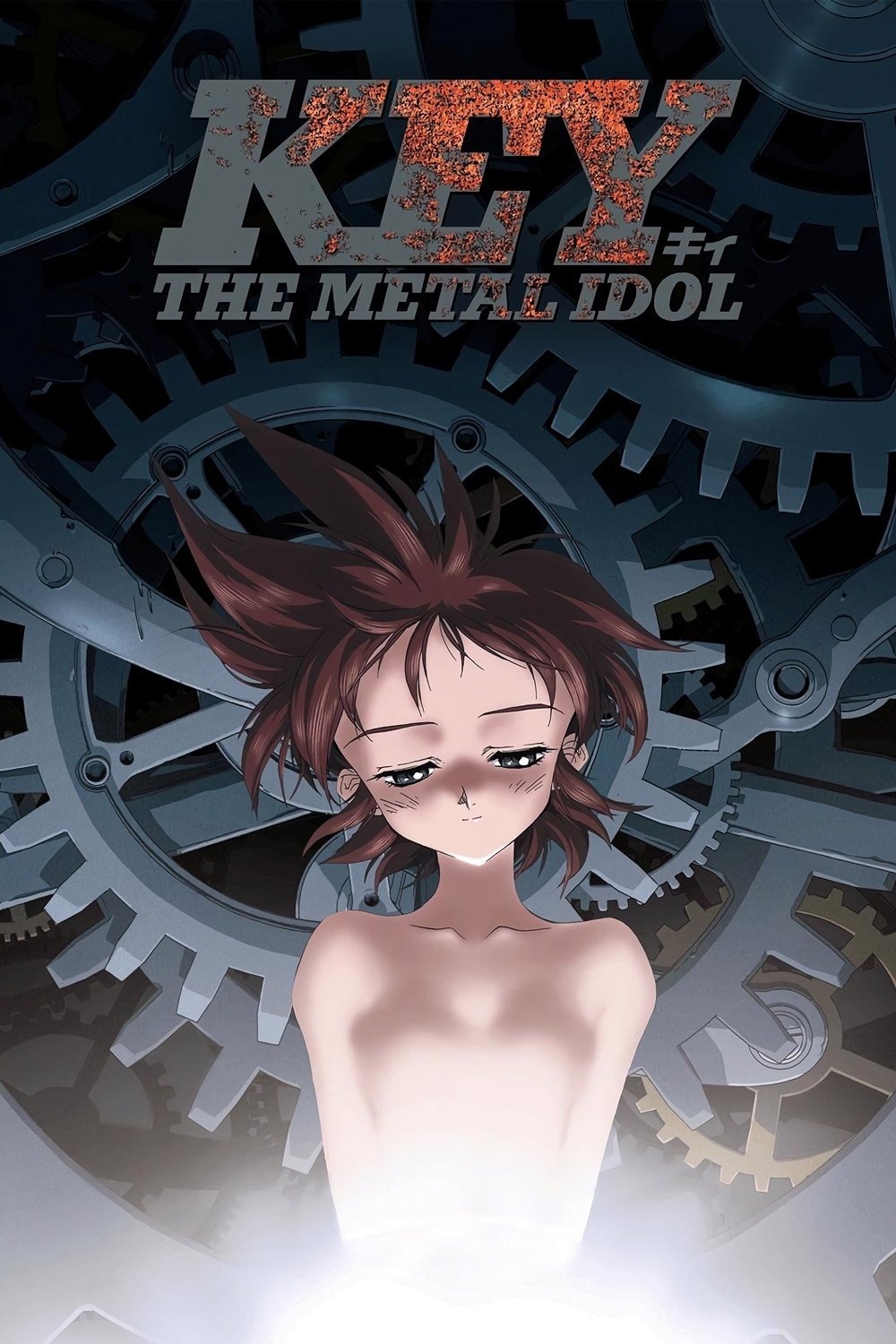
Studio Pierrot’s OVA ‘Key: The Metal Idol’ follows a socially withdrawn girl told she must make thirty thousand friends to become human, prompting a dive into idol production and corporate R&D. The story crosses talent agencies, underground labs, and black-market tech, charting how performance and technology intersect.
The 15-part release uses short early episodes and two feature-length finales, structuring the mystery through interviews, tapes, and staged performances. Character dossiers, lab schematics, and agency contracts appear as in-world documents, reinforcing a quasi-documentary feel.
‘Baccano!’ (2007)
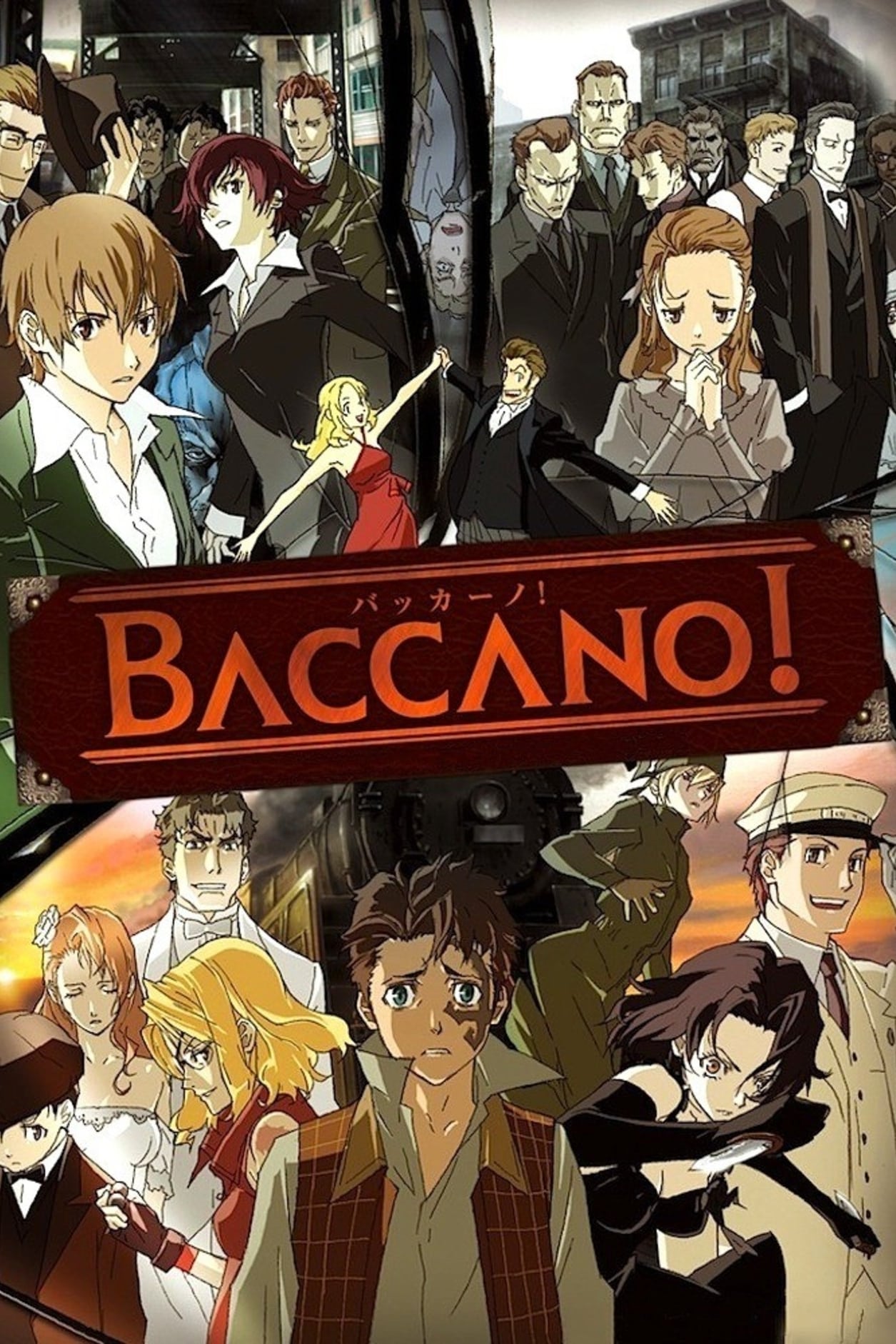
Brain’s Base adapts Ryohgo Narita’s light novels into ‘Baccano!’, weaving bootleggers, immortals, and thieves across intersecting timelines and locations in the United States. Episodes are presented out of chronological order, with clear visual signposts for places and character groupings.
The broadcast consists of 13 main episodes plus 3 additional OVAs that close specific character threads. Distinct costuming, recurring props, and train car layouts help track simultaneous plots, while narrator cues mark perspective shifts without breaking momentum.
‘House of Five Leaves’ (2010)

Manglobe’s ‘House of Five Leaves’ is a period piece about a timid rōnin who falls in with a kidnapping outfit in Edo. The show studies criminal enterprise mechanics—negotiations, safehouses, and information flow—through quiet conversations rather than large-scale battles.
Across 12 episodes, it uses muted palettes and elongated character designs to highlight posture and micro-expressions. Episodic jobs feed into a longer arc about leadership, loyalty, and the risks of visibility in a tightly surveilled urban environment.
‘Kaiji’ (2007–2008)
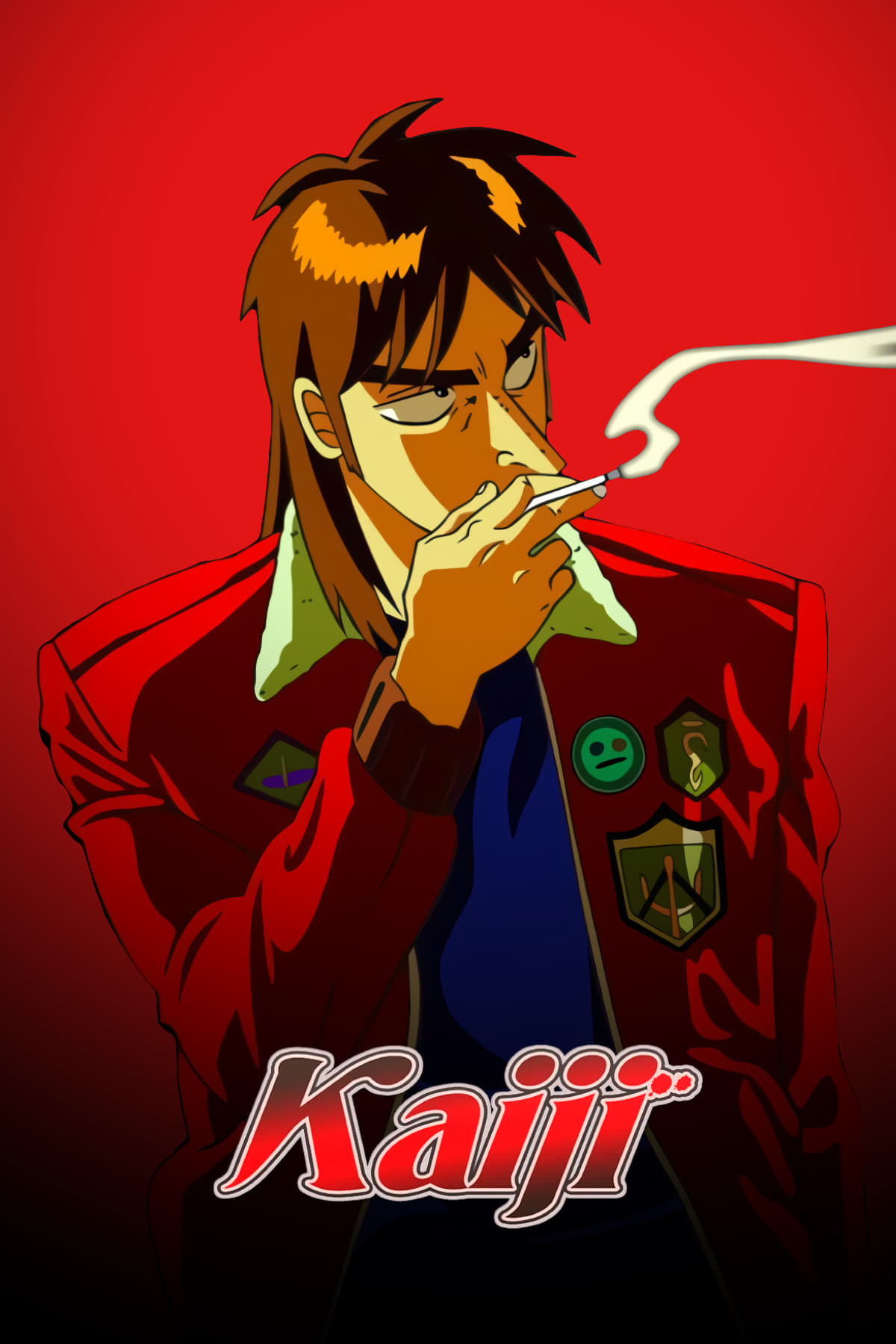
Madhouse adapts Nobuyuki Fukumoto’s gambling saga in ‘Kaiji: Ultimate Survivor’, dropping its protagonist into underground games owned by debt collectors. Each game operates on strict, explainable rules—paper-scissors-rock variants, bridge crossings, and card auctions—with consequences tracked in money and obligations.
The season builds tension through rule briefings, time limits, and resource ledgers, always making the state of play legible. Angular character art, heavy screen-tones, and narrated inner calculations keep probabilities and risks front-and-center without obscuring the core mechanics.
‘The Eccentric Family’ (2013–2017)
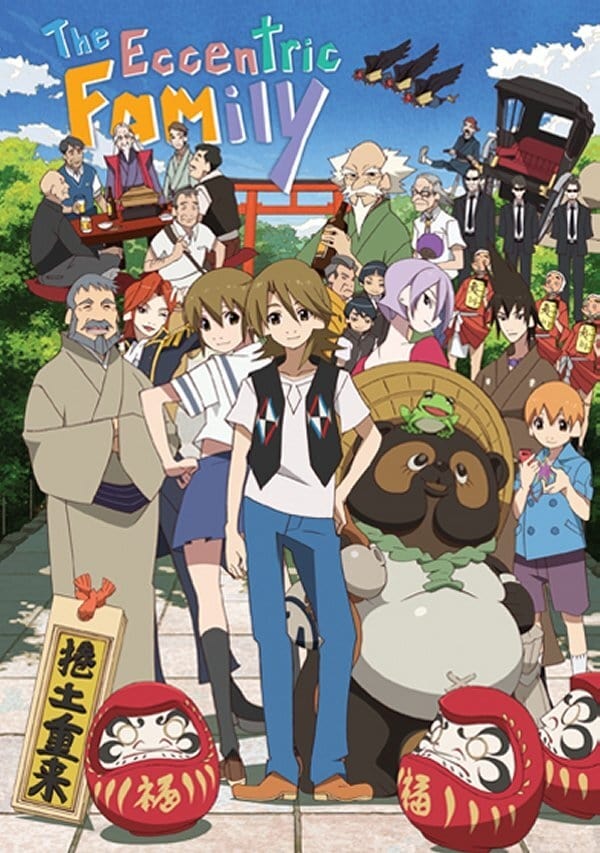
P.A. Works brings Tomihiko Morimi’s Kyoto of tengu, tanuki, and humans to life in ‘The Eccentric Family’, following a shapeshifting clan navigating feuds, festivals, and family business. The series treats Kyoto’s neighborhoods, rail lines, and seasonal events as working parts of a living setting.
Over two seasons, it maintains a consistent glossary of terms—transformations, tea kettles, Friday Fellows—so relationships and obligations remain clear as new factions appear. Background art emphasizes landmarks and waterways, creating a reliable mental map for chases, meetings, and ceremonies.
‘Mononoke’ (2007)
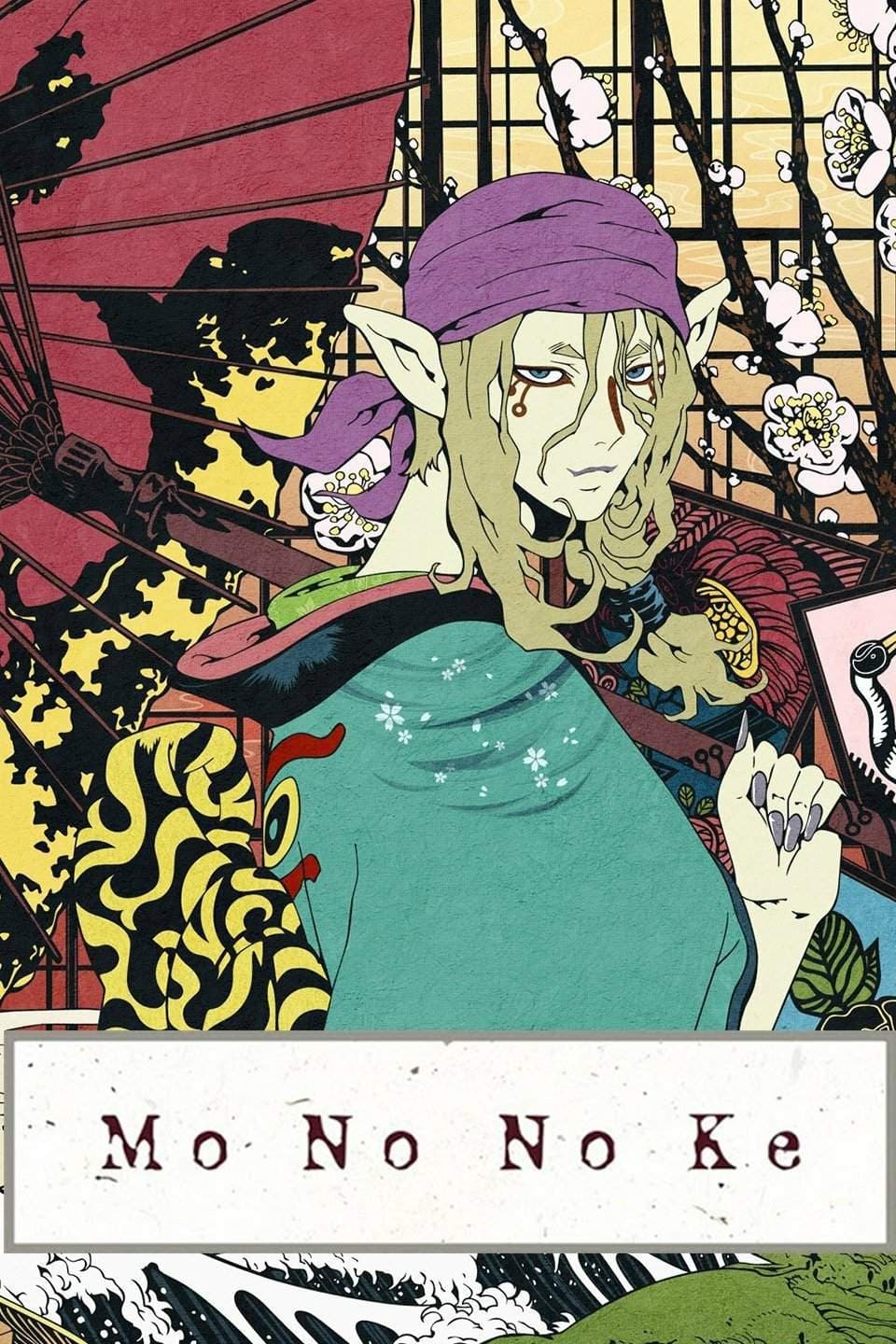
A Toei Animation spin-off from an anthology, ‘Mononoke’ follows a traveling Medicine Seller who exorcises spirits by discovering their Form, Truth, and Regret. Episodes are grouped into mini-arcs that function like case files with recurring investigative steps and ritual tools.
The show’s visual identity layers ukiyo-e patterns, bold linework, and theatrical staging. Its procedural structure—interviews, reconstruction, and exorcism—keeps every arc readable while allowing each setting to introduce its own rules and taboos.
‘Texhnolyze’ (2003)
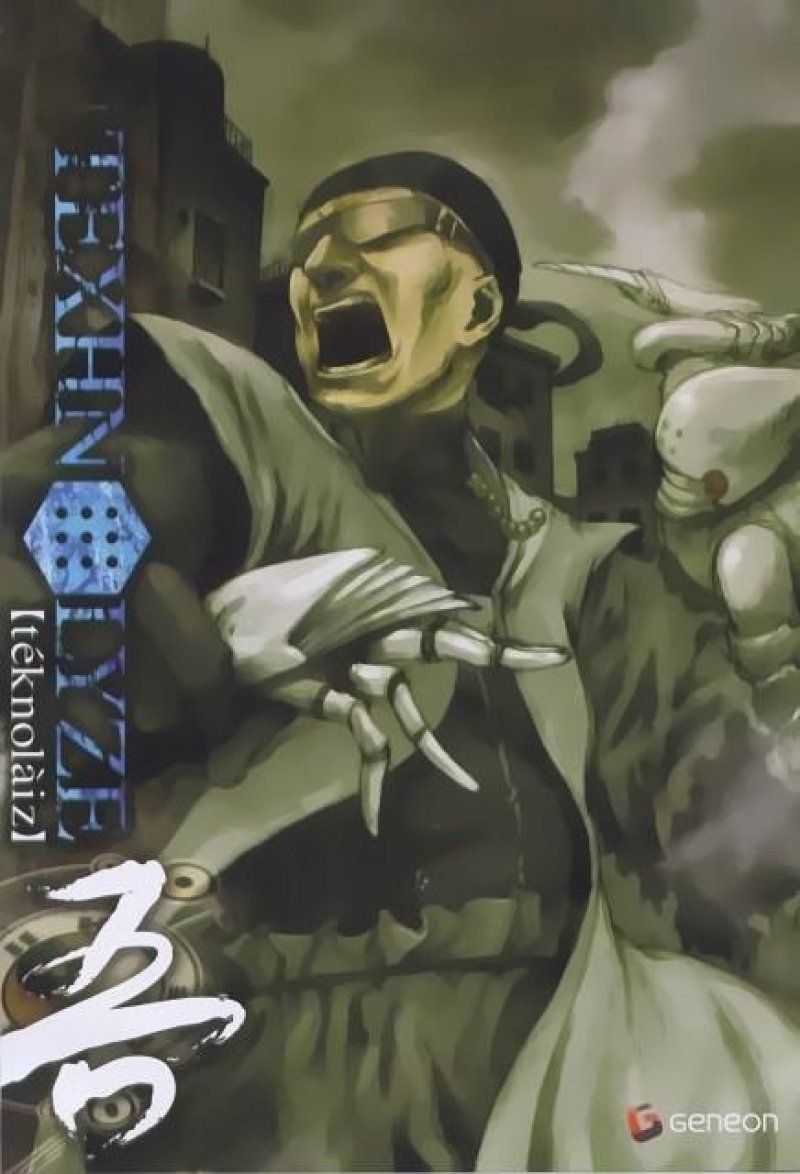
Produced by Madhouse with character designs by Yoshitoshi ABe and story involvement from Chiaki J. Konaka, ‘Texhnolyze’ depicts a subterranean city run by competing factions where cybernetic limb replacement becomes a lever of control. The plot tracks shifting alliances, resource monopolies, and the economics of prosthetics.
The 22-episode run is notable for extended dialogue-light sequences that rely on environmental cues and camera placement. Organizational charts, color-coded territories, and recurring symbols help viewers follow power changes without constant exposition.
‘Angel’s Egg’ (1985)
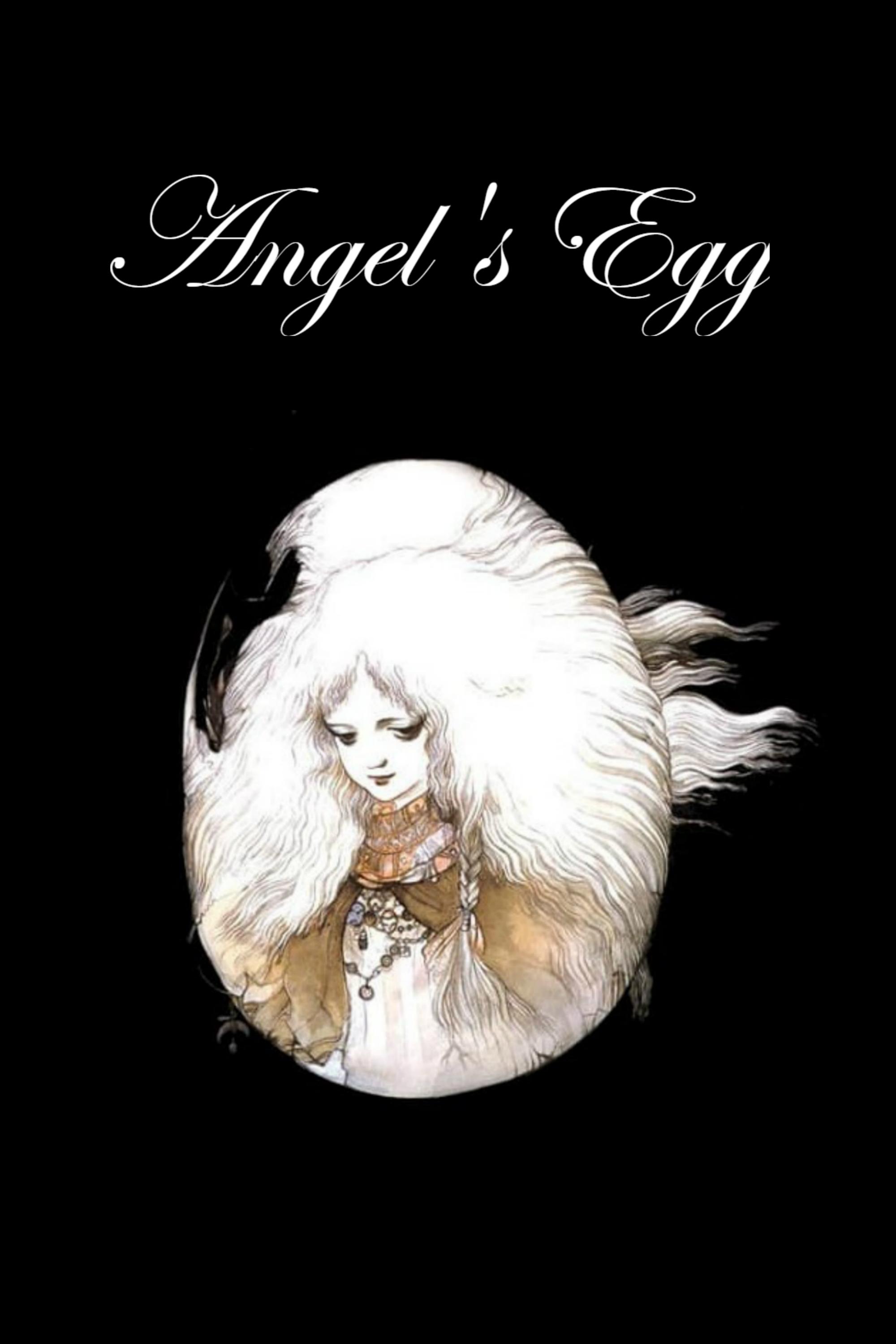
Directed by Mamoru Oshii with designs by Yoshitaka Amano and produced with Studio Deen, ‘Angel’s Egg’ is a dialogue-sparse film set in a flooded, cathedral-like city. A girl protects a large egg while crossing monumental architecture, with imagery drawn from religious iconography and fossil motifs.
The film uses long takes, reflective surfaces, and recurring fish silhouettes to establish rhythm and meaning. Background paintings and layered multiplane shots create depth in static frames, inviting close viewing to trace visual motifs across scenes.
Share your own under-the-radar favorites in the comments so everyone can discover a few more hidden gems.