30 Best Sports Anime of All Time, Ranked


Sports anime spans far more than buzzer-beaters and miracle goals. It digs into rules, training plans, equipment choices, and how competitions actually work—from qualifying rounds and seeding to judging criteria and tiebreaks. These series and films cover mainstream sports like basketball and soccer, but also table tennis, archery, long-distance running, and even competitive karuta, showing how technique, conditioning, and strategy shape results.
Below is a clean countdown you can use to discover or revisit staples across decades. Each entry gives practical details—premise, sport specifics, creators, and production context—so you know exactly what you’re getting, whether that’s a tactical chess match on the diamond, a data-driven tennis grind, or a relay team learning to pace, taper, and execute on race day.
30. ‘Hanebado!’ (2018)
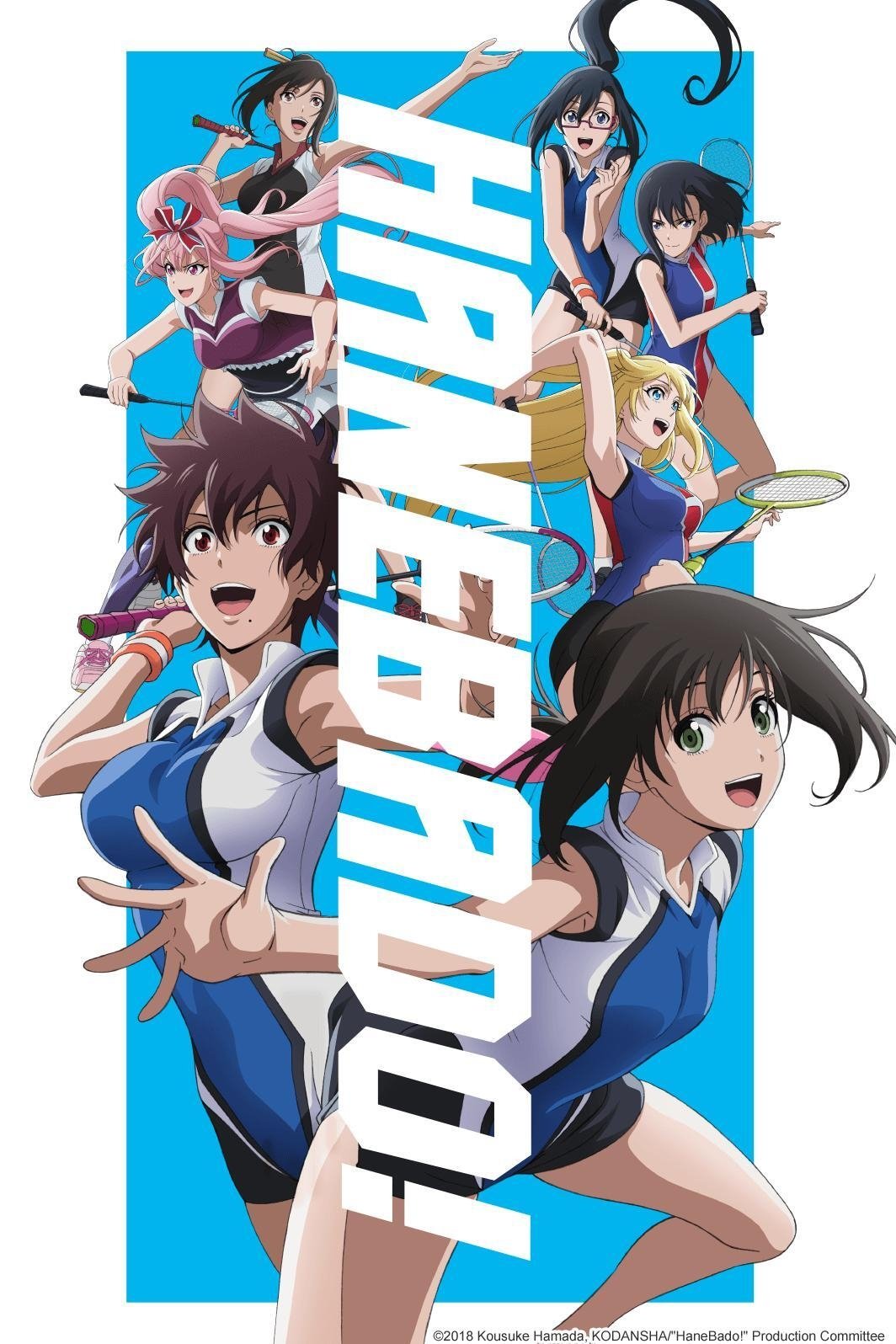
Focused on badminton, ‘Hanebado!’ presents footwork patterns like split-steps and chasse recovery, plus shot categories such as clears, drops, and jump smashes that dictate rally tempo. Match scenes track momentum swings created by serve placement, net play, and deception from grip changes.
Adapted from Kōsuke Hamada’s manga by LIDENFILMS, it shows club structures, qualifiers, and seeding. Training blocks cover multi-shuttle drills, shadow swings, and interval conditioning, while tape, braces, and recovery routines address common overuse issues in shoulders and knees.
29. ‘Ahiru no Sora’ (2019–2020)
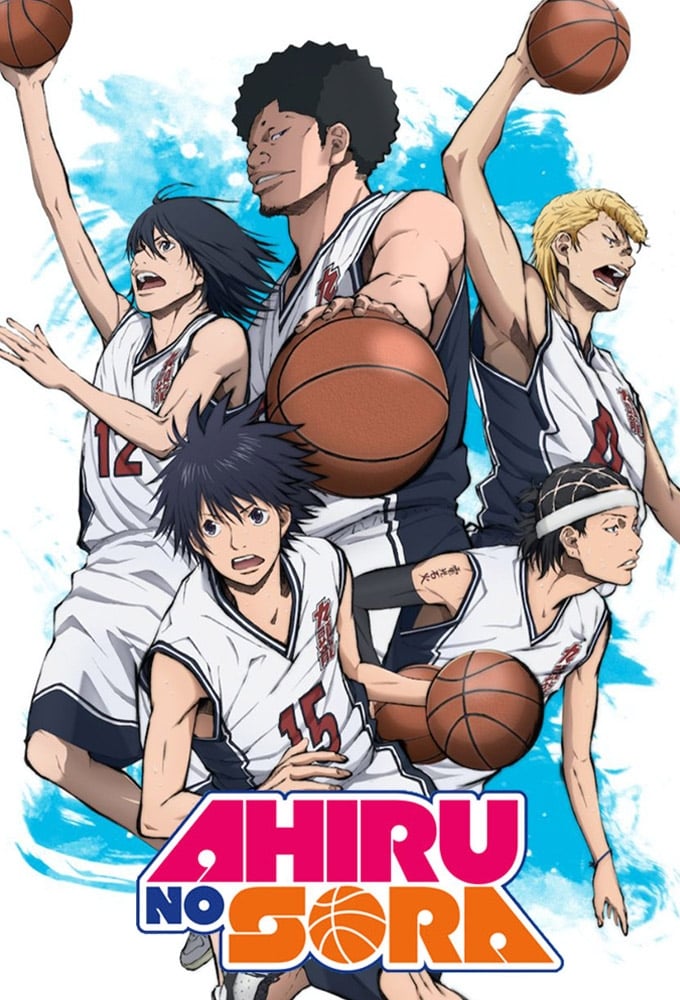
‘Ahiru no Sora’ follows a high school basketball club working through basic skills—ball-handling, shooting form, closeouts—and team concepts like shell defense and secondary break. Undersized players learn to leverage spacing, pace, and off-ball screens to generate high-percentage looks.
Produced by Diomedéa from Takeshi Hinata’s manga, it features interschool tournaments, eligibility rules, and roster-building. Conditioning, nutrition, and jump training are baked into practice plans, while coaches adjust coverages and rotations to handle mismatches against taller frontcourts.
28. ‘Captain Tsubasa’ (1983–1986)
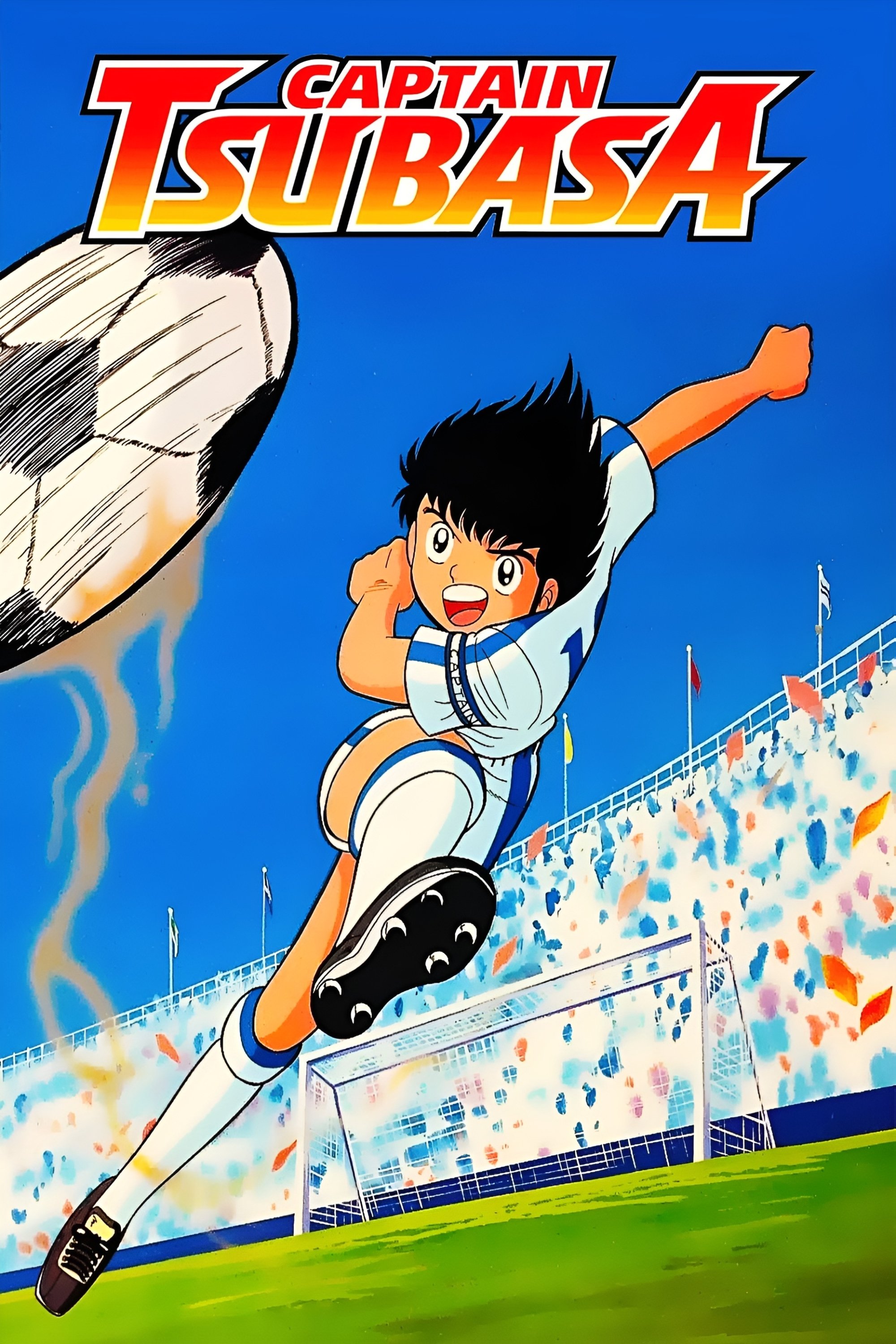
‘Captain Tsubasa’ popularized youth soccer by mapping development from school leagues to international play. It highlights positional roles across common formations, set-piece routines, and the technical base—first touch, passing angles, and finishing—that precedes tactical complexity.
Adapted from Yōichi Takahashi’s manga, it uses long-form arcs with league tables and knockout brackets. Training segments show passing circuits, shooting drills, and keeper-specific work, while rivalries drive skill acquisition and team cohesion over multiple tournaments.
27. ‘Hinomaru Sumo’ (2018–2019)
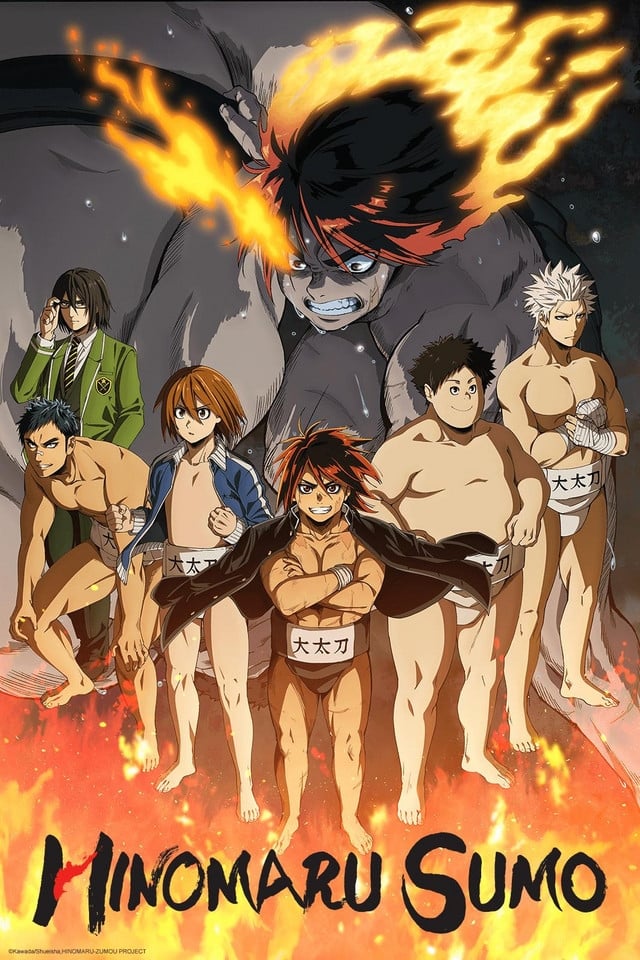
‘Hinomaru Sumo’ breaks down stances, belt grips, and winning techniques such as yorikiri, oshidashi, and uwatenage. It explains how foot placement, center of gravity, and ring awareness decide short, explosive bouts on the dohyo.
Gonzo adapts Kawada’s manga with attention to school-level weight classes, rituals, and stable-style training. Sessions feature shiko, suriashi, and band-resisted drives, and competition arcs track how brackets and match order influence recovery and tactical choices.
26. ‘Stars Align’ (2019)
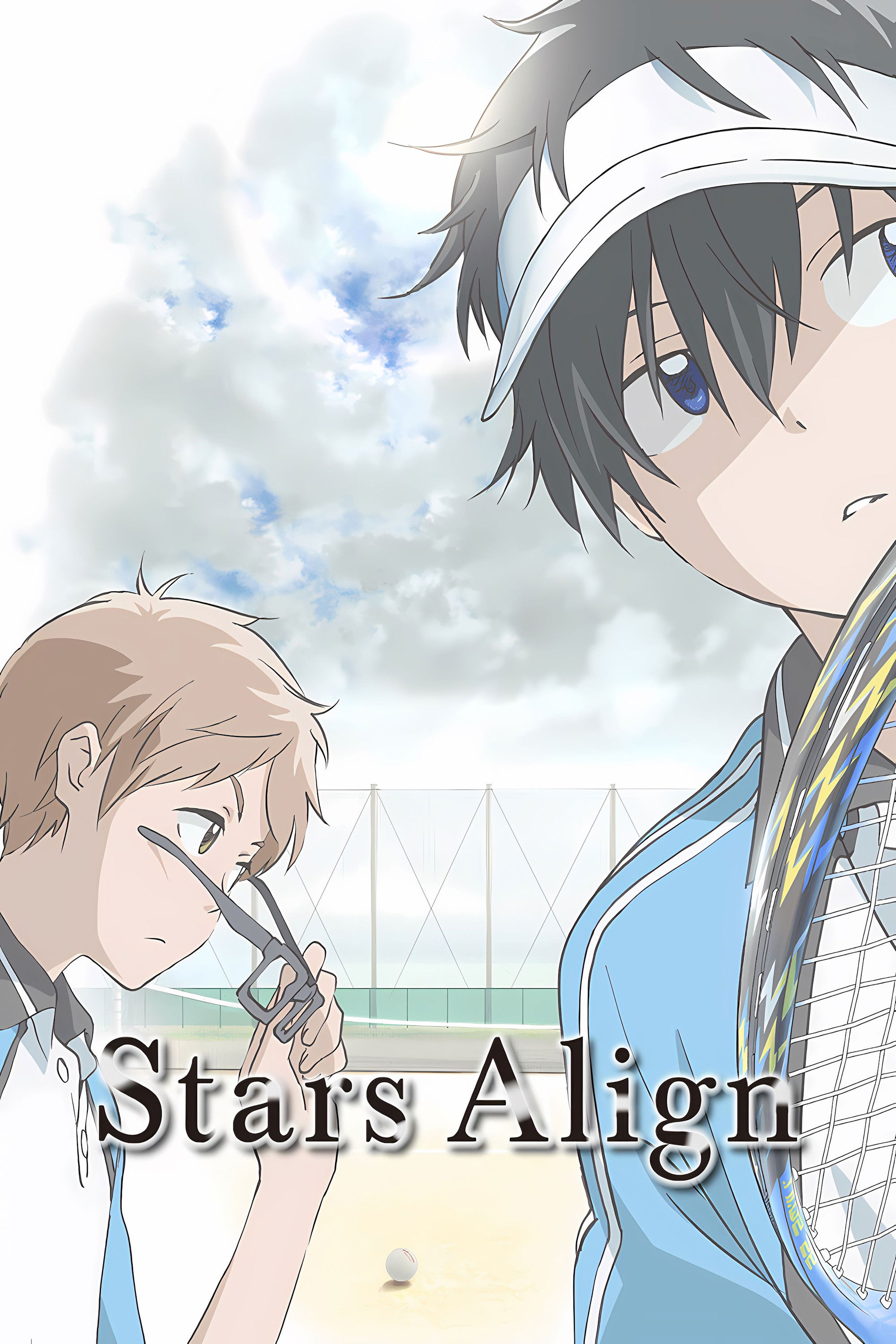
Centered on soft tennis, ‘Stars Align’ covers how rubber balls and lighter rackets change serve targets, spin control, and doubles formations. Communication cues, poaching windows, and return depth become pivotal in quick exchanges.
An Eight Bit original, it shows club logistics, facility constraints, and scheduling for less-publicized sports. Practice emphasizes cone patterns, footwork ladders, and reaction drills, while discussions of string tension and balance explain how players tune gear for touch and control.
25. ‘Tsurune’ (2018–2019)
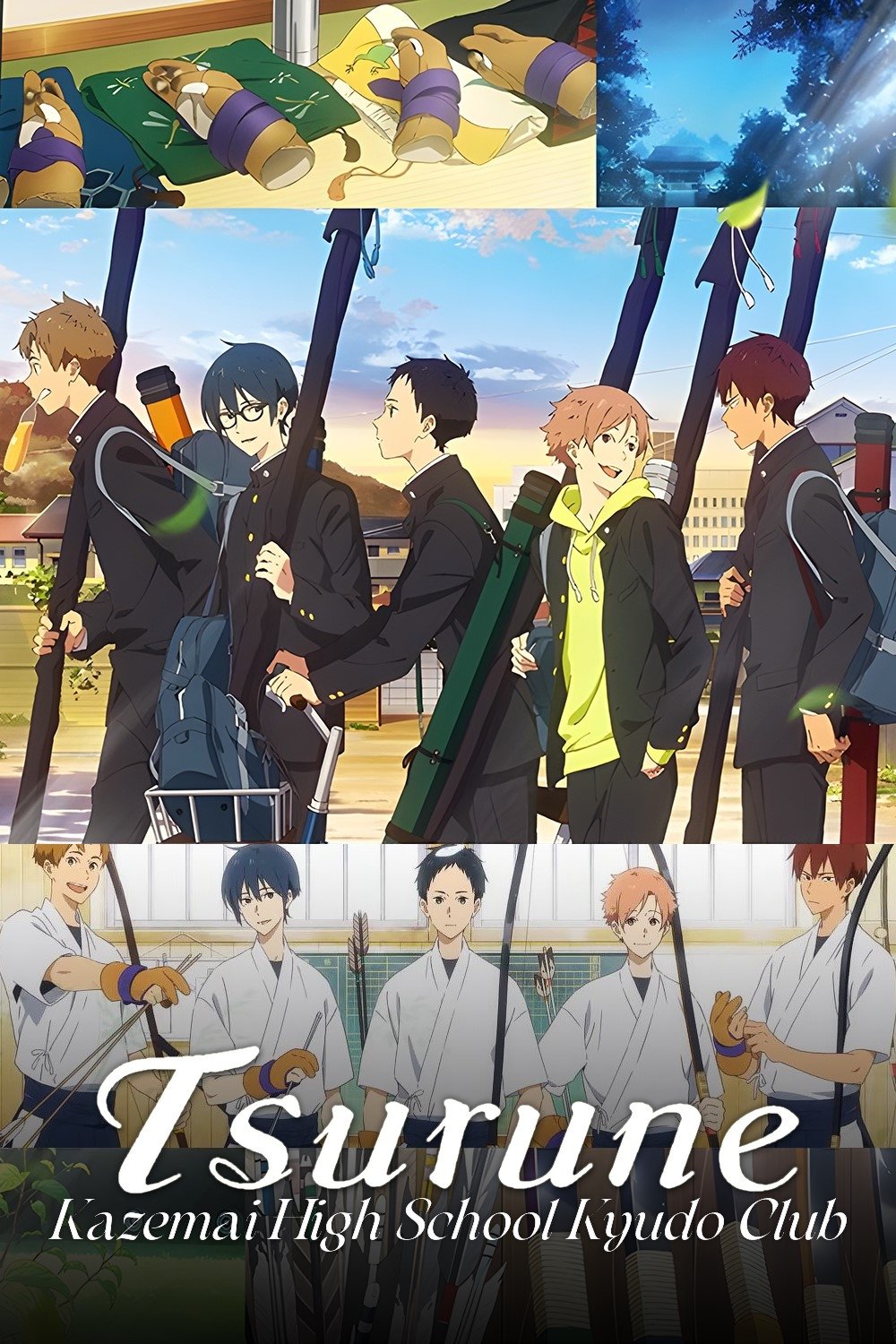
‘Tsurune’ details kyūdō’s shooting sequence—ashibumi through zanshin—alongside range etiquette and target setups. It explains bow draw weight, arrow spine, and how subtle posture and breathing govern release consistency.
Kyoto Animation adapts Kotoko Ayano’s novels with focus on club operations, team rounds, and mental skills training. Equipment care for yumi and ya, tournament procedures, and quiet technical adjustments show how archers sustain scores across pressure-filled ends.
24. ‘The Prince of Tennis’ (2001–2005)
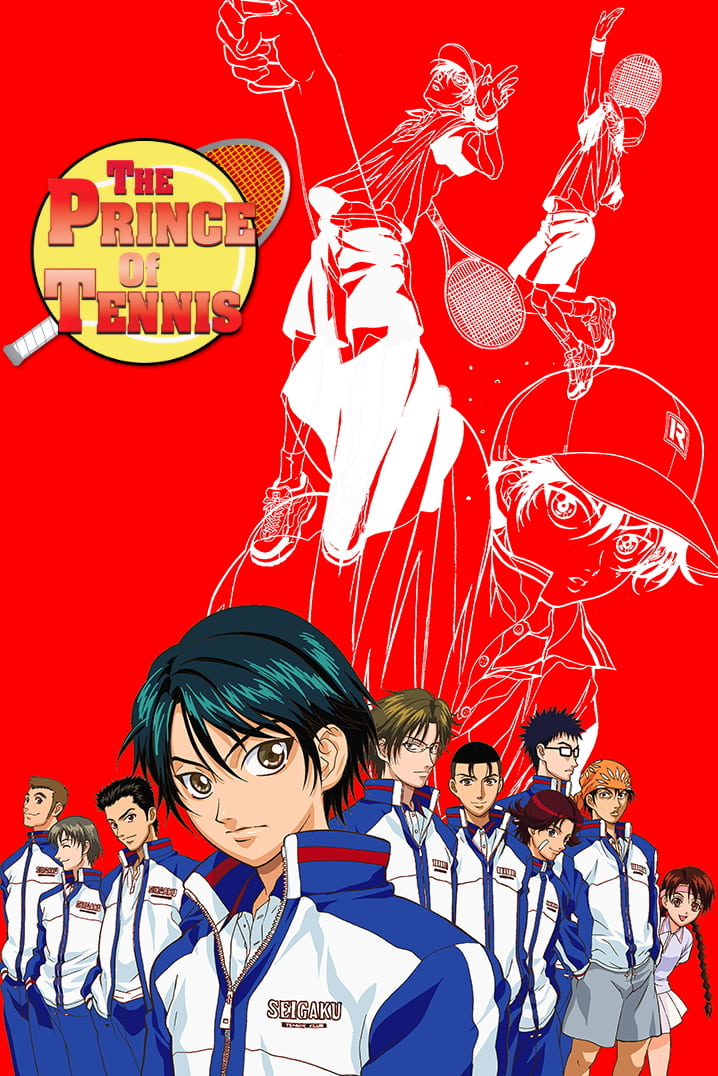
‘Prince of Tennis’ dives into singles and doubles tactics: serve patterns, return depth, and rally construction to create short balls. It outlines grip choices for spin generation and the movement economy needed for baseline coverage.
Trans Arts adapts Takeshi Konomi’s manga with ladder challenges, lineup strategy, and bracket progression. The series notes string tension, shoe rotation for different surfaces, and overuse management, while captains and coaches coordinate matchups across multi-court meets.
23. ‘MEGALOBOX’ (2018)
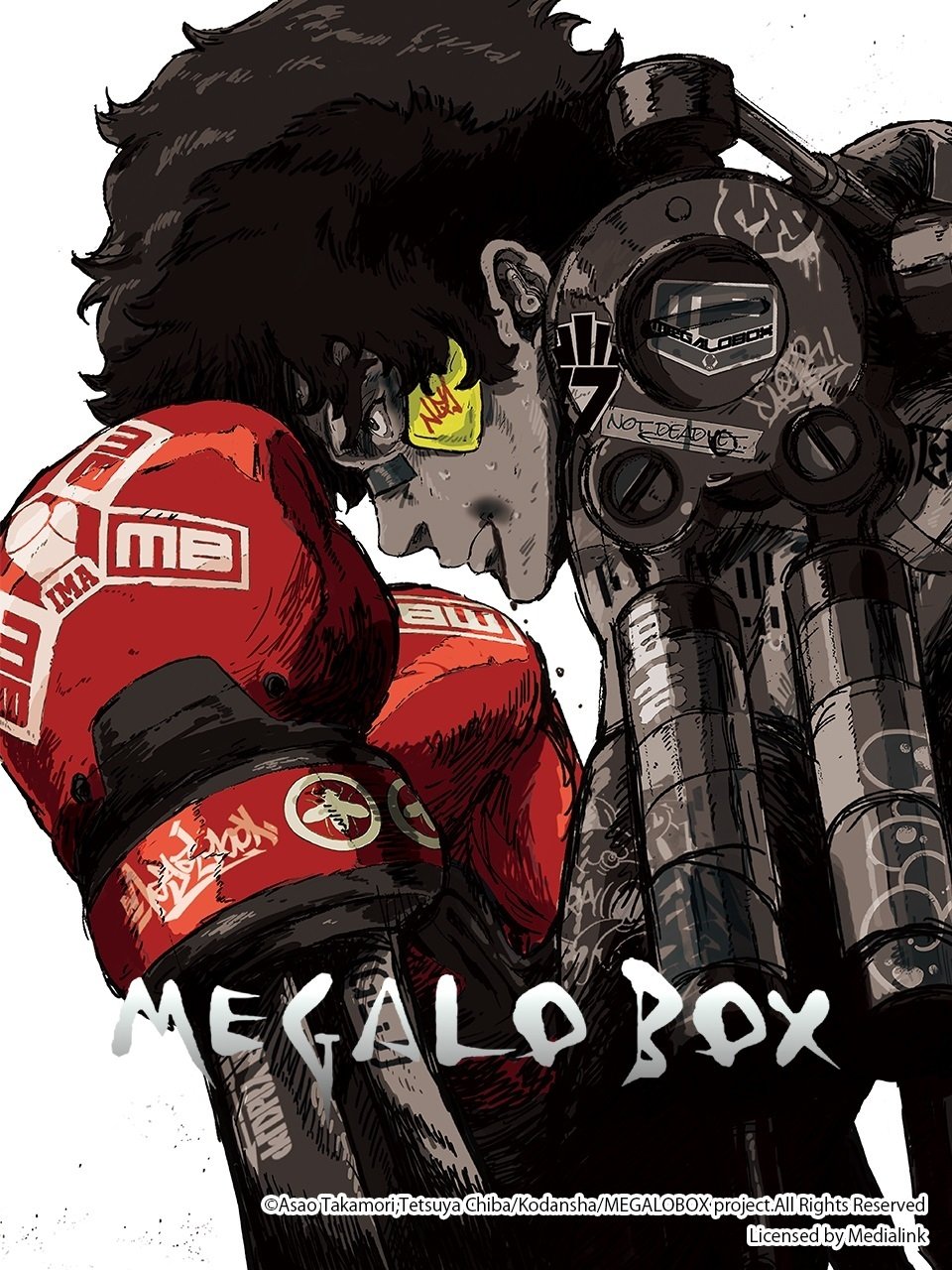
‘Megalo Box’ overlays exoskeletal gear onto classic boxing fundamentals, keeping jab–counter rhythms, head movement, and ring cutting central. Cornermen track adjustments round by round, emphasizing judging criteria rooted in effective aggression and defense.
From TMS Entertainment and 3xCube, it follows training camps with roadwork, mitts, and sparring, plus licensing, rankings, and promoter control over bouts. Cut management, hand wrapping, and weigh-in protocols ground the spectacle in recognizable fight-night routines.
22. ‘Yuri!!! on Ice’ (2016)
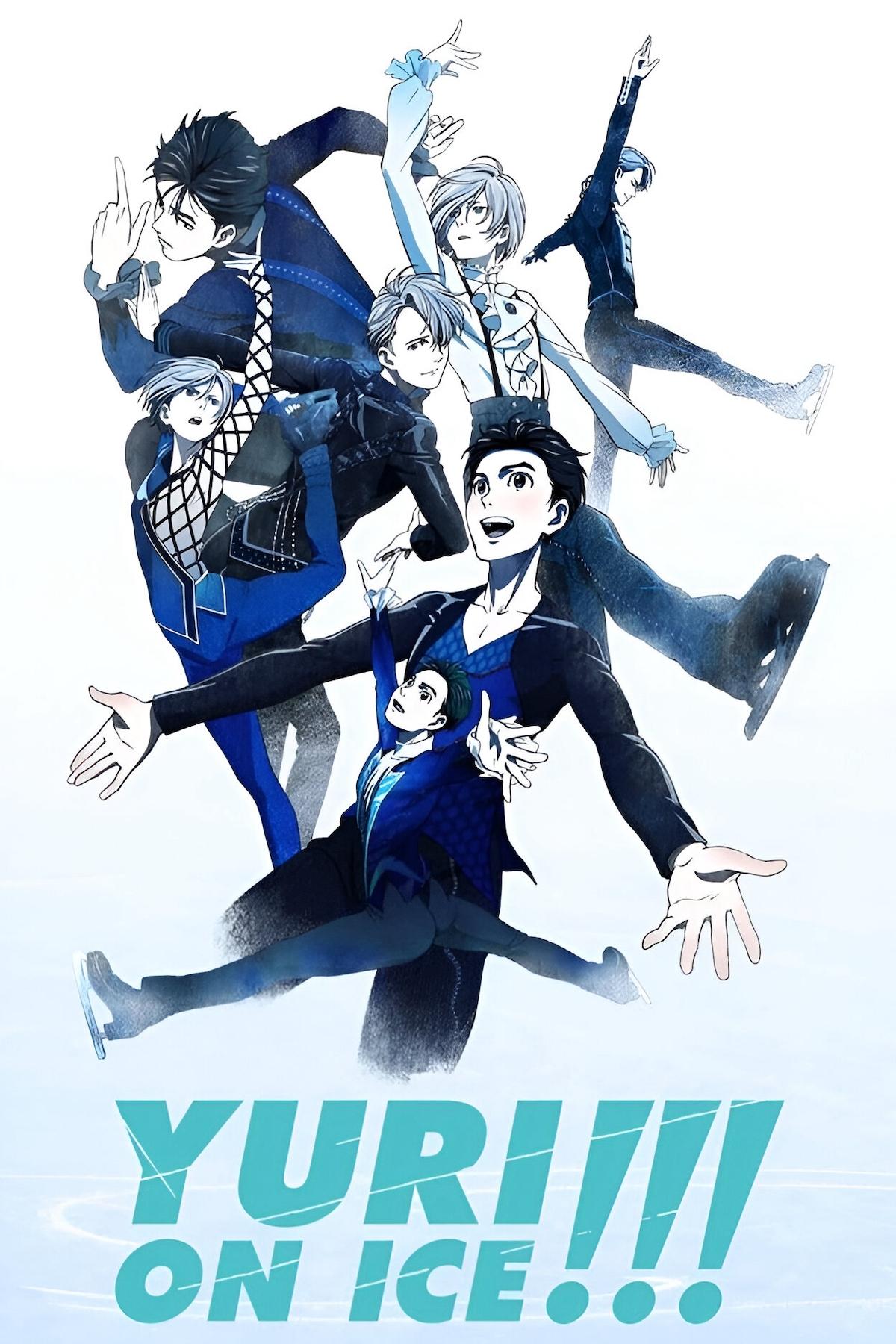
Set in elite figure skating, ‘Yuri!!! on Ice’ explains program components—step sequences, spins, and jump layouts—scored under modern ISU rules. It shows how choreographers optimize base value and grade of execution while skaters periodize training to peak at Grand Prix events.
MAPPA’s original series covers boot fit, blade profiles, and off-ice conditioning for rotation speed and edge quality. It also tracks coach changes, travel logistics, and the role of specialists who refine music cuts and transitions to maximize component scores.
21. ‘Free!’ (2013–2014)
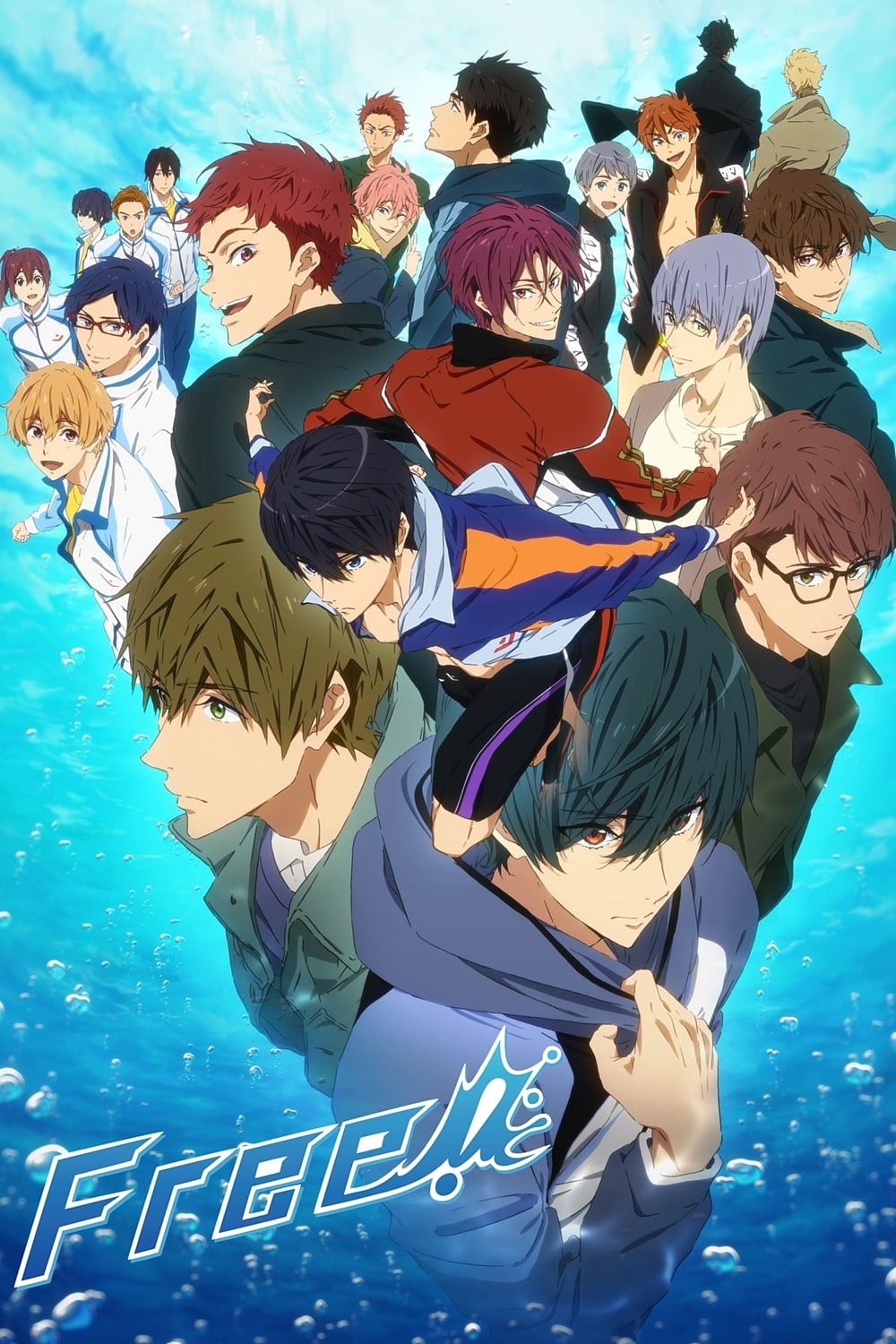
‘Free!’ focuses on competitive swimming mechanics: starts, turns, and underwater phases that define short-course races. It distinguishes stroke timing across butterfly, backstroke, breaststroke, and freestyle, and explains relay order strategy for cumulative splits.
Kyoto Animation adapts Kōji Ōji’s light novel with club systems built around tapering, lactate-threshold sets, and dryland work. Meets feature heats and finals, qualifying standards, and split tracking, with coaches planning microcycles around target events.
20. ‘Eyeshield 21’ (2005–2008)
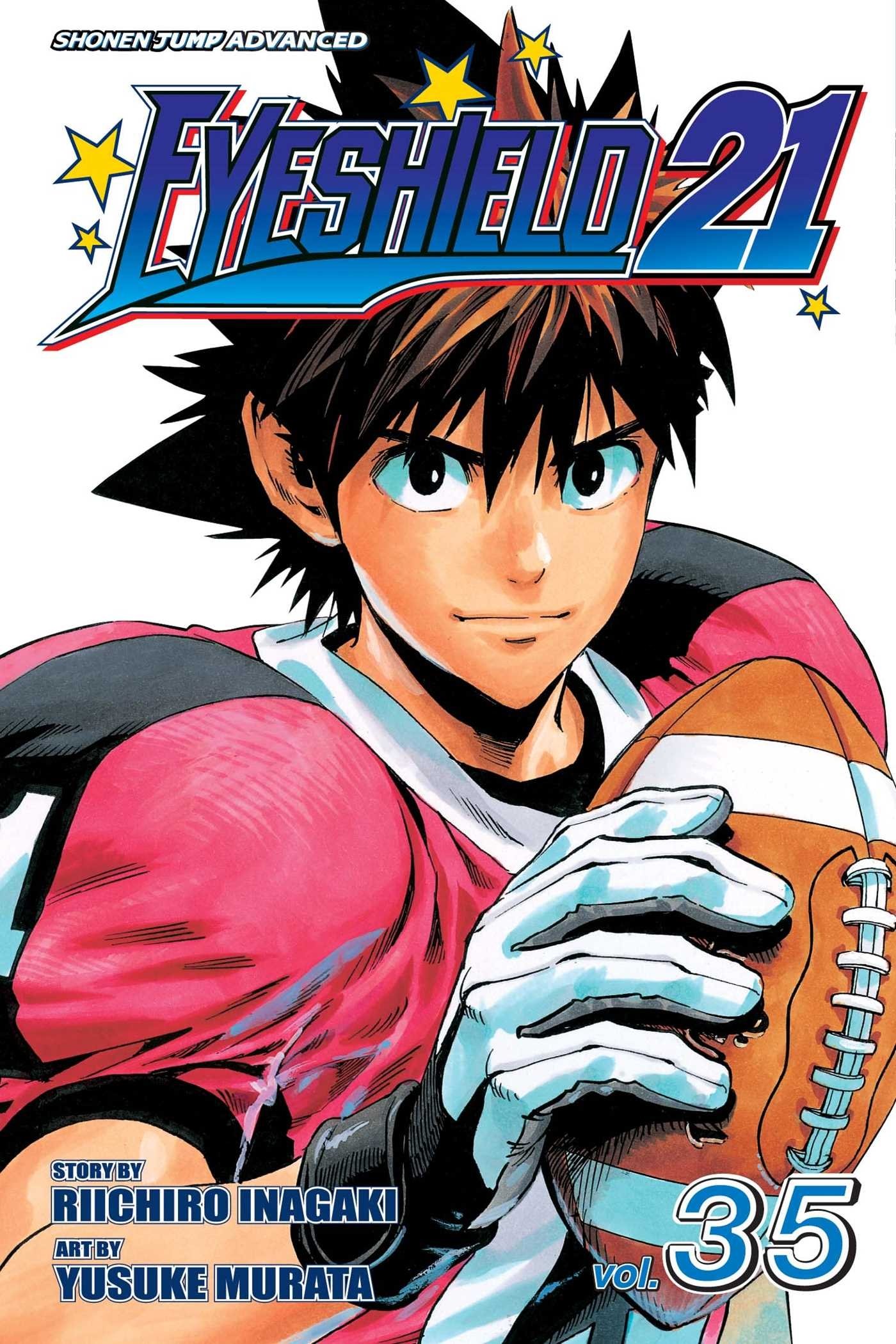
‘Eyeshield 21’ introduces American football basics for newcomers: downs, yardage management, special teams, and position roles from linemen to skill players. It explains play-calling, blitz recognition, and how clock and field position guide decisions.
Adapted from Riichiro Inagaki and Yūsuke Murata’s manga, it shows practice segments—route trees, blocking drills, and conditioning—plus league rules and tournament brackets. Equipment fit for pads and helmets, along with cadence discipline, appears throughout game prep.
19. ‘Big Windup!’ (2007–2010)

Also known as ‘Ōkiku Furikabutte’, this baseball series dissects pitcher–catcher game-calling and scouting reports. It demonstrates pitch sequencing to exploit hitter tendencies and the defensive positioning that supports specific pitch-to-contact plans.
A-1 Pictures adapts Asa Higuchi’s manga with bullpen routines, mechanics tweaks, and mental resets on the mound. Competition arcs include mercy rules, pitch-count considerations, and rain-delay contingencies that force rotation and relief adjustments.
18. ‘Ace of the Diamond’ (2013–2016)
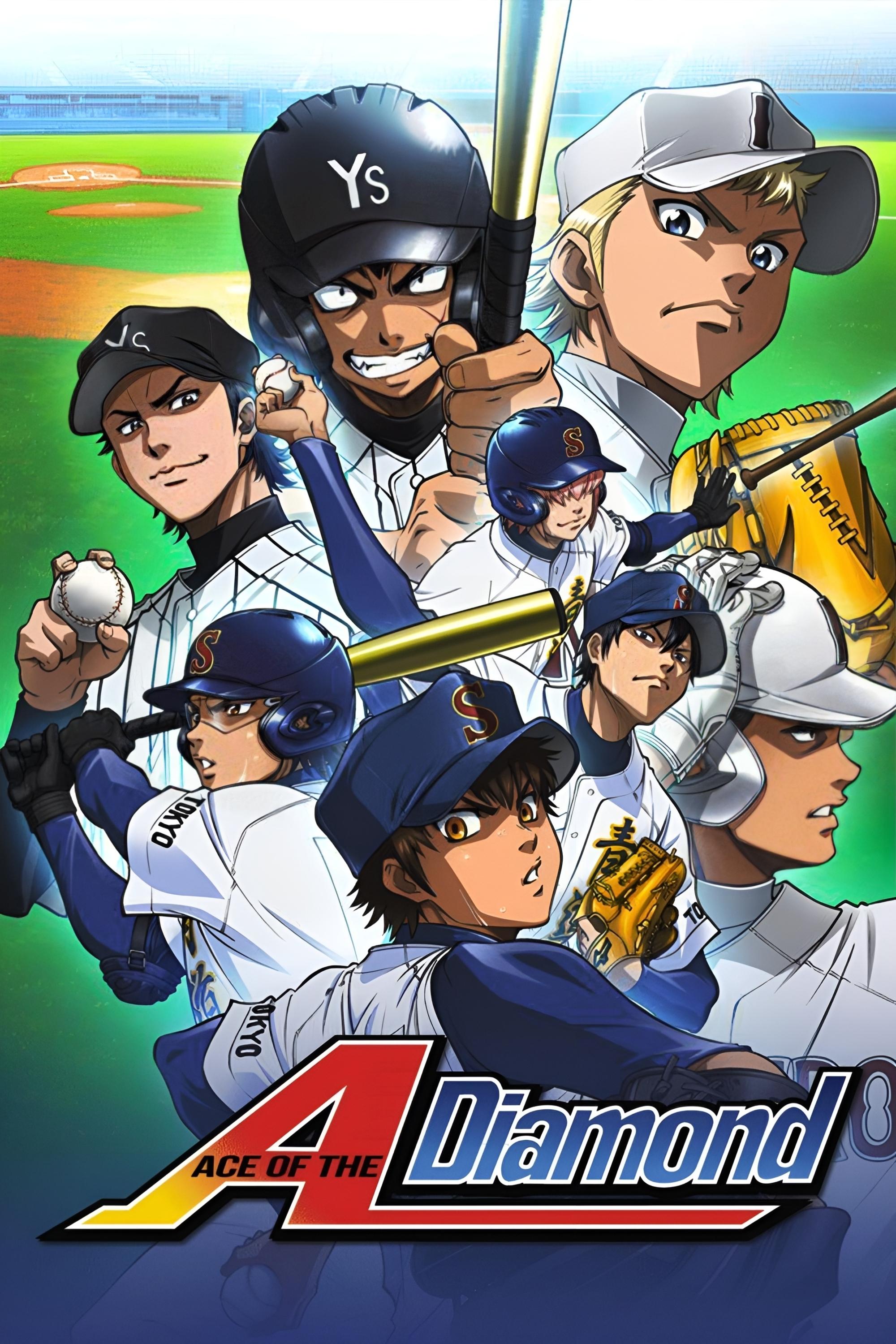
‘Ace of Diamond’ follows pitcher development and school tournament structures, highlighting arsenals, catcher signals, and mound visits. Defensive alignments and situational hitting show how small edges compound over nine innings.
Produced by Madhouse and Production I.G from Yūji Terajima’s manga, it documents scrimmages, strength work synced to mechanics, and roster depth planning. Regional qualifiers, bracket draws, and travel logistics anchor the march toward national play.
17. ‘Yowamushi Pedal’ (2013–2014)
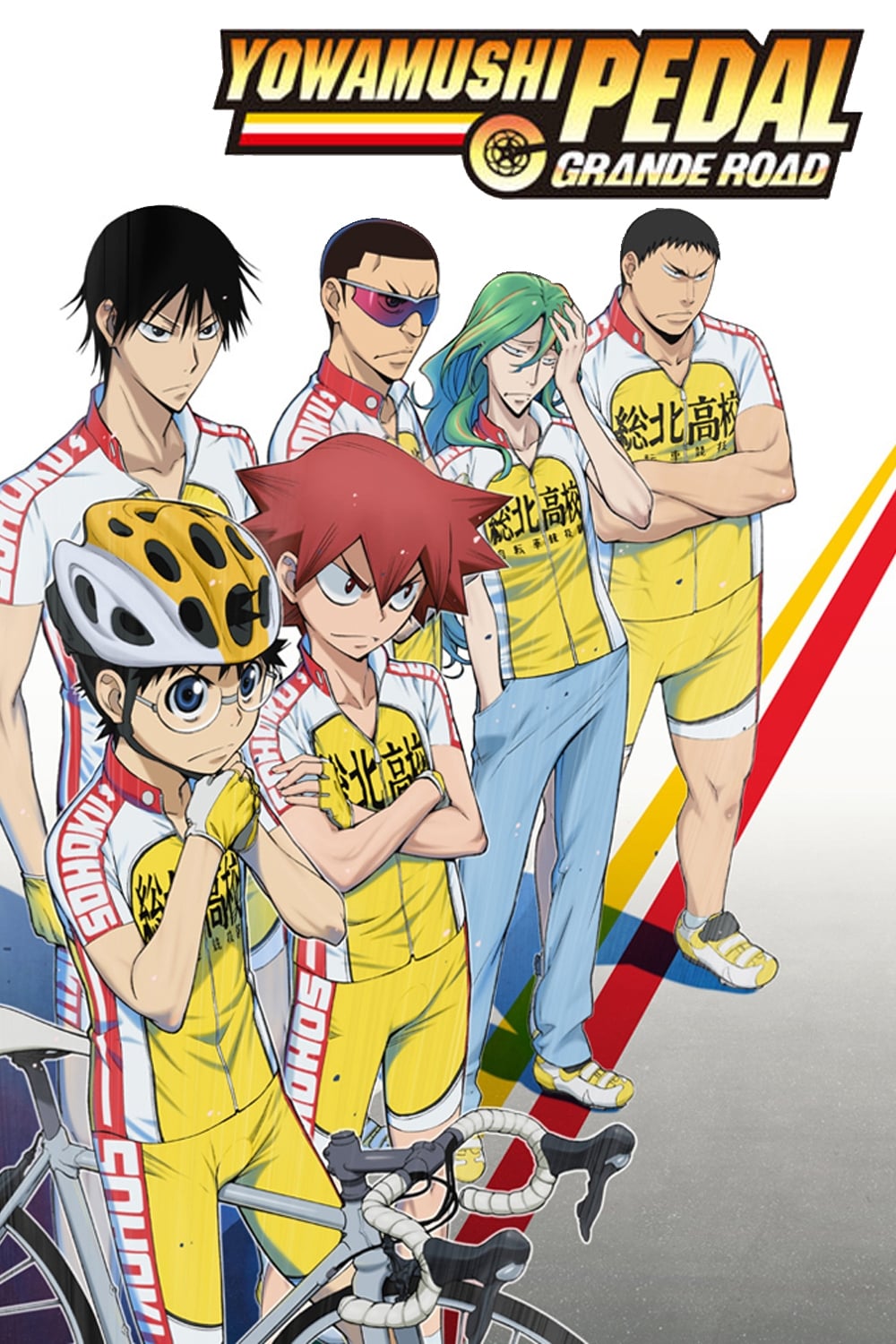
‘Yowamushi Pedal’ covers road cycling tactics—drafting, breakaways, and timed attacks—and how cadence and gear ratios shape climbing versus sprinting. Nutrition, hydration, and recovery are woven into multi-stage race strategy.
TMS Entertainment adapts Wataru Watanabe’s manga, detailing frames, wheelsets, and clipless pedal systems. Team roles—climber, sprinter, domestique—define duties during long stages, while hill climbs and team time trials become checkpoints for progression.
16. ‘Giant Killing’ (2010)
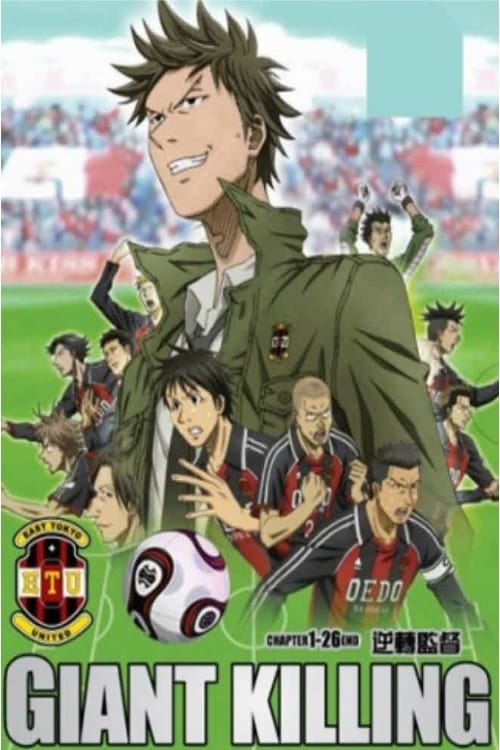
‘Giant Killing’ focuses on a professional club rebuilt through scouting and analytics. It explains pressing triggers, rest-defense, and set-play design that lets underdogs exploit opponent habits over a season.
Studio Deen adapts Masaya Tsunamoto and Tsujitomo’s manga with transfer windows, morale management, and youth pipeline integration. Training features small-sided games, video analysis, and periodized conditioning, while matchdays track substitutions and tempo control.
15. ‘Tomorrow’s Joe’ (1970–1971)
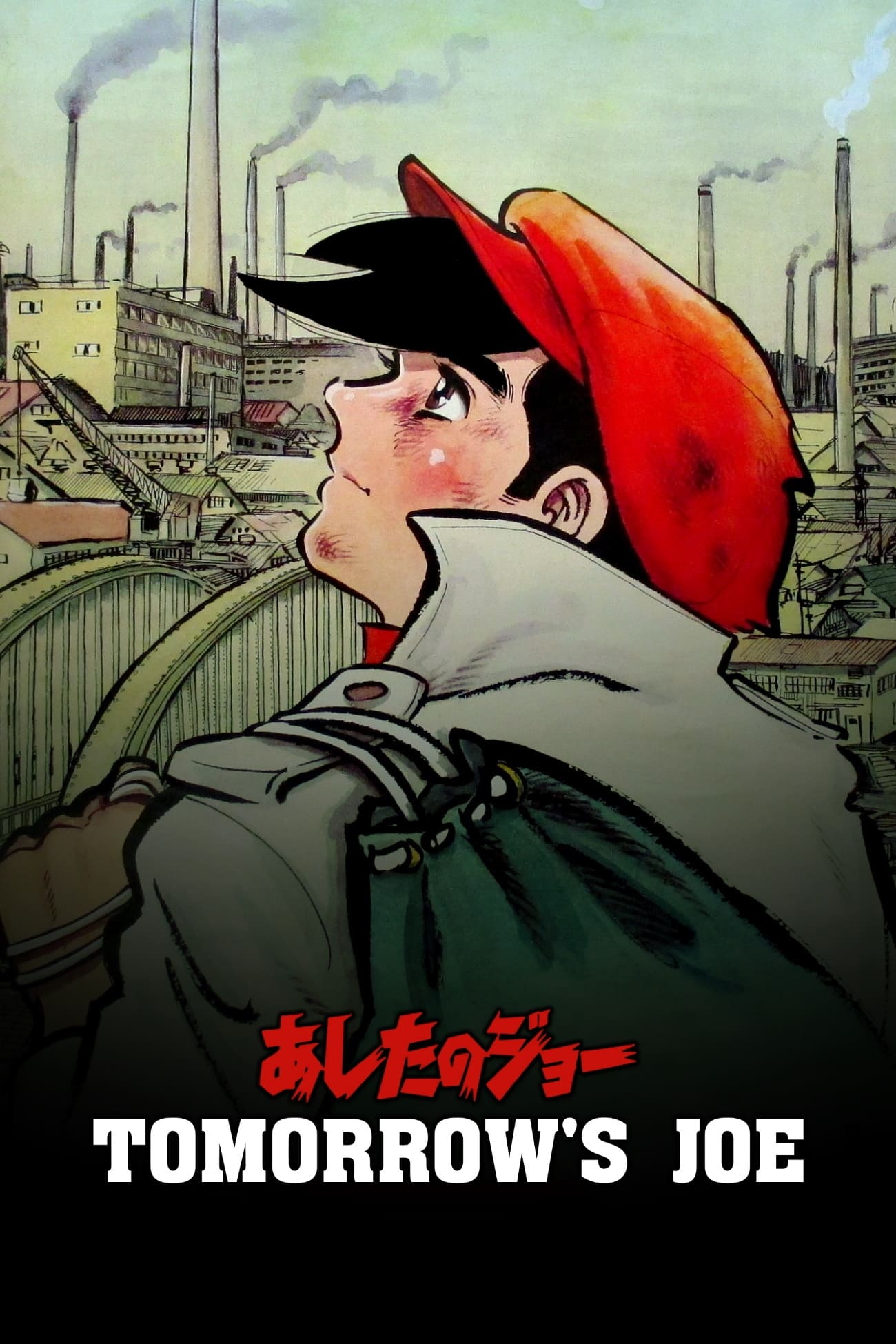
‘Ashita no Joe’ maps a boxer’s rise through conditioning, sparring volume, and style-specific counters. Judges’ criteria and corner tactics frame close rounds, while weigh-ins and rehydration practices affect fight readiness.
Based on Asao Takamori and Tetsuya Chiba’s manga and produced by Mushi Production, it includes licensing, matchmaking, and the business side that determines opportunities. The series remains a technical primer on stance, guard, body shots, and footwork.
14. ‘Major’ (2004–2010)
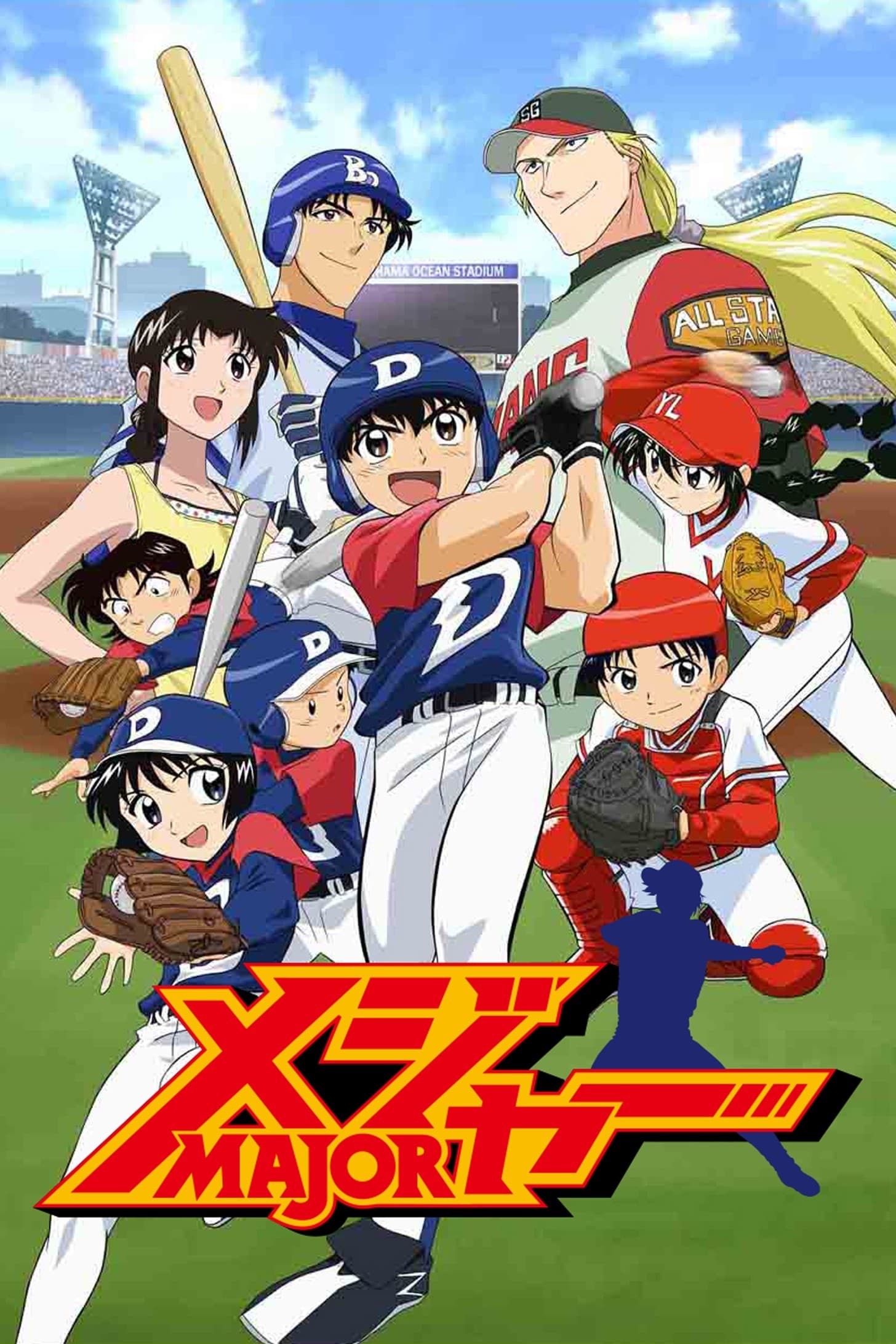
‘Major’ spans a baseball career from youth leagues upward, tracking positional changes, injury management, and contract realities. Pitch development, fielding fundamentals, and hitting mechanics evolve with each competitive tier.
Studio Hibari adapts Takuya Mitsuda’s manga with league structures, promotion paths, and off-season versus in-season training blocks. Coaching shifts, mentorship, and long arcs through regional and national play showcase continuity in development.
13. ‘The First Slam Dunk’ (2022)
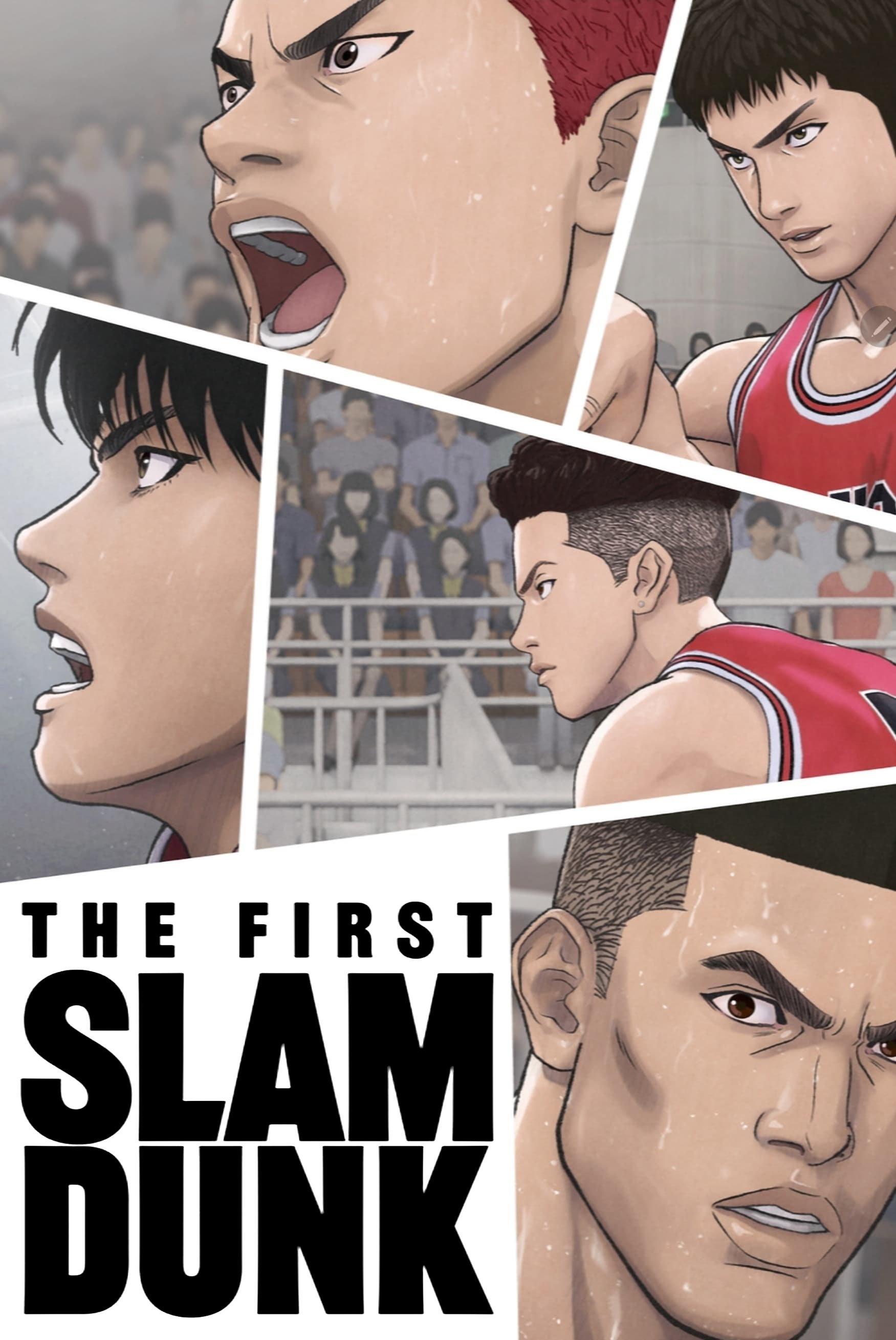
‘The First Slam Dunk’ uses modern animation to emphasize spacing, defensive switches, and play-calling in a tight basketball showdown. Inbounds design, transition offense, and time-out usage spotlight possession-by-possession management.
Directed by Takehiko Inoue and produced by Toei Animation and DandeLion Animation Studio, the film threads scouting, matchup targeting, and referee signals into its set-pieces. Substitution timing and foul management frame the flow of a high-stakes game.
12. ‘Initial D’ (1998–2000)
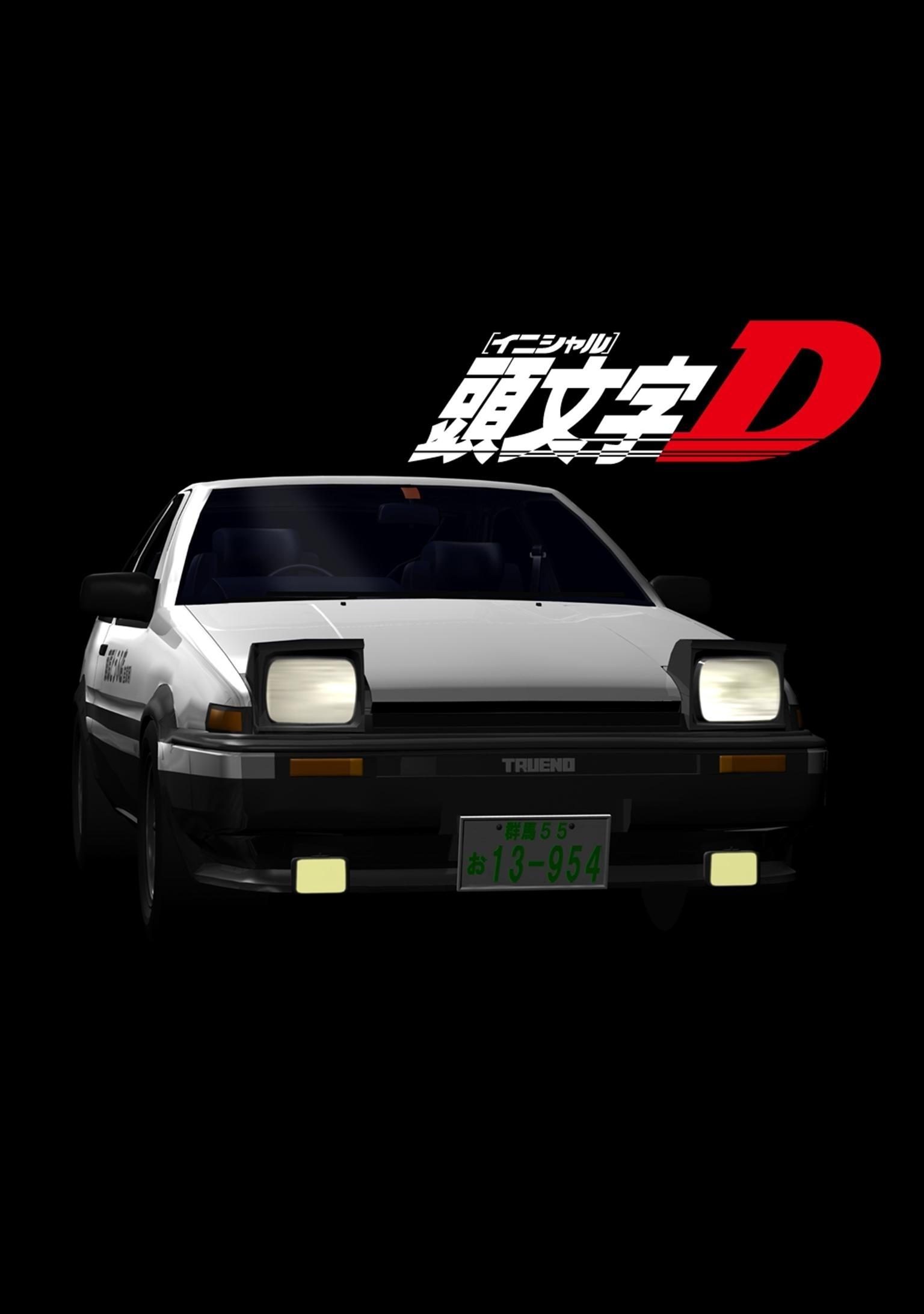
‘Initial D: First Stage’ translates motorsport technique to mountain passes: racing lines, weight transfer, throttle modulation, and trail braking. Drivetrain layouts influence handling, and tire grip limits define safe versus over-the-limit inputs.
From Studio Gallop and Pastel, adapted from Shuichi Shigeno’s manga, it explores setup—suspension tuning, differentials, and tire selection—plus reconnaissance runs to memorize corner sequences. Rivals study tells like braking points and engine notes to time overtakes.
11. ‘Kuroko’s Basketball’ (2012–2015)
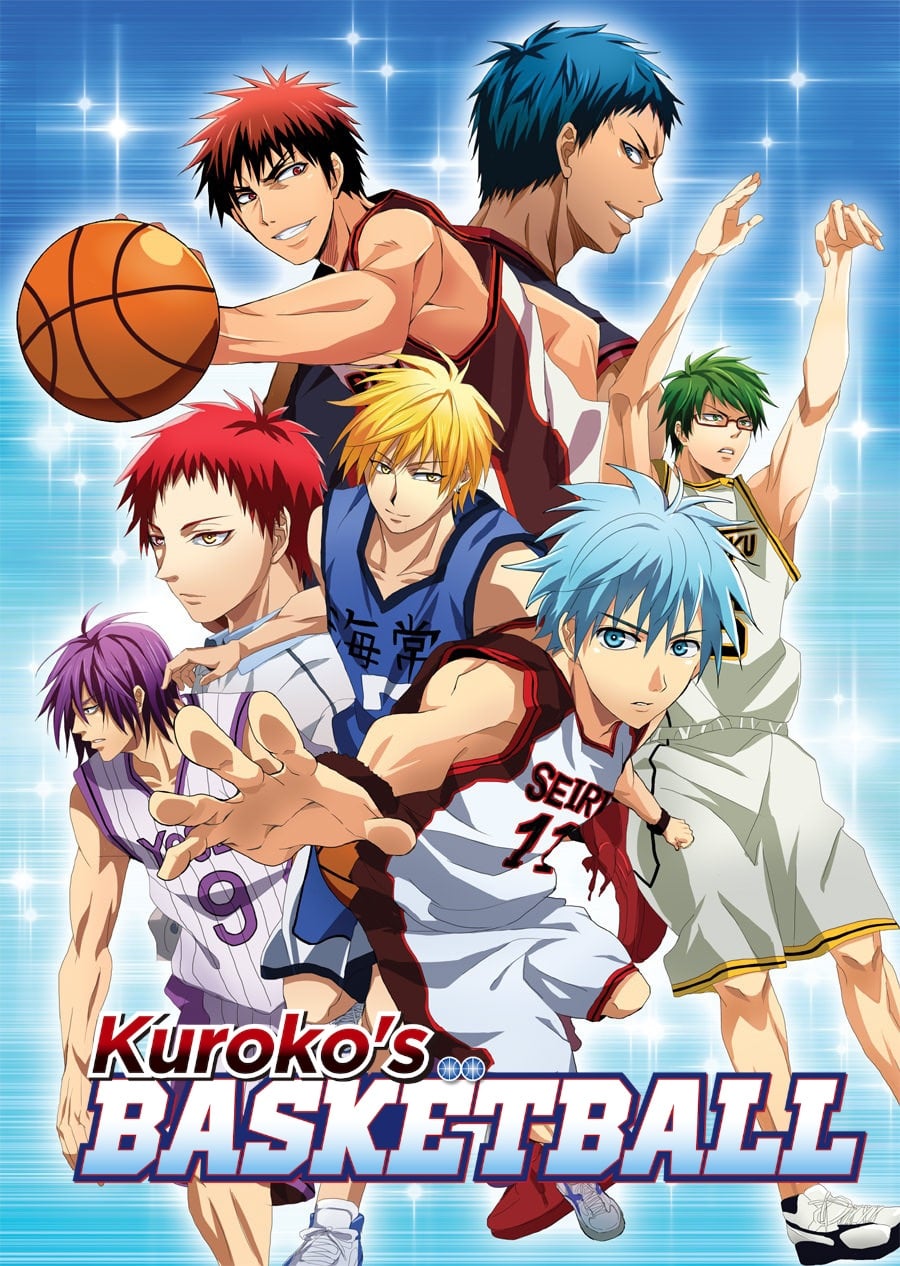
‘Kuroko’s Basketball’ builds a system around passing lanes, off-ball deception, and shot creation. It contrasts man-to-man and zone concepts, while backdoor cuts and flare screens generate high-value attempts.
Production I.G adapts Tadatoshi Fujimaki’s manga with scouting, playbook prep, and in-game adjustments. Conditioning tests and volume shooting sessions anchor practice, and captains enforce standards that carry into tournament play.
10. ‘Blue Lock’ (2022–2023)

‘Blue Lock’ concentrates on striker development with finishing drills, scanning, and movement that manipulates backlines. Small-sided games ramp decision speed and encourage direct creation.
Eight Bit adapts Muneyuki Kaneshiro and Yusuke Nomura’s manga with evaluation metrics, role versatility, and elimination formats. Training environments stress autonomy and accountability, mirroring high-intensity talent funnels in modern football.
9. ‘Cross Game’ (2009–2010)
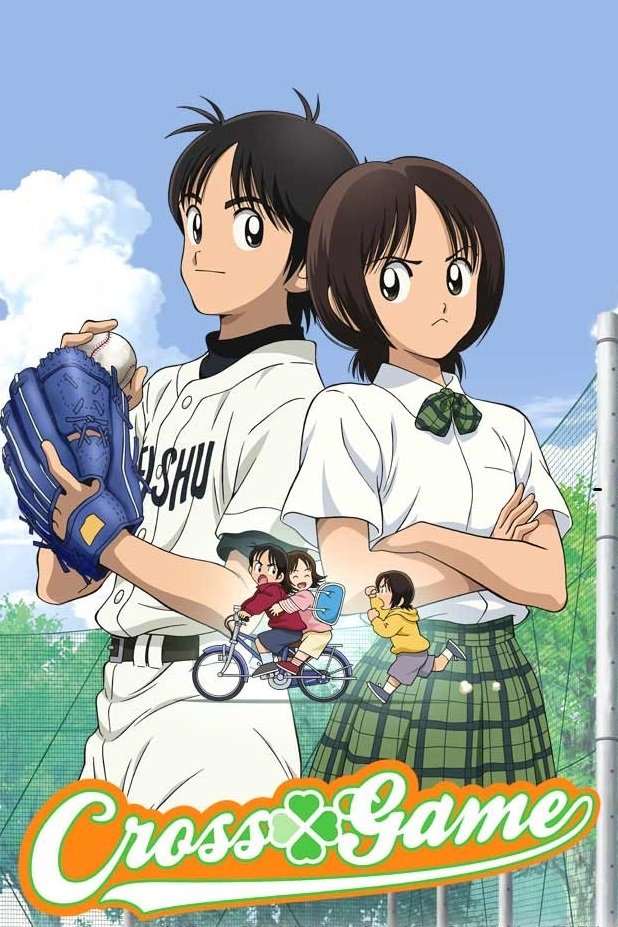
‘Cross Game’ rebuilds a baseball program through contact hitting, efficient defense, and situational awareness. Practice plans cover bunt execution, hit-and-run timing, and double-play footwork.
SynergySP adapts Mitsuru Adachi’s manga with scouting, roster balance, and long-term pitching depth. Qualifiers and bracket pacing determine starter usage, while coaching philosophies guide steady, fundamentals-first improvement.
8. ‘One Outs’ (2008–2009)
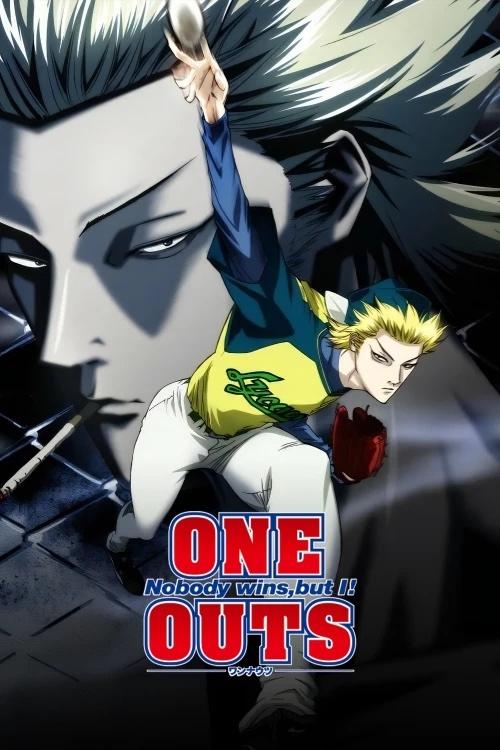
‘One Outs’ is a psychological baseball drama centered on pitcher–batter mind games and contract incentives. Pitch sequencing manipulates swing decisions, while defenders align to induce specific contact profiles.
Madhouse adapts Shinobu Kaitani’s manga with front-office strategy, player valuation, and negotiation dynamics. Lineup construction around leverage situations shows how probability and risk management dictate choices across nine innings.
7. ‘Chihayafuru’ (2011–2019)

‘Chihayafuru’ turns competitive karuta into a study of reaction time, memorization, and striking technique. Tournament formats, class progression, and the reader’s cadence shape match flow.
Madhouse adapts Yuki Suetsugu’s manga with team events, travel planning, and training that targets audio cues and spatial memory. Equipment details—tatami layout and card maintenance—help explain consistency during long meet days.
6. ‘Run with the Wind’ (2018–2019)
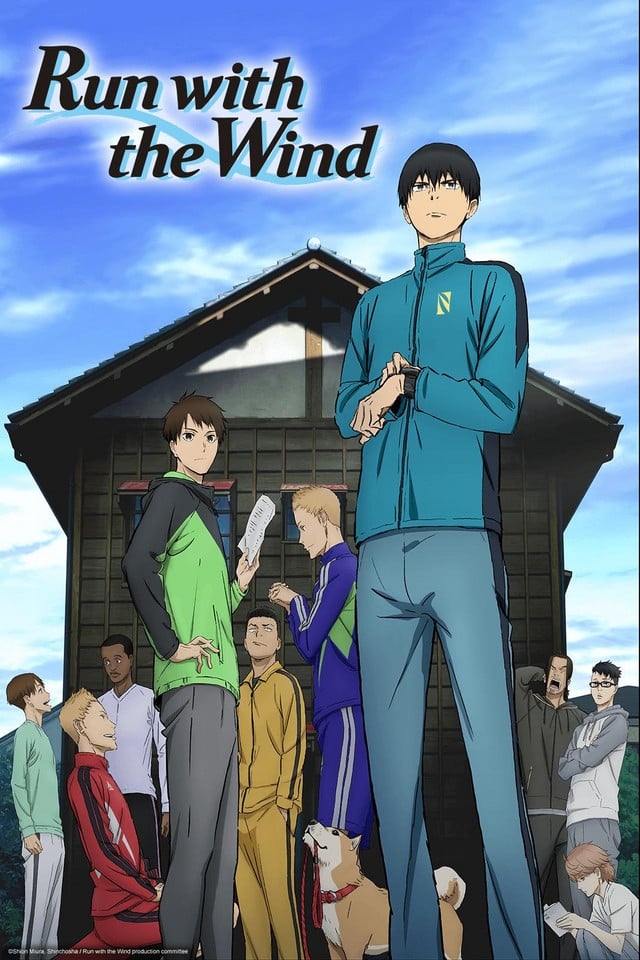
‘Run with the Wind’ builds toward a university relay using VO₂ max development, tempo work, and injury prevention for high-mileage runners. Nutrition, sleep, and tapering appear as key levers before race day.
Production I.G adapts Shion Miura’s novel with pace strategy, course segmentation, and baton exchanges. Entry caps, qualifying standards, and weather considerations illustrate the logistics behind distance racing.
5. ‘Ping Pong the Animation’ (2014)
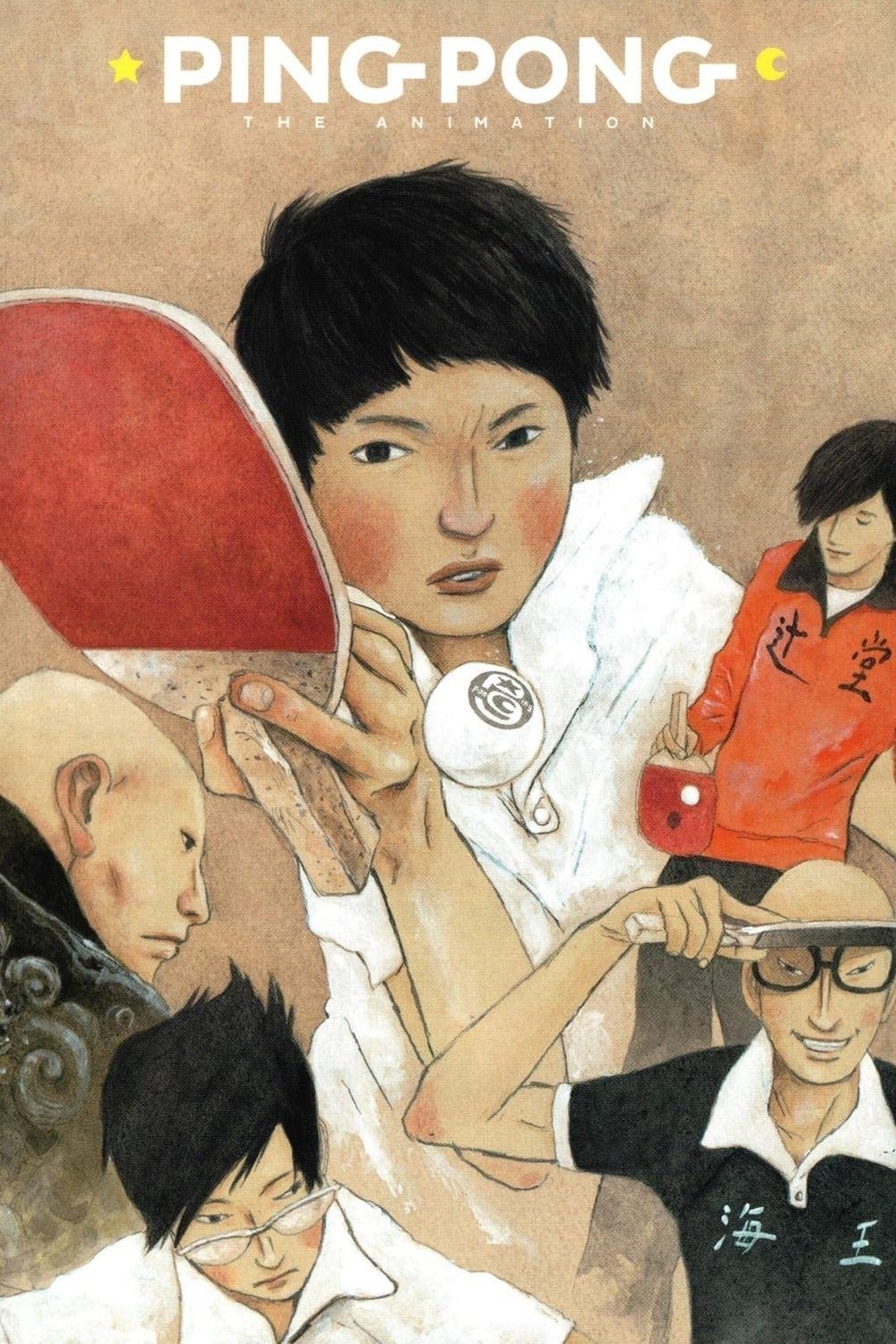
‘Ping Pong the Animation’ details table tennis spin mechanics, rubber types, and styles like shakehand and penhold. Serve variation and third-ball attacks set up early initiative in rallies.
Tatsunoko Production adapts Taiyō Matsumoto’s manga with multiball drills, footwork ladders, and timing work against different spin profiles. Seeded draws, tactical timeouts, and deuce resilience define the pressure at school and national levels.
4. ‘Slam Dunk’ (1993–1996)
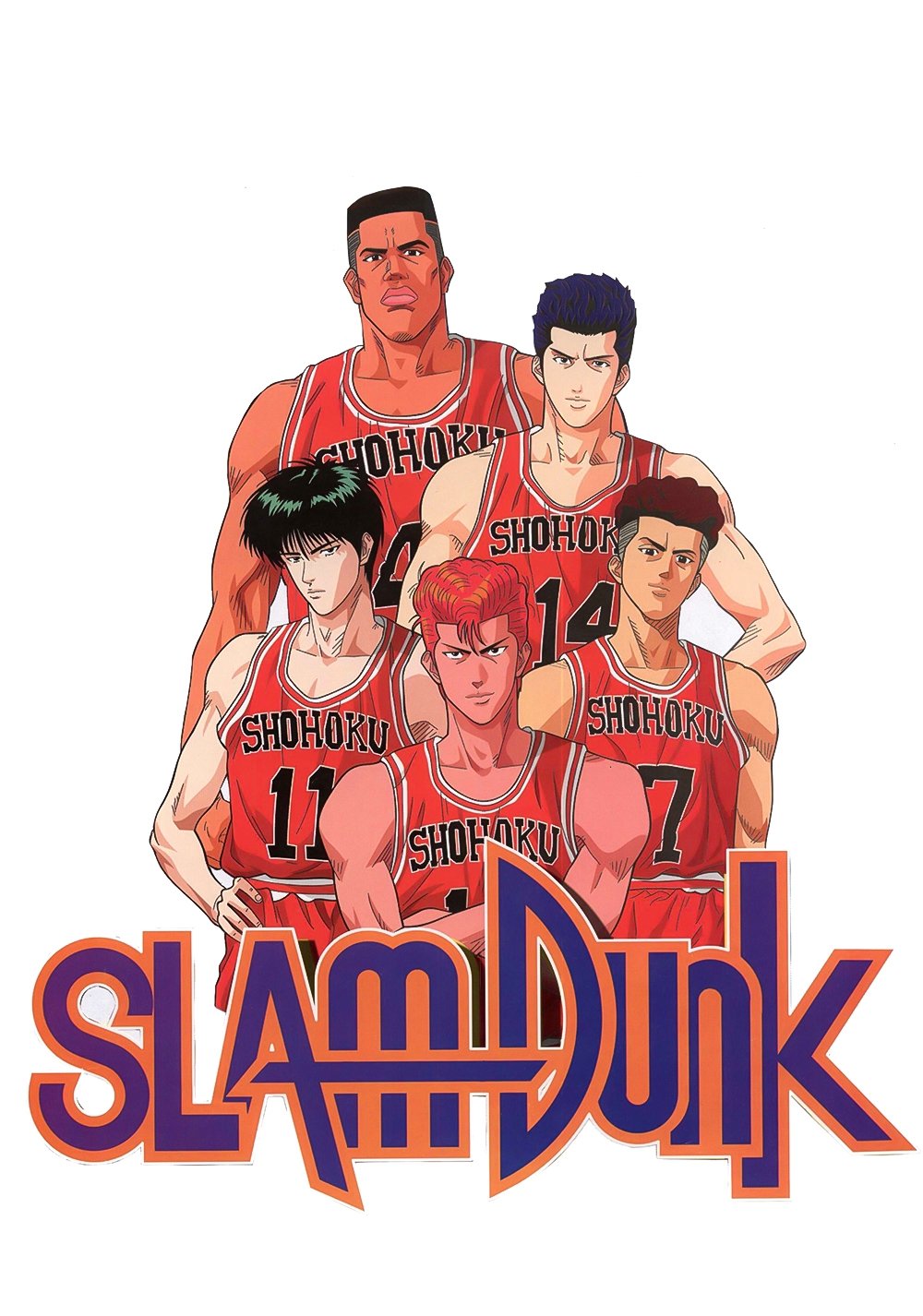
‘Slam Dunk’ charts a basketball team’s climb through disciplined practice and tactical evolution. It breaks down rebounding position, screen setting, and defensive communication as building blocks for regional tournaments.
Toei Animation adapts Takehiko Inoue’s manga with scouting reports, set-play variations, and conditioning staples. Officiating signals, foul tracking, and coaching adjustments show how momentum changes inside a single quarter.
3. ‘Fighting Spirit’ (2000–2002)
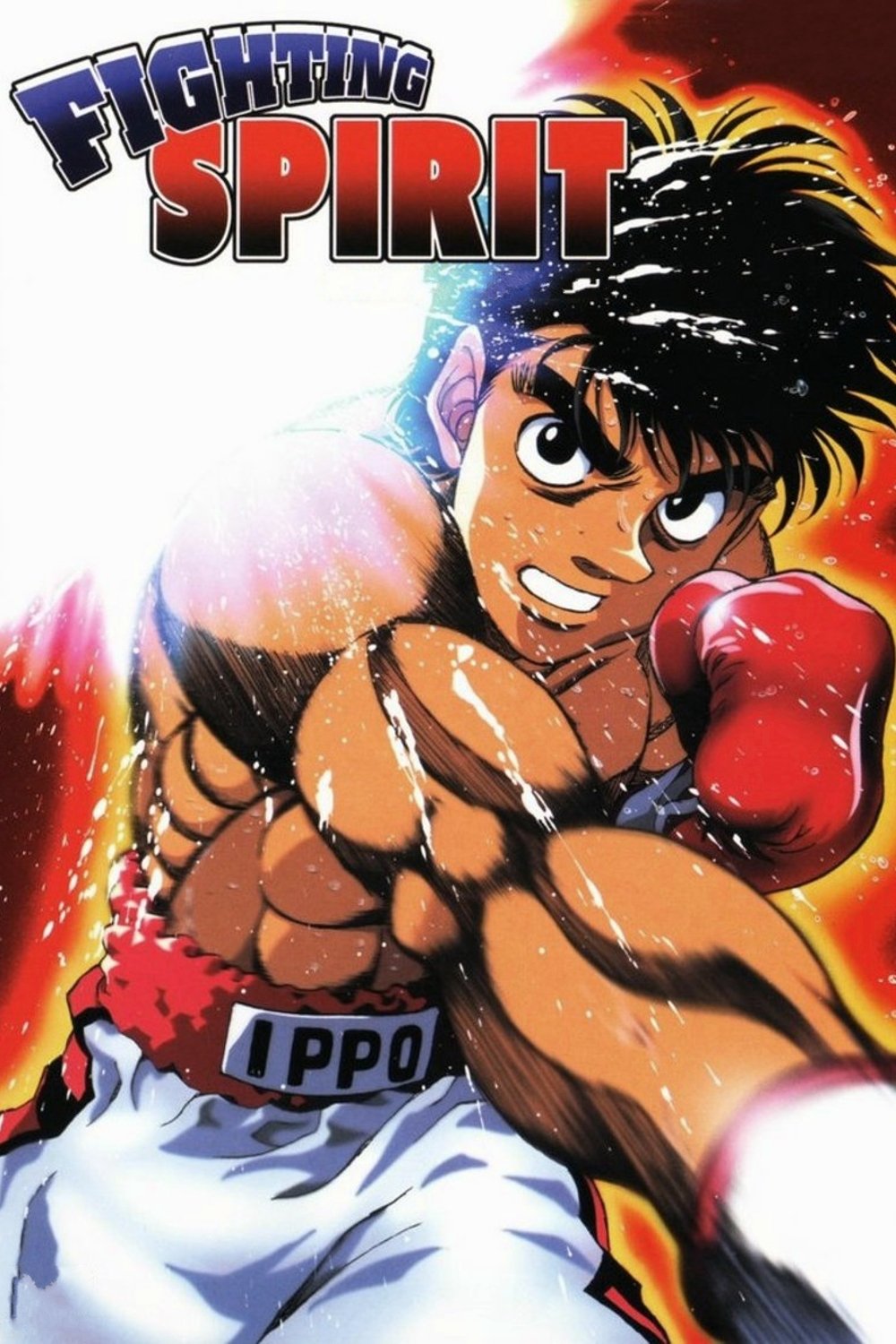
‘Hajime no Ippo’ is a boxing blueprint: stance, guard, counters, and combinations like the liver blow and gazelle punch. Camps revolve around sparring volume and conditioning that carries power late.
Madhouse adapts George Morikawa’s manga with rankings, title shots, and promoter matchmaking. Corner work, cut management, and round-by-round judging criteria ground each bout in recognizable fight-night detail.
2. ‘Haikyu!!’ (2014–2020)
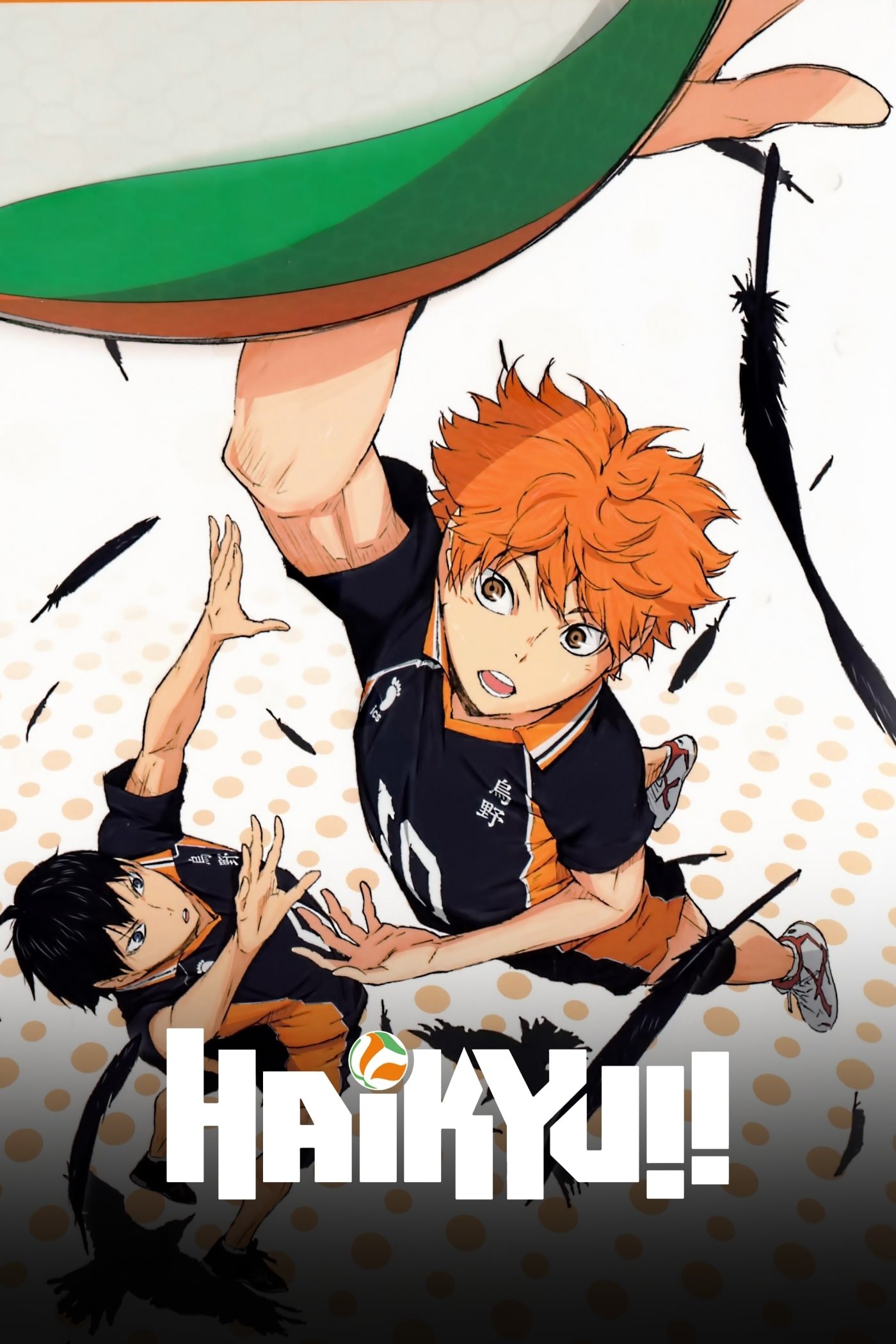
‘Haikyu!!’ teaches volleyball through rotations, serve-receive shapes, and quick-attack timing. Liberos, blocking schemes, and setter reads illustrate how small sync errors turn into point swings.
Production I.G adapts Haruichi Furudate’s manga with practice matches, data-driven prep, and jump training. Tournament structures, travel schedules, and recovery management frame a realistic march through qualifiers and championships.
1. ‘The First Slam Dunk’ (2022)
‘The First Slam Dunk’ spotlights modern basketball fundamentals—spacing, matchups, and endgame play-calling—through a cinematic, single-game lens. Inbounds options, substitution timing, and foul management are used to control possessions.
Directed by Takehiko Inoue and produced by Toei Animation and DandeLion Animation Studio, the film integrates scouting tendencies and referee mechanics into crisp set-pieces. Shot selection under pressure, transition defense, and late-clock decision trees make its closing stretch a showcase of execution.
Tell us which series or film you’d put on your must-watch list—and which unlisted favorites deserve a shout—in the comments!