5 Ways ‘Attack on Titan’ Aged Poorly (& 5 Ways It Aged Masterfully)


The anime adaptation of Hajime Isayama’s manga ran on television from 2013 to 2023. Seasons one to three were produced by WIT Studio and the final stretch was produced by MAPPA. Across that span the show used a continuous episode count, added split cours, and ultimately wrapped with two feature length specials in 2023. The manga itself concluded in 2021, which gave the production a complete blueprint for the closing chapters.
Over more than a decade the series moved through multiple broadcast windows, shifting technology, and changes in international licensing. That long timeline created some viewing and catalog quirks while also giving the adaptation room for intricate setups and payoffs. The notes below focus on concrete release facts, production choices, and distribution details that explain both sides of how ‘Attack On Titan’ reads today.
Aged Poorly: The Final Season name covered several years of releases
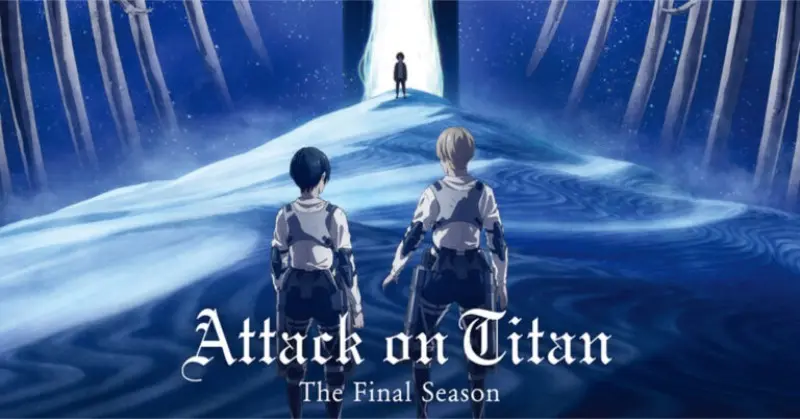
The television run labeled as ‘The Final Season’ began airing in late 2020, continued with additional episodes in 2021 and 2022, then concluded with two long specials in 2023. The episodes kept the original sequence numbering that started in 2013, so new entries began at episode 60 and continued upward rather than resetting to episode one for each part. Many services listed the two specials outside the main episode rows, which separated them from the earlier chapters in browsing menus.
Catalog navigation became harder for first time viewers because the arc called the final one stretched across multiple broadcast windows and formats. Release pages and home video spines often used different part labels, and guides needed to specify both the global episode number and the local season part. The result is that finding the correct next chapter requires checking both the season part and the episode count rather than following a single season shelf.
Aged Masterfully: Foreshadowing and payoffs were planned across the full run
The story places key objects and messages early and resolves them years later in broadcast time. The basement key introduced at the very beginning pays off with the Grisha notebooks and the outside world reveal near the end of season three, linking the first mystery to a concrete historical record on screen. Characters repeat ritual phrases and gestures that gain documented meaning once the origins of those customs are shown.
Episode titling creates a mirrored structure that is easy to trace on a rewatch. The premiere uses ‘To You, in 2000 Years’ and later a crucial chapter uses ‘From You, 2000 Years Ago’, which signals the timeline connection without requiring extra exposition. This pairing helps viewers map present day scenes to earlier myth fragments and track how the mythology lines up with the political history that appears later.
Aged Poorly: Visual continuity shifted after the studio change
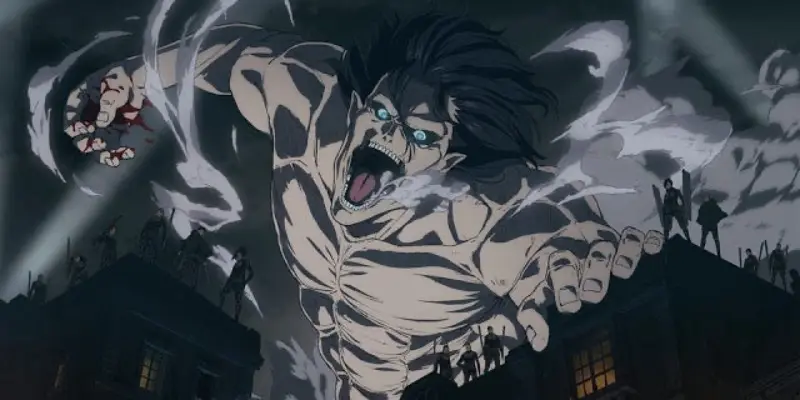
WIT Studio produced seasons one to three from 2013 to 2019, then MAPPA took over for ‘The Final Season’ from 2020 to 2023. Character line weight, color grading, and environmental rendering differ between those periods, and the later run increases the use of computer generated elements for Titans, vehicles, and crowds. Hardware and software pipelines also changed, which altered how motion blur and particle effects appear in composite shots.
Action design follows different production templates across the handoff. Model sheets and background layouts were refreshed, so recurring locations display new surface textures and lighting behavior when the story returns to them in the final stretch. Viewers who watch in high resolution formats can see asset reuse and updated shaders that mark the two eras of the adaptation.
Aged Masterfully: Omni Directional Mobility sequences remain clear and readable
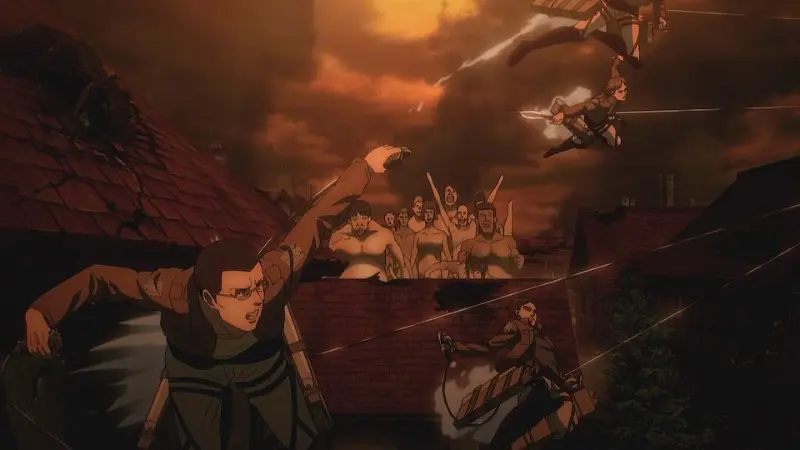
The show stages city fights with layered background plates and three dimensional layouts that keep building lines and alley geometry consistent from cut to cut. Camera paths often track along streets or pivot around rooflines, which preserves spatial relationships and makes character trajectories easy to follow. Anchoring shots to fixed points like towers or gate walls keeps distance and speed legible without extra narration.
Hand drawn effects, speed lines, and debris are integrated with perspective moves that simulate optical parallax, so motion reads cleanly on modern high resolution displays. Animators frequently tie impact beats to landmark edges or window frames, which gives viewers concrete reference points during fast movement. These layout choices help the action remain decipherable even when many characters share the frame.
Aged Poorly: Rights and availability were fragmented across services
For years, streaming rights were split in many regions between platforms that hosted subtitles and platforms that hosted dubs. Corporate mergers in 2022 moved catalogs under fewer brands, but earlier listings remained scattered across legacy apps and storefronts. Some seasons circulated as simulcast only for a time while back seasons rotated on and off services, which affected rewatch access during gaps.
Purchase and rental options also used different season labels than subscription catalogs. That created mismatches between episode packages and the televised part names, especially in the final stretch with its specials. Viewers starting later often needed a release guide to match their region’s listings to the broadcast order.
Aged Masterfully: Localization pipelines expanded and sped up
The series launched with a wide range of subtitle languages and later added multiple dubbed tracks including English, Spanish, Portuguese, French, German, Italian, Russian, and Arabic. Over time production teams standardized terminology across languages so that key nouns and military ranks lined up more closely from season to season. Credits and accessibility features also broadened, with closed captions and SDH tracks available in more markets.
Simuldub workflows shortened the gap between the Japanese broadcast and localized audio. Early in the run home video carried many dubs, then broadcast dubs arrived in tighter windows, which kept plot milestones synchronized for international audiences. That alignment reduced cross region spoiler spillover during major reveals and made weekly release schedules easier to follow outside Japan.
Aged Poorly: The release timeline included long pauses and extra parts
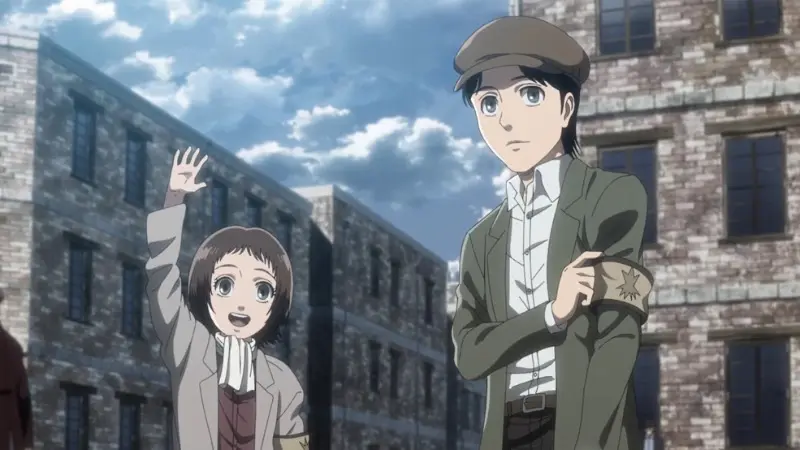
There was a long gap between season one in 2013 and season two in 2017. Season three then aired in two parts in 2018 and 2019, and the closing stretch began in 2020 and extended to 2023 with added parts and two specials. The broadcast calendar therefore spanned more than a decade from the first episode to the final scene.
Marketing cycles restarted several times because of those pauses. New key visuals and trailers needed to reacquaint viewers with the current arc and character status at each return. Episode guides and recap pages became reference tools for latecomers, since the proper order depended on both the year of release and whether an entry counted as a weekly episode or a special.
Aged Masterfully: The time skip and new setting broadened the story without retcons
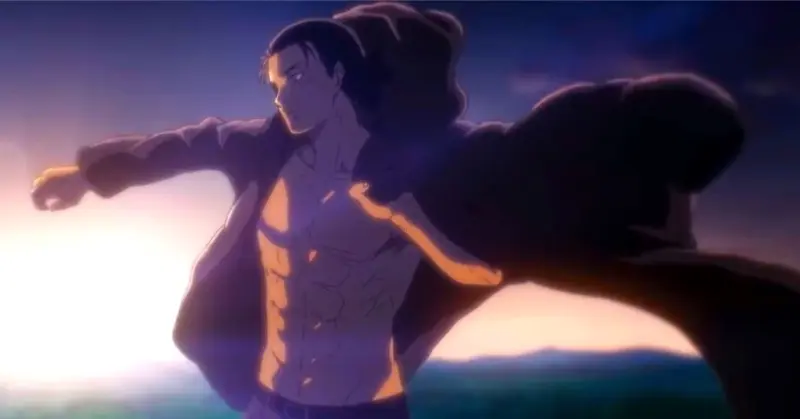
A four year time skip occurs before ‘The Final Season’, and the setting shifts to Marley with a focus on the Warrior unit and new cadets such as Gabi Braun and Falco Grice. The change adds new uniforms, weapons, and civic structures that the earlier seasons had only hinted at from within the walls. Maps, insignia, and government offices appear on screen, which puts earlier rumors and legends into a defined geography.
Terms like Marley, Eldia, Paradis, internment zone, and Warrior become standard vocabulary after the skip. When viewed in sequence, those labels clarify earlier mysteries like the origin of the Titans and the role of the walls in regional politics. The narrative order stays intact, since the new material explains prior events rather than rewriting them.
Aged Poorly: Terminology in official translations changed over time
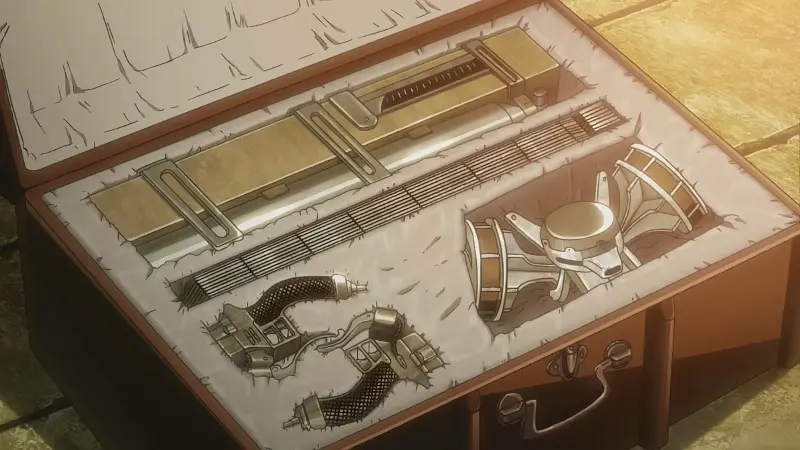
Several labels shifted as publishers and studios standardized glossaries. The gear used by soldiers was known early on as Three Dimensional Maneuver Gear, later as Omni Directional Mobility gear, and commonly as ODM gear in menus and credits. That evolution appears across subtitles, dubs, and packaging, depending on release year and region.
District names and faction terms also saw updates. Spellings and capitalization changed as style guides were revised, and some titles for organizations and ranks were adjusted to keep them consistent across languages. Viewers switching between services or editions may encounter different terms for the same concepts, which can require a quick cross check when following tutorials or guides.
Aged Masterfully: The adaptation stayed close to the manga without filler arcs
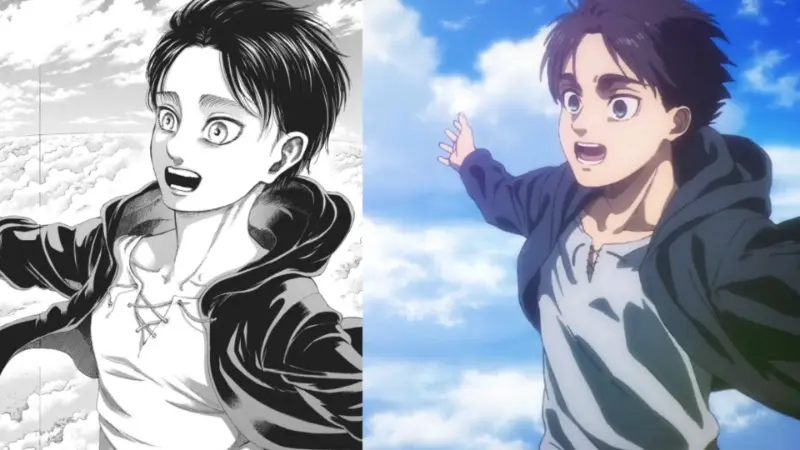
The anime followed the manga chapter order and avoided non canon arcs, which kept the story moving through the same major beats as the print version. When the television run reached the final chapters, the production used two extended specials in 2023 to adapt the remaining material in larger blocks. That approach finished the narrative on screen without inserting side stories between primary plot threads.
Recaps were usually delivered inside episode prologues or brief flashback scenes rather than full clip shows. That choice let viewers play straight through seasons without skipping extra episodes to preserve pacing. The complete adaptation forms a single chain from the first episode in 2013 to the final special in 2023, which makes chronological viewing straightforward once the correct order is known.
Share which points you agree with in the comments and add any other details that stood out to you while watching ‘Attack On Titan’.