All ‘Dragon Ball’ Series Ranked (From Worst to Best)


There’s a lot of ‘Dragon Ball’ to watch, and the timelines can get confusing fast. Between different cuts, sequels, and spin-offs, each series tackles a specific slice of the saga, from Goku’s earliest adventures to multiverse showdowns and beyond. If you’re planning a watch-through, it helps to know how the main series stack up historically and what each one actually covers.
Below is a straight rundown of the core series and the major spin-off that most fans bump into during a binge. The order moves from the least acclaimed entries up to the most universally celebrated, with each entry summarizing what it adapts, how it was made, and the key arcs and characters you’ll meet along the way.
‘Super Dragon Ball Heroes’ (2018–2024)
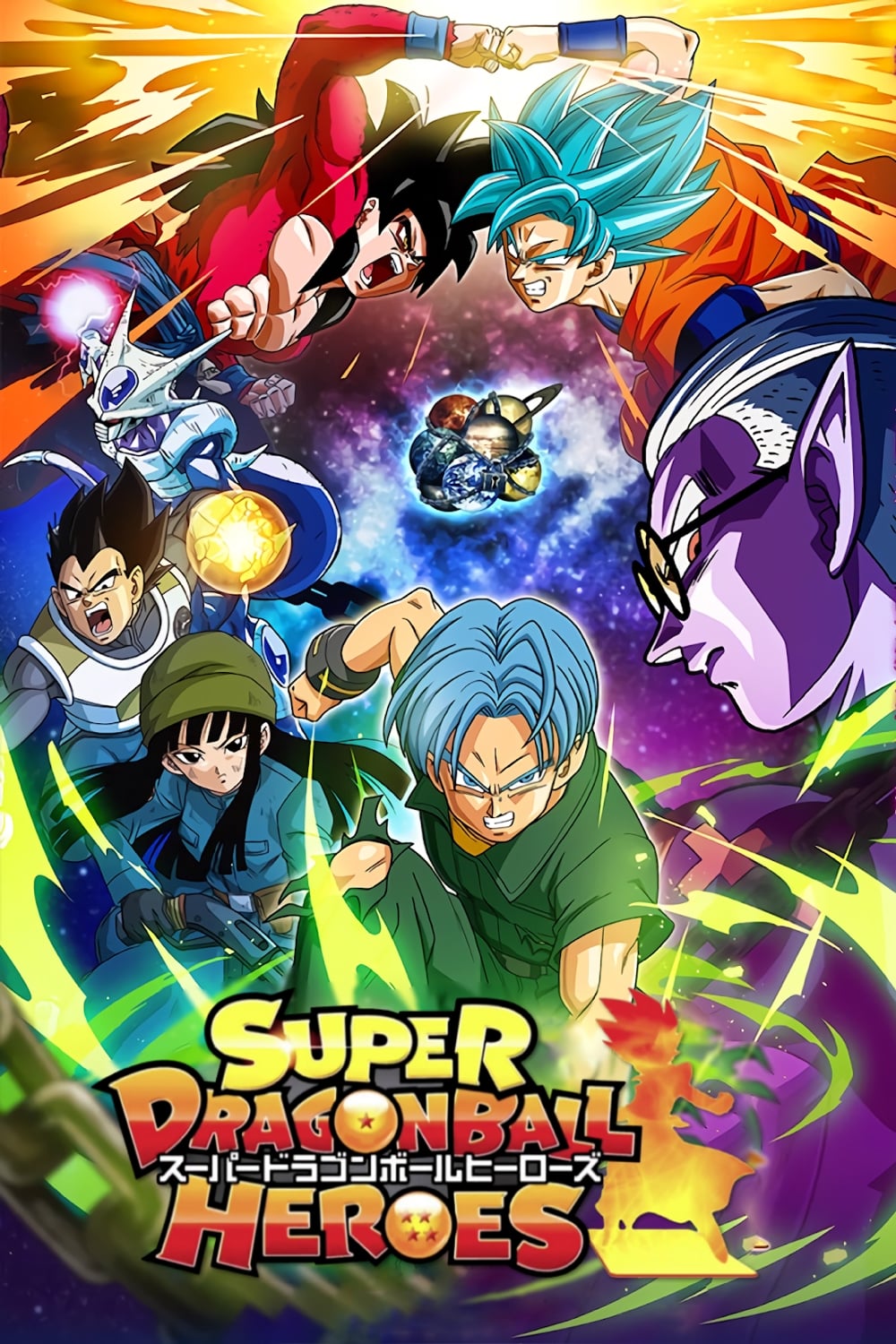
This promotional web anime ties into the ‘Super Dragon Ball Heroes’ arcade and card game in Japan. Episodes are short and event-driven, designed to showcase characters, transformations, and what-if scenarios that the games popularized. It introduces original antagonists like Fu and features condensed mini-arcs such as the Prison Planet Saga and the Universal Conflict Saga.
Produced by Toei Animation as online shorts, the series released episodes intermittently rather than in a weekly TV slot. It crosses timelines and universes freely, bringing in versions of characters like Xeno Goku and Super Saiyan 4 variations alongside forms from ‘Dragon Ball Super.’ Because of its format, stories are presented in brief chapters that quickly set up conflicts tied to the game’s evolving campaigns.
‘Dragon Ball GT’ (1996–1997)
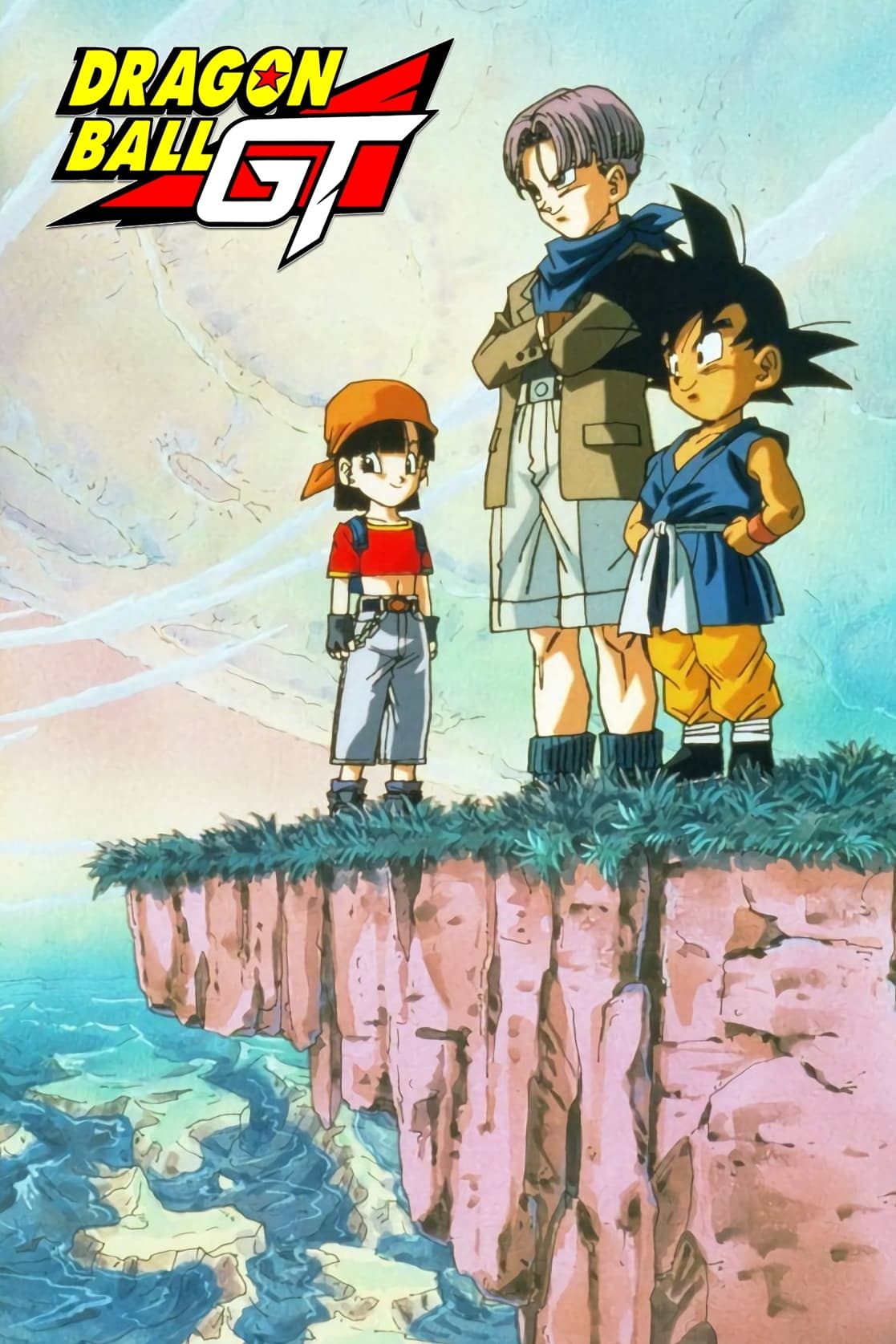
Set after the events of ‘Dragon Ball Z,’ this sequel follows Goku, Pan, and Trunks on a spacefaring hunt for the Black Star Dragon Balls, which scatter across the galaxy after a wish. Major storylines include the Baby Saga, the Super 17 Saga, and the Shadow Dragons, each introducing threats not adapted from the original manga.
Developed by Toei Animation without direct manga source chapters, the series explores new transformations such as Super Saiyan 4 and revisits classic supporting characters in later episodes. Broadcast in Japan on Fuji TV, it maintains the franchise’s continuity touchstones like Capsule Corp. tech and the Red Ribbon Army legacy while placing a bigger emphasis on off-world exploration in its early arc.
‘Dragon Ball Super’ (2015–2018)

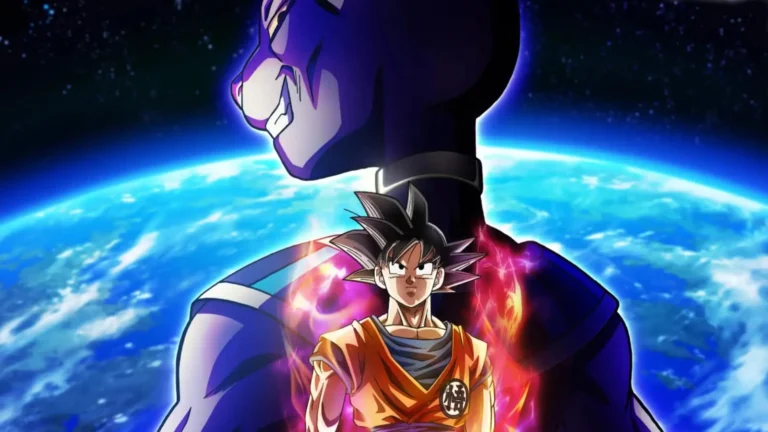
This sequel to ‘Dragon Ball Z’ begins after the defeat of Majin Buu and expands the setting with the introduction of Beerus, Whis, and the concept of multiple universes. Early arcs adapt the ‘Battle of Gods’ and ‘Resurrection ‘F’’ stories for television, followed by original sagas including Universe 6, Future Trunks, and the Tournament of Power that brings in the Omni-King and the Gods of Destruction.
Animated by Toei Animation for a weekly Fuji TV slot, the show standardized new power systems like Super Saiyan God and Super Saiyan Blue and established tournament formats that brought dozens of new fighters to the screen. It also recontextualizes long-running characters through mentorship and training with angels and deities, setting foundations that subsequent films continue to build on.
‘Dragon Ball Z Kai’ (2009–2015)
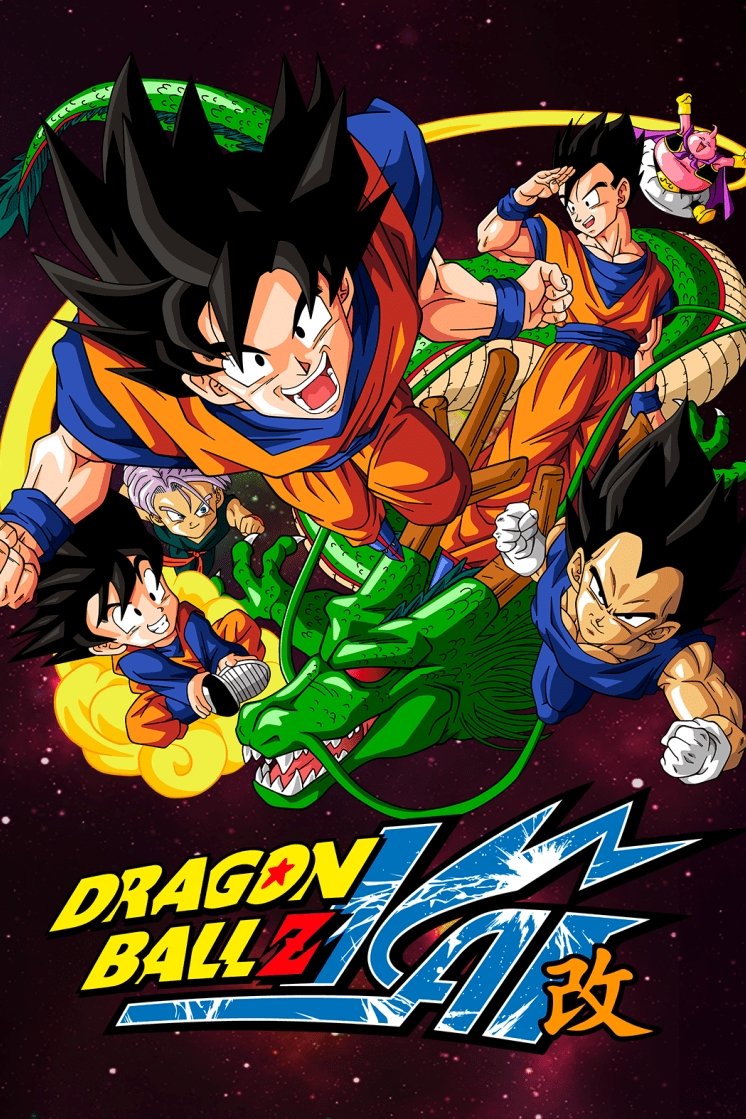
This is a remastered and re-edited version of ‘Dragon Ball Z’ that streamlines the story to more closely match Akira Toriyama’s manga pacing. It removes most non-manga filler, re-records dialogue with returning and updated casts, and upgrades the footage to high definition with cleaned-up visuals and reworked openings and endings.
The series covers the Saiyan, Namek/Frieza, Android/Cell, and Majin Buu arcs across two production phases, commonly referred to as the original ‘Kai’ run and ‘The Final Chapters.’ Music and certain effects were updated during its broadcast, and international releases often arrived in season blocks that aligned with major saga breaks for easier home-video distribution.
‘Dragon Ball’ (1986–1989)
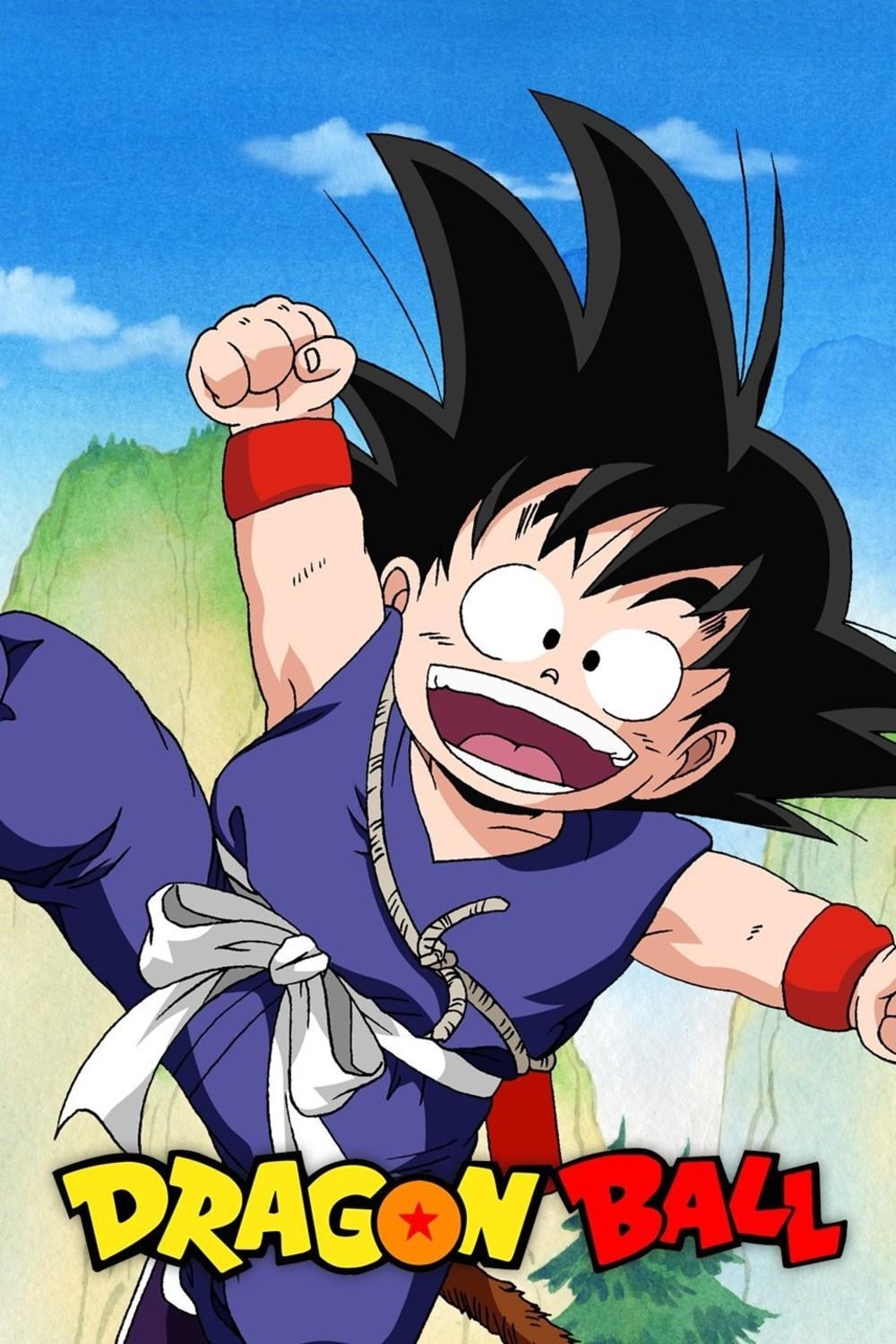
The original series adapts the early manga chapters that follow a young Goku meeting Bulma and setting out to find the Dragon Balls. It covers the Pilaf, Tournament, Red Ribbon Army, General Blue, Commander Red, Fortune Teller Baba, and King Piccolo storylines, culminating in Goku’s growth through training under Master Roshi and later with Kami.
Produced by Toei Animation and aired on Fuji TV, the show establishes the world’s mix of martial arts, science fiction, and myth. It introduces recurring elements like the Tenkaichi Budokai tournament structure, Capsule Corporation inventions, and key allies such as Krillin, Tien, and Yamcha, forming the narrative foundation that later series expand into interplanetary stakes.
‘Dragon Ball Z’ (1989–1996)

This direct continuation adapts the Saiyan, Namek/Frieza, Android/Cell, and Majin Buu arcs from the manga’s middle and late periods. It chronicles Goku’s discovery of his Saiyan heritage, the escalation to interstellar battles, time-travel elements through Future Trunks, and the fusion and transformation mechanics that define the latter half of the saga.
Animated by Toei Animation for Fuji TV, the series greatly increases the scale of conflicts, introducing concepts like Super Saiyan forms, Namekian lore, and Earth’s defenders coordinating across galaxies. Its production history includes multiple opening and ending themes, extended multi-episode battles aligned to weekly broadcast pacing, and international dubs that helped drive the franchise’s global popularity through syndicated television blocks.
Share your own personal ranking of the ‘Dragon Ball’ series in the comments!