Anime That Seem Fun but Are Actually Really Dark


Bright colors, upbeat openings, and lighthearted premises can make some series look like carefree viewing. But a handful of anime use that approachable surface to set up serious subject matter—pulling viewers into stories about exploitation, trauma, and survival that go far beyond their cheery first impressions.
Below is a curated list of titles that pair inviting aesthetics or familiar genres with unexpectedly heavy subject matter. For each entry you’ll find concrete details about the premise, creators, and production, along with the specific themes and narrative turns that push these shows into darker territory.
‘Puella Magi Madoka Magica’ (2011)

Created by Gen Urobuchi, Akiyuki Shinbo, and artist Ume Aoki and produced by Shaft, ‘Puella Magi Madoka Magica’ starts with a standard magical-girl setup before revealing a contract system that converts hope into energy at devastating cost. The series follows middle-schoolers navigating wishes and transformations under the guidance of the creature Kyubey, with music by Yuki Kajiura and direction that blends 2D animation with collage-style witch labyrinths.
The narrative reframes magical powers as part of an energy-harvesting mechanism driven by entropy, turning the role of “witches” into a tragic endpoint for “magical girls.” Broadcast on MBS and TBS, the show includes time-loop structure, cause-and-effect plotting, and explicit rules about soul gems that lead to character deaths, moral trade-offs, and a cosmology that expands into the compilation and sequel films ‘Puella Magi Madoka Magica the Movie: Rebellion’.
‘Made in Abyss’ (2017– )
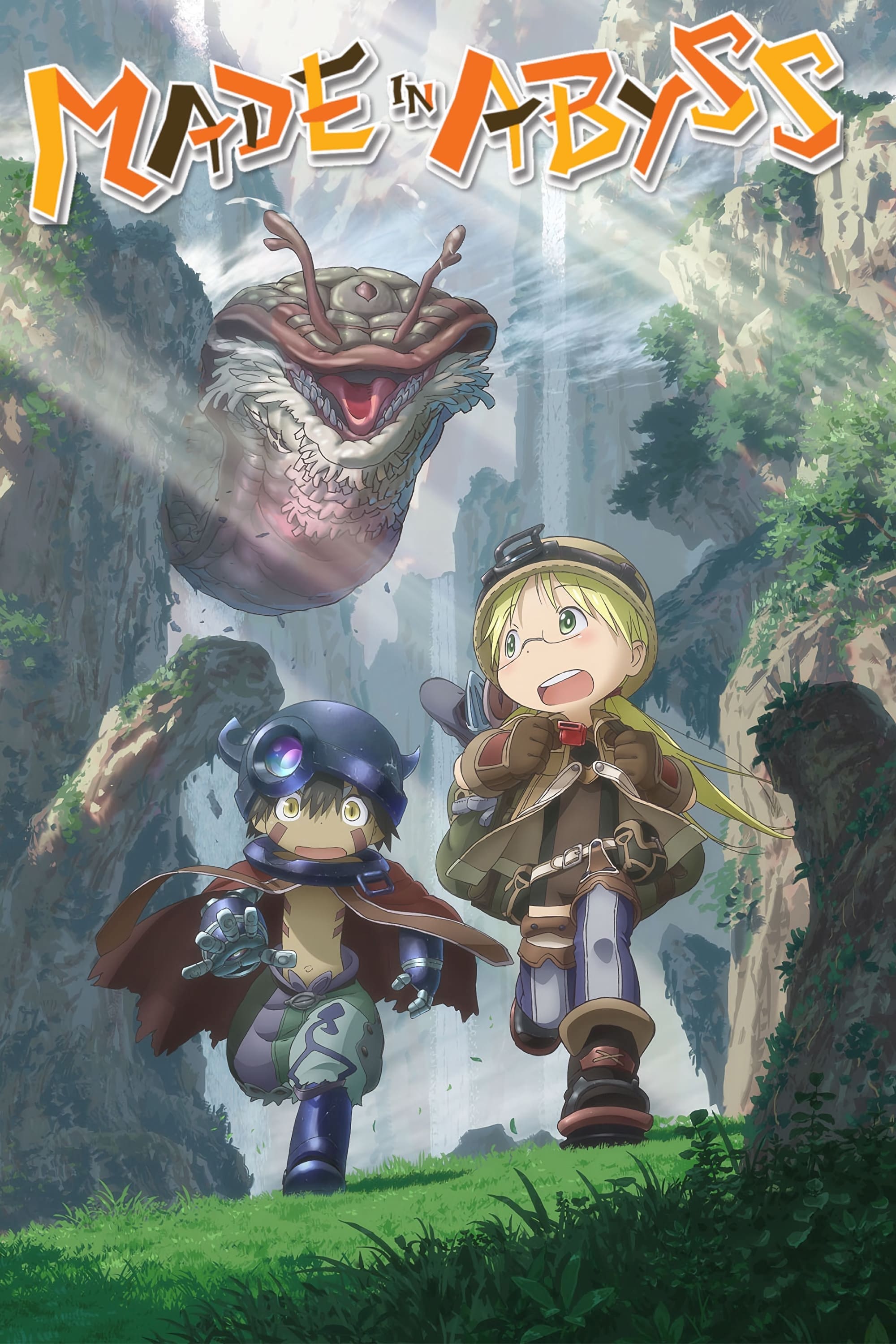
Kinema Citrus adapts Akihito Tsukushi’s manga about a colossal pit called the Abyss, charted by cave raiders who face physical “Curses” that worsen the deeper they descend. Protagonists Riko and Reg travel through layers populated by relics, fauna with documented behaviors, and settlements like Orth, with Kevin Penkin’s score and detailed world-building backing the expedition format.
The show systematically explains each layer’s biology and the medical consequences of ascent—ranging from nausea to loss of humanity—while introducing institutions such as the White Whistles and research outposts. Subsequent film installments and a second season expand on experiments, resource economies, and survival procedures, featuring on-screen injuries, child endangerment, and ethical breaches by explorers and scientists.
‘School-Live!’ (2015)
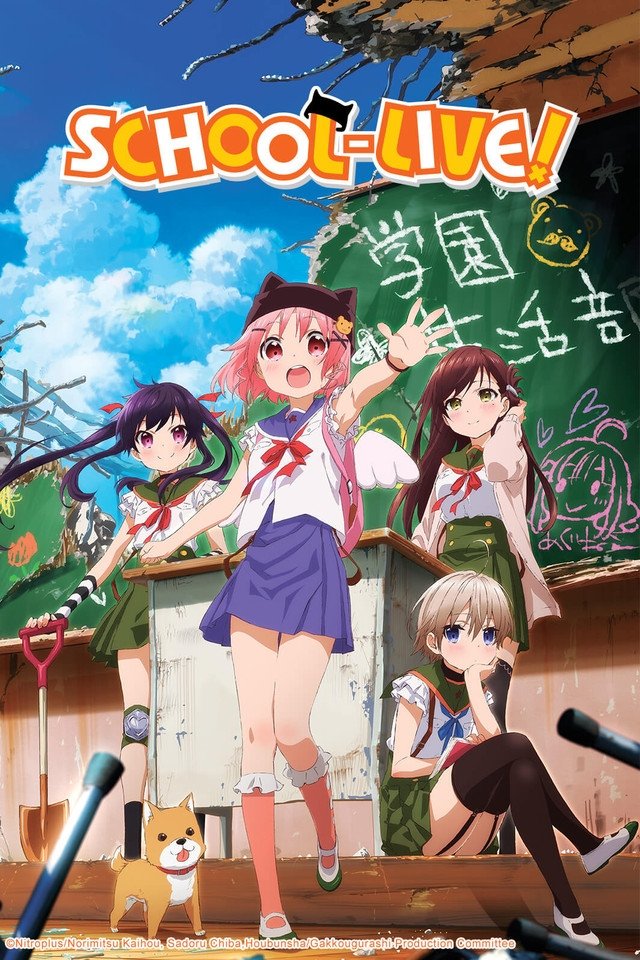
Animated by Lerche from Norimitsu Kaihō’s manga, ‘School-Live!’ follows the School Living Club—Yuki, Kurumi, Yuri, and Miki—who “live” at school with a faculty advisor as they maintain daily routines and club activities. The series initially emphasizes slice-of-life structure, then documents resource management, barricade planning, and supply runs amid a zombie outbreak, with episodes incorporating in-universe memos and preparedness checklists.
As it progresses, the show addresses survivor psychology, including delusions used to cope with loss, infection protocols, and the logistics of caring for a dog in quarantine conditions. Flashbacks and environmental storytelling reveal how the school’s emergency manuals, rooftop garden, and broadcast systems function, while depicting casualty records, evacuation failures, and the Club’s procedural responses to breaches and contagion.
‘The Promised Neverland’ (2019–2021)
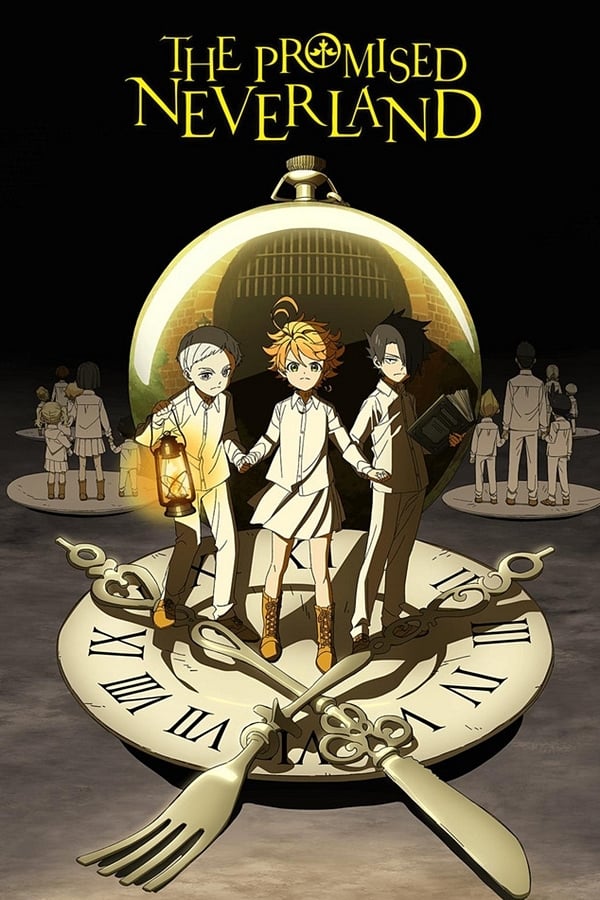
CloverWorks’ adaptation of Kaiu Shirai and Posuka Demizu’s manga opens at Grace Field House, an orphanage that tracks children’s intellect through routine testing. Initially presented as a warm communal environment supervised by “Mom,” the project reveals an agricultural supply chain in which children are graded, tagged, and shipped, with escape plans developed using maps, rope fabrication, and code hidden in books.
The series catalogs institutional structures—Sisters, Grandmother, different plantations—and the methods the children employ for reconnaissance, including calendar systems, perimeter checks, and communication through Morse-like signals. It details how age, test scores, and physical health affect shipment schedules, while later episodes introduce contracts with non-human entities, agreements governing safe passage, and the ethics of raising livestock in a parallel world.
‘Bokurano’ (2007)
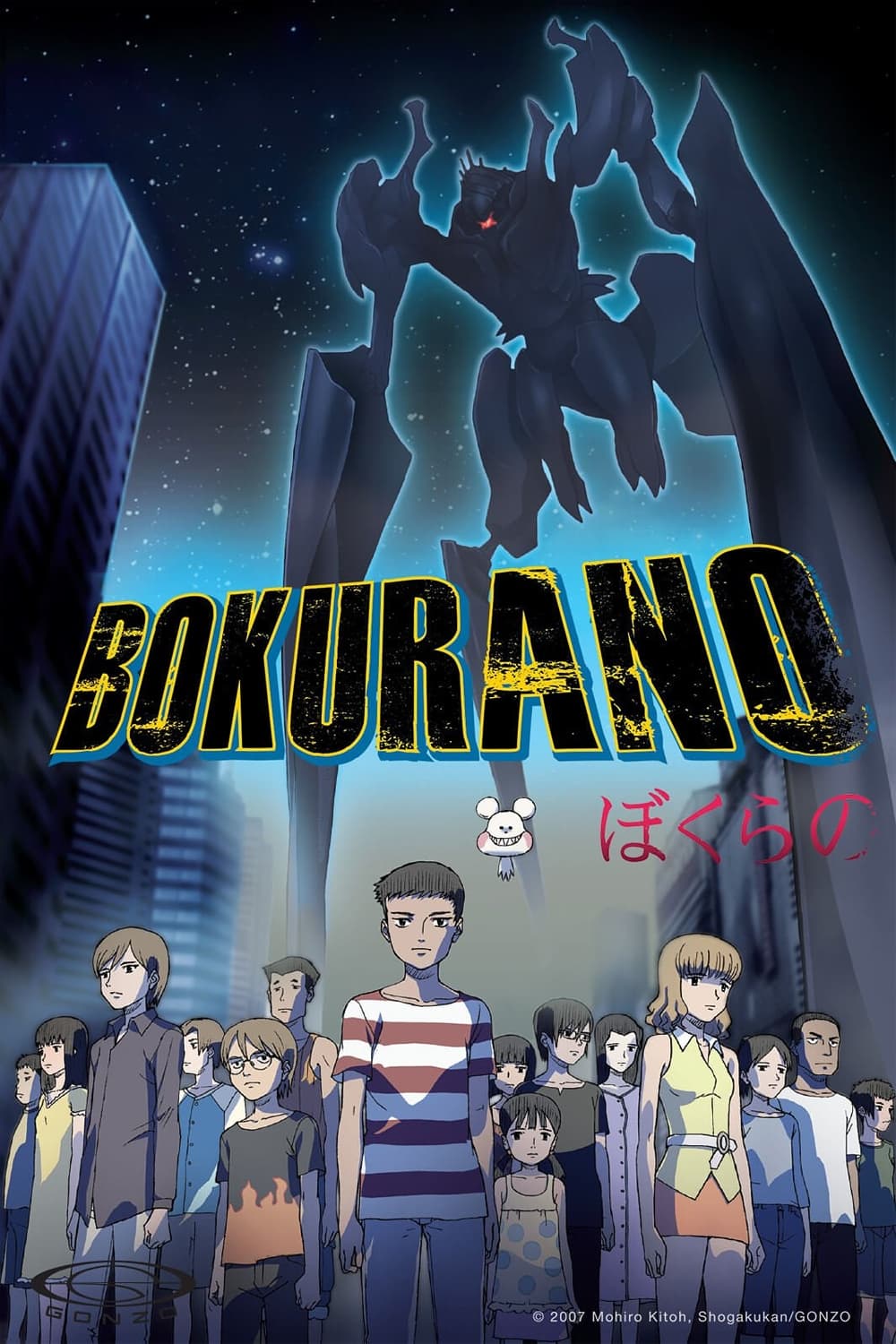
Gonzo adapts Mohiro Kitoh’s manga about a group of middle-schoolers who sign a “game” contract to pilot a giant robot defending Earth against a sequence of opponents. Each battle consumes a pilot’s life, with the selection order predetermined and explained via an operating manual, cockpit interface rules, and an accompanying administrator who clarifies the multiverse stakes.
Episodes profile individual pilots’ families, legal guardians, and social services involvement, showing how the contract’s binding clauses override consent and how authorities respond to unexplained disasters. The narrative documents media coverage, public panic, and government briefings, while enumerating the robot’s energy conversion, enemy scheduling, and the irreversible consequences encoded in the system’s software.
‘Shadow Star Narutaru’ (2003)
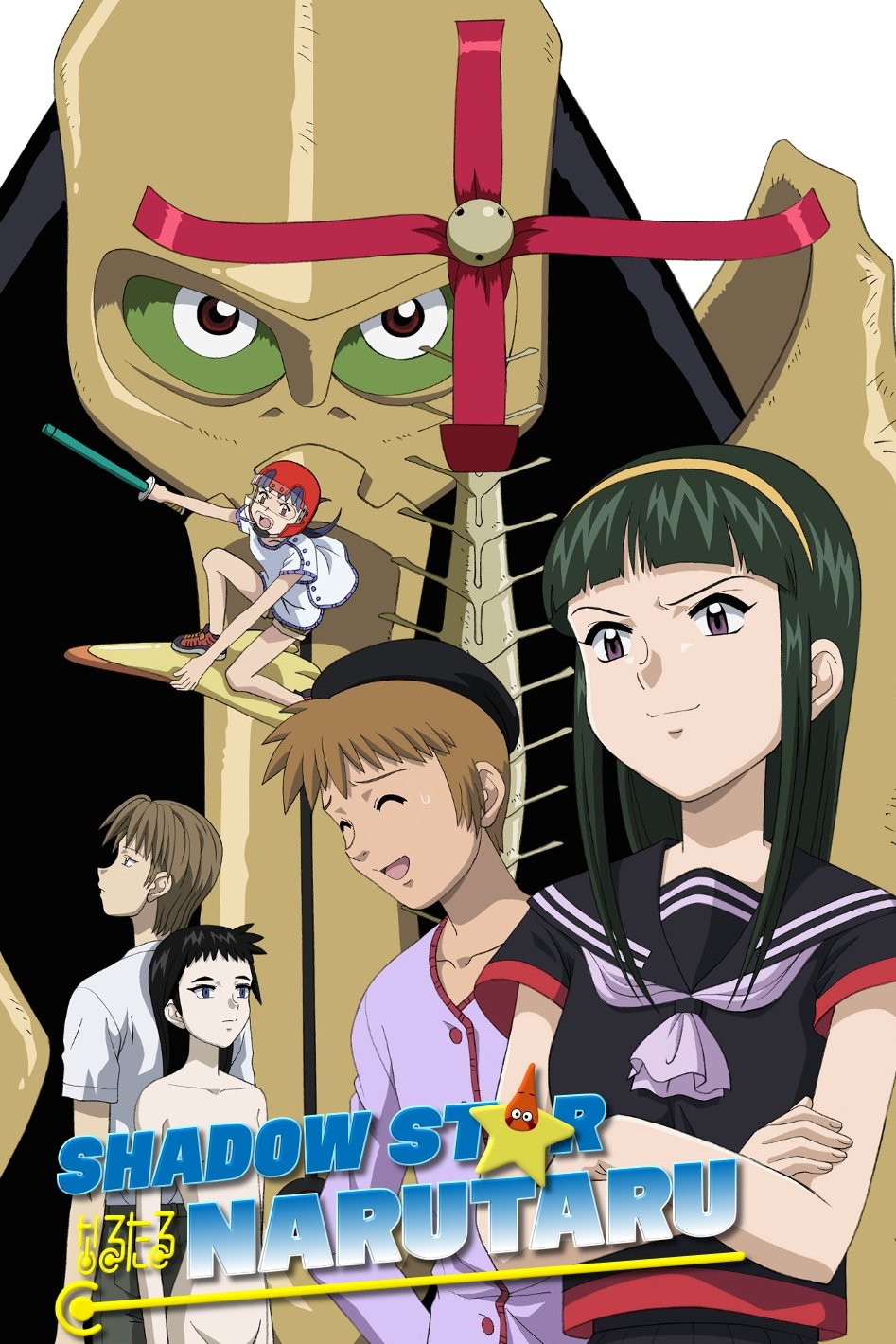
Adapted by Planet’s from Mohiro Kitoh’s manga, ‘Shadow Star Narutaru’ introduces dragon-shaped creatures that bond with children and operate as remote-controlled weapons. The series describes how these “hoshimaru” entities interface with their users, the signal-range constraints, and the ways different children form factions that test limits in civilian spaces, schools, and military zones.
As the plot advances, incidents involving bullying, abuse, and targeted violence are shown alongside police investigations and hospitalizations. The show documents jurisdictional disputes and security responses, while illustrating how the creatures’ properties—flight, cutting force, and stealth—enable escalations from pranks to fatalities, and how adult institutions struggle to contain adolescent-led paramilitary actions.
‘Happy Sugar Life’ (2018)

Produced by Ezo’la from Tomiyaki Kagisora’s manga, ‘Happy Sugar Life’ centers on high-schooler Satō Matsuzaka, who secretly cohabits with Shio Kobe in an apartment she finances through part-time work. The series tracks Satō’s methods for identity masking, rent payments, and social alibis, while also covering workplace dynamics and interactions with peers who become entangled in her cover-ups.
The narrative follows missing-person reports, evidence disposal, and blackmail schemes as law enforcement closes in, mapping how security cameras, employment records, and school attendance logs create contradictions for the protagonists. Episodes include POV shifts that reconstruct timelines and show how secondary characters’ histories—stalking, family neglect, and exploitation—intersect with the case.
‘Wonder Egg Priority’ (2021)
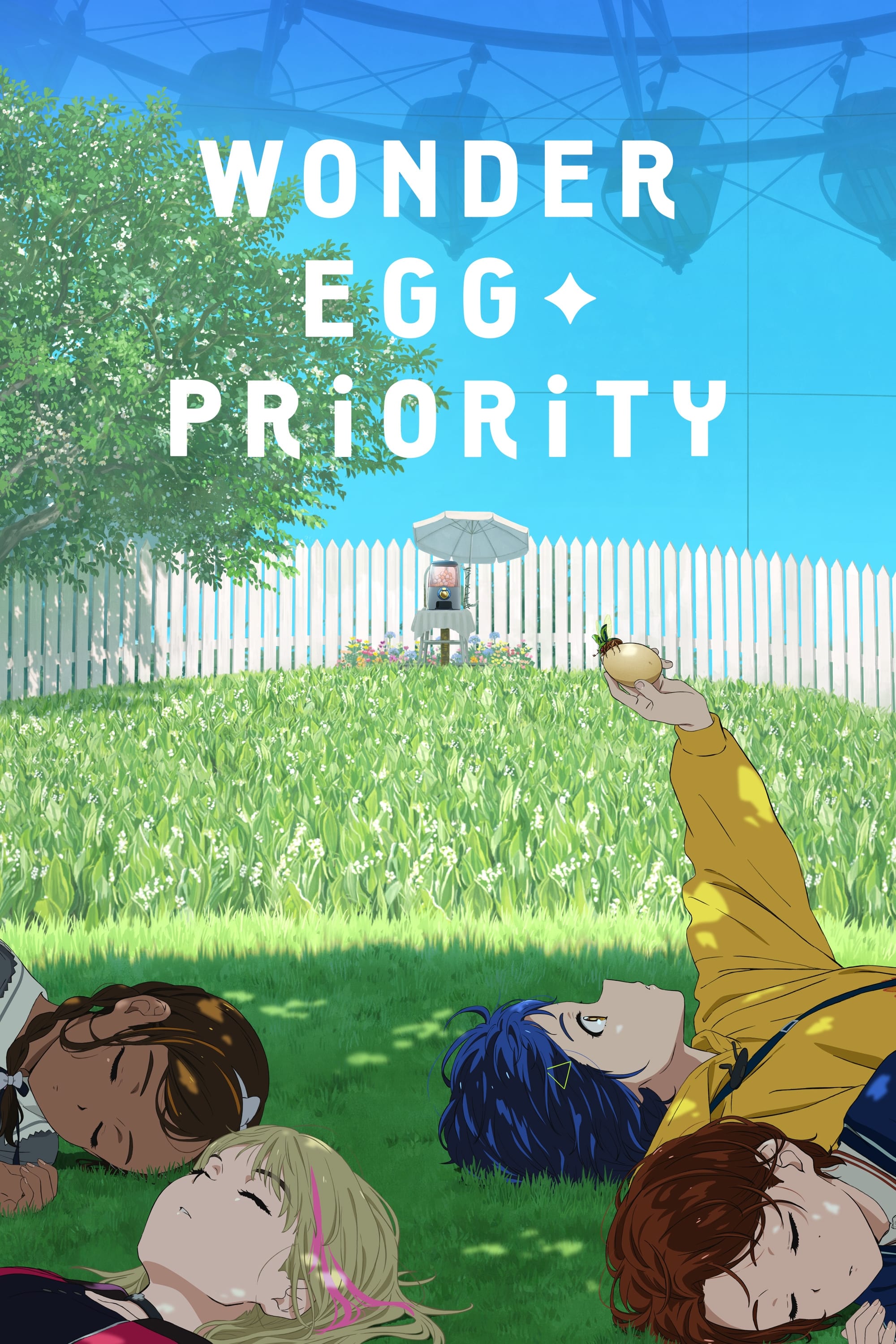
CloverWorks presents an original series in which Ai Ohto purchases “eggs” that hatch victims of bullying and self-harm inside combat arenas designed as dreamscapes. The show establishes rules for these arenas—time limits, enemy archetypes based on real-world abusers, and penalties that manifest on the girls’ bodies—alongside a support system run by mannequins Acca and Ura-Acca.
Across its run, the series catalogs case files of victims, the monetization and data-collection practices of the support system, and the consequences of reviving or replacing lost friends. It also tracks how virtual idols, media scandals, and scientific experiments feed into the egg program’s objectives, extending to ethical debates about autonomy, consent, and the replication of consciousness.
‘Hunter x Hunter’ (2011–2014)
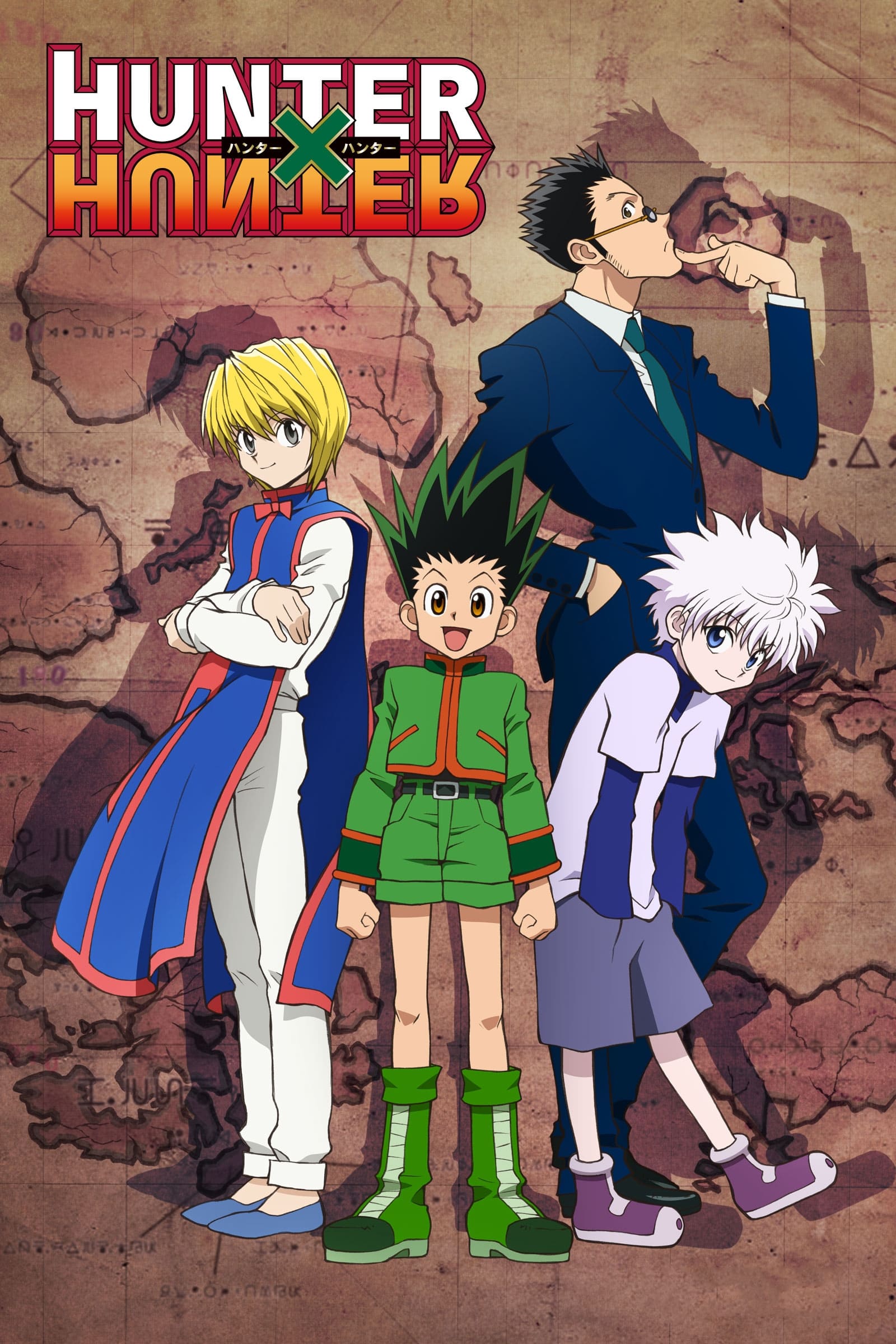
Madhouse’s adaptation of Yoshihiro Togashi’s manga begins with the Hunter Exam arc, documenting licensing protocols, survival tasks, and Nen—an energy system with specific categories, restrictions, and contracts. The series provides formal training sequences, rule explanations, and examinations of how conditions and vows boost Nen output, with arcs that detail governance structures like the Hunter Association and its election procedures.
Later arcs such as Yorknew City and Chimera Ant track organized crime markets, hostage negotiations, and biological evolution within a newly emergent species. The show’s procedural focus extends to battlefield tactics, counter-intelligence, and the use of aura to manipulate ecosystems, while also cataloging civilian displacement, casualty counts, and the legal gray zones that arise under emergency authority.
‘Magical Girl Site’ (2018)
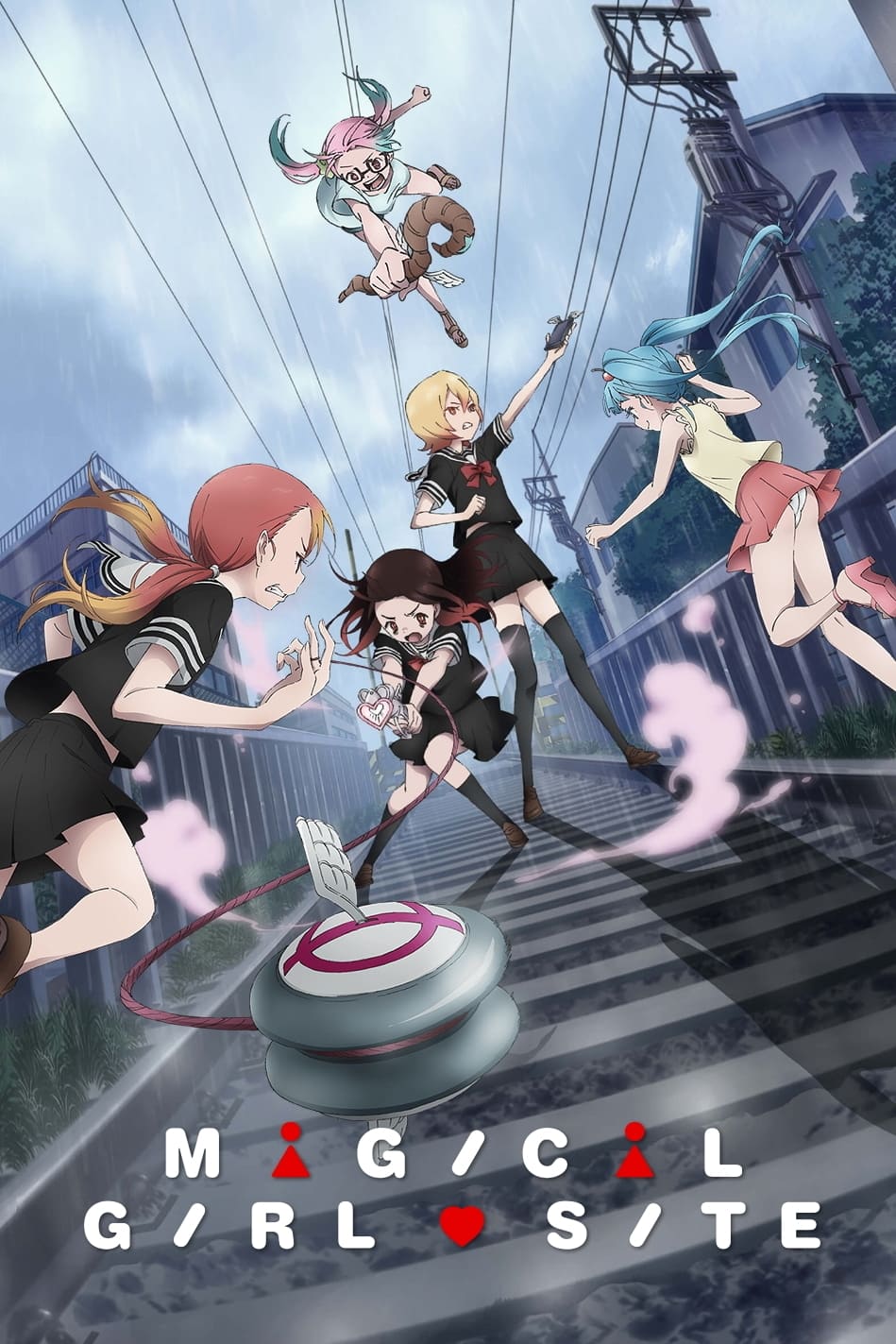
Produced by Production doA from Kentaro Sato’s manga, ‘Magical Girl Site’ equips chosen girls with “wands” that have defined capabilities—teleportation, bullet generation, and mind control—dispensed by a website run by enigmatic administrators. The series outlines the site’s criteria, countdown to a prophesied calamity, and the point-based ranking that encourages violence among users.
The plot traces police cases, school investigations, and vigilante responses as wand misuse leads to injuries and deaths, while also covering how the girls form alliances, share resources, and develop countermeasures against stronger opponents. System updates, server outages, and administrator interventions are presented as operational events that alter power balances and escalate the stakes for everyone involved.
‘Magical Girl Raising Project’ (2016)
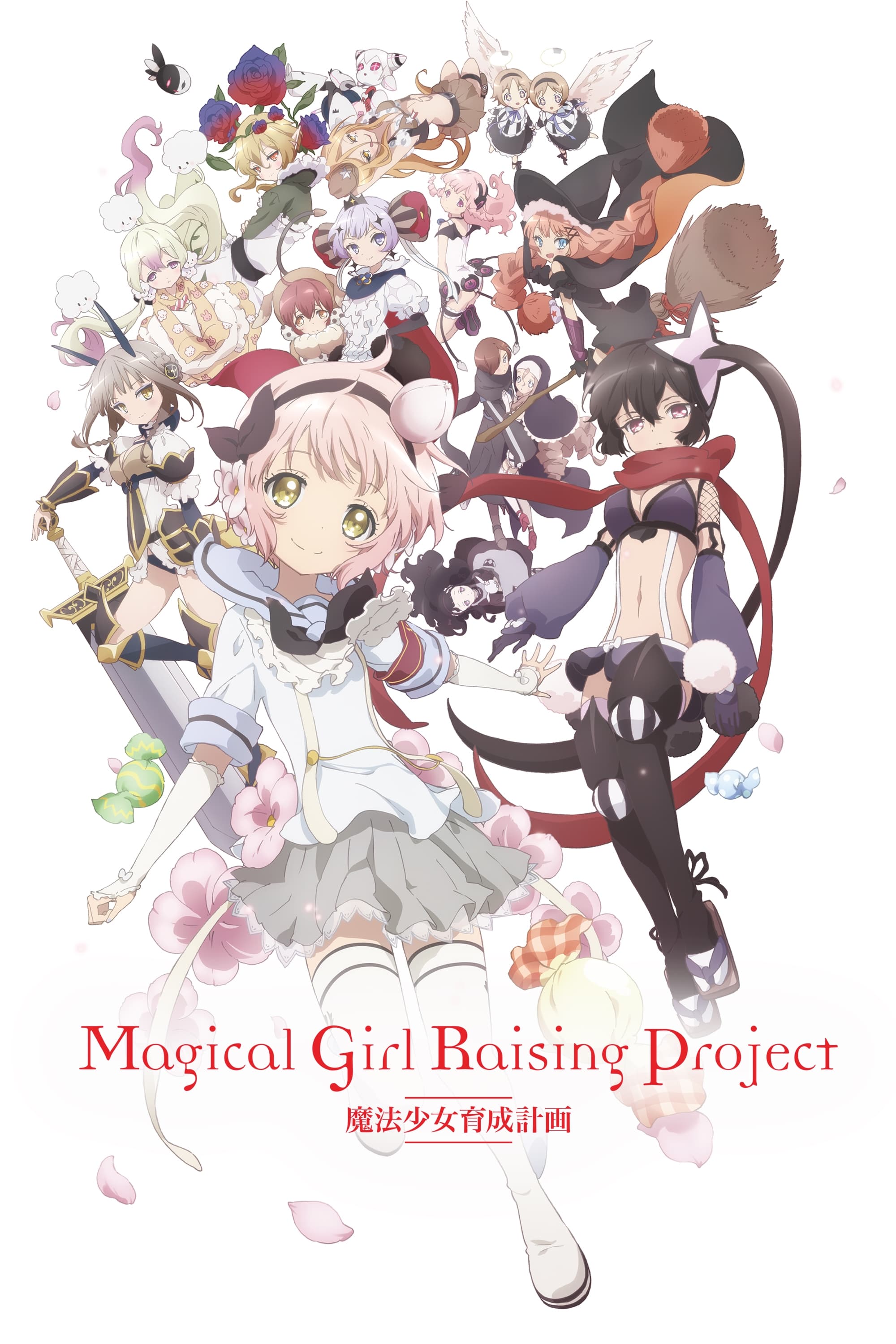
Lerche adapts Asari Endō’s light novel about a mobile game that randomly selects players to become real magical girls in a designated city, then triggers reduction rounds when the number is deemed “too high.” The system issues each girl a unique ability with defined parameters—ranging from healing to item generation—and a weekly “Candy” tally from good deeds, which becomes the metric for eliminations once the administrators announce quota cuts.
Operational notices, rule updates, and region assignments are pushed in-app by a mascot overseer, with penalties and forced removals escalating into lethal contests as resources dwindle. Episodes catalog alliances, surveillance methods, and counter-abilities developed to exploit opponents’ limitations, along with the administrators’ selection criteria, background checks on candidates, and the procedural steps that convert a casual game ecosystem into a survival framework.
Share your picks in the comments—what other seemingly light anime took a darker turn for you?