Most Hated Anime Protagonists of All Time


Some leads are written to be complicated, flawed, or flat out frustrating, and that is often what keeps their stories moving. Fans debate these characters endlessly because their choices shape entire arcs and twist expectations about what a hero should do. From messy romance dramas to world saving epics, these protagonists sparked big reactions that still echo through forums and convention lines. Here are ten who stirred up the strongest responses across popular series.
Shinji Ikari

Shinji sits at the center of ‘Neon Genesis Evangelion’, a landmark series produced by Gainax that later continued under Khara. The show places him in an Evangelion unit despite his young age and emotional instability, and it tracks his resistance to that role across key battles. Several episodes focus on avoidance, guilt, and isolation that affect his teammates and mission outcomes. The rebuild films add new decisions that shift relationships and reframe earlier events within the same continuity.
Makoto Itou

Makoto leads ‘School Days’, animated by TNK, and the story follows his romantic entanglements from a simple crush into a chain of betrayals. The visual novel roots appear in branching style consequences that escalate quickly across the classroom setting. Character routes compress into one timeline where his choices impact Kotonoha and Sekai in abrupt and dramatic ways. The televised ending became notorious for its shock value and prompted later content warnings in reruns.
Light Yagami

Light drives the plot of ‘Death Note’, adapted by Madhouse, after he discovers a supernatural notebook that lets him target criminals by name and face. The series documents his meticulous planning and the counter moves by L, with each episode layering new rules for the notebook. Investigations span multiple countries and organizations as Light moves into academic and corporate spaces to protect his identity. Time skips and successor characters extend the cat and mouse structure well past the initial high school setting.
Eren Yeager

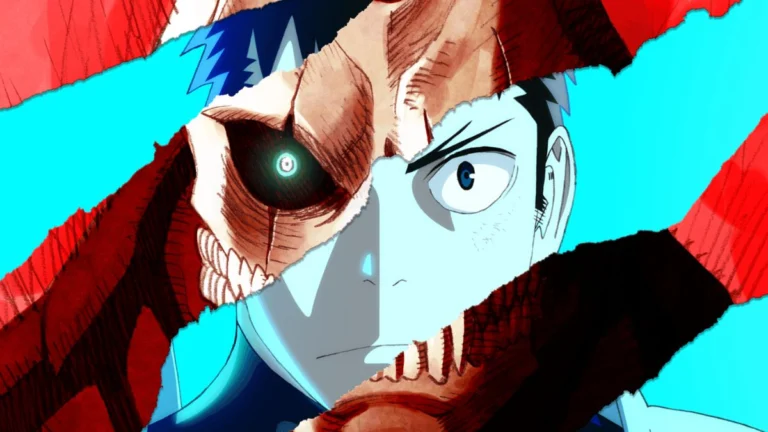
Eren begins ‘Attack on Titan’ under Wit Studio and later shifts to MAPPA, and his arc runs from cadet training to leadership decisions that reshape factions. The narrative shows his exposure to hidden histories and the power he inherits, which changes how allies and enemies view him. Flashbacks and future sight sequences are arranged to recontextualize earlier choices and motives. Political councils, military trials, and clandestine operations mark major checkpoints in his transformation.
Kirito

Kirito anchors ‘Sword Art Online’ from A-1 Pictures, starting as a beta tester who understands the game systems better than most trapped players. Early floors introduce party building and boss mechanics that highlight his solo habits and eventual guild ties. Later arcs move across new virtual worlds that bring fresh rules, avatars, and combat models to master. The franchise expands through movies and spin offs that continue his network of allies and rivals.
Subaru Natsuki

Subaru’s journey in ‘Re:Zero − Starting Life in Another World’, from White Fox, revolves around the loop mechanic that resets time on death. The story details how he learns routes, tests trust, and plans around unseen conditions that punish reckless moves. Main arcs focus on Sanctuary trials, royal selection politics, and alliances in the capital that shift with each loop. Side characters receive expanded backstories in later seasons that clarify why certain bargains and rescues succeed.
Naofumi Iwatani

Naofumi stands at the core of ‘The Rising of the Shield Hero’, produced by Kinema Citrus, after he is summoned as a defensive class in a party of four heroes. The early false accusation isolates him socially and financially, which the show uses to explain his equipment choices and companions. Waves of catastrophe provide timed objectives that force cooperation with other heroes despite ongoing disputes. Later episodes introduce other worlds and heroes that broaden the magic system and shield abilities.
Yukiteru Amano

Yukiteru fronts ‘Future Diary’, adapted by Asread, where a survival game assigns special diaries that predict different types of future information. His partnership with Yuno relies on how their diaries overlap in coverage and blind spots during each round. Police, cults, and school settings become battlegrounds as diary holders target one another for the role of god. Alternate timelines and identity twists arrive near the end to explain earlier contradictions in behavior.
Asta

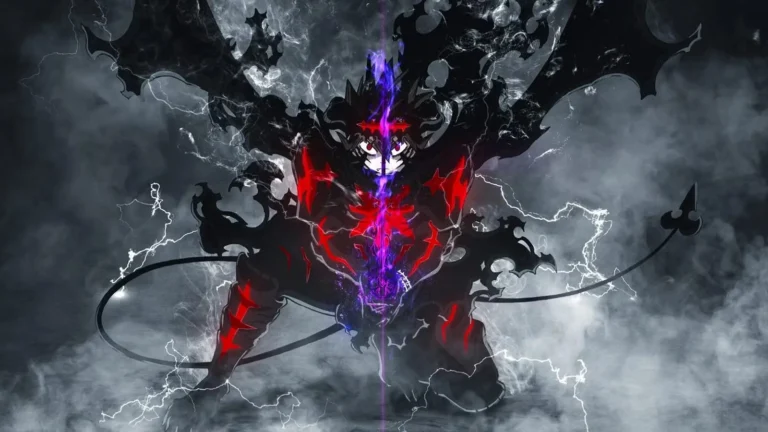
Asta leads ‘Black Clover’ from Studio Pierrot, and the series sets him apart by removing magic from his toolkit in a world built on spells. Anti magic weapons and training sequences outline how he compensates through endurance and teamwork with the Black Bulls. Arc formats cover dungeon expeditions, royal exams, and kingdom level wars that reveal devils and ancient histories. Long running openings track his growth from novice to recognized defender alongside rotating squad lineups.
Takemichi Hanagaki

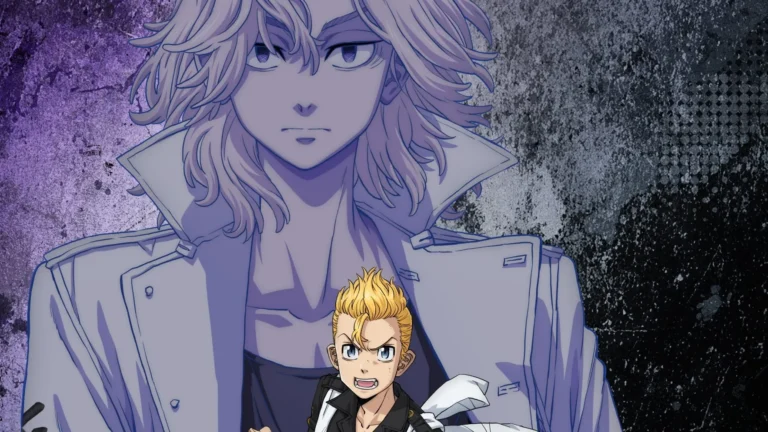
Takemichi drives ‘Tokyo Revengers’ by LIDENFILMS, and his time leaps return him to middle school to change a violent future. The show structures each mission around preventing a specific tragedy, with new gang branches and leaders altering the target. Alliances shift as he moves between present and past, producing updated timelines that the story checks after each arc. Character dossiers and faction charts expand steadily to map who influences key turning points in every loop.
Share your picks and the moments that made them unforgettable in the comments.