The Worst Anime Plot Twists of All Time


Plot twists can redefine a story—sometimes by expanding its world, other times by upending everything viewers thought they understood. In anime, reveals often arrive through carefully seeded clues, sudden confessions, or last-minute shifts that reframe entire arcs. This list gathers twenty twists that dramatically changed their respective narratives, whether by pulling the rug out from under the main cast or by exposing hidden rules that had been in play all along.
Each entry explains the setup and the mechanics of the reveal so you can see how the twist functions within the story. You’ll find context about the characters, the stakes leading up to the turn, and the consequences that follow. No fluff—just the factual beats that made these moments infamous.
‘Neon Genesis Evangelion’ (1995–1996) – Instrumentality replaces reality and individuality
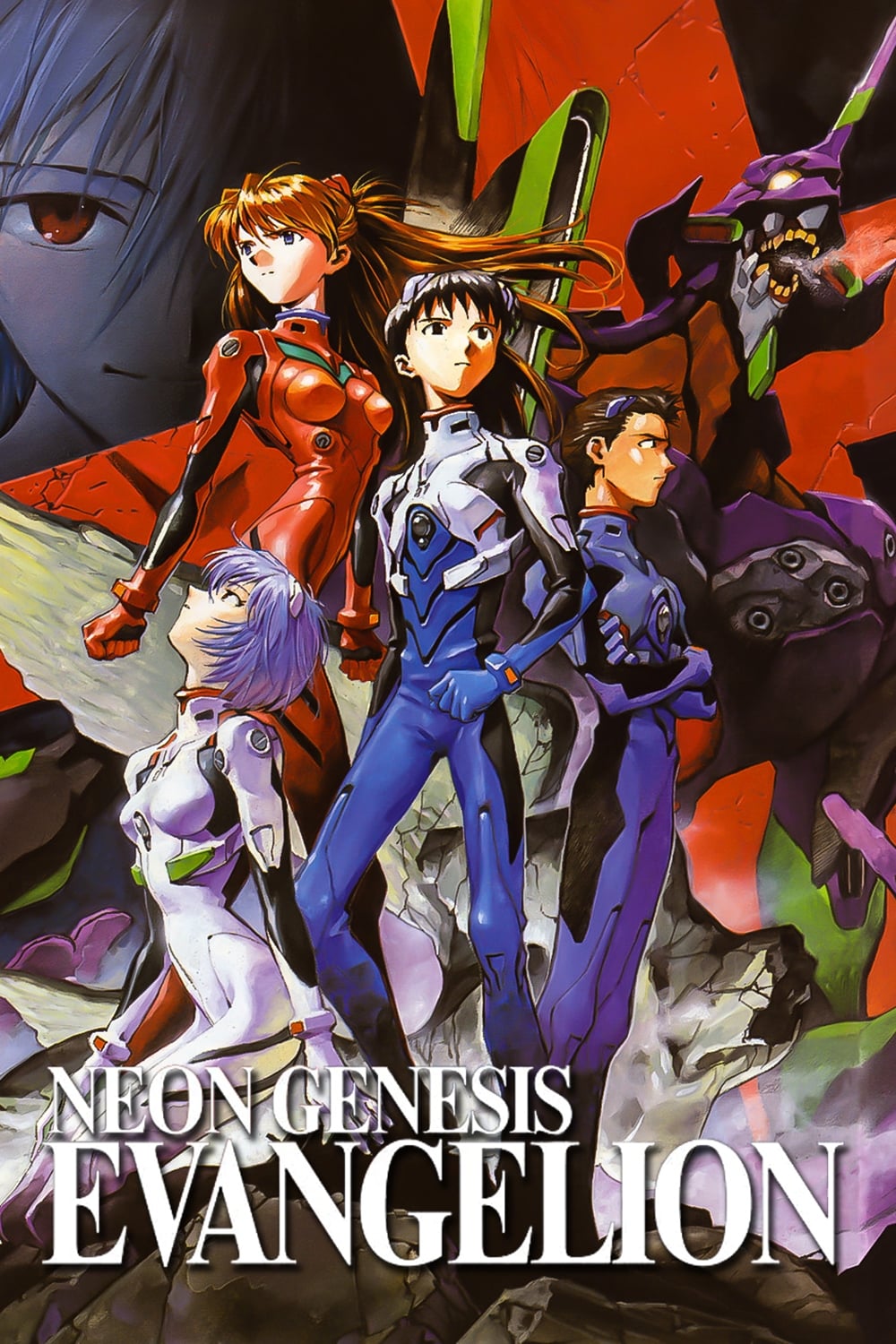
The Human Instrumentality Project reframes the conflict from a battle against Angels to a plan to dissolve human boundaries into a single, merged consciousness. Nerv, Seele, and key figures like Gendo Ikari pursue Complementation using the Evangelions, Lilith, and the spears, with Rei Ayanami’s nature and connection to Lilith positioned at the center of the plan.
When Instrumentality activates, the show abandons conventional narrative space for internal sequences that depict characters’ psyches as the “world” collapses into LCL. The twist explains earlier anomalies—such as Rei’s multiples, Eva-01’s aberrant behavior, and the organizations’ cryptic objectives—while redefining the Eva units not as mere weapons but as catalysts for a forced human evolution.
‘Code Geass: Lelouch of the Rebellion’ (2006–2008) – Lelouch engineers his own death
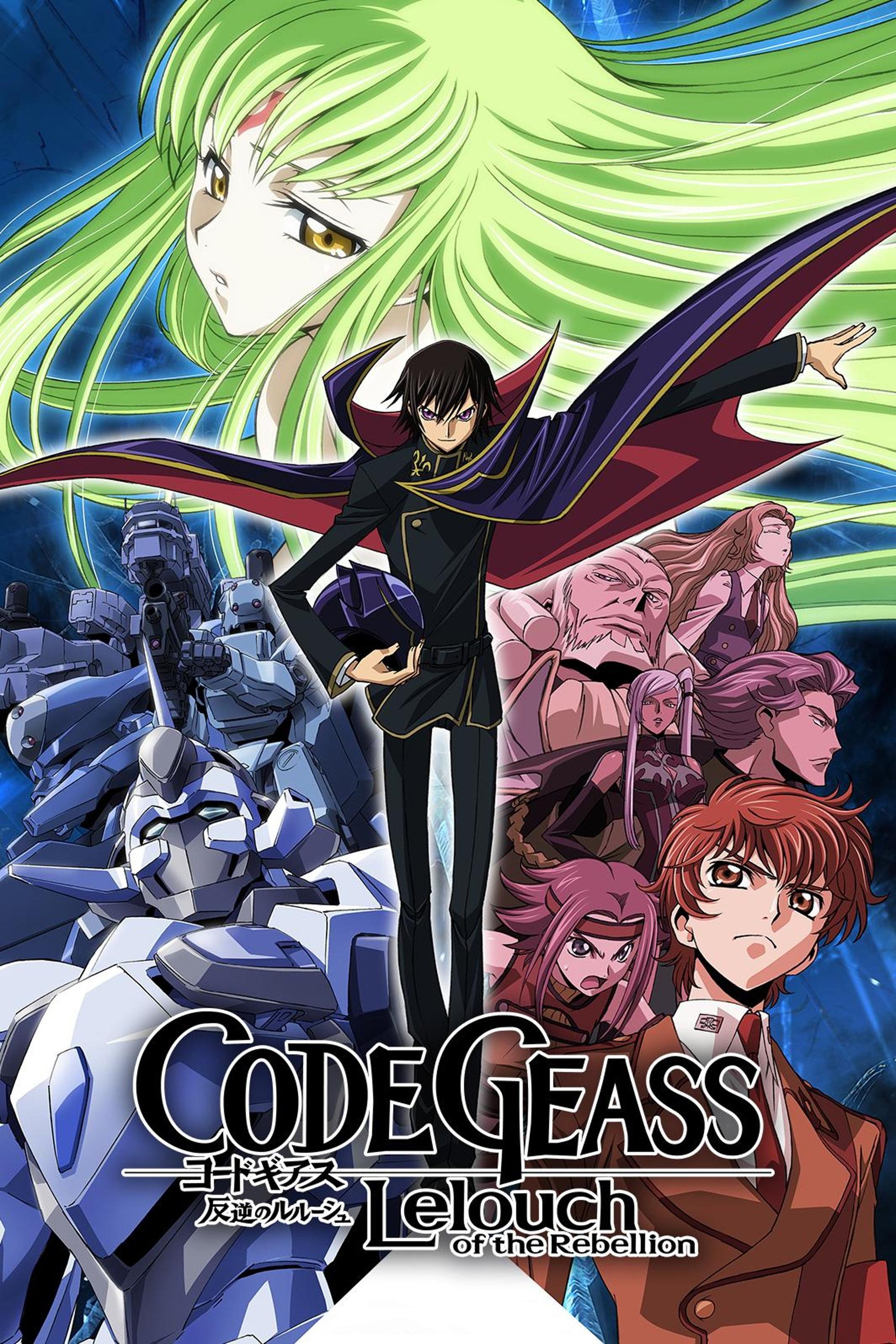
Lelouch vi Britannia orchestrates the Zero Requiem by consolidating global hatred onto himself as an absolute tyrant, ensuring that his assassination ends the cycle of war. The plan hinges on Suzaku Kururugi secretly assuming the identity of Zero and striking Lelouch during a public procession.
This twist retroactively clarifies Lelouch’s shift toward overt despotism, his calculated alienation of allies, and the precision with which he positions Suzaku. The result is a transfer of symbolic power that resets the political order, with the narrative revealing that many of Lelouch’s late-stage cruelties were deliberate components of a controlled resolution.
‘Attack on Titan’ (2013–2023) – Reiner and Bertholdt reveal themselves as the Armored and Colossal Titans
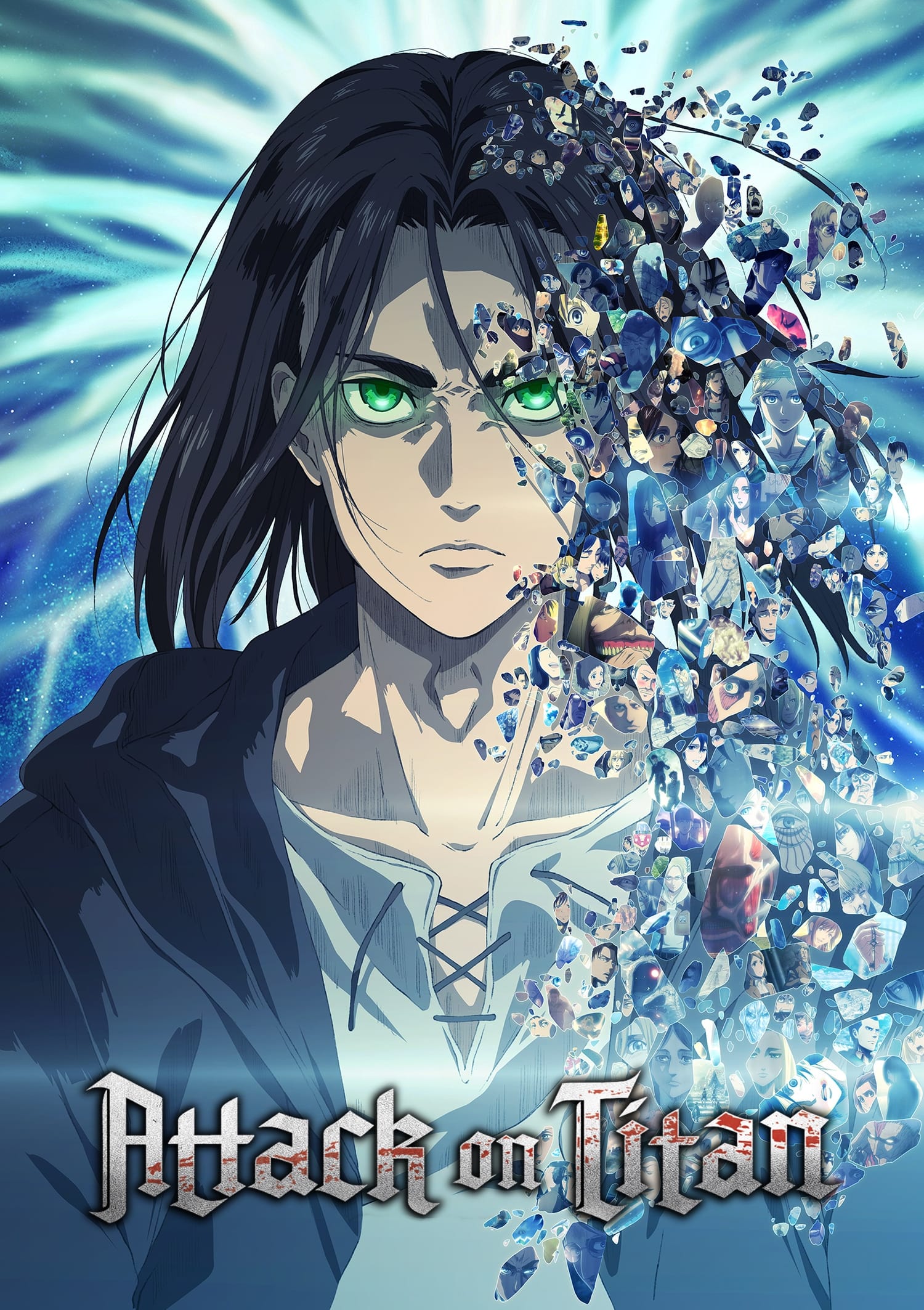
Reiner Braun calmly states his identity as the Armored Titan in a casual conversation, with Bertholdt Hoover implicated as the Colossal Titan moments later. The revelation reframes earlier battles, including the fall of the walls and prior encounters, by placing two trusted soldiers at the center of the catastrophe.
The twist converts a mystery about enemy infiltration into an intimate betrayal within the Survey Corps. Subsequent flashbacks and dialogues explain their original mission, their handler’s role, and how their divided loyalties shaped key operations, providing a factual chain from the breach to the attempted extraction of Eren.
‘Naruto: Shippūden’ (2007–2017) – Tobi is revealed as Obito Uchiha
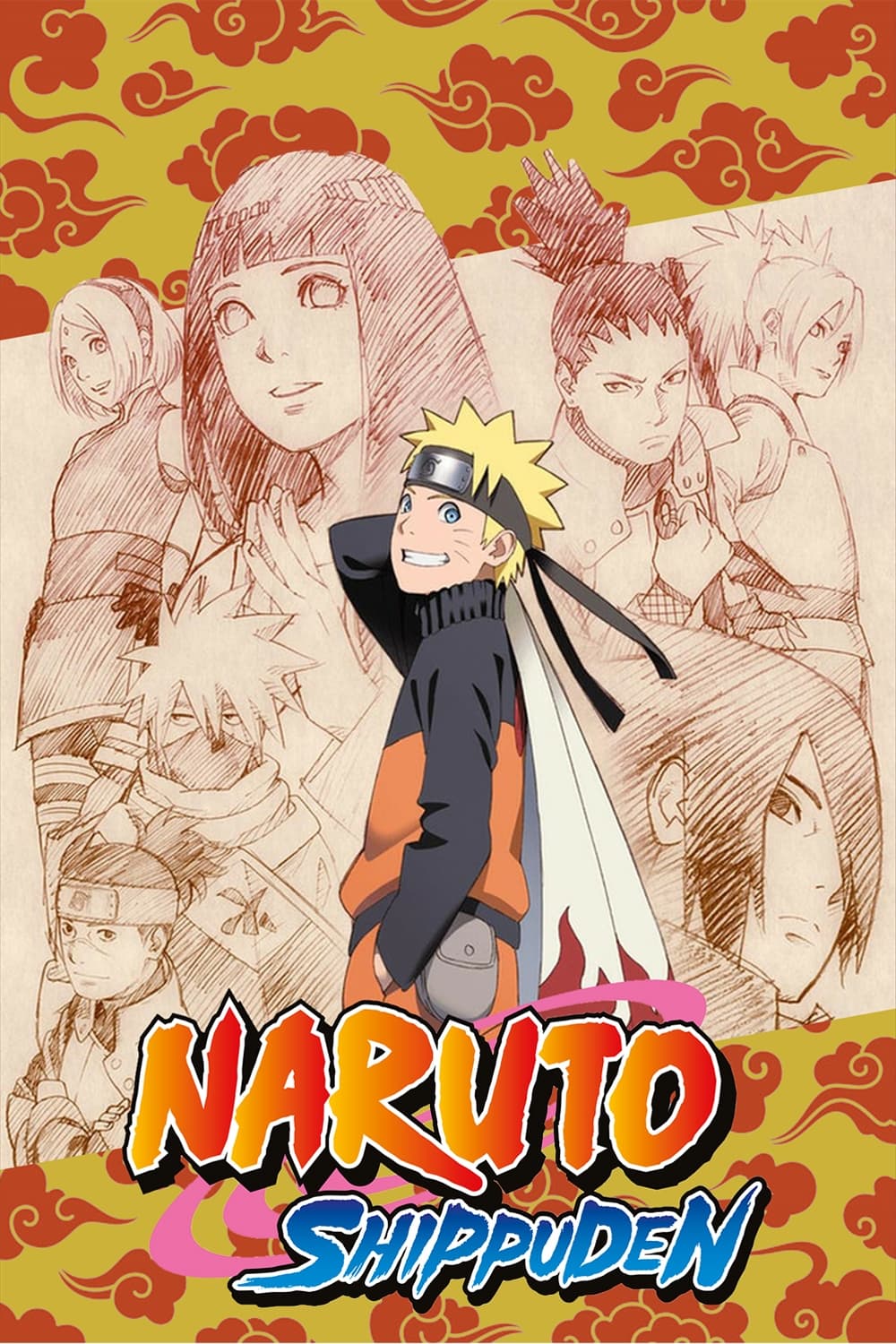
The masked leader known as Tobi is identified as Obito Uchiha, connecting the Akatsuki’s direction to Kakashi Hatake’s past and to events surrounding the Uchiha. The unmasking ties the Sharingan’s lineage, Kamui’s abilities, and the Moon’s Eye Plan to a single figure presumed lost long ago.
This reveal aligns scattered clues—matching ocular powers, knowledge of Konoha’s history, and specific reactions to personal names and graves—into a coherent backstory. It also explains access to Madara’s legacy and technology, as Obito’s survival, recruitment, and manipulation lay out a verifiable timeline from childhood to leadership.
‘Death Note’ (2006–2007) – L dies and the investigation reshuffles
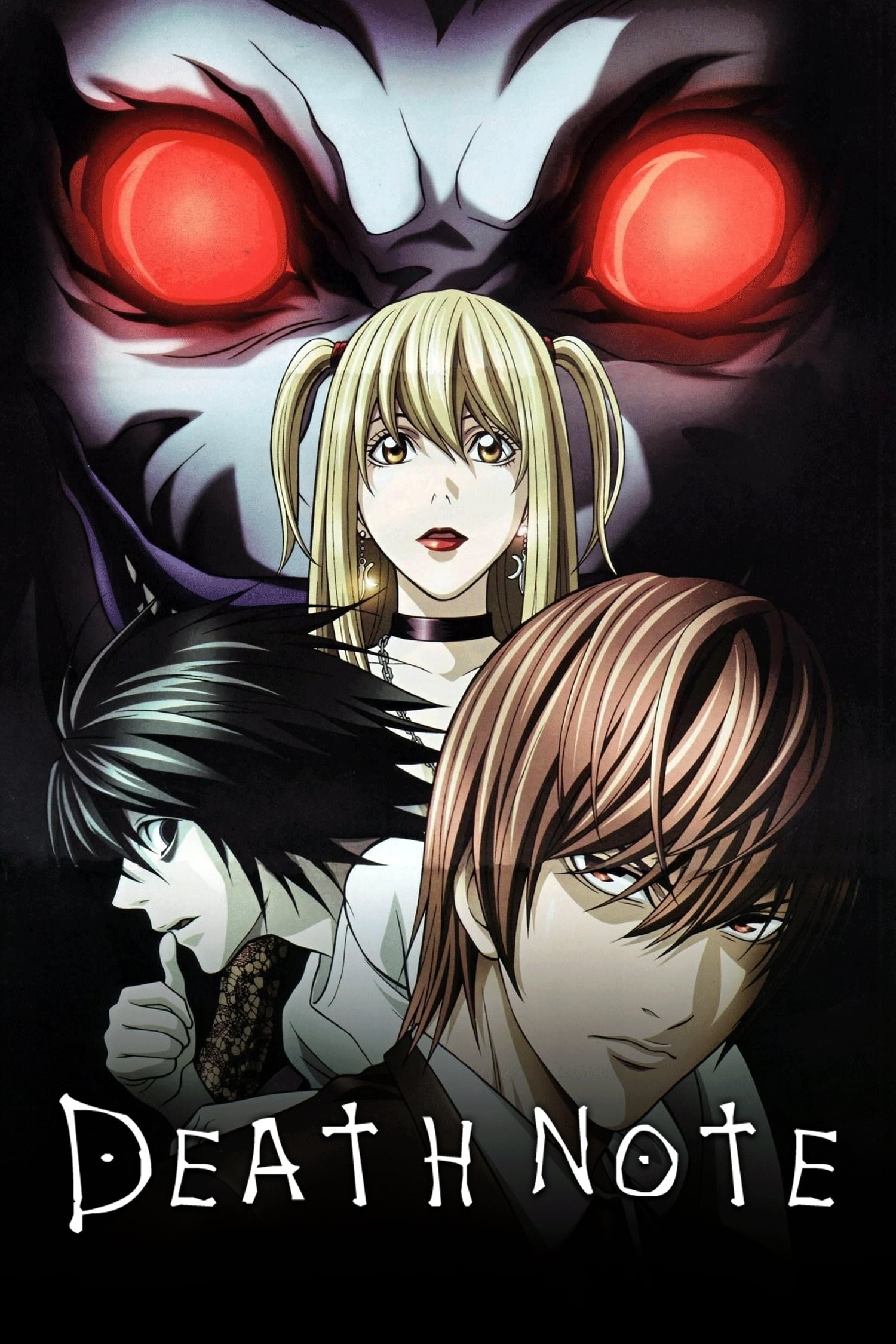
The cat-and-mouse duel ends when Light Yagami exploits Rem’s protective impulse toward Misa Amane, causing L’s death. This narrative turn removes the central investigator midway through the story, transferring the case to new successors and altering the structure of surveillance and counter-surveillance.
The twist clarifies earlier anomalies, including the staged relinquishing and recovery of memories and the layered ownership of Death Notes. Procedurally, it demonstrates how notebook rules and Shinigami constraints can be weaponized, laying out the chain of cause and effect that permits a calculated, lawful-seeming murder.
‘Puella Magi Madoka Magica’ (2011) – Homura’s time loops and Madoka’s apotheosis
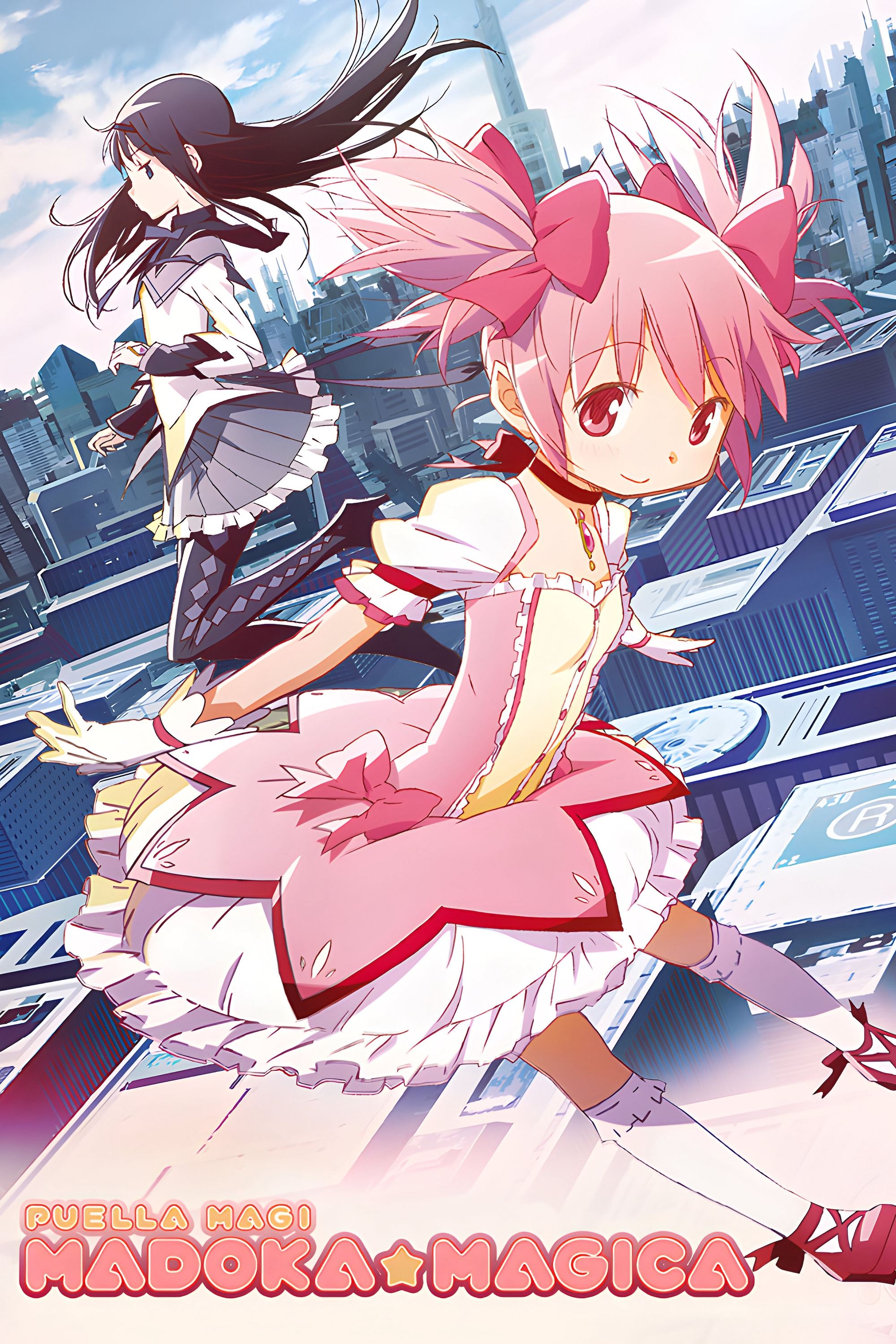
Homura Akemi’s timeline resets reveal that she has repeatedly tried to prevent Madoka Kaname’s tragic fate, with each loop compounding Madoka’s cosmic potential. The Incubators’ energy-harvesting system positions magical girls as entropy counters, establishing a measurable framework for wishes and despair.
The concluding transformation—Madoka rewriting the laws governing Witches—functions as a rules change to the universe. This turn explains Kyubey’s interest, the scaling of wish power, and the accumulation of karmic potential across timelines, giving a step-by-step rationale for the final cosmology.
‘Berserk’ (1997–1998) – Griffith sacrifices the Band of the Hawk at the Eclipse
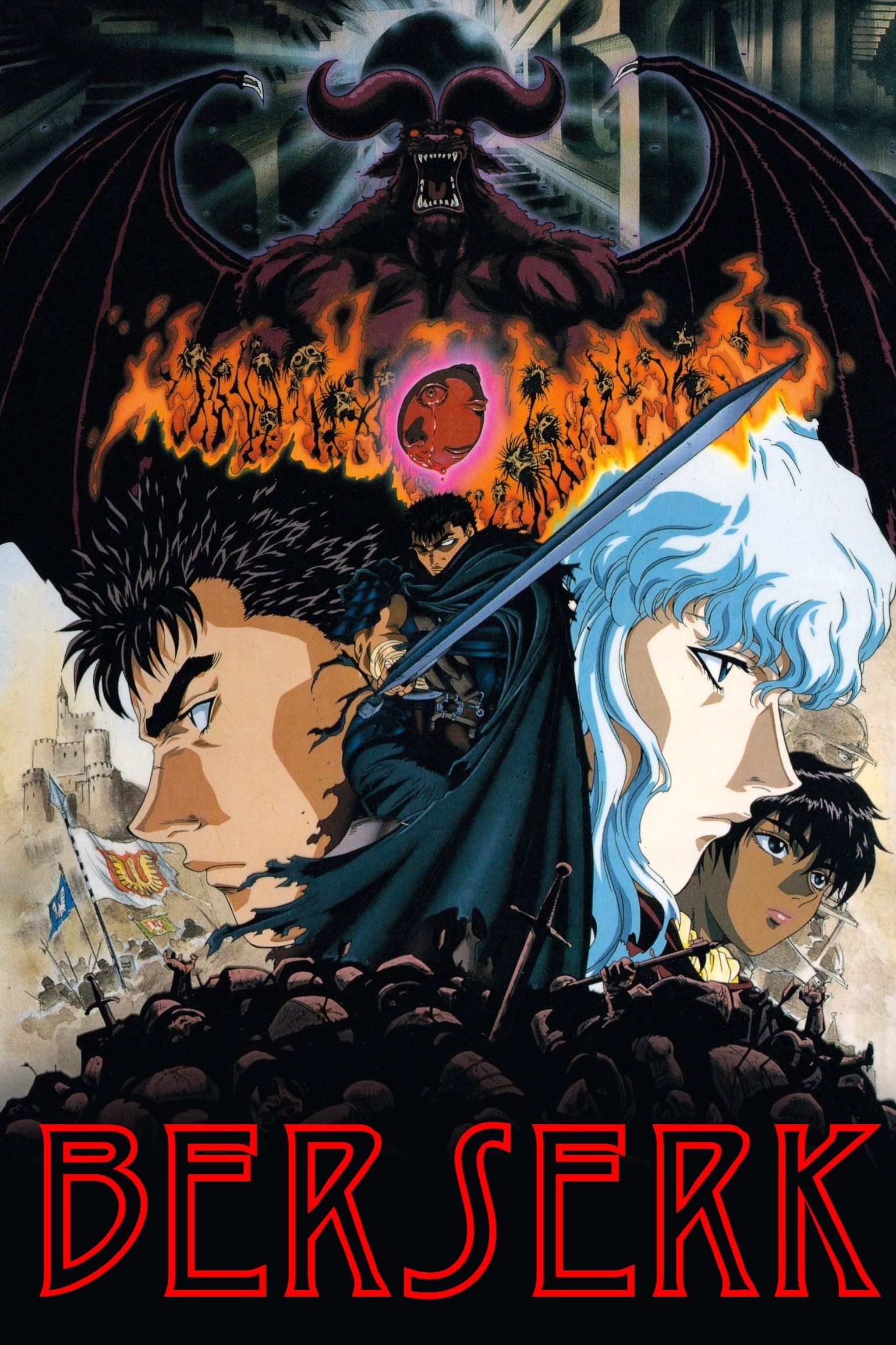
At the Eclipse, Griffith accepts the God Hand’s offer, becoming Femto and exchanging his comrades for ascension. The Behelit’s activation contextualizes prior foreshadowing and the branded survivors’ later persecution by Apostles.
This twist provides a factual pivot from grounded warfare to supernatural horror, establishing the Brand of Sacrifice as a persistent mechanic. It also clarifies Griffith’s injuries, imprisonment, and ambition as preconditions for the ceremony, mapping the causal path from human leader to demonic figure.
‘Fullmetal Alchemist: Brotherhood’ (2009–2010) – The Philosopher’s Stone’s human origin
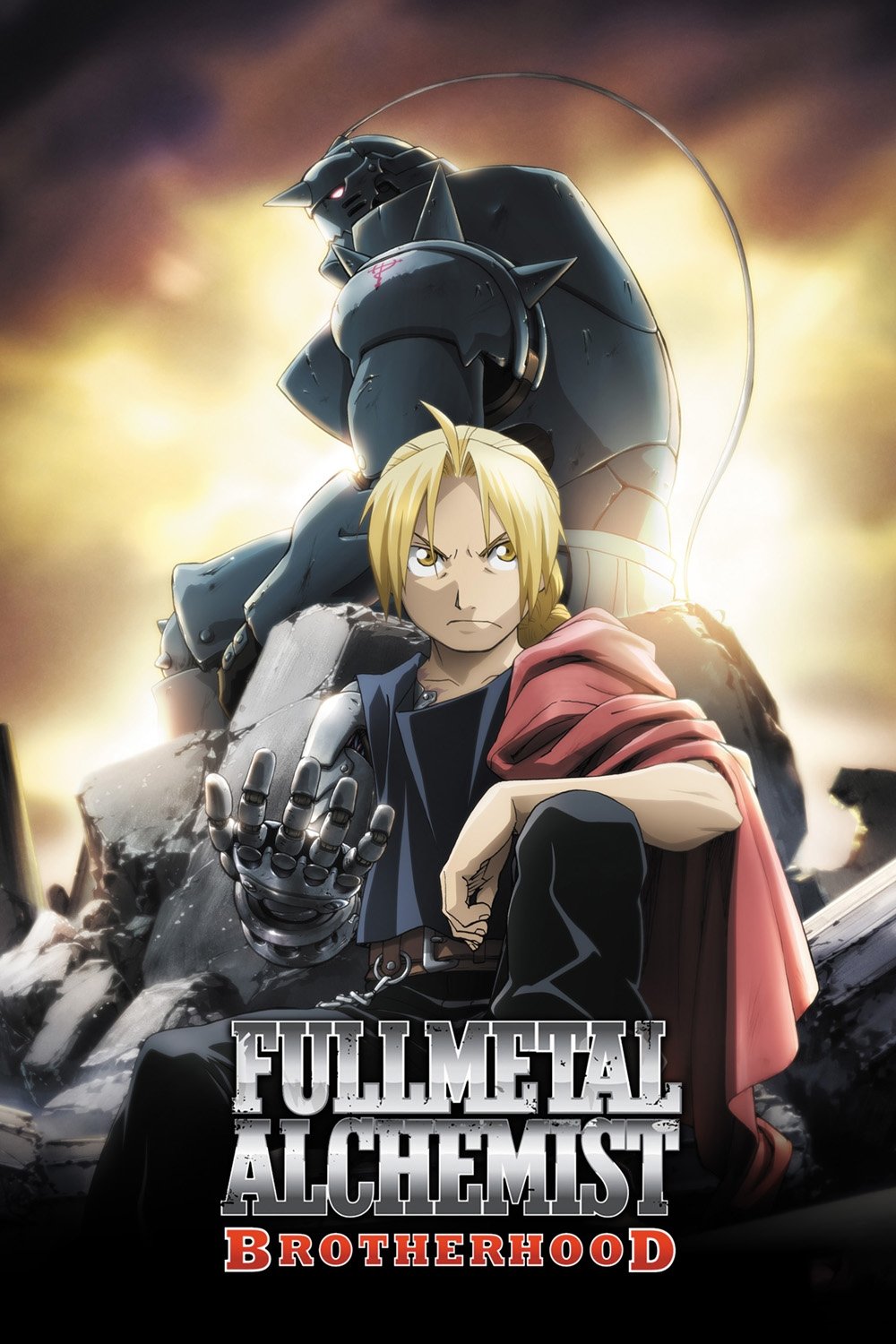
The narrative confirms that Philosopher’s Stones are created from human lives, aligning with evidence found in laboratories, prison transfers, and historical records. This discovery connects the State’s alchemical projects to concealed atrocities, turning a research objective into a moral crisis.
The twist explains why Stones appear in fortified locations, why certain experiments require isolated populations, and how antagonists acquire large, resilient energy sources. It also reinterprets the brothers’ pursuit by linking their goals to institutional crimes rather than isolated rogue actors.
‘Psycho-Pass’ (2012–2013) – The Sibyl System’s true composition
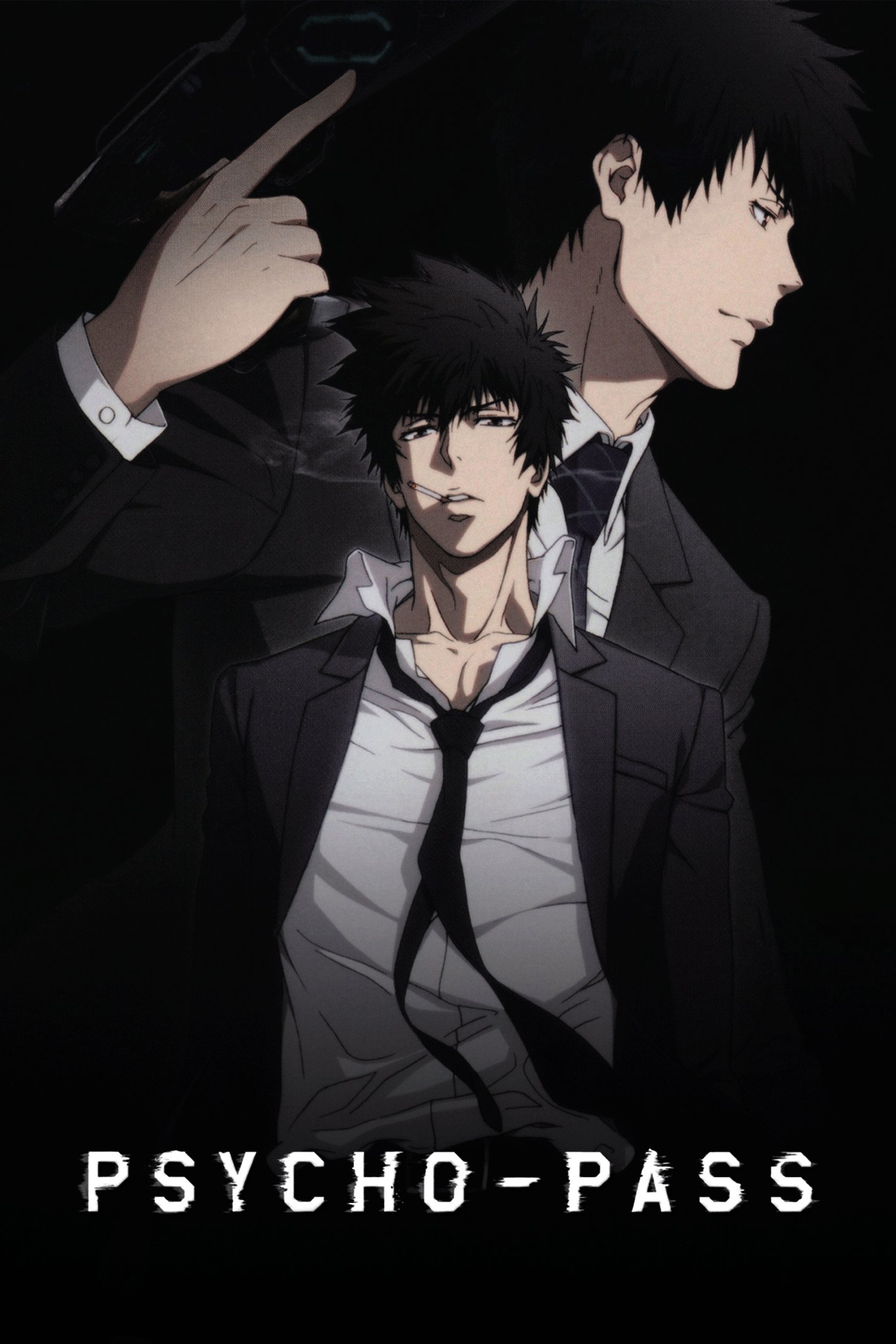
Sibyl is revealed to be a collective of criminally asymptomatic brains networked to calculate society’s judgments. This converts an algorithmic authority into a literal human organ, explaining Sibyl’s ability to negotiate and adapt beyond simple code.
The twist accounts for irregular enforcement decisions, the system’s selective tolerance for certain anomalies, and the strategic handling of Makishima. It provides a concrete architecture for governance—hardware, human inputs, and policy outputs—rather than a purely software-based solution.
‘The Promised Neverland’ (2019–2021) – Grace Field House is a human farm for demons
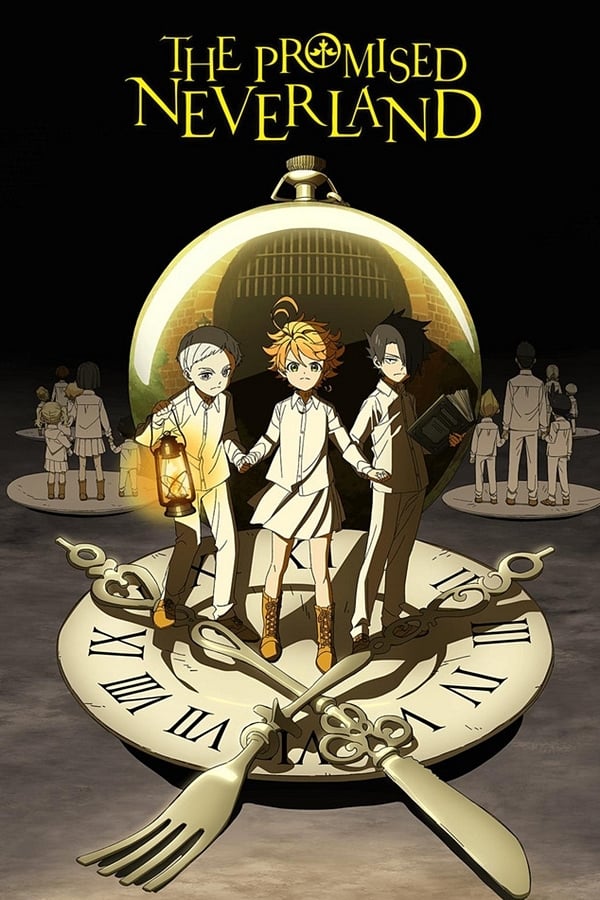
Children in the orphanage are raised as premium livestock, with testing and adoption serving as yield-optimization steps. Discovery of tracking devices, shipping logistics, and classification systems builds a complete picture of how the farm operates.
The reveal redefines routine exams, caretaker behavior, and the facility’s security as supply-chain controls. It also clarifies the role of “Moms” and “Sisters,” the quality grading of brains, and the broader market that dictates the farm’s quotas and timelines.
‘Darling in the Franxx’ (2018) – The war pivots to alien entity VIRM
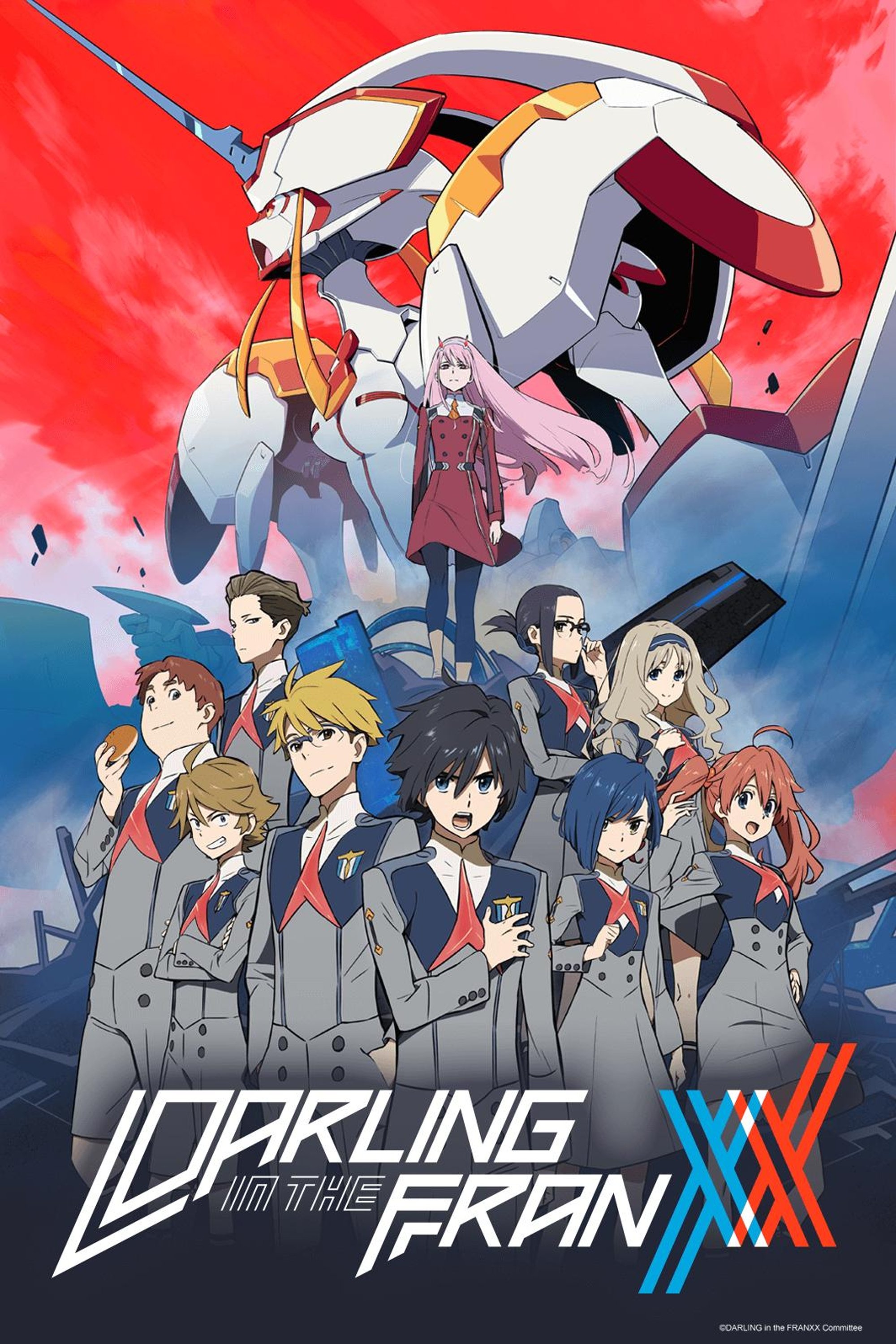
Mid-story, the conflict shifts from Klaxosaurs and human governance to an interstellar opponent called VIRM. This redirection introduces a higher-order enemy, reclassifying prior battles as side effects of a much older war.
The twist reorganizes character roles, explaining the Klaxosaur Princess’s objectives and APE’s origins. It also reframes the Franxx technology and magma energy as parts of a defensive legacy, rather than standalone inventions, with direct implications for strategy and resource deployment.
‘Tokyo Ghoul √A’ (2015) – Kaneki joins Aogiri Tree
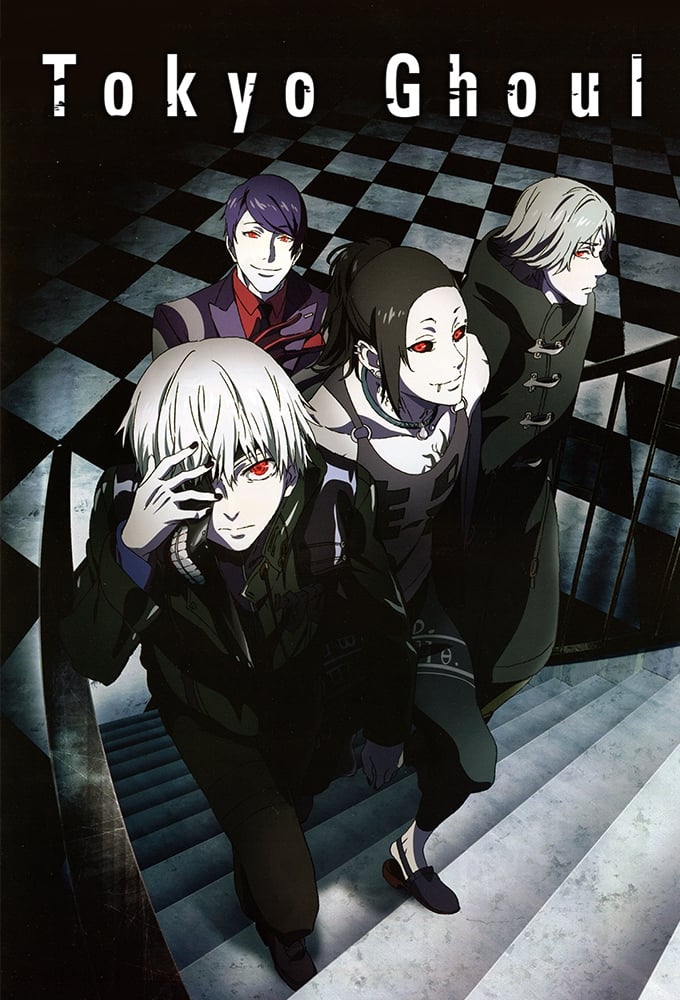
Contrary to expectations set by prior developments, Ken Kaneki aligns himself with Aogiri Tree. This move redistributes power among ghouls and the CCG, placing Kaneki in proximity to antagonists he previously opposed.
The twist affects operational dynamics across wards, clarifying why certain raids, kidnappings, and training outcomes unfold as they do. It provides a consistent explanation for Kaneki’s access to information, combat growth, and subsequent positioning in inter-faction conflicts.
‘Steins;Gate’ (2011) – The unavoidable death that drives timeline shifts
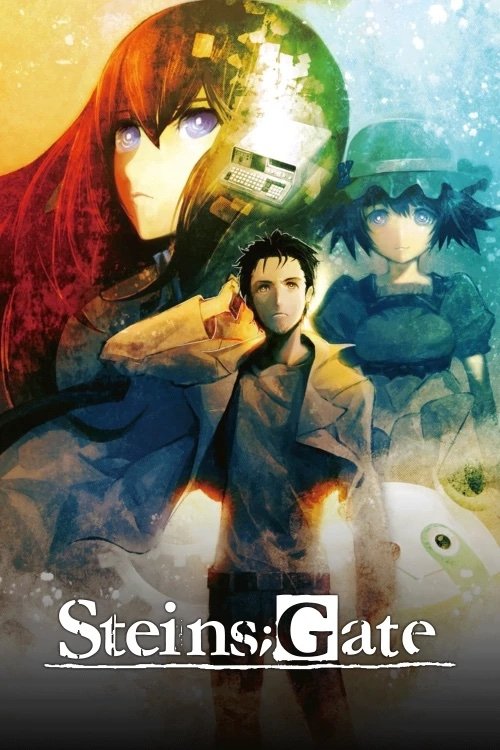
Repeated attempts to save Mayuri Shiina reveal a convergence point that resists change, forcing the protagonists to identify a narrow path to a worldline that avoids multiple losses. This establishes the attractor-field model that governs time travel outcomes.
The twist explains earlier email-based divergences, device limitations, and memory carryover phenomena. It sets concrete constraints—reading-steiner effects, divergence meters, and specific event triggers—that the characters must satisfy to reach a stable solution.
‘Your Lie in April’ (2014–2015) – Kaori’s letter and undisclosed illness
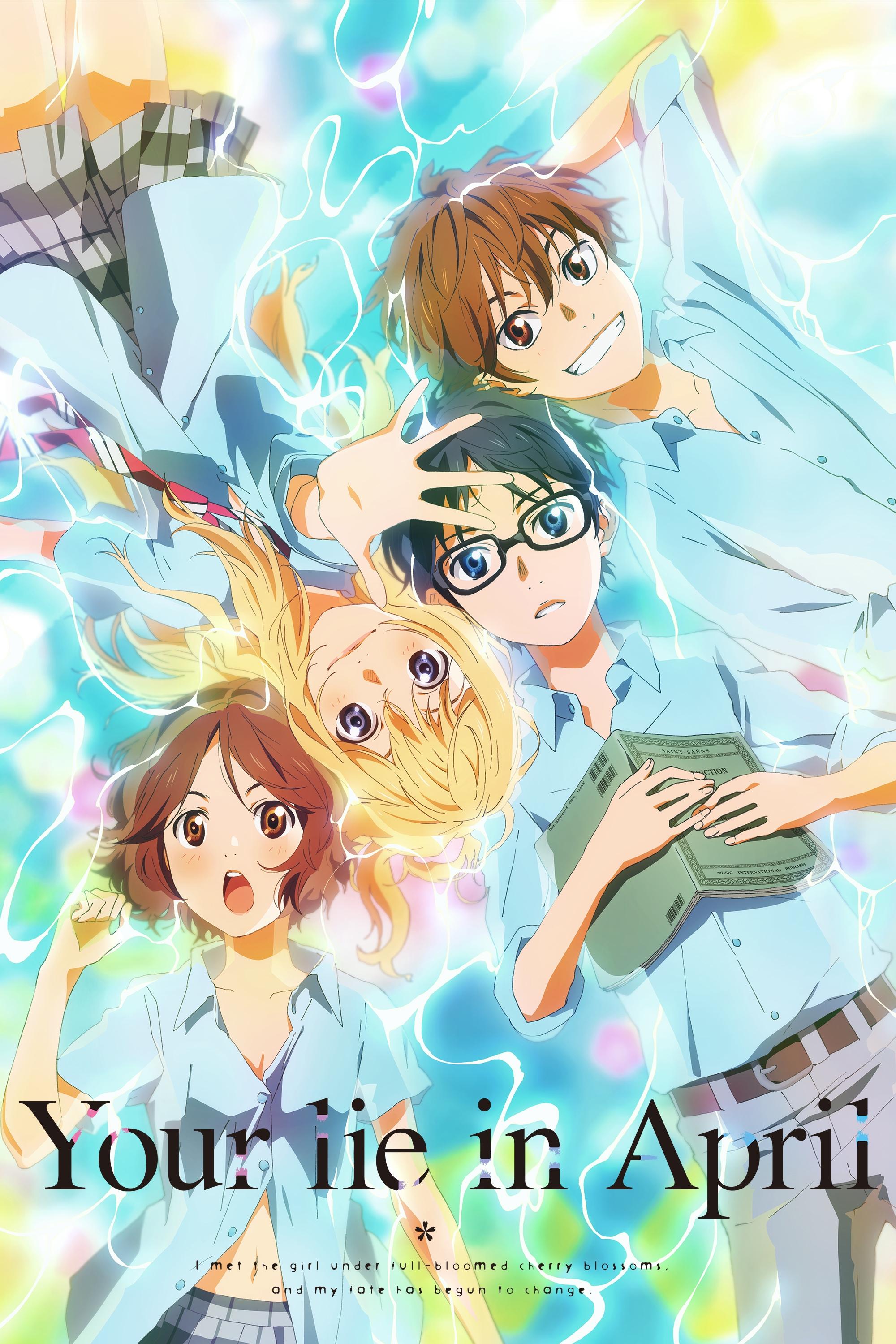
Kaori Miyazono’s posthumous letter reveals her long-standing illness and her initial motivation for meeting Kōsei Arima. Her earlier behavior—impulsive performances, sudden hospitalizations, and the fabricated crush story—aligns with a planned effort to revive Kōsei’s music.
The twist clarifies the significance of joint recitals, practice choices, and repertoire selections as deliberate steps to address Kōsei’s stage paralysis. It also accounts for medical absences and emotional cues that were previously unexplained within the school and competition timeline.
‘Higurashi: When They Cry’ (2006) – Time loops and the Hinamizawa Syndrome conspiracy
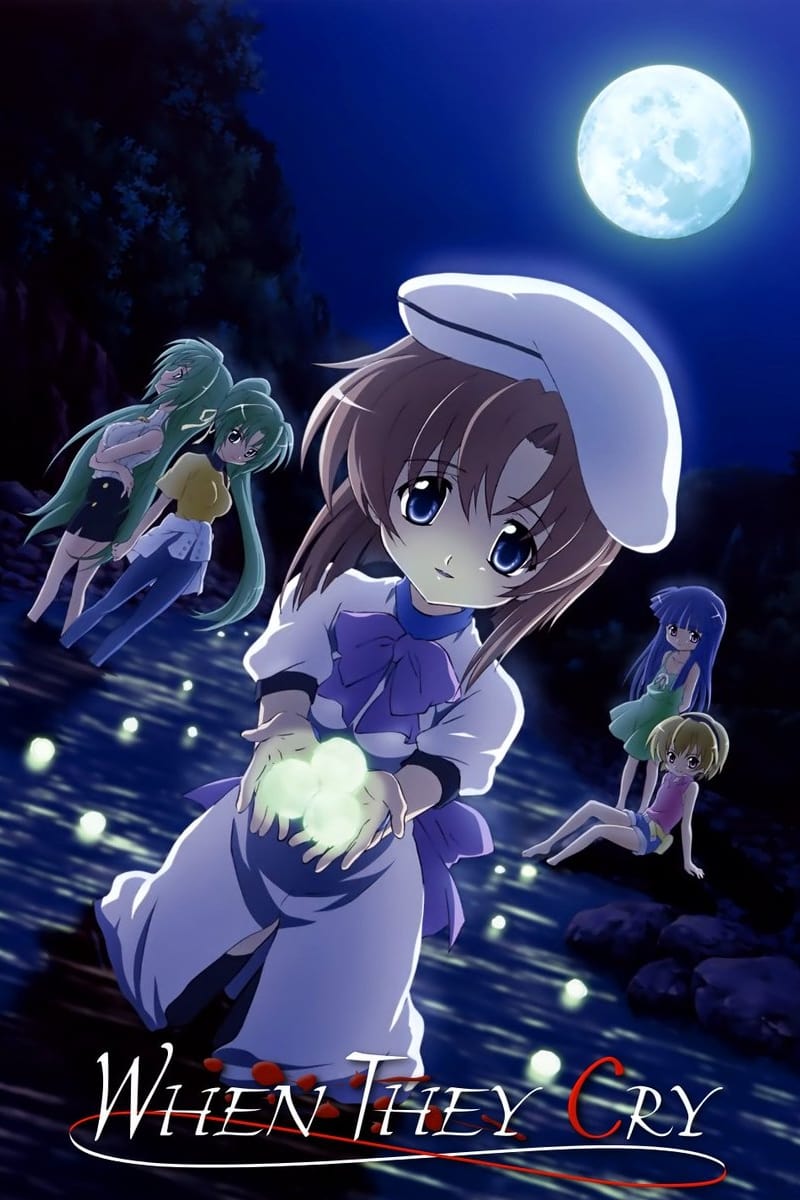
Rika Furude’s perspective confirms that repeating time fragments are influenced by a pathogen and by human conspirators exploiting it. Each arc’s different culprit and outcome become data points within a controlled set of variables.
The twist integrates folklore, medical research, and covert operations into a unified model. It explains the recurring festival incidents, the role of specific families, and why identical dates produce divergent tragedies under changing stressors and interventions.
‘Rokka: Braves of the Six Flowers’ (2015) – A seventh Brave appears
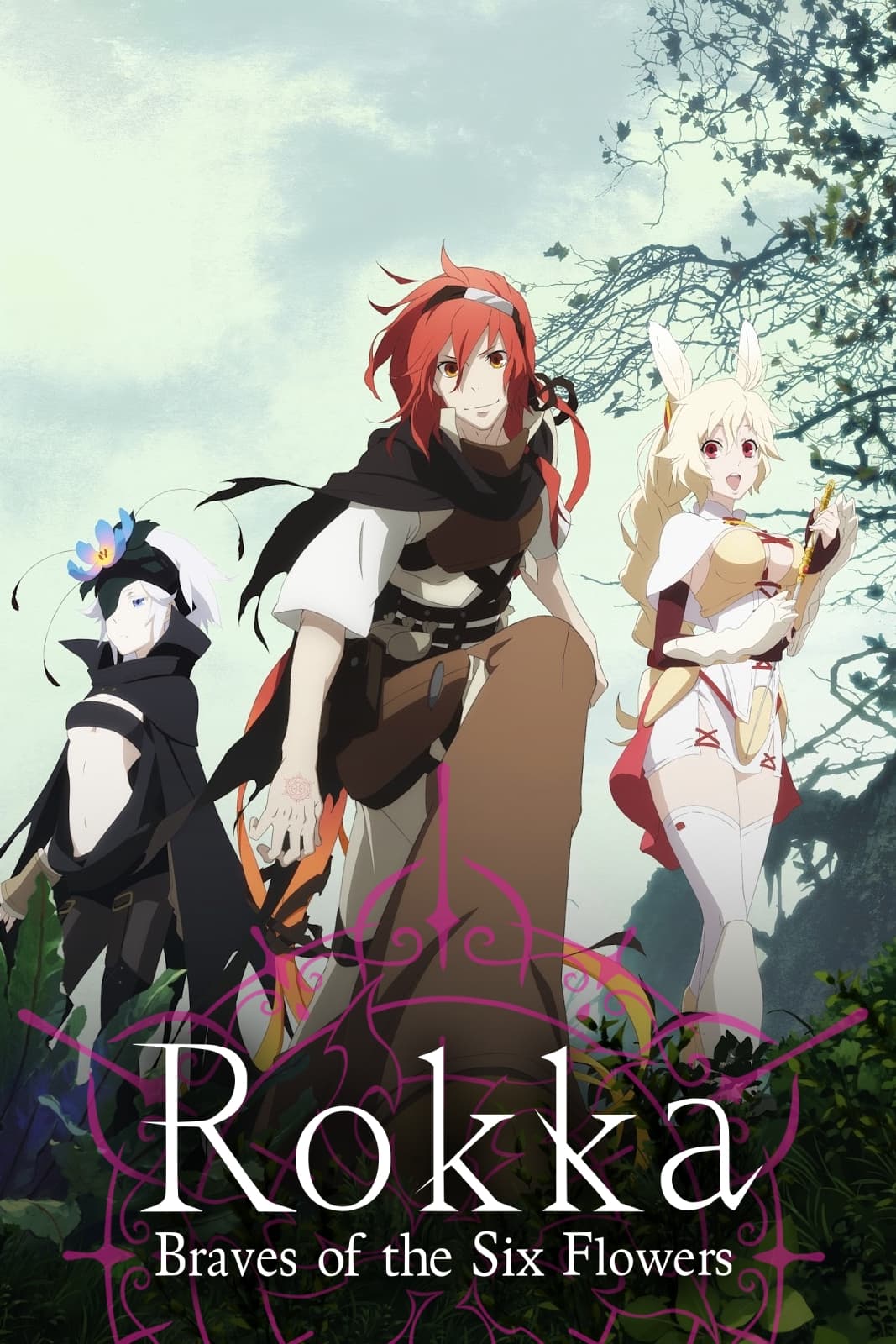
The party discovers seven emblems for a group that should number six, turning the journey into an internal manhunt. The false field activation and alibi checks transform an adventure into a closed-circle mystery governed by verifiable clues.
This twist explains why progress halts at the barrier, how misinformation spreads among allies, and which magical mechanics permit forgery. It organizes the cast’s movements and statements into testable evidence, guiding deductions about who engineered the stall.
‘Devilman Crybaby’ (2018) – Ryo is Satan and orchestrates the apocalypse
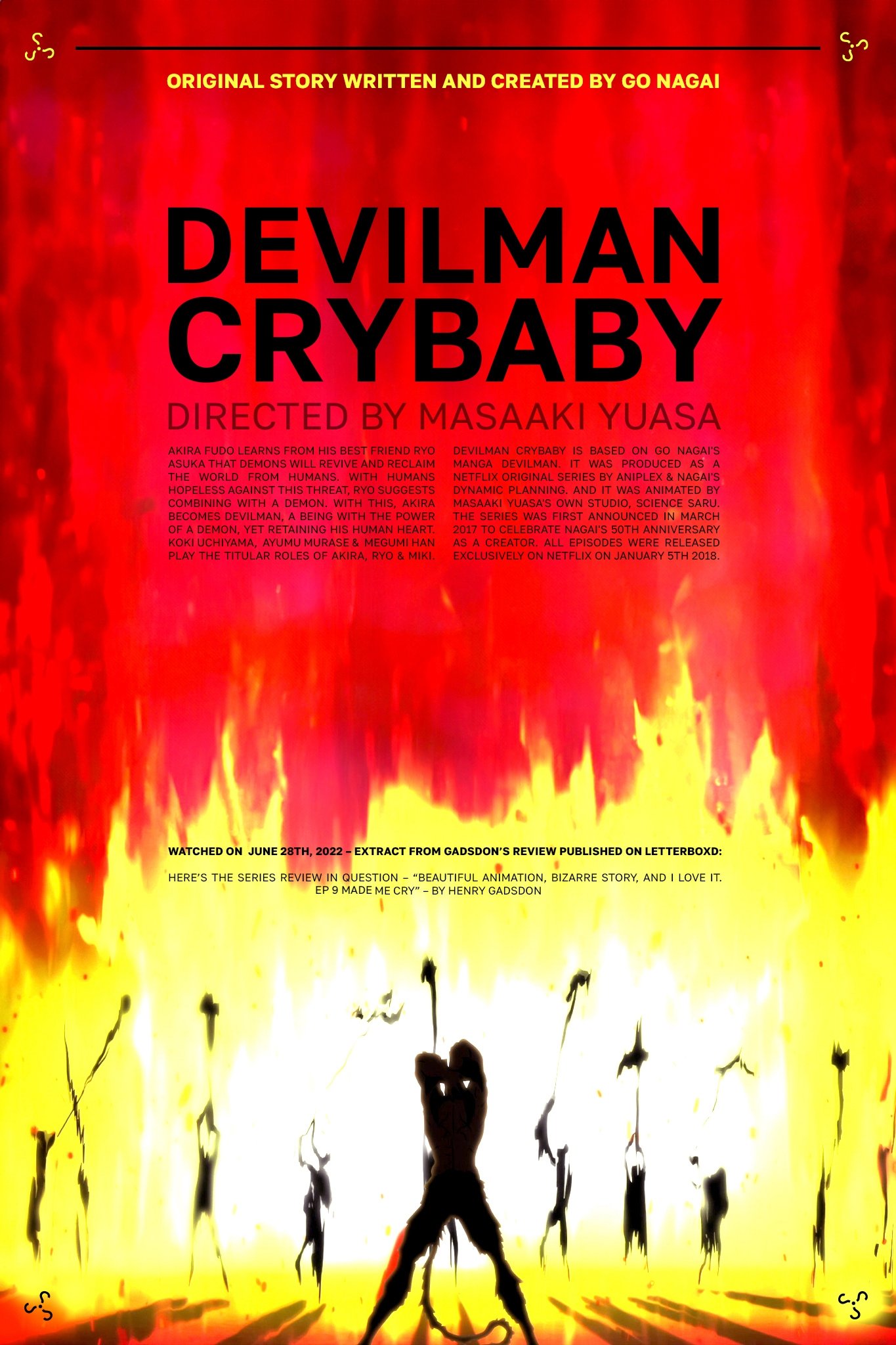
Ryo Asuka’s investigations and manipulations culminate in the revelation that he is Satan, retroactively linking outbreaks of demonic possession to his experiments. The public exposure of demons triggers societal collapse, fulfilling an agenda rooted in an ancient conflict.
The twist reinterprets Ryo’s friendship with Akira, media strategies, and use of scientific fronts as instruments for mass destabilization. It also clarifies the scale of the conflict, moving from isolated events to a global cataclysm with a defined architect.
‘School Days’ (2007) – The final episode’s murder and aftermath
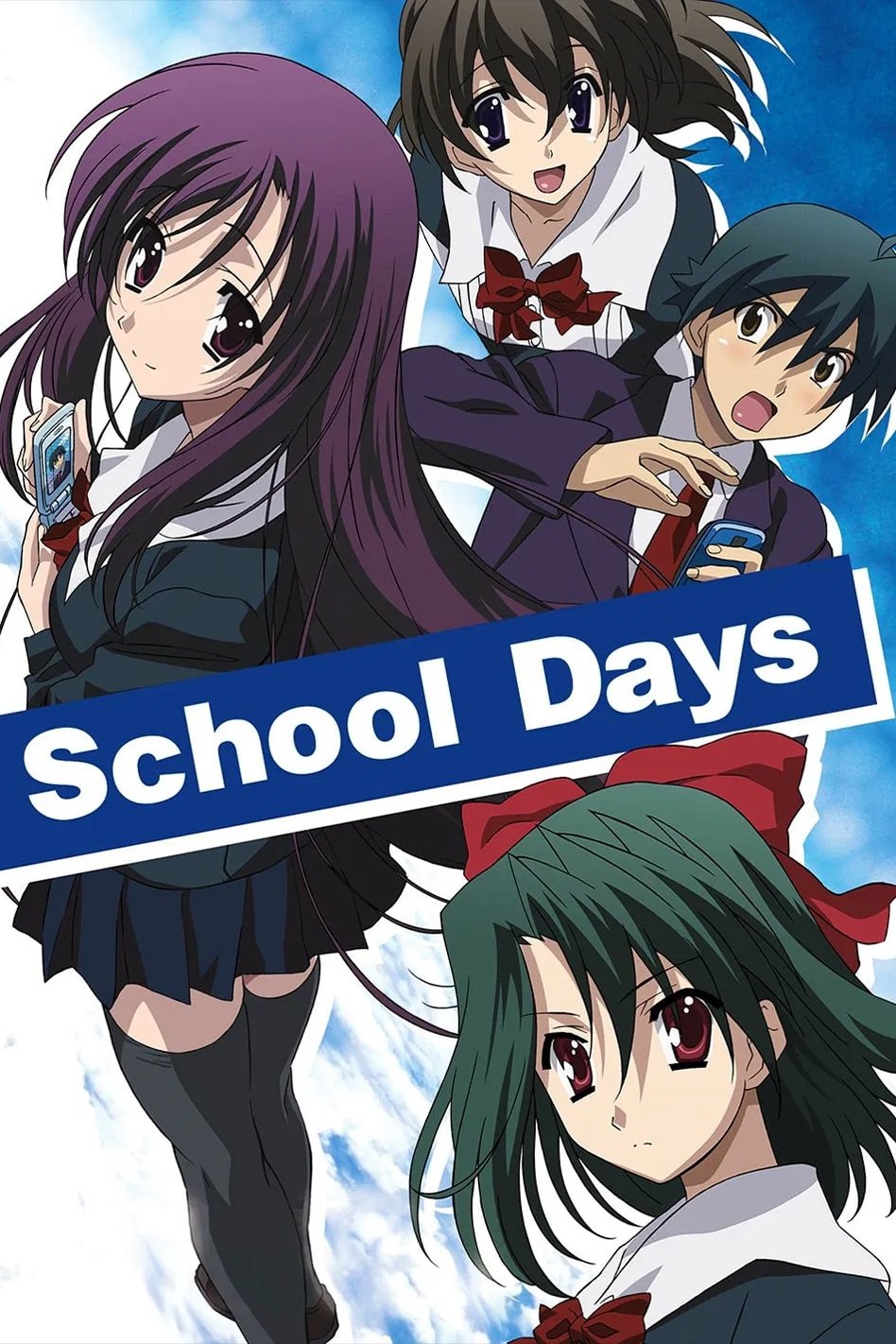
The narrative concludes with lethal violence among the central triangle after a false pregnancy claim and escalating confrontations. Public reaction to scheduling changes produced the “Nice Boat” phenomenon, which became associated with the broadcast history of the finale.
This twist aligns earlier phone messages, visible rumors, and shifting alliances into a chain that precipitates the final acts. It offers concrete explanations for how misinformation spreads within the school setting and how personal decisions escalate without external mediation.
‘Gurren Lagann’ (2007) – Nia’s Anti-Spiral connection and disappearance
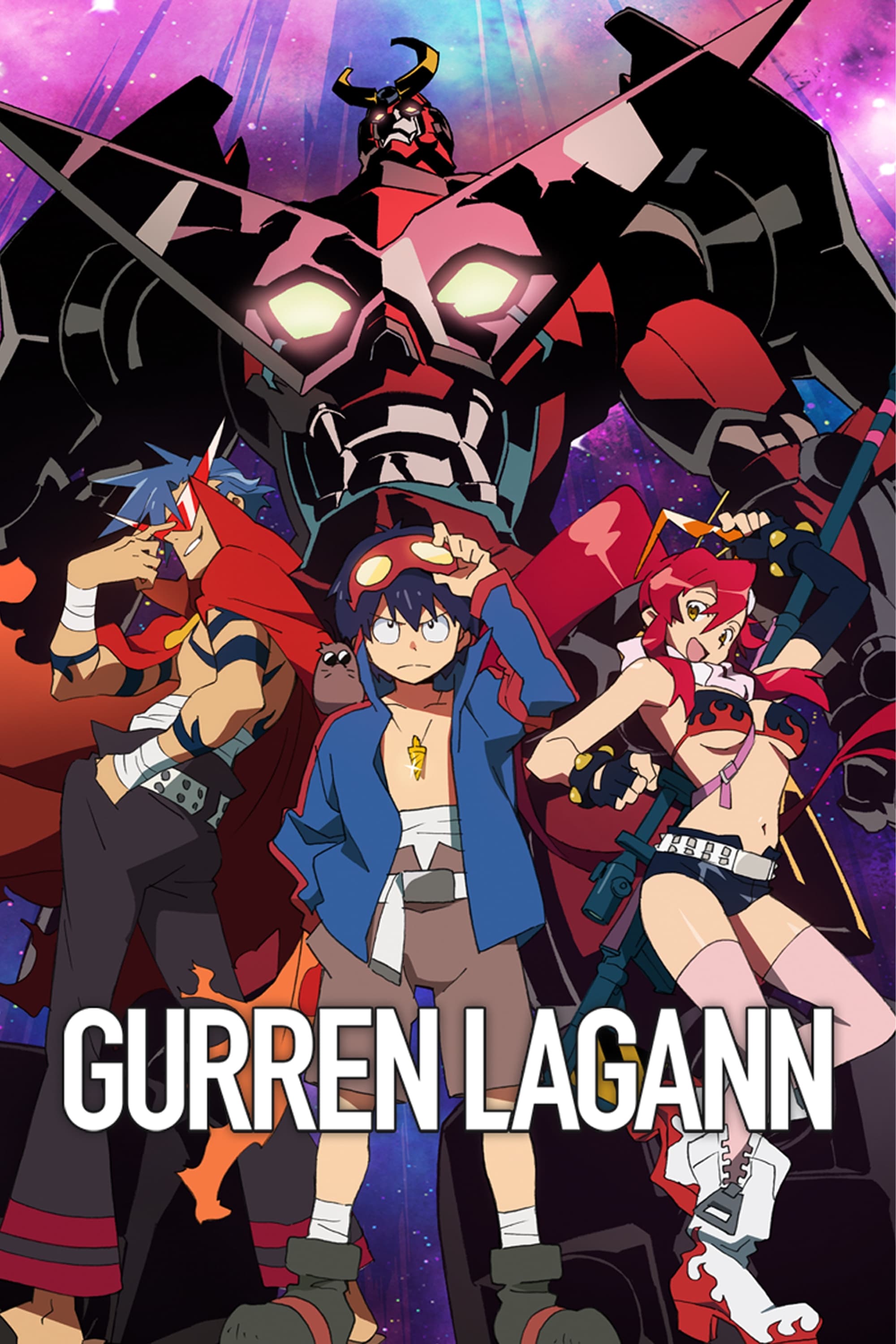
Nia Teppelin is revealed to be linked to the Anti-Spirals, enabling an abrupt shift in allegiance that removes her from the human sphere. Her status explains prior anomalies in her origin and provides a direct channel for the antagonists’ demands.
The twist clarifies why certain communications, engagements, and technological counters unfold with precise timing. It maps Nia’s condition to Anti-Spiral control systems, setting operational limits on rescue attempts and shaping the tactics used in the final campaign.
‘Sword Art Online’ (2012) – Heathcliff is Kayaba Akihiko

Guild leader Heathcliff is identified as Kayaba Akihiko, the architect of the death game. His unusual statistics, duel performance, and system-level privileges fit a profile that only the creator could satisfy.
This reveal consolidates disparate observations—combat invulnerability, administrative interjections, and knowledge of game seams—into a single identity. It provides a procedural explanation for rule overrides and floor-clearing conditions, linking player progress to a designer’s direct participation.
Share the twists you think deserve a spot in this hall of infamy in the comments!