Most Watched Anime Movies of All Time


It’s always amazing to see how anime films pull huge crowds across theaters worldwide. Some of these releases reshaped the box office in Japan, while others found massive audiences through global theatrical rollouts and later home releases and streaming. Together, they show how anime cinema keeps reaching new viewers every year.
This list brings together the anime movies that drew exceptionally large audiences through theatrical attendance and broad international distribution. You’ll see franchise juggernauts, original hits, and award winners that kept playing for weeks as word of mouth spread and repeat viewings piled up.
‘Demon Slayer: Kimetsu no Yaiba – The Movie: Mugen Train’ (2020)

This feature continuation of the ‘Demon Slayer’ TV series opened in Japan to unprecedented demand, topping national box office records and becoming the country’s all-time highest earner. The domestic success carried into wide international releases across Asia, North America, and Europe, where multiple territories reported record openings for an anime film.
The movie was produced by ufotable and released in Japan by Toho and Aniplex, with English-language distribution led by Funimation and later Crunchyroll. Premium format screenings and extended theatrical runs helped total admissions grow well beyond initial projections.
‘Spirited Away’ (2001)
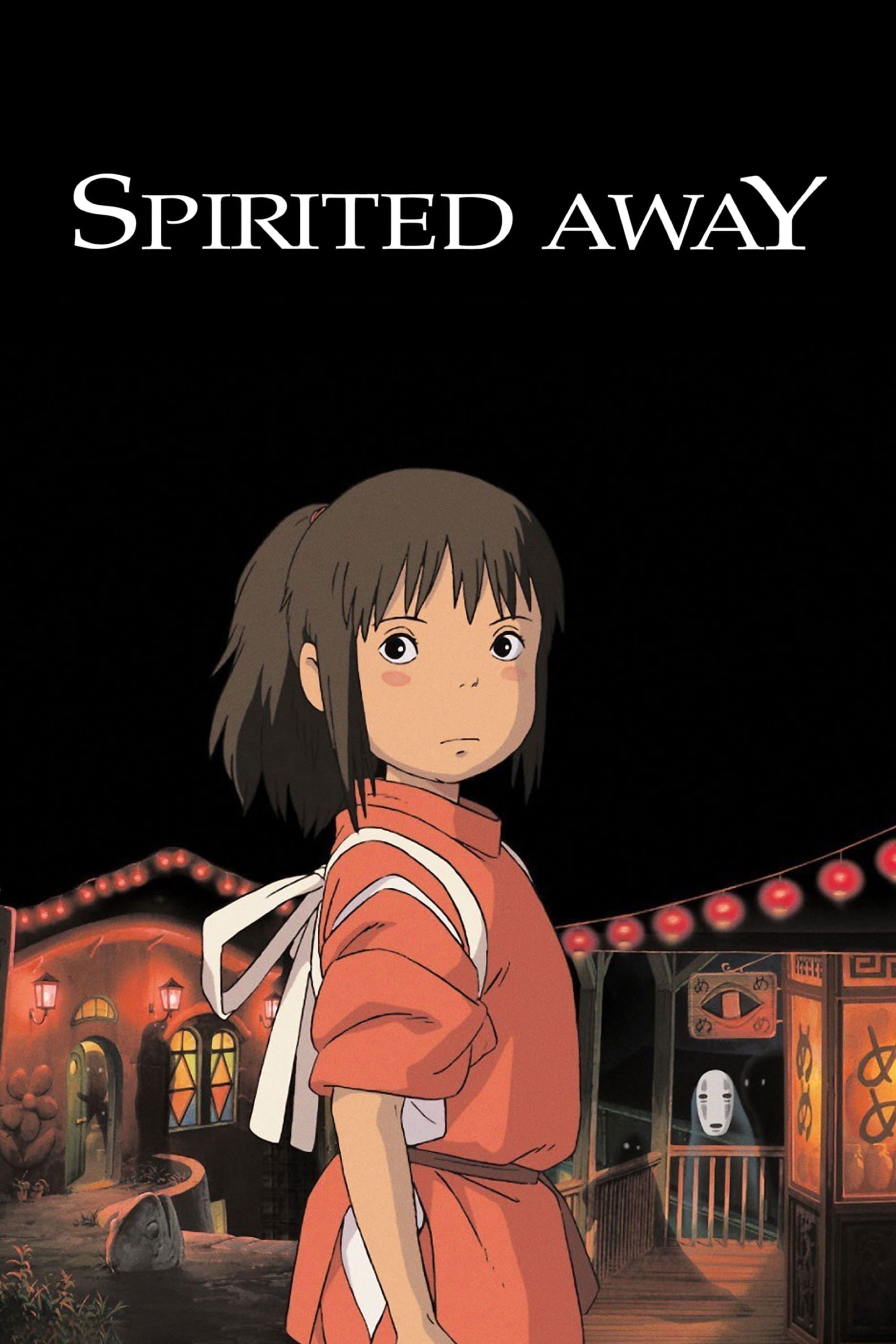
Studio Ghibli’s ‘Spirited Away’ drew extraordinary attendance in Japan and sustained long legs through reissues and festival circuits. Its strong theatrical run was followed by major home video sales and regular repertory bookings that continued to add new viewers over time.
Released domestically by Toho and distributed abroad by partners including Disney in many territories, the film also gained global exposure through television airings and streaming windows. Its Best Animated Feature win at the Academy Awards boosted additional international playdates and audience reach.
‘Your Name’ (2016)

Makoto Shinkai’s ‘Your Name’ became a word-of-mouth phenomenon, breaking records for an original anime feature in Japan and performing strongly throughout East and Southeast Asia. It also posted notable numbers in markets like China and South Korea, where repeat viewings contributed to high admissions.
The film was produced by CoMix Wave Films and released by Toho in Japan, with international distribution handled by multiple partners, including Funimation in North America. The success expanded Shinkai’s global profile and set the stage for larger overseas releases for his later films.
‘The Boy and the Heron’ (2023)
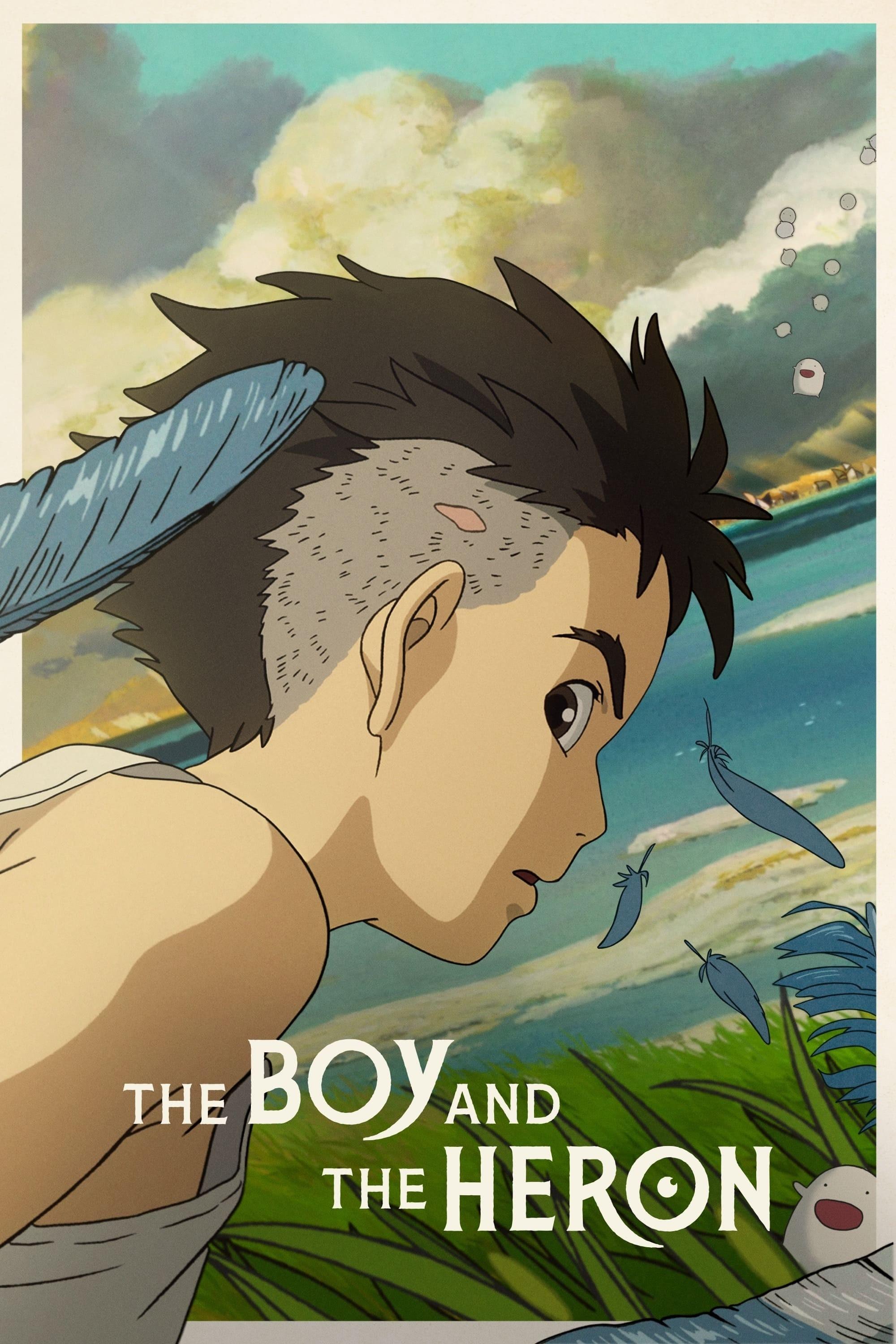
Hayao Miyazaki’s ‘The Boy and the Heron’ drew large crowds with minimal pre-release marketing, then expanded internationally with strong premium-format sales. The film recorded extended Japanese play and robust overseas openings, aided by prestigious festival premieres.
Studio Ghibli produced the film, with Toho releasing it domestically and international distribution managed in many markets by GKIDS. The combination of critical recognition and broad screen counts contributed to substantial cumulative admissions across multiple regions.
‘The First Slam Dunk’ (2022)
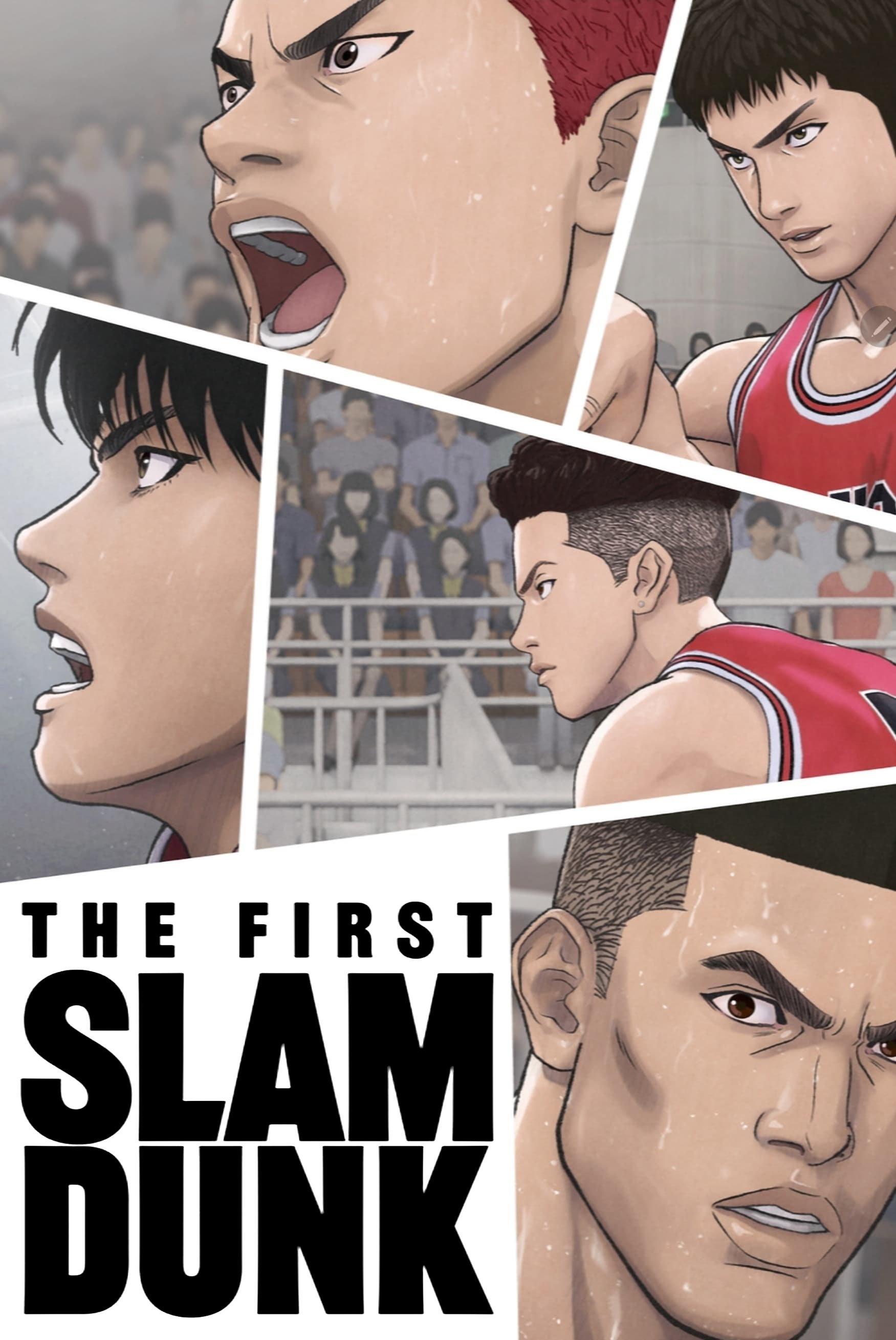
Based on Takehiko Inoue’s basketball manga, ‘The First Slam Dunk’ became a breakout hit in Japan and delivered exceptional results in markets such as South Korea and China. Consistent attendance came from both longtime fans and new viewers discovering the franchise through the film.
The movie was produced by Toei Animation and Dandelion Animation Studio, with Toei handling release in Japan and global distribution across Asia through local partners. Its strong performance elevated the property to new international visibility, leading to extended runs and encore showings.
‘One Piece Film: Red’ (2022)

‘One Piece Film: Red’ leveraged the franchise’s popularity to deliver one of the biggest anime film launches in Japan, then replicated that momentum in numerous overseas territories. Music tie-ins and special screenings encouraged repeat attendance and event-style outings.
Toei Animation produced the film and released it domestically via Toei, while Crunchyroll and other partners handled broader international distribution. The movie’s wide IMAX and 4DX availability increased per-screen averages during peak weekends.
‘Suzume’ (2022)

‘Suzume’ continued Makoto Shinkai’s run of global successes, attracting heavy turnout in Japan before expanding to significant screen counts worldwide. The film achieved strong results in key markets across Asia and enjoyed a healthy run in North America and Europe.
Produced by CoMix Wave Films and released by Toho in Japan, the film’s international rollout was supported by Crunchyroll, Sony Pictures, and Wild Bunch in various territories. Its consistent attendance across multiple weeks contributed to a high cumulative audience.
‘Weathering With You’ (2019)
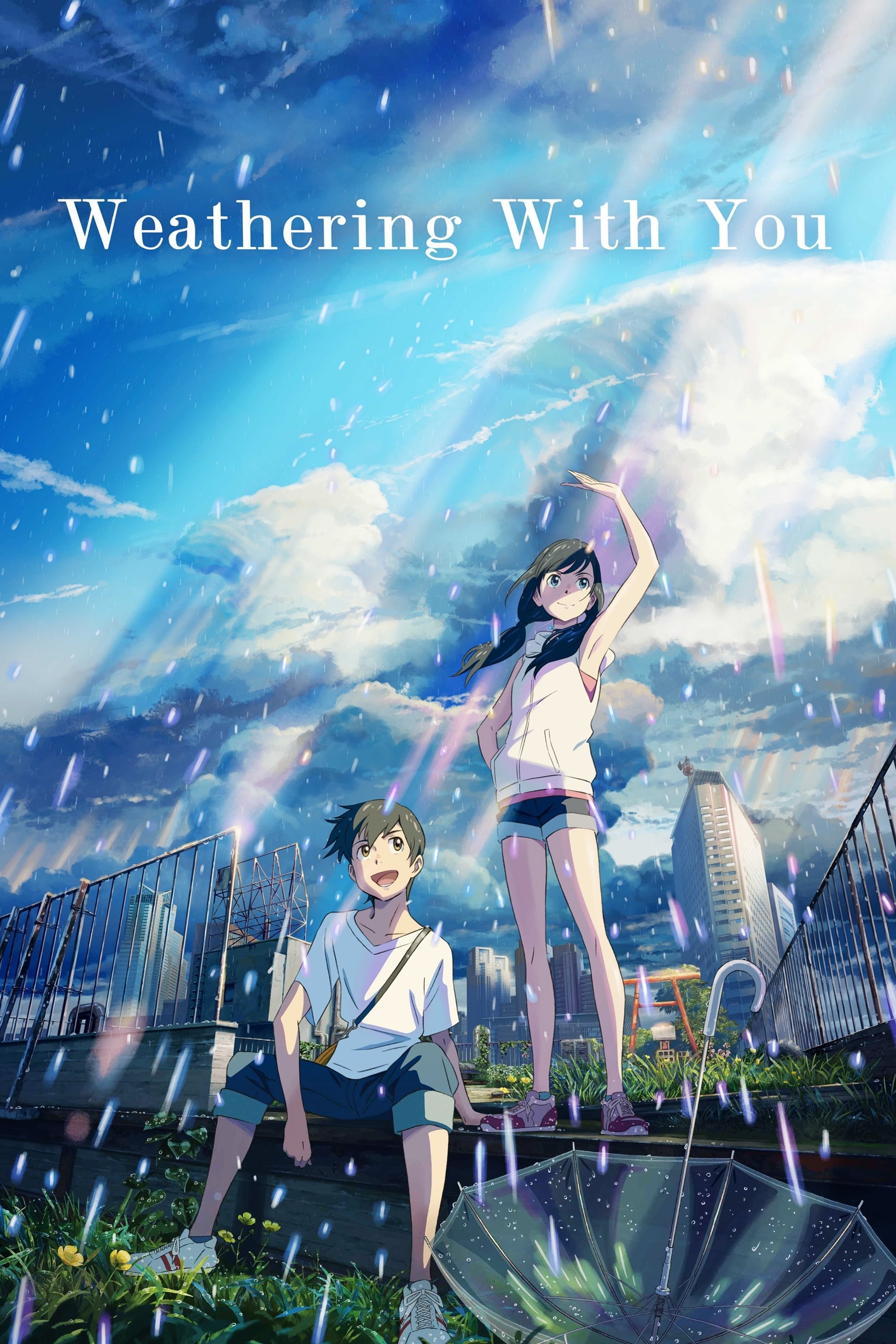
Following the breakout of ‘Your Name’, ‘Weathering With You’ opened to tremendous interest and maintained momentum through extended play in Japan. Internationally, it secured wide theatrical distribution and prestigious festival slots that increased visibility and turnout.
The production was handled by CoMix Wave Films, with Toho managing the domestic release. Distributors including GKIDS and select partners brought the film to audiences across North America and Europe, bolstering total admissions through specialty and mainstream cinemas.
‘Howl’s Moving Castle’ (2004)
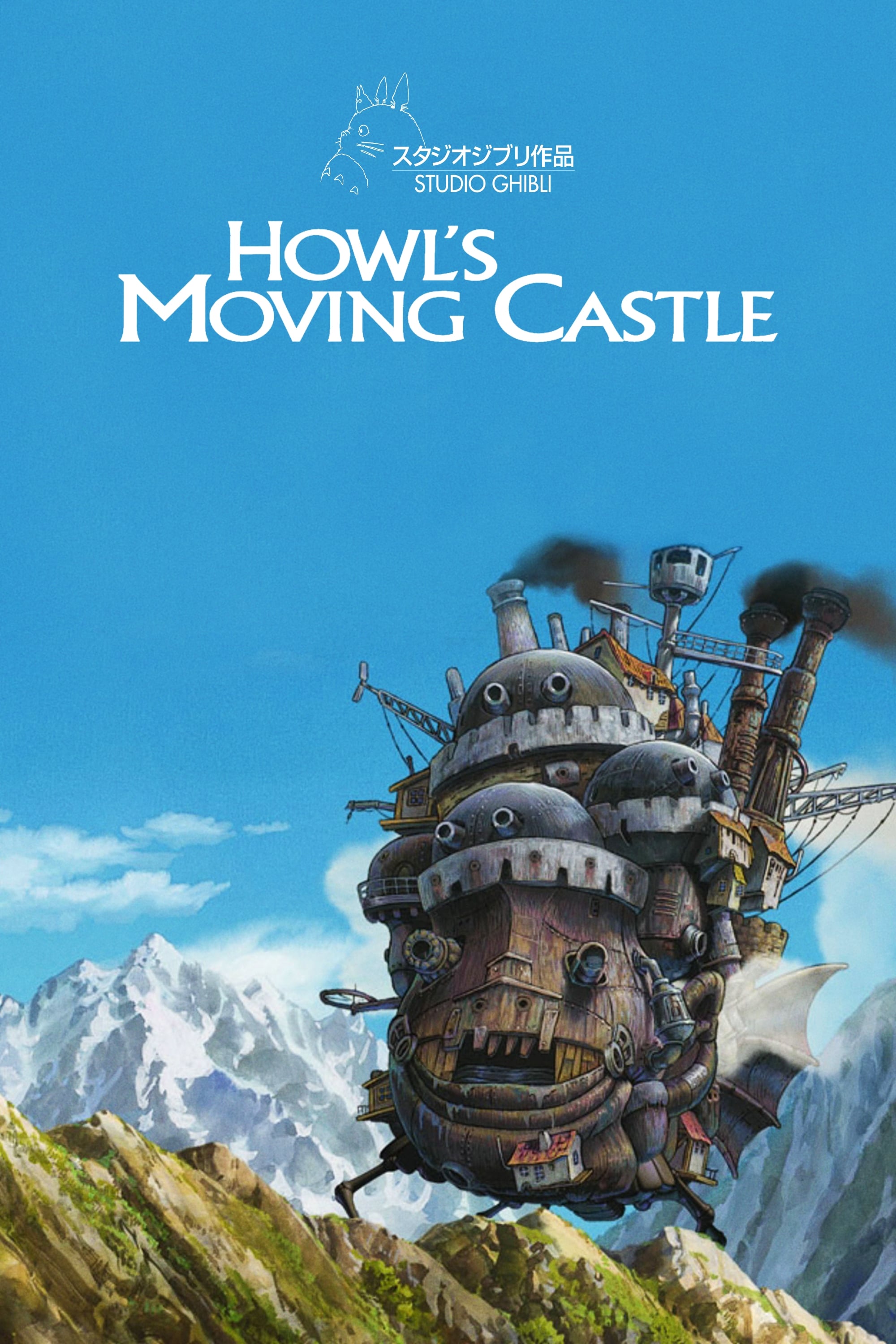
‘Howl’s Moving Castle’ enjoyed a long theatrical life in Japan and steady international attendance through multiple waves of release. The film continued attracting viewers through anniversary reissues and special event screenings.
Studio Ghibli produced the feature, Toho released it domestically, and Disney managed distribution in many international markets at the time. The film’s availability in premium and repertory venues helped build cumulative audience numbers over the years.
‘Princess Mononoke’ (1997)
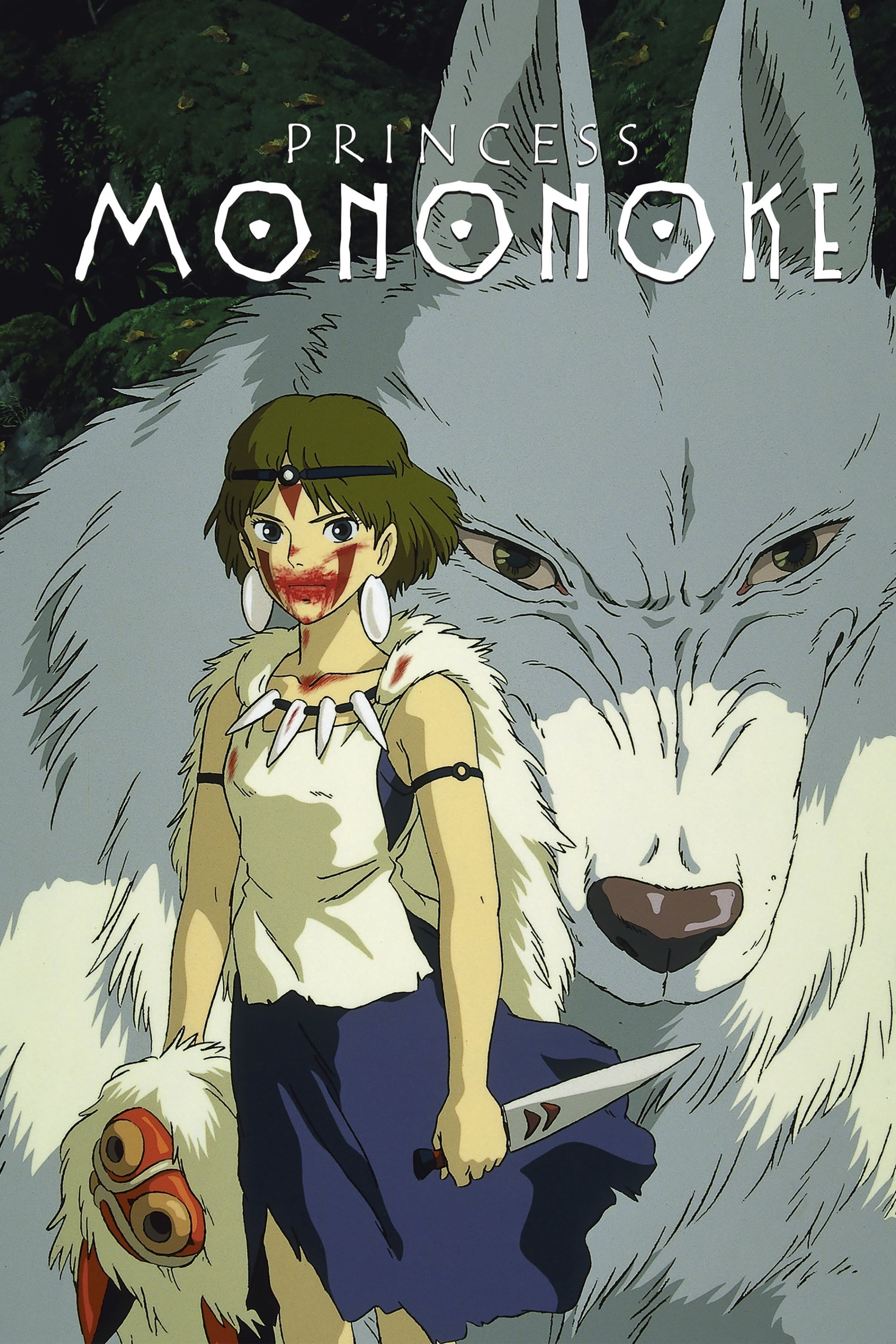
Upon release, ‘Princess Mononoke’ set new attendance benchmarks in Japan, holding top positions before later titles surpassed it. The film’s international rollout introduced many viewers to Studio Ghibli on the big screen, with continued interest through re-releases.
Produced by Studio Ghibli and released by Toho in Japan, the film saw distribution in multiple regions via different partners, expanding its audience over time. Continued festival appearances and repertory programming kept adding viewers well beyond the initial run.
‘Ponyo’ (2008)
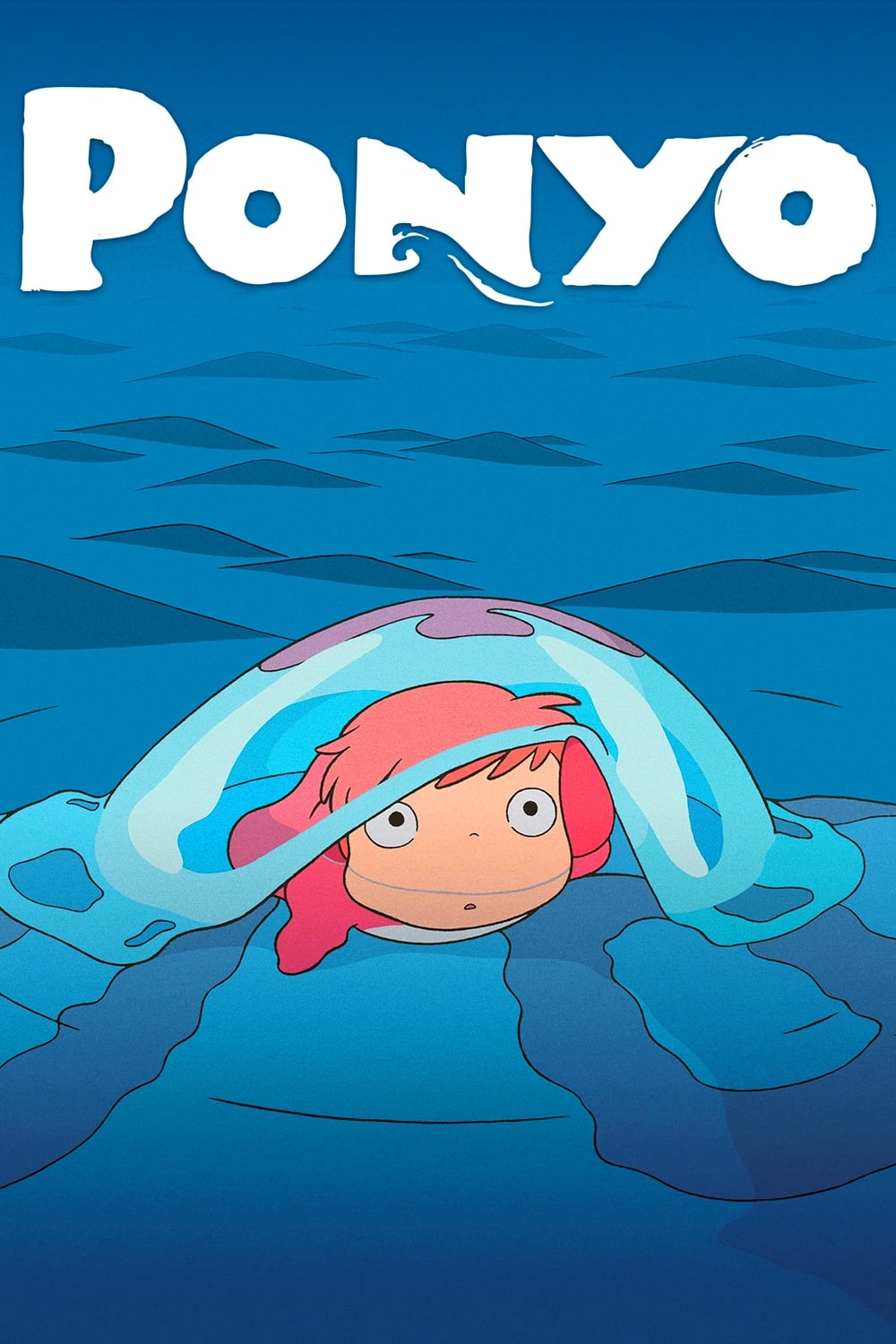
‘Ponyo’ brought large family audiences to theaters, sustaining high admissions through school holidays and weekend matinees. It remained a top performer domestically and secured a substantial number of international screens.
Studio Ghibli produced the film, Toho handled the Japanese release, and Disney oversaw distribution in many overseas territories. The movie’s strong word of mouth ensured extended runs and additional bookings in community and art-house cinemas.
‘The Wind Rises’ (2013)

‘The Wind Rises’ attracted significant adult audiences in Japan and performed well across international markets. Awards recognition boosted visibility and helped secure extended engagements beyond standard schedules.
Studio Ghibli produced the film with Toho releasing it domestically, while distributors such as Disney and later GKIDS handled key international territories. Its platform rollouts and festival spots contributed to steady turnout over multiple months.
‘Jujutsu Kaisen 0’ (2021)
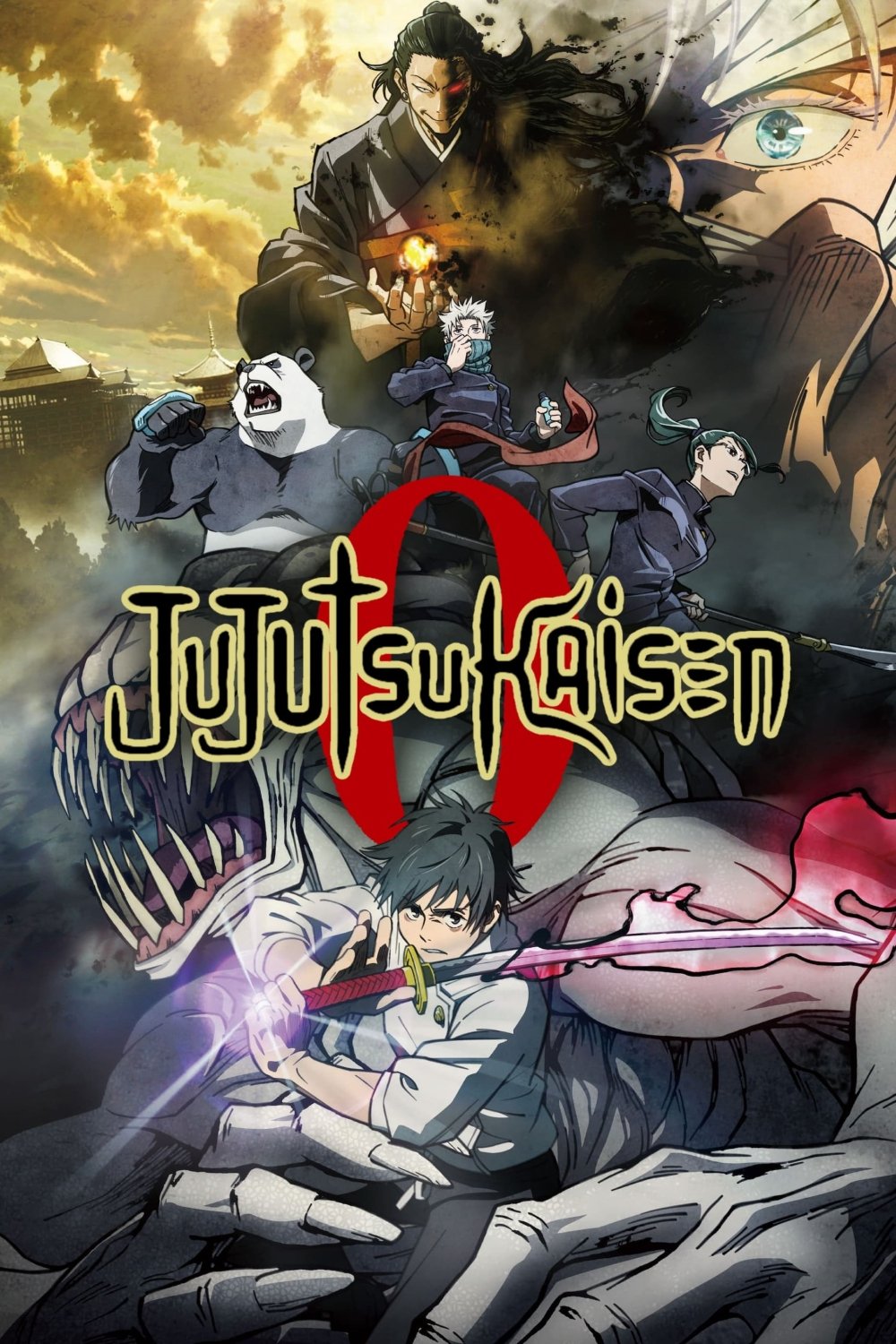
As a prequel to the ‘Jujutsu Kaisen’ TV series, ‘Jujutsu Kaisen 0’ converted series popularity into strong theatrical attendance. The film posted impressive results in Japan and expanded successfully across North America, Europe, and Asia.
MAPPA produced the movie, with Toho releasing it domestically and Crunchyroll serving as a key partner for global distribution. Special fan screenings and dubbed and subtitled options supported repeat visits and broad audience reach.
‘Evangelion: 3.0+1.0 Thrice Upon a Time’ (2021)
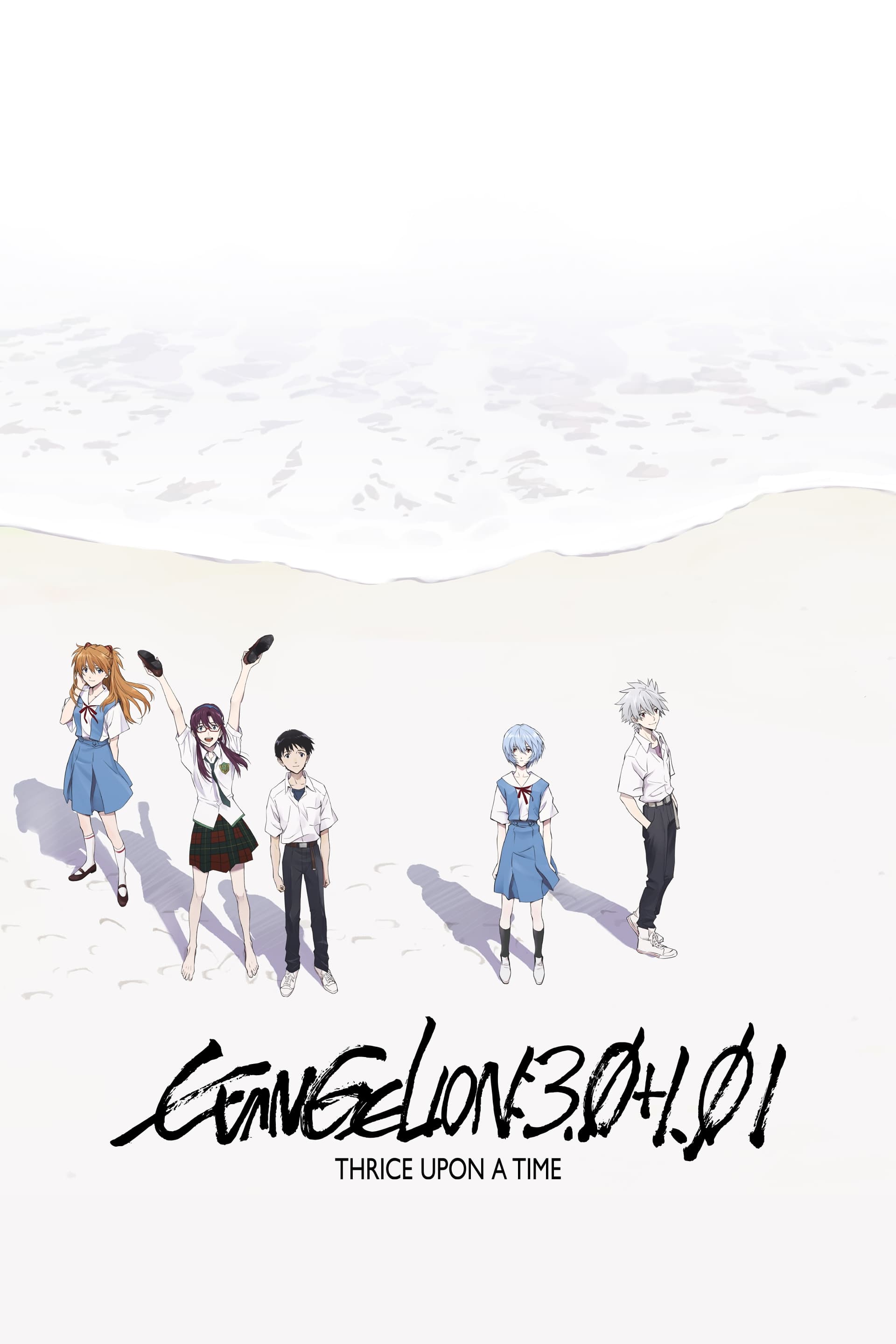
The concluding chapter of the Rebuild of ‘Evangelion’ saga delivered high turnout in Japan and generated significant interest overseas. The film benefited from pent-up demand and franchise loyalty built across prior installments.
Khara produced the movie with Toho and Toei involved in domestic distribution. Internationally, the title reached audiences through theatrical engagements and later streaming availability, both of which contributed to total viewership.
‘Stand by Me Doraemon’ (2014)

‘Stand by Me Doraemon’ brought a hybrid of CG animation and classic characters to theaters, drawing wide family attendance in Japan. The movie also performed strongly in several Asian markets, where the franchise enjoys multi-generational appeal.
Shirogumi and Shin-Ei Animation produced the film, with Toho releasing it domestically. International distribution extended to numerous countries across Asia and select regions elsewhere, leading to high cumulative admissions.
‘Stand by Me Doraemon 2’ (2020)
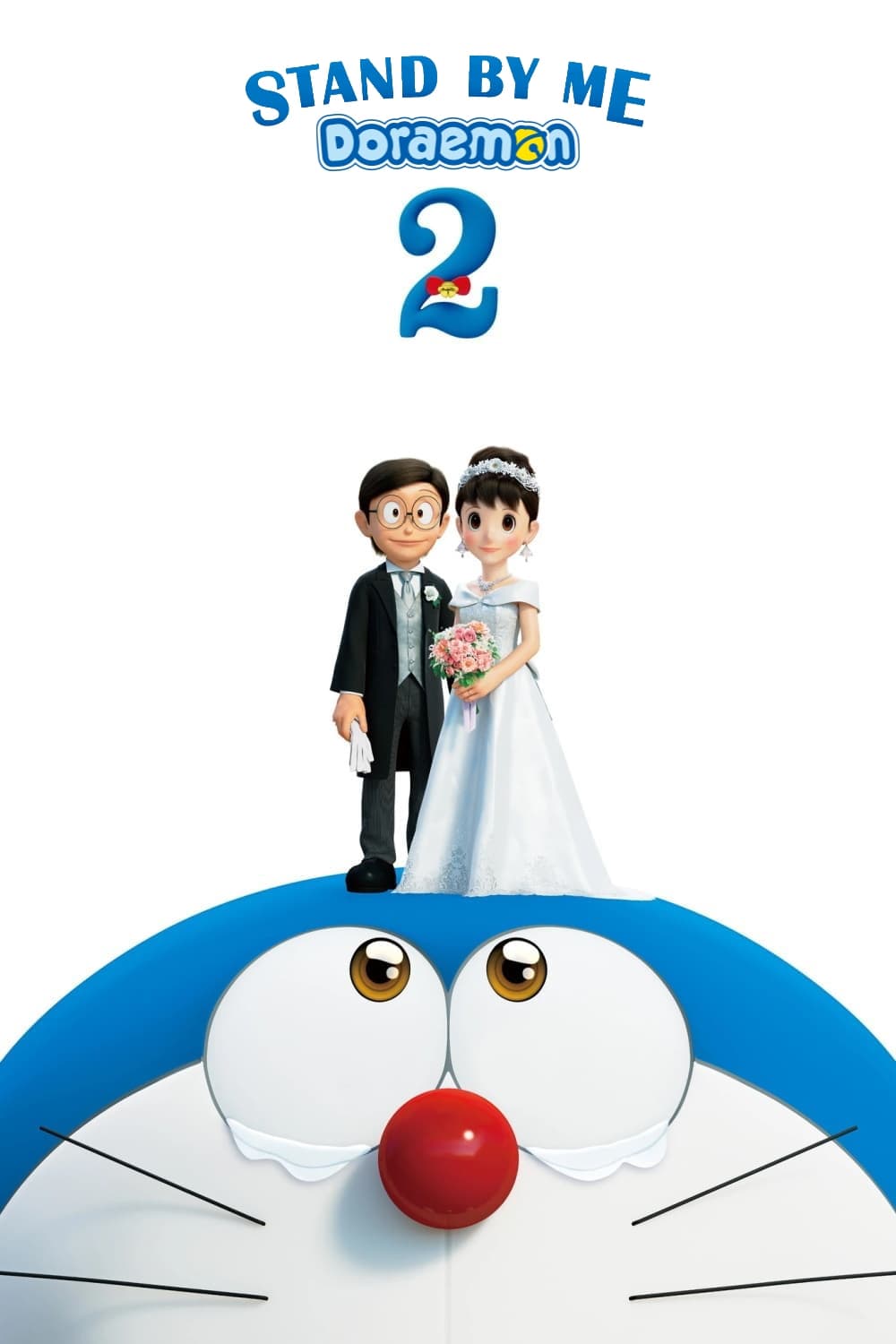
This follow-up capitalized on the success of its predecessor and drew substantial family audiences during holiday periods. The film maintained steady turnout across multiple weeks in Japan and traveled well to other Asian territories.
Shin-Ei Animation and Shirogumi produced the sequel, released by Toho domestically. International partners brought it to additional markets, where established brand familiarity supported strong attendance.
‘Detective Conan: The Fist of Blue Sapphire’ (2019)

Part of the long-running ‘Detective Conan’ series, this entry recorded one of the franchise’s strongest box office results. It saw robust attendance in Japan and notable performance in neighboring markets with established fan bases.
The film was produced by TMS Entertainment and released domestically by Toho. Regional distributors across Asia expanded its reach, with franchise momentum fueling repeat viewings and strong weekend holds.
‘Detective Conan: Black Iron Submarine’ (2023)

‘Detective Conan: Black Iron Submarine’ continued the series’ surge, delivering franchise-best results in several metrics. The film’s rollout included premium formats and special-event screenings that encouraged early attendance.
Produced by TMS Entertainment and released by Toho, the movie enjoyed broad international play in regions where the series is popular. Seasonal timing and coordinated marketing supported extended runs and high cumulative admissions.
‘Dragon Ball Super: Broly’ (2018)
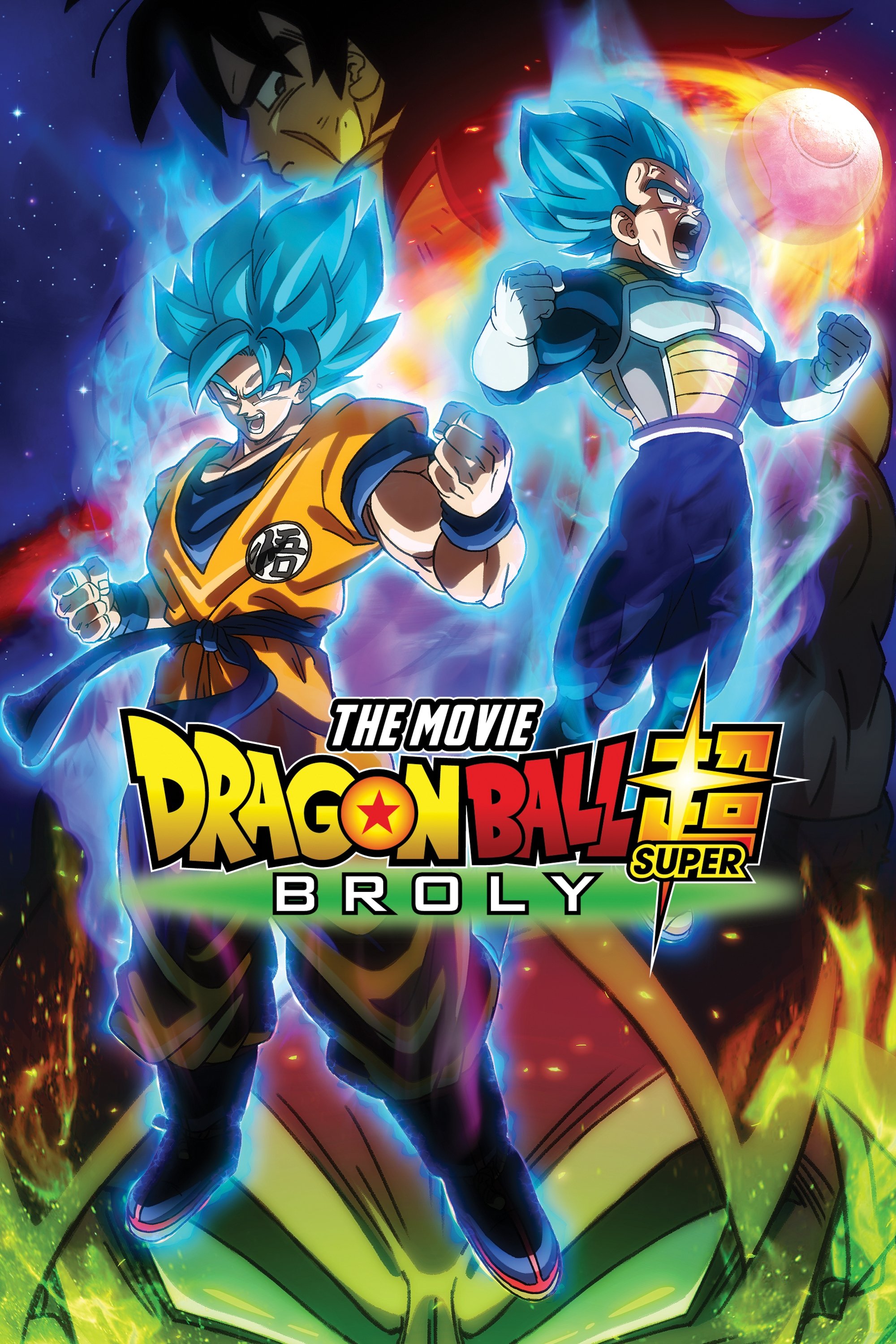
‘Dragon Ball Super: Broly’ leveraged a global fan base to produce major turnouts in Japan, North America, and Latin America. The film set franchise records in multiple countries and maintained strong weekday numbers following opening weekends.
Toei Animation produced and distributed the movie in Japan, with Funimation and other partners managing overseas releases. Wide dubbed and subtitled availability helped maximize attendance across diverse markets.
‘Dragon Ball Super: Super Hero’ (2022)
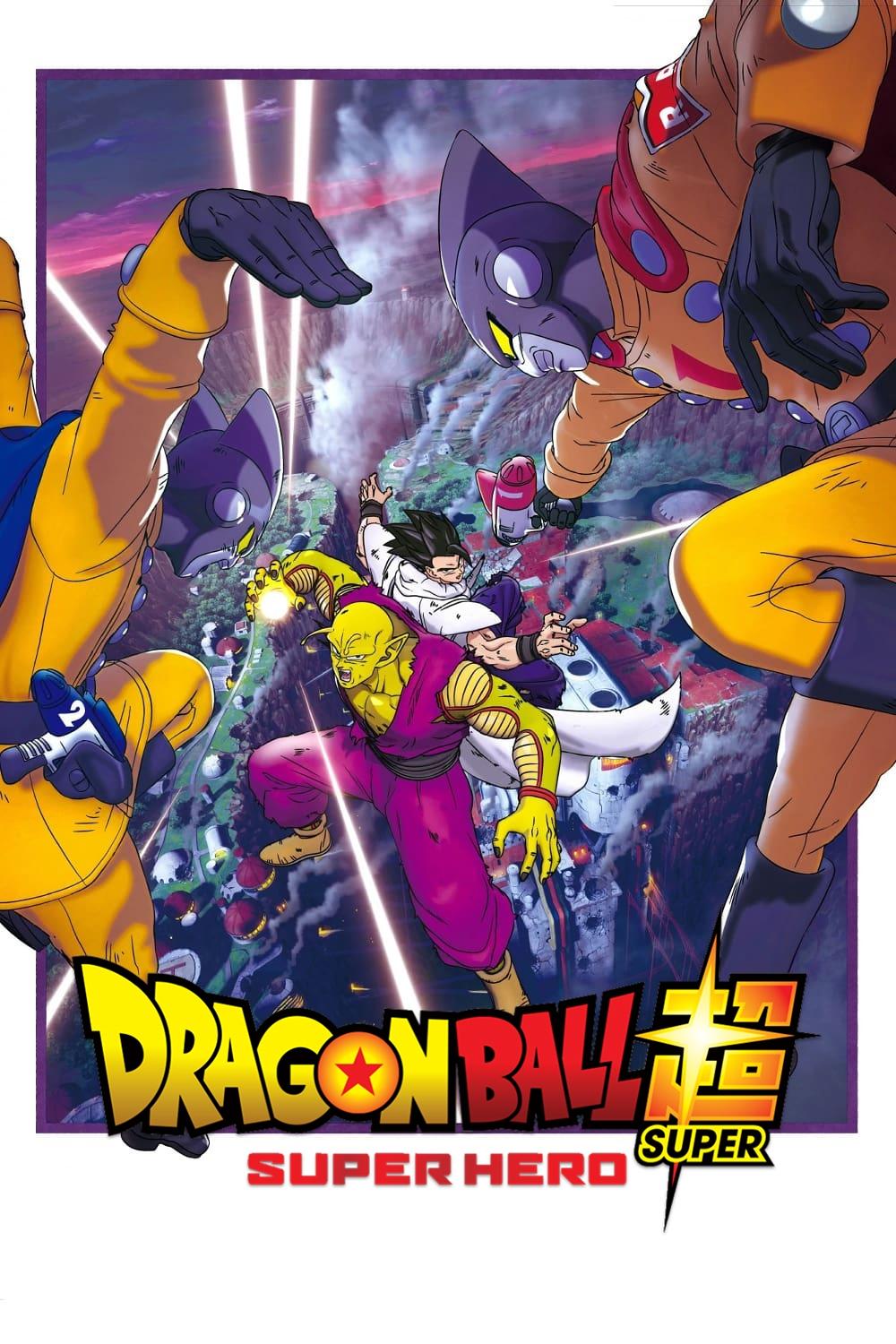
This follow-up continued the franchise’s theatrical momentum and posted outstanding results in North America relative to prior entries. The film performed strongly in Japan and recorded solid admissions across additional international territories.
Toei Animation produced the movie, handling domestic release, while Crunchyroll and Sony Pictures coordinated distribution in many regions. Strategic scheduling and premium format options increased per-screen averages.
‘Pokémon: The First Movie’ (1998)

‘Pokémon: The First Movie’ converted the global popularity of the games and TV series into a major theatrical event. It drew huge family audiences and generated strong weekday attendance due to school-friendly scheduling.
The film was produced by OLM and released in Japan by Toho, with international distribution handled by Warner Bros. Extensive merchandise tie-ins and promotional campaigns further boosted turnout worldwide.
‘Pokémon: The Movie 2000’ (1999)

The second theatrical outing continued the franchise’s strong box office trajectory, especially in North America and parts of Europe. Event-style screenings and coordinated promotions kept attendance high during peak weeks.
OLM produced the film, with Toho handling the Japanese release and Warner Bros. managing many international markets. The wide availability of dubbed versions ensured accessibility for younger audiences across regions.
‘One Piece Film: Z’ (2012)

‘One Piece Film: Z’ marked a major milestone for the series at the box office, setting franchise records upon release in Japan. The film sustained strong admissions through holiday periods and remained a top draw for weeks.
Toei Animation produced and released the movie domestically, while regional partners supported distribution in Asia and select international territories. The continued growth of the ‘One Piece’ brand helped the film accumulate substantial attendance.
‘The Secret World of Arrietty’ (2010)
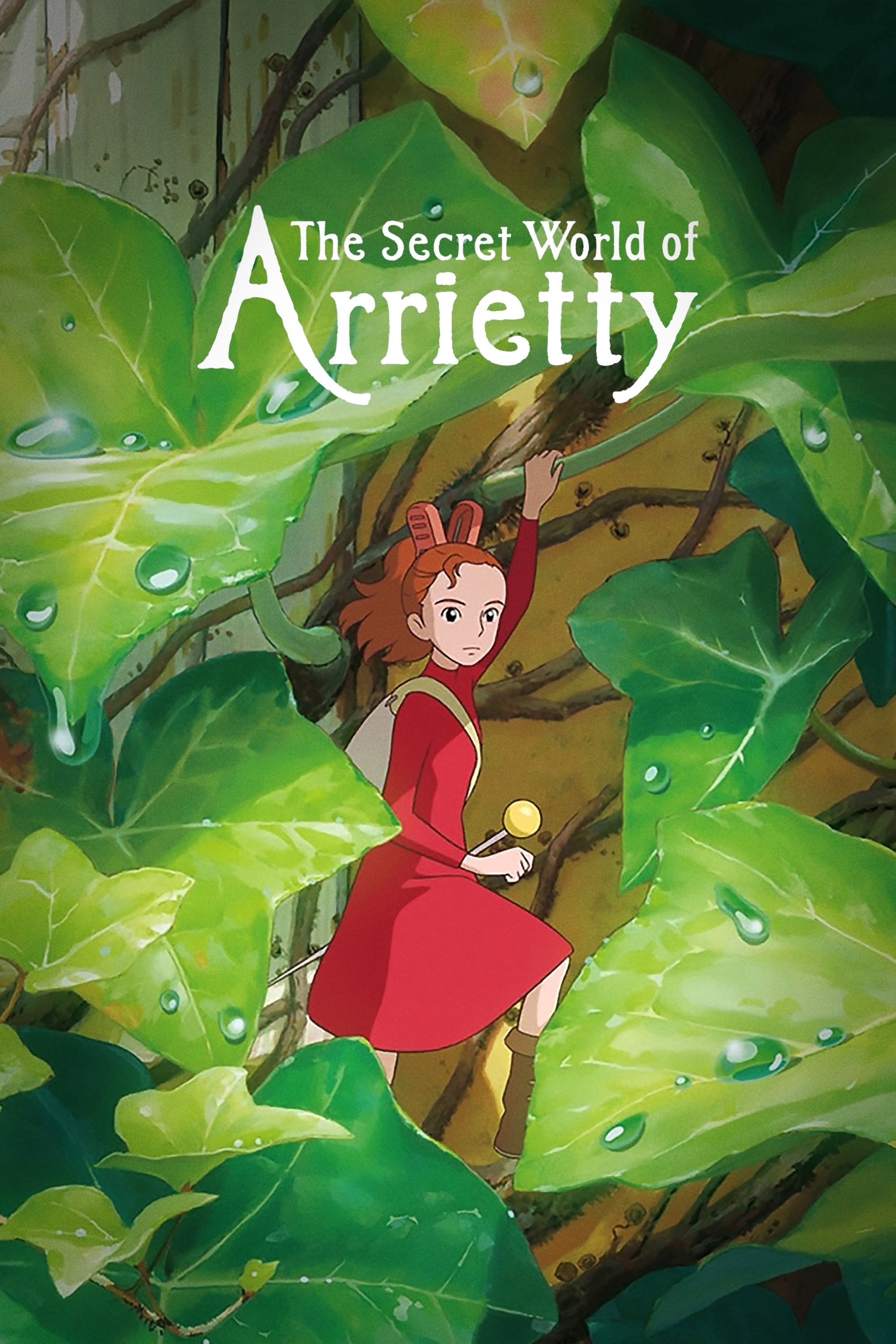
‘The Secret World of Arrietty’ posted one of Studio Ghibli’s stronger overseas performances, particularly in North America where it achieved wide release. The film also maintained healthy attendance in Japan across multiple weeks.
Studio Ghibli produced the film, Toho released it domestically, and Disney distributed it in numerous international markets. Multiple language tracks and family-oriented scheduling contributed to steady turnout.
‘One Piece Film: Gold’ (2016)

‘One Piece Film: Gold’ drew heavy franchise turnout in Japan and expanded successfully to additional Asian markets. The film maintained strong per-screen averages thanks to fan events and limited-time promotions.
Toei Animation produced and released the movie domestically, with overseas distribution supported by regional partners. Its broad theater footprint and sustained interest across weekends pushed cumulative admissions to impressive totals.
Share your favorites from this list and tell us which anime movie drew the biggest crowd when you saw it in theaters in the comments.